
NewsNEWCENTER
Featured products
Contact Us
GE Advances Intelligent Control Technologies to Improve Energy and Industrial Automation
2026-09-01Digital Control Systems and Smart Monitoring Continue to Enhance Operational Efficiency
The industrial automation sector continues to evolve as manufacturers and energy companies invest in smarter control technologies to improve productivity, reliability and operational efficiency. GE is supporting this transition by expanding intelligent control solutions that help industrial facilities optimize production processes, strengthen equipment performance and simplify system management.
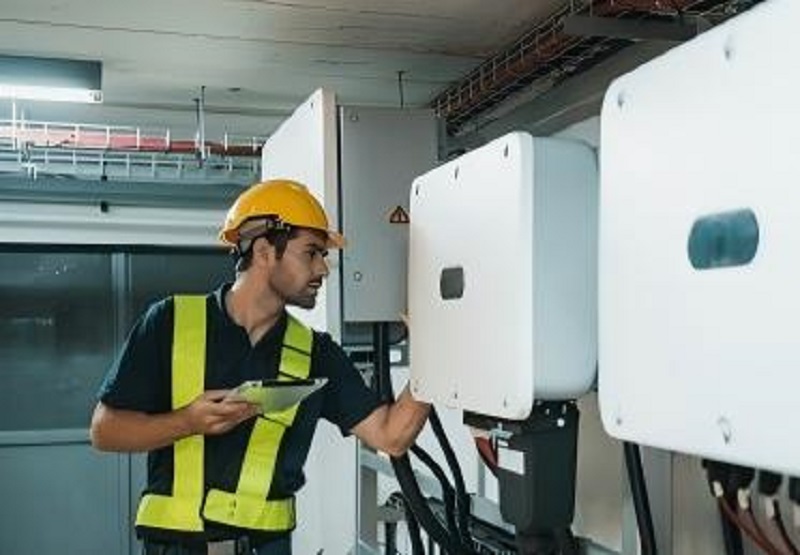
As modern industrial plants become increasingly digital, operators require automation systems capable of processing large amounts of operational data in real time. Advanced control platforms allow engineers to monitor production equipment, analyze process conditions and respond more quickly to changing operating requirements.
One of the most important developments is the integration of intelligent monitoring with industrial control systems. By combining controllers, distributed I/O, operator workstations and field instrumentation, manufacturers can obtain a complete view of plant operations from a centralized control environment. This improves decision-making while reducing manual intervention during daily operations.
Predictive maintenance has also become a major focus across the energy and manufacturing sectors. Instead of waiting for equipment failures or following fixed maintenance schedules, companies are increasingly using continuous equipment monitoring to identify abnormal operating conditions at an early stage. This approach helps reduce unexpected downtime, extend equipment service life and lower maintenance costs.
Digital communication is another key trend driving industrial modernization. Modern control systems exchange data with PLCs, SCADA platforms, intelligent sensors and enterprise management software, allowing production information to flow more efficiently throughout the organization. Improved connectivity enables faster troubleshooting and supports better production planning.
Energy efficiency continues to influence automation investments. Manufacturers are implementing advanced control strategies that optimize equipment operation, reduce unnecessary energy consumption and improve overall system performance. Intelligent monitoring also provides detailed operating data that can be used to identify opportunities for process optimization and equipment upgrades.
Remote operation and centralized diagnostics are becoming increasingly valuable for large industrial facilities. Engineers can monitor equipment status, review alarm information and analyze historical operating trends from centralized engineering centers, allowing maintenance teams to respond more quickly to production issues while reducing on-site service requirements.
Another growing trend is the adoption of modular automation architectures. Flexible system designs allow facilities to expand production capacity, integrate new equipment and modernize existing installations without major disruptions to ongoing operations. This approach supports long-term investment planning while improving system scalability. Broader industrial automation trends also show increasing adoption of Industrial AI, software-defined automation and edge intelligence across manufacturing.
Looking ahead, digitalization, intelligent diagnostics and integrated control technologies will continue to shape the future of industrial automation. Manufacturers are expected to further invest in connected systems that provide higher reliability, improved asset management and greater operational visibility.
As industrial facilities continue their digital transformation journey, advanced control technologies are helping create safer, more efficient and more sustainable production environments while supporting the long-term development of smart manufacturing and modern energy infrastructure.