

ProductPRODUCT
Featured products
Contact Us
- Siemens
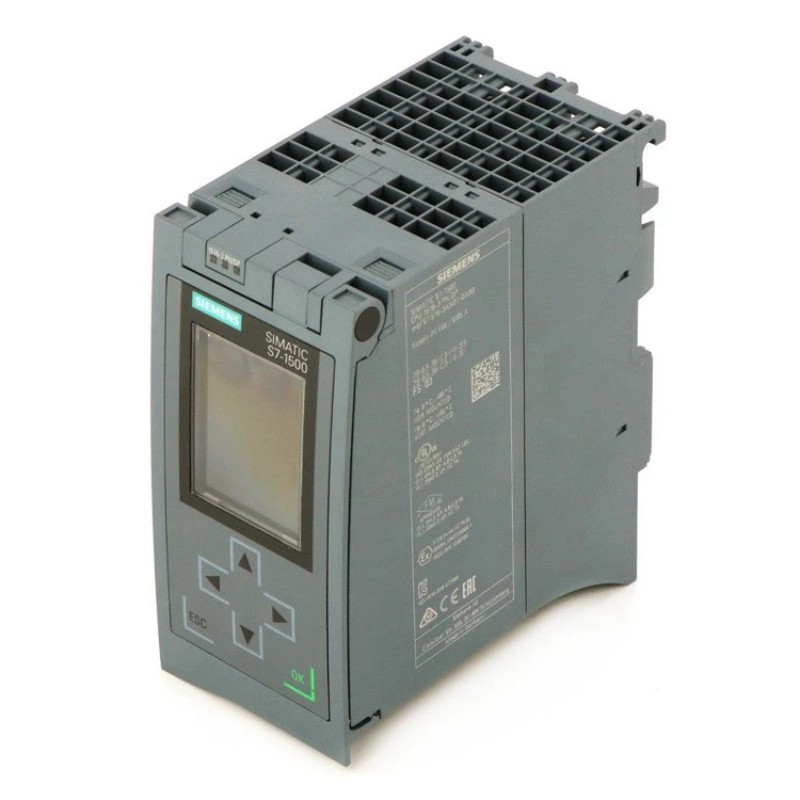
- 6AG1516-3AN01-2AB0
- Central Processing Unit
- Germany
- 70 × 147 × 129 mm
- 0.928 kg
- Xiamen, China
- New & In Stock
- T/T, PayPal, Western Union
- 1 Year
- 1-3 Working Days
- DHL, UPS, TNT, FedEx and EMS.
- 24-Hour Service
- COO
- 29
Our advantage

Global Logistics
We have a 10-year logistics and express cooperation agreement, so our products can be shipped to any place in the world.

Brand new and original
Our products are imported in bulk from the place of origin. Because of the cooperative relationship, our products are all original and 100% new.

24-hour service
We provide 7*24 hours service to our customers. We will be there whenever you need us.

Price advantage
All our products are priced very favorably because we have our own warehouse and supply.
| Company Information | |||
| [email protected] | |||
| Mobile | +8615980777398 | ||
| +8615980777398 | |||
| 15980777398 |
Product Overview
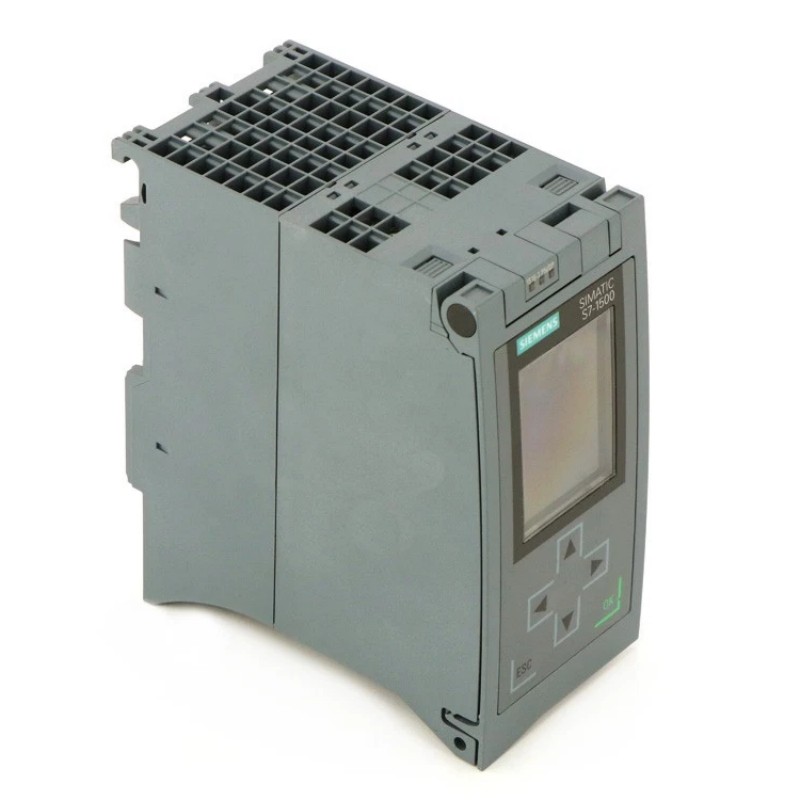
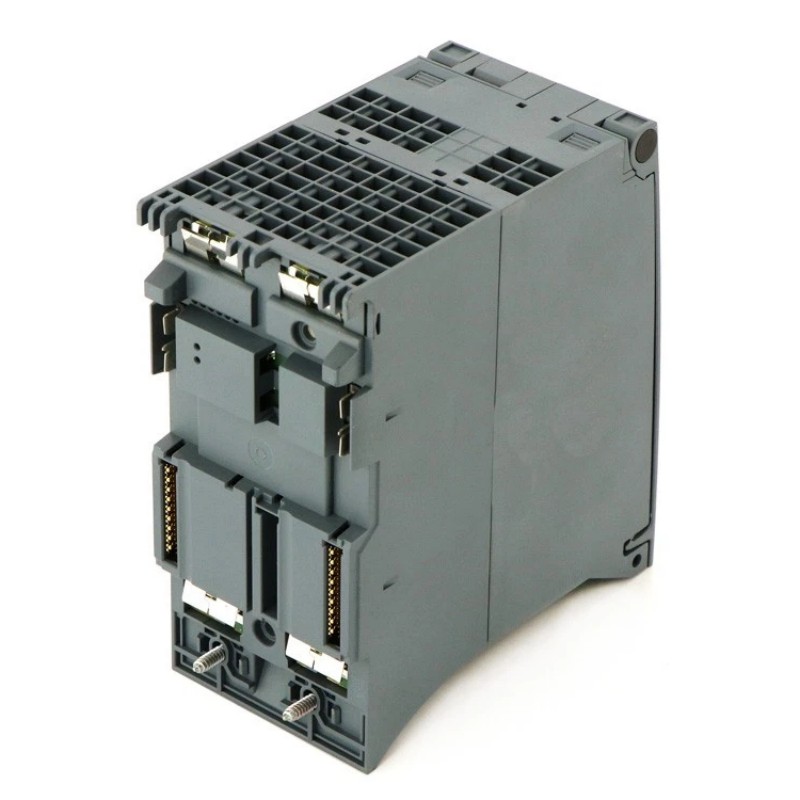
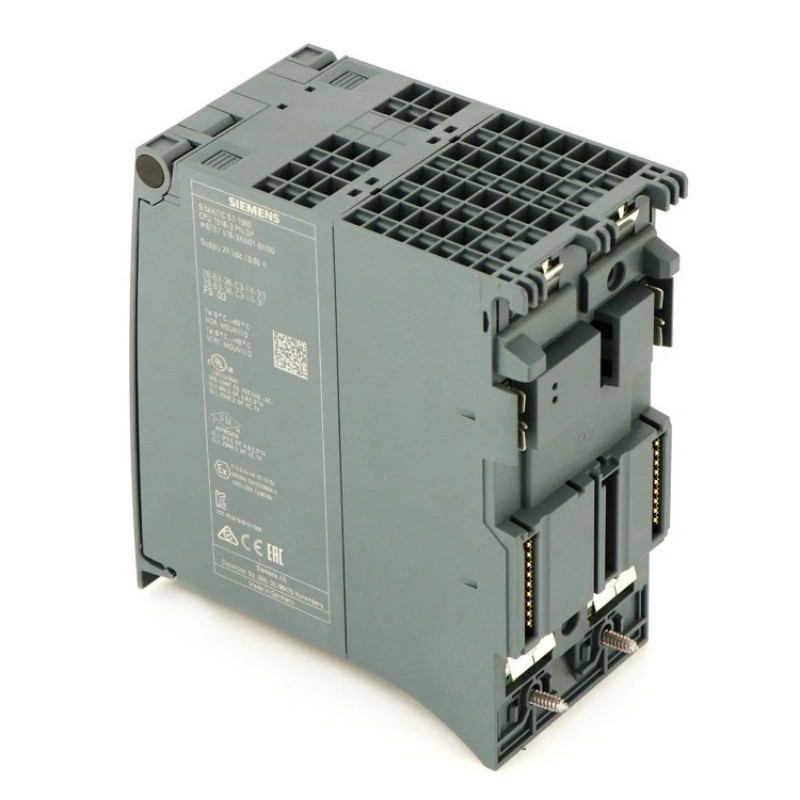
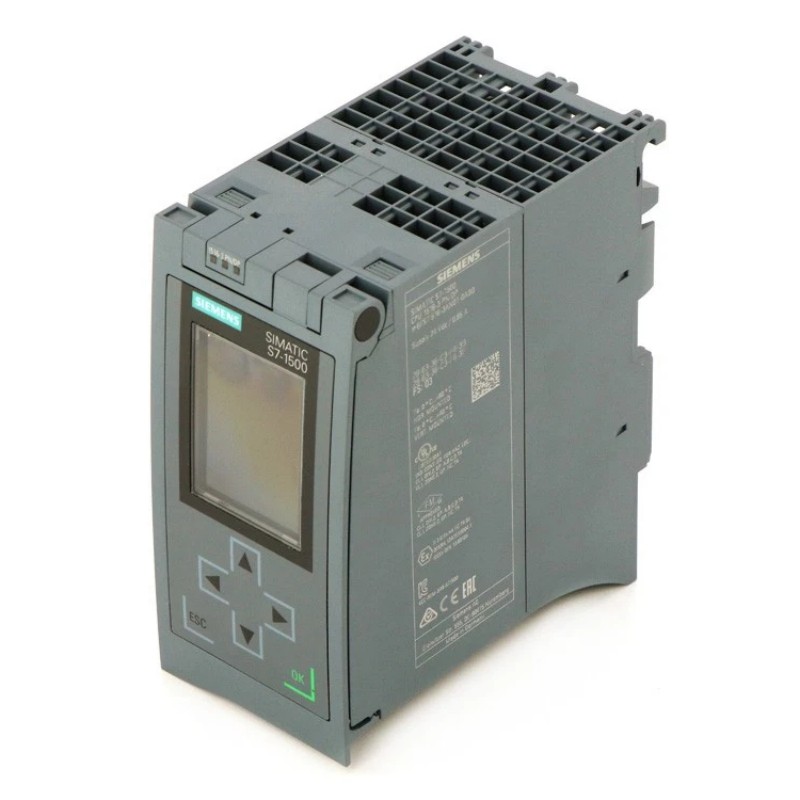
The Siemens 6AG1516-3AN01-2AB0 is a SIPLUS S7-1500 Central Processing Unit for central control and program execution in industrial automation systems. It processes the configured user program, evaluates incoming process information, and coordinates the operation of connected I/O and communication components.
In a machine or production line, field signals are collected through the connected I/O system and made available to the CPU. The controller evaluates these signals against programmed sequences, interlocks, operating conditions, and control logic before updating commands to connected outputs.
The CPU can serve as the central processing point in a modular S7-1500 architecture. The SIPLUS product family is intended for industrial applications requiring the applicable environmental characteristics associated with SIPLUS hardware, making the unit suitable for demanding control cabinet and automation installations within its specified conditions.
Technical Specifications
| Parameter | Specification |
|---|---|
| Product | Siemens 6AG1516-3AN01-2AB0 |
| Product Family | SIPLUS S7-1500 |
| Product Type | Central Processing Unit |
| System Architecture | S7-1500 automation system |
| System Role | Central controller and program execution unit |
| Main Function | User program execution and process control |
| Application | Industrial automation and machine control |
| Environmental Design | SIPLUS industrial automation application |
| Dimensions | 70 × 147 × 129 mm |
| Weight | 0.928 kg |
Product Features
- Central processing unit for S7-1500 automation architectures.
- Executes the configured application program and processes current controller data.
- Coordinates signals exchanged with connected I/O modules.
- Supports integration with communication components and operator systems.
- Suitable for machine automation, production equipment, and industrial control applications.
- SIPLUS construction supports applications requiring the applicable industrial environmental characteristics.
- Provides a central point for controller diagnostics and program execution monitoring.
Working Principle
The CPU processes the automation program using the current process information available from the connected system. Input signals are evaluated by the programmed logic, and the resulting control decisions are transferred to the relevant output channels.
For example, in a material-handling machine, sensors can indicate product position, motor status, or equipment conditions. The CPU evaluates these signals together with programmed interlocks and operating states before issuing commands to motors, valves, or other actuators.
The controller also exchanges information with other system components through the configured communication architecture. This makes fault isolation important: when one field signal is incorrect, the CPU, I/O module, wiring, sensor, and communication path should be checked as separate parts of the signal chain.
Role in a Siemens S7-1500 Control Architecture
| System Element | Function |
|---|---|
| Engineering Station | Creates, configures, downloads, and diagnoses the control project |
| 6AG1516-3AN01-2AB0 CPU | Executes the control program and coordinates system operation |
| Digital Input Modules | Acquire discrete signals from sensors, switches, and equipment |
| Digital Output Modules | Control discrete actuators and switching devices |
| Analog Input Modules | Acquire continuous process measurements |
| Analog Output Modules | Send analog control signals to drives, valves, and equipment |
| Communication Modules | Connect the controller with networks and external devices |
| HMI | Provides operator visualization, control, and diagnostics |
| Field Devices | Generate process signals and perform physical control actions |
The CPU occupies the central processing layer of the architecture. Field I/O handles the electrical interface with the process, while the CPU interprets the collected data and determines the required control response.
Industrial Applications
| Application | Typical Use |
|---|---|
| Machine Automation | Sequence control, equipment interlocking, and machine status management |
| Manufacturing Lines | Coordination of production stations and connected automation equipment |
| Material Handling | Conveyor sequencing, sensor processing, and actuator control |
| Packaging Equipment | Product detection, machine sequencing, and output control |
| Process Equipment | Control of pumps, valves, instrumentation, and operating sequences |
| Assembly Systems | Station coordination, device interlocks, and automated production steps |
| General Industrial Automation | Central processing within modular S7-1500 control architectures |
Installation and Maintenance
- Verify the CPU model against the planned hardware configuration before installation to prevent an incorrect processor from being introduced into the system.
- Check the mounting location and provide sufficient cabinet space for installation, wiring, ventilation, and maintenance access.
- Verify the power supply arrangement before energizing the CPU and confirm that the complete control system meets the applicable supply requirements.
- Inspect connectors and terminals for loose connections, contamination, corrosion, or physical damage before commissioning.
- Confirm the hardware configuration in the engineering project and make sure the configured CPU corresponds with the installed hardware.
- Check I/O connections when process values or discrete signals are missing, especially if the CPU remains in normal operation.
- Review CPU diagnostic information when the controller reports a fault, unexpected operating condition, or abnormal program behavior.
- Inspect communication connections when HMI systems, distributed I/O, drives, or other controllers cannot exchange the expected data.
- Check field devices and wiring before replacing the CPU when the fault is limited to one or several individual process signals.
- Maintain suitable cabinet conditions and protect the equipment from excessive heat, moisture, dust, and contamination.
- Back up the current automation project before CPU replacement so the required program and hardware configuration can be restored if necessary.
- Perform controlled commissioning after replacement, including CPU diagnostics, I/O checks, communication verification, and machine sequence testing before returning the equipment to production.
Related Components
| Component | Function |
|---|---|
| SIPLUS S7-1500 I/O Modules | Acquire field signals and control connected field devices |
| Digital Input Modules | Process discrete signals from sensors and switches |
| Digital Output Modules | Control discrete actuators and switching devices |
| Analog Input Modules | Acquire continuous process measurements |
| Analog Output Modules | Generate analog control signals |
| S7-1500 Communication Modules | Provide additional communication and networking functions |
| S7-1500 Power Components | Supply and distribute power within the automation system |
| HMI Panels | Operator visualization, control, and diagnostic functions |
| Engineering System | Hardware configuration, programming, commissioning, and maintenance |
Recommended Related Models
| Model / Product Family | Product Type | Typical Application |
|---|---|---|
| Siemens 6AG1516-3AN01-2AB0 | SIPLUS S7-1500 Central Processing Unit | Central processing in S7-1500 automation systems |
| Siemens 6AG1515-2RM00-7AB0 | SIPLUS S7-1500 Central Processing Unit | Central control for larger automation applications |
| Siemens 6AG1513-1FL02-2AB0 | SIPLUS S7-1500 Central Processing Unit | Machine and industrial process control |
| Siemens 6AG1513-1AL02-2AB0 | SIPLUS S7-1500 Central Processing Unit | Modular S7-1500 control applications |
| Siemens 6AG1511-1AK02-7AB0 | SIPLUS S7-1500 Central Processing Unit | Compact S7-1500 automation systems |
| Siemens SIPLUS S7-1500 I/O Modules | Industrial I/O Modules | Local and distributed process signal processing |
| Siemens SIPLUS S7-1500 Communication Modules | Communication Modules | Controller networking and external device communication |
Key Advantages
- Centralized execution of S7-1500 control logic.
- Coordinates process data between the CPU and connected I/O.
- Supports modular automation architectures.
- Suitable for industrial applications covered by the SIPLUS product design.
- Provides a defined central point for controller diagnostics.
- Integrates with I/O, communication, HMI, and other S7-1500 system components.
Technical FAQs
What is the function of the Siemens 6AG1516-3AN01-2AB0?
The 6AG1516-3AN01-2AB0 functions as a central processing unit in an S7-1500 automation system. It executes the application program, processes controller data, and coordinates connected I/O and communication functions.
What should be checked if the CPU is running but the machine does not respond correctly?
Start with the CPU diagnostic status and then trace the affected control signal through the I/O module, wiring, field device, and communication path. If program execution is normal, the problem may be located downstream of the CPU.
What should be verified before installing a replacement CPU?
Verify the exact CPU model, hardware configuration, application project, power arrangement, connected I/O, and communication architecture. A current project backup should be available before beginning the replacement.
How can communication-related faults be isolated from CPU faults?
Check the CPU operating and diagnostic status first. If the controller continues executing the application correctly but a specific HMI, distributed I/O station, or external device cannot exchange data, inspect the configured communication path and its physical connections separately from the CPU’s program execution.