

ProductPRODUCT
Featured products
Contact Us
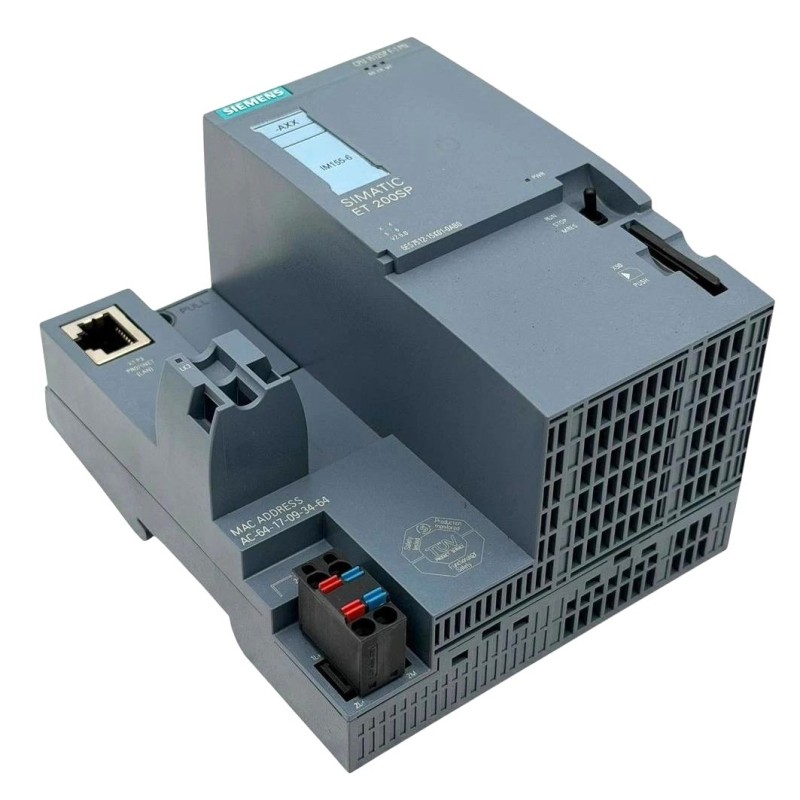
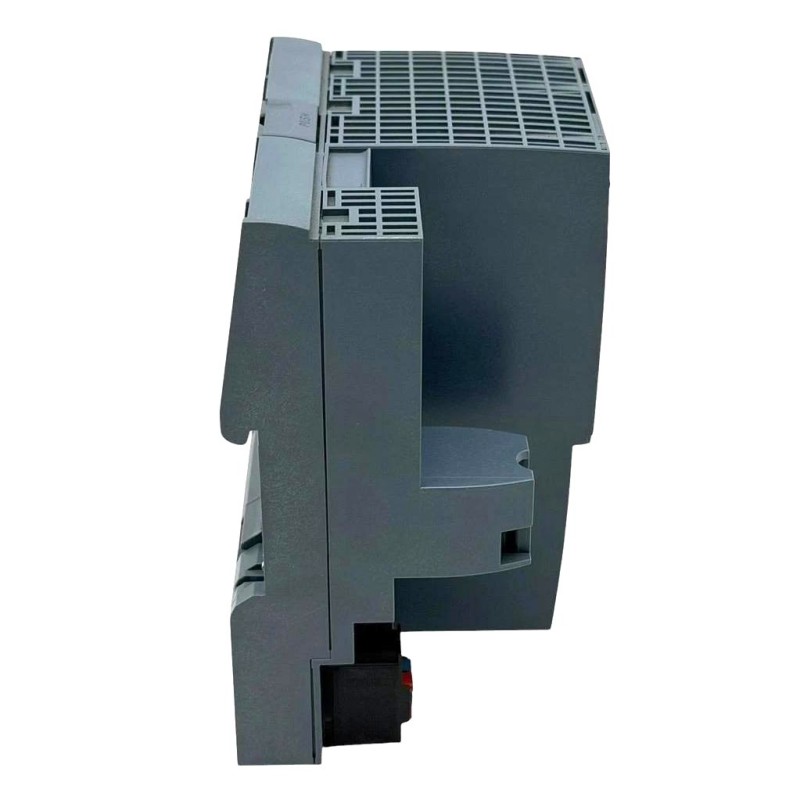
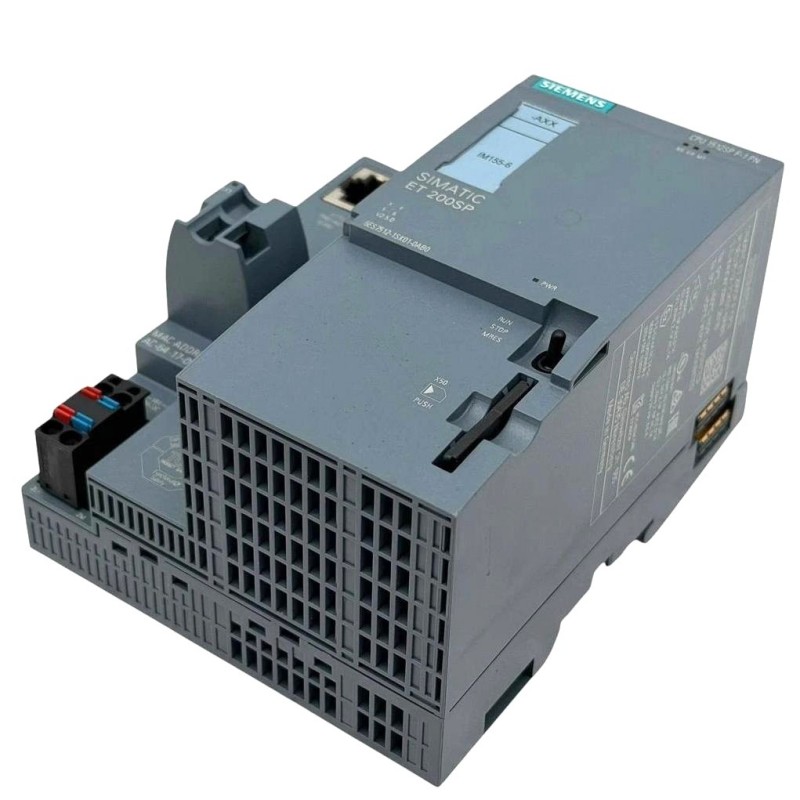
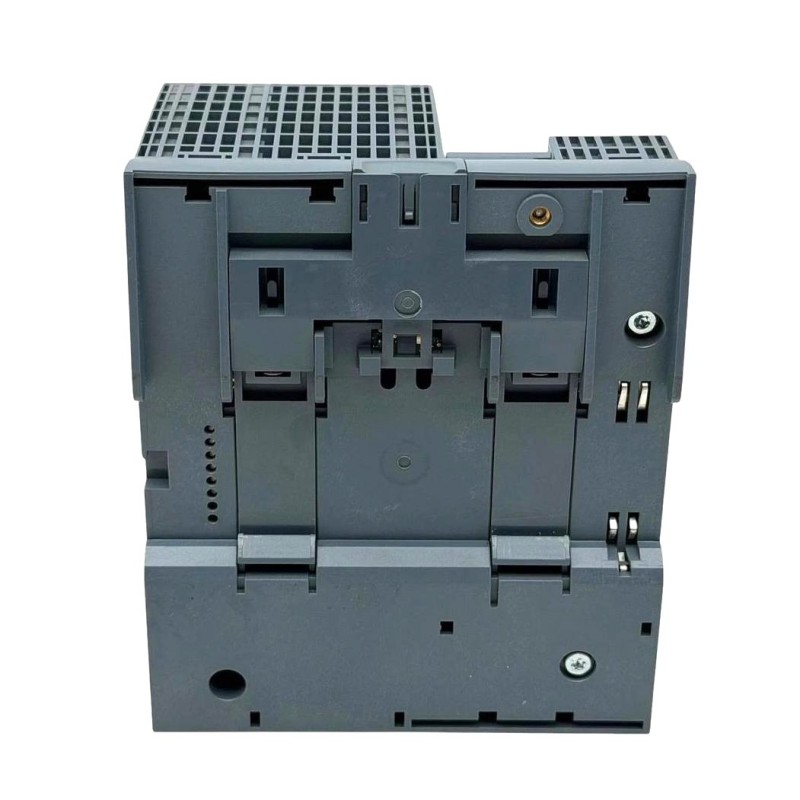
- Siemens
- 6AG1512-1SK01-2AB0
- Central Processing Unit
- Germany
- 100 × 117 × 75 mm
- 0.415 kg
- Xiamen, China
- New & In Stock
- T/T, PayPal, Western Union
- 1 Year
- 1-3 Working Days
- DHL, UPS, TNT, FedEx and EMS.
- 24-Hour Service
- COO
- 29
Our advantage

Global Logistics
We have a 10-year logistics and express cooperation agreement, so our products can be shipped to any place in the world.

Brand new and original
Our products are imported in bulk from the place of origin. Because of the cooperative relationship, our products are all original and 100% new.

24-hour service
We provide 7*24 hours service to our customers. We will be there whenever you need us.

Price advantage
All our products are priced very favorably because we have our own warehouse and supply.
| Company Information | |||
| [email protected] | |||
| Mobile | +8615980777398 | ||
| +8615980777398 | |||
| 15980777398 |
Product Overview
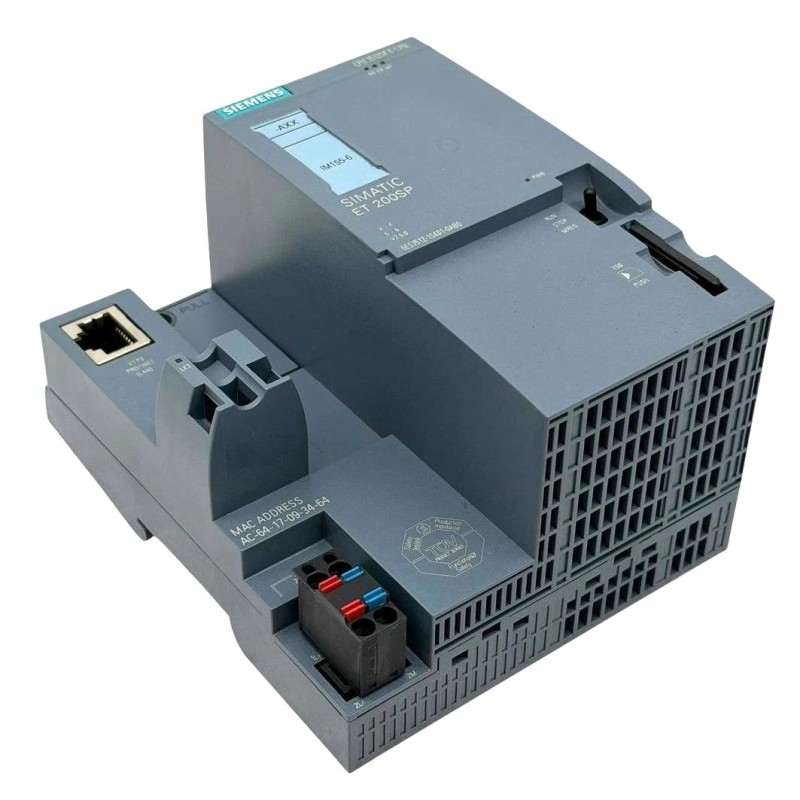
The Siemens 6AG1512-1SK01-2AB0 is a SIPLUS ET 200SP Central Processing Unit used for distributed automation applications where the control program is executed close to the I/O architecture. It combines the compact ET 200SP platform with SIPLUS industrial suitability, making it appropriate for control cabinets and machine-level installations exposed to demanding industrial conditions.
As the central processing element of an ET 200SP station, the CPU executes the user program, handles process data, and coordinates communication with connected I/O and other automation devices. Its compact station architecture is particularly useful where conventional centralized PLC racks would add unnecessary cabinet space and wiring.
The CPU can be integrated into Siemens engineering environments based on the S7-1500 architecture and TIA Portal. In a distributed control system, it can manage local process signals while exchanging data with higher-level controllers, operator systems, drives, and other networked devices.
Technical Specifications
| Parameter | Specification |
|---|---|
| Product Type | Central Processing Unit |
| Product Family | SIPLUS ET 200SP |
| CPU Platform | ET 200SP |
| Engineering Environment | TIA Portal |
| Application | Distributed Automation |
| Dimensions | 100 × 117 × 75 mm |
| Weight | 0.415 kg |
Product Features
- Central processing for ET 200SP distributed automation stations
- Compact CPU architecture for space-conscious control cabinets
- Executes PLC user programs and coordinates local process data
- Supports distributed I/O architectures based on the ET 200SP platform
- Suitable for integration into Siemens S7-1500-oriented automation environments
- Supports communication between local control functions and connected automation devices
- SIPLUS product platform for demanding industrial installation conditions
- Suitable for machine control, process equipment, and distributed plant automation
Working Principle
The CPU operates as the control center of an ET 200SP station. Input data from connected ET 200SP modules is transferred to the CPU, where the programmed control logic processes the current process state. The resulting commands are then sent to output modules, drives, valves, contactors, or other field devices.
During normal operation, the CPU repeatedly performs the PLC scan cycle. It acquires process information, executes the configured program, updates output states, and manages communication tasks. This allows local control functions to continue without requiring every field signal to be routed back to a large centralized PLC rack.
For distributed applications, communication interfaces connect the ET 200SP station with other controllers or supervisory systems. Process values, operating states, alarms, and commands can therefore be exchanged between the local CPU and the wider automation network.
Role in an ET 200SP Distributed Control Architecture
The 6AG1512-1SK01-2AB0 sits at the processing level of an ET 200SP distributed station.
Typical signal path:
Field Sensors / Switches → ET 200SP Input Modules → 6AG1512-1SK01-2AB0 CPU → Control Program → ET 200SP Output Modules → Actuators / Drives
The CPU receives process data from the station’s I/O modules and applies the configured automation logic. Depending on the application, it can also exchange data with higher-level PLCs, HMIs, drives, remote I/O stations, and supervisory systems.
This architecture reduces the amount of point-to-point field wiring required between a central PLC cabinet and remote equipment. Processing can instead be located near the controlled machine or process section.
Industrial Applications
Machine Automation
The CPU can control sequencing, interlocking, sensor monitoring, and actuator commands in automated machinery. Its distributed architecture is useful when I/O devices are physically spread around a machine.
Process Equipment
For skids, utility systems, pumping equipment, and packaged process units, the CPU can coordinate local measurements and control outputs while communicating operating data to a plant-level control system.
Material Handling
Conveyors, sorting systems, transfer stations, and automated handling equipment can use the ET 200SP architecture to place I/O close to motors, sensors, and actuators.
Packaging Systems
The CPU can execute machine sequences involving sensors, pneumatic devices, motors, and other discrete or analog field equipment.
Distributed Plant Automation
Multiple ET 200SP stations can be deployed across a facility, with local CPUs handling individual process areas and exchanging relevant information with the overall automation system.
Installation and Maintenance
- Install the CPU within the supported ET 200SP station configuration and observe the specified module arrangement.
- Confirm that the backplane and connected ET 200SP modules are correctly installed before applying power.
- Verify the station’s power supply and grounding arrangement before commissioning the CPU.
- Use the appropriate Siemens engineering environment and hardware configuration for the specific CPU version.
- Confirm the configured CPU type and firmware compatibility before downloading a project.
- Check communication parameters and network configuration before connecting the station to the plant automation network.
- Keep wiring to I/O modules clearly identified so that field signals can be traced during commissioning and troubleshooting.
- Monitor diagnostic information from the CPU and connected modules when abnormal process behavior occurs.
- Back up the current PLC program and hardware configuration before making firmware or configuration changes.
- When replacing the CPU, verify the exact order number and hardware version rather than relying only on the general ET 200SP family designation.
- Inspect connectors, mounting points, and surrounding cabinet conditions during scheduled maintenance.
- After replacement or service, perform a controlled restart and verify I/O operation, communication status, and the programmed control sequence before returning the equipment to normal production.
Related Components
Typical components used around the 6AG1512-1SK01-2AB0 include:
- Siemens ET 200SP interface and communication modules
- ET 200SP digital input and digital output modules
- ET 200SP analog input and analog output modules
- ET 200SP BaseUnits
- ET 200SP power supply modules
- Siemens HMI panels
- S7-1500 and ET 200SP-compatible engineering systems
- PROFINET network components
- Siemens drives and distributed field devices
Recommended Related Models
- Siemens 6AG1512-1DK01-2AB0 SIPLUS ET 200SP Central Processing Unit
- Siemens 6AG1512-1DK01-7AB0 SIPLUS ET 200SP Central Processing Unit
- Siemens 6AG1511-1AK02-7AB0 SIPLUS S7-1500 Central Processing Unit
- Siemens 6AG1511-1FK02-2AB0 SIPLUS S7-1500 Central Processing Unit
- Siemens ET 200SP Digital Input Modules
- Siemens ET 200SP Digital Output Modules
- Siemens ET 200SP Analog I/O Modules
Key Advantages
- Compact distributed CPU architecture
- Local processing close to field I/O
- Strong fit for ET 200SP station architectures
- TIA Portal engineering environment
- Reduced dependence on centralized I/O wiring
- Suitable for demanding industrial automation installations
Technical FAQs
What should be checked when replacing a 6AG1512-1SK01-2AB0?
Verify the complete order number, hardware version, firmware requirements, configured I/O modules, and communication settings. A CPU from the same ET 200SP family should not automatically be treated as a direct replacement without checking the existing project configuration.
Can the 6AG1512-1SK01-2AB0 control ET 200SP I/O modules directly?
Yes. The CPU operates as the processing unit of an ET 200SP station and works with the station’s compatible I/O architecture. The exact available I/O configuration depends on the installed modules and the hardware configuration in the engineering project.
What is the CPU’s role when an ET 200SP station is connected to a larger PLC system?
The CPU can perform local control and data processing while exchanging selected process data with other automation controllers or supervisory systems. This allows a machine or process section to retain local control functions within a distributed architecture.
What can cause an ET 200SP CPU station to report communication or module diagnostics?
Possible causes include incorrect hardware configuration, incompatible firmware, communication parameter errors, power or wiring problems, incorrectly installed modules, or a fault in the network connection. The CPU and affected ET 200SP modules should be checked through the available diagnostic information before replacing hardware.