

ProductPRODUCT
Featured products



Contact Us
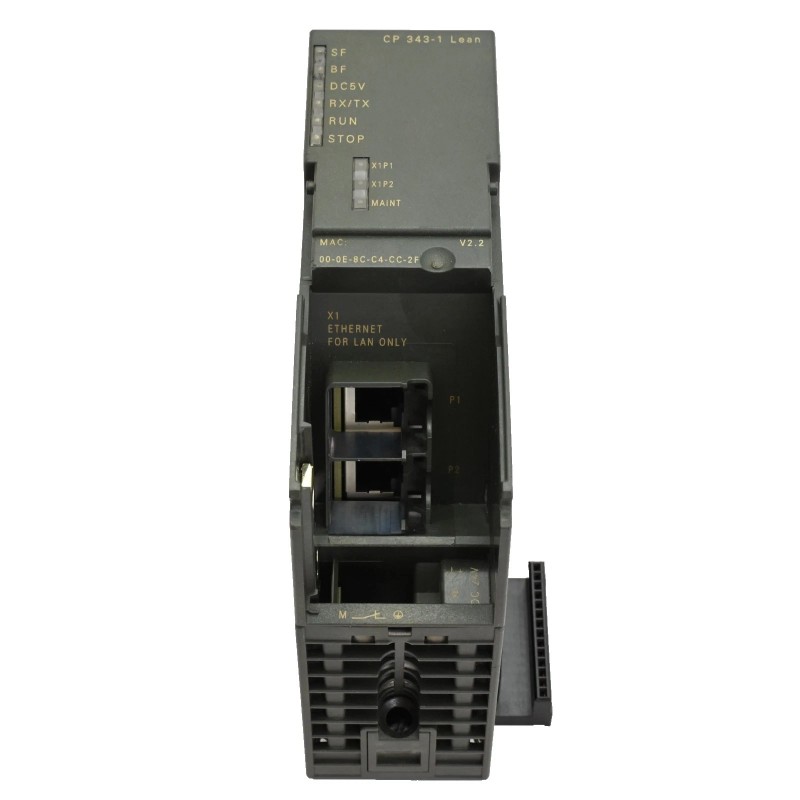
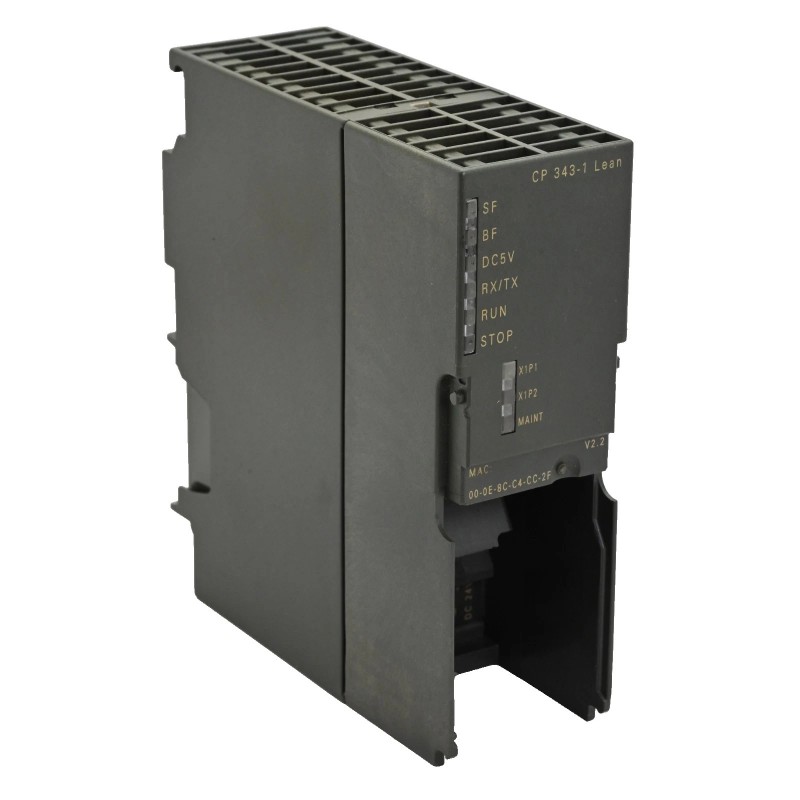
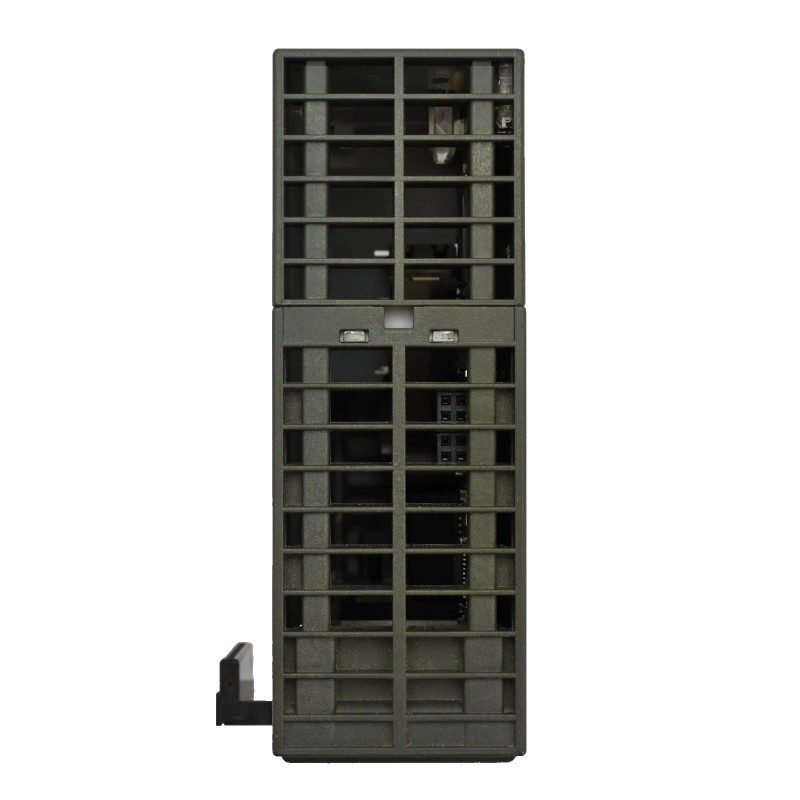
- Siemens
- 6AG1343-1CX10-2XE0
- Communication Processor
- Germany
- 40 × 125 × 120 mm
- 0.298 kg
- Xiamen, China
- New & In Stock
- T/T, PayPal, Western Union
- 1 Year
- 1-3 Working Days
- DHL, UPS, TNT, FedEx and EMS.
- 24-Hour Service
- COO
- 47
Our advantage

Global Logistics
We have a 10-year logistics and express cooperation agreement, so our products can be shipped to any place in the world.

Brand new and original
Our products are imported in bulk from the place of origin. Because of the cooperative relationship, our products are all original and 100% new.

24-hour service
We provide 7*24 hours service to our customers. We will be there whenever you need us.

Price advantage
All our products are priced very favorably because we have our own warehouse and supply.
| Company Information | |||
| [email protected] | |||
| Mobile | +8615980777398 | ||
| +8615980777398 | |||
| 15980777398 |
Product Overview
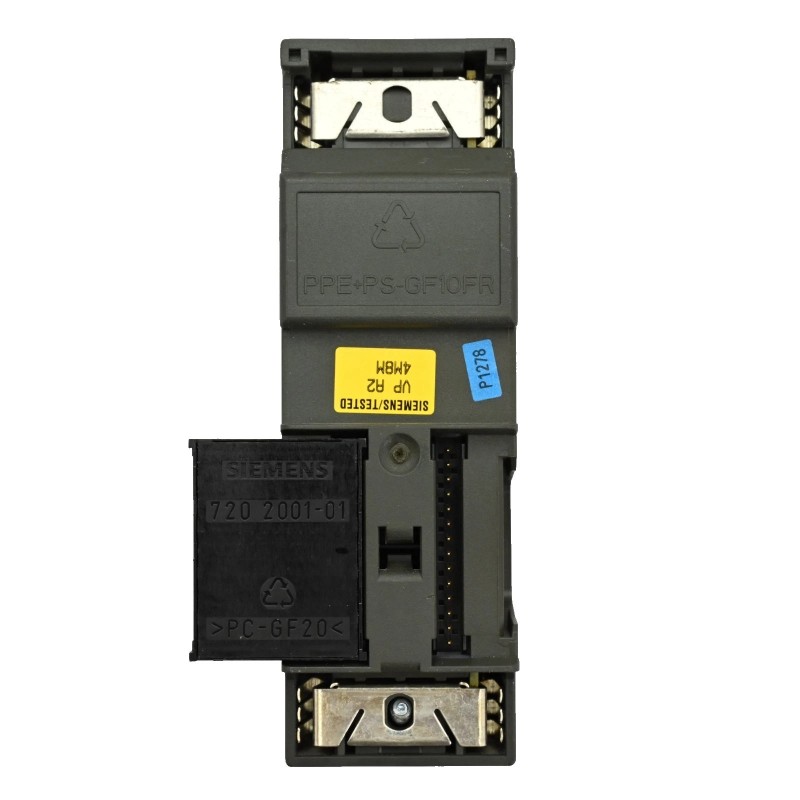
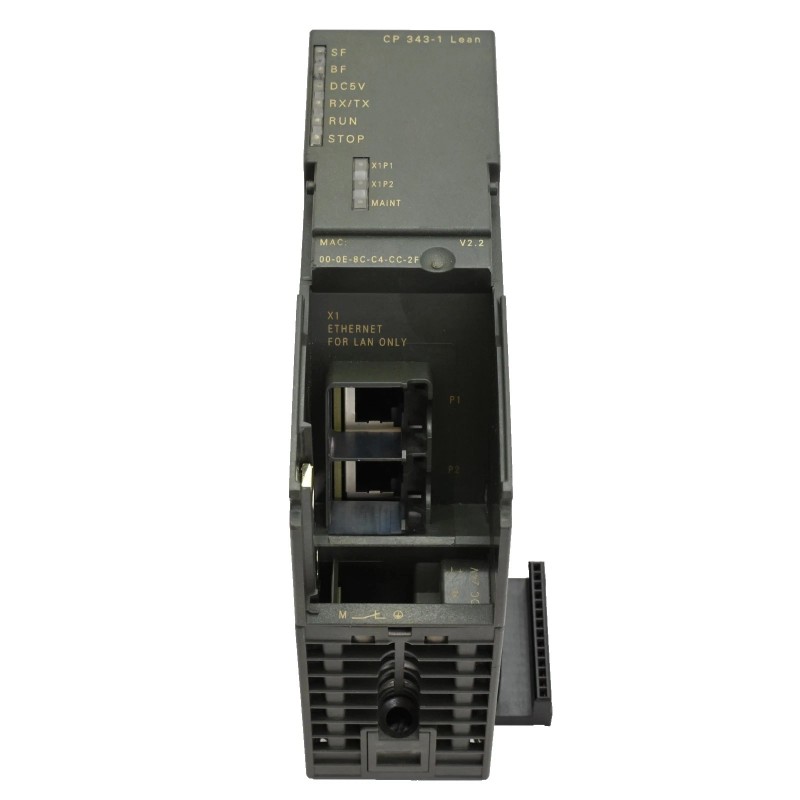
The Siemens 6AG1343-1CX10-2XE0 SIPLUS NET Communication Processor is an industrial communication module for Siemens automation systems. It provides dedicated communication processing for control stations that need to exchange information with other networked automation equipment.
In a distributed control architecture, the PLC CPU handles the application program and process logic, while the communication processor manages its assigned network communication functions. This separation allows controller data to move between automation stations without making the communication interface part of the core control logic.
The 6AG1343-1CX10-2XE0 belongs to the SIPLUS NET product family. Its application is particularly relevant to industrial control systems where communication equipment forms part of a larger distributed automation structure.
Typical installations can include production equipment, process-control systems, machine networks, and interconnected PLC stations. The module can also be used in maintenance and replacement projects involving existing Siemens industrial communication infrastructure.
Technical Specifications
| Parameter | Specification |
|---|---|
| Manufacturer | Siemens |
| Model | 6AG1343-1CX10-2XE0 |
| Product Family | SIPLUS NET |
| Product Type | Communication Processor |
| Primary Function | Industrial Network Communication |
| Application | Industrial Automation / PLC Networking |
| System Integration | Siemens Automation System |
| Dimensions | 40 × 125 × 120 mm |
| Weight | 0.298 kg |
Product Features
- Siemens SIPLUS NET Communication Processor
- Model 6AG1343-1CX10-2XE0
- Dedicated communication processing
- Suitable for distributed automation architectures
- Supports networked controller communication
- Separates communication processing from PLC application execution
- Suitable for industrial data exchange
- Applicable to interconnected PLC systems
- SIPLUS product family for demanding industrial environments
- Suitable for system maintenance and replacement applications
Communication Architecture
The communication processor operates between the local automation controller and the industrial network.
A representative data path is:
Application Program → PLC CPU → Communication Processor → Network → Connected Station
The PLC application generates or processes information required by the control system. The communication processor handles the applicable network communication and transfers data to the connected station.
For example, a production controller can exchange machine status or process information with another controller. A supervisory station can also receive selected operating information from the automation system.
The communication processor therefore supports three main communication tasks:
| Task | Function |
|---|---|
| Data Transmission | Sends controller information to networked equipment |
| Data Reception | Receives information from connected stations |
| Communication Processing | Handles assigned network transactions |
Role in Distributed Control
The 6AG1343-1CX10-2XE0 can form the communication layer of a distributed Siemens automation station.
| System Element | Function |
|---|---|
| 6AG1343-1CX10-2XE0 | Communication processing |
| PLC CPU | Application and control logic |
| PLC I/O | Field signal acquisition and output |
| Industrial Network | Inter-station communication |
| HMI | Operator monitoring |
| Engineering Station | Programming and diagnostics |
| Remote PLC | Controller-to-controller data exchange |
| Supervisory System | Higher-level process information |
This arrangement is useful when several controllers need to operate as coordinated parts of a larger automation system.
Industrial Applications
| Application | Typical Use |
|---|---|
| Factory Automation | PLC network communication |
| Production Lines | Exchange of machine and process data |
| Machine Building | Distributed controller communication |
| Process Equipment | Supervisory and control data |
| Material Handling | Networked equipment coordination |
| Manufacturing Cells | Inter-controller communication |
| Industrial Utilities | Distributed automation |
| Plant Control Systems | Networked PLC architecture |
Installation and Maintenance
- Verify the complete 6AG1343-1CX10-2XE0 model.
- Check the existing PLC and communication configuration.
- Inspect the module connection and network interface.
- Check associated network cabling and connectors.
- Verify the communication parameters.
- Isolate the automation station before module replacement.
- Remove and install the processor using the applicable maintenance procedure.
- Restore the network connection.
- Check communication diagnostics.
- Verify communication with the remote station.
- Test representative data transfers.
- Confirm that the PLC application processes received information correctly.
- Check for communication errors during operation.
- Record the final hardware and network configuration.
When troubleshooting a communication problem, the processor, network infrastructure, configuration, PLC application, and remote device should be checked as separate points in the communication path.
Compatible System Components
| Component | Function |
|---|---|
| Siemens 6AG1343-1CX10-2XE0 | SIPLUS NET Communication Processor |
| Siemens PLC CPU | Central application processing |
| Siemens S7-300 I/O Modules | Field signal processing |
| Siemens Power Supply | Automation-system power |
| Industrial Network | Data communication |
| HMI | Operator interface |
| Engineering Station | System configuration and diagnostics |
| Remote PLC | Distributed controller communication |
Recommended Related Models
| Model / Product Family | Product Type | Typical Application |
|---|---|---|
| Siemens 6AG1343-1CX10-2XE0 | SIPLUS NET Communication Processor | Industrial network communication |
| Siemens 6AG1342-5DA03-7XE0 | SIPLUS NET Communication Processor | PLC network communication |
| Siemens 6AG1341-1AH02-7AE0 | SIPLUS S7-300 Communication Processor | S7-300 communication |
| Siemens 6AG1341-1CH02-7AE0 | SIPLUS S7-300 Communication Processor | S7-300 communication |
| Siemens SIPLUS NET Communication Processors | Communication Processors | Distributed automation |
| Siemens SIPLUS S7-300 CPUs | CPU Modules | PLC control |
| Siemens SIPLUS S7-300 I/O Modules | I/O Modules | Field-level signal processing |
Key Advantages
- Siemens SIPLUS NET Communication Processor.
- Model 6AG1343-1CX10-2XE0.
- Dedicated network communication processing.
- Suitable for distributed PLC architectures.
- Supports communication between automation stations.
- Separates communication functions from core control logic.
- Suitable for industrial data exchange.
- Applicable to demanding automation environments.
- Useful for Siemens communication-system maintenance and replacement.
Technical FAQs
How does the 6AG1343-1CX10-2XE0 fit into a distributed automation system?
It serves as the communication-processing component between the local PLC control system and the industrial network, allowing the station to exchange information with other connected automation equipment.
What is the advantage of separating communication processing from application logic?
The CPU can concentrate on executing the control program while the dedicated communication processor handles its assigned network functions. This creates a clearer division between process control and external data exchange.
What information should be monitored when diagnosing network communication problems?
Module diagnostics, network connection status, communication configuration, PLC status, and the condition of the remote station are important points. Looking at only the communication processor may not identify the actual cause.
Is the 6AG1343-1CX10-2XE0 suitable for replacement applications?
It can be considered for maintenance or replacement within an applicable Siemens SIPLUS NET architecture, provided that the communication requirements, system configuration, and existing hardware arrangement are compatible.