

ProductPRODUCT
Featured products
Contact Us
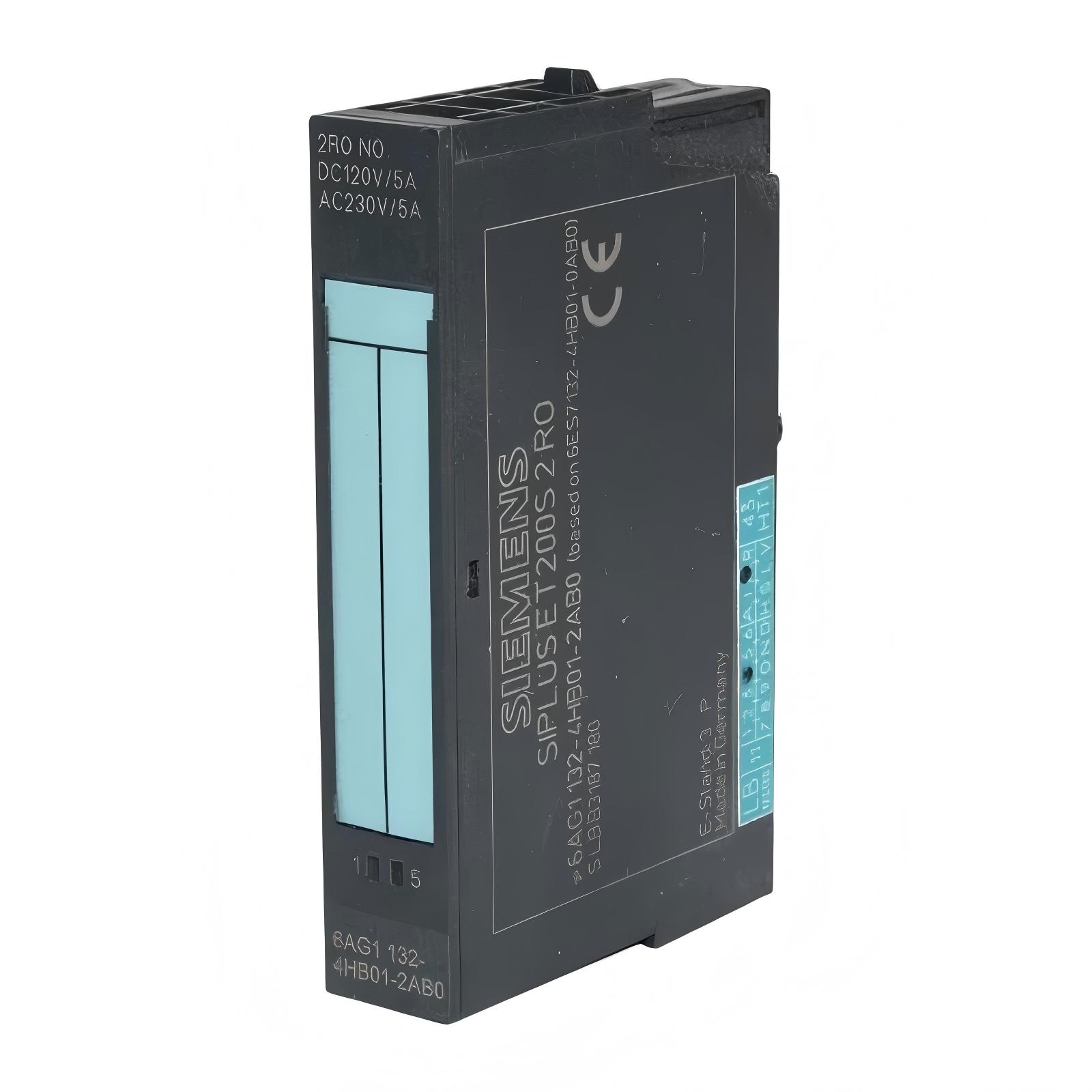
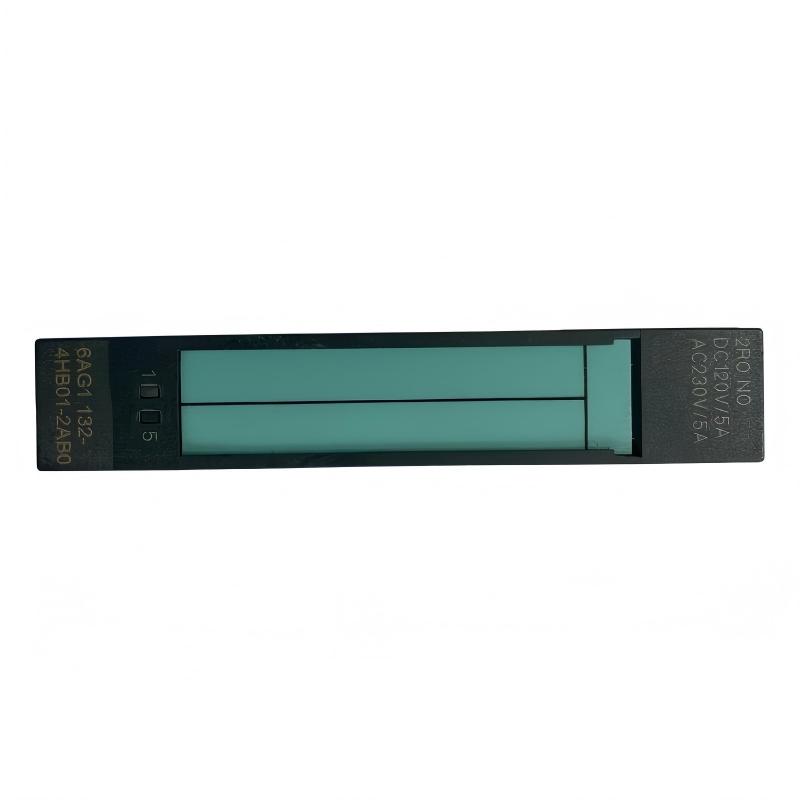
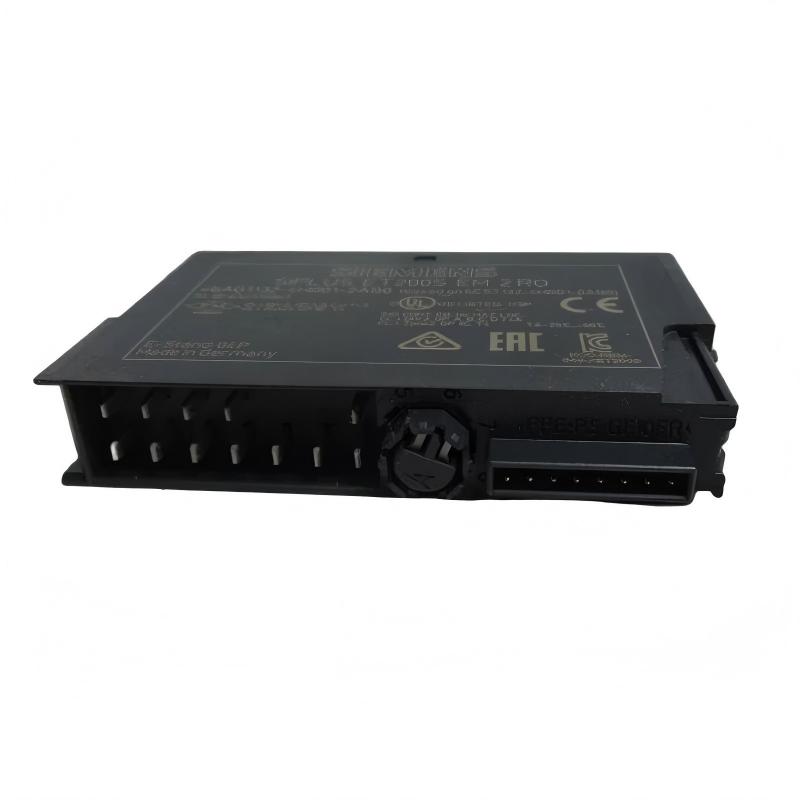
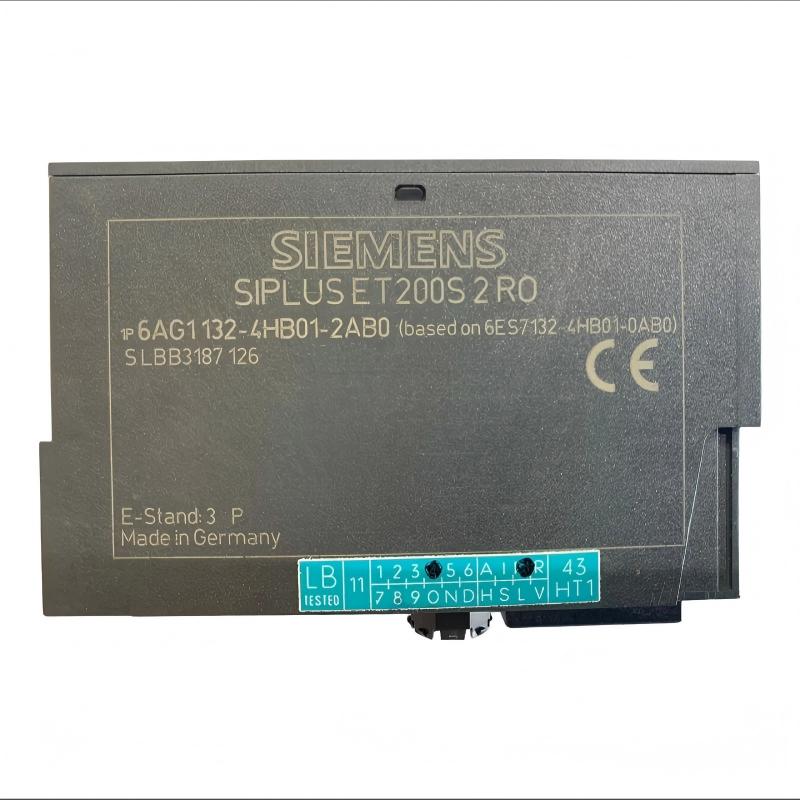
- Siemens
- 6AG1132-4HB01-2AB0
- Digital Output Module
- Germany
- 15 × 81 × 52 mm
- 0.05 kg
- Xiamen, China
- New & In Stock
- T/T, PayPal, Western Union
- 1 Year
- 1-3 Working Days
- DHL, UPS, TNT, FedEx and EMS.
- 24-Hour Service
- COO
- 47
Our advantage

Global Logistics
We have a 10-year logistics and express cooperation agreement, so our products can be shipped to any place in the world.

Brand new and original
Our products are imported in bulk from the place of origin. Because of the cooperative relationship, our products are all original and 100% new.

24-hour service
We provide 7*24 hours service to our customers. We will be there whenever you need us.

Price advantage
All our products are priced very favorably because we have our own warehouse and supply.
| Company Information | |||
| [email protected] | |||
| Mobile | +8615980777398 | ||
| +8615980777398 | |||
| 15980777398 |
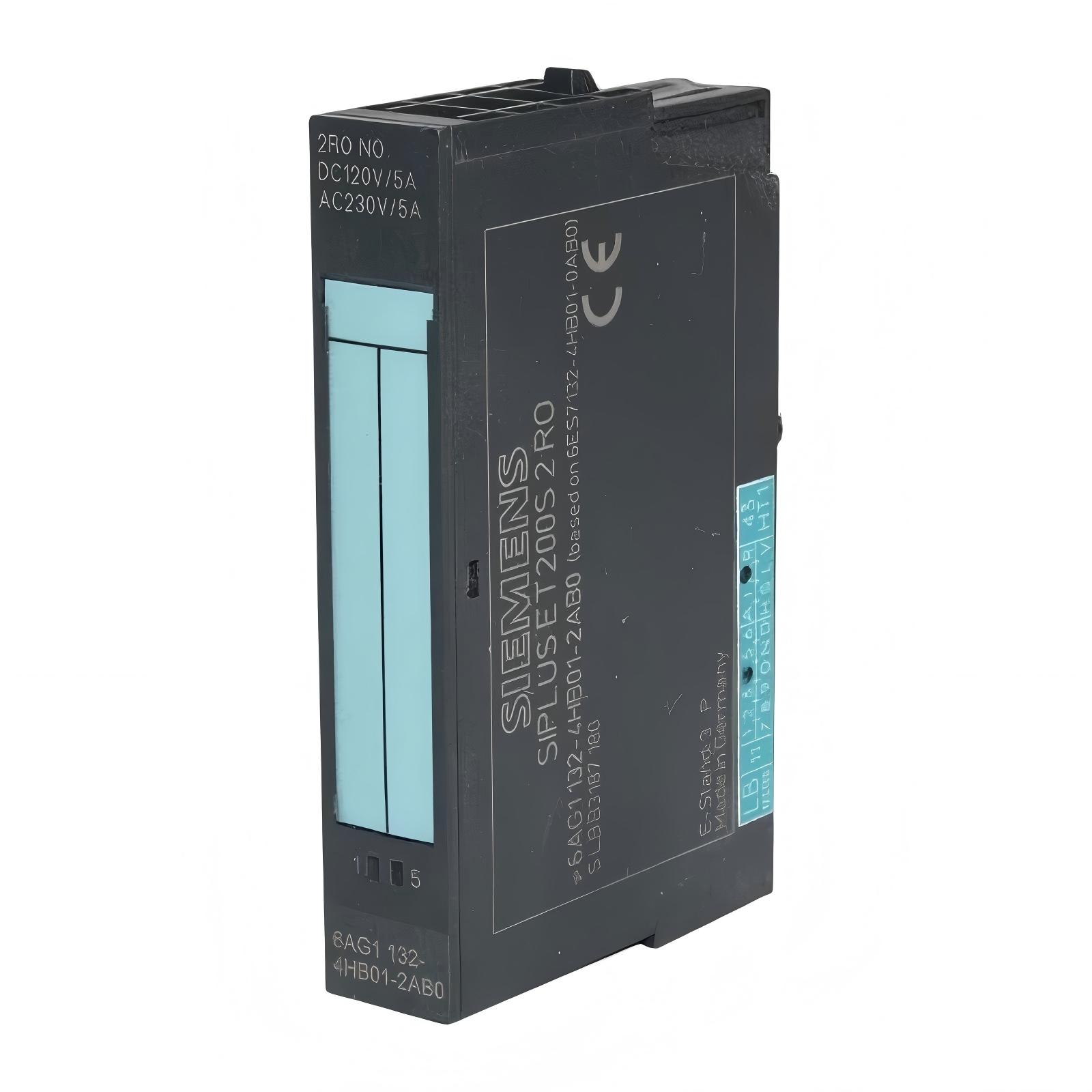
Product Overview
The Siemens 6AG1132-4HB01-2AB0 is a digital output module designed for industrial automation systems where a PLC or distributed I/O station needs to control external electrical devices. As part of the Siemens SIPLUS S7-1200 product family, this module provides a compact interface between the controller and field-level actuators.
Digital output modules are essential in PLC systems because control logic inside the CPU cannot normally drive every field device directly. The output module receives digital commands from the controller and transfers those commands to connected loads such as contactors, relays, solenoid valves, indicator lamps, and other discrete actuators.
The 6AG1132-4HB01-2AB0 is intended for applications requiring reliable discrete output control in industrial environments. Its compact construction allows it to be installed in control cabinets and distributed automation panels where space is limited.
The supplied physical dimensions are approximately 15 × 81 × 52 mm, while the supplied product weight is approximately 0.05 kg. These dimensions make the module suitable for compact PLC and remote I/O installations.
For replacement and maintenance work, the complete Siemens order number should be checked carefully. SIPLUS modules can have environmental and application characteristics that differ from standard versions, so the exact part number should be verified before installation.
Technical Specifications
| Parameter | Details |
|---|---|
| Manufacturer | Siemens |
| Model | 6AG1132-4HB01-2AB0 |
| Product Family | SIPLUS S7-1200 |
| Product Type | Digital Output Module |
| Module Function | Digital Signal Output |
| Output Type | Digital Switching Output |
| Application | Industrial Automation and PLC Control |
| Output Voltage Class | 24 V DC |
| Output Technology | Electronic Digital Output |
| Output Channels | Relay Output Configuration |
| Isolation | Channel and System Isolation According to Module Design |
| Controller Interface | SIMATIC S7-1200 Backplane Interface |
| Mounting | Control Cabinet / DIN Rail Installation |
| Diagnostic Capability | Module and Output Status Monitoring |
| Product Category | Industrial Automation I/O |
| Dimensions | 15 × 81 × 52 mm |
| Weight | 0.05 kg |
What Is the Siemens 6AG1132-4HB01-2AB0?
The Siemens 6AG1132-4HB01-2AB0 is a digital output module used to transfer discrete control commands from an automation controller to external field devices.
In a typical PLC system, the CPU processes the control program and determines whether an output should be switched on or off. The digital output module receives this information through the PLC system interface and activates the corresponding physical output.
This makes the module an important connection point between the software logic of the PLC and the electrical equipment installed in the field.
For example, a PLC program may determine that a conveyor motor needs to start. The controller sends the corresponding output command to the digital output module. The module then switches the connected control circuit, which can operate a contactor or relay associated with the motor starter.
Similarly, the module can be used to control solenoid valves, warning lamps, relays, machine interlocks, and other discrete devices.
The module is therefore not a CPU and does not independently execute the main automation program. Its primary purpose is to provide physical digital output channels for the PLC system.
Function and Working Principle
The operating sequence can be summarized as:
PLC Program → CPU → I/O System → 6AG1132-4HB01-2AB0 → Field Device
The PLC CPU first evaluates the control program. Based on input conditions, timers, counters, communication data, and programmed logic, the CPU determines the required state of each output.
The output information is transferred to the digital output module through the system interface.
When an output command is activated, the corresponding output circuit changes state and provides the required switching function for the connected field device.
Depending on the connected load and electrical design, the output can be used to control an intermediate relay, contactor coil, solenoid valve, indicator, or another compatible actuator.
The digital output architecture also provides a defined electrical separation between the controller electronics and field wiring. This helps organize the control system and simplifies troubleshooting because field devices can be isolated from the main CPU through the I/O architecture.
Role in Industrial Control Systems
The 6AG1132-4HB01-2AB0 can serve as the final control interface between the Siemens PLC system and discrete field equipment.
A typical automation architecture may include:
- Siemens S7-1200 CPU
- Digital input modules
- Digital output modules
- Analog input modules
- Analog output modules
- 6AG1132-4HB01-2AB0
- HMI operator panel
- Industrial Ethernet network
- Motor starters
- Contactors
- Solenoid valves
- Relays
- Indicator lamps
- Machine safety circuits
The CPU provides the control logic, while the output module translates that logic into physical switching signals.
For example, in an automated conveyor system, sensors connected to digital input modules detect the presence of products. The PLC processes the input information and then activates an output through the digital output module. The output can energize a contactor or actuator responsible for moving the conveyor.
This architecture provides a clear separation between control logic and field devices, making the system easier to expand and maintain.
Industrial Applications
Machine Automation
The 6AG1132-4HB01-2AB0 can be used in machine automation systems where the PLC must operate discrete actuators.
Typical controlled devices include contactors, relays, indicator lamps, solenoid valves, and machine-control components.
Conveyor Systems
Conveyor equipment frequently requires multiple digital outputs for motor starters, warning devices, diverter mechanisms, brakes, and pneumatic actuators.
A digital output module provides the PLC with a structured method of controlling these discrete devices.
Process Equipment
Industrial process equipment may require digital commands for valves, pumps, auxiliary motors, alarms, and interlocking devices.
The 6AG1132-4HB01-2AB0 can be incorporated into compatible PLC architectures to provide these control signals.
Packaging Machinery
Packaging machines often use numerous discrete actuators, including pneumatic valves, clamping devices, motors, cutters, indicators, and interlocks.
The digital output module can provide the switching interface required by these components.
Material Handling
Automated material-handling equipment uses digital outputs to control motors, brakes, solenoids, diverters, warning indicators, and other mechanisms.
The module can therefore form part of a compact PLC-based material-handling control system.
Building and Utility Automation
Compatible digital output configurations can also be used for utility equipment such as pumps, fans, valves, alarms, and other discrete control devices.
Installation and System Integration
Correct installation is important for achieving reliable operation. Before installing the 6AG1132-4HB01-2AB0, engineers should verify the PLC hardware configuration, module compatibility, supply voltage, field-load requirements, wiring, and cabinet environment.
PLC Compatibility
The module should be installed within the appropriate Siemens S7-1200 architecture and configured correctly in the engineering software.
The exact order number should be selected in the hardware configuration so that the controller recognizes the correct module characteristics.
Mechanical Installation
The supplied module dimensions are approximately 15 × 81 × 52 mm.
Its compact size allows it to be installed in space-constrained control cabinets. The mounting arrangement should provide sufficient mechanical support and access for wiring and maintenance.
Electrical Wiring
Field wiring should be performed according to the electrical characteristics of the connected output circuit and load.
Before energization, verify terminal assignments, conductor routing, polarity where applicable, grounding, insulation condition, and connection tightness.
Load Verification
The connected load must remain within the electrical capability of the output channel.
High-inrush devices such as contactor coils, solenoids, or inductive loads may require suitable suppression or an intermediate switching device depending on the electrical characteristics of the application.
Cabinet Installation
Although the module is compact, cabinet design should still provide adequate space for wiring, ventilation, inspection, and maintenance.
Signal wiring should be routed carefully, especially where output circuits operate near high-current motor or power cables.
Software Configuration
After physical installation, the module should be configured in the PLC engineering environment. The output addresses should correspond to the actual field wiring.
After configuration, each output should be tested individually before the machine is placed into automatic operation.
Commissioning
Commissioning should include checking module recognition, output addressing, field wiring, load response, PLC logic, diagnostic information, and safe machine behavior.
A controlled test sequence is recommended. Each output should be verified against its intended actuator to prevent incorrect device operation during the first startup.
Compatible System Components
| Component | Function |
|---|---|
| 6AG1132-4HB01-2AB0 | Digital Output Control |
| SIMATIC S7-1200 CPU | Main PLC Control |
| Digital Input Module | Discrete Signal Acquisition |
| Analog Input Module | Analog Process Measurement |
| Analog Output Module | Analog Actuator Control |
| HMI Panel | Operator Interface |
| Industrial Ethernet Network | PLC Communication |
| Relay | Electrical Switching and Isolation |
| Contactor | Motor Switching |
| Solenoid Valve | Pneumatic or Hydraulic Actuation |
| Indicator Lamp | Machine Status Indication |
| Motor Starter | Motor Control |
Recommended Alternative Models
When selecting an alternative to the 6AG1132-4HB01-2AB0, the output technology, channel configuration, rated voltage, load current, wiring arrangement, PLC generation, environmental requirements, and physical dimensions should all be checked.
A module with a similar appearance or similar order-number structure should not automatically be considered a direct replacement. Siemens S7-1200 and SIPLUS modules can have different electrical and environmental characteristics.
| Model | Product Type | Key Feature | Application |
|---|---|---|---|
| 6AG1132-4HB01-2AB0 | SIPLUS Digital Output Module | Compact Digital Output Interface | Industrial PLC Systems |
| 6ES7132-4HB01-0AB0 | SIMATIC S7-1200 Digital Output Module | Standard S7-1200 Digital Output | General Automation |
| 6ES7132-4BB31-0AB0 | SIMATIC S7-1200 Digital Output Module | Digital Switching Outputs | Machine Automation |
| 6ES7132-4BD02-0AB0 | SIMATIC S7-1200 Digital Output Module | Compact Digital Output | PLC-Based Control |
| 6AG1132 Series | SIPLUS Digital Output Modules | Multiple Output Configurations | Harsh Industrial Environments |
Key Advantages
- Designed for Siemens industrial automation systems
- SIPLUS S7-1200 product family
- Provides digital output control for field devices
- Compact module design
- Suitable for PLC-based machine automation
- Suitable for conveyor applications
- Suitable for packaging equipment
- Suitable for material-handling systems
- Suitable for process equipment
- Can control compatible relays and contactors
- Can control compatible solenoid valves
- Supports discrete actuator control
- Compact installation footprint
- Dimensions of approximately 15 × 81 × 52 mm
- Weight of approximately 0.05 kg
- Suitable for integration with compatible Siemens S7-1200 systems
- Useful for expanding PLC output capacity
- Provides a clear interface between PLC logic and field devices
Technical FAQs
What is the Siemens 6AG1132-4HB01-2AB0?
The Siemens 6AG1132-4HB01-2AB0 is a digital output module used to provide discrete output signals between a compatible Siemens PLC system and external field devices.
What is the main function of the 6AG1132-4HB01-2AB0?
Its main function is to receive output commands from the PLC and use the corresponding digital output channels to control compatible external electrical loads.
What type of devices can be controlled?
Depending on the electrical characteristics of the specific output circuit, applications can include relays, contactors, indicator lamps, solenoid valves, motor starters, and other discrete actuators.
Is the 6AG1132-4HB01-2AB0 a PLC CPU?
No. It is an I/O module rather than a standalone PLC CPU. The main control program is executed by the compatible PLC controller, while this module provides the physical output interface.
Can the 6AG1132-4HB01-2AB0 be used with an S7-1200 system?
Yes. The model belongs to the SIPLUS S7-1200 family and is intended for integration into compatible Siemens S7-1200 automation architectures.
What is the physical size of the 6AG1132-4HB01-2AB0?
The supplied dimensions are approximately 15 × 81 × 52 mm.
How much does the 6AG1132-4HB01-2AB0 weigh?
The supplied product weight is approximately 0.05 kg.
What is the role of a digital output module in a PLC system?
A digital output module converts the PLC’s logical output commands into physical switching signals that can operate field-level actuators.
Can the module control a motor directly?
A PLC digital output module is generally used to control an appropriate motor starter, contactor, relay, or other interface device rather than directly switching a motor’s main power circuit.
Why is an intermediate relay sometimes required?
An intermediate relay may be required when the field load has electrical characteristics that exceed the output channel’s capability or when additional electrical isolation is required.
What should be checked before replacing the module?
The complete Siemens order number, output type, channel configuration, rated voltage, load requirements, PLC compatibility, wiring, environmental conditions, and physical installation requirements should be checked before replacement.
Where is the 6AG1132-4HB01-2AB0 commonly used?
It can be used in industrial machine control, packaging equipment, conveyors, material-handling systems, process equipment, utility automation, and other PLC-based control applications requiring digital outputs.
Conclusion
The Siemens 6AG1132-4HB01-2AB0 Digital Output Module is a compact industrial automation component designed to provide a digital interface between a compatible Siemens PLC system and external field actuators.
Its primary purpose is to translate PLC control logic into physical output signals for devices such as relays, contactors, solenoid valves, indicator lamps, motor starters, and other compatible discrete loads.
As part of the SIPLUS S7-1200 family, the module can be incorporated into compact PLC architectures where reliable I/O expansion and organized field wiring are required.
The supplied physical dimensions of approximately 15 × 81 × 52 mm and weight of approximately 0.05 kg make it suitable for space-constrained control cabinets and compact automation panels.
For engineers and maintenance teams, correct module identification is essential. The complete 6AG1132-4HB01-2AB0 order number should be verified before procurement or replacement, particularly when comparing SIPLUS versions with standard SIMATIC modules.
When integrated correctly with a compatible CPU, power supply, field wiring, protection components, and actuator equipment, the 6AG1132-4HB01-2AB0 can provide a practical digital output interface for industrial machine and process-control applications.