

ProductPRODUCT
Featured products
Contact Us
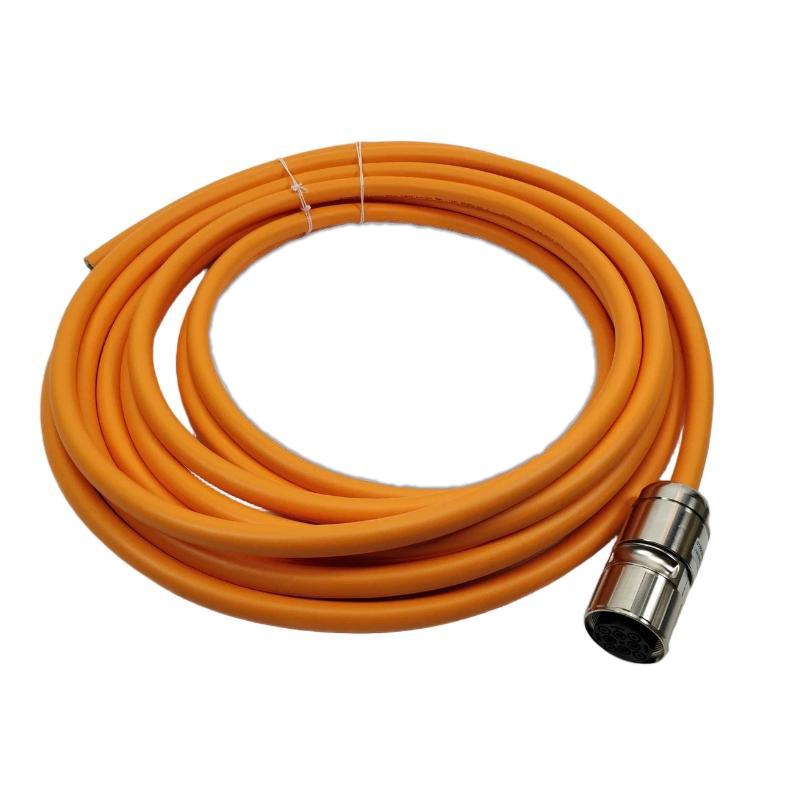
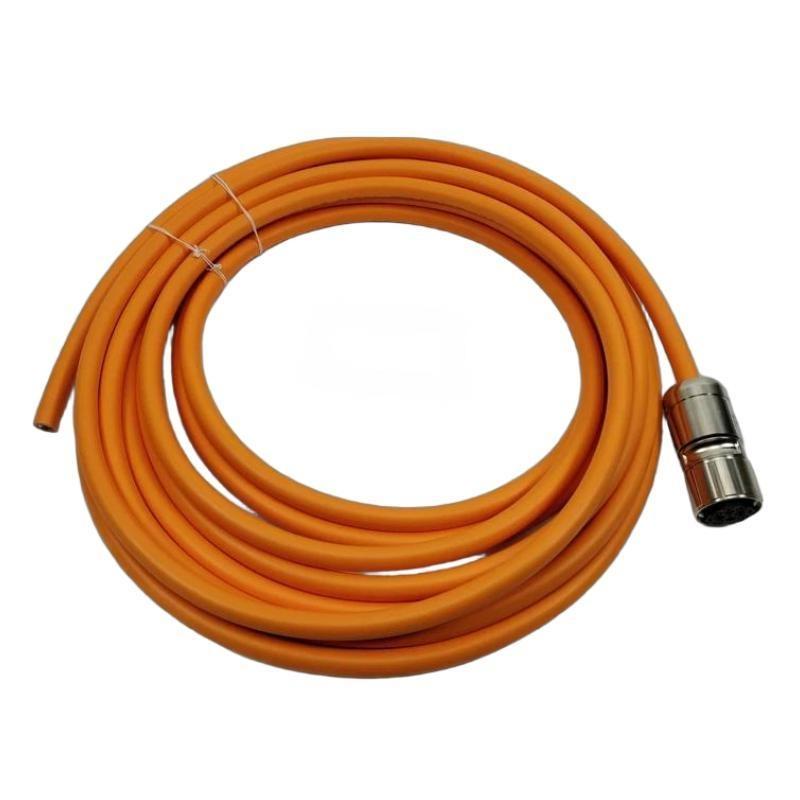
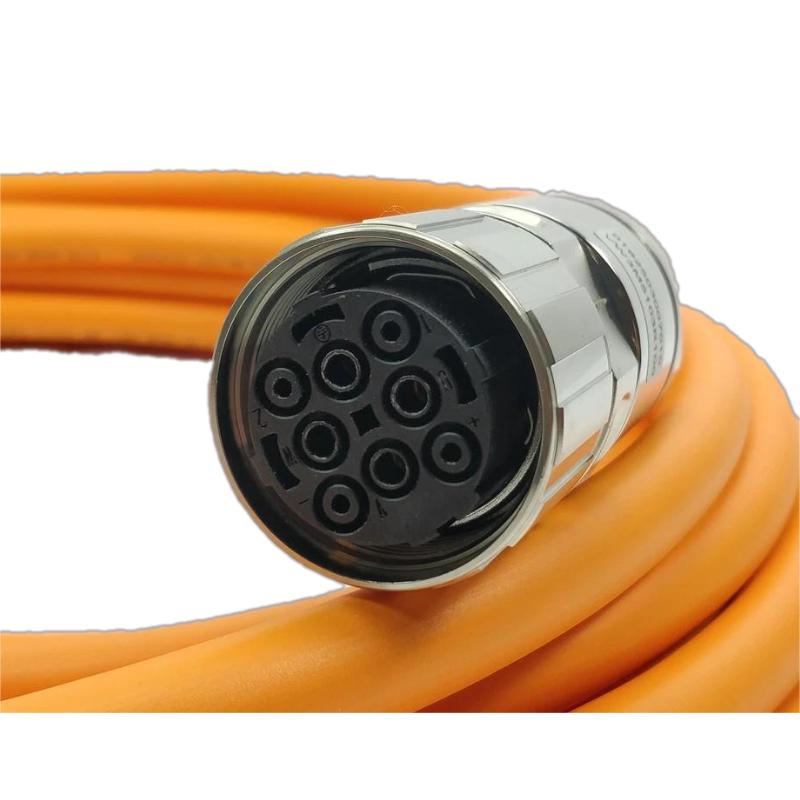
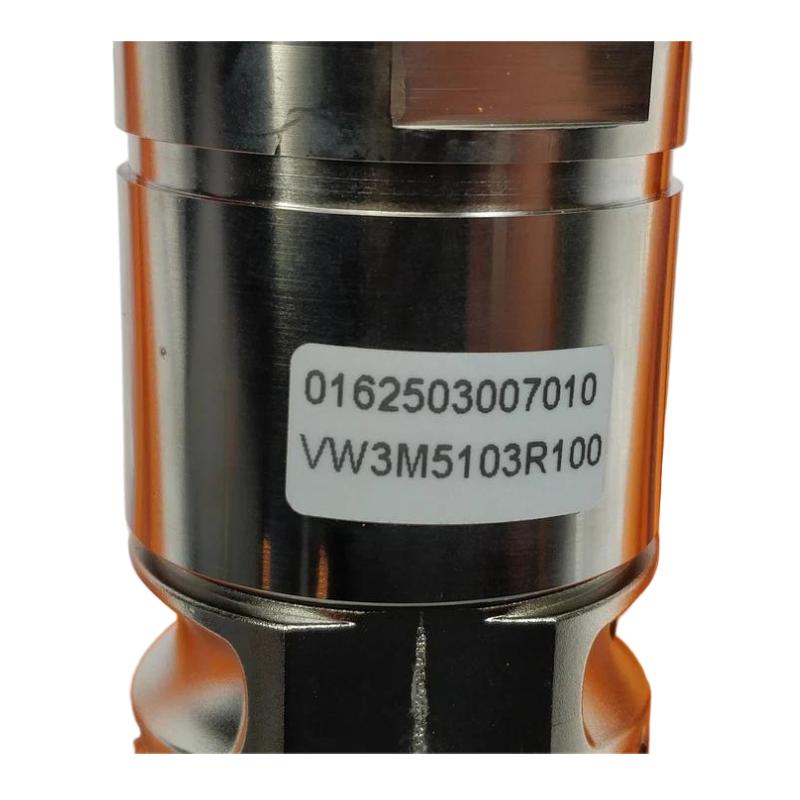
- Schneider
- VW3M5103R100
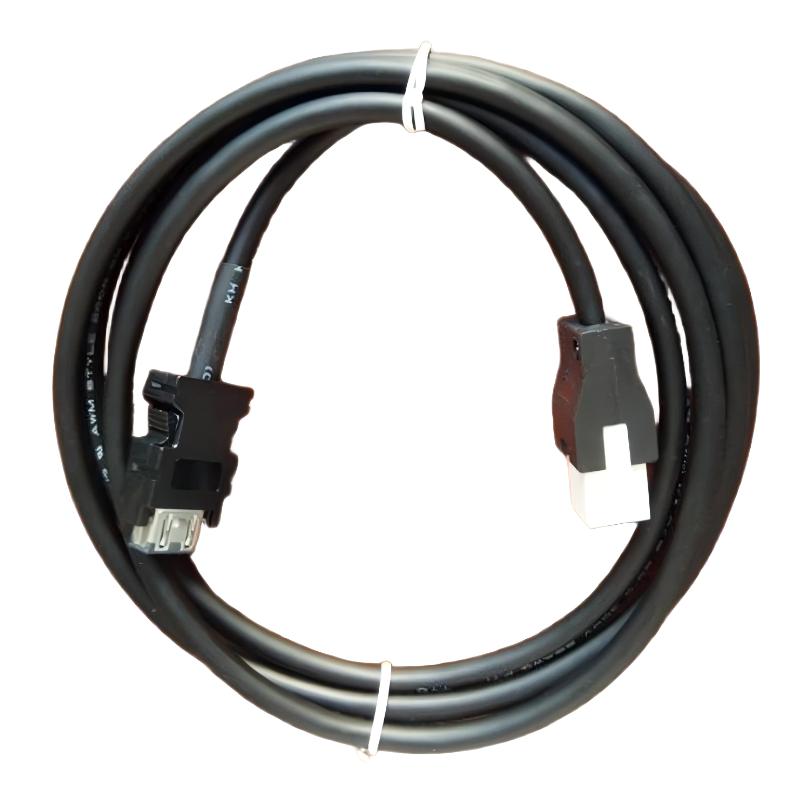
- Power Cord
- France
- 10 m
- 4.13 kg
- Xiamen, China
- New & In Stock
- T/T, PayPal, Western Union
- 1 Year
- 1-3 Working Days
- DHL, UPS, TNT, FedEx and EMS.
- 24-Hour Service
- COO
- 3
Our advantage

Global Logistics
We have a 10-year logistics and express cooperation agreement, so our products can be shipped to any place in the world.

Brand new and original
Our products are imported in bulk from the place of origin. Because of the cooperative relationship, our products are all original and 100% new.

24-hour service
We provide 7*24 hours service to our customers. We will be there whenever you need us.

Price advantage
All our products are priced very favorably because we have our own warehouse and supply.
| Company Information | |||
| [email protected] | |||
| Mobile | +8615980777398 | ||
| +8615980777398 | |||
| 15980777398 |
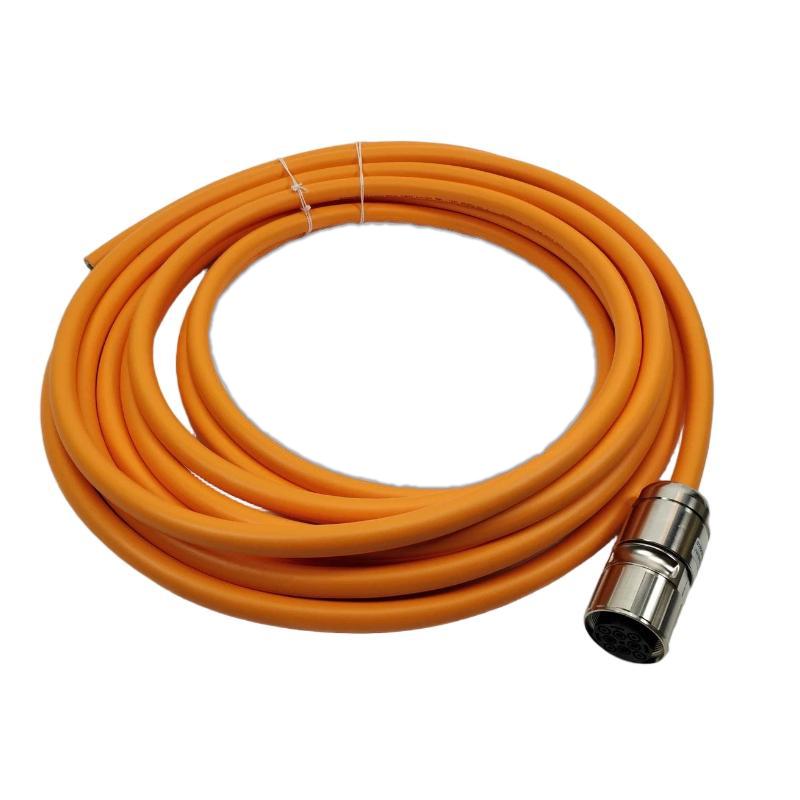
1. Product Overview
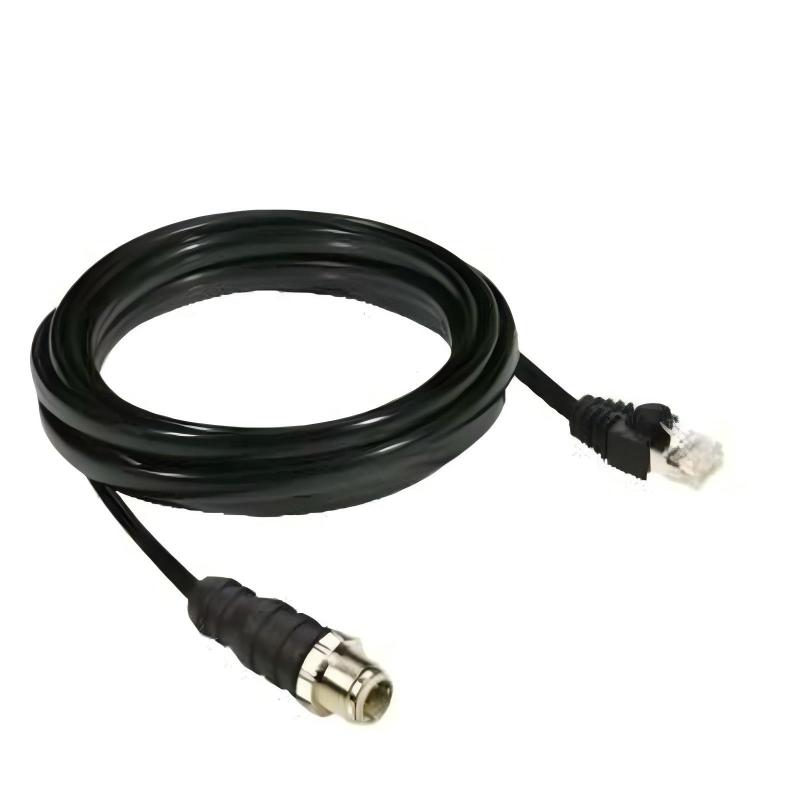
The Schneider Electric VW3M5103R100 Power Cord is an industrial automation connection accessory intended for power connection applications within compatible equipment configurations. Power cords are important components in industrial control systems, where reliable electrical connections help supply power to designated devices and support stable machine operation.
In automation installations, the correct power cable must match the electrical requirements, connector arrangement, installation environment, and equipment configuration. Selecting an appropriate cable helps reduce the risk of connection faults, electrical interruptions, and equipment damage.
The Schneider VW3M5103R100 has a supplied cable length of 10 m and a listed weight of 4.13 kg. Its length can be useful when planning cable routing between compatible equipment components, while its weight provides a reference for inventory management and handling.
Before installation or replacement, users should confirm the exact function of this cable, its connector types, electrical ratings, and compatibility with the intended Schneider Electric equipment. These details should be verified from the product label and applicable technical documentation rather than inferred from the model number alone.
2. Technical Specifications
| Parameter | Specification |
|---|---|
| Brand | Schneider Electric |
| Model | VW3M5103R100 |
| Product Type | Power Cord |
| Product Category | Industrial Automation Electrical Accessory |
| Cable Length | 10 m |
| Weight | 4.13 kg |
| Primary Function | Power connection for compatible equipment, subject to specification verification |
| Application | Industrial automation and machine power connections |
| Connector Type | Confirm from the product label and technical documentation |
| Electrical Rating | Verify the rated voltage, current, and applicable electrical limits |
| Installation Method | Follow the equipment-specific wiring and installation instructions |
| Compatibility | Confirm against the connected equipment and approved cable configuration |
| Maintenance | Inspect cable insulation, connectors, and routing condition periodically |
Specification note: The model number, cable length, and weight are provided as supplied. Connector pin assignments, conductor specifications, rated voltage, rated current, shielding, and supported equipment models have not been established from the supplied information alone and should be verified before use.
3. Function and Working Principle
A power cord provides an electrical connection between a designated power source and compatible equipment. In industrial automation, the cable must support the electrical requirements of the connected device and maintain a secure connection throughout normal operation.
The Schneider VW3M5103R100 is identified as a power cord. Its precise electrical function and intended equipment pairing should be confirmed before installation because industrial cables with similar appearances may have different connector configurations or electrical characteristics.
3.1 Electrical Power Connection
A compatible power cord provides the conductors and connectors required to transfer electrical power between designated connection points. The cable must be selected according to the equipment’s rated supply requirements and the manufacturer’s approved connection arrangement.
Incorrect cable selection can result in poor connections, overheating, equipment malfunction, or electrical hazards.
3.2 Connection Reliability
Secure connectors and undamaged insulation are essential for reliable operation. Loose contacts, damaged cable jackets, or incorrectly seated connectors may interrupt power delivery or create unsafe operating conditions.
Correct installation and periodic inspection help maintain the integrity of the electrical connection.
3.3 Cable Routing and Equipment Layout
The 10 m cable length provides a reference for planning the physical connection between compatible components. Actual routing must account for cabinet layout, machine movement, bend radius, environmental exposure, and the manufacturer’s cable installation requirements.
Excess cable should be managed appropriately rather than sharply folded, tightly coiled near heat sources, or routed where it may be crushed or abraded.
3.4 Integration with Automation Equipment
Industrial automation systems may contain controllers, drives, motors, power supplies, and other electrical components. Each connection must use the correct cable type and interface.
The VW3M5103R100 should be integrated only into equipment configurations for which its electrical function and connector arrangement have been confirmed.
4. Role in Industrial Automation Systems
Power cords support the electrical infrastructure required by industrial control and automation equipment. Their importance depends on the connected device and the system’s power architecture.
Electrical Connectivity
A suitable power cord provides the designated connection between compatible components. Correct cable selection helps ensure that the electrical interface matches the equipment requirements.
Equipment Operation
Electrical interruptions can stop connected equipment or cause faults in the wider machine system. Secure connectors and suitable cable specifications help reduce avoidable connection-related problems.
Machine Integration
Cable length and connector arrangement affect how equipment can be positioned within a control cabinet or machine. Correct cable planning supports organized installation and easier maintenance access.
Maintenance and Replacement
A clearly identified replacement cable simplifies maintenance planning. Confirming the complete model number helps prevent the installation of a cable with an incompatible connector or electrical rating.
Electrical Safety
Suitable insulation, proper routing, secure connections, and adherence to the manufacturer’s installation instructions contribute to safe operation. The cable must be used within its specified electrical and environmental limits.
5. Industrial Applications
The Schneider Electric VW3M5103R100 Power Cord may be considered for compatible industrial automation installations after its intended application has been verified.
5.1 Factory Automation
Automated production facilities contain interconnected electrical devices that require correctly specified power connections. Suitable power cords help support organized machine wiring and reliable equipment integration.
5.2 Motion Control Systems
Motion control installations may include drives, motors, and associated control equipment. Power and motor cables must be selected according to their distinct functions and the requirements of the connected devices. The VW3M5103R100 should not be assumed to be a motor cable unless its documentation confirms that application.
5.3 Industrial Machinery
Machine tools, assembly equipment, and automated processing systems rely on properly designed electrical connections. Correct cable selection helps support maintenance efficiency and reduce connection-related faults.
5.4 Control Cabinets
Industrial control cabinets require careful cable routing, clear identification, and appropriate separation of electrical circuits. A cable of suitable length can help connect compatible components while maintaining an organized installation.
5.5 Equipment Maintenance and Replacement
When an original cable becomes damaged or requires replacement, using the approved part helps maintain the intended connection arrangement. Compatibility should be checked before reconnecting equipment to the power supply.
These examples describe general industrial environments where suitable power cords are used. They do not confirm that the VW3M5103R100 is compatible with every application listed.
6. Installation and System Integration
Correct installation helps maintain electrical reliability and reduce safety risks. The following steps provide a general framework; the equipment-specific installation instructions and applicable electrical standards take precedence.
Step 1: Verify the Cable Model
Confirm that the product label identifies the cable as Schneider Electric VW3M5103R100. Compare the model number with the equipment parts list and the original cable, if available.
Do not select a replacement based solely on cable length or connector appearance.
Step 2: Isolate the Electrical Supply
Before installation, shut down the equipment and isolate the relevant electrical supply according to the site’s lockout/tagout procedure. Verify that the circuit is in a safe condition before handling the cable or connectors.
Only qualified personnel should perform electrical installation where required by local regulations or site procedures.
Step 3: Confirm Electrical Compatibility
Check the rated voltage, current, conductor arrangement, connector type, and intended function against the connected equipment’s documentation.
Do not assume that a cable is suitable because its connectors physically fit. An incorrect electrical connection may damage equipment or create a safety hazard.
Step 4: Inspect the Cable
Examine the cable jacket, connectors, strain reliefs, and contact areas for visible damage. Do not install a cable with exposed conductors, cracked insulation, bent contacts, or other defects that could compromise safe operation.
Step 5: Plan the Cable Route
Determine a route that avoids sharp edges, excessive bending, crushing, high-temperature surfaces, and areas where the cable may be exposed to moving machinery.
Maintain the minimum bend radius and any separation distances specified by the manufacturer. If the installation involves moving equipment, confirm that the cable is approved for the required flexing conditions.
Step 6: Connect the Cable
Connect the cable to the designated interfaces according to the equipment documentation. Align connectors correctly and engage their locking mechanisms where provided.
Never force a connector into a socket or modify the connector to achieve a fit.
Step 7: Secure and Organize the Cable
Use suitable cable management methods to prevent strain on connectors and reduce the risk of abrasion or accidental disconnection. Avoid tight cable ties or other arrangements that may damage the insulation.
Ensure that the cable does not obstruct ventilation, access panels, or maintenance operations.
Step 8: Inspect the Completed Installation
Check the routing, connector engagement, cable support, and surrounding equipment. Verify that the cable is not pinched by cabinet doors or exposed to mechanical damage.
Step 9: Restore Power and Test
After the installation has been inspected and approved, restore power according to the equipment’s commissioning procedure. Check for normal equipment operation and any relevant diagnostic indications.
If an electrical fault, abnormal heating, or unusual odor occurs, isolate the supply safely and investigate before returning the system to service.
7. Common Problems and Troubleshooting
Power-cord problems may cause electrical interruptions or equipment faults. Similar symptoms can also result from power supplies, connectors, protective devices, or the connected equipment.
| Symptom | Possible Causes | Recommended Checks |
|---|---|---|
| Equipment does not power on | Incorrect connection, incompatible cable, or supply problem | Verify the cable model, connector engagement, and supply conditions |
| Intermittent power | Loose connector, damaged conductor, or mechanical strain | Isolate the equipment and inspect the cable and connection points |
| Connector does not fit | Incorrect model, connector type, or orientation | Compare the part number and connector specification |
| Cable jacket is damaged | Abrasion, crushing, excessive bending, or environmental exposure | Remove the cable from service if insulation integrity is compromised |
| Connector becomes unusually warm | Poor contact, excessive electrical load, or an unsuitable connection | Isolate the supply and have the connection assessed by qualified personnel |
| Repeated electrical faults | Cable damage, incompatible specifications, or a fault elsewhere in the circuit | Review the electrical configuration and inspect the connected equipment |
| Cable is difficult to route | Insufficient routing space, unsuitable cable length, or incorrect installation path | Reassess the layout and follow the specified bend-radius requirements |
7.1 Check Connector Engagement
If the connected equipment does not receive power, verify that the connectors are fully seated and secured. Inspect the connection only after the equipment has been placed in a safe state.
7.2 Inspect Insulation and Cable Condition
Look for cuts, abrasion, crushing, discoloration, or deformation. Damaged insulation can create electrical risks and should not be repaired with an improvised method.
7.3 Verify the Electrical Supply
Confirm that the power source and protective devices meet the equipment’s requirements. Electrical measurements should be performed only by qualified personnel using appropriate instruments and safe procedures.
7.4 Confirm Cable Compatibility
Check the complete model number, connector arrangement, electrical ratings, and intended function. Physical fit alone does not establish that the cable is electrically suitable.
7.5 Investigate Other System Components
If the cable appears intact and compatible, examine the power supply, protective devices, connected equipment, and diagnostic information. Avoid replacing cables repeatedly without identifying the cause of the fault.
8. Preventive Maintenance and Reliability
Regular inspection helps identify cable deterioration before it causes an interruption or safety issue.
- Inspect the cable jacket: Look for cuts, abrasion, deformation, or signs of overheating.
- Check connectors: Inspect housings, locking features, and contacts for visible damage or contamination.
- Review cable routing: Prevent crushing, sharp bends, excessive tension, and contact with hot surfaces.
- Maintain cable identification: Keep model numbers and cable labels legible for future maintenance.
- Avoid unauthorized repairs: Replace damaged cables unless an approved repair procedure specifically permits otherwise.
- Check operating conditions: Ensure that temperature, moisture, vibration, and movement remain within the cable’s specified limits.
- Document replacements: Record the model number, installation date, and any relevant fault history.
- Use approved spare parts: Verify the replacement cable against the equipment parts list before installation.
- Follow electrical safety procedures: Isolate the relevant supply before inspection or replacement work.
The appropriate inspection interval depends on the installation environment, equipment duty cycle, and site maintenance policy.
9. Compatible System Components
The following table identifies component categories that may need to be checked when integrating the power cord. It does not confirm compatibility with specific part numbers.
| Component Category | Integration Considerations |
|---|---|
| Connected automation equipment | Confirm the exact model and required electrical interface |
| Power supply | Verify rated voltage, current capacity, and connection arrangement |
| Connector or socket | Confirm the connector type, keying, and contact configuration |
| Protective devices | Check that circuit protection meets the equipment requirements |
| Cable routing accessories | Ensure that supports and protective channels do not damage the cable |
| Control cabinet | Confirm adequate space, routing access, and protection from mechanical damage |
| Grounding or protective-earth system | Verify requirements from the equipment wiring documentation |
| Maintenance documentation | Use the approved cable specification and installation instructions |
Compatibility must be confirmed using the exact connected equipment model and its approved technical documentation. Cables from the same manufacturer may serve different electrical functions and are not necessarily interchangeable.
10. Replacement and Alternative Selection
When selecting a replacement for the Schneider Electric VW3M5103R100 Power Cord, technicians should verify the electrical function and connector configuration before considering physical dimensions alone.
| Selection Factor | What to Verify |
|---|---|
| Model number | Confirm VW3M5103R100 against the approved parts list |
| Cable length | Supplied length is 10 m |
| Weight | Supplied weight is 4.13 kg |
| Electrical rating | Confirm voltage, current, conductor arrangement, and other applicable limits |
| Connector type | Verify both connection interfaces and their configuration |
| Intended function | Confirm whether the cable is intended for the specific power connection |
| Environmental suitability | Check temperature, moisture, vibration, and movement requirements |
| Mechanical fit | Verify cable routing space, bend radius, and connector clearance |
| Product condition | Check insulation, connector integrity, packaging, and storage condition |
| Documentation | Confirm part identification and traceability information |
An alternative cable should not be selected solely because it has the same length or a similar connector. Its electrical ratings, conductor arrangement, mechanical characteristics, and intended function must also meet the connected equipment’s requirements.
If the original cable is unavailable, use a substitute only after its technical equivalence has been confirmed for the specific installation.
11. Key Benefits of Correct Power Cord Selection
Selecting the correct power cord supports safe electrical integration and reliable industrial equipment operation.
Reliable Electrical Connection
A compatible cable helps establish the intended connection between designated equipment components when correctly installed and operated within its specified limits.
Flexible Installation Planning
The supplied 10 m length helps engineers plan cable routing and equipment placement. Actual suitability depends on the installation layout and the manufacturer’s requirements.
Reduced Connection-Related Faults
Correct connector selection, secure installation, and appropriate cable routing help reduce the risk of loose connections and mechanical damage.
Improved Maintenance Management
Accurate model identification helps maintenance teams select suitable replacements and keep spare-parts records organized.
Support for Equipment Reliability
Using the approved cable specification helps reduce avoidable compatibility issues and supports consistent operation of the connected equipment.
These benefits depend on verified electrical compatibility, proper installation, and compliance with applicable safety requirements.
12. Technical FAQs
Q1: What is the Schneider Electric VW3M5103R100?
It is identified in the supplied product information as a Schneider Electric Power Cord for an industrial automation application. Its exact function and compatible equipment should be confirmed from the product label and applicable technical documentation.
Q2: What is the cable length?
The supplied cable length is 10 m.
Q3: How much does the VW3M5103R100 weigh?
The supplied product weight is 4.13 kg.
Q4: Which equipment is compatible with this power cord?
The compatible equipment models have not been established by the supplied information alone. Verify the model number against the equipment’s approved parts list.
Q5: Can this cable be used as a motor cable?
Not unless the product documentation confirms that it is intended for that function. Power cords, motor power cables, and feedback cables may have different electrical and connector requirements.
Q6: What should be checked before installation?
Verify the cable model, electrical ratings, connector configuration, intended function, and routing requirements. Inspect the cable for damage before connecting it.
Q7: Can a different 10 m cable be used as a replacement?
Not automatically. The replacement must match the required electrical specifications, connector arrangement, mechanical characteristics, and intended equipment application.
Q8: What should be done if the equipment loses power intermittently?
Safely isolate the equipment and inspect the cable, connectors, and routing for damage or looseness. If the cable is intact, investigate the power supply and connected equipment using the approved troubleshooting procedure.
Q9: Can a damaged cable be repaired?
Only if an approved repair procedure specifically permits the repair and it is carried out by qualified personnel. Otherwise, replace the cable with a compatible approved part.
Q10: Why is cable routing important?
Poor routing can expose the cable to crushing, abrasion, excessive bending, heat, or mechanical strain. Correct routing helps protect the cable and maintain connection reliability.
13. Conclusion
The Schneider Electric VW3M5103R100 Power Cord is an industrial automation electrical accessory with a supplied cable length of 10 m and a listed weight of 4.13 kg. These specifications provide useful information for preliminary identification, cable planning, and spare-parts management.
Before purchasing or installing the cable, confirm its precise electrical function, connector arrangement, rated limits, and compatibility with the intended equipment. Proper cable routing, secure connections, periodic inspection, and adherence to electrical safety procedures help support reliable operation and reduce avoidable maintenance problems.