

ProductPRODUCT
Featured products
Contact Us
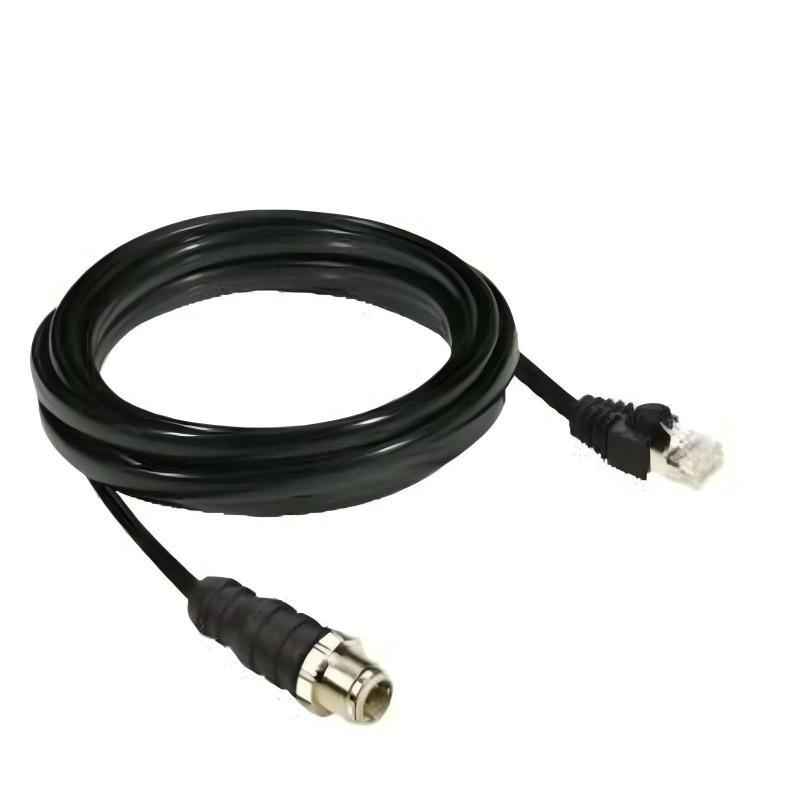
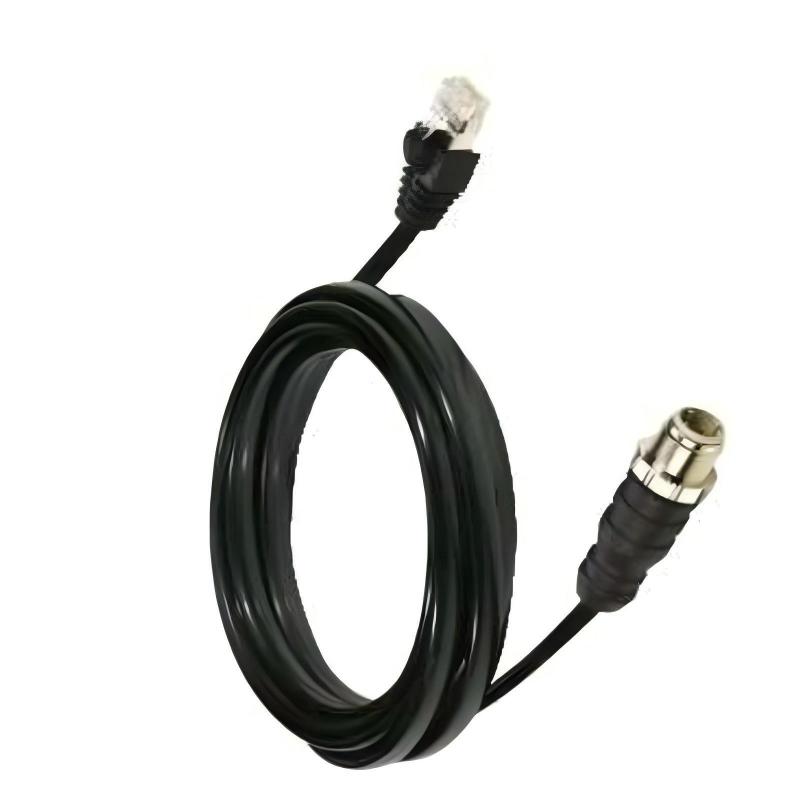
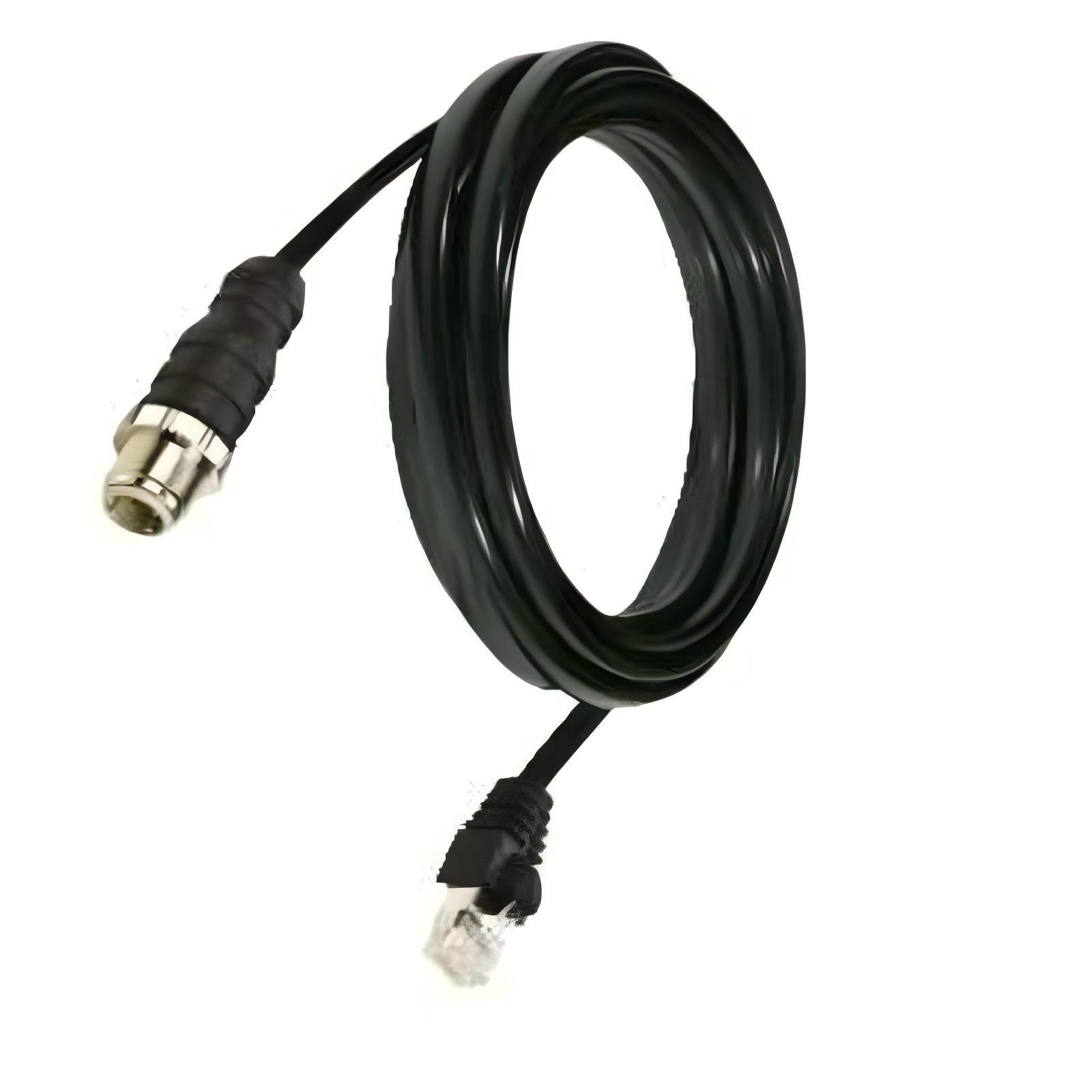
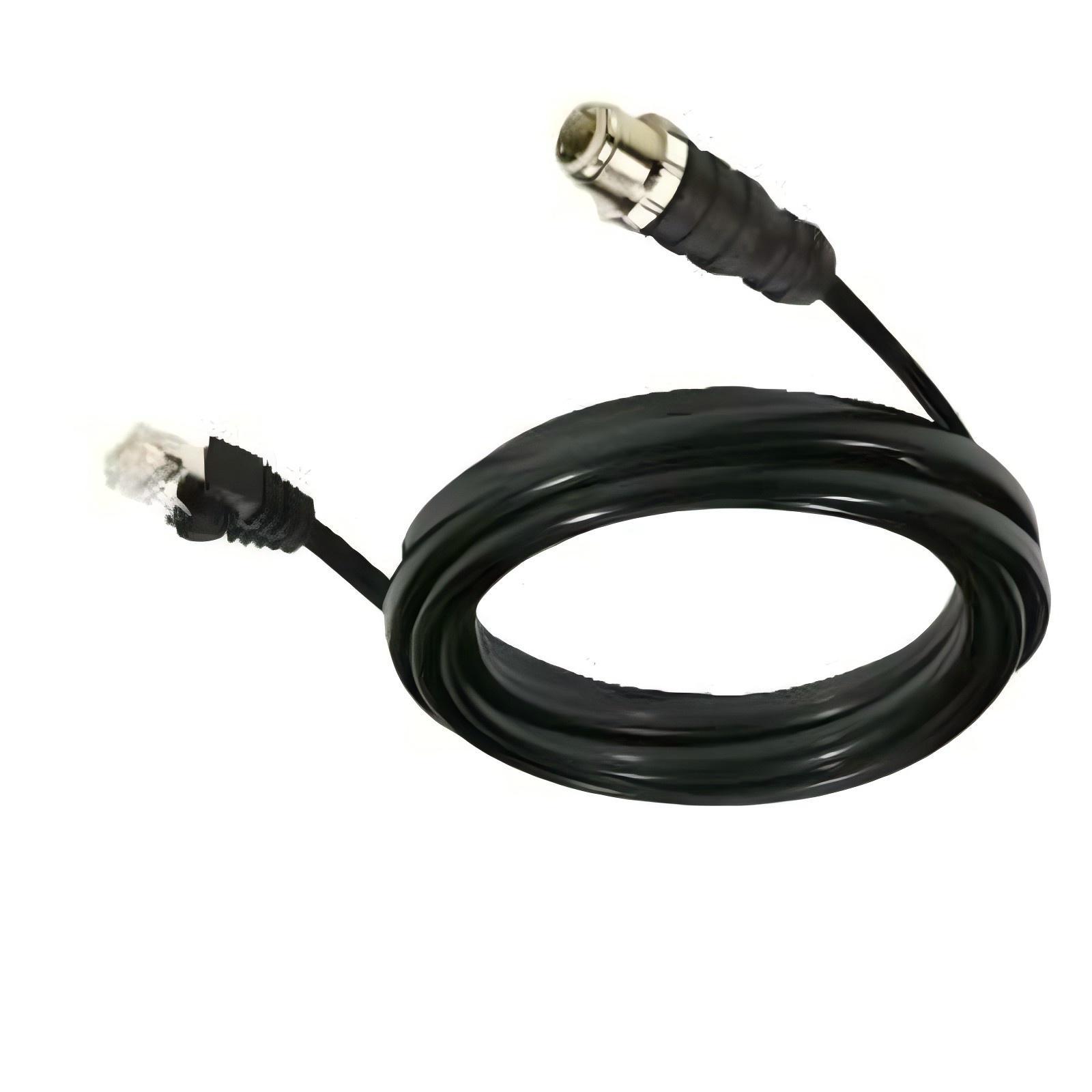
- Schneider
- VW3M8123R30
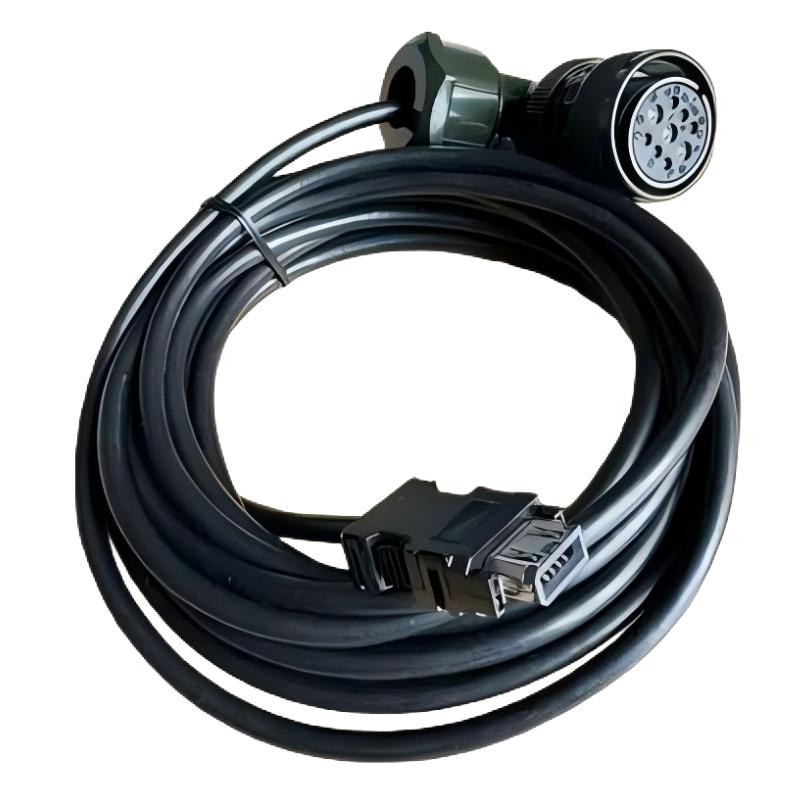
- Encoder Cable With Battery Compartment
- France
- 3 meters
- 1 kg
- Xiamen, China
- New & In Stock
- T/T, PayPal, Western Union
- 1 Year
- 1-3 Working Days
- DHL, UPS, TNT, FedEx and EMS.
- 24-Hour Service
- COO
- 3
Our advantage

Global Logistics
We have a 10-year logistics and express cooperation agreement, so our products can be shipped to any place in the world.

Brand new and original
Our products are imported in bulk from the place of origin. Because of the cooperative relationship, our products are all original and 100% new.

24-hour service
We provide 7*24 hours service to our customers. We will be there whenever you need us.

Price advantage
All our products are priced very favorably because we have our own warehouse and supply.
| Company Information | |||
| [email protected] | |||
| Mobile | +8615980777398 | ||
| +8615980777398 | |||
| 15980777398 |
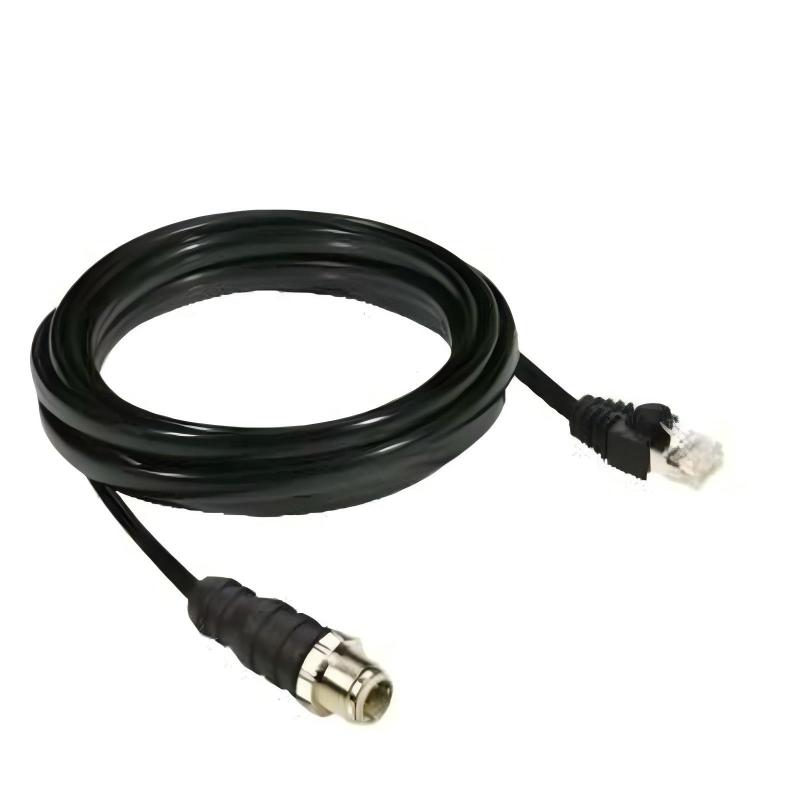
1. Product Overview
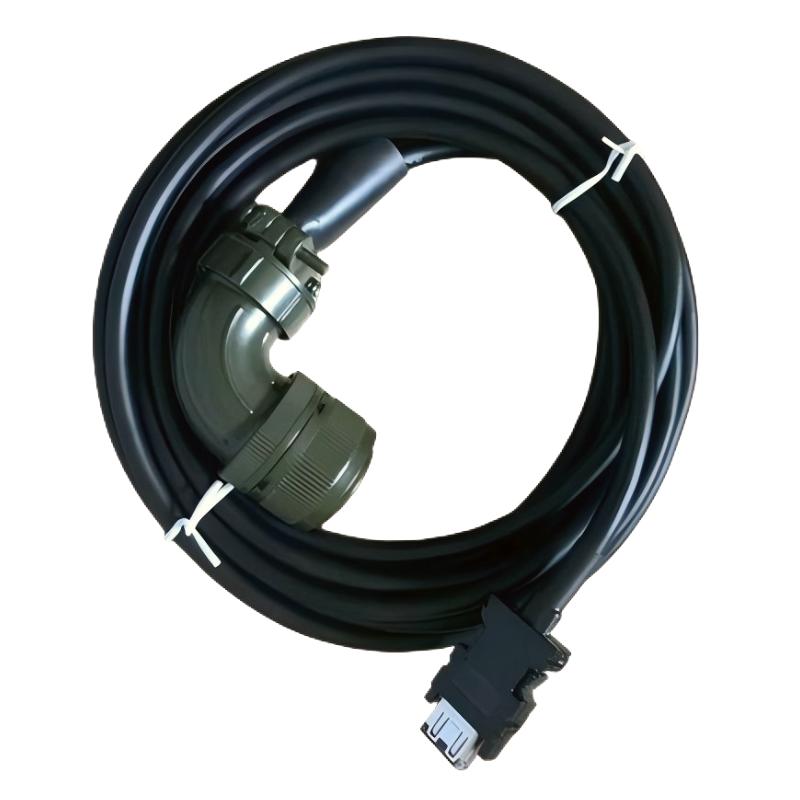
The Schneider VW3M8123R30 Encoder Cable with Battery Compartment is an industrial automation cable designed for applications where encoder feedback connections and battery-related components must be accommodated within the intended motion-control system. With a supplied cable length of 3 meters and a weight of 1 kg, this model provides a defined cable length for equipment layouts that require a relatively short connection between compatible components.
Encoder cables are important in servo control systems because they carry feedback signals used by motion controllers and drives to monitor motor position, speed, or other operating information, depending on the connected encoder and system design. Maintaining a suitable connection helps the control system receive reliable feedback for accurate motion control.
The battery compartment indicated in the product description is an important identification feature. Its exact purpose, battery type, replacement procedure, and relationship to the encoder or motor should be confirmed using the applicable Schneider Electric documentation for the specific equipment configuration.
When selecting the VW3M8123R30, buyers and maintenance engineers should verify the complete part number, connector arrangement, compatible motor and drive, and required feedback interface before installation. A cable that looks similar may not have the same electrical connections or functional compatibility.
2. Technical Specifications
| Parameter | Specification |
|---|---|
| Brand | Schneider Electric |
| Model | VW3M8123R30 |
| Product Type | Encoder Cable with Battery Compartment |
| Cable Length | 3 meters |
| Weight | 1 kg |
| Application | Encoder feedback connection in compatible industrial motion-control systems |
| Cable Function | Feedback signal transmission, subject to system compatibility |
| Battery Compartment | Included as indicated by the product description; exact function and battery requirements must be verified |
| Connector Type | Confirm from the product label and technical documentation |
| Compatible Servo Motor | Verify the exact motor model and feedback interface |
| Compatible Servo Drive | Verify the applicable drive model and connection requirements |
| Installation Environment | Follow the cable’s specified environmental and routing requirements |
The model number, 3-meter cable length, and 1 kg weight are based on the supplied product information. Connector details, electrical characteristics, battery specifications, and supported equipment combinations should be confirmed before purchase or installation.
3. Function and Working Principle
The primary role of an encoder cable is to establish an electrical connection between a compatible encoder and the equipment responsible for processing its feedback signals. In a servo motion-control system, this connection supports the exchange of information required for monitoring and controlling motor operation.
A typical servo system includes a controller, servo drive, servo motor, encoder or feedback device, and associated power and signal cables. The controller issues motion commands to the drive, while feedback from the motor’s encoder helps the control system evaluate actual motion against the commanded movement.
The VW3M8123R30 is identified as an encoder cable with a battery compartment. However, the precise battery-related function should not be assumed from the product description alone. Depending on the specific equipment architecture, battery-related components may be associated with retaining certain feedback or position information when the system is powered down. Whether this cable’s compartment serves that purpose, and what battery it requires, must be verified for the exact application.
3.1 Encoder Feedback Transmission
Encoder feedback provides information used by compatible drives and controllers to regulate motion. The cable must maintain the required electrical connection between the feedback device and its receiving equipment.
3.2 Connection Reliability
Stable connections help prevent feedback interruptions that may cause servo alarms, loss of motion feedback, or unexpected equipment stoppages. Correct connectors, secure installation, and suitable cable routing are essential.
3.3 Battery-Compartment Considerations
The battery compartment is a distinguishing feature of this model. Before handling or replacing any battery associated with it, technicians should confirm the approved battery type, polarity, replacement interval, and whether the equipment requires a specific procedure to preserve stored information.
4. Role in Industrial Motion-Control Systems
Encoder cables support the feedback portion of industrial servo systems. Their function is different from that of motor power cables, which deliver electrical power to the motor. Using the correct cable type helps preserve the intended separation between power transmission and feedback signaling.
Servo Motor Position Feedback
Servo drives may use encoder feedback to determine motor position and coordinate commanded motion. The required signal format and electrical interface depend on the installed motor and drive.
Closed-Loop Motion Control
In a closed-loop system, feedback allows the drive or controller to compare actual motor behavior with the target command. A suitable encoder connection supports the feedback path required for this control process.
Machine Synchronization
Packaging equipment, automated assembly machines, and material-handling systems may require several axes to operate in coordination. Reliable feedback connections help the control system monitor each compatible axis.
Maintenance and Replacement
A correctly identified replacement cable can simplify service work and reduce the risk of installing an incompatible component. The complete part number, cable length, connector arrangement, and battery-compartment design should be checked before replacement.
5. Industrial Applications
The Schneider VW3M8123R30 may be considered for industrial motion-control applications where its exact specifications match the installed equipment.
5.1 Packaging Machinery
Packaging lines use servo-driven mechanisms for feeding, cutting, sealing, indexing, and positioning. Encoder feedback connections help compatible drives monitor motor movement during these operations.
5.2 Automated Assembly Equipment
Assembly machines often depend on repeatable positioning and coordinated movements. Correctly matched encoder cables help maintain the feedback connections required by the servo-control architecture.
5.3 Material Handling Systems
Conveyors, transfer mechanisms, and automated handling equipment may use servo motors for controlled movement. The appropriate encoder cable must match the motor’s feedback interface and the drive’s input requirements.
5.4 Printing and Converting Machinery
Printing and converting equipment may require coordinated motion and consistent positioning. Feedback cables can support these functions when used with compatible servo motors and control hardware.
5.5 CNC and Precision Positioning Equipment
Some CNC-related and precision positioning applications use servo systems that depend on encoder feedback. The cable’s suitability must be established by checking the exact motor, drive, and feedback interface rather than assuming universal compatibility.
These are general application examples for compatible encoder cables. They do not establish that the VW3M8123R30 is approved for every machine or system listed.
6. Installation and System Integration
Correct installation helps protect the cable and maintain reliable feedback transmission. The instructions for the exact equipment and cable must take precedence over this general checklist.
Step 1: Verify the Part Number
Confirm that the cable label identifies the model as VW3M8123R30. Check the 3-meter length and the presence of the battery compartment. Compare these details with the equipment drawings and the replacement part specification.
Step 2: Place the Machine in a Safe State
Before disconnecting or installing the cable, follow the machine manufacturer’s shutdown instructions and the site’s lockout/tagout procedures. Isolate relevant power sources and confirm that the equipment is safe to service.
Step 3: Inspect the Cable
Examine the cable jacket, connectors, strain reliefs, and battery compartment for cracks, deformation, contamination, corrosion, or other visible damage. Do not install a cable with damaged insulation or connectors.
Step 4: Confirm Connector Compatibility
Compare the cable connectors with the corresponding motor and drive connections. Do not force a connector into place or modify connector keys, pins, or wiring to make an incompatible cable fit.
Step 5: Check Battery Requirements
If the battery compartment is intended to accommodate a battery in the specific application, confirm the approved battery specification and installation procedure. Verify polarity and any precautions for preserving stored data or position information. Do not substitute a battery based only on physical size.
Step 6: Route the Cable Correctly
Route the cable according to the manufacturer’s requirements. Avoid sharp edges, excessive bending, crushing, and contact with moving machine components. Maintain appropriate separation from power cables where specified by the system design.
Step 7: Secure the Connections
Connect the cable to the designated interfaces and ensure that the connectors are fully seated and secured using the approved method. Avoid pulling on the cable itself when handling connectors.
Step 8: Restore Power and Verify Operation
After completing the installation checks, restore power according to the approved commissioning procedure. Review drive and controller diagnostics, confirm that the feedback device is recognized, and verify normal operation before returning the machine to service.
7. Common Problems and Troubleshooting
Problems involving an encoder cable may arise from connector issues, cable damage, incorrect part selection, feedback-interface incompatibility, or faults elsewhere in the servo system. Troubleshooting should follow the equipment manufacturer’s procedures.
| Symptom | Possible Cause | Recommended Check |
|---|---|---|
| Servo drive reports a feedback alarm | Loose connector, damaged cable, incompatible feedback connection, or encoder fault | Inspect the connection and review the drive’s diagnostic information |
| Motor feedback is unavailable | Incorrect cable, damaged conductors, or a problem with the encoder or drive interface | Confirm the part number and check the complete feedback path |
| Intermittent feedback errors | Loose connection, cable damage, electrical interference, or excessive mechanical stress | Inspect routing, connector security, and cable condition |
| Position information is not retained as expected | Battery-related issue or an unrelated system configuration problem | Verify the actual battery function and follow the approved system procedure |
| Cable cannot be connected correctly | Incorrect model or incompatible connector arrangement | Compare the cable with the specified replacement part |
| Fault remains after cable replacement | The root cause may be in the encoder, servo drive, wiring, or configuration | Review system diagnostics and test related components using approved procedures |
| Visible damage to the cable jacket | Abrasion, crushing, bending stress, or environmental exposure | Replace the damaged cable and investigate the cause |
7.1 Check Connectors and Cable Condition
Inspect the connector housing, contacts, strain reliefs, and accessible cable sections for visible damage. Ensure that the cable has not been pinched, stretched, or bent beyond its specified limits.
7.2 Verify the Feedback Interface
Confirm that the installed cable is suitable for the exact encoder, motor, and drive combination. Do not assume that cables with similar connector shapes share the same wiring or signal characteristics.
7.3 Review Drive Diagnostics
Use the drive or controller’s diagnostic information to determine whether the fault relates to feedback loss, encoder communication, configuration, or another system condition. Record the alarm information before making changes.
7.4 Investigate Battery-Related Symptoms Carefully
If a battery-related problem is suspected, first confirm the purpose of the compartment and whether the application uses a battery to preserve particular information. Follow the documented replacement procedure instead of removing or replacing a battery without verifying its function.
7.5 Avoid Unapproved Electrical Testing
Do not guess connector pin assignments or perform improvised continuity or voltage tests on sensitive feedback circuits. Use the applicable wiring diagrams, approved test procedures, and suitable instruments.
8. Preventive Maintenance and Reliability
Regular inspection can help reduce cable-related faults and support the reliability of industrial motion-control equipment.
- Inspect the cable jacket: Look for abrasion, cuts, flattening, and other signs of mechanical damage.
- Check connector security: Confirm that connections remain properly seated and secured.
- Review cable routing: Ensure that the cable is protected from moving components, sharp edges, and excessive mechanical stress.
- Maintain separation where required: Follow the system design’s guidance for routing feedback cables near power wiring.
- Inspect the battery compartment: Check for damage or contamination and follow the specified battery-maintenance procedure where applicable.
- Monitor diagnostic alarms: Investigate recurring encoder or feedback faults rather than repeatedly resetting them.
- Keep spare parts correctly identified: Store replacement cables under suitable conditions and label them with the complete part number.
- Document replacements: Record the installed cable model, service date, observed fault, and corrective action.
Maintenance frequency should be based on operating conditions, equipment criticality, and the manufacturer’s recommendations.
9. Compatible System Components
The VW3M8123R30 should be evaluated as part of the complete servo system. The following component categories are relevant to compatibility checks, but no specific pairing is confirmed by this table.
| Component Category | Compatibility Considerations |
|---|---|
| Servo motor | Confirm the exact motor model and encoder interface |
| Servo drive | Verify the supported feedback connection and required cable specification |
| Encoder or feedback device | Confirm signal type, connection requirements, and system architecture |
| Motion controller | Check that the controller and drive configuration support the intended feedback arrangement |
| Battery or battery assembly | Verify whether a battery is required, the approved specification, and the replacement procedure |
| Cable connectors | Confirm connector type, keying, pin arrangement, and mating interface |
| Cable management hardware | Ensure the routing and support arrangement meets installation requirements |
Compatibility must be confirmed using the exact part numbers and documentation for the installed system. Similar model numbers or connector appearances are not sufficient evidence of compatibility.
10. Replacement and Alternative Selection
When replacing the Schneider VW3M8123R30, technical compatibility should take priority over appearance or price.
| Selection Factor | What to Verify |
|---|---|
| Model number | Confirm VW3M8123R30 |
| Product type | Encoder cable with battery compartment |
| Cable length | 3 meters |
| Weight | 1 kg, according to the supplied product information |
| Connector arrangement | Match the required motor and drive interfaces |
| Feedback compatibility | Confirm the supported encoder and feedback system |
| Battery-compartment function | Verify its intended purpose and any battery requirements |
| Mechanical condition | Inspect the cable, connectors, and compartment |
| System compatibility | Confirm the complete motor, drive, and controller configuration |
| Replacement procedure | Determine whether special commissioning or data-retention precautions apply |
If the original model is unavailable, an alternative should be selected only after its electrical, mechanical, and functional compatibility has been established. A cable with the same length or a similar connector may still be unsuitable.
11. Key Benefits of Correct Cable Selection
Selecting the appropriate encoder cable helps maintain the intended connection between feedback equipment and the motion-control system.
Reliable feedback connection: A correctly matched cable supports the signal path required by the compatible encoder and drive.
Defined installation length: The supplied 3-meter length helps engineers plan cable routing for suitable machine layouts.
Integrated battery-compartment feature: The product description identifies a battery compartment, which may be relevant to the intended system configuration. Its precise function should be verified before use.
Simplified maintenance: Accurate model identification helps technicians source the correct replacement and avoid unnecessary compatibility problems.
Better troubleshooting: Correct cable selection and organized routing make it easier to isolate feedback-related faults.
Improved equipment planning: Recording the cable model, length, and installation details supports spare-parts management and maintenance documentation.
These benefits depend on using the cable within its specified application and following the relevant installation instructions.
12. Technical FAQs
Q1: What is the Schneider VW3M8123R30?
The Schneider VW3M8123R30 is identified in the supplied product information as an encoder cable with a battery compartment for compatible industrial automation applications.
Q2: What is the cable length?
The supplied cable length is 3 meters.
Q3: What is the product weight?
The supplied product weight is 1 kg.
Q4: What is the purpose of the battery compartment?
The product description confirms the presence of a battery compartment, but its exact function should be verified for the relevant equipment. Do not assume the battery type or its role without checking the applicable technical documentation.
Q5: Can this cable be used with any Schneider servo motor?
No. Compatibility depends on the motor’s feedback interface, the servo drive, connector arrangement, and system configuration. Confirm the exact model combination before installation.
Q6: Can an encoder cable be replaced with a motor power cable?
No. Encoder cables and motor power cables serve different electrical functions. Use the cable type specified for the intended connection.
Q7: What should be checked before purchasing a replacement?
Confirm the complete part number, cable length, connector arrangement, battery-compartment design, and compatibility with the installed motor and drive.
Q8: What causes encoder cable faults?
Potential causes include damaged insulation, loose connectors, excessive bending, mechanical stress, electrical interference, incorrect cable selection, or faults in the encoder or drive.
Q9: Does the battery need to be replaced during routine maintenance?
The replacement interval and procedure depend on the actual battery function and the manufacturer’s instructions. Verify the approved specification and maintenance requirements before replacing it.
Q10: What should be done if feedback alarms continue after cable replacement?
Check the new cable’s compatibility and installation, then review the encoder, servo drive, connections, and controller diagnostics. Follow the equipment manufacturer’s troubleshooting procedure before replacing additional components.
13. Conclusion
The Schneider VW3M8123R30 Encoder Cable with Battery Compartment is identified by its 3-meter cable length and supplied weight of 1 kg. It is intended for evaluation in compatible industrial motion-control systems where an encoder feedback connection and the specified battery-compartment feature are required.
For reliable integration, engineers and maintenance personnel should verify the exact connector arrangement, supported motor and drive combination, feedback interface, and battery-related requirements before installation. Proper cable routing, secure connections, careful commissioning, and routine inspection help maintain feedback reliability and reduce avoidable equipment downtime.
When purchasing or replacing the VW3M8123R30, use the complete part number and the installed system configuration to confirm suitability rather than relying on physical appearance alone.