

ProductPRODUCT
Featured products
Contact Us
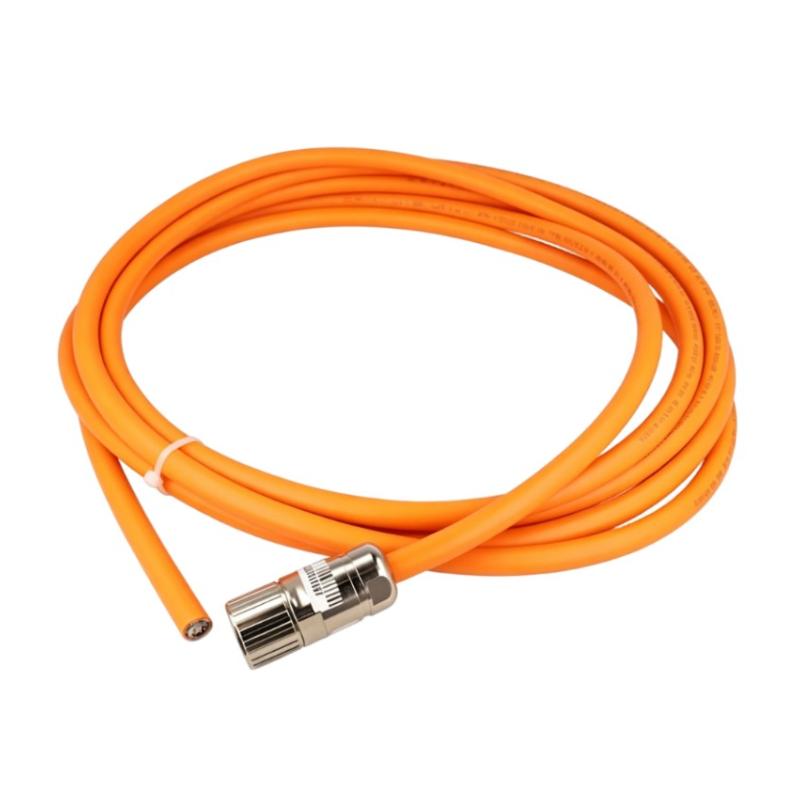
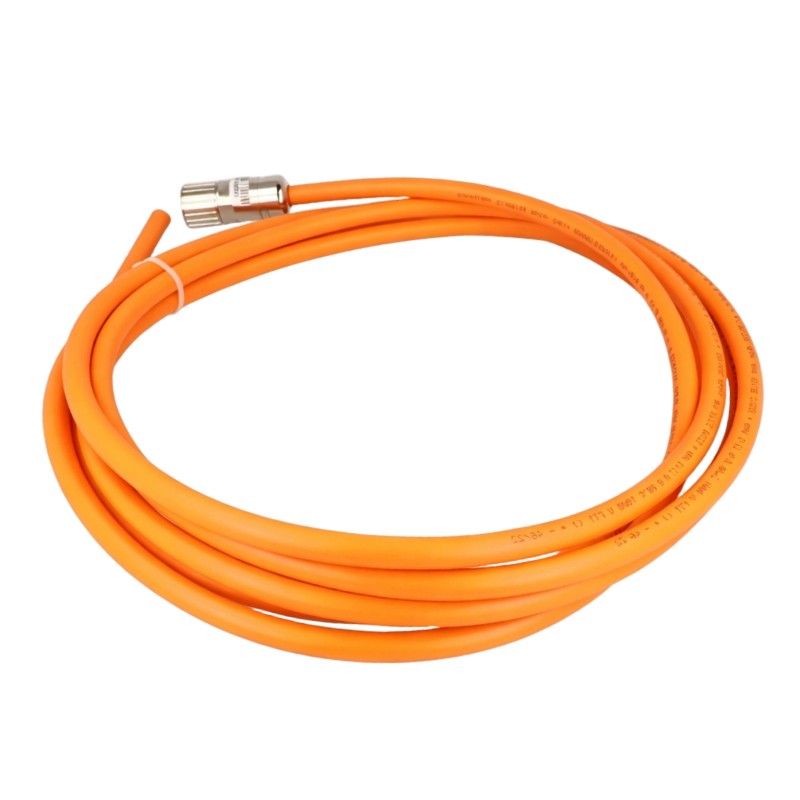
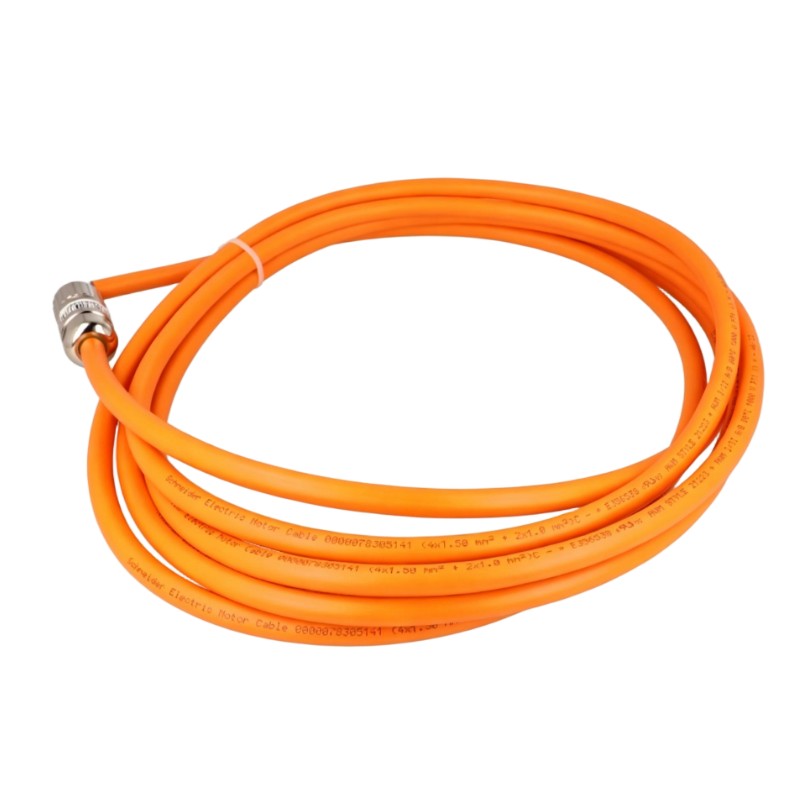
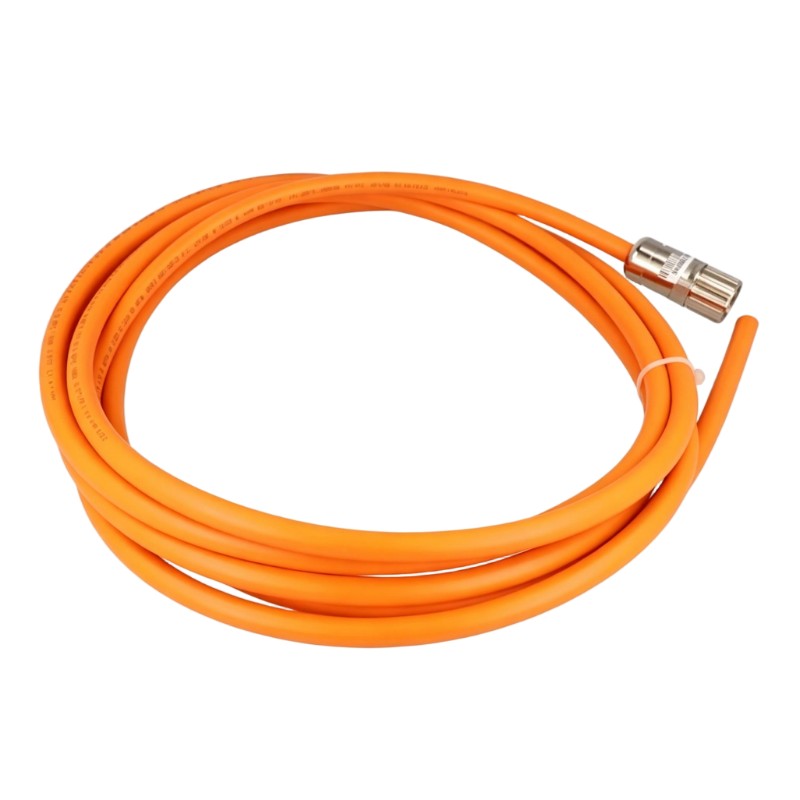
- Schneider
- VW3M5102R100
- Power Cord
- France
- 10 meters
- 3.21 kg
- Xiamen, China
- New & In Stock
- T/T, PayPal, Western Union
- 1 Year
- 1-3 Working Days
- DHL, UPS, TNT, FedEx and EMS.
- 24-Hour Service
- COO
- 15
Our advantage

Global Logistics
We have a 10-year logistics and express cooperation agreement, so our products can be shipped to any place in the world.

Brand new and original
Our products are imported in bulk from the place of origin. Because of the cooperative relationship, our products are all original and 100% new.

24-hour service
We provide 7*24 hours service to our customers. We will be there whenever you need us.

Price advantage
All our products are priced very favorably because we have our own warehouse and supply.
| Company Information | |||
| [email protected] | |||
| Mobile | +8615980777398 | ||
| +8615980777398 | |||
| 15980777398 |
1. Product Overview
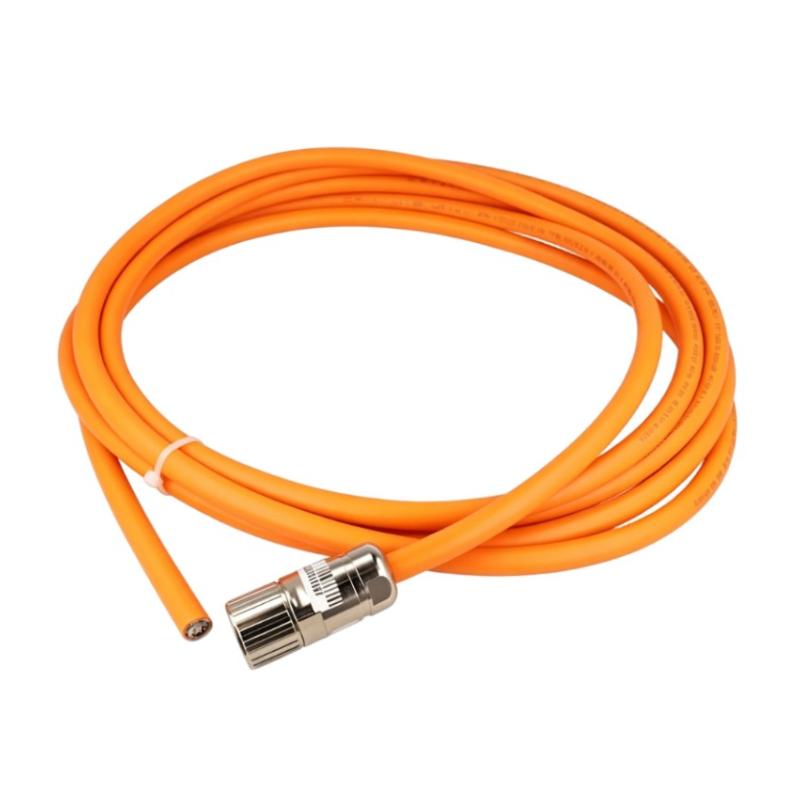
The Schneider VW3M5102R100 Power Cord is an industrial automation cable identified by its model number and specified cable length of 10 meters. With a listed weight of 3.21 kg, this power cord can be identified for equipment installation, replacement planning, and industrial spare-parts management.
Power cords are essential supporting components in industrial electrical systems. They establish designated electrical connections between compatible equipment and power interfaces, helping machines and automation devices operate according to their intended configuration. Selecting the correct cable is important for maintaining electrical safety, reliable connections, and an organized installation.
The 10-meter cable length provides a useful reference when planning connections between equipment positioned at a greater distance from one another. Appropriate cable selection can simplify installation and reduce the need for additional connection points, provided the cable meets the electrical, mechanical, and environmental requirements of the application.
The Schneider VW3M5102R100 should be selected by matching its complete part number with the equipment documentation. Cable length and product appearance alone do not establish connector compatibility, voltage rating, current capacity, or suitability for a particular automation device.
Before installation, verify the exact connector arrangement, electrical specifications, intended function, and compatible equipment using the product label and applicable technical documentation.
2. Technical Specifications
| Parameter | Specification |
|---|---|
| Brand | Schneider Electric |
| Model | VW3M5102R100 |
| Product Type | Power Cord |
| Product Category | Industrial Automation Cable |
| Cable Length | 10 meters |
| Weight | 3.21 kg |
| Application | Power connection for compatible industrial equipment |
| Connector Configuration | Confirm from the exact product specifications |
| Rated Voltage | Verify from technical documentation |
| Rated Current | Verify from technical documentation |
| Cable Construction | Confirm from the manufacturer’s specifications |
| Installation Requirements | Follow the instructions for the cable and connected equipment |
| System Compatibility | Verify for the intended equipment and connection interface |
The supplied product information specifies a cable length of 10 meters and a weight of 3.21 kg. Electrical ratings, conductor specifications, connector pin assignments, and supported equipment models should be confirmed before the cable is commissioned.
3. Function and Working Principle
A power cord provides an electrical path between designated connection points. In an industrial automation installation, its precise function depends on the cable’s construction, connector arrangement, and intended equipment application.
A typical electrical connection consists of a suitable power source, a compatible cable, the required connection interfaces, and the receiving equipment. When the components are correctly matched and installed, the cable supports the intended transfer of electrical power.
The Schneider VW3M5102R100 should be used only for an application supported by its specifications. The term power cord does not independently establish whether the cable is suitable for a particular drive, motor, controller, or other industrial device.
Several factors influence the cable’s suitability:
- Electrical compatibility: Rated voltage, current capacity, and other electrical characteristics must meet the requirements of the connected equipment.
- Connector compatibility: The connectors must match the designated interfaces and connection arrangement.
- Cable length: The 10-meter length must accommodate the installation route without excessive tension or prohibited bending.
- Mechanical protection: The cable must be protected from abrasion, crushing, sharp edges, and moving machinery.
- Environmental suitability: The operating environment must remain within the specified limits for the cable.
- Installation quality: Cable routing and connection procedures must follow the applicable technical instructions.
Correct selection and installation help minimize avoidable connection problems and support dependable equipment operation.
4. Role in Industrial Automation Systems
Industrial automation systems contain multiple electrical components that must be connected according to an approved design. A correctly specified power cord supports the electrical infrastructure required for these systems.
4.1 Electrical Power Connection
The cable provides the intended connection between designated electrical interfaces when its specifications match the application. Correct cable selection helps maintain the designed power connection and avoids unsuitable substitutions.
4.2 Integration of Industrial Equipment
Automation installations may contain drives, motors, control equipment, operator interfaces, and other electrically powered devices. The VW3M5102R100 should be integrated only where its electrical and mechanical characteristics meet the requirements of the designated connection.
4.3 Extended Equipment Layouts
The specified 10-meter length can be considered when equipment is positioned farther from its designated connection point. Appropriate routing helps maintain an organized installation while avoiding unnecessary cable tension, sharp bends, and exposure to mechanical hazards.
4.4 Maintenance and Replacement
Accurate part-number identification supports maintenance planning and spare-parts control. When a cable is damaged or missing, matching the complete model number helps reduce the risk of selecting a product with an incompatible connector or electrical rating.
4.5 System Reliability
A properly specified and installed power cord helps reduce connection-related interruptions. However, overall system reliability also depends on the power source, protective devices, connected equipment, installation quality, and operating environment.
5. Industrial Applications
The Schneider VW3M5102R100 may be considered for applications that specifically require this cable or where its suitability has been confirmed. The following examples describe general industrial environments for appropriately specified power cords; they do not confirm compatibility with every application listed.
5.1 Manufacturing and Production Lines
Manufacturing systems use electrical connections to support powered equipment across production cells and machine assemblies. A suitable power cord can help maintain the intended electrical connection and contribute to organized installation practices.
5.2 Industrial Drive Installations
Drive systems may use dedicated cables for power and other electrical functions. Before using the VW3M5102R100 in a drive installation, verify the required connection type, connector arrangement, and electrical ratings. Do not assume that a general power cord is interchangeable with a motor power cable or feedback cable.
5.3 Packaging Machinery
Packaging machines often combine multiple electrically powered components within a compact or distributed layout. A 10-meter cable may be relevant where the approved equipment arrangement requires a longer connection, provided the cable is specified for the intended function.
5.4 Material Handling Systems
Conveyors, automated transfer systems, and material handling equipment depend on correctly installed electrical connections. Cable routing should account for machine movement, vibration, mechanical protection, and the distance between connection points.
5.5 Industrial Control Equipment
Control installations may include power distribution assemblies and other automation devices that require specific electrical connections. The VW3M5102R100 should be used only when the equipment documentation identifies it as suitable for the required connection.
5.6 Equipment Repair and Refurbishment
During maintenance, a damaged or missing power cord may need to be replaced. Confirming the original model number, cable length, connector arrangement, and application requirements helps ensure that the replacement matches the intended installation.
5.7 Industrial Equipment Upgrades
Changes to equipment positioning or cabinet layouts can affect cable-routing requirements. During an upgrade, verify that the existing cable remains suitable for the revised installation and that all electrical and mechanical requirements are still met.
6. Installation and System Integration
Correct installation helps protect the cable, maintain electrical safety, and support reliable operation. The following steps provide a general checklist. The cable’s model-specific instructions and the connected equipment’s requirements take precedence.
Step 1: Verify the Model Number
Confirm that the product is Schneider VW3M5102R100. Check the label, packaging, or equipment records and verify that the specified 10-meter length is appropriate for the installation.
Step 2: Isolate the Equipment
Place the machine or system in a safe state and isolate the relevant electrical power sources according to the site’s electrical safety and lockout/tagout procedures. Ensure that the connection can be handled safely before installation or removal.
Step 3: Inspect the Cable
Examine the cable sheath, connectors, and strain-relief areas for visible damage, contamination, deformation, or signs of overheating. Do not install a cable with damaged insulation, exposed conductors, cracked connector housings, or other defects that may affect safe operation.
Step 4: Confirm Electrical Compatibility
Check the cable’s rated voltage, current capacity, conductor arrangement, and other applicable electrical characteristics against the connected equipment’s requirements. Do not infer these values from the model number, cable length, or weight.
Step 5: Verify Connector Compatibility
Compare both cable ends with the specified connection interfaces. Confirm connector type, orientation, contact arrangement, and any required locking mechanism.
Never force a connector into place or modify it to fit an incompatible interface.
Step 6: Plan the Cable Route
Plan a suitable route for the 10-meter cable before making the final connections. Avoid sharp edges, pinch points, excessive heat, moving machinery, and locations where the cable could be crushed or abraded.
Keep the cable away from tension-producing routes and follow the specified minimum bend radius. If the installation requires separation between power and signal cables, follow the manufacturer’s recommendations and site wiring standards.
Step 7: Secure the Connections
Connect the cable according to the approved procedure. Ensure that each connector is fully engaged and that required locking features are secured. Do not use the cable to support equipment or compensate for unsuitable equipment positioning.
Step 8: Inspect the Complete Installation
Before restoring power, check the cable’s entire accessible route. Ensure that it is not stretched, trapped, sharply bent, or positioned where it may interfere with machine movement or maintenance access.
Step 9: Restore Power and Verify Operation
Restore power only after the required safety checks are complete. Follow the connected equipment’s commissioning procedure and monitor for unexpected alarms, intermittent operation, abnormal heating, or other signs of a connection problem.
7. Common Problems and Troubleshooting
Power-cord problems can result from physical damage, connector incompatibility, incorrect selection, environmental exposure, or faults elsewhere in the electrical system. Troubleshooting should begin with safe inspection and follow the approved equipment procedures.
| Symptom | Possible Cause | Recommended Action |
|---|---|---|
| Equipment does not power up | Supply fault, loose connection, incorrect cable, or equipment failure | Isolate the system and inspect the complete power path |
| Intermittent operation | Loose connector, damaged conductor, or worn contact | Inspect the cable and connectors; replace damaged components |
| Connector does not fit | Incorrect model or incompatible connector configuration | Verify the full part number and designated connection interface |
| Damaged insulation | Abrasion, crushing, sharp edges, or excessive bending | Remove the cable from service and replace it with an approved component |
| Connector becomes unusually hot | Poor contact, overload, or another electrical fault | Isolate the equipment and arrange qualified inspection |
| Cable is difficult to route | Unsuitable routing path or incorrect cable-length selection | Review the equipment layout and approved routing requirements |
| Fault continues after replacement | Power supply, equipment-side connector, or connected device may be faulty | Inspect related components and review diagnostic information |
7.1 Check the Power Source
If the equipment does not receive power, verify the supply and relevant protective devices according to the approved troubleshooting procedure. A power-cord problem is only one possible cause.
7.2 Inspect the Connectors
Look for loose connections, contamination, damaged housings, or worn contacts. Isolate the equipment before handling the cable, and avoid touching exposed energized components.
7.3 Examine the Cable for Damage
A 10-meter cable may pass through several routing points, increasing the importance of checking for abrasion, crushing, and improper support along the entire accessible route. Replace damaged cables rather than relying on improvised repairs.
7.4 Verify the Replacement Part
A cable with a similar appearance or length may have different electrical ratings, conductor arrangements, or connector assignments. Verify the exact part number and intended application before using a replacement.
7.5 Investigate Related Equipment
If the fault remains after installing a verified cable, inspect the power source, equipment-side connection, protective devices, and connected equipment according to the approved procedure. Avoid repeatedly replacing cables without identifying the underlying problem.
8. Preventive Maintenance and Reliability
Preventive maintenance can help identify deterioration before it causes an unexpected interruption. Inspection frequency should reflect the operating environment, equipment usage, and site maintenance policy.
- Inspect the cable sheath: Check for cuts, cracks, abrasions, flattening, and discoloration.
- Examine connectors: Look for damaged housings, contaminated contacts, and unreliable locking mechanisms.
- Review cable routing: Keep the cable away from sharp edges, excessive heat, moving parts, and pinch points.
- Avoid excessive tension: Ensure that the cable is not stretched between connection points or used to support equipment.
- Observe bend-radius limits: Avoid sharp bends and repeated flexing beyond the specified limits.
- Protect disconnected connectors: Use appropriate protective measures during storage and maintenance where applicable.
- Maintain spare-parts records: Record the complete model number and store replacement cables under suitable conditions.
- Document replacements: Record the replacement date, part number, and reason for the change.
- Follow safety procedures: Isolate equipment before inspection or replacement whenever required by the approved procedure.
Installations exposed to vibration, repeated movement, heat, or mechanical contact may require more frequent inspection. Particular attention should be given to connector areas and cable sections that pass through constrained routes.
9. Compatible System Components
The VW3M5102R100 should be evaluated as part of the complete electrical connection. The following table identifies component categories that may require verification during system integration. It does not confirm compatibility with specific equipment models.
| Component Category | Integration Considerations |
|---|---|
| Power source | Confirm the required supply characteristics and protective arrangements |
| Connected automation equipment | Verify that the cable is specified or approved for the exact device |
| Equipment-side connector | Confirm connector type, contact arrangement, and mechanical interface |
| Power distribution assembly | Check the approved connection arrangement and electrical requirements |
| Cable routing accessories | Ensure supports and ducts are appropriate for the cable and environment |
| Protective devices | Verify that protection meets the connected equipment’s requirements |
| Replacement power cord | Confirm the model number, length, connector configuration, and electrical specifications |
Compatibility should be established through the approved documentation for the complete equipment configuration. Do not assume that the VW3M5102R100 is suitable for a particular drive, motor, controller, or automation platform simply because it is a Schneider Electric product.
10. Replacement and Alternative Selection
When replacing the Schneider VW3M5102R100, the main objective is to preserve the intended electrical function and connection arrangement.
| Selection Factor | What to Verify |
|---|---|
| Exact model | Confirm VW3M5102R100 or a formally approved equivalent |
| Cable length | Match the required 10-meter length where specified |
| Electrical ratings | Verify rated voltage, current capacity, and other applicable limits |
| Connector configuration | Match the required connector types and contact arrangement |
| Cable construction | Confirm conductor, insulation, shielding, and flexibility requirements where applicable |
| Equipment compatibility | Verify approval for the intended equipment and connection |
| Environmental suitability | Check temperature, vibration, moisture, and mechanical exposure requirements |
| Product condition | Inspect the cable and connectors for damage before installation |
| Commissioning requirements | Follow the connected equipment’s approved startup procedure |
A cable with a similar appearance, a comparable weight, or the same nominal length is not necessarily a valid substitute. The electrical specifications, connector configuration, and intended function must also match.
If the original model is unavailable, use an alternative only after technical equivalence has been confirmed through the applicable documentation or by the responsible engineering team.
11. Key Benefits of the Schneider VW3M5102R100 Power Cord
11.1 Defined 10-Meter Cable Length
The specified 10-meter length provides a clear reference for equipment layout planning, product identification, and replacement purchasing.
11.2 Support for Longer Cable Routes
Where approved by the equipment design, the 10-meter length can accommodate greater distances between designated connection points. Proper routing remains necessary to prevent excessive bending, mechanical damage, and interference with other equipment.
11.3 Clear Spare-Parts Identification
The complete model number helps procurement and maintenance teams identify the required cable and distinguish it from other power-cord variants.
11.4 Easier Maintenance Planning
Accurate product identification supports spare-parts organization, replacement planning, and documentation of electrical maintenance activities.
11.5 Support for Organized Installations
A correctly selected cable can contribute to a maintainable installation when routed and secured according to the applicable requirements.
11.6 Preservation of the Intended Connection
Where the VW3M5102R100 is the specified cable for an application, using the correct part helps maintain the intended electrical configuration and reduces the risk of an unsuitable substitution.
These benefits depend on correct product identification, verified compatibility, and compliance with the connected equipment’s installation requirements.
12. Technical FAQs
Q1: What is the Schneider VW3M5102R100?
The Schneider VW3M5102R100 is identified as an industrial power cord. Its precise connection function and supported equipment should be confirmed from the product label and applicable technical documentation.
Q2: What is the cable length of the VW3M5102R100?
The specified cable length is 10 meters.
Q3: What is the listed product weight?
The supplied product weight is 3.21 kg.
Q4: Can the VW3M5102R100 be used with any Schneider Electric drive?
No. Compatibility depends on the exact equipment model, connection interface, electrical requirements, and approved cable specification. Verify these details before installation.
Q5: Is this power cord interchangeable with a motor cable?
Not automatically. Motor power cables may have different conductor construction, shielding, connector arrangements, and electrical requirements. Use the VW3M5102R100 for a motor-related connection only if the applicable technical documentation explicitly permits it.
Q6: What should be checked before installation?
Confirm the complete model number, 10-meter length, connector configuration, electrical ratings, cable condition, and compatibility with the intended equipment. Follow the applicable electrical safety procedures.
Q7: Why might equipment fail to start after the cable is connected?
Possible causes include a supply fault, loose or incompatible connectors, cable damage, incorrect cable selection, or a fault in the connected equipment. Inspect the complete power path using the approved troubleshooting procedure.
Q8: Can a damaged power cord be repaired?
A damaged cable should be removed from service until it has been assessed under an approved procedure. Replace it with the specified cable or a verified equivalent. Avoid improvised splices and unauthorized connector modifications.
Q9: Can a shorter cable replace the 10-meter version?
Only if the alternative is approved for the equipment and provides a suitable connection route. Confirm that the new length meets the installation requirements without introducing tension or routing problems.
Q10: How can the service life of the cable be improved?
Use appropriate cable routing and support, avoid excessive tension and bending, protect the cable from abrasion and heat, inspect connectors regularly, and replace damaged components promptly.
13. Conclusion
The Schneider VW3M5102R100 Power Cord is an industrial automation cable specified with a length of 10 meters and a weight of 3.21 kg. These supplied specifications provide useful references for product identification, equipment layout planning, replacement purchasing, and spare-parts management.
For reliable operation, users should verify the connector configuration, electrical ratings, and compatibility with the intended equipment before installation. Correct cable routing, secure connections, preventive inspection, and timely replacement of damaged components help maintain a safe and dependable electrical installation.
When purchasing or replacing the VW3M5102R100, confirm the complete model number and the technical requirements of the connected equipment to ensure that the selected cable is appropriate for the intended application.