

ProductPRODUCT
Featured products



Contact Us
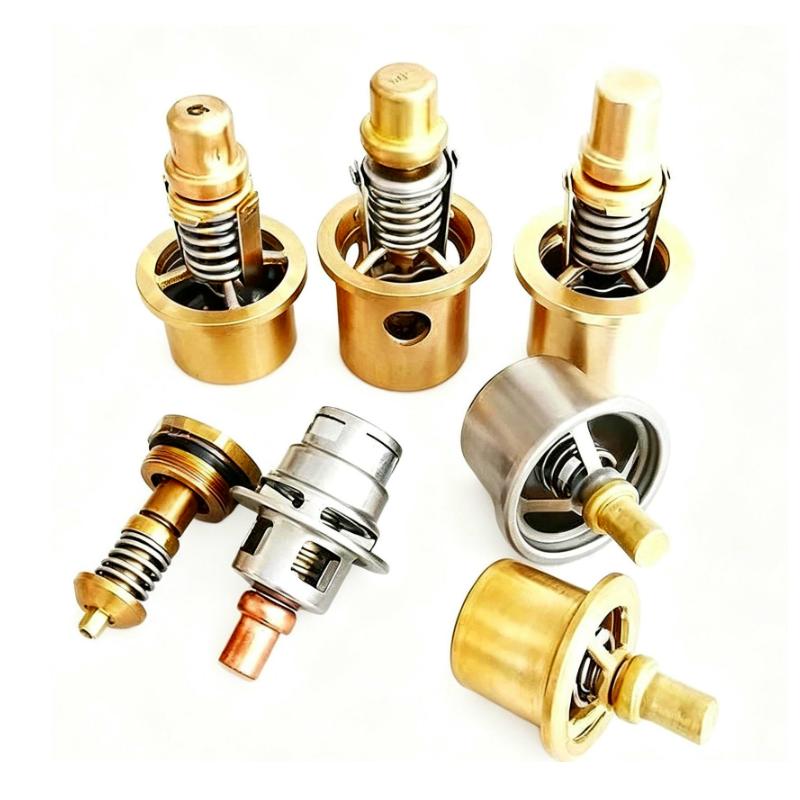
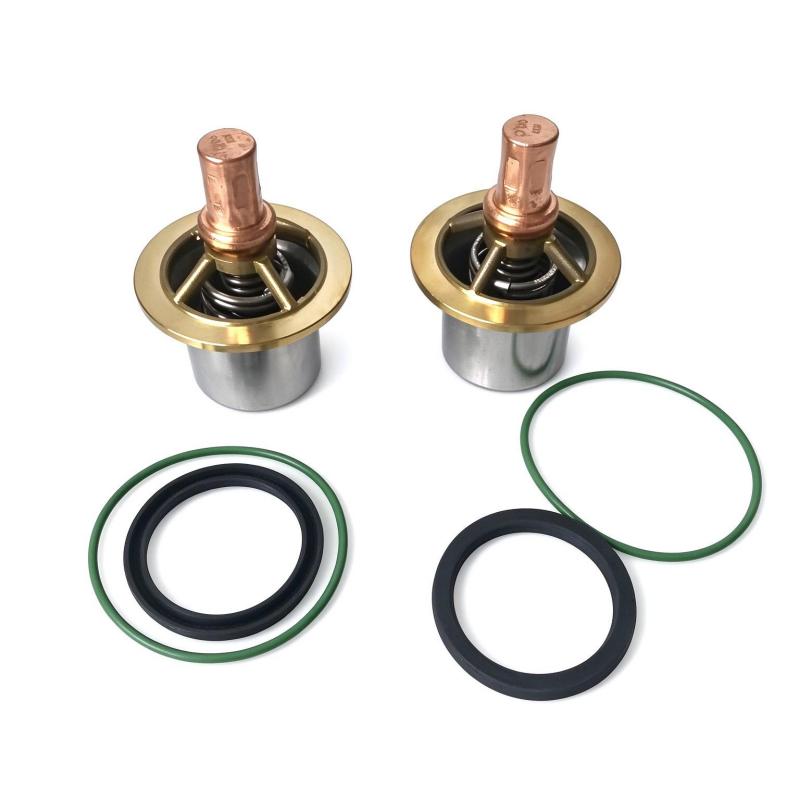
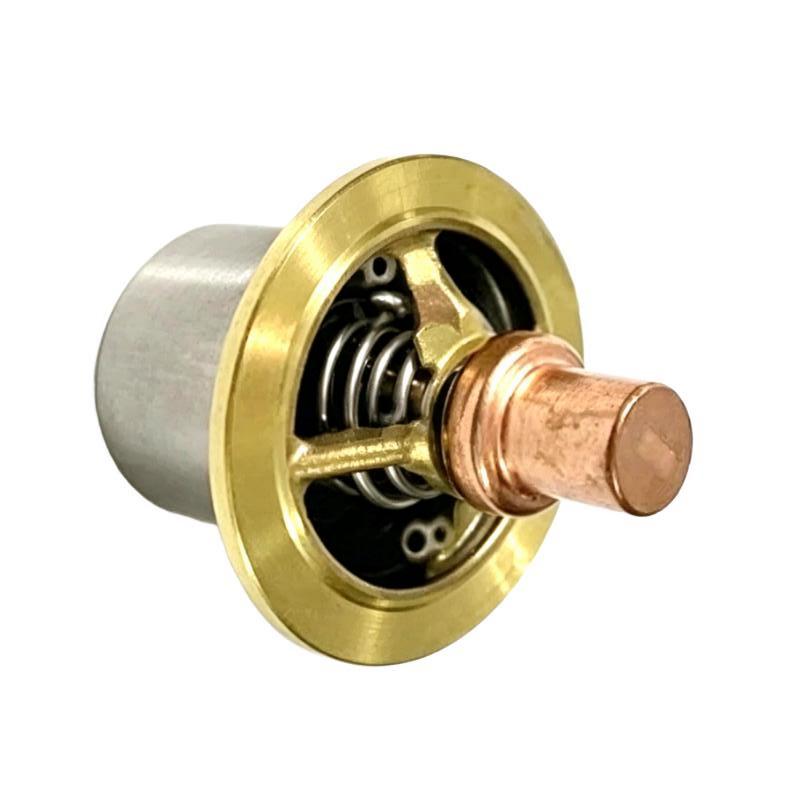
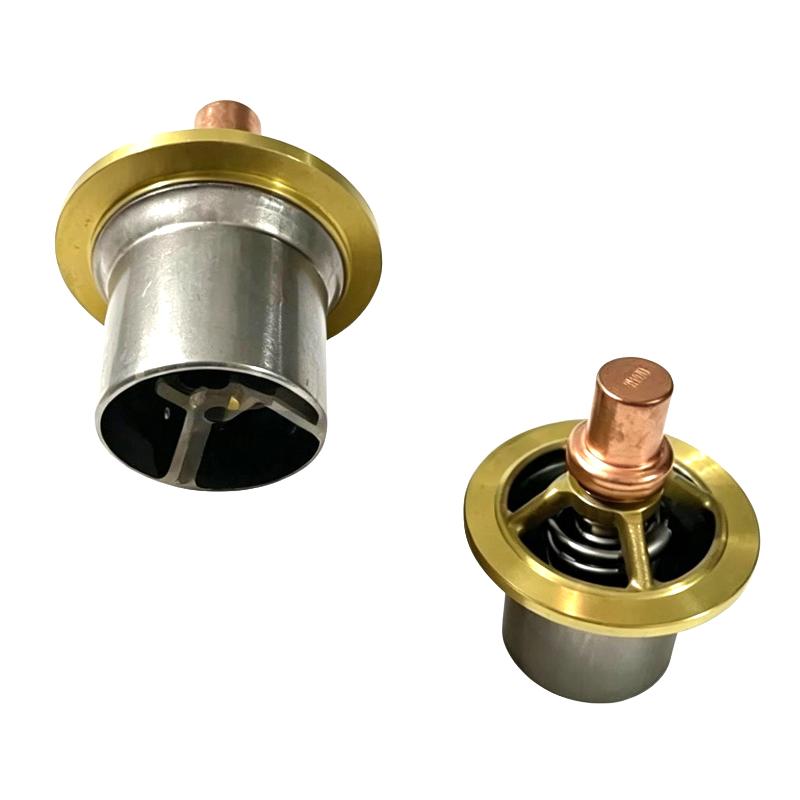
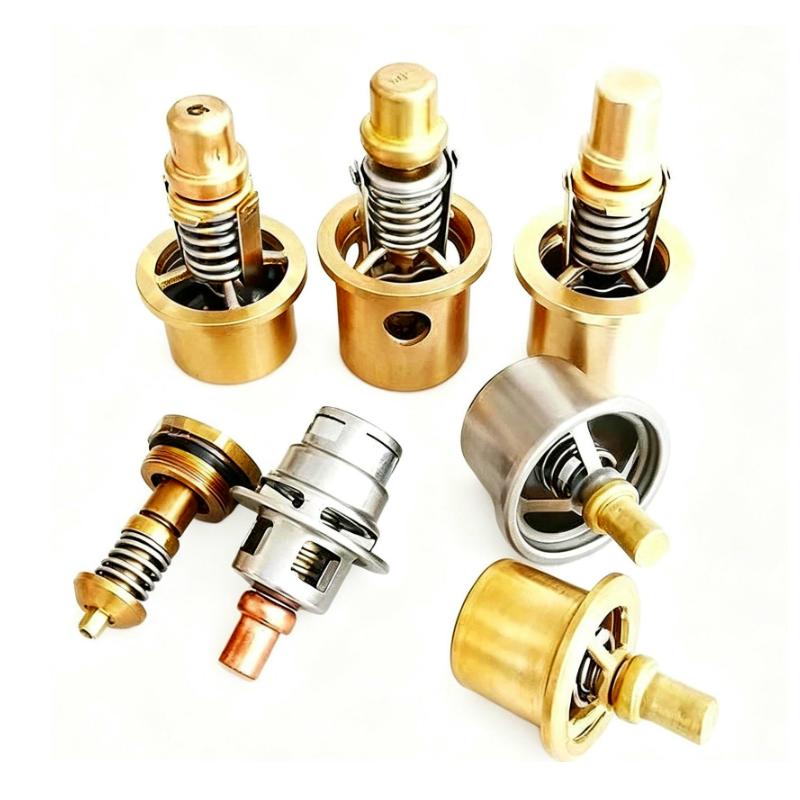
- Ingersoll Rand
- 47572168001 47552954001
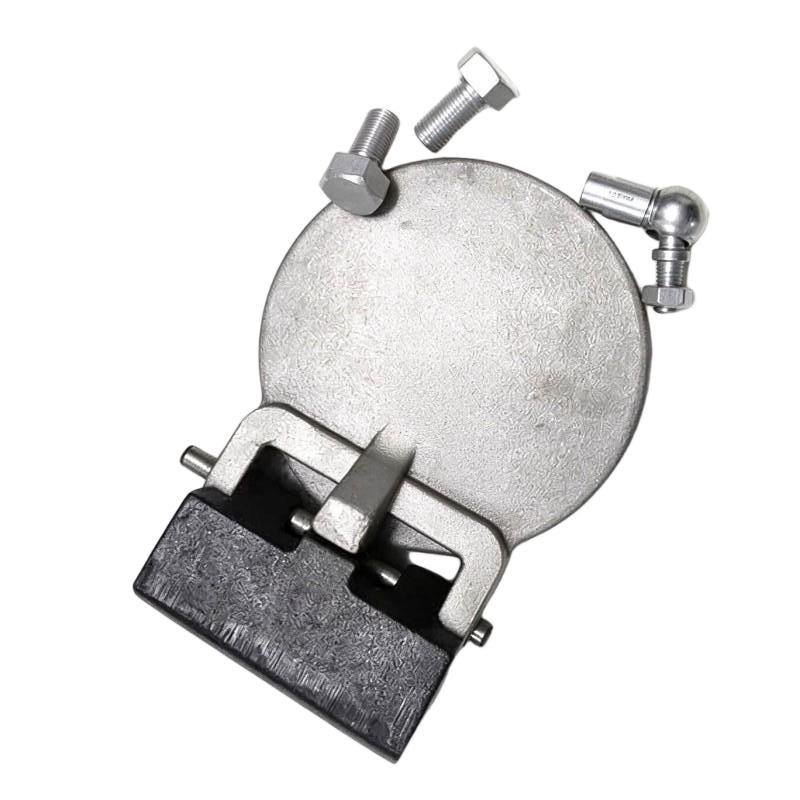
- Thermostatic Valve Maintenance Kit
- USA
- 180 × 120 × 80 mm
- 1.0 kg
- Xiamen, China
- New & In Stock
- T/T, PayPal, Western Union
- 1 Year
- 1-3 Working Days
- DHL, UPS, TNT, FedEx and EMS.
- 24-Hour Service
- COO
- 3
Our advantage

Global Logistics
We have a 10-year logistics and express cooperation agreement, so our products can be shipped to any place in the world.

Brand new and original
Our products are imported in bulk from the place of origin. Because of the cooperative relationship, our products are all original and 100% new.

24-hour service
We provide 7*24 hours service to our customers. We will be there whenever you need us.

Price advantage
All our products are priced very favorably because we have our own warehouse and supply.
| Company Information | |||
| [email protected] | |||
| Mobile | +8615980777398 | ||
| +8615980777398 | |||
| 15980777398 |
1. Product Overview
The Ingersoll Rand 47552954001 Thermostatic Valve Maintenance Kit is a maintenance component intended for servicing thermostatic valve assemblies in compatible industrial compressor systems. Thermostatic valves play an important role in temperature regulation by controlling fluid flow according to operating temperature. In compressor applications, proper temperature management helps maintain suitable operating conditions and supports the reliability of related components.
This maintenance kit is identified by part number 47552954001 and is associated with product reference 47572168001. The supplied dimensions are 180 × 120 × 80 mm, with a listed weight of 1.0 kg. These specifications can assist with spare-parts identification, inventory management, and maintenance planning.
Before ordering or installing the kit, technicians should confirm the complete part number and verify its intended application against the compressor model and existing valve assembly. The exact contents, temperature range, seal materials, and supported equipment models should be confirmed using the applicable product documentation rather than inferred from the kit name.
2. Technical Specifications
| Parameter | Specification |
|---|---|
| Brand | Ingersoll Rand |
| Part Number | 47552954001 |
| Associated Product Reference | 47572168001 |
| Product Type | Thermostatic Valve Maintenance Kit |
| Application | Maintenance of compatible thermostatic valve assemblies |
| Dimensions | 180 × 120 × 80 mm |
| Weight | 1.0 kg |
| Main Function | Servicing and maintaining a thermostatic valve assembly |
| Installation | According to the compressor and valve assembly requirements |
| Compatibility | Must be verified for the specific compressor model |
| Kit Contents | Confirm against the supplied parts list |
| Operating Temperature Range | Verify from the applicable technical documentation |
The listed dimensions and weight are supplied product details. The kit’s exact internal components, valve characteristics, and equipment compatibility should be verified before maintenance work begins.
3. Function and Working Principle
A thermostatic valve responds to temperature changes and regulates fluid flow to help maintain an appropriate operating temperature. The precise mechanism depends on the valve design, but the assembly generally includes a temperature-responsive element and a flow-control mechanism.
In an oil-lubricated air compressor, temperature regulation is important because the lubricant must operate within the system’s specified temperature range. Depending on the compressor design, a thermostatic valve may direct lubricant through different flow paths as the system warms up or reaches its normal operating condition.
The Ingersoll Rand 47552954001 maintenance kit is intended to support the servicing of a compatible valve assembly. Its role is to help restore the serviceability of the assembly when maintenance or replacement of designated components is required. The exact parts supplied and the approved repair procedure must be confirmed before use.
Temperature Regulation
The thermostatic valve helps control the flow path in response to temperature conditions. Correct operation supports stable thermal management and helps prevent the system from operating outside its intended temperature range.
Fluid Flow Control
Depending on the compressor configuration, the valve may regulate lubricant flow through a cooling circuit or another designated passage. Correct valve operation helps maintain the intended circulation pattern.
Maintenance of Valve Components
A maintenance kit may contain service parts intended to address wear or deterioration within a valve assembly. The exact contents of this kit should be checked against the parts list before disassembly.
Support for Compressor Reliability
A correctly serviced thermostatic valve can help maintain the intended temperature-control function. This contributes to the wider maintenance strategy for the compressor, although overall performance also depends on lubricant condition, cooling capacity, operating load, and other system components.
4. Role in Industrial Compressor Systems
Thermostatic valve assemblies are important in compressor systems where operating temperature affects lubrication, cooling, and equipment reliability. Maintaining the valve according to the manufacturer’s requirements helps preserve the intended operating characteristics of the machine.
Temperature Management
Compressor temperature can vary with ambient conditions, workload, cooling performance, and operating cycles. The thermostatic valve helps regulate the relevant fluid flow to support the designed thermal response.
Lubrication System Support
In oil-injected compressor designs, lubricant may provide lubrication, cooling, sealing, and contaminant transport. Proper temperature control supports the intended behavior of the lubricant and related components.
Preventive Maintenance
Valve assemblies may require inspection or servicing as part of a scheduled compressor maintenance program. Using the correct maintenance kit helps technicians work with parts specified for the intended assembly.
Equipment Availability
A malfunctioning temperature-control valve can contribute to abnormal operating temperatures, alarms, or interruptions. Timely diagnosis and appropriate maintenance can reduce avoidable downtime and help maintain production continuity.
5. Industrial Applications
The suitability of the 47552954001 Thermostatic Valve Maintenance Kit depends on the compressor model and valve assembly for which it is specified. Potential maintenance environments include the following.
Manufacturing Facilities
Manufacturing plants often depend on compressed air for pneumatic tools, automation equipment, packaging lines, and general production processes. Maintaining compressor temperature-control components helps support reliable compressed-air availability.
Packaging and Processing Equipment
Packaging and processing operations may use compressed air for actuators, handling equipment, and machine controls. Proper compressor maintenance can help reduce interruptions caused by equipment faults.
Automotive and Machinery Production
Industrial compressors may supply pneumatic equipment used in assembly, material handling, and production support. Maintaining the thermostatic valve helps preserve the designed operating conditions of compatible compressor units.
Food and Beverage Production
Compressed air may support selected production and packaging operations. Compressor maintenance should follow the plant’s applicable hygiene, air-quality, and equipment-maintenance requirements. The suitability of the kit itself must still be confirmed for the installed compressor.
General Industrial Utilities
Factories, workshops, and industrial service facilities use compressors for a wide range of pneumatic applications. Correctly identified maintenance kits help maintenance teams service compatible equipment and manage spare-parts inventory.
These examples describe general compressor maintenance environments and do not establish compatibility with every compressor used in these industries.
6. Installation and System Integration
The maintenance kit should be installed only by qualified personnel following the approved service procedure for the specific compressor and thermostatic valve assembly. The following workflow is a general checklist, not a substitute for model-specific instructions.
Step 1: Verify the Part Number
Confirm that the kit is marked 47552954001 and check its relationship to the supplied reference 47572168001. Compare the part number with the equipment bill of materials, existing valve assembly, and maintenance records.
Step 2: Shut Down and Isolate the Compressor
Stop the compressor and isolate all relevant energy sources according to the site’s lockout/tagout procedure. Allow hot components and fluids to cool to a safe temperature. Release stored pressure using the approved procedure and verify that the equipment is safe to service.
Step 3: Identify the Valve Assembly
Locate the thermostatic valve using the compressor’s service documentation. Confirm its function and position before disconnecting any components. Do not assume that visually similar valve assemblies use identical service parts.
Step 4: Inspect the Existing Assembly
Check for visible leakage, contamination, corrosion, damaged sealing surfaces, or signs of abnormal temperature exposure. Record relevant symptoms and diagnostic information before dismantling the assembly.
Step 5: Check the Kit Contents
Compare the supplied parts with the kit’s parts list and the maintenance procedure. Confirm that the required service components are present and that there is no visible damage or contamination.
Step 6: Service the Valve
Disassemble the valve only as permitted by the applicable procedure. Clean, inspect, and replace components according to the manufacturer’s instructions. Do not reuse parts that the service procedure identifies as single-use or mandatory replacements.
Step 7: Reassemble and Check Connections
Reassemble the valve using the specified orientation, seals, fasteners, and tightening requirements. Do not guess torque values, sealant requirements, or component positions. Verify that all connections are correctly restored.
Step 8: Restore the System and Test
After completing the work, check the assembly and surrounding connections. Restore the compressor to service according to the approved startup procedure. Monitor temperature behavior, leakage, alarms, and other relevant operating indicators.
Step 9: Record the Maintenance
Document the part number, service date, replaced components, observed condition, and commissioning results. This information helps identify recurring problems and supports future maintenance planning.
7. Troubleshooting Common Problems
If the compressor shows abnormal temperature behavior after maintenance, investigate the thermostatic valve and the wider cooling or lubrication system systematically.
| Symptom | Possible Causes | Recommended Checks |
|---|---|---|
| Compressor temperature is higher than expected | Valve malfunction, restricted flow, cooling problem, or unsuitable operating conditions | Check valve operation, cooling equipment, lubricant condition, and system diagnostics |
| Compressor takes too long to reach its normal operating temperature | Incorrect valve operation or a problem with the temperature-control arrangement | Verify the valve assembly and compare its behavior with the approved operating procedure |
| Lubricant leakage near the valve | Damaged seals, incorrect assembly, or damaged sealing surfaces | Isolate the equipment and inspect the relevant connections and sealing components |
| Temperature fluctuates abnormally | Intermittent valve operation, changing load, or unstable cooling performance | Review operating conditions and inspect the temperature-control and cooling systems |
| Maintenance kit does not fit the assembly | Incorrect part number, incompatible valve version, or incomplete parts identification | Stop installation and verify the compressor model and kit documentation |
| Abnormal temperature persists after servicing | Fault elsewhere in the cooling or lubrication circuit, or an unresolved valve issue | Review diagnostic records and inspect related components according to the service procedure |
7.1 Check the Cooling System
Abnormal compressor temperature does not necessarily indicate a defective thermostatic valve. Inspect the applicable cooler, ventilation path, cooling medium, and other related components according to the compressor’s service requirements.
7.2 Inspect Lubricant Condition
Incorrect lubricant, contamination, deterioration, or an unsuitable lubricant level may affect compressor operating conditions. Confirm that the lubricant meets the equipment requirements and that the relevant maintenance intervals have been followed.
7.3 Verify Valve Assembly
If symptoms begin after maintenance, check whether the correct parts were installed and whether the valve was assembled according to the approved procedure. Confirm the orientation and sealing arrangement without assuming a universal configuration.
7.4 Review Diagnostic Information
Record temperature readings, alarm messages, operating load, and relevant service history. Comparing these details can help distinguish a valve issue from a broader cooling, lubrication, or operating problem.
7.5 Avoid Unapproved Adjustments
Do not alter valve settings, modify components, or bypass temperature-control functions unless an approved procedure specifically permits the action. If the fault persists, consult a qualified compressor technician.
8. Preventive Maintenance and Reliability
Regular inspection and correct servicing help maintain the reliability of compressor temperature-control systems.
- Follow service intervals: Use the maintenance schedule specified for the compressor model and operating conditions.
- Check for leakage: Inspect the valve area and nearby connections during scheduled maintenance.
- Monitor temperature trends: Record operating temperatures and investigate persistent deviations from the normal range.
- Maintain lubricant quality: Use the specified lubricant and follow the approved replacement interval.
- Keep service parts clean: Protect replacement components from dust, moisture, and contamination before installation.
- Use verified spare parts: Match the complete part number and valve assembly before ordering or installing a kit.
- Document maintenance: Keep records of replaced components, symptoms, and post-service operating checks.
- Follow safe isolation procedures: Ensure the compressor is depressurized and sufficiently cool before servicing.
Maintenance frequency should reflect the equipment manufacturer’s instructions, operating environment, and site reliability requirements.
9. Compatible System Components
The following component categories may be relevant when servicing a thermostatic valve. They are not a confirmed compatibility list for part number 47552954001.
| Component Category | Integration Considerations |
|---|---|
| Thermostatic valve assembly | Confirm the exact valve design and service requirements |
| Compressor model | Verify that the kit is specified for the installed machine |
| Seals and service components | Check material, dimensions, and required replacement status |
| Lubrication circuit | Confirm the intended flow path and inspect for restrictions or contamination |
| Cooling system | Evaluate the cooler and associated components if temperature symptoms remain |
| Temperature monitoring devices | Check relevant readings and diagnostic functions |
| Compressor service documentation | Use the correct procedure for disassembly, assembly, and testing |
Compatibility should be established from the exact equipment model and parts documentation. A shared brand or similar valve appearance does not guarantee that a maintenance kit is suitable.
10. Replacement and Alternative Selection
When selecting a replacement maintenance kit, confirm its technical suitability before considering cost or availability.
| Selection Factor | What to Verify |
|---|---|
| Part number | Confirm 47552954001 |
| Associated reference | Verify the relationship to 47572168001 |
| Intended function | Ensure the kit is for the correct thermostatic valve assembly |
| Compressor compatibility | Match the kit to the specific compressor model |
| Kit contents | Compare the supplied parts with the required service parts list |
| Dimensions | Supplied dimensions are 180 × 120 × 80 mm |
| Weight | Supplied weight is 1.0 kg |
| Part condition | Check packaging, storage condition, and visible damage |
| Maintenance requirements | Confirm the approved installation and commissioning procedure |
A kit with a similar description or comparable dimensions is not automatically interchangeable. If the original part is unavailable, an alternative should be selected only after its functional and technical equivalence has been confirmed.
11. Key Benefits of Correct Kit Selection
Using the correct thermostatic valve maintenance kit can support effective compressor servicing when the kit is matched to the specified assembly.
Support for temperature regulation: Correct servicing helps maintain the intended valve function and the compressor’s designed temperature-control behavior.
Maintenance efficiency: A correctly identified kit helps technicians prepare for scheduled servicing and reduces the risk of using unsuitable parts.
Reduced risk of repeat work: Confirming compatibility and following the correct service procedure helps avoid installation errors and unnecessary rework.
Improved spare-parts management: The part number, dimensions, and weight provide useful identification information for procurement and inventory control.
Support for equipment availability: Proper maintenance can help prevent avoidable service interruptions associated with valve deterioration or incorrect assembly.
Actual results depend on the compressor’s condition, the quality of the maintenance work, and the suitability of the kit for the installed equipment.
12. Technical FAQs
Q1: What is the Ingersoll Rand 47552954001?
It is identified as a Thermostatic Valve Maintenance Kit intended for servicing a compatible thermostatic valve assembly. The exact supported equipment should be confirmed before installation.
Q2: What is the associated product reference?
The supplied associated reference is 47572168001. Confirm the relationship between the two numbers against the equipment parts list before ordering.
Q3: What are the dimensions of the maintenance kit?
The supplied dimensions are 180 × 120 × 80 mm.
Q4: How much does the kit weigh?
The supplied weight is 1.0 kg.
Q5: What does a thermostatic valve do in a compressor?
A thermostatic valve responds to temperature conditions and regulates fluid flow within the relevant circuit. In applicable compressor designs, this helps support proper temperature management.
Q6: When should the maintenance kit be used?
Use it when maintenance or repair of the corresponding valve assembly is required and the kit is confirmed as suitable for the installed compressor. Follow the equipment’s approved service schedule and troubleshooting procedure.
Q7: Can this kit be used with every Ingersoll Rand compressor?
No. Compatibility depends on the specific compressor and thermostatic valve assembly. Confirm the complete part number and supported application before installation.
Q8: What should be checked before installing the kit?
Verify the part number, kit contents, valve assembly, service procedure, and equipment isolation requirements. Ensure that the compressor is safely shut down, depressurized, and sufficiently cool before work begins.
Q9: What if the compressor still runs too hot after servicing?
Inspect the valve assembly and investigate the wider cooling and lubrication systems. Check diagnostic messages and operating conditions before deciding whether additional components require maintenance.
Q10: Can a similar thermostatic valve kit be used as an alternative?
Only when the alternative’s function, parts contents, valve compatibility, and service requirements have been verified. Similar dimensions or descriptions alone are not sufficient.
13. Conclusion
The Ingersoll Rand 47552954001 Thermostatic Valve Maintenance Kit, associated with reference 47572168001, is a maintenance spare part intended for servicing compatible thermostatic valve assemblies. Its supplied dimensions of 180 × 120 × 80 mm and weight of 1.0 kg support product identification and spare-parts planning.
Correct part selection and careful maintenance are important for preserving the intended temperature-control function of an industrial compressor. Before installation, verify compatibility with the specific compressor model, check the kit contents, and follow the approved service and commissioning procedures. Proper inspection, temperature monitoring, and maintenance documentation can help reduce avoidable downtime and support reliable compressor operation.