

ProductPRODUCT
Featured products
Contact Us
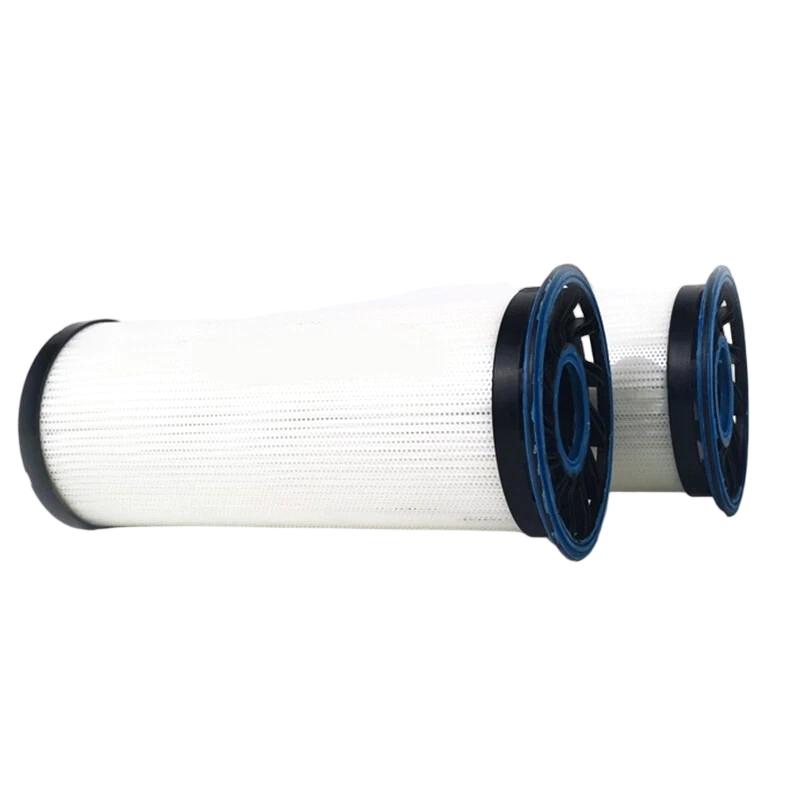
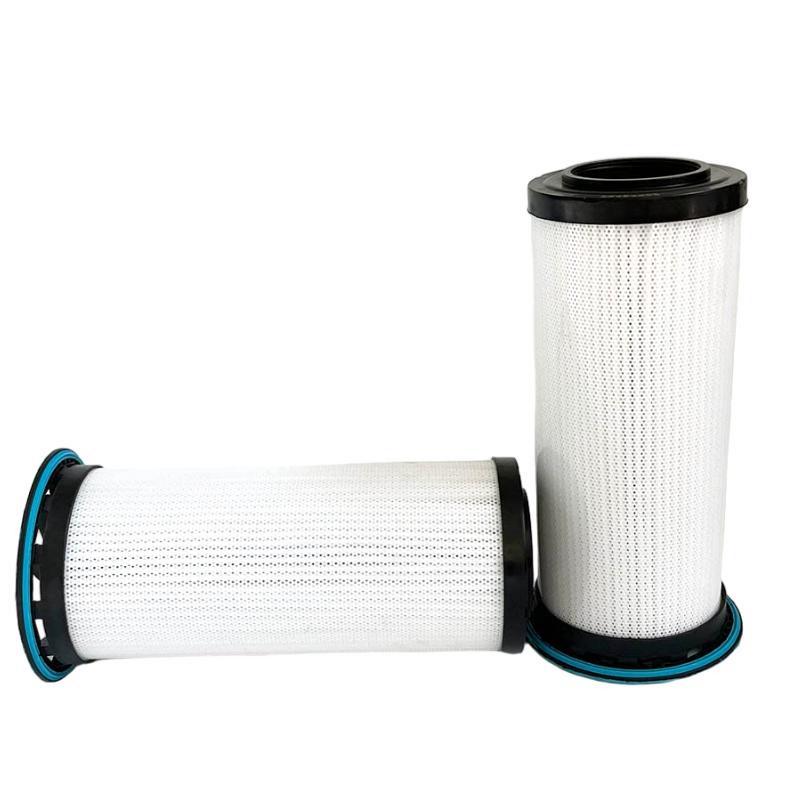
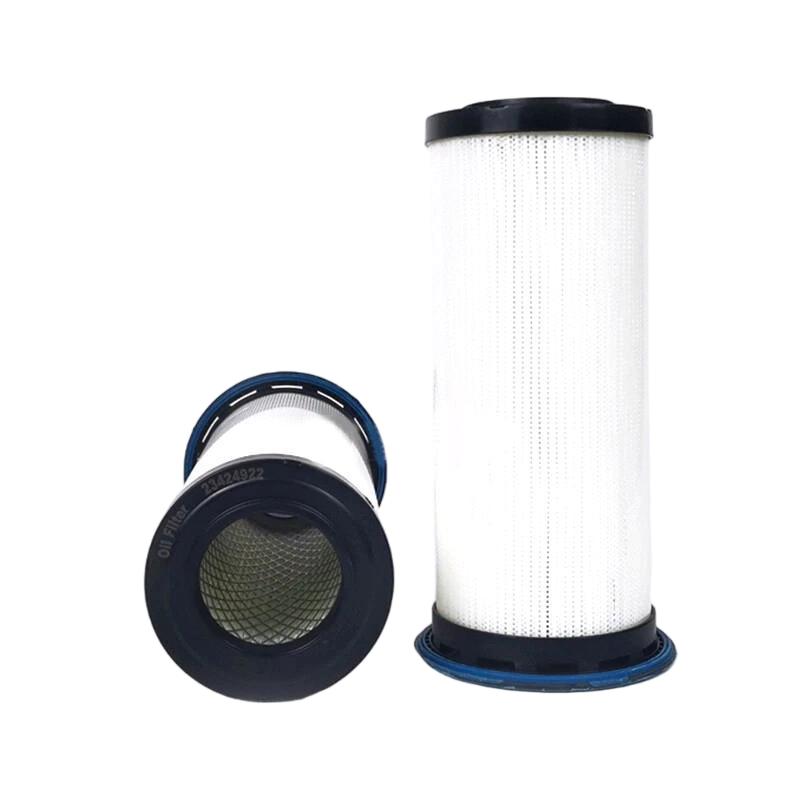
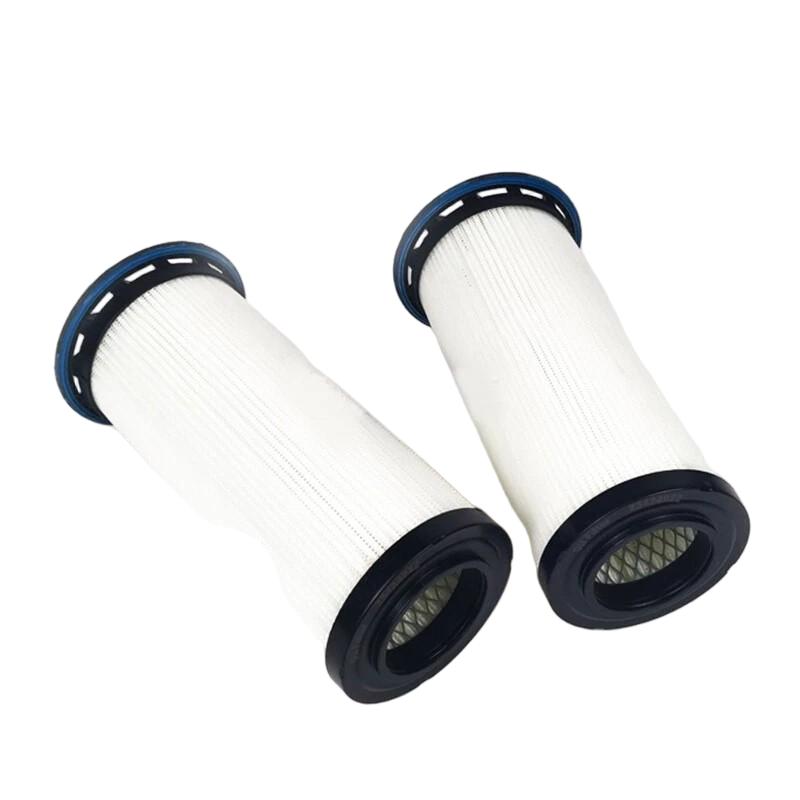
- Ingersoll Rand
- 47556186001 23424922
- Oil Filter Element
- USA
- 232.2 × 114.3 × 96.5 mm
- 2.3 kg
- Xiamen, China
- New & In Stock
- T/T, PayPal, Western Union
- 1 Year
- 1-3 Working Days
- DHL, UPS, TNT, FedEx and EMS.
- 24-Hour Service
- COO
- 4
Our advantage

Global Logistics
We have a 10-year logistics and express cooperation agreement, so our products can be shipped to any place in the world.

Brand new and original
Our products are imported in bulk from the place of origin. Because of the cooperative relationship, our products are all original and 100% new.

24-hour service
We provide 7*24 hours service to our customers. We will be there whenever you need us.

Price advantage
All our products are priced very favorably because we have our own warehouse and supply.
| Company Information | |||
| [email protected] | |||
| Mobile | +8615980777398 | ||
| +8615980777398 | |||
| 15980777398 |
1. Product Overview
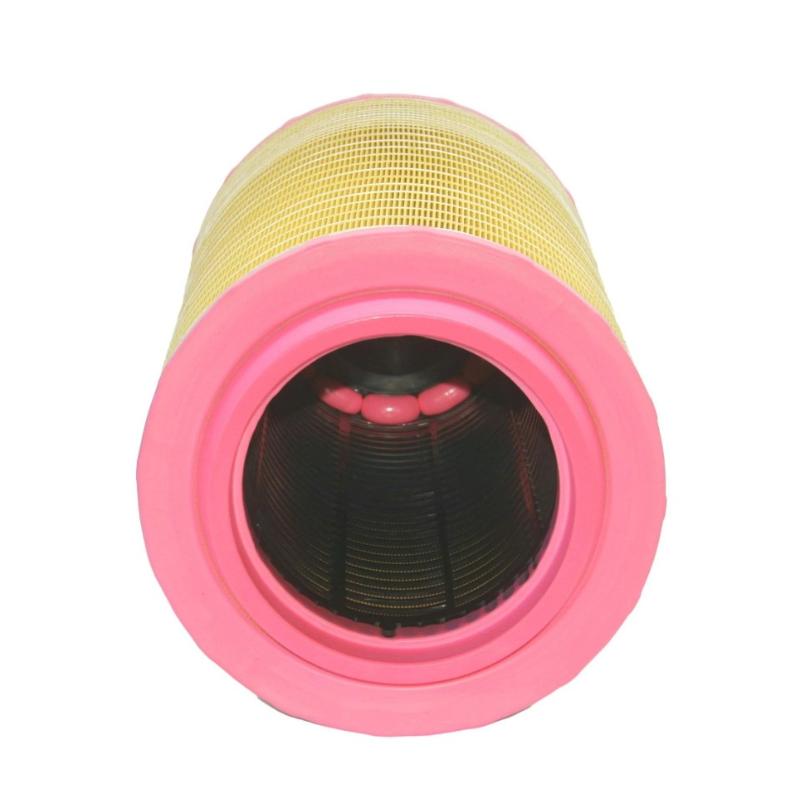
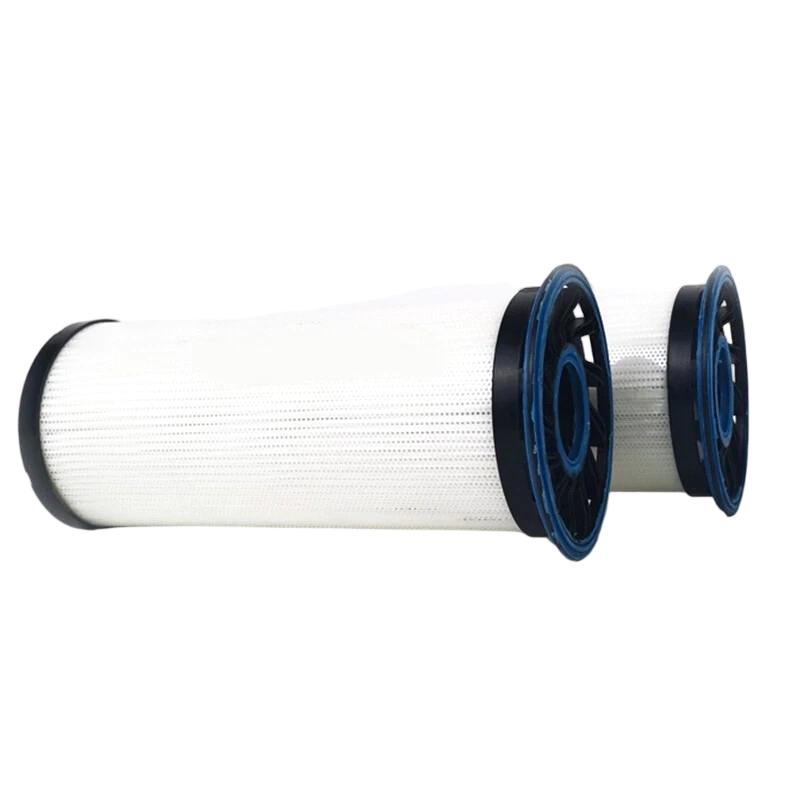
The Ingersoll Rand 23424922 Oil Filter Element is an industrial compressor maintenance component designed for oil filtration in compatible equipment. Oil filtration is essential for maintaining lubricant cleanliness, protecting internal components from circulating contaminants, and supporting the reliable operation of compressor lubrication systems.
Identified by part number 23424922 and associated reference 47556186001, this oil filter element is intended for use in equipment where the corresponding filtration specification is required. By helping capture particles and other contaminants from the circulating oil, a suitable filter element supports lubrication quality and can reduce the risk of contamination-related wear.
The supplied dimensions are 232.2 × 114.3 × 96.5 mm, and the listed weight is 2.3 kg. These details are useful for product identification, spare-parts inventory, and maintenance planning.
Before purchasing or installing the element, confirm the part number against the compressor model and the existing filter assembly. The filtration rating, pressure limits, media construction, and replacement interval should be verified using the applicable equipment documentation rather than assumed from the product description.
2. Technical Specifications
| Parameter | Specification |
|---|---|
| Brand | Ingersoll Rand |
| Part Number | 23424922 |
| Associated Product Reference | 47556186001 |
| Product Type | Oil Filter Element |
| Application | Oil filtration in compatible industrial compressor systems |
| Dimensions | 232.2 × 114.3 × 96.5 mm |
| Weight | 2.3 kg |
| Primary Function | Capture contaminants from circulating oil |
| Installation | Within the designated filter housing or assembly |
| Filtration Rating | Verify from the applicable technical documentation |
| Filter Media | Confirm from the product specification |
| Operating Pressure Limits | Verify for the specific filter assembly |
| Replacement Interval | Follow the compressor manufacturer’s maintenance schedule |
| Compatibility | Confirm against the compressor model and filter housing |
The dimensions and weight above are the supplied product specifications. Other performance characteristics should be confirmed before the filter is selected for a particular application.
3. Function and Working Principle
An oil filter element removes or retains contaminants carried by circulating lubricant. During compressor operation, oil may collect fine particles, residue, and other impurities generated by normal equipment use or introduced through the operating environment. If these contaminants are not adequately controlled, they may contribute to wear, restricted oil passages, or reduced lubrication effectiveness.
The 23424922 oil filter element performs its filtration function as oil passes through the filter media. The media is designed to retain particles while allowing oil to continue through the intended flow path. The precise filtration efficiency and permitted flow characteristics depend on the element’s construction and rated specifications.
Contaminant Capture
The filter media helps retain particles carried by the lubricant. This supports oil cleanliness and reduces the amount of contamination circulating through protected parts of the system.
Lubrication System Protection
Clean oil is important for components that depend on consistent lubrication. By controlling circulating contamination, the correct filter element helps support the operating condition of compatible compressor equipment.
Support for Oil Circulation
A suitable filter must provide the required filtration performance without exceeding the system’s permitted pressure-drop limits. As contaminants accumulate, resistance to oil flow may increase, making timely inspection and replacement important.
Routine Maintenance
The oil filter element is a service component that should be replaced according to the approved maintenance schedule or relevant condition-based criteria. Replacing it with the correct specification helps maintain the intended filtration function.
4. Role in Industrial Compressor Systems
Oil filtration is a key part of compressor maintenance, particularly in systems where circulating lubricant supports several functions, such as lubrication, cooling, and sealing. The exact role of oil depends on the compressor design.
Lubricant Cleanliness
Contaminant control helps maintain the condition of the circulating oil. Suitable filtration can reduce the accumulation of particles that may otherwise circulate through the lubrication circuit.
Protection of Internal Components
Particles in lubricant may contribute to wear on bearings, moving parts, and other oil-lubricated components. Correct filtration supports the protective function of the lubrication system, although it does not eliminate all causes of mechanical wear.
Operational Reliability
A properly maintained filter helps preserve the intended oil-flow and filtration conditions. This is particularly important in facilities where compressor availability directly affects production or utility services.
Maintenance Cost Control
Scheduled replacement helps reduce the risk of operating with a heavily loaded filter. Preventive maintenance can also help identify broader problems, such as abnormal contamination, lubricant deterioration, or recurring component wear.
Support for Equipment Service Life
Correct filtration, appropriate lubricant selection, and regular servicing work together to support equipment reliability. The filter element is one part of a wider maintenance strategy and should be evaluated alongside the condition of the oil and other system components.
5. Industrial Applications
The Ingersoll Rand 23424922 oil filter element may be used in industrial environments where the corresponding compressor and filter assembly require this part number.
Manufacturing Facilities
Manufacturing plants use compressed air for pneumatic tools, automated machinery, material handling, and production support. Maintaining compressor lubrication and filtration systems helps support dependable compressed-air availability.
Automotive and Machinery Production
Automotive plants and machinery manufacturers often rely on compressors for assembly equipment, pneumatic controls, and workshop services. Proper oil filtration supports the maintenance of compatible compressor units operating in these environments.
Packaging Operations
Packaging machinery may depend on compressed air for actuators, conveying systems, and automated handling. Compressor maintenance, including timely oil filter replacement, helps reduce avoidable interruptions.
General Industrial Utilities
Factories, workshops, and industrial service facilities use compressors for a variety of applications. Correctly specified oil filter elements help maintenance teams preserve the intended filtration performance of the installed equipment.
Processing Facilities
Some processing plants use compressed air as part of their equipment and utility systems. Compressor maintenance must follow the facility’s operational, cleanliness, and air-quality requirements. The suitability of this particular filter depends on verified equipment compatibility.
These examples describe general industrial compressor environments. They do not confirm that the 23424922 element fits every compressor used in these applications.
6. Installation and System Integration
The oil filter element should be installed by qualified personnel using the service procedure approved for the specific compressor. The following checklist provides general guidance and does not replace model-specific instructions.
Step 1: Verify the Part Number
Confirm that the replacement is marked 23424922 and verify its association with reference 47556186001. Compare the part number with the equipment parts list, maintenance records, and existing filter identification.
Step 2: Shut Down and Isolate the Equipment
Stop the compressor and isolate relevant energy sources in accordance with the site’s lockout/tagout procedure. Allow hot oil and equipment surfaces to cool, and release stored pressure using the approved procedure. Confirm that the filter housing can be opened safely.
Step 3: Locate the Filter Assembly
Use the compressor service documentation to identify the correct oil filter housing. Do not rely solely on the appearance or dimensions of the existing component, as similar-looking filter elements may have different specifications.
Step 4: Remove the Existing Element
Open the filter assembly according to the manufacturer’s instructions. Prepare suitable equipment to collect residual oil and prevent spills. Remove the used element without damaging the housing or nearby components.
Step 5: Inspect the Housing
Check the filter housing and sealing surfaces for contamination, damage, abnormal deposits, or signs of leakage. Clean the relevant surfaces using the approved procedure and materials.
Step 6: Check the Replacement Element
Inspect the new element for visible damage and confirm that it matches the required part number. Verify the sealing components and installation arrangement against the service instructions.
Step 7: Install the New Element
Fit the replacement element according to the specified orientation and assembly procedure. Use only approved seals and follow the manufacturer’s tightening requirements. Do not guess torque values or apply unapproved sealants.
Step 8: Restore the System
Reassemble the housing, confirm that the connections are secure, and restore the equipment according to the approved startup procedure. Check the oil level and other relevant conditions as specified for the compressor.
Step 9: Check for Leakage and Abnormal Conditions
Monitor the filter housing and nearby connections during the prescribed operational checks. Confirm that the compressor operates normally and that no relevant alarms or abnormal pressure indications occur.
Step 10: Record the Replacement
Document the part number, replacement date, operating hours where applicable, and any abnormal conditions observed during servicing. Retain this information for future maintenance planning.
7. Troubleshooting Common Problems
Problems involving oil filtration may arise from an unsuitable element, incorrect installation, abnormal contamination, or a fault elsewhere in the lubrication system.
| Symptom | Possible Causes | Recommended Checks |
|---|---|---|
| Oil filter warning or abnormal differential pressure | Loaded filter, incorrect element, or a system issue | Review diagnostics and verify the filter specification and replacement condition |
| Oil leakage around the filter housing | Damaged seal, incorrect installation, or damaged sealing surface | Shut down safely and inspect the housing and seals |
| Abnormal oil circulation | Filter restriction, incorrect installation, or another lubrication-system fault | Follow the approved diagnostic procedure and inspect the relevant oil circuit |
| Contamination found during servicing | Oil deterioration, external contamination, or internal wear | Inspect the oil condition and investigate the source of contamination |
| Replacement element does not fit | Incorrect part number or incompatible filter design | Stop installation and verify the required element against the equipment parts list |
| Warning persists after filter replacement | Unresolved system fault, sensor issue, incorrect installation, or unsuitable replacement | Check diagnostic information and inspect the wider system |
| Repeated filter loading | Abnormal contamination, unsuitable maintenance interval, or an underlying equipment issue | Investigate the cause instead of repeatedly replacing the element without diagnosis |
7.1 Check Filter Compatibility
Confirm the full part number and the required filter specifications. An element that appears to fit may still have unsuitable filtration characteristics or operating limits.
7.2 Inspect the Lubrication System
If a filter warning or abnormal oil condition continues after replacement, inspect the lubrication circuit according to the compressor service procedure. Avoid assuming that the filter alone is responsible for every oil-related fault.
7.3 Evaluate Oil Condition
Check whether the lubricant is appropriate for the compressor and whether it shows signs of contamination or deterioration. If the oil appears abnormal, investigate the cause and follow the prescribed oil-service procedure.
7.4 Review Maintenance History
Repeatedly loaded filters may indicate a broader issue. Review operating hours, previous filter changes, oil replacement records, and any history of internal component wear or contamination.
7.5 Avoid Unapproved Operation
Do not bypass filtration components or operate outside the manufacturer’s permitted conditions to suppress a warning. If the issue remains unresolved, seek assistance from a qualified compressor technician.
8. Preventive Maintenance and Reliability
A consistent maintenance program helps preserve filtration performance and reduce the risk of avoidable compressor interruptions.
- Follow the service schedule: Replace the filter at the interval specified for the equipment and operating conditions.
- Use the correct part: Verify the full part number before ordering and installation.
- Monitor system diagnostics: Review relevant warnings and pressure indications where provided.
- Check oil condition: Investigate discoloration, abnormal deposits, or other signs of contamination.
- Inspect the filter housing: Check sealing surfaces and connections during scheduled maintenance.
- Maintain cleanliness: Prevent dirt and debris from entering the lubrication circuit during filter replacement.
- Store spare parts correctly: Keep replacement elements in their original protective packaging until required.
- Document maintenance work: Record filter changes and any unusual findings.
- Investigate recurring problems: Repeated filter loading or contamination should prompt investigation of the underlying cause.
The correct replacement interval depends on the compressor model, lubricant, operating environment, and manufacturer’s maintenance recommendations.
9. Compatible System Components
The following component categories may be relevant when replacing the 23424922 oil filter element. This table does not establish compatibility with specific part numbers.
| Component Category | Integration Considerations |
|---|---|
| Oil filter housing | Confirm the element’s physical and functional compatibility |
| Compressor model | Verify that the equipment parts list specifies the replacement |
| Compressor lubricant | Use the oil grade and specification required for the installed equipment |
| Seals and gaskets | Check the required sealing arrangement and replacement requirements |
| Lubrication circuit | Confirm that oil circulation and operating conditions meet the system requirements |
| Pressure or differential-pressure monitoring | Review relevant indications according to the equipment documentation |
| Maintenance documentation | Use the correct service interval and installation procedure |
Compatibility should be established using the exact compressor model and its parts documentation. Brand identity or similar dimensions alone are not sufficient evidence of interchangeability.
10. Replacement and Alternative Selection
When selecting an oil filter element, prioritize verified technical compatibility and filtration requirements.
| Selection Factor | What to Verify |
|---|---|
| Part number | Confirm 23424922 |
| Associated reference | Verify 47556186001 |
| Product type | Oil filter element |
| Dimensions | 232.2 × 114.3 × 96.5 mm |
| Weight | 2.3 kg |
| Filter compatibility | Confirm the specified compressor and filter housing |
| Filtration performance | Verify the required filtration rating and media characteristics |
| Operating limits | Check pressure and temperature requirements |
| Sealing arrangement | Confirm the required dimensions and sealing configuration |
| Product condition | Inspect packaging and the element for visible damage |
| Maintenance requirements | Follow the approved replacement interval and installation procedure |
An alternative element should be used only when its filtration performance, physical fit, sealing arrangement, and operating limits are confirmed as equivalent for the intended equipment. Similar dimensions or a general oil-filter description do not establish interchangeability.
11. Key Benefits of Correct Oil Filter Selection
Selecting the correct oil filter element supports effective compressor maintenance in several ways.
Contaminant control: The element helps retain particles carried by circulating oil, supporting lubricant cleanliness.
Support for component protection: Proper filtration helps reduce exposure to circulating contaminants that may contribute to wear.
Maintenance planning: A clearly identified replacement element helps technicians prepare for scheduled service and manage spare-parts inventory.
Support for lubrication reliability: Maintaining the specified filtration arrangement helps preserve the intended operation of the lubrication system.
Reduced risk of installation errors: Verifying the part number and filter specifications before installation helps avoid unsuitable replacements.
Better maintenance records: Recording filter changes and observed oil conditions supports trend analysis and future troubleshooting.
These benefits depend on correct element selection, proper installation, suitable lubricant, and maintenance of the wider compressor system.
12. Technical FAQs
Q1: What is the Ingersoll Rand 23424922?
The 23424922 is identified as an Ingersoll Rand oil filter element intended for compatible industrial compressor equipment. Its precise application should be confirmed against the installed compressor’s parts list.
Q2: What is the associated reference number?
The supplied associated reference is 47556186001. Verify both numbers against the equipment documentation when purchasing a replacement.
Q3: What are the dimensions of the 23424922 oil filter element?
The supplied dimensions are 232.2 × 114.3 × 96.5 mm.
Q4: What is the listed weight?
The supplied product weight is 2.3 kg.
Q5: Why is an oil filter element important in a compressor?
It helps remove or retain contaminants carried by circulating lubricant. Proper filtration supports oil cleanliness and helps protect components that depend on the lubrication system.
Q6: How often should the filter element be replaced?
The replacement interval depends on the compressor model, operating hours, lubricant condition, and operating environment. Follow the manufacturer’s maintenance schedule rather than applying a universal interval.
Q7: Can the 23424922 fit every Ingersoll Rand compressor?
No. Compatibility must be confirmed for the specific compressor model and filter assembly. A similar appearance or matching dimensions does not guarantee suitability.
Q8: What should be checked before installing a new element?
Confirm the part number, inspect the replacement for damage, check the housing and sealing surfaces, and follow the approved installation procedure. The compressor must be safely shut down and depressurized before servicing.
Q9: What should be done if an oil filter warning remains after replacement?
Check that the correct element was installed and review the relevant diagnostic information. Investigate the lubrication system and any associated monitoring components if the warning persists.
Q10: Can an aftermarket filter be used as an alternative?
Only when its technical suitability has been established, including filtration performance, physical fit, sealing arrangement, and operating limits. Do not select an alternative based on dimensions alone.
13. Conclusion
The Ingersoll Rand 23424922 Oil Filter Element, associated with reference 47556186001, is a compressor maintenance component intended to support oil filtration in compatible industrial equipment. Its supplied dimensions of 232.2 × 114.3 × 96.5 mm and weight of 2.3 kg provide useful information for product identification and spare-parts planning.
For dependable operation, confirm compatibility with the specific compressor model, follow the recommended replacement interval, and use the approved installation procedure. Regular inspection of the filter housing, monitoring of lubricant condition, and investigation of recurring contamination can help maintain lubrication-system reliability and reduce avoidable equipment downtime.