

ProductPRODUCT
Featured products
Contact Us
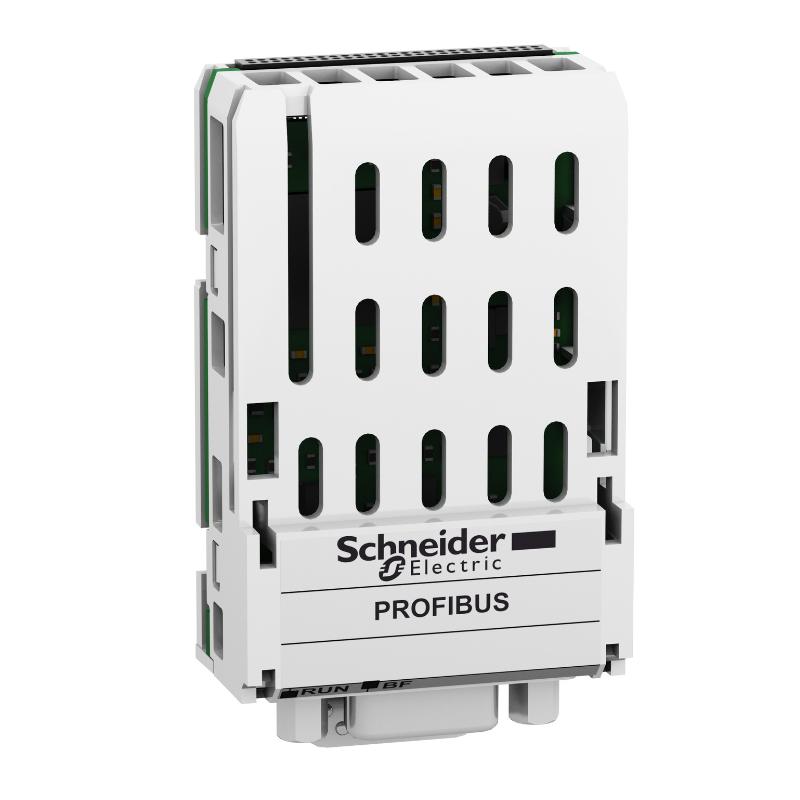
- Schneider
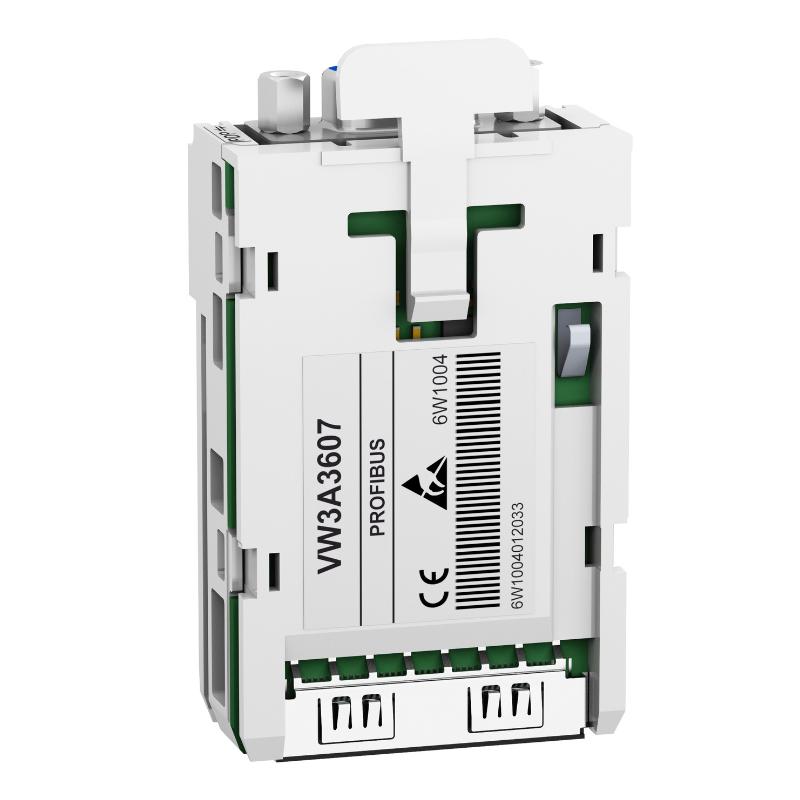
- VW3A3607
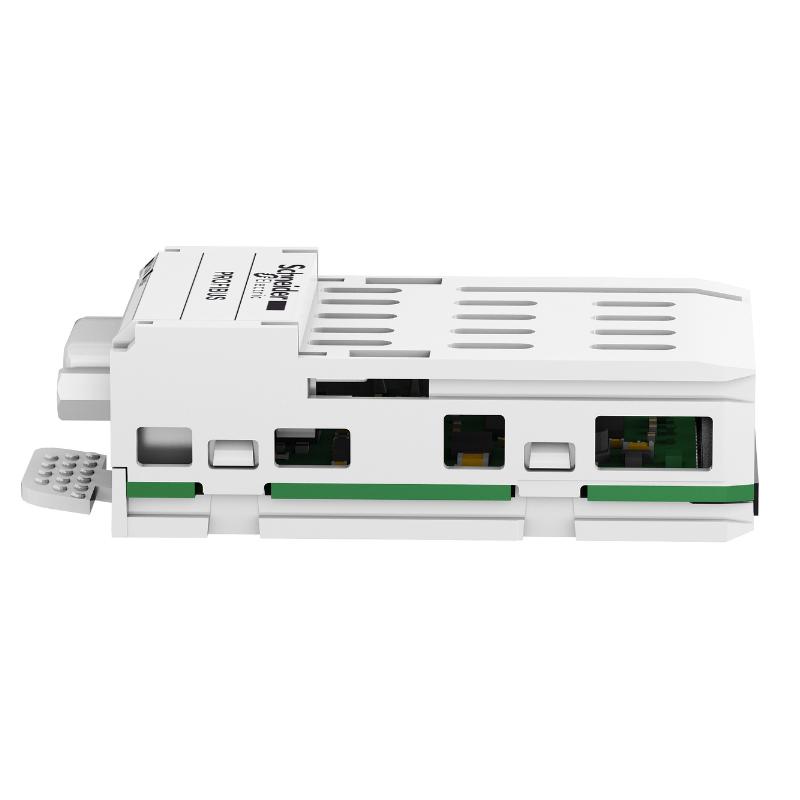
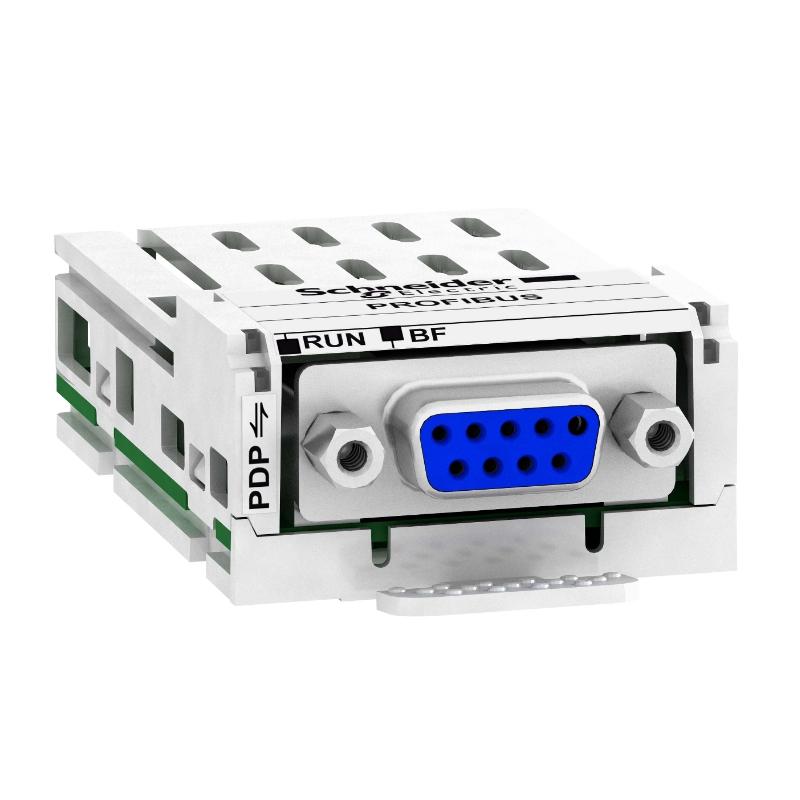
- PROFIBUS DP V1 Communication Module
- France
- 100 × 80 × 20 mm
- 0.14 kg
- Xiamen, China
- New & In Stock
- T/T, PayPal, Western Union
- 1 Year
- 1-3 Working Days
- DHL, UPS, TNT, FedEx and EMS.
- 24-Hour Service
- COO
- 53
Our advantage

Global Logistics
We have a 10-year logistics and express cooperation agreement, so our products can be shipped to any place in the world.

Brand new and original
Our products are imported in bulk from the place of origin. Because of the cooperative relationship, our products are all original and 100% new.

24-hour service
We provide 7*24 hours service to our customers. We will be there whenever you need us.

Price advantage
All our products are priced very favorably because we have our own warehouse and supply.
| Company Information | |||
| [email protected] | |||
| Mobile | +8615980777398 | ||
| +8615980777398 | |||
| 15980777398 |
Product Overview
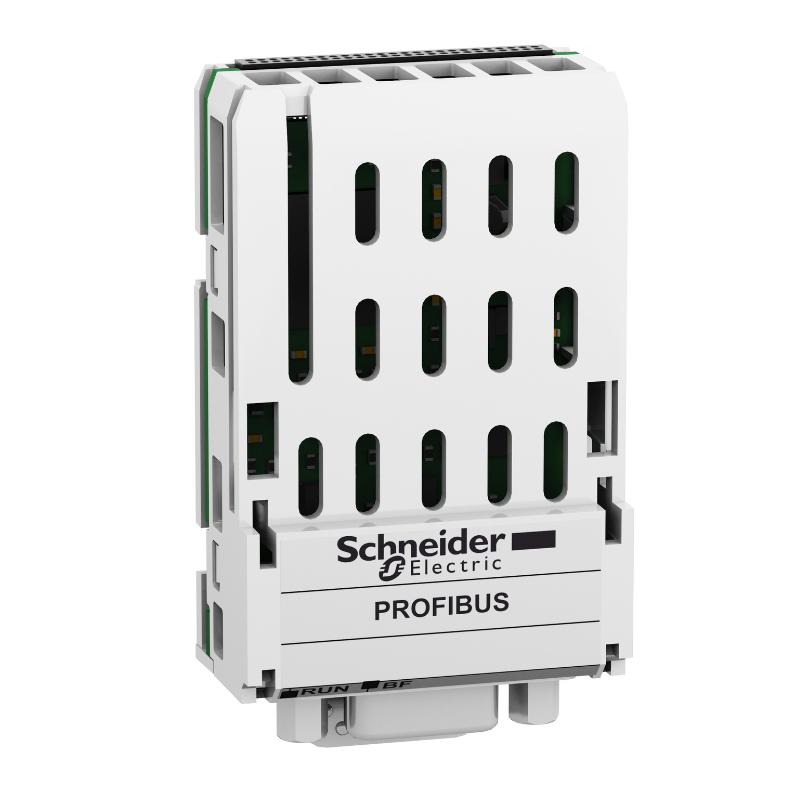
The Schneider VW3A3607 Altivar PROFIBUS DP V1 Communication Module is a fieldbus communication accessory for compatible Altivar drive systems operating within PROFIBUS DP networks. It connects the drive to a PROFIBUS DP-based automation system, allowing drive commands, operating values, status information, and diagnostic data to be exchanged with a PLC or other PROFIBUS master.
In a typical production line, the drive may need to receive a speed reference from the PLC while simultaneously returning actual operating information such as drive status, fault conditions, or process-related values. The VW3A3607 establishes the communication path needed for this cyclic exchange.
The module is particularly useful in installations where several Altivar drives are connected to the same PROFIBUS DP network. Instead of wiring every command and status signal individually, the automation system can exchange drive data through the fieldbus. This makes the module suitable for distributed drive architectures found in conveyors, process machinery, pumping stations, material handling systems, and manufacturing equipment.
Technical Specifications
| Parameter | Specification |
|---|---|
| Product | Schneider VW3A3607 |
| Product Type | Altivar PROFIBUS DP V1 Communication Module |
| Communication Protocol | PROFIBUS DP V1 |
| Application | PROFIBUS DP communication for compatible Altivar drive systems |
| Dimensions | 100 × 80 × 20 mm |
| Weight | 0.14 kg |
Product Features
- Provides PROFIBUS DP V1 communication for compatible Altivar drives.
- Connects the drive to a PROFIBUS-based PLC or automation network.
- Supports exchange of drive commands and operating information through the fieldbus.
- Allows drive status and diagnostic information to be incorporated into the control system.
- Suitable for installations containing multiple networked drives.
- Reduces the need for extensive point-to-point control wiring.
- Supports integration of drive-level data into centralized machine control.
- Compact communication module format for integration with the applicable Altivar system.
Working Principle
The VW3A3607 functions as the communication interface between the Altivar drive and the PROFIBUS DP network.
A PROFIBUS master, normally a PLC or automation controller, sends configured control information through the network. The communication module receives the relevant data and makes it available to the Altivar drive. Depending on the configured drive application, this may include commands such as run/stop control or a speed reference.
The opposite direction is equally important. The drive can return status and operating information to the PROFIBUS master. The PLC can then use this information for machine sequencing, operator displays, alarm handling, or process supervision.
For a multi-drive system, the network may contain several Altivar drives, each associated with its own PROFIBUS node address. The controller can communicate with the individual drives through the common fieldbus infrastructure while maintaining centralized coordination of the production process.
The VW3A3607 handles the communication interface; it does not replace the Altivar drive’s motor-control electronics. Motor control remains within the drive itself.
Role in an Altivar PROFIBUS DP Network
The VW3A3607 sits between the drive’s internal control architecture and the plant-level PROFIBUS DP network.
A typical control path can be represented as:
PLC / PROFIBUS Master → PROFIBUS DP Network → VW3A3607 → Altivar Drive → Motor
The return path carries drive information back toward the controller:
Motor / Drive Status → Altivar Drive → VW3A3607 → PROFIBUS DP Network → PLC
This arrangement separates the two main tasks clearly. The Altivar handles motor operation, while the PROFIBUS communication module allows the automation controller to supervise and command the drive through the fieldbus.
For systems with multiple drives, this architecture can simplify machine-level control. The PLC can coordinate several drive units from one control program while receiving operating and diagnostic information from each networked device.
Industrial Applications
Conveyor and Transfer Systems
Multiple conveyor motors can be connected to a common PROFIBUS DP network. The PLC can coordinate individual drive commands while monitoring the status of each drive.
Production Machinery
Manufacturing equipment often requires synchronized control of several variable-speed drives. PROFIBUS communication allows drive references and status information to be exchanged through the automation network.
Pumping Systems
In pumping installations, the controller may need to issue operating commands and monitor individual drives from a central control station. PROFIBUS provides the communication path between the controller and drive system.
Material Handling Equipment
Hoists, rollers, feeders, and transfer mechanisms can use networked drives where centralized command and diagnostic information are required.
Process Automation
Process machinery may use several Altivar drives whose operating parameters and status need to be incorporated into the main automation sequence.
Multi-Drive Machine Architectures
Where a machine contains a number of variable-speed drives, a PROFIBUS DP network can reduce the amount of individual control wiring and provide a structured method for exchanging drive data.
Installation and Maintenance
Before installation, verify that the VW3A3607 is intended for the applicable Altivar drive and that the control system is configured for PROFIBUS DP communication.
Install the module with the drive isolated from its electrical supply. The communication connection should be installed according to the network architecture, with appropriate attention to cable routing, connector condition, shielding, and termination.
During commissioning, check the PROFIBUS node configuration and confirm that the PLC recognizes the drive at the expected network address. Communication should then be tested using basic drive commands and status feedback before the complete machine sequence is enabled.
When troubleshooting a communication fault, distinguish between a network problem and a drive problem. Check the PROFIBUS cable, connectors, termination, node address, PLC configuration, and module seating before assuming that the communication module itself has failed.
Intermittent communication faults deserve particular attention because they may be caused by loose connectors, damaged fieldbus cables, incorrect termination, or electrical interference rather than by a defective VW3A3607.
Related Components
| Component | Function |
|---|---|
| Altivar Drive | Performs motor control and provides drive operating data |
| VW3A3607 | Provides PROFIBUS DP V1 communication between the drive and fieldbus network |
| PROFIBUS DP Master / PLC | Sends commands and receives drive status and process information |
| PROFIBUS Cable | Carries communication signals between network devices |
| PROFIBUS Connector | Provides the physical network connection |
| Motor | Converts the drive output into mechanical motion |
| HMI | Displays drive status, alarms, and operating information where applicable |
Recommended Related Models
| Model | Product Type |
|---|---|
| Schneider VW3A3607 | Altivar PROFIBUS DP V1 Communication Module |
| Schneider VW3A3307 | Altivar PROFIBUS DP Communication Card |
| Schneider VW3A3316 | Altivar EtherNet/IP Communication Card |
| Schneider VW3A3327 | Altivar PROFINET Communication Card |
| Schneider VW3A3401 | Altivar Encoder Interface Card |
| Schneider VW3A3501 | Altivar Controller Inside Programmable Card |
Key Advantages
- Adds PROFIBUS DP V1 connectivity to compatible Altivar drive systems.
- Enables centralized drive command and status exchange through the fieldbus.
- Suitable for multi-drive automation architectures.
- Reduces the amount of individual control wiring required for networked drive functions.
- Allows drive diagnostics to be incorporated into PLC-based machine supervision.
- Supports structured communication between Altivar drives and PROFIBUS automation systems.
- Compact module construction simplifies integration into the applicable drive platform.
Technical FAQs
1. What information can a PLC exchange with an Altivar drive through the VW3A3607?
The exact data depends on the drive configuration and PROFIBUS setup, but the communication arrangement can be used for drive commands, references, operating status, monitoring values, and diagnostic information. The PLC program determines how these data are used in the machine sequence.
2. How is a PROFIBUS node address relevant when commissioning the VW3A3607?
Each networked device must have an appropriate address so that the PROFIBUS master can distinguish it from other devices. An incorrect or duplicated address can prevent the PLC from communicating correctly with the intended Altivar drive.
3. What is the benefit of PROFIBUS communication compared with wiring individual drive commands?
A fieldbus connection can carry multiple control and monitoring data items through the communication network instead of requiring separate point-to-point wiring for every function. This becomes particularly useful when a machine contains several drives and the PLC needs to supervise them centrally.
4. If the PLC detects the communication module but the drive does not respond to commands, what should be checked?
Check the configured communication data, drive control-source settings, command enable conditions, network configuration, and the drive’s own operating state. Successful network detection does not necessarily mean that the drive has been configured to accept every control command through PROFIBUS.