

ProductPRODUCT
Featured products
Contact Us
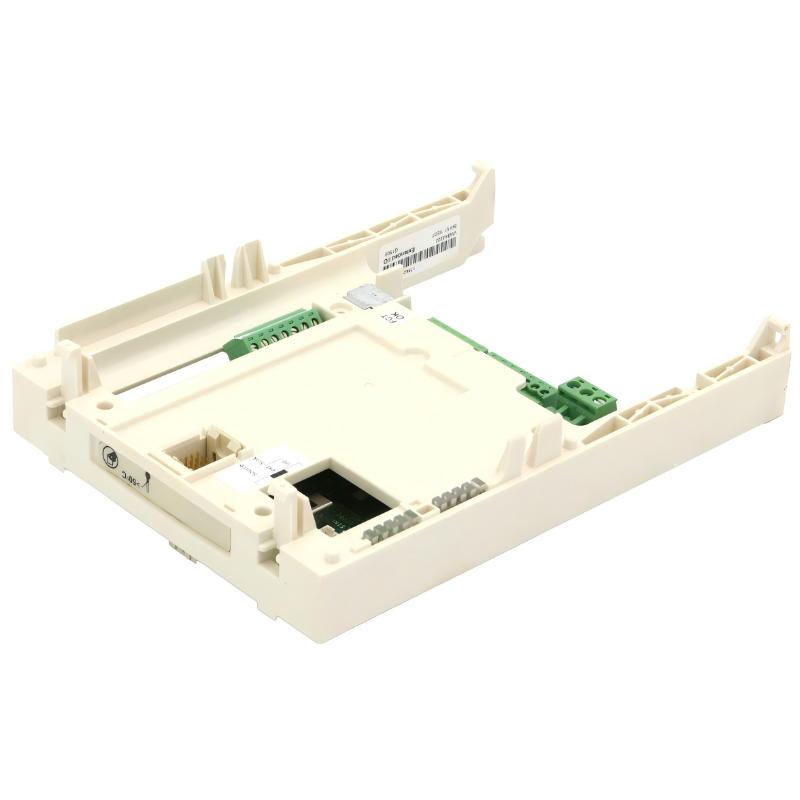
- Schneider
- VW3A3202
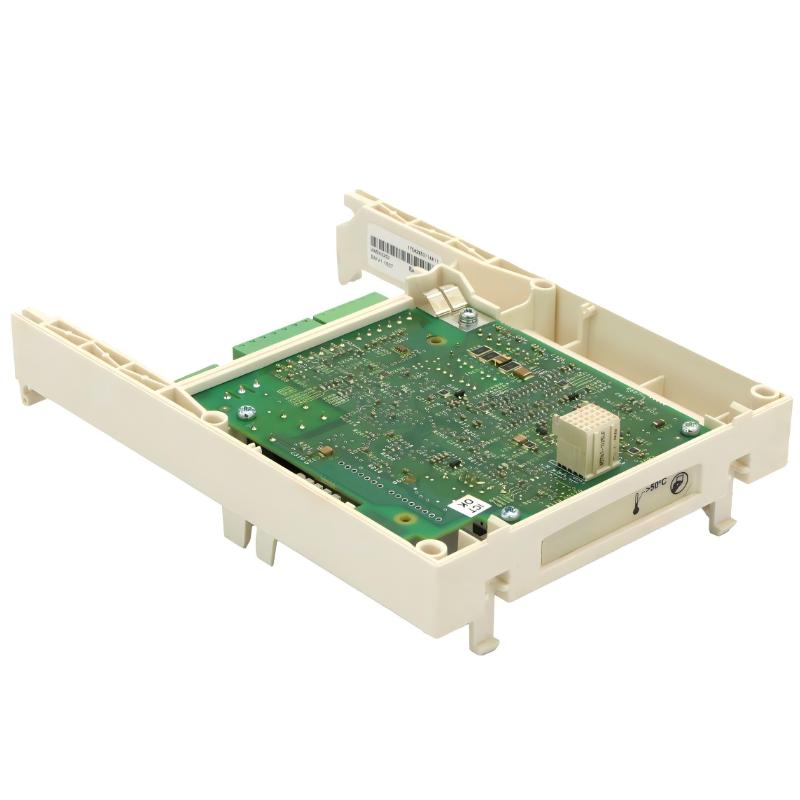
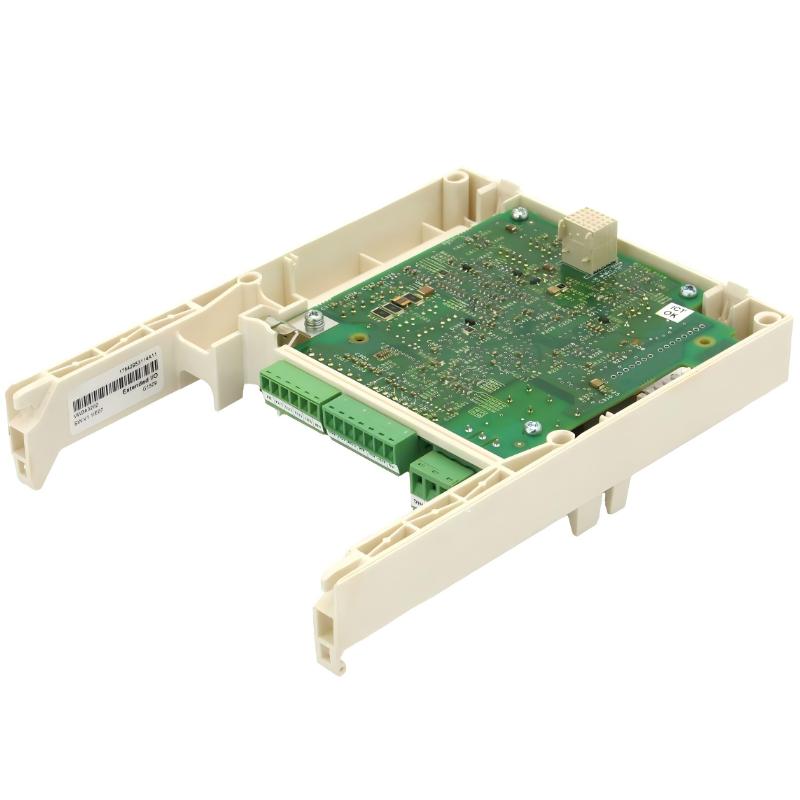
- Extended Input Output Card
- France
- 120 × 100 × 20 mm
- 0.3 kg
- Xiamen, China
- New & In Stock
- T/T, PayPal, Western Union
- 1 Year
- 1-3 Working Days
- DHL, UPS, TNT, FedEx and EMS.
- 24-Hour Service
- COO
- 69
Our advantage

Global Logistics
We have a 10-year logistics and express cooperation agreement, so our products can be shipped to any place in the world.

Brand new and original
Our products are imported in bulk from the place of origin. Because of the cooperative relationship, our products are all original and 100% new.

24-hour service
We provide 7*24 hours service to our customers. We will be there whenever you need us.

Price advantage
All our products are priced very favorably because we have our own warehouse and supply.
| Company Information | |||
| [email protected] | |||
| Mobile | +8615980777398 | ||
| +8615980777398 | |||
| 15980777398 |
Product Overview
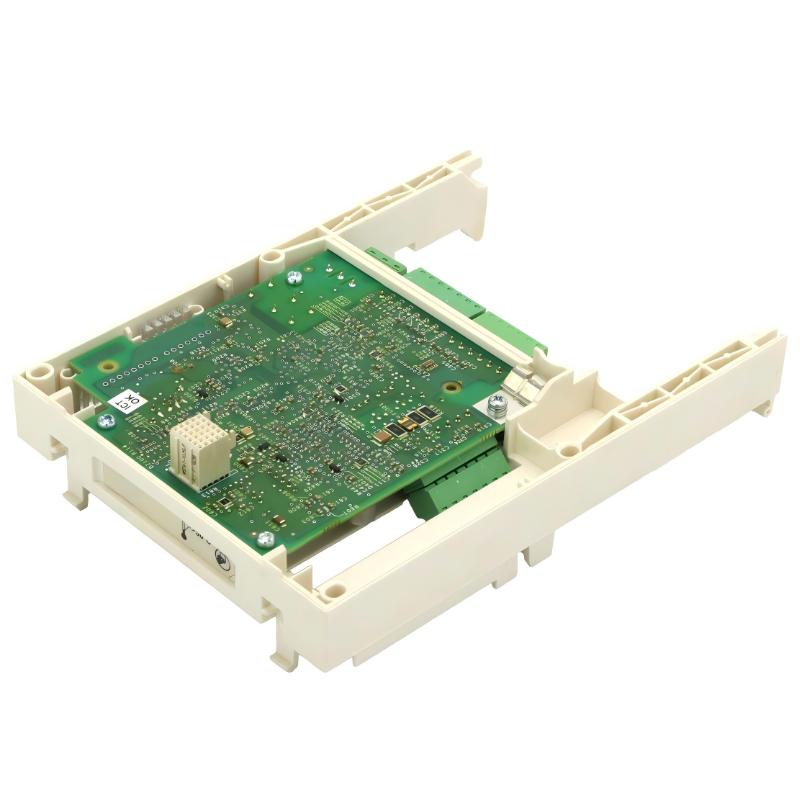
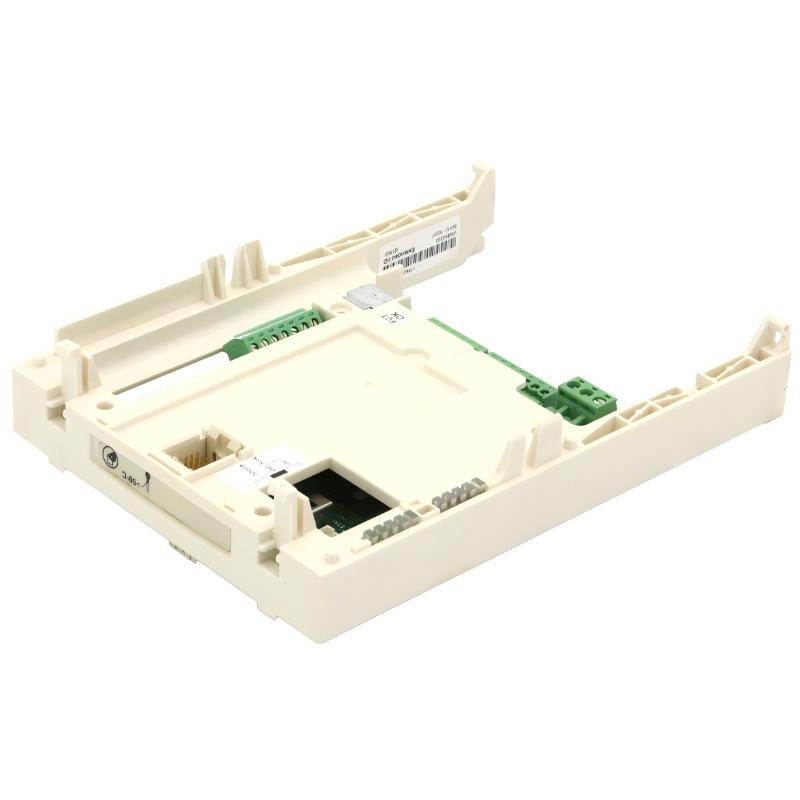
The Schneider VW3A3202 Extended Input Output Card is an I/O expansion accessory for compatible Schneider variable speed drive systems. It extends the available interface points of the drive, allowing additional field signals to be incorporated into the drive-control arrangement.
In a machine-control application, additional I/O can be useful when the drive needs to exchange more status, command, or control signals with external equipment. For example, a drive may need to receive a run-related command from a control circuit while also returning operating or fault information to a PLC or machine controller.
The VW3A3202 is therefore relevant to drive installations where the standard I/O arrangement does not cover all required external signal connections. Its practical value lies in adding interface capacity without replacing the complete drive.
Technical Specifications
| Parameter | Specification |
|---|---|
| Manufacturer | Schneider Electric |
| Model | VW3A3202 |
| Product Family | Altivar |
| Product Type | Extended Input Output Card |
| Primary Function | I/O Expansion |
| System Role | Drive I/O Interface |
| Application | Variable Speed Drive Control |
| Installation | Compatible Altivar Drive System |
| Dimensions | 120 × 100 × 20 mm |
| Weight | 0.3 kg |
Product Features
- Schneider Electric Extended Input Output Card
- Model VW3A3202
- Altivar drive-system accessory
- Expands available drive I/O capability
- Supports additional external signal connections
- Useful for PLC-to-drive interfacing
- Suitable for machine automation applications
- Applicable to process-control systems
- Useful when additional field signals are required
- Suitable for drive retrofit and expansion projects
- Supports integration of additional control and status signals
Working Principle
The VW3A3202 adds an expanded I/O interface to the compatible drive system.
Field / PLC Signals → VW3A3202 → Altivar Drive → Motor
External control equipment can exchange applicable signals with the drive through the expanded I/O interface. Depending on the configured application, these signals can be associated with operating commands, equipment status, interlocks, alarms, or other machine-control functions.
The drive controller interprets the connected signals according to its configuration and uses them as part of the motor-control strategy. At the same time, selected drive conditions can be returned to external control equipment through the available I/O.
This makes the card useful when a machine requires more external signal interaction than the basic drive interface can accommodate.
Role in an Altivar Drive System
| System Element | Function |
|---|---|
| VW3A3202 | Expands the drive I/O interface |
| Altivar Drive | Executes motor-control functions |
| PLC / Controller | Coordinates machine logic |
| Field Devices | Generate or receive control signals |
| Control Panel | Provides operator and electrical interface |
| Electric Motor | Performs the mechanical work |
| Machine / Process | Uses the controlled motor |
The VW3A3202 sits at the interface between the drive and external control equipment, allowing additional signals to participate in the overall automation system.
Industrial Applications
| Application | Typical Use |
|---|---|
| Machine Automation | Additional drive control signals |
| Conveyor Systems | Equipment status and commands |
| Pumping Systems | External control and status feedback |
| HVAC Equipment | Drive interface expansion |
| Material Handling | Additional machine signals |
| Process Machinery | Interlock and status connections |
| Motor-Control Panels | Expanded drive I/O |
| Industrial Automation | PLC-to-drive signal integration |
Installation and Maintenance
- Confirm the VW3A3202 model before installation.
- Verify compatibility with the intended Altivar drive.
- Check the required I/O configuration.
- Review existing control wiring before modification.
- Identify each external signal connected to the card.
- Check terminal and connector conditions.
- Verify signal assignments in the drive configuration.
- Ensure control wiring is correctly secured.
- Check for loose or damaged conductors.
- Verify input and output behavior after installation.
- Test representative machine-control signals.
- Check associated alarms and interlocks.
- Confirm communication between the drive and external controller.
- Record any changes made to the I/O configuration.
When an added signal does not behave as expected, check the field device, wiring, I/O assignment, and drive configuration together rather than treating the I/O card as the only possible fault source.
Related Components
| Component | Function |
|---|---|
| Schneider Electric VW3A3202 | Extended Input Output Card |
| Altivar Drive | Variable speed motor control |
| PLC / Machine Controller | Executes external control logic |
| Field Sensors | Supply process-status information |
| Relays / Contacts | Provide discrete control signals |
| Control Panel | Houses drive and interface equipment |
| Electric Motor | Controlled mechanical load |
| Machine Interlock Circuit | Coordinates equipment operation |
Recommended Related Models
| Model / Product Family | Product Type | Typical Application |
|---|---|---|
| Schneider Electric VW3A3202 | Extended Input Output Card | Drive I/O expansion |
| Schneider Electric VW3A1101 | Altivar Remote Graphic Terminal | Drive monitoring and configuration |
| Schneider Electric VW3A1111 | Altivar Graphic Display Terminal | Local drive operation |
| Schneider Electric VW3A1113 | Altivar Plain Text Display Terminal | Drive status and parameter access |
| Schneider Electric VW3A1114 | Basic Keypad Door Mounting Kit | Keypad panel mounting |
| Schneider Electric VW3A1102 | Altivar Variable Speed Door Mounting Kit | Remote terminal installation |
| Schneider Electric ATV61 | Altivar Variable Speed Drive | Industrial motor control |
| Schneider Electric ATV71 | Altivar Variable Speed Drive | High-performance motor control |
Key Advantages
- Altivar Extended Input Output Card
- Model VW3A3202
- Expands available drive I/O capability
- Supports additional external control signals
- Useful for PLC and machine-controller integration
- Suitable for status and command signal interfaces
- Applicable to machine and process automation
- Useful for drive expansion and retrofit projects
Technical FAQs
Why would an Altivar installation require an extended I/O card?
An extended I/O card can be useful when the standard drive interface does not provide enough signal points for the machine or process. Additional I/O allows more external commands, status signals, and control-related connections to be incorporated.
Can the VW3A3202 be used as a substitute for a PLC?
No. The card extends the drive’s I/O interface; it does not replace a PLC or machine controller. The external controller remains responsible for application-level sequencing and logic where such control is required.
What types of signals should be considered when planning the I/O expansion?
The required signal list should be established from the machine control strategy. Typical considerations include run commands, permissives, equipment status, fault indications, interlocks, and other external control signals supported by the specific drive configuration.
What is a useful troubleshooting approach when an expanded I/O signal is incorrect?
Start by checking the field device and wiring, then verify the corresponding I/O assignment and drive configuration. Testing the signal directly at the I/O interface can help determine whether the problem originates in the field circuit, wiring, card, or configuration.