

ProductPRODUCT
Featured products
Contact Us
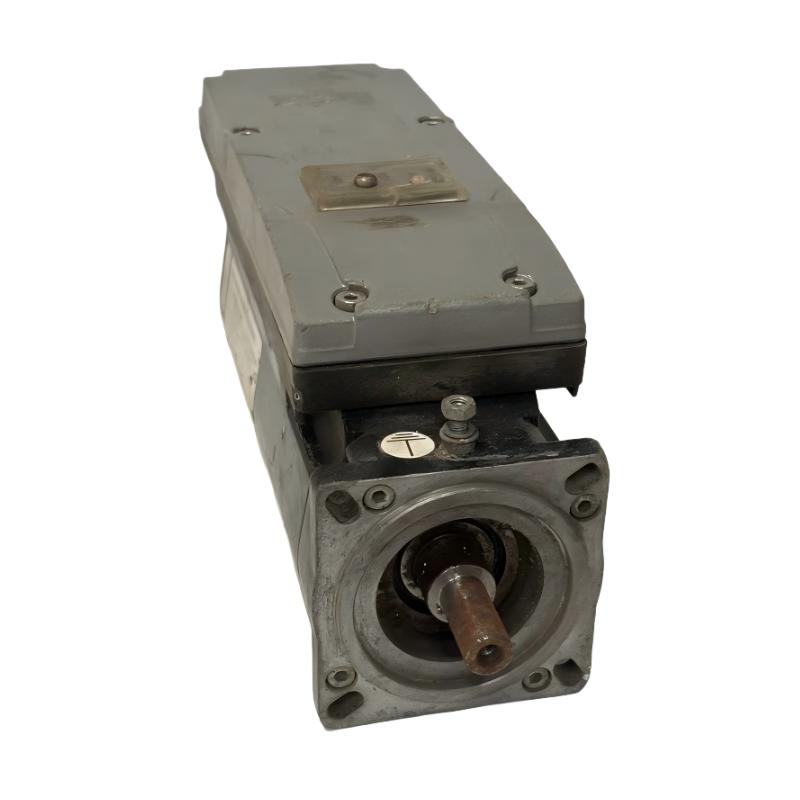
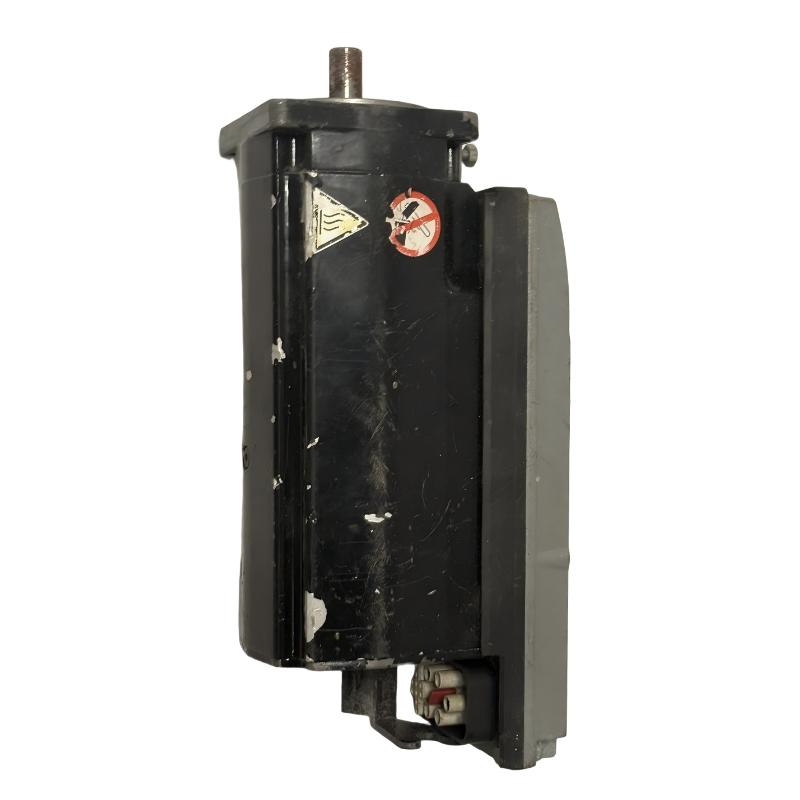
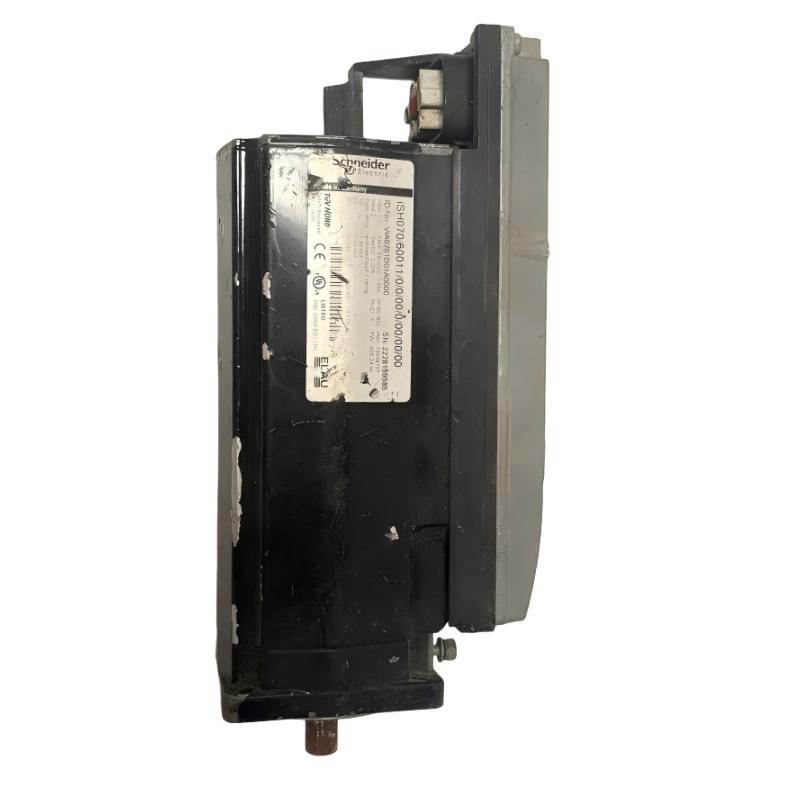
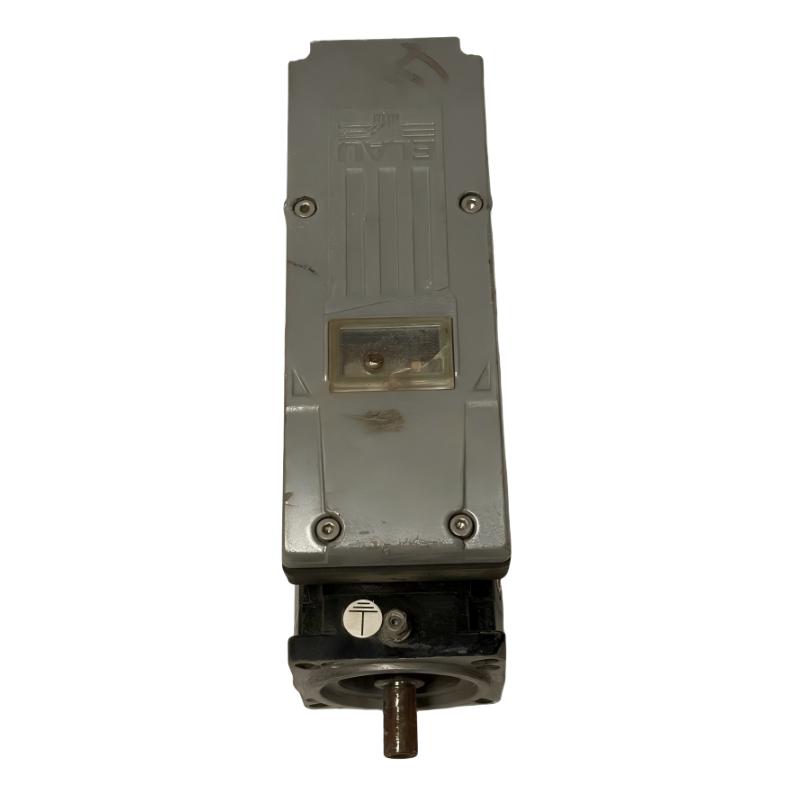
- Schneider
- VIA0701D01A0000
- Servo Motor
- France
- 70 mm
- 2.72 kg
- Xiamen, China
- New & In Stock
- T/T, PayPal, Western Union
- 1 Year
- 1-3 Working Days
- DHL, UPS, TNT, FedEx and EMS.
- 24-Hour Service
- COO
- 7
Our advantage

Global Logistics
We have a 10-year logistics and express cooperation agreement, so our products can be shipped to any place in the world.

Brand new and original
Our products are imported in bulk from the place of origin. Because of the cooperative relationship, our products are all original and 100% new.

24-hour service
We provide 7*24 hours service to our customers. We will be there whenever you need us.

Price advantage
All our products are priced very favorably because we have our own warehouse and supply.
| Company Information | |||
| [email protected] | |||
| Mobile | +8615980777398 | ||
| +8615980777398 | |||
| 15980777398 |
Product Overview
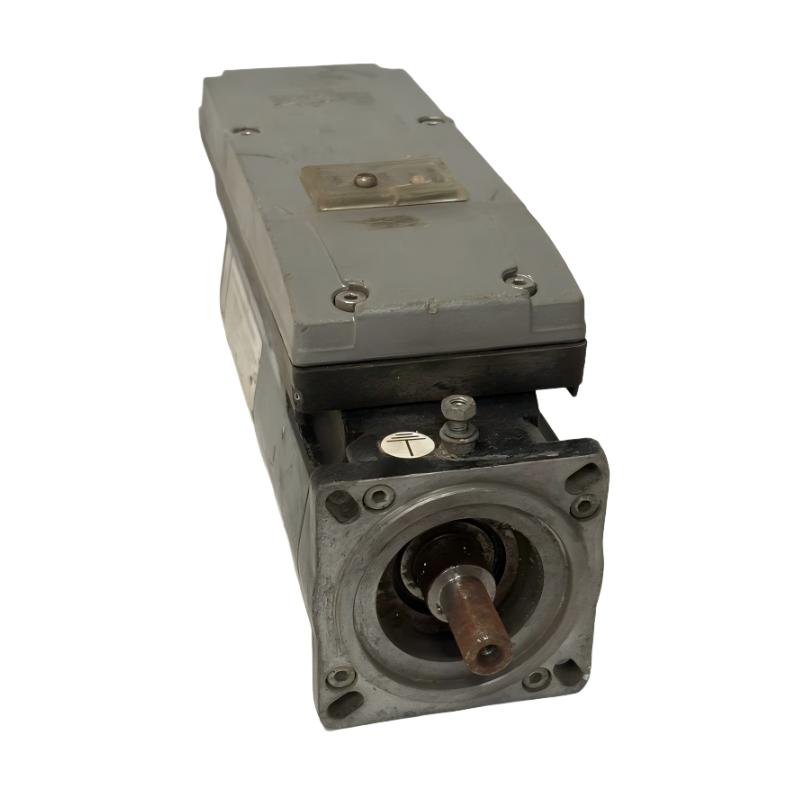
The Schneider Electric VIA0701D01A0000 Servo Motor is an industrial servo motor associated with the ELAU PacDrive iSH series. Designed for use in automated machinery, this motor provides controlled rotary motion for applications requiring coordinated movement, repeatable positioning, and reliable speed regulation.
Servo motors are commonly used in packaging machinery, production lines, material-handling equipment, and other automated systems where motor movement must follow commands from a motion controller or servo drive. Unlike a conventional fixed-speed motor, a servo motor operates as part of a feedback-based motion-control system. The controller uses feedback information to regulate motor position, speed, and torque according to the application requirements.
The VIA0701D01A0000 is identified with a 70 mm motor flange. Available product information associates this configuration with a rated speed of approximately 6,000 rpm, a standstill torque of 1.1 Nm, and a maximum torque of 3.5 Nm. The motor is specified without a holding brake.
This model belongs to an established generation of ELAU PacDrive motor technology used in industrial automation installations. Its application depends on the corresponding servo controller, feedback interface, motor wiring, and mechanical transmission.
When sourcing this motor as a replacement part, engineers should verify the complete model number and the motor’s identification plate. Similar 70 mm flange motors may have different encoder configurations, shaft designs, connectors, protection ratings, and electrical characteristics.
Technical Specifications
| Parameter | Specification |
|---|---|
| Brand | Schneider Electric |
| Product Family | ELAU PacDrive iSH |
| Model | VIA0701D01A0000 |
| Product Type | Industrial Servo Motor |
| Motor Flange Size | 70 mm |
| Rated Speed | 6,000 rpm (published product listing data) |
| Standstill Torque | 1.1 Nm (published product listing data) |
| Peak Torque | 3.5 Nm (published product listing data) |
| Holding Brake | Without holding brake |
| Supply / Drive Interface | Verify the exact motor nameplate and compatible PacDrive drive |
| Dimensions | Not supplied |
| Weight Provided | 2.72 kg |
| Typical Application | Industrial servo motion control |
| Product Status | Legacy / discontinued listing information |
Important: The electrical ratings and configuration should be confirmed against the exact motor nameplate and its original technical documentation. Specifications from similar ILM or SH series motors should not be assumed to apply to this VIA catalog number.
Function and Working Principle
The VIA0701D01A0000 is designed to convert electrical energy into controlled mechanical rotation. In an industrial servo system, the motor works together with a servo drive, controller, and feedback device to achieve the movement required by the machine.
1. Servo Motor Motion Control
A servo motor receives electrical power from a compatible servo drive. The drive regulates the motor’s electrical input according to commands from the motion controller.
Depending on the control architecture, the system can regulate:
- Motor speed.
- Angular position.
- Acceleration and deceleration.
- Torque output.
- Coordinated movement with other machine axes.
This makes servo motors suitable for applications where accurate movement is important to production quality and cycle consistency.
2. Torque Generation
The motor generates torque through the interaction of its electromagnetic fields. The servo drive controls the current supplied to the motor to produce the torque required by the connected load.
The available product information associates the VIA0701D01A0000 with a standstill torque of 1.1 Nm and a peak torque of 3.5 Nm. These values describe different operating conditions and should not be treated as interchangeable continuous ratings.
Actual torque capability depends on motor temperature, drive configuration, speed, duty cycle, and the mechanical load.
3. Speed Regulation
The published product information identifies a rated speed of approximately 6,000 rpm. The servo drive regulates motor speed according to the controller’s command and the feedback information available in the system.
Speed regulation is particularly useful in packaging, conveying, and automated assembly applications where machine movement must be synchronized with other equipment.
4. Feedback-Based Operation
Servo systems typically use an encoder or another feedback device to report motor movement to the controller or drive.
The feedback signal allows the control system to compare commanded movement with actual motor movement. The drive can then adjust its output to reduce the difference between the requested and measured motion.
The exact feedback device and interface must be confirmed for the VIA0701D01A0000 configuration before selecting a replacement or compatible drive.
5. Holding Brake Considerations
The available product information identifies this motor as a version without a holding brake.
A motor without a holding brake should not be assumed to hold a vertical or gravity-loaded axis safely when power is removed. Applications requiring mechanical holding must use an appropriately engineered external braking or load-support arrangement.
Role in Industrial Automation Systems
The VIA0701D01A0000 operates as part of a coordinated motion-control system. It is not normally used as a standalone motor-control solution; its performance depends on the compatible servo drive, controller, feedback interface, and mechanical installation.
Servo Drive Integration
The servo drive supplies and regulates the electrical power required by the motor. It interprets motion commands and uses feedback information to manage motor operation.
Before connecting the motor, confirm that the drive supports the motor’s electrical ratings, feedback system, connector arrangement, and required operating mode.
PLC and Motion Controller Integration
A PLC or dedicated motion controller can coordinate the motor with sensors, actuators, and other machine axes.
For example, a packaging machine may use one servo motor to control product feeding and another to operate a cutting mechanism. The controller coordinates their movement so that each operation occurs at the correct point in the production cycle.
Encoder and Feedback Coordination
The feedback system is an important part of servo performance. The encoder must be compatible with the servo drive and controller.
Incorrect feedback wiring, incompatible encoder types, or incorrect motor identification may cause commissioning problems, feedback errors, or unstable motor operation.
Mechanical Transmission
The motor may connect to a machine through a coupling, gearbox, belt, pulley, or other mechanical transmission.
Mechanical alignment and load matching are important. Misalignment or excessive mechanical resistance can increase motor loading and affect positioning accuracy.
Industrial Applications
The 70 mm flange size makes this motor relevant to compact industrial machinery where space and mechanical mounting requirements are important. Actual suitability depends on its electrical characteristics and the application load.
1. Packaging Machinery
Packaging equipment often requires controlled movement for product feeding, sealing, cutting, and positioning.
A servo motor can provide coordinated motion for these operations, helping the machine maintain consistent production sequences. The controller can adjust movement according to product size, packaging format, and operating speed.
2. Automated Assembly Equipment
Automated assembly systems use servo motors for indexing, feeding, positioning, and other controlled movements.
A servo-based arrangement can coordinate several machine axes and support repeatable movement during assembly operations.
3. Material Handling Systems
Servo motors can control the movement of compact material-handling mechanisms, including positioning units, transfer systems, and indexing equipment.
The motor must be selected according to load inertia, acceleration requirements, transmission ratio, and required cycle time.
4. Labeling and Printing Machinery
Labeling and printing machines may require synchronized movement between rollers, feeders, and product transport mechanisms.
Servo control can help coordinate these movements and maintain consistent material handling.
5. Food and Consumer Goods Production
Automated production lines in the food, beverage, and consumer goods industries may use servo motors for feeding, positioning, and packaging operations.
The motor’s protection rating and environmental suitability must be checked carefully, particularly where cleaning procedures, moisture, or airborne contaminants are present.
6. Special-Purpose Industrial Machines
The VIA0701D01A0000 may also be encountered in custom-built machinery and legacy PacDrive installations. In these systems, maintaining the original motor configuration can help reduce the engineering work associated with a complete motion-control redesign.
Installation and System Integration
Correct installation is essential for safe operation and reliable servo performance.
1. Verify Motor Identification
Before installation, inspect the motor’s identification plate and confirm the complete model number. Check the electrical ratings, feedback type, connector arrangement, shaft configuration, and protection rating.
Do not rely on flange size alone when identifying a replacement motor.
2. Confirm Servo Drive Compatibility
The servo drive must support the motor’s electrical and feedback characteristics.
Confirm the required power supply, current capability, motor parameters, feedback interface, and drive configuration. A motor from the same product family is not automatically interchangeable with another model.
3. Mechanical Mounting
The motor has a 70 mm flange. Confirm the mounting dimensions, shaft alignment, coupling arrangement, and available installation space before fitting it to the machine.
Use suitable mounting hardware and follow the manufacturer’s tightening requirements. Avoid applying excessive axial or radial force to the motor shaft.
4. Electrical Connection
Connect the motor to the compatible servo drive using the correct motor and feedback cables.
Check connector orientation, conductor identification, shielding, and grounding. Keep feedback cables separated from power conductors where required to reduce electrical interference.
5. Configure Motor Parameters
The servo drive must use the correct motor identification and control parameters.
Depending on the controller and drive, these may include motor current, torque limits, speed limits, feedback configuration, and control-loop settings.
Incorrect motor parameters can lead to poor motion performance, alarms, or excessive motor loading.
6. Commissioning and Functional Testing
After installation, perform the required electrical and mechanical checks before enabling the motor.
Verify the motor’s rotation direction, feedback response, speed command, torque behavior, and movement limits. Begin with controlled test movements and confirm that the connected machinery can operate safely.
Record the final drive and controller settings for future maintenance.
Compatible System Components
The VIA0701D01A0000 is intended to work with a compatible PacDrive motion-control architecture. The following components represent the typical elements of a servo system.
| Component | Function | Compatibility Considerations |
|---|---|---|
| PacDrive servo drive | Supplies and regulates motor power | Must support the motor’s electrical and feedback characteristics |
| Motion controller | Generates motion commands | Confirm controller and drive compatibility |
| Encoder or feedback device | Reports motor movement | Match the exact feedback type and interface |
| Motor power cable | Connects the motor to the drive | Verify connector and cable specifications |
| Feedback cable | Transfers encoder signals | Confirm pinout, shielding, and feedback compatibility |
| Mechanical coupling | Transfers motor torque to the load | Check shaft dimensions and alignment |
| Gearbox | Adjusts speed and torque | Verify ratio, backlash, and mechanical loading |
| Machine sensors | Provide position and process information | Integrate with the controller’s I/O architecture |
| Control cabinet | Houses drive and control equipment | Provide appropriate cooling and environmental protection |
These components are examples of a typical servo installation. They are not necessarily included with the motor.
Alternative Models and Replacement Considerations
The VIA0701D01A0000 belongs to a legacy PacDrive iSH motor family. Replacement selection should be based on the complete electrical and mechanical configuration rather than the 70 mm flange size alone.
| Alternative or Related Model | Considerations |
|---|---|
| Schneider Electric ELAU iSH070 series | Check the complete iSH model code, feedback, shaft, brake, and connector configuration |
| Schneider Electric ILM0701 series | Related PacDrive motor family, but electrical and mechanical details must be compared |
| Schneider Electric SH3 070 series | A different motor generation; verify drive compatibility and feedback requirements |
| Schneider Electric BSH070 series | Another 70 mm flange servo motor family, not automatically a direct replacement |
Before selecting a replacement, compare:
- Motor flange and mounting dimensions.
- Shaft diameter, shaft length, and shaft-end design.
- Rated speed and torque characteristics.
- Continuous and peak current requirements.
- Feedback type and resolution.
- Motor power and drive compatibility.
- Holding-brake configuration.
- Connector and cable arrangement.
- Protection rating and environmental requirements.
- Mechanical load and transmission characteristics.
A replacement motor may require a compatible servo drive, new feedback cable, parameter changes, or mechanical modifications.
Key Advantages
Compact 70 mm Flange
The 70 mm flange provides a compact mounting format for appropriately designed industrial machinery.
Servo Motion Control
The motor can form part of a feedback-based motion-control system for regulated speed, torque, and positioning.
Established PacDrive Platform
The ELAU PacDrive family has been used in industrial automation and machine-control installations. Maintaining the correct motor model can help support legacy equipment.
High-Speed Operation
The available product information identifies a rated speed of approximately 6,000 rpm, making it suitable for compatible high-speed motion applications.
Defined Torque Characteristics
The published standstill and peak torque figures provide useful reference points for preliminary application assessment. Final motor sizing must also account for continuous torque, speed, thermal limits, and duty cycle.
Integration with Automated Machinery
When paired with a compatible drive and controller, the motor can participate in coordinated motion sequences across automated production equipment.
Technical FAQs
1. What is the Schneider Electric VIA0701D01A0000?
It is an ELAU PacDrive iSH series servo motor with a 70 mm flange, intended for industrial motion-control applications.
2. What is the motor flange size?
The specified motor flange size is 70 mm.
3. What is the rated speed?
Available product listing information identifies a rated speed of approximately 6,000 rpm. Confirm the exact rating against the motor’s identification plate.
4. What is the torque rating?
Available product information lists a standstill torque of 1.1 Nm and a peak torque of 3.5 Nm. These values describe different operating conditions and should not be used as continuous torque ratings.
5. Does the motor include a holding brake?
No. The identified configuration is specified without a holding brake. Applications requiring mechanical holding must provide an appropriate external solution.
6. Can this motor be connected to any servo drive?
No. The drive must support the motor’s electrical ratings, feedback interface, and configuration. Confirm compatibility before connecting the motor.
7. What should be checked when replacing this motor?
Verify the full model number, flange dimensions, shaft design, feedback type, connector, rated speed, torque, and brake configuration. Also check the mechanical load and the compatibility of the existing servo drive.
8. Is the VIA0701D01A0000 a current-generation motor?
It is associated with a legacy ELAU PacDrive iSH platform and is identified as discontinued in available product listings. Confirm availability and replacement options with the supplier.
9. What is the listed weight?
The supplied listing weight is 2.72 kg. Verify the actual unit and packaging weight before calculating shipping costs.
10. Can a similar 70 mm flange motor replace it?
Not based on flange size alone. The replacement must also match the electrical, feedback, shaft, connector, and application requirements.
Procurement and Maintenance Recommendations
When purchasing the Schneider Electric VIA0701D01A0000, begin by confirming the complete model number and inspecting the motor’s identification plate. The 70 mm flange is useful for identifying the mounting class, but it does not establish complete electrical or mechanical compatibility.
For used or refurbished motors, request clear photographs of the nameplate, connector, shaft, flange, and housing. Ask about the motor’s operating history, test status, repair history, and warranty conditions where applicable.
Before installation, inspect the shaft, bearings, mounting surface, and connectors. Check the feedback cable and motor power cable for damage. Confirm that the connected servo drive has the correct motor parameters and feedback configuration.
During operation, monitor unusual noise, vibration, temperature, and changes in positioning accuracy. Investigate repeated drive alarms rather than repeatedly resetting the system without identifying the cause.
For legacy PacDrive installations, keep a record of the original motor configuration, drive parameters, feedback wiring, and mechanical mounting information. This documentation can reduce troubleshooting time and help engineers identify suitable replacement components.
Conclusion
The Schneider Electric VIA0701D01A0000 is an ELAU PacDrive iSH series servo motor with a 70 mm flange, intended for controlled motion in industrial automation equipment. Available product information associates the model with a rated speed of approximately 6,000 rpm, a standstill torque of 1.1 Nm, and a peak torque of 3.5 Nm. The identified configuration does not include a holding brake.
For maintenance and replacement projects, the complete motor configuration must be checked before purchase. Flange size, shaft design, feedback interface, electrical ratings, connector arrangement, and servo-drive compatibility all influence whether a replacement motor can operate correctly in an existing machine.