

ProductPRODUCT
Featured products
Contact Us
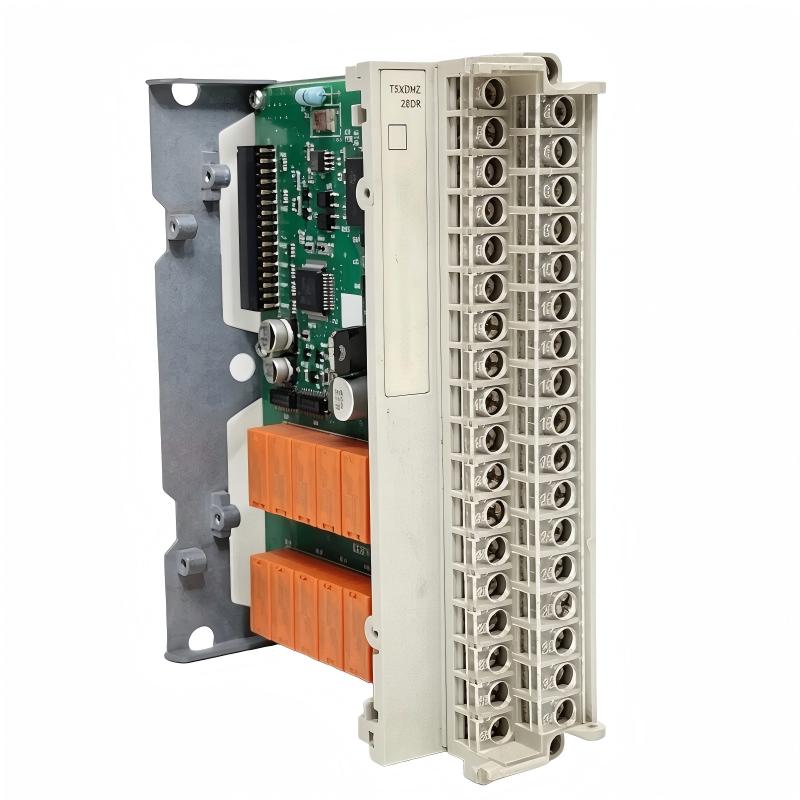
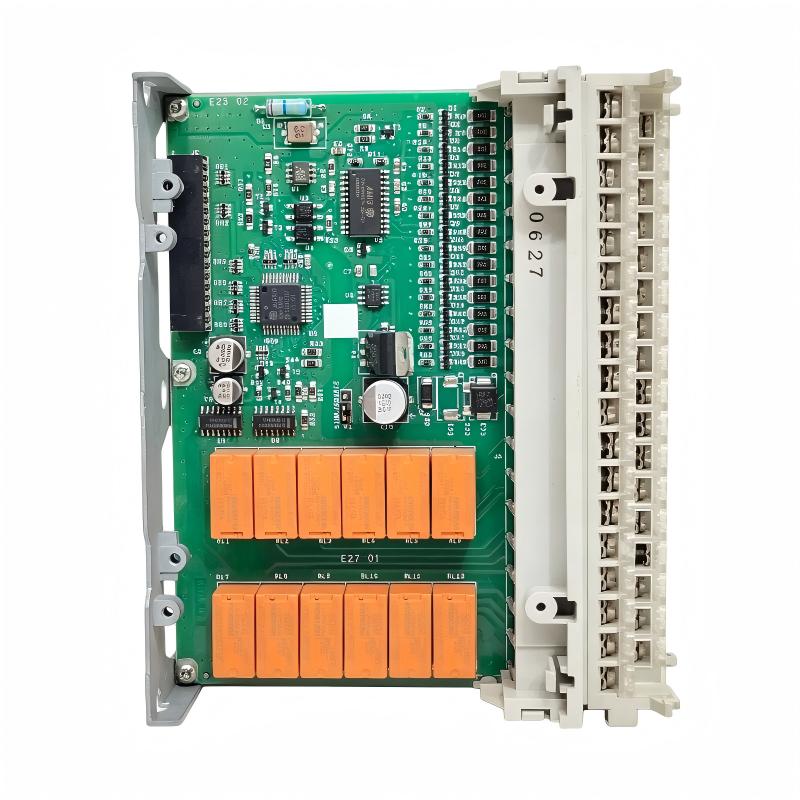
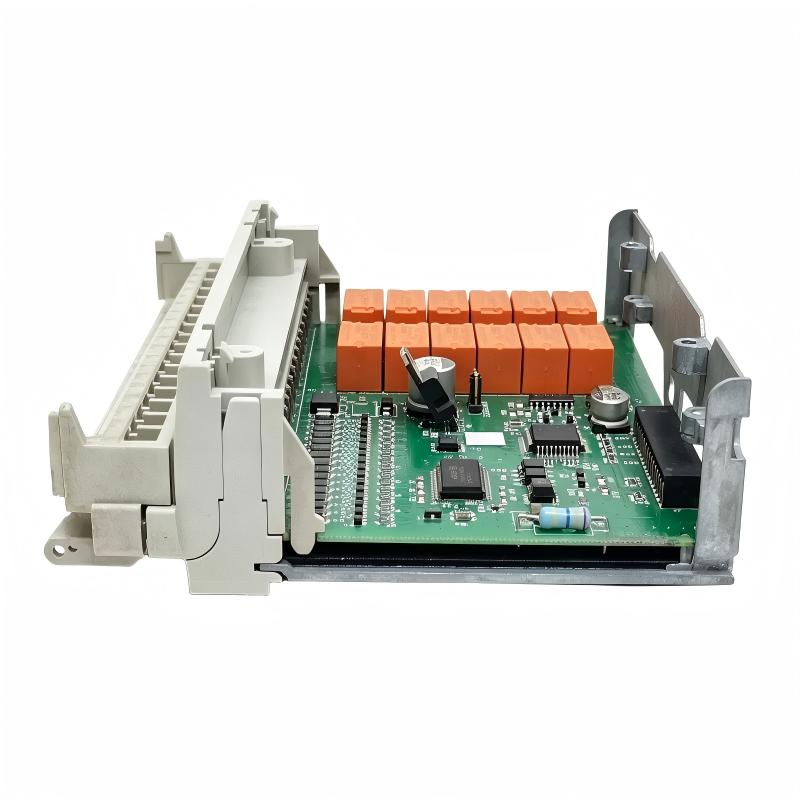
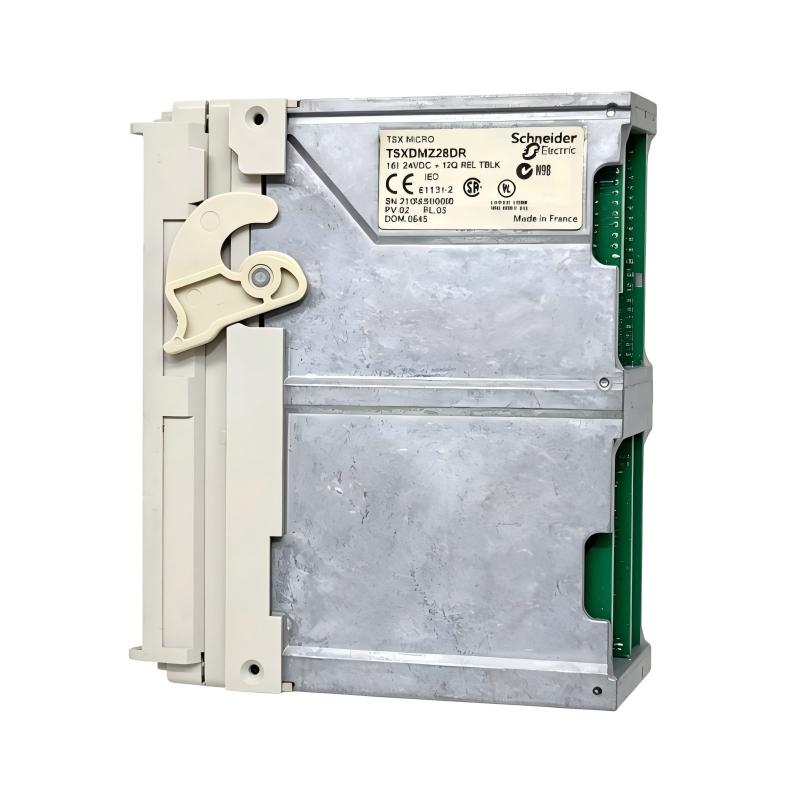
- Schneider
- TSXDMZ28DR
- Logic Relay I/O Base
- France
- 260 x 180 x 55 mm
- 0.5 kg
- Xiamen, China
- New & In Stock
- T/T, PayPal, Western Union
- 1 Year
- 1-3 Working Days
- DHL, UPS, TNT, FedEx and EMS.
- 24-Hour Service
- COO
- 2
Our advantage

Global Logistics
We have a 10-year logistics and express cooperation agreement, so our products can be shipped to any place in the world.

Brand new and original
Our products are imported in bulk from the place of origin. Because of the cooperative relationship, our products are all original and 100% new.

24-hour service
We provide 7*24 hours service to our customers. We will be there whenever you need us.

Price advantage
All our products are priced very favorably because we have our own warehouse and supply.
| Company Information | |||
| [email protected] | |||
| Mobile | +8615980777398 | ||
| +8615980777398 | |||
| 15980777398 |
1. Product Overview
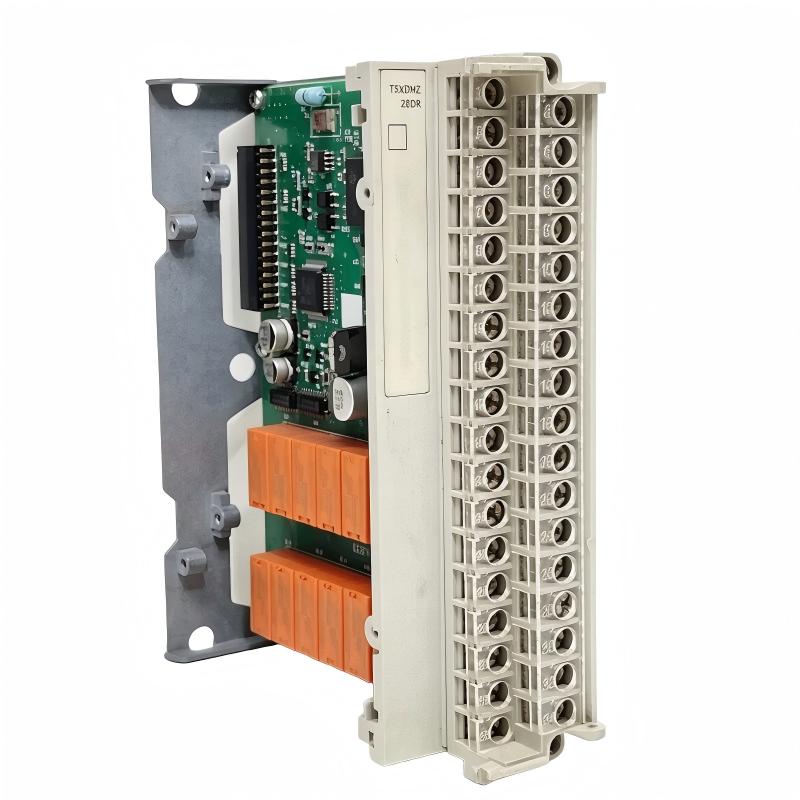
The Schneider TSXDMZ28DR Logic Relay I/O Base is an industrial automation spare part identified with Schneider Electric’s Modicon TSX product family. I/O hardware provides an interface between a programmable logic controller (PLC) and field devices, enabling digital signals to be exchanged between control logic and industrial equipment.
In automated production environments, I/O components support equipment status monitoring, machine sequencing, switching commands, and process coordination. They help connect the controller with field devices such as sensors, push buttons, switches, indicator lamps, and compatible relay or actuator circuits.
The TSXDMZ28DR may be relevant to maintenance operations involving existing Schneider automation installations. When servicing legacy control systems, accurate part identification is essential because similar model numbers do not necessarily indicate identical electrical characteristics or installation requirements.
Before ordering or installing this component, verify its precise product classification, input/output configuration, terminal arrangement, and compatibility with the target controller. These checks help reduce replacement errors and support reliable system operation.
2. Technical Specifications
| Parameter | Specification |
|---|---|
| Brand | Schneider Electric |
| Model | TSXDMZ28DR |
| Product Description | Logic Relay I/O Base |
| Product Category | Industrial Automation Hardware |
| Product Family | Modicon TSX |
| Dimensions | 260 × 180 × 55 mm |
| Weight | 0.5 kg |
| Application | Industrial control and automation |
| Signal Configuration | Verify against the exact product documentation |
| Electrical Ratings | Require confirmation before installation |
| System Compatibility | Confirm the supported controller and hardware configuration |
Specification note: The dimensions and weight above are based on the supplied product information. Confirm the exact input/output channel count, signal voltage, output technology, terminal layout, and other electrical characteristics using the component label and applicable technical documentation.
3. Function and Working Principle
I/O hardware serves as a connection point between the controller and external equipment. Its specific working principle depends on the component’s internal design and electrical configuration.
Digital Input Signal Handling
Digital input circuits receive ON/OFF signals from compatible field devices. Typical sources include limit switches, proximity sensors, push buttons, and equipment-status contacts. The controller uses these signals to determine machine conditions and execute programmed logic.
Digital Output Signal Handling
Digital outputs transmit control commands to compatible external circuits. Depending on the hardware design and electrical ratings, these circuits may operate indicator lamps, intermediate relays, solenoid valves, or other switching devices.
Integration with PLC Logic
The PLC processes incoming signals according to its application program. Based on the programmed conditions, it determines which output commands should be issued and how the machine should respond.
Equipment Monitoring and Control
I/O hardware supports the exchange of discrete status and command signals throughout an automation system. Correct wiring, configuration, and electrical matching are necessary to achieve reliable operation.
The exact functions and capabilities of the TSXDMZ28DR should be verified before it is assigned to a particular control application.
4. Industrial Applications
Manufacturing and Assembly Lines
Automated production lines use digital signals to detect product positions, monitor machine states, and coordinate operations between stations. Compatible I/O hardware helps connect field devices with the central control system.
Packaging Equipment
Packaging machines rely on sensors, switches, and actuator circuits to control product movement and machine sequences. Properly configured digital I/O supports signal exchange between the field equipment and the PLC program.
Material Handling Systems
Conveyors and transfer systems use discrete signals to detect equipment status, confirm positions, and coordinate movement. Suitable I/O hardware provides an interface for these signals.
Process Automation
Industrial process equipment may use digital signals to monitor pump status, valve position, alarms, and operating interlocks. The appropriate hardware must match the required electrical interface and control-system configuration.
Legacy PLC Maintenance
Many industrial facilities continue to operate established automation systems. Maintaining compatible spare parts can help reduce downtime when an existing component fails and a complete control-system upgrade is not immediately practical.
5. Installation and System Integration
Proper installation is essential for maintaining electrical safety and preventing unexpected machine behavior.
Verify the Model Number
Confirm the complete TSXDMZ28DR part number on the component label. Compare it with the original installed hardware and check that the supplied product description matches the actual item.
Check Controller Compatibility
Verify that the component is supported by the target controller and installation arrangement. Review the hardware configuration, connector layout, and mounting requirements before proceeding.
Confirm Wiring and Electrical Ratings
Check the terminal assignments, input and output characteristics, field supply requirements, and permissible load conditions. Do not assume that another component with a similar model number uses the same wiring.
Follow Electrical Safety Procedures
Disconnect relevant power sources and follow the facility’s lockout/tagout procedures before handling or replacing control hardware. Ensure connected machinery is in a safe condition before performing installation work.
Perform Functional Testing
After installation, inspect all connections and verify the controller configuration. Test the relevant input signals and output commands under controlled conditions before returning the equipment to normal operation.
6. Common Problems and Troubleshooting
I/O-related faults may result from defective hardware, wiring problems, field-device failures, power-supply issues, or incorrect controller configuration.
| Symptom | Possible Cause | Recommended Check |
|---|---|---|
| Input status does not change | Wiring fault, defective sensor, missing supply, or incorrect channel assignment | Inspect field wiring and verify the input signal |
| Output device does not respond | Incorrect PLC logic, external circuit fault, or incompatible load | Check the output command, wiring, and load requirements |
| Intermittent signals | Loose connections, electrical interference, or unstable field-device operation | Inspect terminals and investigate the signal environment |
| Controller does not recognize the hardware | Configuration mismatch, connector problem, or incompatibility | Review the hardware setup and physical connections |
| Repeated I/O faults | Damaged wiring, external short circuit, or possible hardware failure | Isolate the circuit and perform systematic checks |
A structured troubleshooting process should begin with field wiring, external power, connected devices, and configuration. Hardware replacement should be considered after these possible causes have been investigated.
7. Preventive Maintenance
Preventive maintenance helps improve control-system reliability and reduce unplanned production interruptions.
- Inspect connectors and terminals: Look for loose connections, corrosion, damaged pins, and signs of overheating.
- Maintain suitable cabinet conditions: Keep the control enclosure within the specified environmental limits.
- Review diagnostic information: Investigate recurring faults and unexpected signal changes.
- Test connected field devices: Confirm that sensors, switches, relays, and other external components function correctly.
- Maintain accurate records: Record the full model number, installation position, wiring information, and replacement history.
- Manage spare parts: Keep verified replacement components for critical installations where downtime would have a significant impact.
All inspection and maintenance work should follow the equipment manufacturer’s instructions and the site’s electrical safety requirements.
8. Compatibility and Replacement Considerations
When sourcing a Schneider TSXDMZ28DR, buyers should verify the complete technical identity of the component rather than relying on its appearance or product description alone.
Important considerations include:
- Exact model identification: Check the complete part number and all suffix characters.
- Product classification: Confirm whether the item is an I/O base, a complete I/O module, or another assembly.
- Input/output configuration: Verify the channel arrangement and supported signal types.
- Electrical compatibility: Confirm voltage requirements, output characteristics, and load limits.
- Connection layout: Check the terminals, connectors, and wiring assignments.
- Controller support: Ensure compatibility with the installed PLC and hardware configuration.
- Physical dimensions: Confirm mounting requirements and available installation space.
- Part condition: For replacement inventory, inspect the component and verify its identification before commissioning.
A similar model number or matching physical size does not guarantee interchangeability. Any substitute should be validated against the original hardware and the control system’s requirements.
9. Key Benefits
When confirmed suitable for the application, the TSXDMZ28DR can contribute to industrial automation maintenance in several ways:
- Digital signal interfacing: Supports the exchange of discrete signals within a compatible control system.
- Equipment monitoring: Enables appropriate field signals to be incorporated into PLC-based monitoring and control.
- Maintenance support: Provides a potential replacement option for installations using the corresponding hardware.
- Reduced sourcing errors: Accurate model verification helps buyers identify the required spare part.
- Legacy system continuity: Compatible replacement hardware can help maintain existing automation infrastructure.
The actual supported functions depend on the verified specifications of the component and its installed system.
10. Frequently Asked Questions
What is the Schneider TSXDMZ28DR?
The TSXDMZ28DR is identified in the supplied description as a Logic Relay I/O Base associated with Schneider Electric industrial automation hardware. Its exact function and hardware classification should be verified against the product label and technical documentation.
What are its dimensions and weight?
The supplied dimensions are 260 × 180 × 55 mm, and the stated weight is 0.5 kg. Buyers should confirm whether these values describe the component itself or its packaging.
What is the purpose of an I/O base?
An I/O base generally provides a physical or electrical interface for control hardware and field signals. The specific purpose varies by product design and must be confirmed for the exact model.
Can the TSXDMZ28DR replace another Schneider I/O component?
Not necessarily. Replacement compatibility depends on the product’s exact function, electrical characteristics, connector arrangement, and supported controller configuration.
What should be checked before purchasing this part?
Verify the complete model number, product classification, dimensions, electrical specifications, condition, and compatibility with the existing automation system.
How can I troubleshoot an I/O problem?
Check the field power supply, wiring, connected devices, controller configuration, and available diagnostic information. If these checks do not identify the problem, further testing may be required to determine whether the component is defective.
11. Conclusion
The Schneider TSXDMZ28DR Logic Relay I/O Base is an industrial automation spare part identified for use in compatible control-system applications. I/O hardware plays an important role in connecting field devices with controller logic, supporting machine monitoring, equipment sequencing, and automation maintenance.
For engineers, maintenance teams, and industrial spare-parts buyers, the most important steps are to confirm the component’s exact identity, verify its electrical specifications, and establish compatibility with the installed PLC system. These checks help reduce replacement risks and support reliable operation of industrial automation equipment.