

ProductPRODUCT
Featured products

Contact Us
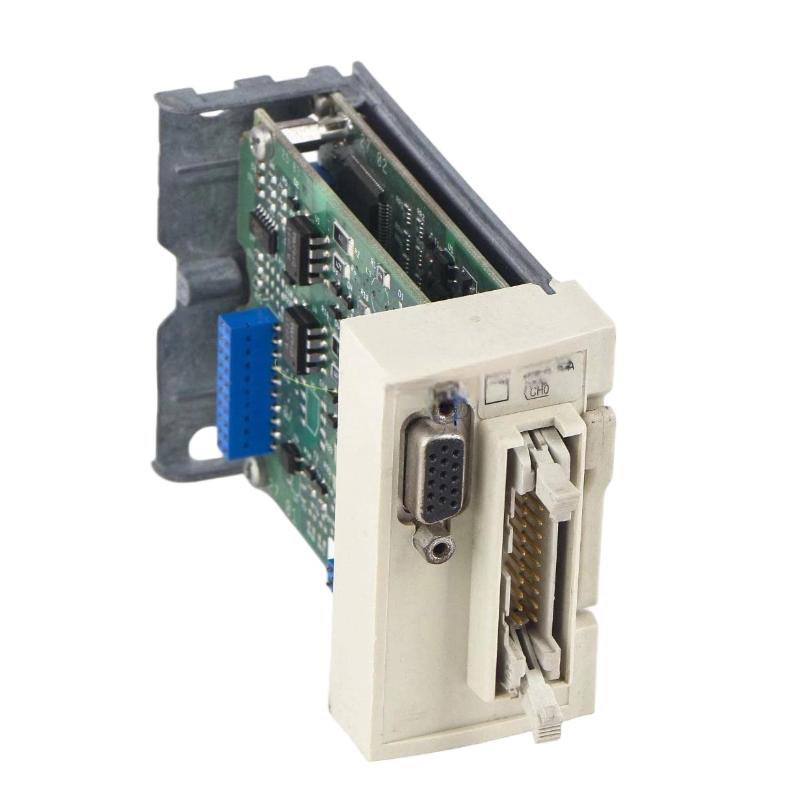
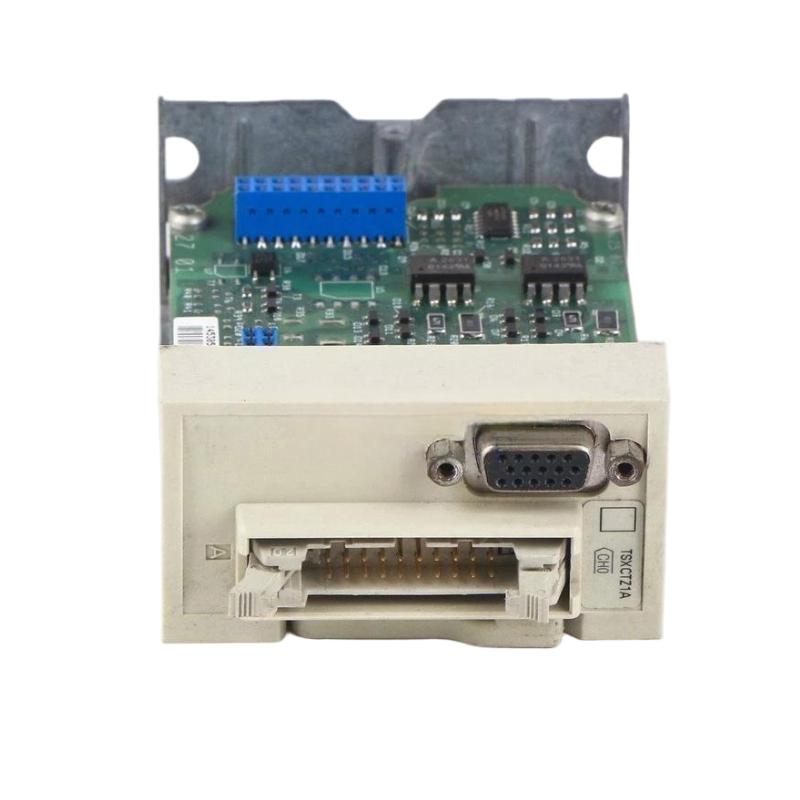
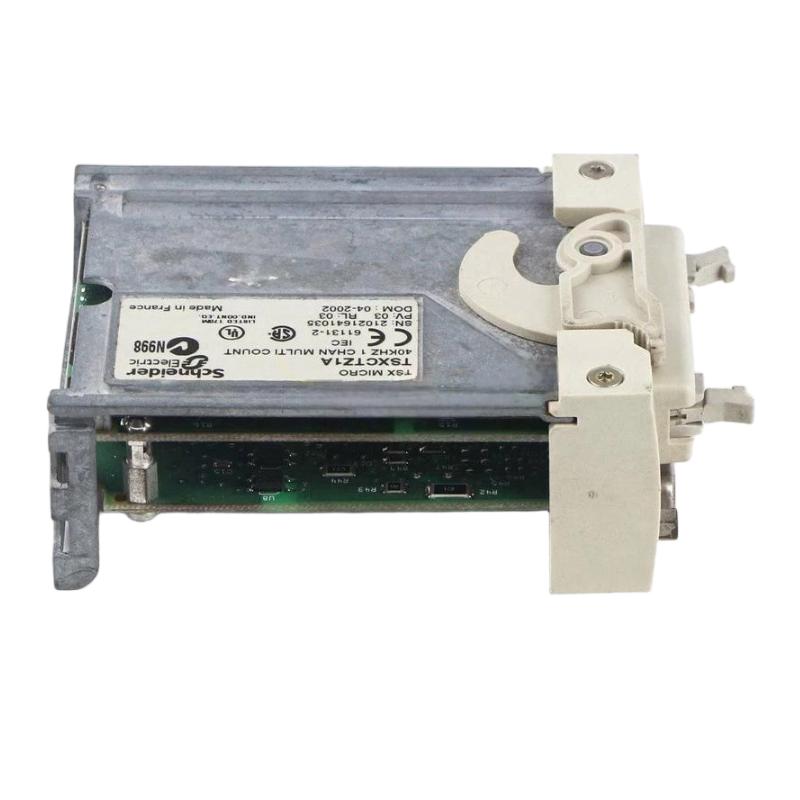
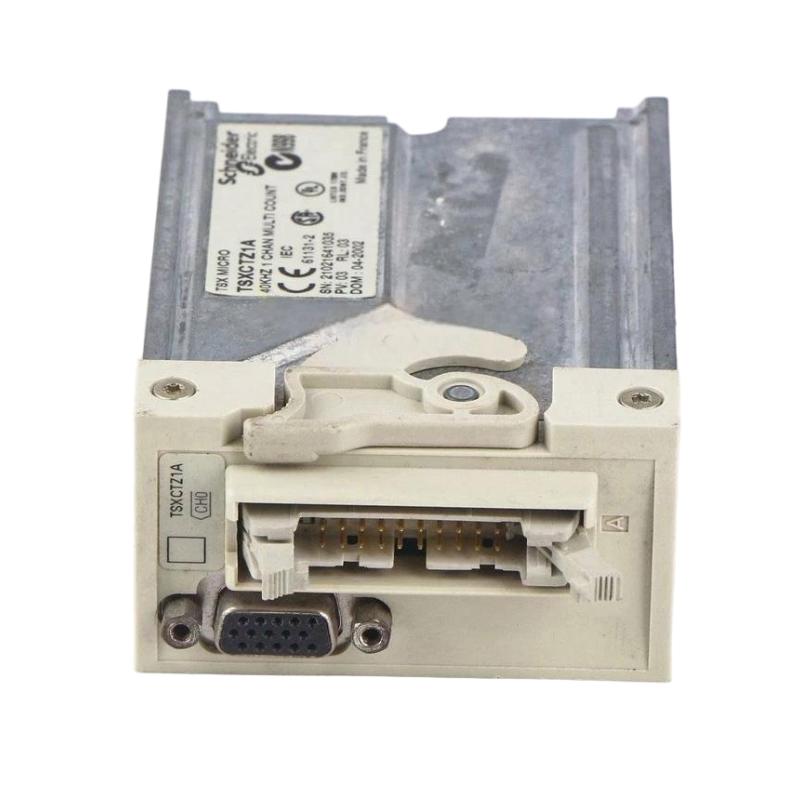
- Schneider
- TSXCTZ1A
- Counter Module
- France
- 103 × 95 × 20 mm
- 0.2 kg
- Xiamen, China
- New & In Stock
- T/T, PayPal, Western Union
- 1 Year
- 1-3 Working Days
- DHL, UPS, TNT, FedEx and EMS.
- 24-Hour Service
- COO
- 2
Our advantage

Global Logistics
We have a 10-year logistics and express cooperation agreement, so our products can be shipped to any place in the world.

Brand new and original
Our products are imported in bulk from the place of origin. Because of the cooperative relationship, our products are all original and 100% new.

24-hour service
We provide 7*24 hours service to our customers. We will be there whenever you need us.

Price advantage
All our products are priced very favorably because we have our own warehouse and supply.
| Company Information | |||
| [email protected] | |||
| Mobile | +8615980777398 | ||
| +8615980777398 | |||
| 15980777398 |
1. Product Overview
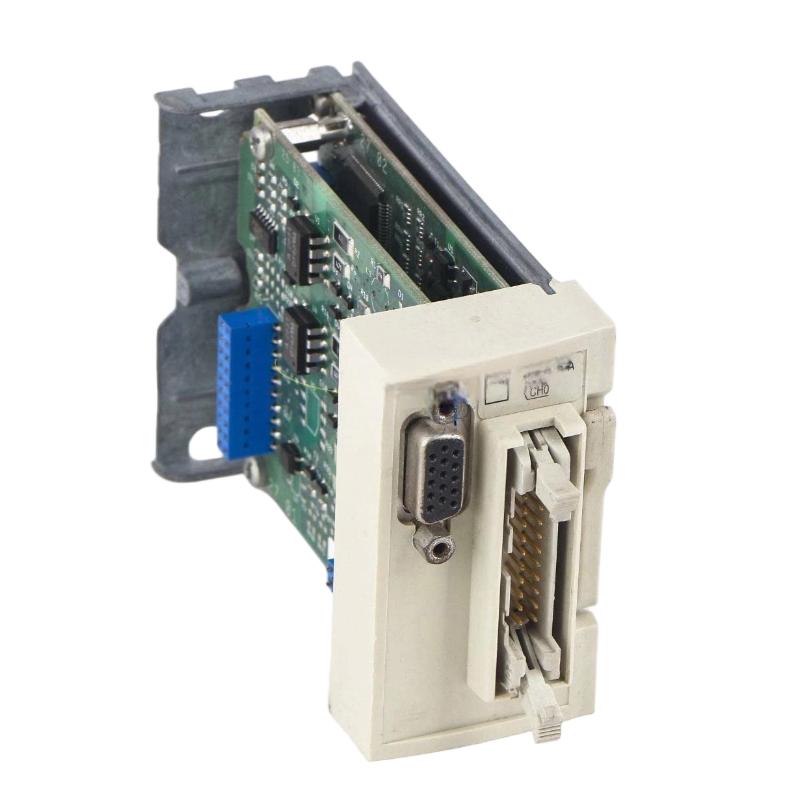
The Schneider Electric TSXCTZ1A Counter Module is a specialized counting module designed for the Modicon TSX Micro automation platform. It enables a compatible programmable logic controller (PLC) system to process counting signals from suitable field devices, including supported proximity sensors and other pulse-generating equipment.
In industrial automation, counting functions are used to monitor production quantities, detect object movement, measure repetitive machine operations, and support process sequencing. A dedicated counter module provides an interface between field signals and the controller’s counting functions, helping the automation system process incoming events according to its configuration.
The TSXCTZ1A is specified as a single-input counter module. Its published technical characteristics include support for 5 V DC and 24 V DC input signals, a counting frequency of 40 Hz, and a network frequency of 100 Hz. The product documentation also identifies a 1.5 ms event-processing response time and an 8 ms master-task response time under the stated specifications. Actual performance in an installed system depends on the complete controller configuration, input signal characteristics, and application program.
The supplied physical specifications for this product are 103 × 95 × 20 mm, with a weight of 0.2 kg. These values are useful for product identification, spare-parts planning, and preliminary logistics calculations. Physical fit and mounting compatibility should nevertheless be checked against the original installation and the applicable product documentation.
The TSXCTZ1A is an older automation component and is listed as discontinued. This is an important consideration for facilities maintaining legacy machinery. Before purchasing a replacement or spare unit, users should confirm the module’s exact part number, condition, supported controller configuration, connector arrangement, and availability of technical support.
For industrial maintenance teams, the TSXCTZ1A remains relevant where existing equipment depends on the Modicon TSX Micro platform and the original counting function must be maintained. Correct identification and careful integration help reduce the risk of machine downtime caused by an incompatible module.
2. Technical Specifications
| Parameter | Specification |
|---|---|
| Brand | Schneider Electric |
| Model | TSXCTZ1A |
| Product Name | Counter Module |
| Product Family | Modicon TSX Micro |
| Product Category | PLC Counting Module |
| Counting Input Number | 1 |
| Counting Frequency | 40 Hz |
| Network Frequency | 100 Hz |
| Input Voltage | 5 V DC / 24 V DC |
| Input Current | 18 mA |
| Current Consumption | 15 mA |
| Event-Processing Response Time | 1.5 ms |
| Master-Task Response Time | 8 ms |
| Additional Response-Time Specification | 3 ms, depending on the documented input characteristic |
| Sensor Compatibility | Supported 2-wire and 3-wire 24 V DC proximity sensors |
| Dimensions | 103 × 95 × 20 mm |
| Weight | 0.2 kg |
| Intended Platform | Compatible Modicon TSX Micro PLC systems |
| Product Status | Discontinued |
| Replacement Status | No direct replacement identified in the manufacturer’s product information |
The specifications above combine the physical information supplied for this listing with the published technical characteristics associated with the TSXCTZ1A. Response-time figures refer to different documented functions and should not be treated as interchangeable measurements of total system response.
The module’s input requirements and signal thresholds should be reviewed before connecting field devices. Sensor voltage, output type, wiring, and signal characteristics must match the applicable module documentation.
3. Function and Working Principle
3.1 Processing Counting Signals
The primary function of the TSXCTZ1A is to receive supported counting signals and make counting information available to the compatible automation system.
In a typical application, a sensor detects an object, machine movement, or another event and generates an electrical signal. The counter module receives the signal and processes it according to its supported counting functions and configured operating mode.
The PLC program can then use the counting result to support control decisions, production monitoring, or machine sequencing. For example, a packaging machine may count products passing a detection point, while a handling system may monitor repeated movements or the number of completed operations.
The exact counting mode and configuration depend on the module’s supported functions and the controller programming environment. The application should be designed around the official module documentation rather than assumptions based solely on the general term “counter module.”
3.2 Single-Input Counting
The TSXCTZ1A is identified as a single-input counting module. This configuration is suitable for applications that require one counting channel and where the input signal matches the module’s supported electrical characteristics.
A single counting input can be used to register repeated events from a compatible sensor. The controller can compare the resulting count with a preset value or use the count as part of a broader sequence, depending on the available module functions and PLC program.
The single-input design should not be confused with a multi-channel encoder interface. Applications that require separate quadrature signals, multiple independent counting channels, or higher-frequency pulse processing need a careful review of their requirements before selecting a module.
3.3 Input Voltage and Sensor Interface
The published specifications identify 5 V DC and 24 V DC input support. This allows the module to be used with supported signal sources designed for the relevant input configuration.
Electrical compatibility must be checked before wiring. The input voltage, signal polarity, current, sensor output type, and wiring arrangement all affect reliable signal detection.
A compatible sensor may be used to detect products, mechanical positions, or other events, but not every sensor with a 5 V or 24 V supply is necessarily suitable. The sensor’s output characteristics must meet the module’s documented input requirements.
3.4 Counting Frequency and Signal Timing
The published counting frequency for the TSXCTZ1A is 40 Hz. This is a key selection parameter because the incoming pulse rate must remain within the module’s specified operating limits.
If the input frequency exceeds the supported range, pulses may not be processed as intended, potentially resulting in inaccurate counts. Signal quality, pulse width, electrical noise, and sensor response also influence counting reliability.
The specified network frequency of 100 Hz is a separate product characteristic and should not be confused with the 40 Hz counting-frequency rating. Application designers should verify each parameter according to its meaning in the technical documentation.
3.5 Response Time and Control Logic
The product information lists a 1.5 ms response time for event processing and an 8 ms response time associated with the master task. These figures describe different aspects of the module and controller behavior.
In a PLC application, overall response time can depend on sensor operation, input processing, counter logic, program execution, communication, and the behavior of the controlled equipment. A module’s event-processing time alone does not determine the total response of the machine.
For applications requiring tightly coordinated motion or rapid event handling, the complete timing chain should be evaluated during system design and commissioning.
4. Role in Industrial Automation Systems
4.1 Production Quantity Monitoring
Counting modules can support production monitoring by registering events detected by field sensors. A PLC program can use these counts to estimate output quantities, identify production targets, or trigger actions after a defined number of items has passed a sensor.
For example, a compatible counting arrangement may be used on a conveyor to track items moving through a detection point. The counter’s output can support a production sequence when the required count is reached.
The actual result depends on sensor placement, input signal quality, controller programming, and the application’s counting requirements.
4.2 Machine Sequence Control
Industrial machinery often performs repetitive actions such as indexing, feeding, positioning, or transferring parts. Counting signals can help the PLC determine when a specific number of events has occurred.
The TSXCTZ1A can contribute to such a control arrangement where its supported counting functions and single-input architecture meet the application’s needs. The controller program must define how the count affects machine operation and how reset, preset, and fault conditions are handled.
4.3 Legacy PLC System Maintenance
The TSXCTZ1A is associated with the Modicon TSX Micro platform, which means its practical importance often lies in maintaining existing automation equipment.
Replacing a discontinued module with a different product can involve more than physical installation. The new solution may require different wiring, software configuration, mounting arrangements, or controller changes. Where the original system remains functional, maintaining a compatible spare can sometimes reduce the complexity of a repair.
Before selecting a replacement strategy, maintenance engineers should document the existing PLC configuration, module position, field wiring, sensor types, and program dependencies.
4.4 Equipment Diagnostics and Troubleshooting
When counting results are incorrect, the counter module is only one possible source of the problem. Faults may also originate from a damaged sensor, incorrect wiring, electrical noise, poor signal quality, unsuitable input frequency, or a problem in the PLC program.
A structured troubleshooting process helps identify the actual cause rather than replacing components unnecessarily. Engineers should compare the observed input signal with the expected signal and verify the controller’s configuration before deciding that the module itself has failed.
5. Industrial Applications
The Schneider Electric TSXCTZ1A Counter Module may be relevant to existing automation systems that use compatible Modicon TSX Micro equipment. The following are general examples of counting applications, not a guarantee of suitability for every machine in each category.
5.1 Conveyor Systems
Conveyors commonly use photoelectric sensors or proximity sensors to detect products moving along a line. A counting function can help monitor the number of items passing a particular point.
The TSXCTZ1A may be considered for a compatible legacy system where the input frequency and sensor characteristics meet its specifications. Applications requiring faster counting or additional channels need a separate technical assessment.
5.2 Packaging Machinery
Packaging equipment may use counting functions to track products, containers, or repetitive machine events. The PLC can use count values to coordinate packaging sequences or identify when a target quantity has been reached.
Reliable operation requires correct sensor placement, stable signal generation, and suitable counter configuration. The module’s documented input and frequency limits must be respected.
5.3 Assembly and Production Equipment
Assembly lines frequently depend on repetitive operations and part detection. Counting signals can support production tracking, component feeding, or sequence completion.
In older machines that use the TSX Micro platform, maintaining the original counting architecture may help reduce the scope of modifications required during maintenance.
5.4 Material Handling Systems
Material handling machinery can use counting inputs to register movement events or detect the passage of objects. The PLC program may combine counting information with other digital inputs, outputs, and interlocks.
The counter module should be selected according to the number of counting channels, signal rate, sensor type, and required response behavior.
5.5 General Industrial Automation
Other possible applications include machine-cycle counting, event monitoring, and simple pulse-based process tasks. Suitability depends on the actual signal source and the supported functionality of the TSXCTZ1A.
For new equipment designs, engineers should compare the requirements with currently supported automation products rather than assume that a discontinued module is the best long-term option.
6. Installation and System Integration
Correct installation is essential for reliable signal processing and safe maintenance. The following guidance is general; the original module documentation and the site’s electrical safety procedures take priority.
6.1 Confirm Controller Compatibility
Before installing the TSXCTZ1A, confirm that the target controller and rack configuration support the module. Check the PLC model, module position, system architecture, and any configuration restrictions.
Do not assume that a module designed for the Modicon TSX Micro platform can be installed in another Schneider Electric PLC family simply because both products use the same brand.
6.2 Verify Electrical Characteristics
Check the field sensor’s supply voltage, output type, current, polarity, and wiring arrangement against the module’s documented input requirements.
The module is associated with 5 V DC and 24 V DC input signals, but correct connection depends on the actual sensor interface and supported wiring configuration. Incorrect voltage or wiring can prevent accurate counting or damage equipment.
6.3 Follow Safe Installation Procedures
Power down the equipment and follow the applicable isolation procedure before installing or removing the module. The module should not be connected or disconnected while energized unless the manufacturer explicitly permits that procedure for the exact configuration.
Use appropriate electrostatic-discharge precautions when handling electronic components. Avoid touching exposed contacts and protect the module from moisture, dust, and physical impact.
6.4 Check Connectors and Wiring
Inspect connectors, terminals, and field wiring for loose connections, damaged insulation, contamination, or corrosion. Confirm that the sensor signal reaches the intended input and that the signal return and supply connections are correct.
Incorrect wiring can cause missed counts, unstable operation, or a complete loss of input signals.
6.5 Configure and Test the Counting Function
After installation, verify the PLC configuration and the programmed counting function. Test the input using a suitable signal source or the intended field sensor under controlled conditions.
Confirm that the displayed or recorded count changes as expected and that the application handles preset values, reset conditions, and relevant machine interlocks correctly.
6.6 Commission the Complete System
During commissioning, test the counter as part of the complete automation sequence. Verify the actual input frequency, signal quality, and timing under expected operating conditions.
If counting errors occur, inspect the sensor, wiring, signal characteristics, and program logic before concluding that the module is defective.
7. Maintenance and Troubleshooting Recommendations
The TSXCTZ1A is an electronic automation component and does not have a routine consumable element that is replaced at a fixed interval. Maintenance generally focuses on condition inspection, electrical integrity, configuration records, and the availability of a compatible spare.
Recommended practices include:
- Keep the module’s part number and controller assignment in the equipment documentation.
- Inspect connectors and wiring during scheduled electrical maintenance.
- Check for signs of physical damage, corrosion, overheating, or contamination.
- Verify the sensor’s output voltage and signal behavior when counting errors occur.
- Confirm that the input frequency remains within the documented operating range.
- Check the PLC program and configuration before replacing the module.
- Maintain a verified backup of the controller program and configuration where applicable.
- Store spare modules in suitable protective packaging and environmental conditions.
- Confirm the condition and authenticity of any used or surplus module before installation.
Common Counting Problems
Incorrect count values: Check sensor placement, pulse generation, wiring, signal quality, and the programmed counting logic.
No count response: Verify the input signal, sensor supply, connector arrangement, module installation, and controller configuration.
Intermittent counting: Investigate electrical noise, loose connections, unstable sensor output, and operation beyond the specified input characteristics.
Unexpected machine response: Review the PLC sequence, count thresholds, reset behavior, and the relationship between the counter result and the controlled outputs.
A module should not be replaced solely because the count is incorrect. Confirm the signal and program behavior first, as external causes can produce similar symptoms.
8. Compatible System Components
The TSXCTZ1A operates within a broader PLC system. The following table identifies general component categories that may be relevant to an existing Modicon TSX Micro installation. Exact compatibility must be confirmed against the controller configuration and product documentation.
| Component | Function | Integration Consideration |
|---|---|---|
| Compatible Modicon TSX Micro PLC | Executes the control program | Verify the exact CPU and platform configuration |
| Proximity Sensor | Detects objects or machine movement | Match voltage, output type, and signal characteristics |
| Photoelectric Sensor | Detects objects using an optical signal | Confirm output interface and required response |
| Incremental Encoder or Pulse Source | Generates pulses representing movement or events | Verify signal type and module input compatibility |
| PLC Power Supply | Provides power to the automation system | Confirm system voltage and power requirements |
| PLC Rack or Base | Supports compatible modules in the controller assembly | Verify the supported mounting and module position |
| Field Wiring and Connectors | Carry sensor signals to the module | Inspect pin assignments and wiring condition |
| PLC Programming Environment | Defines counting logic and machine sequences | Confirm compatibility with the installed controller generation |
| Digital Input/Output Modules | Provide additional machine signal interfaces | Verify the full system configuration independently |
The table describes typical system-level components rather than a guaranteed bill of materials. The TSXCTZ1A should only be integrated into a configuration documented as compatible with the module.
9. Related Models and Replacement Considerations
Because the TSXCTZ1A is discontinued, users maintaining legacy equipment may need to consider existing stock, tested surplus units, repair services, or a broader control-system upgrade.
The following table lists related references for comparison. They are not confirmed direct replacements for the TSXCTZ1A.
| Model | Product Type | Comparison Consideration |
|---|---|---|
| TSXCTZ1A | Single-input counter module | Original reference for identification and maintenance |
| TSXCTZ2A | Two-channel counter module | Different channel count; not a direct substitute without design review |
| TSXCTZ2AA | Two-channel counter module with different counting capability | Different performance and channel characteristics; verify requirements |
| TSXCTZ1B | Counter/position-control module | Different function; evaluate the application before considering a redesign |
| Current supported PLC counter solution | Counter function within a supported automation platform | May require wiring, programming, mounting, and system changes |
The presence of a related model does not establish interchangeability. A replacement decision should account for the number of channels, signal frequency, input voltage, sensor interface, response time, controller compatibility, physical installation, and software requirements.
Manufacturer product information indicates that the TSXCTZ1A has no direct replacement identified. For a long-term upgrade, engineers should evaluate the complete control application and confirm the proposed solution with a qualified automation supplier.
10. Key Advantages
Dedicated Counting Function
The TSXCTZ1A provides a dedicated counting interface for compatible Modicon TSX Micro automation systems, supporting applications that need to process repeated input events.
Single-Input Architecture
Its single-input configuration is suitable for applications requiring one counting channel, provided the input requirements match the module’s specifications.
Support for Specified DC Inputs
Published specifications identify 5 V DC and 24 V DC input support. Correct signal matching allows the module to work with supported field devices.
Integration with Legacy Automation Equipment
For existing machines built around compatible TSX Micro controllers, the module can help preserve the original counting architecture when a suitable unit is available and verified.
Compact Physical Format
The supplied dimensions of 103 × 95 × 20 mm and weight of 0.2 kg support product identification and preliminary installation and logistics planning. Actual mounting compatibility must be verified against the original configuration.
Useful for Spare-Parts Planning
Maintaining the exact model reference, installation records, and a tested spare can help reduce repair delays in facilities that continue to operate legacy PLC equipment.
11. Technical Frequently Asked Questions
Q1. What is the Schneider Electric TSXCTZ1A?
It is a single-input counter module designed for compatible Modicon TSX Micro automation systems. It processes supported counting signals for use by the PLC application.
Q2. What are the dimensions and weight?
The supplied dimensions are 103 × 95 × 20 mm, and the stated weight is 0.2 kg.
Q3. What input voltages does the TSXCTZ1A support?
The published specifications identify 5 V DC and 24 V DC input support. The actual wiring and sensor compatibility must be checked against the module documentation.
Q4. What is its counting frequency?
The published counting frequency is 40 Hz. The incoming signal must remain within the applicable limits to ensure reliable counting.
Q5. How many counting inputs does the module have?
The TSXCTZ1A is specified as a one-input counter module.
Q6. Is the TSXCTZ1A still in production?
The model is listed as discontinued. Availability may depend on existing inventory, surplus stock, repair services, or specialist suppliers.
Q7. Does the TSXCTZ1A have a direct replacement?
The manufacturer’s product information does not identify a direct replacement. Any alternative should be evaluated against the application and confirmed for electrical, functional, and physical compatibility.
Q8. Can the TSXCTZ2A replace the TSXCTZ1A?
It should not be treated as a direct replacement without verification. The TSXCTZ2A has a different channel configuration, so system requirements and compatibility must be reviewed before considering a substitution.
Q9. What causes incorrect counting?
Possible causes include an incompatible sensor, incorrect wiring, unstable input signals, electrical noise, an excessive input frequency, or incorrect PLC logic. Troubleshooting should check the entire signal path.
Q10. Is the module suitable for a new automation project?
It may be relevant when maintaining an existing compatible installation, but its discontinued status should be considered carefully for new projects. A currently supported automation platform may be more appropriate for long-term availability and serviceability.
Q11. What should be checked before purchasing a used module?
Confirm the exact model, physical condition, connector integrity, compatibility with the controller, seller’s testing information, and any available return or warranty terms.
Q12. Does the 100 Hz network frequency mean it can count at 100 Hz?
No. The published 100 Hz network-frequency specification is distinct from the stated 40 Hz counting frequency. Use the counting-frequency rating and the relevant technical documentation when designing the input signal.
12. Procurement and Spare-Parts Management
When sourcing the Schneider Electric TSXCTZ1A Counter Module, accurate product identification is particularly important because the model is discontinued.
Before purchasing, maintenance and procurement teams should:
- Confirm the full model number: TSXCTZ1A.
- Verify that the existing PLC platform supports the module.
- Check the dimensions and connector arrangement against the installed unit.
- Confirm the sensor interface and counting-frequency requirements.
- Ask whether the offered unit is new old stock, used, refurbished, or repaired.
- Request functional testing information where applicable.
- Inspect product labels and connectors when the item is received.
- Keep a copy of the PLC program and configuration for maintenance purposes.
- Evaluate long-term support requirements when deciding between a spare module and a system upgrade.
For international procurement, it is useful to record the exact part number and equipment assignment on purchase orders and inventory records. This reduces confusion between related counter modules and supports more accurate maintenance planning.
13. Conclusion
The Schneider Electric TSXCTZ1A Counter Module is a single-input counting component for compatible Modicon TSX Micro automation systems. Its published characteristics include 5 V DC and 24 V DC input support, a 40 Hz counting frequency, and a 100 Hz network frequency. The supplied dimensions are 103 × 95 × 20 mm, and the stated weight is 0.2 kg.
The module can support pulse-counting applications in legacy industrial automation equipment where its electrical characteristics, counting capability, and controller compatibility meet the system requirements.
Because the TSXCTZ1A is discontinued and no direct replacement is identified in the manufacturer’s product information, buyers should verify the exact model and condition before purchasing. Where long-term support is important, any proposed alternative should be evaluated as a complete system-level replacement rather than assumed to be a plug-in substitute.