

ProductPRODUCT
Featured products
Contact Us
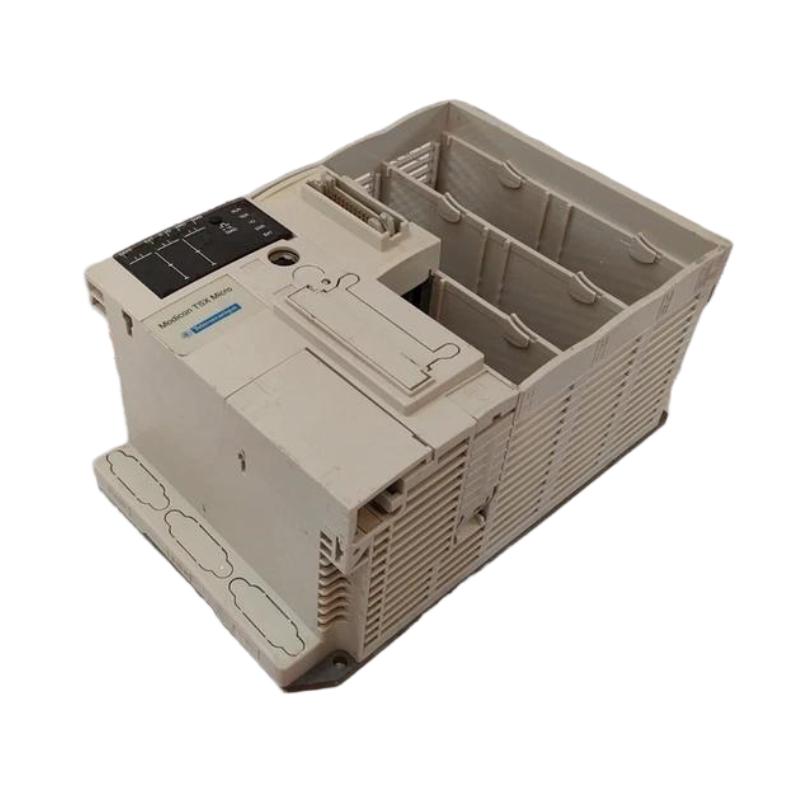
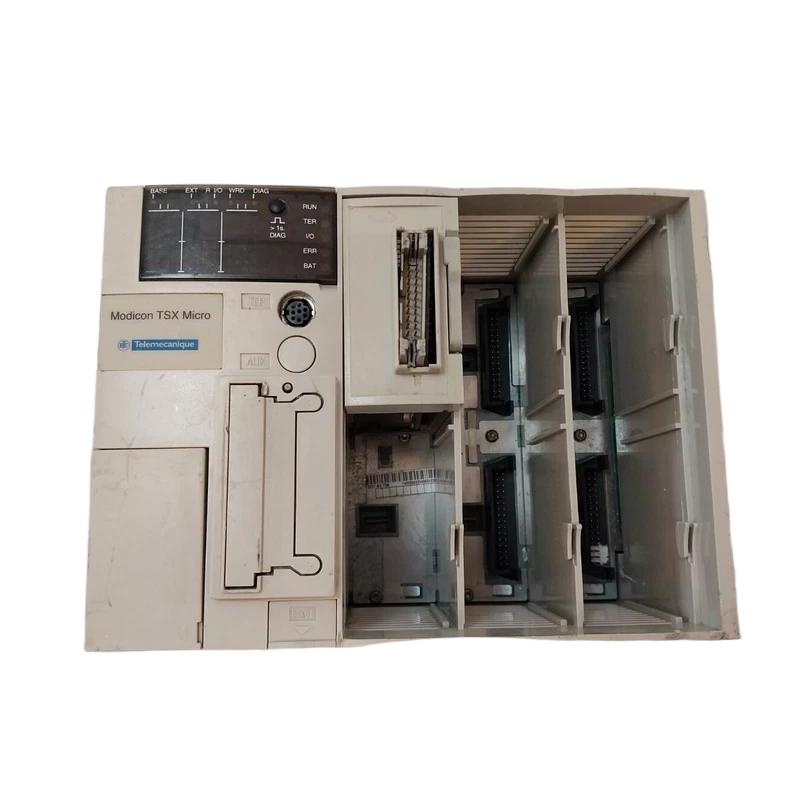
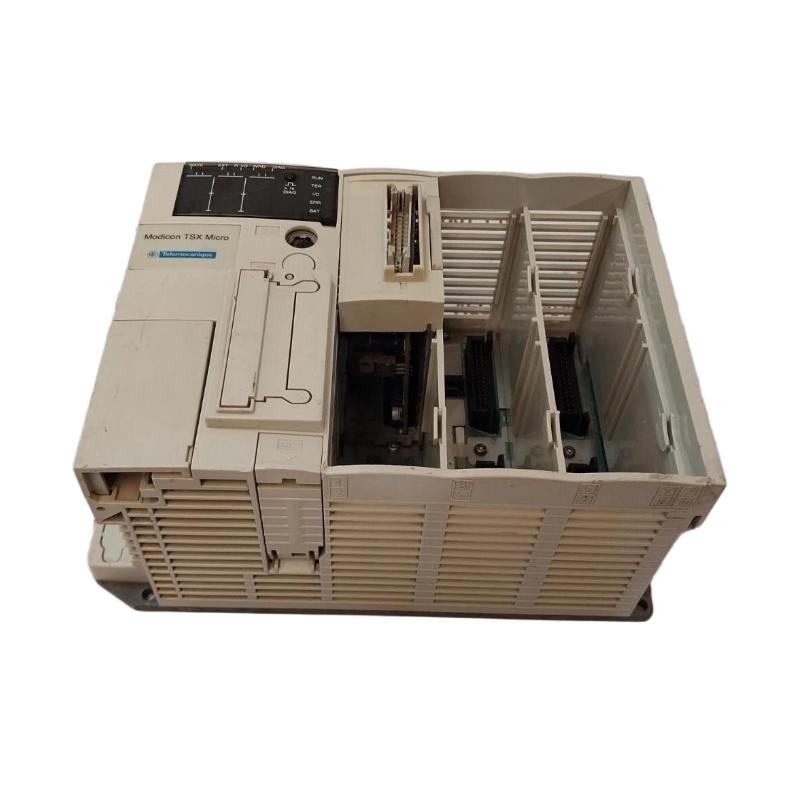
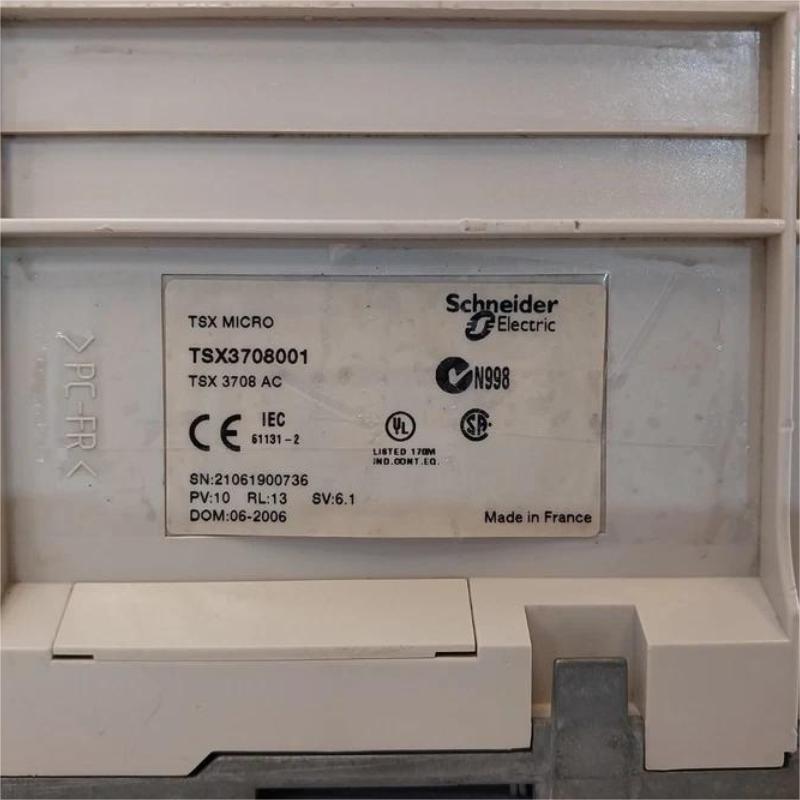
- Schneider
- TSX3708001
- CPU Module
- France
- 235 × 152 × 108 mm
- 1.6 kg
- Xiamen, China
- New & In Stock
- T/T, PayPal, Western Union
- 1 Year
- 1-3 Working Days
- DHL, UPS, TNT, FedEx and EMS.
- 24-Hour Service
- COO
- 4
Our advantage

Global Logistics
We have a 10-year logistics and express cooperation agreement, so our products can be shipped to any place in the world.

Brand new and original
Our products are imported in bulk from the place of origin. Because of the cooperative relationship, our products are all original and 100% new.

24-hour service
We provide 7*24 hours service to our customers. We will be there whenever you need us.

Price advantage
All our products are priced very favorably because we have our own warehouse and supply.
| Company Information | |||
| [email protected] | |||
| Mobile | +8615980777398 | ||
| +8615980777398 | |||
| 15980777398 |
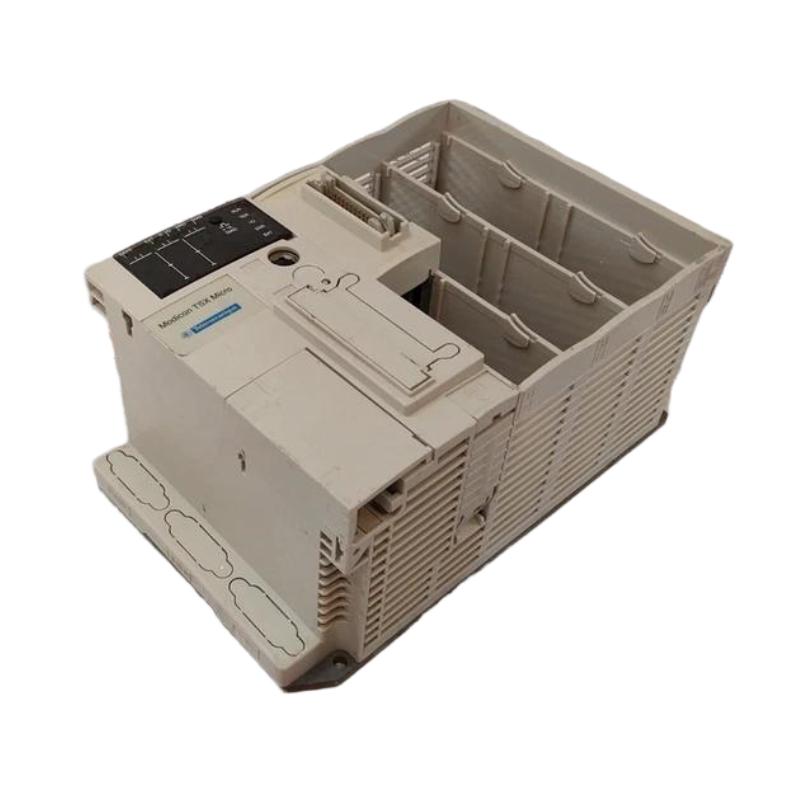
1. Product Overview
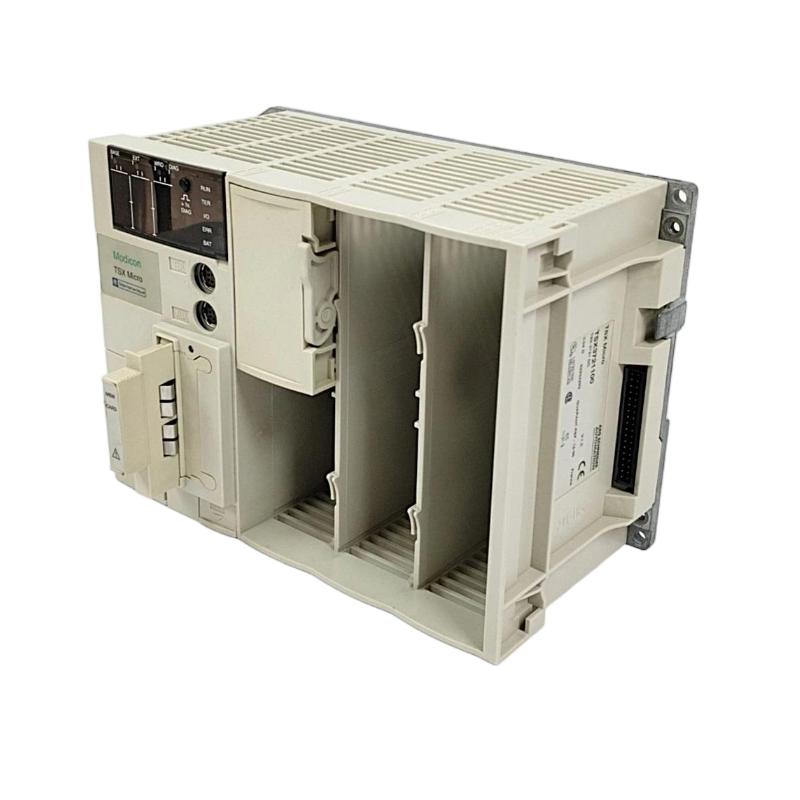
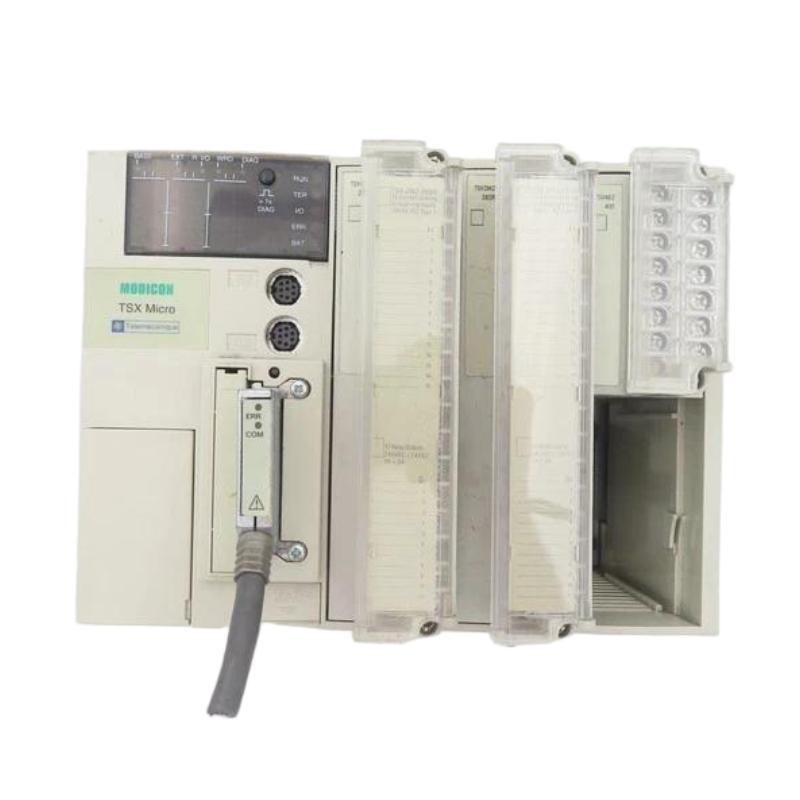
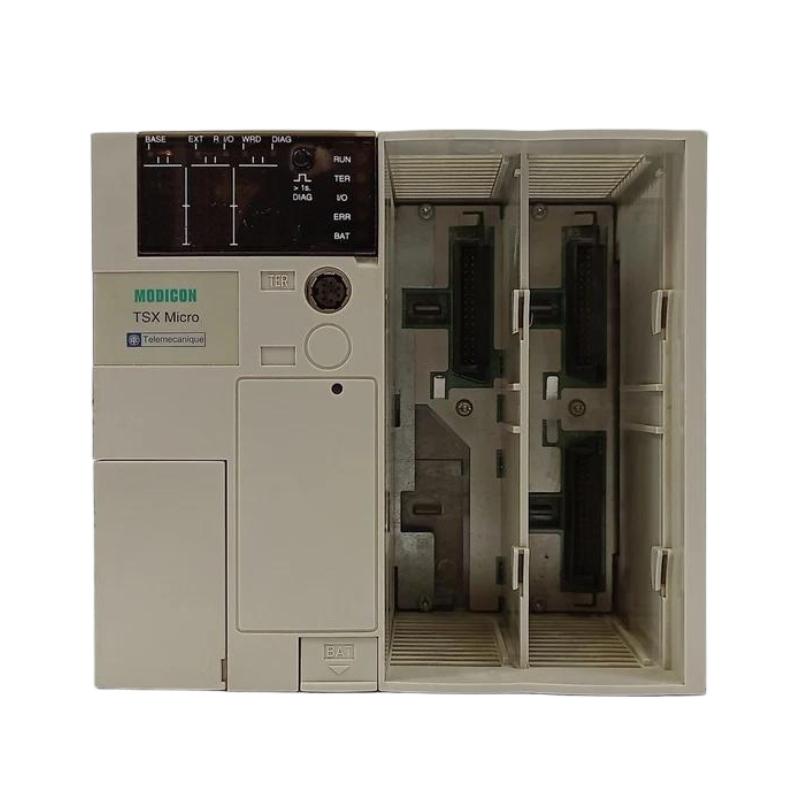
The Schneider Electric TSX3708001 CPU Module is an industrial programmable logic controller (PLC) unit associated with the Modicon TSX Micro automation family. Identified as the TSX 3708 AC, this controller is designed for machine-level automation tasks that require dependable logic processing, input/output management, and coordinated control of industrial equipment.
The CPU is the central processing element of a PLC system. It executes the user program, processes input signals, evaluates control logic, and updates outputs according to the configured application. In an established automation installation, a controller such as the TSX3708001 can support the continued operation of legacy machinery and control systems.
The TSX3708001 is particularly relevant to maintenance teams responsible for existing equipment. When evaluating this model for replacement or system restoration, engineers should verify the complete part number, hardware configuration, supply requirements, I/O arrangement, communication interfaces, and original application program before installation.
As a legacy automation product, the TSX3708001 may be encountered during equipment maintenance, spare-parts procurement, and control-system refurbishment. Confirming the condition and compatibility of the unit is important when minimizing downtime and maintaining reliable production.
2. Technical Specifications
| Parameter | Specification |
|---|---|
| Brand | Schneider Electric |
| Model Number | TSX3708001 |
| Product Type | PLC CPU / Controller Unit |
| Product Family | Modicon TSX Micro |
| Product Identification | TSX 3708 AC |
| Dimensions | 235 × 152 × 108 mm |
| Weight | 1.6 kg |
| Application | Industrial machine and equipment control |
| Product Status | Discontinued / legacy product |
| Programming Environment | Verify the original system configuration and supported software version |
| Power Supply Requirements | Confirm from the unit nameplate and applicable technical documentation |
| Communication Interfaces | Verify the interfaces available on the specific unit |
| I/O Configuration | Confirm the onboard and expansion I/O arrangement for the installed system |
The dimensions and weight listed above are the supplied product specifications. Electrical ratings, memory capacity, communication functions, and I/O details should be checked against the exact hardware documentation rather than assumed from similar controller models.
3. Function and Working Principle
The TSX3708001 performs the central processing role in a PLC-based automation system. Its primary responsibility is to execute a control program that translates field signals into coordinated machine actions.
Program Execution
The controller evaluates the instructions stored in its user program. Depending on the application, these instructions may include interlocks, timers, counters, sequencing logic, equipment status checks, and process-control conditions.
For example, in a conveyor system, the PLC may evaluate a start command, verify that required safety and operating conditions are satisfied, and then issue a command to the relevant output device.
Input Signal Processing
Inputs provide information about the physical state of equipment. Signals may originate from limit switches, proximity sensors, pushbuttons, level switches, or other field devices, depending on the system configuration.
The CPU uses these signals as conditions for executing the control logic. Correct field wiring and valid input states are therefore essential for dependable operation.
Output Control
After evaluating the program, the controller updates the output states according to the configured logic. These outputs may operate relays, contactors, indicator lamps, solenoid valves, or other control devices through the appropriate output hardware.
The actual output capabilities depend on the system’s installed I/O configuration and must be verified before connecting field loads.
System Coordination
In a complete automation installation, the CPU works alongside power-supply components, I/O hardware, field instruments, communication connections, and controlled machinery. Correct coordination between these elements allows the PLC to execute its intended sequence consistently.
4. Role in Industrial Automation Systems
The TSX3708001 can be important in facilities that continue to operate established Modicon TSX Micro control systems.
Machine sequencing: The PLC executes programmed sequences for equipment startup, operation, and shutdown.
Signal monitoring: It processes available field inputs to determine machine states and operating conditions.
Interlocking: Programmed conditions can prevent certain operations from proceeding when required conditions are not satisfied. Safety-related functions must still use appropriately designed and validated safety systems.
Equipment coordination: The controller coordinates programmed actions between connected I/O devices and other supported system components.
Legacy-system maintenance: Retaining a compatible controller can help maintenance teams restore an existing machine without immediately redesigning the entire control architecture.
For older installations, preserving the original program and documenting the controller configuration are particularly important. A replacement unit that looks similar may not be suitable if its hardware revision, configuration, or system compatibility differs.
5. Typical Industrial Applications
Manufacturing Machinery
In manufacturing equipment, a PLC can manage operating sequences, sensor feedback, actuator commands, and machine-status logic. The TSX3708001 may be considered when maintaining compatible legacy machinery.
Conveyor and Material Handling Systems
PLC-based control can coordinate conveyor starts and stops, detect material positions, and manage sequence conditions. Actual functions depend on the original program, installed I/O, and connected devices.
Packaging Equipment
Packaging machines often require synchronized sequences involving sensors, motors, pneumatic actuators, and operator commands. A compatible controller can continue executing these tasks when the existing system remains serviceable.
Process Equipment
In small process-control applications, PLC logic may monitor discrete operating conditions and control equipment according to configured thresholds and interlocks. Analog measurement or control capability depends on the installed modules and system design.
Industrial Equipment Refurbishment
The TSX3708001 may be relevant when repairing older machines, maintaining spare-parts inventories, or restoring a control panel after a controller failure.
6. Installation and System Integration
Correct installation helps prevent wiring faults, unexpected shutdowns, and damage to connected equipment.
Step 1: Verify the Model
Check the complete model number, TSX3708001, and compare the physical unit with the controller being replaced. Inspect the label, connector arrangement, mounting configuration, and overall condition.
Do not rely solely on a product description or external dimensions when confirming compatibility.
Step 2: Back Up the Existing Program
Before removing a functioning controller, obtain a verified backup of the PLC program and available configuration data. Record relevant parameters, communication settings, and I/O assignments.
If the original program cannot be recovered, determine whether a valid project file or approved recovery procedure exists before proceeding.
Step 3: Isolate Power
Shut down the equipment according to the plant’s maintenance procedures. Isolate all relevant electrical supplies and verify that the work area is safe before disconnecting the controller.
Only qualified personnel should perform electrical installation and commissioning.
Step 4: Inspect the Mounting and Connections
Check the mounting area, terminals, connectors, and wiring for signs of overheating, corrosion, mechanical damage, or loose connections. Confirm that the installation environment meets the requirements for the equipment.
Do not force connectors or modify wiring to make an incompatible unit fit.
Step 5: Install the Controller
Mount the unit using the intended mechanical arrangement and reconnect the verified wiring. Follow the approved wiring diagrams and installation instructions for the exact system.
Power-supply voltage, terminal assignments, grounding, and protective measures must be confirmed before energizing the equipment.
Step 6: Restore the Program and Configuration
Load the correct application program using a compatible programming environment and connection method. Confirm that the project matches the target controller and that any required configuration data has been restored correctly.
Do not assume that a program created for a different PLC model can be transferred without modification.
Step 7: Perform Controlled Commissioning
After completing wiring and configuration checks, energize the system under an approved commissioning procedure. Review available status indicators, check input and output states, and test the machine sequence in a controlled condition.
Verify interlocks, alarms, stop commands, and relevant protective functions before returning the machine to normal production.
7. Troubleshooting Common Problems
Problem 1: The Controller Does Not Start
Possible causes:
- Incorrect or missing supply voltage.
- Loose power connections.
- Faulty power-supply components.
- Internal hardware failure.
Recommended checks:
- Verify the supply against the unit’s specified electrical requirements.
- Inspect wiring and terminals after safely isolating power.
- Check relevant power-supply indicators and protective devices.
- If the supply is correct but the controller remains inactive, arrange qualified hardware diagnosis.
Problem 2: The PLC Program Does Not Run Correctly
Possible causes:
- Incorrect or incomplete program transfer.
- Configuration mismatch.
- Unexpected input states.
- Program logic or application-data issues.
Recommended checks:
- Confirm that the correct project is being used.
- Compare the online program and configuration with the approved backup where possible.
- Review controller status information and available diagnostic messages.
- Check input conditions and sequence interlocks before modifying the program.
Problem 3: Inputs or Outputs Behave Unexpectedly
Possible causes:
- Wiring errors.
- Failed field devices.
- Incorrect I/O assignments.
- Damaged I/O hardware.
- Logic conditions preventing the expected output.
Recommended checks:
- Compare field wiring with the approved electrical drawings.
- Observe input states using the supported diagnostic method.
- Check whether the program conditions for the expected output are satisfied.
- Test field devices and output circuits using approved procedures.
Never bypass safety circuits or force outputs on operating machinery without an authorized, controlled test procedure.
Problem 4: Communication or Programming Access Fails
Possible causes:
- Incorrect communication settings.
- Incompatible programming software or interface.
- Damaged cable or connector.
- Incorrect connection procedure.
Recommended checks:
- Confirm the communication method supported by the exact controller.
- Verify the programming environment and driver compatibility.
- Inspect the cable and connectors.
- Check the project configuration and communication parameters before attempting another connection.
Problem 5: Intermittent Operation
Possible causes:
- Unstable power.
- Loose terminals.
- Electrical interference.
- Excessive temperature or inadequate ventilation.
- Age-related component deterioration.
Recommended checks:
- Review fault history and operating conditions.
- Inspect wiring, grounding, and cabinet ventilation.
- Check for recurring power interruptions or interference.
- Arrange a controlled inspection if the fault persists.
8. Compatible System Components
The TSX3708001 must be integrated with components that match the original Modicon TSX Micro system configuration.
| Component Category | Integration Considerations |
|---|---|
| Power supply | Confirm required supply type, voltage, and ratings |
| Digital input devices | Verify signal type, voltage, and input-channel compatibility |
| Digital output hardware | Confirm output type and load requirements |
| Analog I/O modules | Use only where supported by the controller and installed configuration |
| Programming cable or interface | Verify compatibility with the controller and programming environment |
| Programming software | Confirm support for the specific TSX Micro controller |
| Field sensors | Check electrical characteristics and assigned input channels |
| Actuators and control devices | Verify output ratings and suitable interface hardware |
| Cabinet and mounting hardware | Confirm physical fit, clearances, and environmental requirements |
Compatibility should be established using the original project documentation, hardware identification, and applicable technical specifications. Similar product-family names alone are not sufficient confirmation.
9. Replacement and Alternative Selection
Because the TSX3708001 is a legacy product, replacement planning should consider both immediate hardware compatibility and long-term maintenance requirements.
| Replacement Approach | Main Considerations |
|---|---|
| Exact TSX3708001 replacement | Verify condition, hardware identity, and functional operation |
| Compatible legacy controller | Confirm program compatibility, I/O arrangement, communications, and mounting |
| Modern PLC migration | Assess program conversion, wiring changes, I/O replacement, and commissioning requirements |
| Complete control-system upgrade | Consider lifecycle support, engineering effort, downtime, and future expansion |
A newer controller should not be treated as a direct substitute unless compatibility has been confirmed. Migration may require program redevelopment, changes to field wiring, new communication interfaces, and a complete commissioning process.
When purchasing a legacy unit, confirm its condition, testing status, included accessories, and return or warranty terms with the supplier.
10. Key Advantages
- Established PLC control: Suitable for maintaining compatible existing automation equipment.
- Centralized program execution: Coordinates machine logic and configured I/O operations.
- Legacy maintenance value: Can help extend the service life of supported installations when a compatible replacement is available.
- Reduced immediate redesign: An exact, verified replacement may avoid a larger control-system modification.
- Practical troubleshooting: Structured checks of supply, program, I/O, and communication can help isolate common faults.
The practical value of the TSX3708001 depends on its condition, the original machine design, and the availability of suitable engineering support and spare parts.
11. Frequently Asked Questions
Q1: What is the Schneider TSX3708001?
The TSX3708001 is a Schneider Electric Modicon TSX Micro controller identified as the TSX 3708 AC. It serves as a PLC control unit for compatible industrial automation systems.
Q2: What are the dimensions and weight of the TSX3708001?
The supplied specifications are 235 × 152 × 108 mm, with a weight of 1.6 kg.
Q3: Is the TSX3708001 still a current product?
It is a discontinued legacy product. Availability, repair options, and remaining service support should be confirmed for the intended region and application.
Q4: Can I replace a failed unit with another TSX3708001?
An exact model replacement may be appropriate, but you should verify the hardware identity, original configuration, program, wiring, and condition of the replacement before commissioning.
Q5: What should I check if the controller fails to start?
Start by checking the specified supply, connections, protective devices, and available status indicators. If these checks do not identify the cause, the unit may require further hardware diagnosis.
Q6: Can I use a modern PLC instead?
A modern PLC may be a suitable migration option, but it is not automatically a plug-in replacement. Program conversion, I/O compatibility, wiring, communications, and machine safety validation may all need to be addressed.
Q7: What information should be recorded before replacing the CPU?
Record the full part number, controller configuration, program backup, I/O assignments, communication settings, wiring diagrams, and any relevant fault history.
12. Conclusion
The Schneider Electric TSX3708001 CPU Module is a legacy Modicon TSX Micro controller used in established industrial automation systems. Its role is to execute the control program and coordinate the configured inputs, outputs, and machine operations.
For maintenance engineers and spare-parts buyers, the key priorities are accurate model identification, verification of electrical and software compatibility, preservation of the original program, and systematic commissioning. These measures help reduce installation risks and support reliable restoration of existing equipment.
When planning long-term maintenance, the TSX3708001 should be evaluated not only as a replacement part but also in the context of the machine’s remaining service life, available technical support, and possible future migration to a supported control platform.