

ProductPRODUCT
Featured products
Contact Us
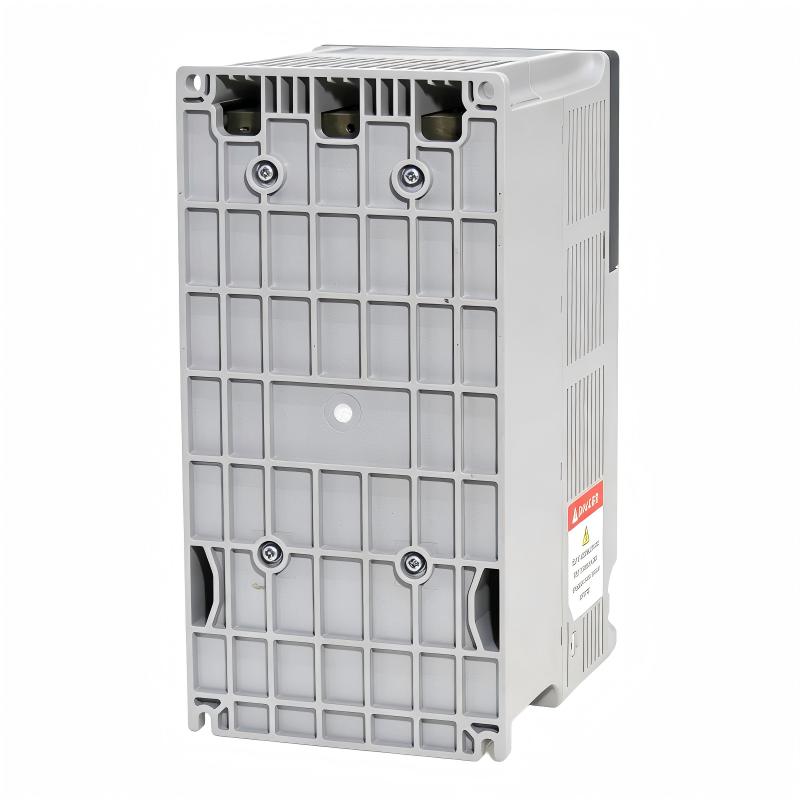
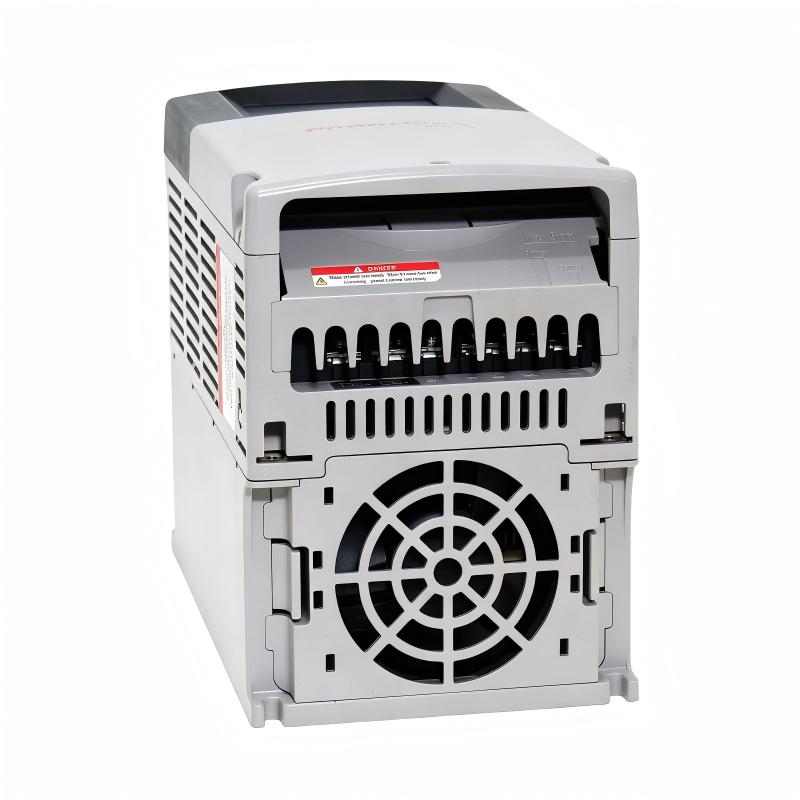
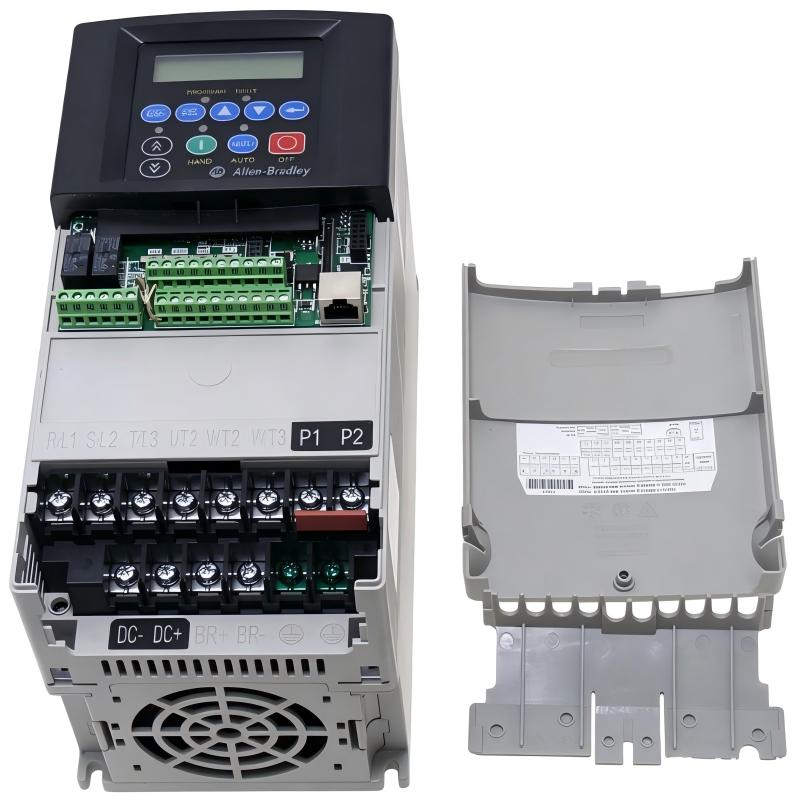
- Allen Bradley
- 22C-B049A103
- PowerFlex AC Drive
- USA
- 138 mm × 87 mm × 105 mm
- 4.1kg
- Xiamen, China
- New & In Stock
- T/T, PayPal, Western Union
- 1 Year
- 1-3 Working Days
- DHL, UPS, TNT, FedEx and EMS.
- 24-Hour Service
- COO
- 3
Our advantage

Global Logistics
We have a 10-year logistics and express cooperation agreement, so our products can be shipped to any place in the world.

Brand new and original
Our products are imported in bulk from the place of origin. Because of the cooperative relationship, our products are all original and 100% new.

24-hour service
We provide 7*24 hours service to our customers. We will be there whenever you need us.

Price advantage
All our products are priced very favorably because we have our own warehouse and supply.
| Company Information | |||
| [email protected] | |||
| Mobile | +8615980777398 | ||
| +8615980777398 | |||
| 15980777398 |
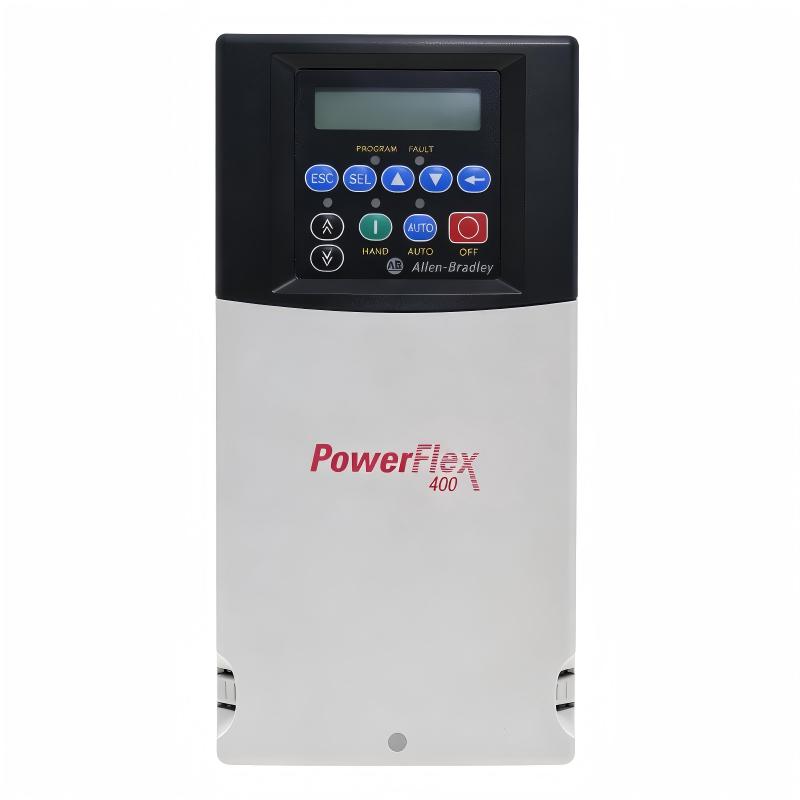
Allen-Bradley 22C-B049A103 AC Drive: Technical Specifications, Product Introduction, Applications, Advantages, and Related Models
1. Product Overview
The Allen-Bradley 22C-B049A103 is identified as a catalog number associated with the PowerFlex 400 variable-frequency drive family. This family is designed primarily for adjustable-speed control of AC motors in applications such as industrial fans, centrifugal pumps, ventilation equipment, and other compatible motor-driven systems.
A variable-frequency drive (VFD) regulates motor speed by adjusting the frequency and voltage supplied to the motor. In applications with changing airflow or fluid-flow requirements, this allows the equipment to operate according to actual demand rather than running continuously at full speed.
The PowerFlex 400 family is generally associated with fan and pump applications. However, the precise electrical specifications and physical dimensions for catalog number 22C-B049A103 have not been verified here. The technical tables below identify unconfirmed values clearly rather than presenting estimates as established product specifications.
2. Technical Parameters
| Parameter | Specification |
|---|---|
| Model | 22C-B049A103 |
| Brand | Allen-Bradley |
| Product series | PowerFlex 400 |
| Product type | Variable-frequency AC drive |
| Main function | Adjustable-speed control of compatible AC motors |
| Typical motor type | Three-phase AC induction motor, subject to compatibility |
| Input voltage | Exact model-specific rating not verified |
| Input phase | Exact configuration not verified |
| Output voltage | Depends on the drive voltage class and supply configuration |
| Rated output current | Not verified for this exact catalog number |
| Rated motor power | Not verified for this exact catalog number |
| Output frequency range | Not verified |
| Control method | Frequency and voltage regulation; specific operating modes require confirmation |
| Acceleration and deceleration | Drive-based ramp control, subject to supported functions |
| Overload capability | Must be confirmed against the model-specific technical documentation |
| Control terminals | Exact terminal configuration not verified |
| Communication interfaces | Exact built-in or optional interfaces not verified |
| Protection functions | Depend on the drive configuration and supported functions |
| Cooling method | Exact configuration not verified |
| Mounting method | Confirm using the model-specific installation drawing |
| Dimensions (W × H × D) | Not verified; dimensional drawing required |
| Net weight (kg) | Not verified; confirm from the nameplate or technical datasheet |
| Typical installation | Industrial control panel or suitable enclosure, subject to installation requirements |
| Typical applications | Fans, pumps, ventilation, and compatible motor-driven equipment |
Specification note: The exact rated current and motor-power rating are essential when selecting this drive. Dimensions and weight are equally important for cabinet layout, mounting support, shipping, and maintenance planning. These values should be taken from documentation for the exact catalog number, not inferred from another model in the same family.
3. Detailed Product Introduction
3.1 Operating Principle
The 22C-B049A103 is associated with the PowerFlex 400 variable-frequency drive family. A VFD controls the operating speed of an AC motor by varying the frequency of its electrical output.
In a conventional fixed-speed system, the motor generally operates at a speed determined by its design, supply frequency, and mechanical load. When the process requires a different output, operators may need to adjust valves, dampers, or other mechanical components.
A variable-frequency drive offers an electronic method of adjusting motor speed. When properly selected and configured, it can help match the motor’s output to changing process requirements.
3.2 Motor Speed Regulation
Adjustable-speed operation is particularly useful where equipment demand varies throughout the day. A ventilation fan may need to deliver different airflow levels depending on production conditions, while a pump may need to accommodate changes in flow or pressure.
By adjusting the motor’s operating frequency, a compatible drive can regulate equipment speed and help achieve the required operating point. The achievable performance depends on the motor, the mechanical load, the control strategy, and the drive’s specifications.
3.3 Starting and Stopping Control
A properly configured variable-frequency drive can control acceleration and deceleration through programmed ramps. This helps avoid unnecessarily abrupt speed changes in suitable applications.
Controlled starting can reduce sudden mechanical loading on compatible fans, pumps, and other equipment. However, the appropriate ramp settings depend on load inertia, process requirements, and the capabilities of the specific drive.
3.4 Industrial Automation Integration
Variable-frequency drives are commonly integrated into industrial control panels alongside programmable controllers, sensors, motor protection devices, and operator interfaces.
Depending on the interfaces supported by the specific model, operating commands and speed references can be supplied locally or through an external control system. The exact terminal configuration and communication options for the 22C-B049A103 should be confirmed before designing the control circuit.
3.5 Suitability for Fan and Pump Applications
The PowerFlex 400 family is generally associated with variable-speed fan and pump applications. These systems often benefit from adjusting output to match actual demand.
For example, reducing the speed of a suitable centrifugal fan or pump can reduce the power required by the equipment. The actual savings depend on the load characteristics, operating hours, mechanical system design, and control strategy.
4. Product Applications
4.1 Industrial Ventilation Systems
Industrial ventilation systems frequently operate under changing airflow requirements. Adjustable-speed fan control can help maintain appropriate ventilation while avoiding unnecessary full-speed operation when demand is lower.
Potential applications include factory ventilation, equipment-room cooling, industrial exhaust systems, and general air-handling equipment.
The selected drive must be compatible with the fan motor and suitable for the electrical and environmental conditions at the installation site.
4.2 Centrifugal Pump Systems
Centrifugal pumps are widely used in industrial water circulation, utility systems, and process-fluid applications. Their required flow rates can change according to production demand.
A compatible variable-frequency drive can regulate pump speed to help meet flow or pressure requirements. This may improve operational flexibility and provide energy-saving opportunities in suitable installations.
Before selecting a drive, check motor current, supply voltage, pump characteristics, minimum operating speed, and any pressure-control requirements.
4.3 HVAC Equipment
Heating, ventilation, and air-conditioning systems may use variable-speed motors in fans, pumps, and air-handling equipment.
A suitable drive can help the equipment respond to changing heating and cooling demand. Depending on the system design, adjustable-speed control may also reduce energy consumption during periods of reduced demand.
Compatibility with the HVAC equipment, control signals, and environmental requirements should be confirmed before installation.
4.4 Industrial Water Circulation
Water circulation systems often operate at different flow rates throughout a production cycle. A variable-frequency drive can help adjust pump speed to meet changing demand when the pump, motor, and control arrangement support this operating method.
Typical examples include industrial cooling-water systems, utility-water circulation, and compatible process-water applications.
Applications involving critical pressure, temperature, or flow requirements should include appropriate feedback, monitoring, and protection arrangements.
4.5 General Motor-Driven Equipment
Other compatible industrial equipment may benefit from adjustable-speed operation and controlled motor starting.
However, the PowerFlex 400 family should not automatically be assumed suitable for every industrial motor application. High starting torque, frequent braking, heavy inertia, and demanding constant-torque loads may require a drive with different ratings or capabilities.
5. Product Advantages
5.1 Flexible Motor-Speed Adjustment
A variable-frequency drive allows motor speed to be adjusted according to the process requirement. This is useful where the output of a fan or pump needs to change throughout the operating cycle.
5.2 Potential Energy Savings
In suitable centrifugal fan and pump applications, reducing motor speed can substantially reduce power consumption. The actual benefit depends on the equipment’s load characteristics, operating hours, system design, and required output.
Energy savings should be evaluated for the actual installation rather than assumed from the use of a drive alone.
5.3 Controlled Acceleration and Deceleration
Programmable speed ramps can help reduce abrupt mechanical changes during startup and stopping. This may reduce mechanical shock on compatible equipment and improve operating smoothness.
5.4 Improved Process Flexibility
Adjustable-speed control can help equipment respond to changing airflow, fluid-flow, or other process demands without relying entirely on mechanical adjustments.
5.5 Automation-System Integration
Where the required interfaces are supported, a variable-frequency drive can be incorporated into a wider industrial control system. This can allow motor operation to be coordinated with sensors, controllers, and operator commands.
The precise interfaces and functions available on this model must be confirmed before integration.
5.6 Potential Reduction in Mechanical Stress
In suitable applications, controlled acceleration and reduced reliance on abrupt starts may help limit mechanical stress on connected equipment. The effect depends on the installation, load characteristics, and drive settings.
5.7 More Adaptable Equipment Operation
A variable-frequency drive can allow a motor-driven system to operate at different speeds as conditions change. This may improve the adaptability of ventilation, circulation, and other compatible systems.
5.8 Easier Technical Identification and Maintenance Planning
Accurate catalog-number identification helps maintenance personnel confirm electrical compatibility, installation requirements, and replacement options.
Before replacing an existing drive, compare the complete model designation, rated current, input voltage, mounting dimensions, terminal arrangement, and required control functions.
6. Brand and Product Series
| Item | Description |
|---|---|
| Model | 22C-B049A103 |
| Brand | Allen-Bradley |
| Product series | PowerFlex 400 |
| Product category | Variable-frequency AC drive |
| Main purpose | Adjustable-speed AC motor control |
| Typical applications | Fans, pumps, ventilation, and compatible motor-driven systems |
| Primary selection criteria | Supply voltage, rated current, motor power, overload requirements |
| Installation considerations | Dimensions, mounting arrangement, cooling clearance, and weight |
| Control considerations | Command source, speed reference, feedback, and communication requirements |
| Replacement considerations | Exact catalog number, electrical ratings, terminal arrangement, accessories, and parameter compatibility |
The product family is associated with fan and pump motor-control applications. The family designation alone does not establish the exact electrical ratings or mechanical specifications of the 22C-B049A103.
7. Five Related Models for Comparison
The following catalog numbers are preliminary comparison candidates from the broader product range. Their exact relationship to the 22C-B049A103 has not been verified. They should not be treated as confirmed members of the same series or as direct replacements.
| Model | Product family or classification | Typical application | Rated output current | Rated motor power | Dimensions (W × H × D) | Weight (kg) |
|---|---|---|---|---|---|---|
| 22C-B049A103 | PowerFlex 400 | Fan and pump control | Not verified | Not verified | Not verified | Not verified |
| 20BP105A0ANNANC1 | Exact family unverified | Industrial drive application, subject to confirmation | Not verified | Not verified | Not verified | Not verified |
| 20BP140A0ANNANC0 | Exact family unverified | Industrial drive application, subject to confirmation | Not verified | Not verified | Not verified | Not verified |
| 20BP170A0ANNANC0 | Exact family unverified | Industrial drive application, subject to confirmation | Not verified | Not verified | Not verified | Not verified |
| 20BP205A0ANNANC0 | Exact family unverified | Industrial drive application, subject to confirmation | Not verified | Not verified | Not verified | Not verified |
| 20BP260A0ANNANC0 | Exact family unverified | Industrial drive application, subject to confirmation | Not verified | Not verified | Not verified | Not verified |
These models are listed for preliminary catalog comparison only. Their exact series, electrical ratings, dimensions, and weights require individual verification.
For a replacement project, the most reliable starting point is the existing drive’s nameplate, the motor’s electrical data, and the available installation space.
8. Five Other Models from the Same Brand
The following models belong to other variable-frequency drive families and may be worth considering when evaluating different motor-control requirements. They are not necessarily interchangeable with the PowerFlex 400 model.
| Model | Product series | General application category | Rated output current | Rated motor power | Dimensions (W × H × D) | Weight (kg) |
|---|---|---|---|---|---|---|
| 20G11ND077AA0NNNNN | PowerFlex 755 | General industrial motor control | Not verified | Not verified | Not verified | Not verified |
| 20F11NC060JA0NNNNN | PowerFlex 700 | Industrial AC motor control | Not verified | Not verified | Not verified | Not verified |
| 25B-D017N104 | PowerFlex 525 | Compact variable-frequency drive applications | Not verified | Not verified | Not verified | Not verified |
| 22B-D012N104 | PowerFlex 40 | Compact industrial motor-speed control | Not verified | Not verified | Not verified | Not verified |
| 22F-D013N104 | PowerFlex 4M | Basic compact AC motor-speed control | Not verified | Not verified | Not verified | Not verified |
These product families serve different application requirements and may differ in control capabilities, electrical ratings, communication options, and physical size.
The most suitable alternative depends on the required motor power, supply voltage, output current, overload capacity, control interface, and available mounting space. A model should not be selected as a replacement based on its brand or product-family name alone.
9. Installation and Selection Considerations
9.1 Electrical Supply Compatibility
Confirm the supply voltage and phase configuration before installation. The drive must be suitable for the available electrical supply and the motor being controlled.
9.2 Motor Current and Power
Use the motor nameplate to verify rated voltage, current, power, and frequency. The selected drive must support the motor’s required current under the actual operating conditions.
9.3 Load and Overload Requirements
Evaluate the starting torque, acceleration profile, load inertia, and operating duty. Applications with frequent starts, demanding acceleration, or heavy loads may require a drive with specific overload capabilities.
9.4 Physical Dimensions
Obtain the dimensional drawing for the exact catalog number. Confirm the width, height, depth, mounting-hole positions, cable entry, and required ventilation clearances before designing the control panel.
9.5 Net Weight
Confirm the actual net weight in kilograms for cabinet loading, mounting support, shipping, and handling. Do not estimate the weight from another drive in the same family.
9.6 Control and Communication Requirements
Check whether the installation requires local control, external start and stop commands, analog speed references, feedback signals, or network communication. The selected drive must support the required control arrangement.
9.7 Environmental Conditions
Ambient temperature, humidity, altitude, dust, and enclosure requirements can affect drive suitability. Installation must comply with the requirements for the exact model and operating environment.
10. Conclusion
The Allen-Bradley 22C-B049A103 is associated with the PowerFlex 400 variable-frequency drive family, which is intended for adjustable-speed motor-control applications, particularly fans, pumps, and ventilation systems.
Its potential benefits include flexible motor-speed adjustment, controlled acceleration and deceleration, improved process adaptability, and possible energy savings in suitable variable-torque applications.
For purchasing, maintenance, or replacement purposes, the key details to confirm are the input-voltage class, rated output current, motor-power rating, overload capability, supported control interfaces, physical dimensions, and net weight in kilograms.
Because the exact model-specific values have not been verified here, the tables deliberately mark these fields as unverified rather than supplying potentially misleading figures. The product nameplate and model-specific dimensional documentation should be used to complete the technical record before installation or replacement.