

ProductPRODUCT
Featured products
Contact Us
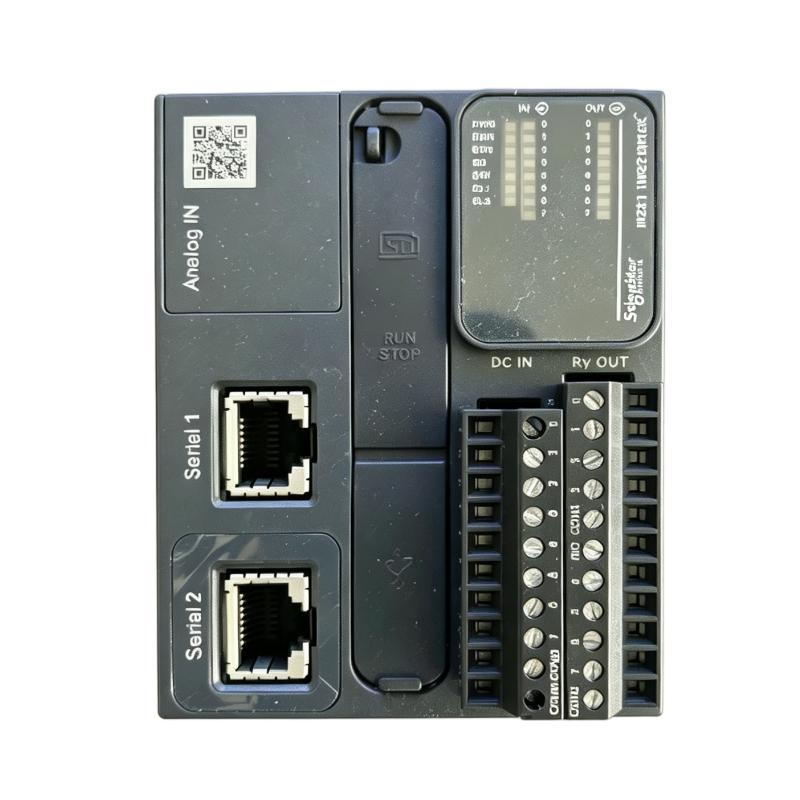
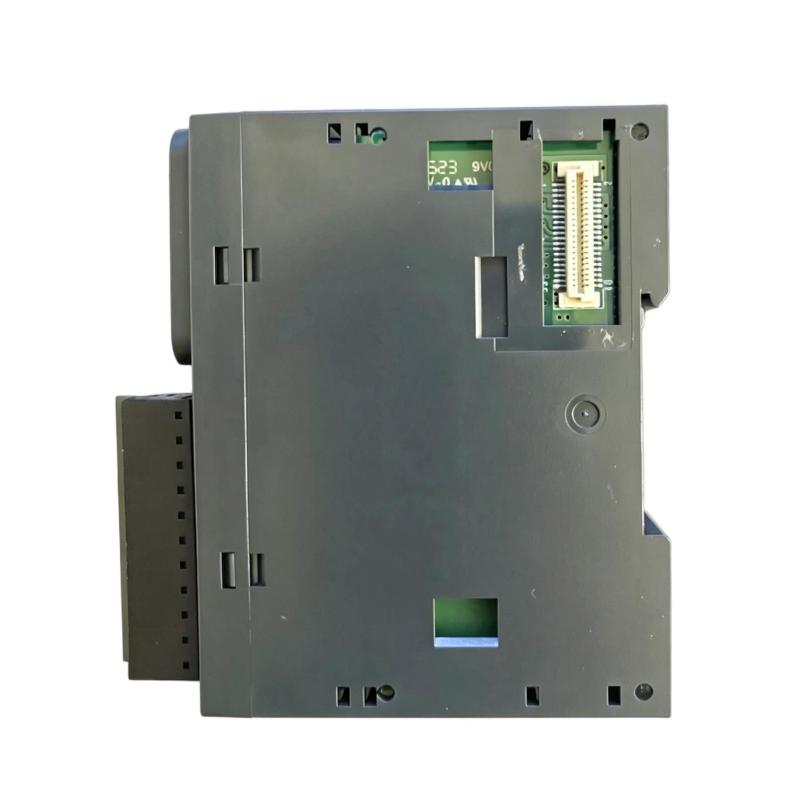
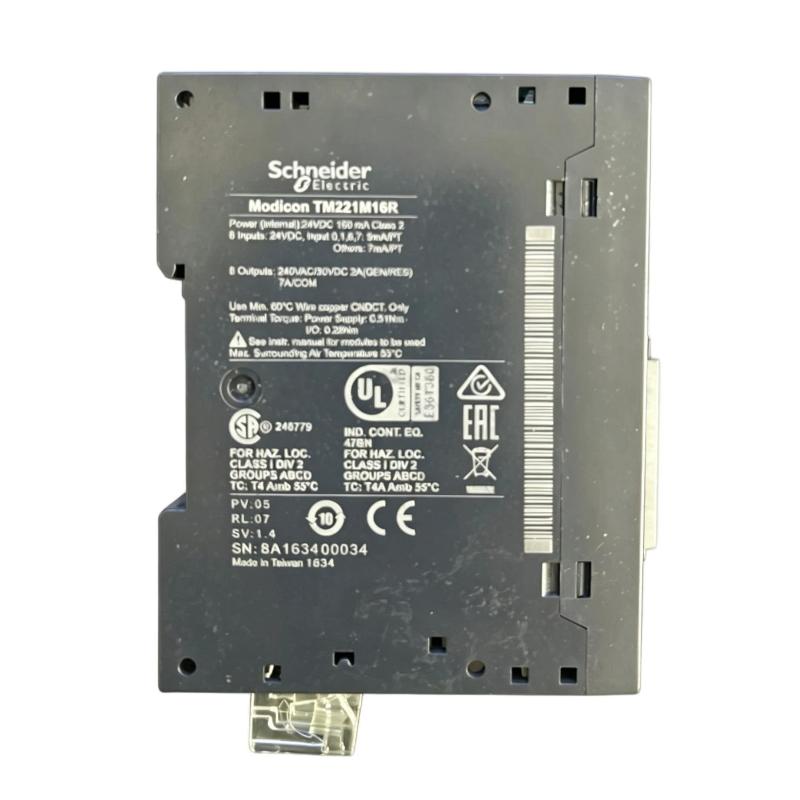
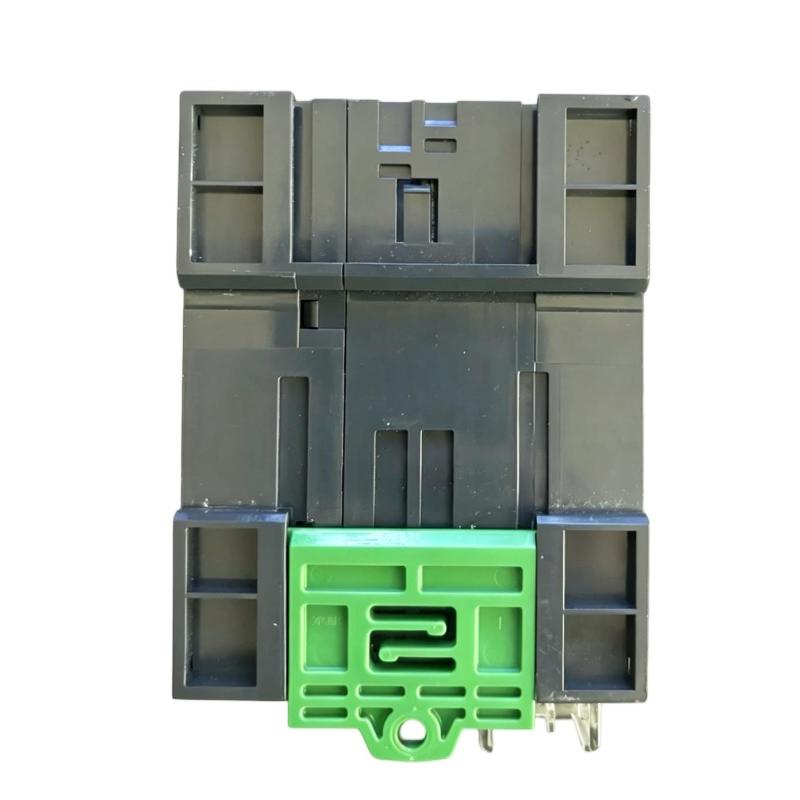
- Schneider
- TM221M16RG
- Logic Controller
- France
- 90 × 70 × 70 mm
- 0.264 kg
- Xiamen, China
- New & In Stock
- T/T, PayPal, Western Union
- 1 Year
- 1-3 Working Days
- DHL, UPS, TNT, FedEx and EMS.
- 24-Hour Service
- COO
- 52
Our advantage

Global Logistics
We have a 10-year logistics and express cooperation agreement, so our products can be shipped to any place in the world.

Brand new and original
Our products are imported in bulk from the place of origin. Because of the cooperative relationship, our products are all original and 100% new.

24-hour service
We provide 7*24 hours service to our customers. We will be there whenever you need us.

Price advantage
All our products are priced very favorably because we have our own warehouse and supply.
| Company Information | |||
| [email protected] | |||
| Mobile | +8615980777398 | ||
| +8615980777398 | |||
| 15980777398 |
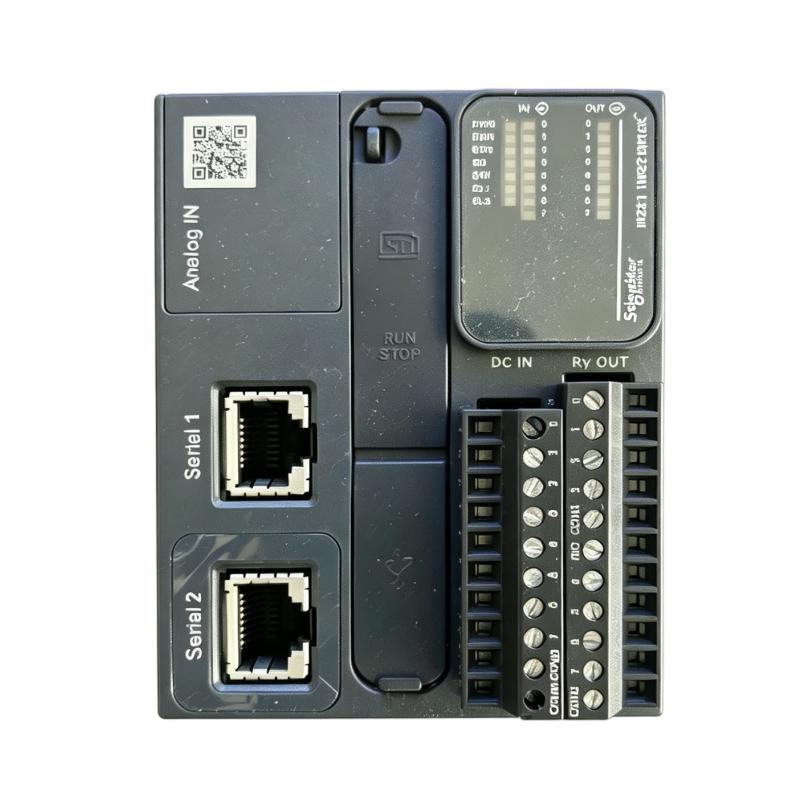
Product Overview
The Schneider TM221M16RG Modicon M221 Logic Controller is a compact machine controller within the Modicon M221 family. It is intended for applications that require a PLC to coordinate sensors, actuators, machine sequences, and operating interlocks from a central control program.
The controller can be used as the logic-processing core of a machine, receiving field conditions, executing programmed instructions, and updating control outputs according to the current operating state.
A typical control arrangement is:
Field Devices → TM221M16RG → Actuators / Drives → Machine
It can also be integrated with HMI equipment and other automation devices where operator control, machine-status visualization, or device-level communication is required.
Technical Specifications
| Parameter | Specification |
|---|---|
| Manufacturer | Schneider Electric |
| Model | TM221M16RG |
| Product Family | Modicon M221 |
| Product Type | Logic Controller |
| Main Function | Machine Logic Control |
| Application | Industrial Machine Automation |
| Dimensions | 90 × 70 × 70 mm |
| Weight | 0.264 kg |
Main Features
The TM221M16RG is suited to compact automation systems where the PLC needs to execute machine logic without occupying excessive cabinet space.
- Modicon M221 Logic Controller
- Designed for machine-level automation
- Executes programmed control sequences
- Processes field input conditions
- Controls connected machine outputs
- Supports machine interlocking and sequencing
- Suitable for OEM machinery
- Can be integrated with HMI and other automation equipment
- Compact PLC construction
- Suitable for control cabinet applications
- Dimensions of 90 × 70 × 70 mm
- Weight of 0.264 kg
Working Principle
The TM221M16RG follows the standard PLC control cycle of reading inputs, processing the application program, and updating outputs.
The operating sequence can be represented as:
Field Signal → Input Processing → PLC Logic → Output Command
Suppose a sensor detects a component entering an assembly station. The controller reads the sensor state and checks the programmed conditions for that station.
If the required interlocks are satisfied, the controller can issue an output command to an actuator. Feedback from the machine is then monitored during subsequent cycles, allowing the PLC to continue the sequence or stop the operation when an abnormal condition is detected.
This cyclic processing gives the machine a repeatable operating sequence and allows different devices to work together under a common control program.
Machine Control Architecture
The TM221M16RG can be positioned at the center of a compact machine-control system.
A basic architecture is:
Sensors / Switches → M221 Controller → Actuators
Additional equipment can be connected around the PLC:
HMI ↔ PLC ↔ Drives / Field Devices
Typical devices include:
- Proximity switches
- Photoelectric sensors
- Limit switches
- Push buttons
- Pressure switches
- Solenoid valves
- Contactors
- Motor-control equipment
- Variable frequency drives
- Servo systems
- Operator panels
The application program defines the relationship between these devices, allowing the controller to manage machine startup, normal operation, sequence transitions, fault conditions, and shutdown.
I/O and Communication Integration
For a complete M221 installation, the controller should be selected according to the machine’s signal and communication requirements.
Key engineering considerations include:
- Number of required input points
- Number of required output points
- Input and output signal characteristics
- Communication requirements
- HMI connection
- Drive integration
- Expansion requirements
- Network structure
- Safety-control interfaces
For example, a small automated handling machine may use sensors for product detection, outputs for pneumatic valves, and a drive for conveyor movement. The controller coordinates these functions according to the programmed sequence.
Where external communication or expansion modules are required, compatibility should be confirmed before installation.
Industrial Applications
The TM221M16RG can be used in a variety of compact machine-control applications.
| Application | Typical Control Function |
|---|---|
| Packaging Machines | Sequence and actuator control |
| Conveyor Equipment | Sensor and motor coordination |
| Assembly Machines | Automated process sequencing |
| Material Handling | Position and movement logic |
| Pump Systems | Start/stop and interlocking |
| Small Production Equipment | Central PLC control |
| Processing Machinery | Sequence management |
| OEM Machines | Machine logic execution |
| Automated Handling | Sensor and actuator coordination |
| Auxiliary Systems | Equipment control |
Its compact form makes it suitable for machines where the PLC must fit into a space-conscious control cabinet.
Programming and Commissioning
The controller should be commissioned in stages to verify both the PLC and the connected machine.
A practical sequence is:
Power-Up → Input Check → Output Check → Communication → Interlock Test → Automatic Cycle
First, confirm that the controller powers up normally and that input states correspond to the physical condition of the machine.
Next, test individual outputs and verify actuator responses. Communication with HMI equipment, drives, or other connected devices should then be checked.
Before automatic operation, verify:
- Start and stop logic
- Sensor feedback
- Output response
- Machine interlocks
- Fault handling
- Operator commands
- Sequence transitions
- Shutdown behavior
Only after these functions have been verified should the complete automatic cycle be tested.
Installation and Maintenance
Before installing the TM221M16RG, verify the controller model and the electrical requirements of the complete machine.
Recommended maintenance checks include:
- Confirm the exact TM221M16RG model.
- Verify power connections.
- Check cabinet mounting.
- Inspect field wiring.
- Verify I/O connections.
- Check communication wiring.
- Back up the application program.
- Record important PLC configuration parameters.
- Inspect terminals and connectors for damage or looseness.
When replacing an existing controller, preserve the application program and relevant configuration information whenever possible.
After replacement, check PLC startup, field I/O, communication, interlocks, and automatic machine operation before returning the equipment to production.
Related Components
| Component | Function |
|---|---|
| HMI | Operator control and visualization |
| Digital Sensors | Machine-position and status feedback |
| Analog Sensors | Process measurement |
| Variable Frequency Drive | Motor speed control |
| Servo Drive | Precision motion control |
| Contactor | Motor switching |
| Solenoid Valve | Pneumatic or hydraulic control |
| Remote I/O | Distributed signal handling |
| Safety Controller | Safety-related machine functions |
| Industrial Network | Device and controller communication |
The final component selection depends on the machine’s I/O structure, motion requirements, safety design, and communication needs.
Recommended Related Models
| Model | Product Type | Main Function | Typical Application |
|---|---|---|---|
| Schneider TM221M16RG | Modicon M221 Logic Controller | Machine logic control | Compact machine automation |
| Schneider TM221CE16T | Modicon M221 Logic Controller | Machine logic control | General machine automation |
| Schneider TM221CE24T | Modicon M221 Logic Controller | Machine logic control | Machine control |
| Schneider TM221CE40T | Modicon M221 Logic Controller | Machine logic control | Larger machine automation |
| Schneider TM221CE16R | Modicon M221 Logic Controller | PLC control | Compact OEM machinery |
| Schneider TM221CE24R | Modicon M221 Logic Controller | PLC control | General OEM applications |
Model selection should take into account the required I/O configuration, output characteristics, communication functions, and machine architecture.
Key Advantages
- Modicon M221 PLC architecture
- Suitable for compact machine automation
- Centralizes sequence and interlock control
- Coordinates field devices and actuators
- Suitable for OEM machinery
- Can integrate with HMI and drive equipment
- Supports repeatable automatic sequences
- Compact control-cabinet installation
- Suitable for machine-level PLC applications
- Dimensions of 90 × 70 × 70 mm
- Weight of 0.264 kg
Technical FAQs
What is the Schneider TM221M16RG used for?
The TM221M16RG is a Modicon M221 logic controller used to execute machine-control programs and coordinate field inputs, outputs, actuators, and other automation equipment.
What role does the TM221M16RG play in a machine-control system?
It acts as the central logic-processing unit. The controller receives machine-status information, evaluates the programmed logic, and generates output commands according to the current operating sequence.
Is the TM221M16RG suitable for compact control cabinets?
Yes. Its compact controller format makes it suitable for machine applications where cabinet space is limited while centralized PLC control is still required.
What should be verified before commissioning this controller?
The controller model, power supply, I/O wiring, field-device compatibility, communication connections, application program, and machine interlocks should all be checked. Individual functions should be tested before running the complete automatic sequence.