

ProductPRODUCT
Featured products



Contact Us
- Schneider
- STBAHI8321KC
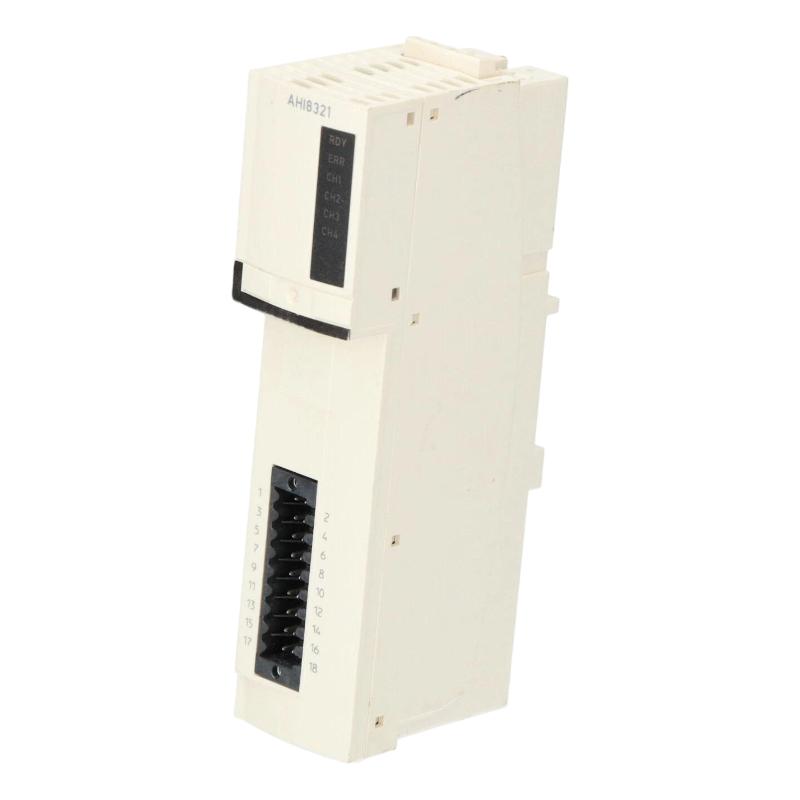
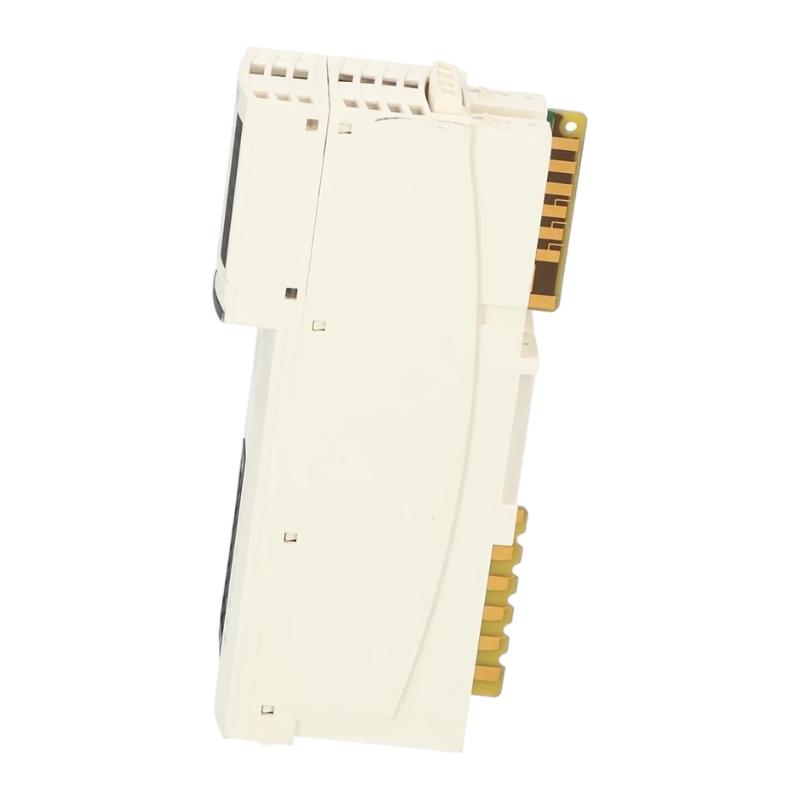
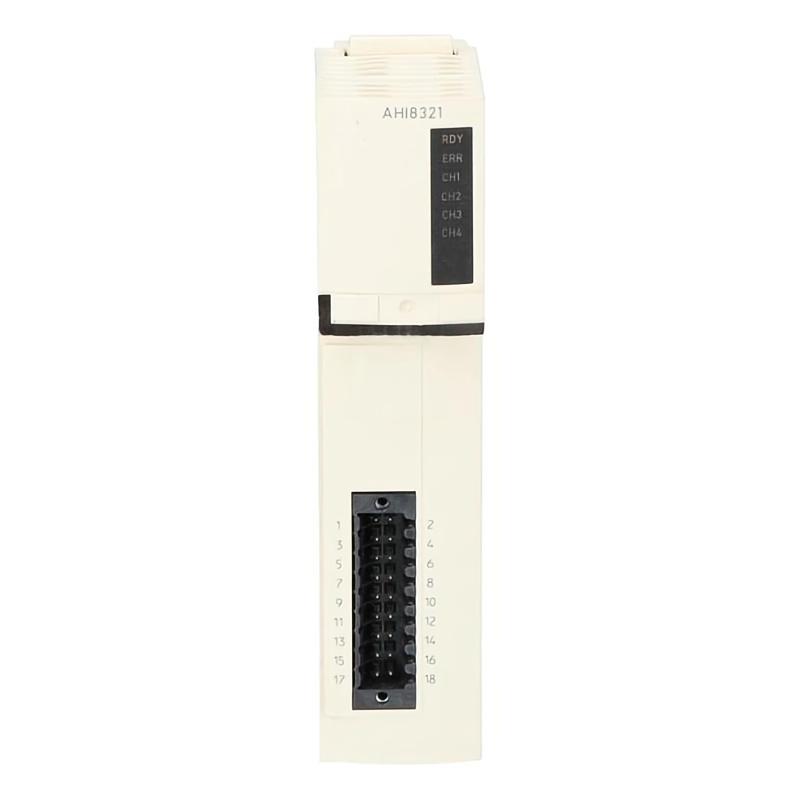
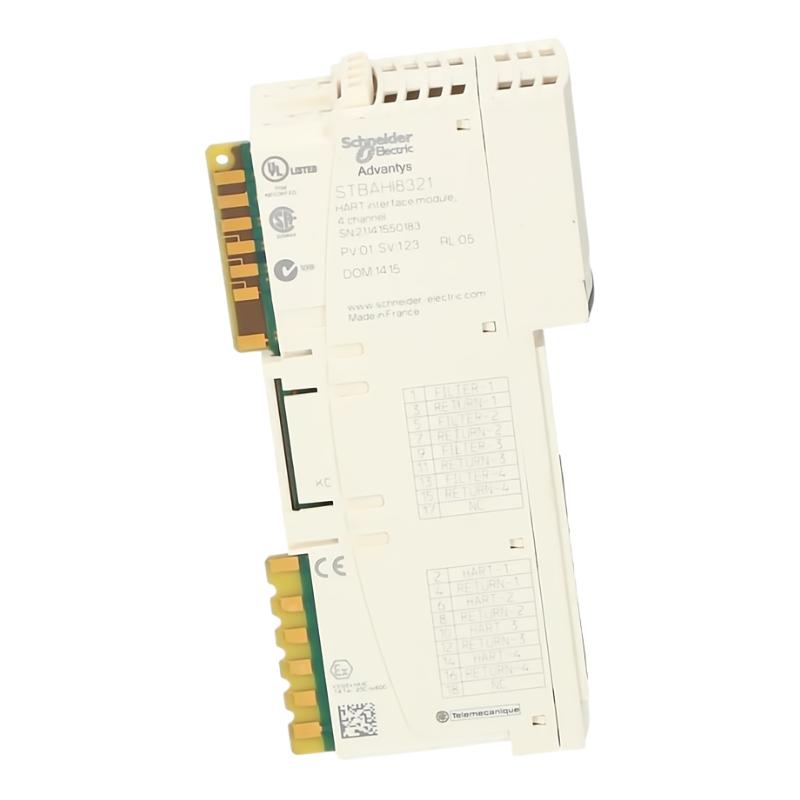
- HART Interface Module
- France
- 27.8 × 75.5 × 128.3 mm
- 0.11 kg
- Xiamen, China
- New & In Stock
- T/T, PayPal, Western Union
- 1 Year
- 1-3 Working Days
- DHL, UPS, TNT, FedEx and EMS.
- 24-Hour Service
- COO
- 13
Our advantage

Global Logistics
We have a 10-year logistics and express cooperation agreement, so our products can be shipped to any place in the world.

Brand new and original
Our products are imported in bulk from the place of origin. Because of the cooperative relationship, our products are all original and 100% new.

24-hour service
We provide 7*24 hours service to our customers. We will be there whenever you need us.

Price advantage
All our products are priced very favorably because we have our own warehouse and supply.
| Company Information | |||
| [email protected] | |||
| Mobile | +8615980777398 | ||
| +8615980777398 | |||
| 15980777398 |
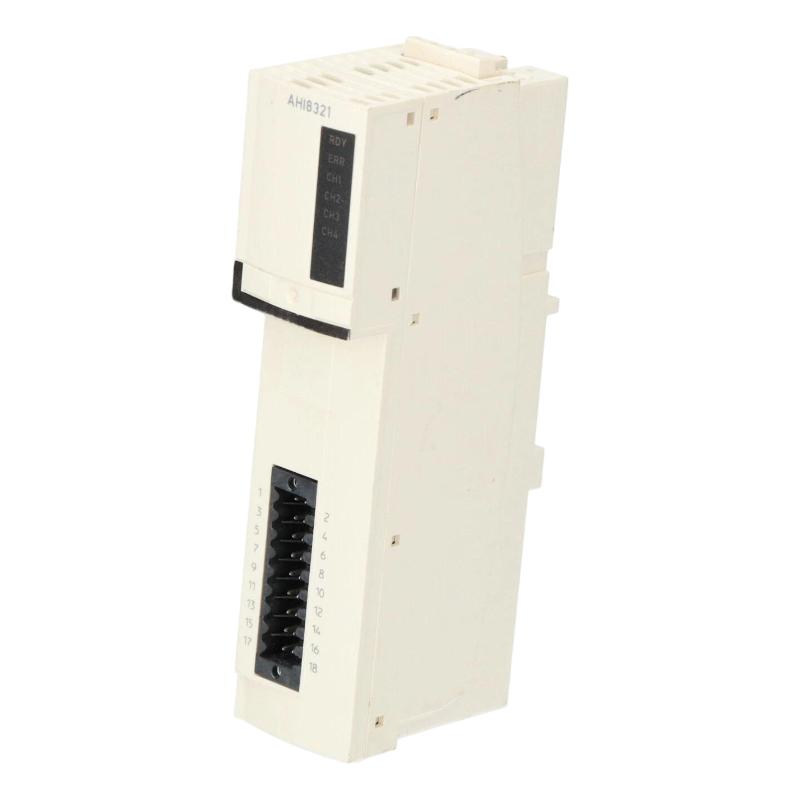
Product Overview
The Schneider STBAHI8321KC HART Interface Module is an industrial automation component identified for HART-related communication and instrumentation integration. HART, or Highway Addressable Remote Transducer, is a communication protocol used in process automation to exchange digital information with compatible field instruments while supporting conventional analog measurement architectures.
In industrial environments, smart transmitters and other compatible instruments may provide process measurements such as pressure, temperature, flow, and level. HART communication can supplement measurement signals with additional device information, depending on the instrument and system configuration. This information may include device identification, configuration parameters, diagnostic status, and other supported variables.
An interface module intended for HART applications can help connect compatible instrumentation with the wider automation system. Its precise role depends on the module’s electrical design, supported communication channels, host hardware, and engineering configuration. Before installation, the complete part number should be checked against the equipment documentation to confirm its exact function and compatibility.
The Schneider STBAHI8321KC has supplied dimensions of 27.8 × 75.5 × 128.3 mm and a listed weight of 0.11 kg. Its compact dimensions are useful for equipment identification, inventory planning, and preliminary installation-space assessment.
Technical Specifications
| Parameter | Specification |
|---|---|
| Manufacturer | Schneider Electric |
| Model / Part Number | STBAHI8321KC |
| Product Type | HART Interface Module |
| Product Category | Industrial Automation / Instrumentation Interface |
| Associated Protocol | HART; confirm supported implementation for the exact model |
| Primary Function | Interface for compatible HART-related instrumentation |
| Typical Signal Environment | Process instrumentation; verify electrical interface requirements |
| Dimensions | 27.8 × 75.5 × 128.3 mm |
| Weight | 0.11 kg |
| Installation | Verify the applicable mounting and host-system requirements |
| Typical Application Areas | Process monitoring, smart instrumentation, and industrial control |
| Host-System Compatibility | Confirm using the complete part number and system documentation |
The dimensions and weight above follow the supplied product information. Details such as channel count, supported analog signal ranges, isolation, connector assignments, baud-rate options, and specific controller compatibility should be confirmed using the documentation for the exact STBAHI8321KC variant.
What Is a HART Interface Module?
HART is a communication protocol designed to exchange digital information with compatible smart field instruments. In many conventional installations, a HART instrument uses a 4–20 mA analog signal to represent a primary process variable while superimposing digital communication on the same pair of conductors.
This arrangement can allow a control system to receive an analog measurement while also accessing additional information from a compatible instrument, provided that the complete signal path supports HART communication.
A HART interface module may serve as part of the communication path between field instrumentation and the automation system. The exact function varies by hardware design: some devices provide direct HART communication interfaces, while others rely on compatible analog I/O hardware and associated communication components.
For the STBAHI8321KC, the precise interface architecture should be verified before assigning wiring terminals, configuring channels, or selecting related components.
A simplified instrumentation path is:
Smart Field Instrument → Compatible Signal Interface → HART Communication Path → Control or Asset-Monitoring System
The actual arrangement depends on the module, the connected field devices, and the host automation platform.
Function and Working Principle
1. Connecting Compatible Field Instruments
Industrial process instruments are installed to measure or monitor physical variables. Depending on the instrument, its output may include an analog measurement signal and HART digital communication.
An appropriate interface allows the automation system to connect to these instruments without exceeding the electrical and communication limits of the installed hardware.
Before connecting a field instrument, engineers should confirm its output type, wiring requirements, power supply, and HART compatibility.
2. Supporting Digital Instrument Communication
HART communication can provide access to supported instrument information beyond the primary analog process measurement. This may include configuration data, device status, diagnostic information, and additional measured variables.
The interface hardware must support the required communication path. A device described as HART-related should not automatically be assumed to support every HART function or every field-instrument configuration.
3. Integration With Process Control
In a suitable control architecture, process measurements are used by the controller to monitor operating conditions and execute configured control logic. HART-related information can supplement these measurements by helping maintenance and engineering personnel assess the condition or configuration of compatible instruments.
The module’s contribution depends on its verified hardware role and the capabilities of the connected control system.
4. Instrument Diagnostics and Maintenance
Smart field instruments may report diagnostic information through HART communication. Where the complete system supports access to this data, maintenance personnel can use it to investigate instrument status, configuration issues, or measurement abnormalities.
This information can improve fault investigation, but it does not replace proper calibration, inspection, or verification of the physical process and instrument installation.
Role in Industrial Control Systems
A HART interface can form part of the instrumentation layer in an industrial automation architecture. It helps bridge compatible field devices and the systems responsible for process monitoring, control, and maintenance.
A typical process automation installation may include transmitters, analog I/O, communication interfaces, PLCs or distributed control systems, operator interfaces, and asset-monitoring tools.
| System Component | Typical Function |
|---|---|
| Smart Pressure Transmitter | Measures process pressure and may provide HART communication |
| Temperature Transmitter | Converts temperature measurements into supported output signals |
| Flow Transmitter | Provides flow measurement and, where supported, digital instrument data |
| Level Transmitter | Monitors liquid or material level |
| HART-Compatible Interface | Supports the required connection to compatible instruments |
| Analog I/O Hardware | Acquires or outputs analog signals according to its specifications |
| PLC or DCS Controller | Executes process logic and control strategies |
| HMI or Operator Station | Displays measurements, operating status, and alarms |
| Asset-Monitoring Software | Uses supported instrument data for maintenance and diagnostics |
The STBAHI8321KC should be assigned a specific role in this architecture only after its exact hardware identity and supported interface have been confirmed.
Industrial Applications
Process Measurement and Monitoring
HART-capable instrumentation is widely used where operators need reliable process measurements and access to additional device information. Applications may include pressure, temperature, flow, and level monitoring, subject to the capabilities of the installed instruments and interface hardware.
Chemical Processing
Chemical plants use smart transmitters to monitor process conditions across tanks, pipelines, reactors, and utility systems. Compatible digital instrument communication can assist with device configuration and diagnostics while the control system manages the process.
Water and Wastewater Treatment
Water-treatment facilities may use smart instruments to monitor flow, pressure, tank level, and other operating parameters. Where the installed instrumentation supports HART, digital communication can supplement the primary measurement and provide useful device-status information.
Oil and Gas Facilities
Oil and gas installations use process instrumentation across production, separation, storage, and utility operations. HART communication may support instrument configuration and maintenance when the associated devices and control architecture are compatible.
Power Generation and Utilities
Utility and power-generation facilities rely on process transmitters to monitor operating conditions. Compatible instrument communication can help maintenance personnel retrieve supported device information and investigate measurement problems.
General Industrial Automation
Manufacturing plants may integrate smart instrumentation into process skids, packaging utilities, fluid-handling systems, and other automated equipment. The suitability of the STBAHI8321KC for a particular installation depends on its confirmed interface specifications and host-system compatibility.
Installation and System Integration
Correct installation begins with confirming the module’s identity and its role in the host system. HART-related hardware may have specific electrical, wiring, mounting, and configuration requirements that cannot safely be inferred from the product name alone.
Verify the Complete Part Number
Check the equipment label for STBAHI8321KC and compare it with the installed system’s hardware records. Confirm the revision, product description, terminal layout, and intended application.
If the part number is being used as a replacement reference, verify that the existing module and proposed replacement have matching functions and supported interfaces.
Confirm Electrical Compatibility
Before connecting field devices, verify:
- Supported analog signal types and ranges, if applicable
- HART communication capability and implementation
- Power-supply requirements
- Terminal assignments and polarity
- Permitted field-device connections
- Isolation and grounding requirements
- Wiring and shielding recommendations
Do not assume that all HART-related modules use the same wiring or terminal arrangement. The exact hardware documentation should determine the installation method.
Plan Field Wiring
Instrument wiring should be routed and terminated according to the system design. Use appropriate cable types, shield termination methods, grounding practices, and separation from high-power conductors where required.
Loose connections, damaged insulation, unsuitable cable routing, or incorrect grounding can contribute to unstable measurements or communication problems.
Configure the Host System
Where configuration is required, verify that the engineering environment recognizes the correct hardware and that the associated channels or communication paths are assigned properly.
Check the configured device identity, signal mapping, and any supported communication parameters. Avoid using configuration settings from a different module variant without confirming that they apply to the installed unit.
Commission the Instrumentation Loop
After installation, verify the entire signal path. Confirm that the field instrument operates correctly, that the primary measurement reaches the controller as expected, and that HART communication is available if the system is intended to use it.
Record baseline measurements and diagnostic information. Any application involving protective or safety-related functions should follow the approved system design and validation procedures; ordinary instrumentation interfaces should not be assumed to provide a certified safety function.
Troubleshooting the STBAHI8321KC HART Interface
Communication or measurement problems should be investigated systematically. A failed reading may originate from the field instrument, wiring, power supply, analog interface, communication configuration, or host system rather than the interface module itself.
HART Communication Is Unavailable
Possible causes include:
- A field instrument that does not support the required HART function
- Incorrect wiring or terminal assignment
- Missing or unsuitable instrument power
- An incompatible interface arrangement
- Incorrect channel or communication configuration
- Electrical interference
- A damaged connector or cable
- A hardware fault
Begin by confirming the instrument’s capabilities and the intended wiring architecture. Then inspect the physical connections and verify the relevant system configuration.
Analog Measurement Is Incorrect
An incorrect analog reading may result from instrument calibration, an unsuitable signal range, wiring resistance, poor connections, incorrect channel configuration, or a fault in the measurement chain.
Compare the field instrument’s output with the expected value using an appropriate test method. Check the configuration and wiring before deciding that the interface module requires replacement.
Intermittent Communication
Intermittent communication can be associated with loose terminals, damaged cables, electrical interference, grounding problems, unstable power, or configuration issues.
Inspect the wiring and connectors, review diagnostic messages where available, and determine whether the problem affects one instrument or multiple channels. A fault affecting several devices may indicate a shared supply, wiring, or configuration issue.
Instrument Data Is Missing From the Control System
If the primary process measurement is available but digital instrument information is missing, verify that the installed hardware and software support the intended HART data path.
Check the interface configuration, instrument identity, communication settings, and system diagnostics. Not every system exposes all instrument data through the same interface or engineering environment.
Hardware Recognition or Configuration Fault
If the controller or engineering software reports a hardware fault, verify the complete part number, mounting arrangement, connectors, configuration selection, and supported host-system requirements.
Record diagnostic information before removing the module. Follow approved isolation and electrostatic-discharge procedures during inspection or replacement.
Maintenance Recommendations
Inspect Wiring and Connections
Check instrument cables, terminals, connectors, and shield terminations for damage, corrosion, looseness, or signs of overheating. Correct wiring problems according to the approved installation design.
Verify Field Instrument Condition
A communication interface cannot compensate for a faulty transmitter or an incorrectly installed sensing element. Confirm instrument power, calibration status, process connections, and measurement behavior when investigating abnormalities.
Review Diagnostic Records
Where supported, record recurring communication errors, instrument diagnostics, and measurement deviations. Trend information may help distinguish an intermittent electrical fault from a gradual change in instrument performance.
Maintain the Installation Environment
Keep the control cabinet within the specified environmental limits. Protect the hardware from excessive moisture, contamination, temperature, and vibration.
Document Changes
Record replacement details, wiring modifications, configuration changes, and commissioning results. Accurate documentation reduces uncertainty during future maintenance and helps ensure that replacement hardware is correctly identified.
Compatible System Components
A HART-related installation may contain several functional component types. The following table describes general roles rather than confirming direct compatibility with the STBAHI8321KC.
| Component Type | Typical Purpose |
|---|---|
| HART-Compatible Transmitter | Measures a process variable and supports HART communication |
| Analog Input Hardware | Acquires compatible analog measurements |
| HART Interface Hardware | Provides the required digital communication path |
| PLC or DCS Controller | Processes process measurements and executes control logic |
| Engineering Workstation | Supports system configuration and diagnostics |
| HMI or Operator Station | Displays process values and alarms |
| Instrument Power Supply | Provides power according to the field-device requirements |
| Terminal Blocks | Organize and distribute instrument wiring |
| Shielded Instrument Cable | Carries compatible signals while helping manage interference |
| Asset-Monitoring Application | Uses supported instrument data for maintenance activities |
The specific component models, mounting accessories, and software requirements must be verified against the complete part number and host-system documentation before procurement or installation.
Replacement and Procurement Considerations
When sourcing a replacement for the Schneider STBAHI8321KC HART Interface Module, check the original unit’s identification and confirm the proposed replacement’s electrical and functional compatibility.
Key checks include:
- Complete model and part number
- Product revision and hardware markings
- Intended interface function
- Supported field-device types
- Electrical signal requirements
- Connector and terminal arrangement
- Host-system compatibility
- Configuration and commissioning requirements
The supplied dimensions are 27.8 × 75.5 × 128.3 mm, and the listed weight is 0.11 kg. These values can support preliminary space planning and inventory management, but they do not establish electrical interchangeability.
If the module is being replaced in an operating system, document the existing wiring and configuration before removal. After installation, verify both the intended measurement path and any HART communication functions used by the application.
Key Advantages
Support for Smart Instrumentation
In a compatible system, HART-related interfaces can help integrate digital instrument information into process automation and maintenance workflows.
Improved Diagnostic Access
Where the complete system supports the relevant functions, digital communication may provide access to additional instrument status and configuration information.
Integration With Process Monitoring
HART-enabled instrumentation can supplement conventional process measurements with supported digital data, helping operators and maintenance teams understand instrument conditions.
Compact Physical Dimensions
The supplied dimensions of 27.8 × 75.5 × 128.3 mm and weight of 0.11 kg provide useful physical reference information for installation planning.
Support for Maintenance Workflows
When integrated with suitable instrumentation and software, HART communication can help technicians investigate device configuration and diagnostic information without relying exclusively on the primary process value.
Technical FAQs
What is the Schneider STBAHI8321KC?
It is identified in the supplied product description as a HART Interface Module associated with industrial instrumentation and automation integration. Its exact interface role should be verified against the complete product documentation.
What does HART communication do?
HART is a communication protocol used by compatible smart field instruments to exchange digital information. In many installations, it operates alongside a conventional 4–20 mA analog measurement signal.
What are the dimensions of the STBAHI8321KC?
The supplied dimensions are 27.8 × 75.5 × 128.3 mm.
What is the listed weight?
The supplied weight is 0.11 kg.
Can the module communicate with every HART transmitter?
Compatibility depends on the module’s supported interface, the transmitter, the wiring arrangement, and the host system. Confirm the supported configuration before connecting equipment.
Does HART replace the analog measurement signal?
Not necessarily. In many common installations, HART digital communication supplements a 4–20 mA analog signal. The actual arrangement depends on the instrument and interface hardware.
What can cause HART communication failure?
Common causes include incorrect wiring, unsuitable power, unsupported instrumentation, configuration errors, electrical interference, damaged cables, or a fault in the communication path.
Can another Schneider Electric module replace the STBAHI8321KC?
A different module should not be assumed to be interchangeable based on brand or physical dimensions. Verify the exact function, electrical characteristics, supported system, and configuration requirements before replacement.
Conclusion
The Schneider STBAHI8321KC HART Interface Module is identified as an industrial automation component for HART-related instrumentation integration. In an appropriately configured system, HART communication can supplement conventional process measurements with supported digital information, helping operators and maintenance personnel monitor smart instruments and investigate device conditions.
With supplied dimensions of 27.8 × 75.5 × 128.3 mm and a listed weight of 0.11 kg, the module has a compact physical profile for equipment identification and installation planning. Reliable operation depends on confirming the exact hardware identity, ensuring electrical compatibility, following the correct wiring arrangement, and validating the complete signal and communication path during commissioning.
For procurement, installation, and replacement work, verify the complete STBAHI8321KC part number and its applicable specifications before connecting it to field instrumentation or a control system.