

ProductPRODUCT
Featured products
Contact Us
- Schneider
- MT06NA
- Circuit Breaker
- France
- 301 x 196 x 276 mm
- 14 kg
- Xiamen, China
- New & In Stock
- T/T, PayPal, Western Union
- 1 Year
- 1-3 Working Days
- DHL, UPS, TNT, FedEx and EMS.
- 24-Hour Service
- COO
- 4
Our advantage

Global Logistics
We have a 10-year logistics and express cooperation agreement, so our products can be shipped to any place in the world.

Brand new and original
Our products are imported in bulk from the place of origin. Because of the cooperative relationship, our products are all original and 100% new.

24-hour service
We provide 7*24 hours service to our customers. We will be there whenever you need us.

Price advantage
All our products are priced very favorably because we have our own warehouse and supply.
| Company Information | |||
| [email protected] | |||
| Mobile | +8615980777398 | ||
| +8615980777398 | |||
| 15980777398 |
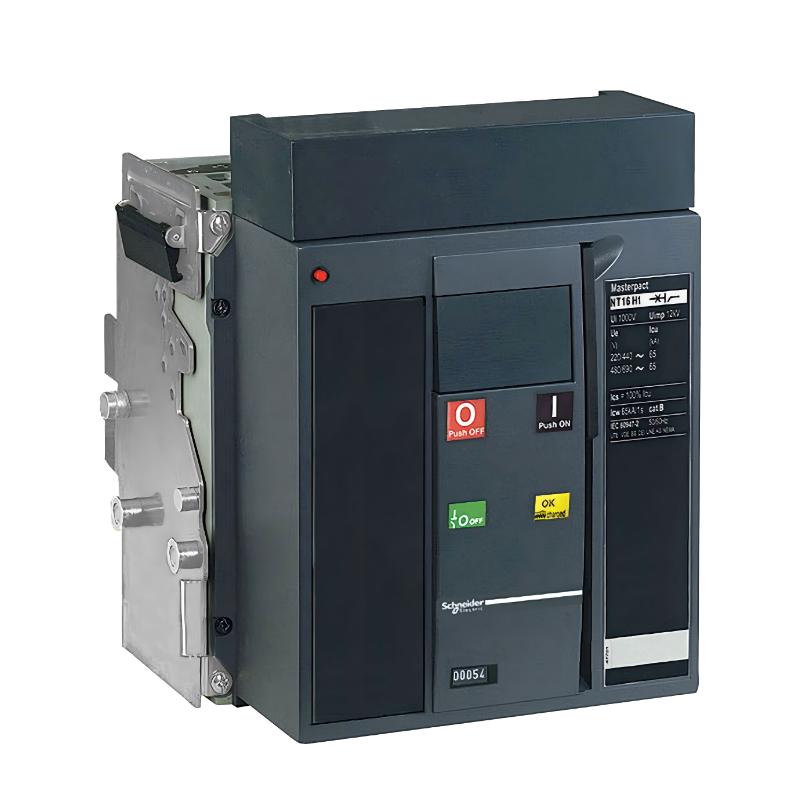
Product Overview
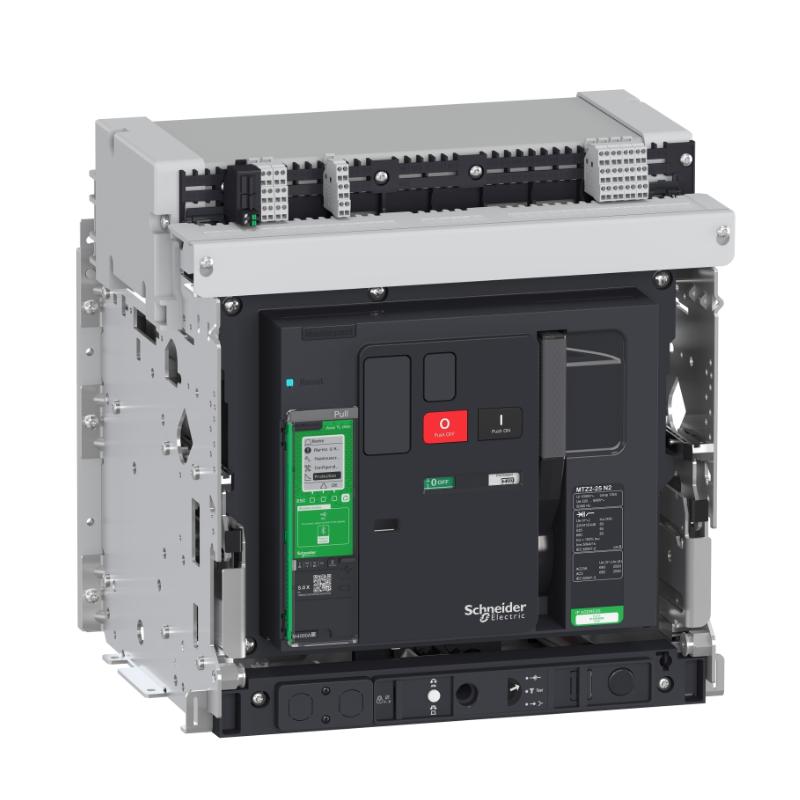
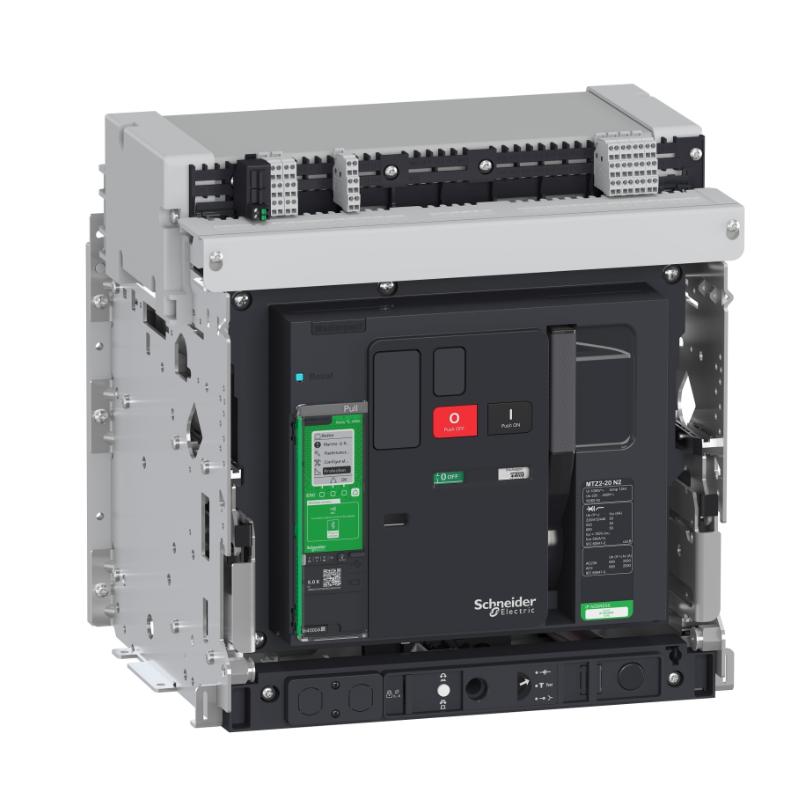
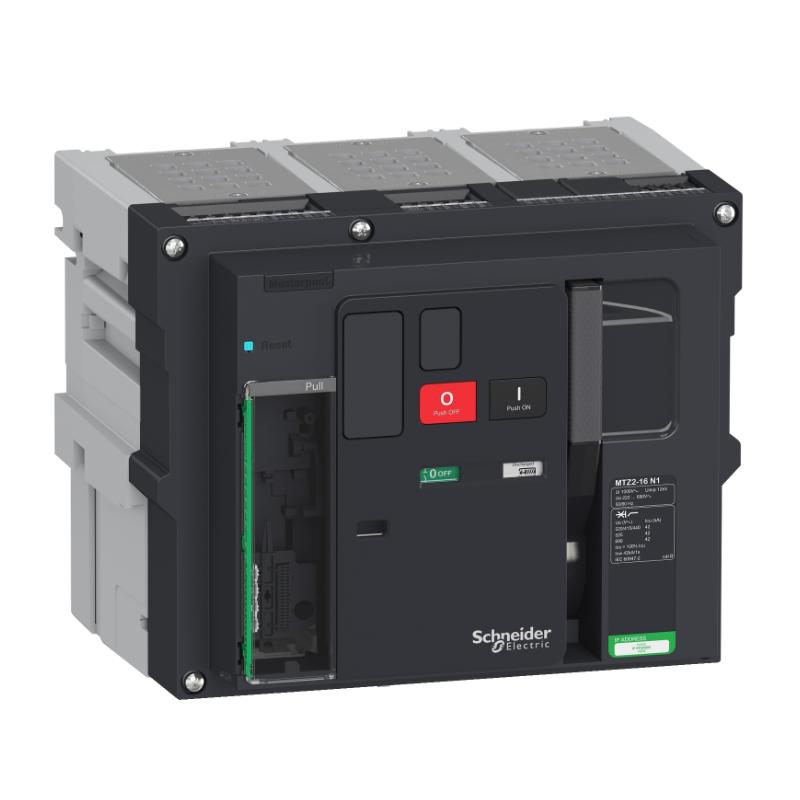
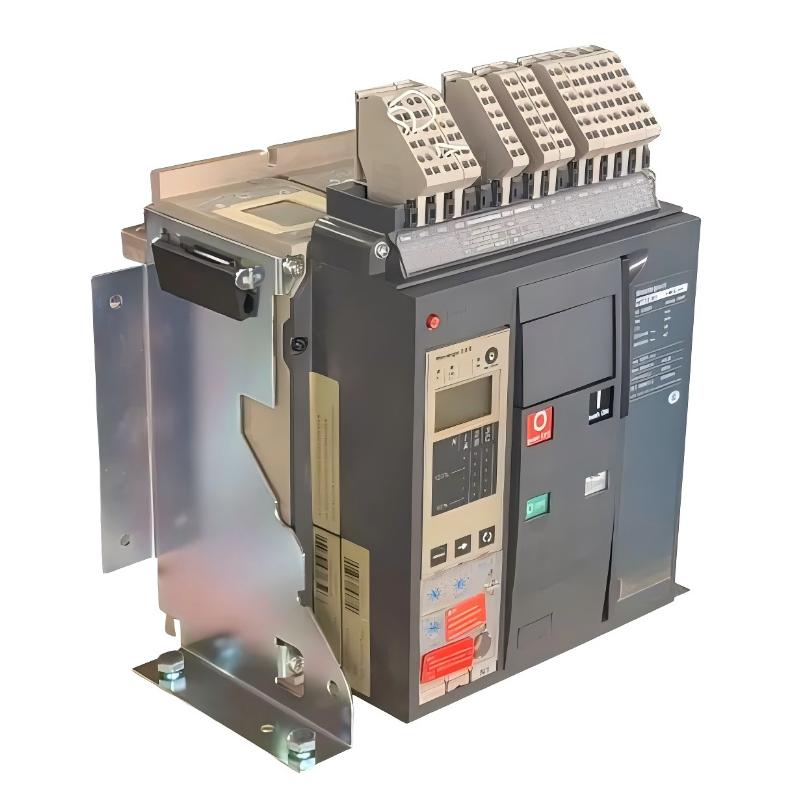
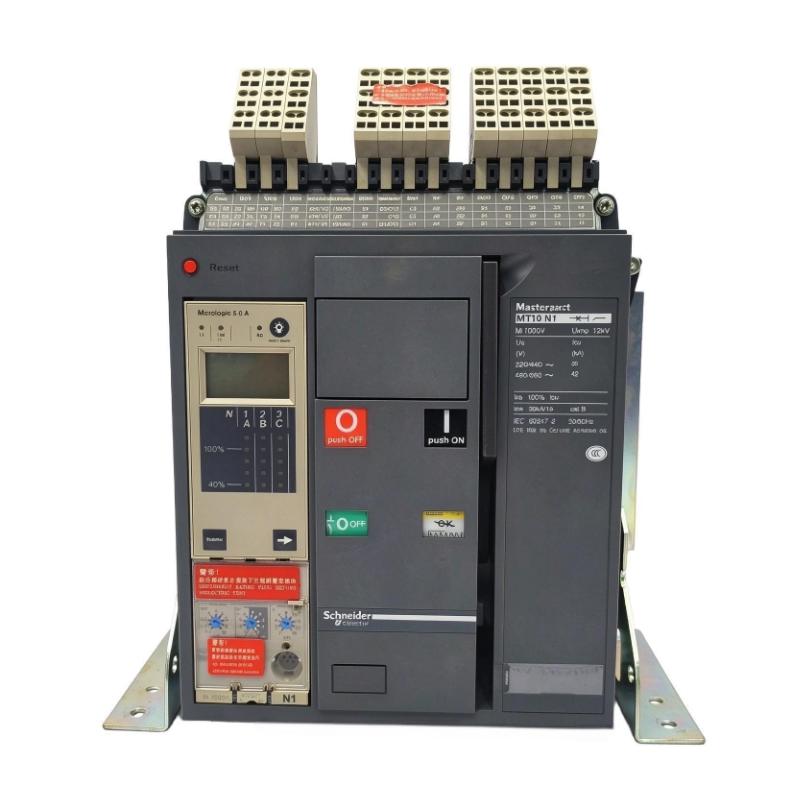
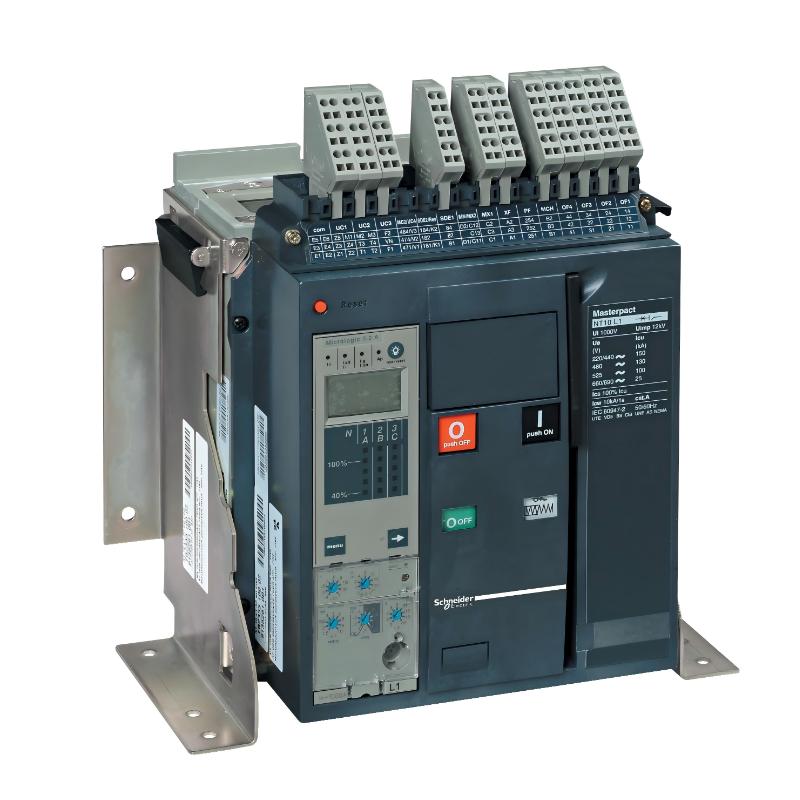
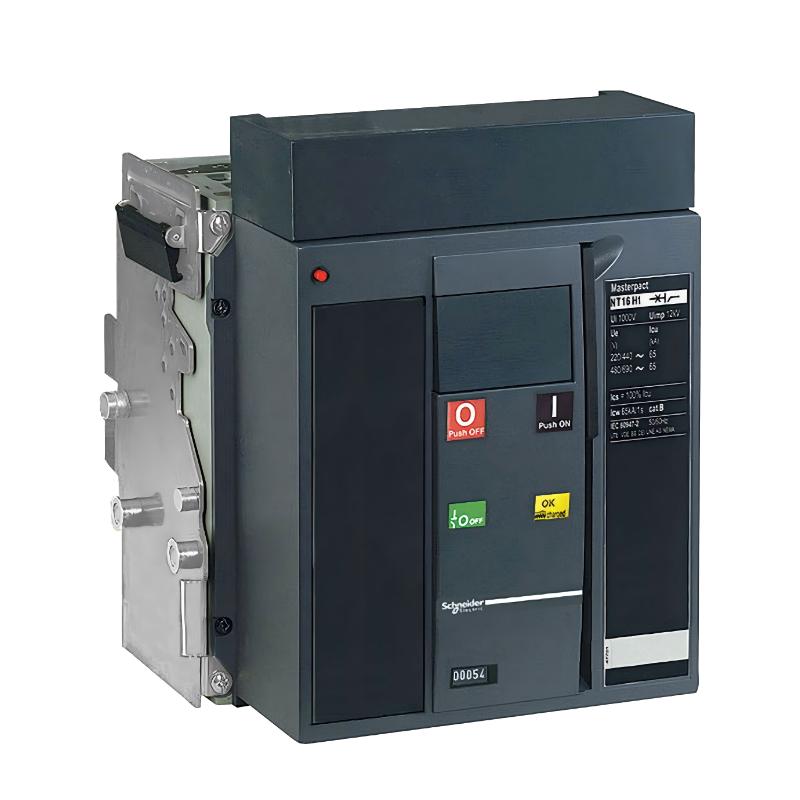
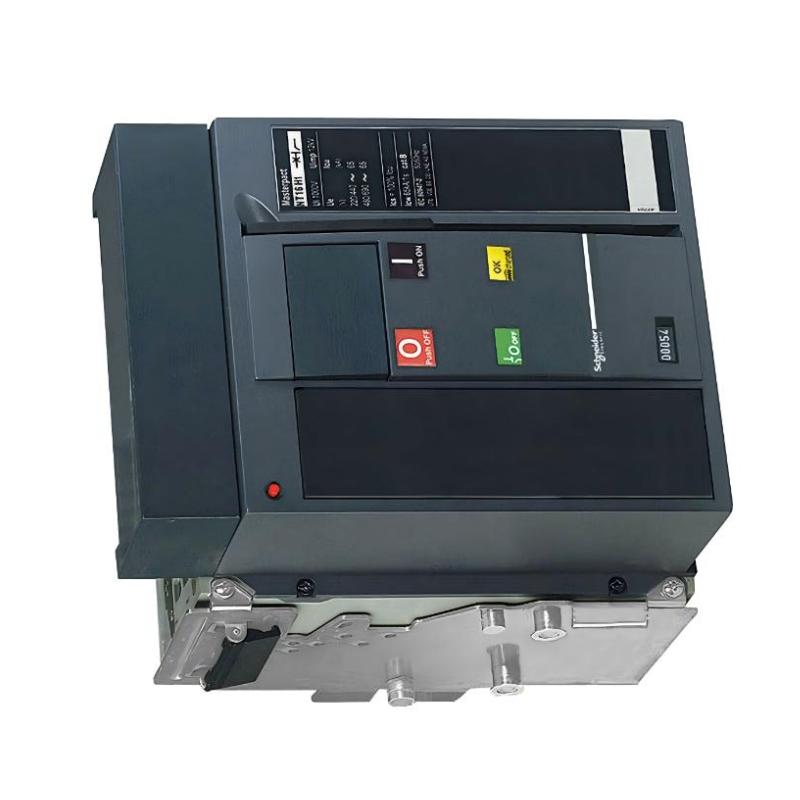
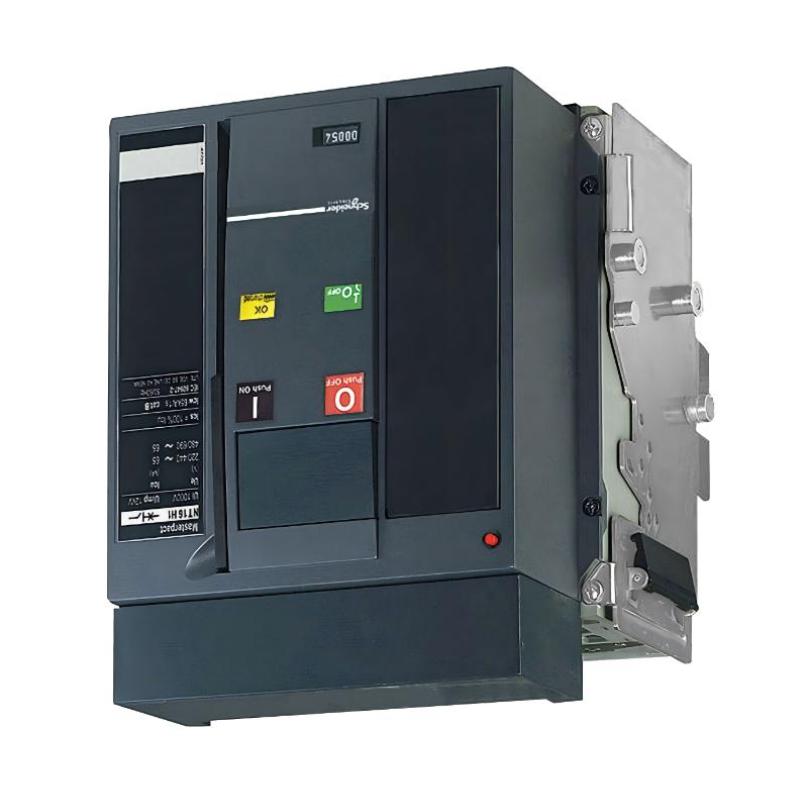
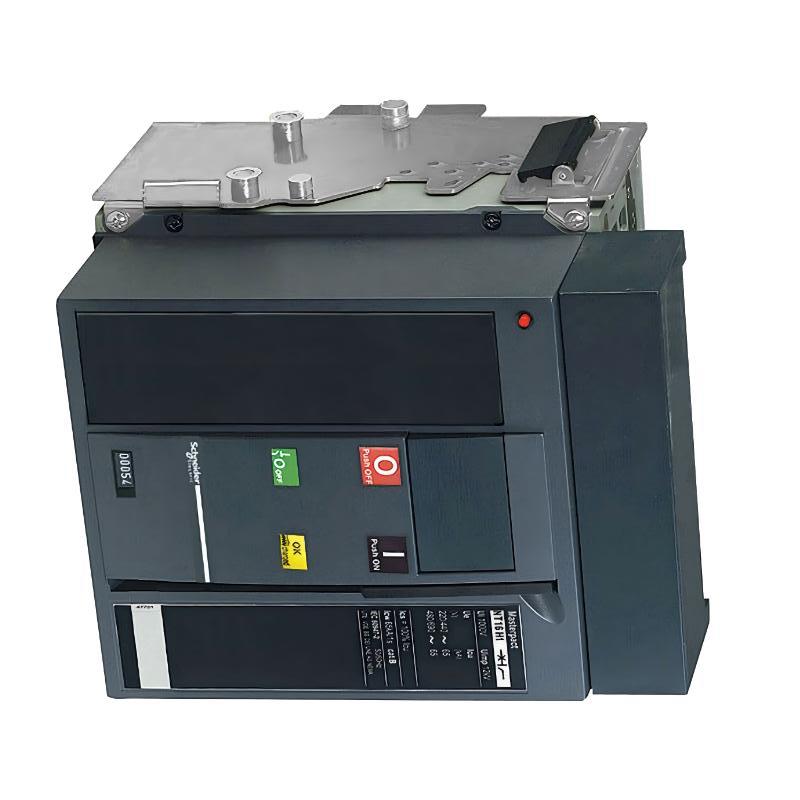
The Schneider Electric MT06NA Circuit Breaker is an industrial low-voltage circuit protection device intended for use in electrical distribution and power control systems. Large-frame air circuit breakers are commonly installed in main distribution boards, switchgear assemblies, and industrial power panels, where they protect electrical circuits against abnormal operating conditions such as overloads and short circuits.
In industrial facilities, reliable circuit protection is essential for protecting electrical equipment, maintaining power distribution stability, and reducing the risk of damage caused by electrical faults. A circuit breaker provides a controlled means of interrupting current when its protection system detects conditions that exceed configured operating limits.
The MT06NA is identified as a Schneider Electric circuit breaker. Its supplied physical specifications are 301 × 196 × 276 mm, with a listed weight of 14 kg. These dimensions and weight are useful for equipment identification, spare-parts management, and preliminary switchgear planning.
The exact electrical configuration must be verified from the product nameplate and complete catalog reference. In particular, the rated current, number of poles, trip unit, rated operational voltage, breaking capacity, and mounting arrangement should not be inferred from the model description alone.
For replacement projects, matching the complete product configuration is important. Circuit breakers with similar frame sizes may have different protection characteristics, electrical ratings, connection arrangements, and accessory requirements.
Technical Specifications
| Parameter | Specification |
|---|---|
| Brand | Schneider Electric |
| Model | MT06NA |
| Product Type | Circuit Breaker |
| Product Category | Low-Voltage Industrial Circuit Protection |
| Product Family Reference | Masterpact-related ACB configuration; exact catalog identity to be confirmed |
| Dimensions Provided | 301 × 196 × 276 mm |
| Weight Provided | 14 kg |
| Manufacturer | Schneider Electric |
| Application | Industrial power distribution and circuit protection |
| Rated Operational Voltage | Verify from nameplate |
| Rated Current | Verify from nameplate |
| Number of Poles | Verify exact configuration |
| Breaking Capacity | Verify exact configuration |
| Trip Unit | Verify installed protection unit |
| Mounting Type | Verify fixed or draw-out arrangement |
| Auxiliary Accessories | Confirm according to the supplied unit |
Important: The MT06NA designation should be checked against the original nameplate and ordering documentation. The dimensions and weight supplied for this listing are consistent with published physical data for a Schneider Masterpact NT06 3-pole fixed basic-frame configuration, but this alone does not establish that the two catalog references are interchangeable.
Function and Working Principle
A low-voltage circuit breaker is designed to carry normal operating current and interrupt the circuit when an abnormal electrical condition occurs. In large industrial distribution systems, this function helps protect cables, busbars, transformers, motors, and downstream distribution equipment.
1. Overload Protection
An overload occurs when a circuit carries more current than its permitted operating level for a sustained period. Excessive current can cause conductors and connected equipment to heat up.
A circuit breaker equipped with an appropriate trip unit can detect an overload condition and initiate a trip after a time delay determined by its protection settings.
The exact overload protection functions available on the MT06NA depend on its installed trip unit and configuration. The trip-unit model and settings should be checked before commissioning.
2. Short-Circuit Protection
A short circuit can produce a very high current in a very short period. If not interrupted, this fault current may cause severe thermal and mechanical stress on electrical equipment.
Circuit breakers are selected according to their rated short-circuit breaking capacity and the prospective fault current at the installation point.
The breaking capacity of the MT06NA must be confirmed from its nameplate and technical documentation. A replacement breaker must have suitable interrupting capability for the electrical system in which it will operate.
3. Fault Interruption
When the protection system identifies a condition requiring interruption, the breaker mechanism separates its contacts to interrupt current flow.
In an air circuit breaker, the arc produced during contact separation is managed by the breaker’s arc-control and extinguishing system. The design is intended to interrupt the circuit safely within the limits of the device’s rated operating conditions.
The breaker must be installed, operated, and maintained according to the manufacturer’s instructions.
4. Isolation and Switching
Industrial circuit breakers may also provide switching and isolation functions, depending on their design and configuration.
In a distribution panel, an appropriately specified breaker can be used to connect or disconnect a circuit as part of an approved operating and maintenance procedure.
A circuit breaker should not be treated as a substitute for every form of electrical isolation. Maintenance personnel must follow the required isolation, lockout, and voltage-verification procedures.
Role in Industrial Power Distribution Systems
The MT06NA is intended for industrial circuit protection applications. In a complete electrical distribution system, a circuit breaker forms part of a coordinated protection arrangement involving upstream and downstream devices.
Main Distribution Protection
Large-frame circuit breakers are commonly installed at the incoming or main distribution sections of industrial switchgear. They help protect the distribution system against overload and short-circuit conditions.
The selected breaker must be compatible with the system voltage, rated current, prospective fault current, and required protection coordination.
Transformer Protection
Transformers supply electrical power to different sections of a facility. Circuit breakers may be installed on transformer primary or secondary distribution circuits as part of the overall protection scheme.
The correct breaker rating and protection settings depend on transformer capacity, impedance, connection arrangement, and the characteristics of the connected loads.
Motor and Equipment Distribution
Industrial facilities often use distribution panels to supply motors, drives, pumps, compressors, and production machinery. A main or feeder circuit breaker helps protect the relevant electrical section.
Motor branch protection may require additional devices or specific protection settings. The circuit breaker should be selected as part of a coordinated design rather than used as an isolated protective component.
Switchgear Integration
The breaker may form part of a low-voltage switchgear assembly containing busbars, metering devices, protection relays, control circuits, and auxiliary contacts.
Before installation, verify the breaker frame, connection layout, mounting method, terminal arrangement, and accessory compatibility with the switchgear design.
Industrial Applications
1. Manufacturing Facilities
Manufacturing plants use electrical distribution systems to supply production lines, machine tools, conveyors, and auxiliary equipment. Large-frame circuit breakers can protect incoming supplies or major distribution feeders.
The breaker must be selected according to the plant’s load profile and fault-current calculations.
2. Industrial Power Distribution Panels
Main distribution boards and feeder panels require circuit protection to manage abnormal current conditions. A properly rated breaker helps isolate a faulted section and supports the safe operation of the remaining electrical system.
3. Water and Wastewater Treatment Plants
Treatment facilities contain pumps, blowers, mixers, control panels, and other electrically powered equipment. Circuit breakers are used throughout their distribution systems to protect incoming supplies and individual feeders.
Environmental conditions such as humidity, condensation, and corrosive atmospheres should be considered when selecting enclosures and installation locations.
4. Oil, Gas, and Petrochemical Facilities
Industrial energy facilities use extensive electrical distribution networks to supply pumps, compressors, process equipment, and utility systems.
Circuit breaker selection in these installations requires careful attention to system voltage, fault levels, protection coordination, applicable standards, and environmental conditions.
The breaker itself does not automatically provide hazardous-area certification for the complete installation.
5. Commercial and Infrastructure Power Systems
Large buildings, infrastructure facilities, and utility installations may use air circuit breakers in main low-voltage distribution switchboards.
The breaker helps protect major electrical feeders and supports controlled switching within the distribution system.
Installation and System Integration
Correct installation is essential for electrical safety and reliable circuit protection.
1. Verify the Complete Model Reference
Before installation, compare the breaker nameplate with the equipment specification and switchgear drawings.
Confirm:
- Complete model and catalog number.
- Rated operational voltage.
- Rated current and frame rating.
- Number of poles.
- Short-circuit breaking capacity.
- Installed trip unit and protection functions.
- Fixed or draw-out mounting arrangement.
- Terminal and busbar connection configuration.
Do not use the MT06NA model designation alone to determine the electrical rating.
2. Check Mounting Dimensions
The supplied dimensions are 301 × 196 × 276 mm. Confirm the measurement orientation and actual physical dimensions of the unit before designing or modifying the switchgear compartment.
Allow adequate space for connection conductors, operating mechanisms, maintenance access, and any required accessories.
If the breaker is intended for an existing panel, compare the mounting points and connection positions with the original equipment drawings.
3. Verify Electrical Compatibility
Check the electrical system’s nominal voltage, operating current, frequency, and prospective short-circuit current.
The breaker must have suitable ratings for the installation. Its breaking capacity must not be lower than the prospective fault current at the point where it is installed.
4. Confirm Protection Coordination
Protection coordination helps ensure that the appropriate breaker operates when a fault occurs.
Engineers should review the trip settings and time-current characteristics of upstream and downstream protective devices. Incorrect settings can cause unnecessary shutdowns or prevent the intended protective device from operating first.
5. Inspect Connections and Mechanical Condition
Before energizing the equipment, inspect the breaker housing, contacts where accessible, terminals, connection surfaces, and operating mechanism.
Check that the breaker is correctly mounted and that all electrical connections are tightened to the manufacturer’s specified torque.
Do not install a breaker with visible damage, signs of overheating, or an uncertain mechanical condition without appropriate technical evaluation.
6. Commissioning and Testing
Commissioning should be performed by qualified electrical personnel using the manufacturer’s procedures.
Typical checks include:
- Verification of the nameplate and installation drawings.
- Inspection of the mounting and connection arrangement.
- Verification of auxiliary circuits and control wiring.
- Inspection of the operating mechanism.
- Confirmation of trip-unit settings.
- Appropriate electrical and functional testing.
- Verification of protection coordination.
All testing should follow applicable electrical safety requirements and the manufacturer’s instructions.
Compatible System Components
The MT06NA may be installed within a wider electrical distribution and protection system. The following components are commonly associated with industrial air circuit breaker installations.
| Component | Function | Compatibility Considerations |
|---|---|---|
| Low-voltage switchgear | Houses and supports circuit protection equipment | Confirm compartment dimensions and breaker mounting arrangement |
| Busbar system | Distributes electrical power | Verify current rating, spacing, and connection geometry |
| Protection trip unit | Detects abnormal current conditions and initiates tripping | Confirm the exact trip-unit model and supported functions |
| Auxiliary contacts | Provide breaker status signals | Verify contact type and accessory compatibility |
| Shunt trip accessory | Allows an external control signal to initiate tripping | Confirm rated control voltage and accessory model |
| Undervoltage release | Trips or prevents closing under specified voltage conditions | Verify coil rating and breaker compatibility |
| Closing mechanism | Supports controlled breaker closing | Confirm the mechanism and control supply requirements |
| Metering equipment | Measures electrical operating conditions | Select compatible current transformers and measurement devices |
| Protection relay | Provides additional system protection and control functions | Coordinate relay settings with the breaker protection scheme |
| Control power supply | Supplies auxiliary control circuits | Verify voltage, current capacity, and wiring requirements |
The table identifies typical system components. It does not confirm that any accessory is included with the MT06NA or that every listed component is compatible with every version.
Alternative Models and Replacement Considerations
Schneider Electric has several circuit breaker families for low-voltage power distribution. A potential alternative must be selected according to the original breaker’s electrical and mechanical configuration.
| Alternative or Related Product Family | Application Considerations |
|---|---|
| Schneider Masterpact NT | Related air circuit breaker family; verify frame, ratings, mounting, and accessories |
| Schneider Masterpact NW | Larger-frame air circuit breaker family for selected power distribution applications |
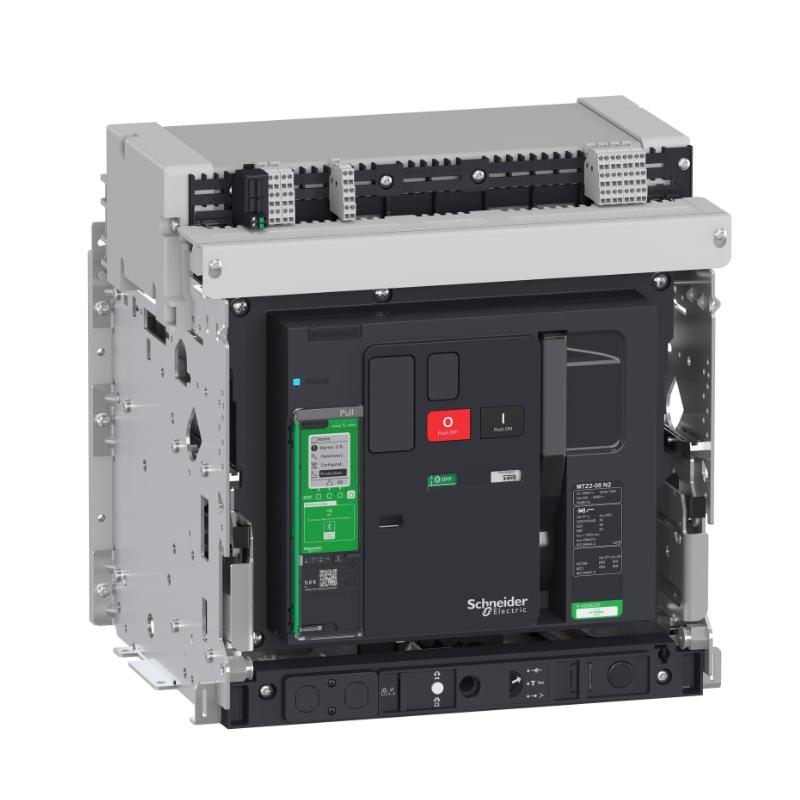
| Schneider MasterPacT MTZ | Newer air circuit breaker family with digital protection and monitoring options |
| Schneider Compact NS | Molded-case circuit breaker family for applications within its available ratings |
| Schneider Compact NSX | Molded-case circuit breaker family for selected distribution and equipment protection duties |
A replacement should not be selected solely because it has a similar frame size or manufacturer.
Before approving a substitute, compare:
- Rated operational voltage.
- Rated current and frame size.
- Number of poles.
- Rated ultimate and service short-circuit breaking capacities.
- Short-time withstand capability.
- Trip-unit type and protection functions.
- Fixed or draw-out construction.
- Busbar and terminal arrangements.
- Auxiliary contacts and control accessories.
- Switchgear compartment dimensions.
- Applicable standards and certifications.
If the original breaker is part of a critical power distribution system, replacement planning should include a review of the protection coordination study and the switchgear manufacturer’s recommendations.
Key Advantages
Industrial Circuit Protection
A properly configured air circuit breaker provides protection against abnormal current conditions in industrial power distribution systems.
Main and Feeder Distribution Applications
Large-frame circuit breakers can be used in main distribution boards and feeder sections when their electrical ratings match the installation.
Integration with Switchgear
The breaker can form part of a broader switchgear arrangement containing busbars, metering, auxiliary contacts, and protection equipment.
Configurable Protection
The available protection functions depend on the installed trip unit and breaker configuration. Correct selection allows the protection system to be matched to the electrical installation.
Maintenance and Replacement Support
Accurate model identification, physical inspection, and verification of electrical ratings help maintenance teams source appropriate spare parts for existing equipment.
Technical FAQs
1. What is the Schneider Electric MT06NA?
The MT06NA is identified as a Schneider Electric industrial circuit breaker. Its exact electrical configuration should be confirmed from the product nameplate and original catalog documentation.
2. What is the product’s weight?
The supplied listing weight is 14 kg. Confirm whether this refers to the net unit weight or packaged shipping weight before arranging transportation.
3. What are the dimensions of the MT06NA?
The supplied dimensions are 301 × 196 × 276 mm. Verify the measurement orientation against the physical product before planning the switchgear compartment.
4. Is the MT06NA an air circuit breaker?
It is listed as a Schneider Electric circuit breaker, and the physical specifications are consistent with a Masterpact NT06-related 3-pole fixed basic-frame configuration. However, the exact MT06NA catalog identity should be verified before describing its precise construction.
5. What is the rated current?
The rated current cannot be safely established from the supplied MT06NA designation alone. Check the nameplate and original technical documentation for the exact rating.
6. What is the breaking capacity?
Breaking capacity depends on the exact breaker version, voltage, and interrupting rating. It must be verified from the nameplate and manufacturer documentation.
7. Does the breaker include a trip unit?
The supplied product information does not establish which trip unit is installed. Confirm the trip-unit model and protection functions before ordering or commissioning.
8. Can the MT06NA replace another Masterpact breaker?
Not automatically. Check the rated current, voltage, breaking capacity, number of poles, trip unit, mounting method, connection arrangement, and accessories before substitution.
9. What should be inspected before purchasing a used breaker?
Check the nameplate, housing, terminals, operating mechanism, contact condition where accessible, trip unit, auxiliary accessories, and available test records. For critical installations, request suitable inspection and functional testing by qualified personnel.
10. Is the MT06NA suitable for every industrial distribution panel?
No. Its suitability depends on the electrical system voltage, load current, prospective fault current, switchgear design, protection coordination, and installation environment.
Procurement and Maintenance Recommendations
When sourcing the Schneider Electric MT06NA, begin by confirming the complete product reference and comparing it with the breaker installed in the electrical panel.
Request clear photographs of the nameplate, front panel, side labels, terminals, and any installed trip unit. Confirm the rated current, voltage, breaking capacity, number of poles, mounting arrangement, and accessory configuration.
For used or surplus circuit breakers, inspect the mechanical operating mechanism and the condition of electrical connections. Where appropriate, request documented electrical and functional test results. Confirm the supplier’s warranty and return conditions before purchasing.
For maintenance, follow the manufacturer’s inspection and testing intervals. Keep the breaker and switchgear compartment clean, check for abnormal heating or visible damage, and inspect mechanical and electrical connections according to the applicable procedures.
Circuit breaker maintenance and testing should only be performed by qualified personnel using appropriate safety procedures. Never open or service energized equipment without an approved electrical safety process.
Conclusion
The Schneider Electric MT06NA Circuit Breaker is an industrial circuit protection product intended for use in low-voltage electrical distribution applications. The supplied listing specifications are 301 × 196 × 276 mm and 14 kg.
For accurate selection and replacement, the complete electrical configuration must be confirmed, including rated current, operational voltage, breaking capacity, trip unit, pole configuration, and mounting arrangement. Careful verification of these details helps ensure that the breaker is suitable for the intended switchgear installation and industrial power distribution system.