

ProductPRODUCT
Featured products



Contact Us
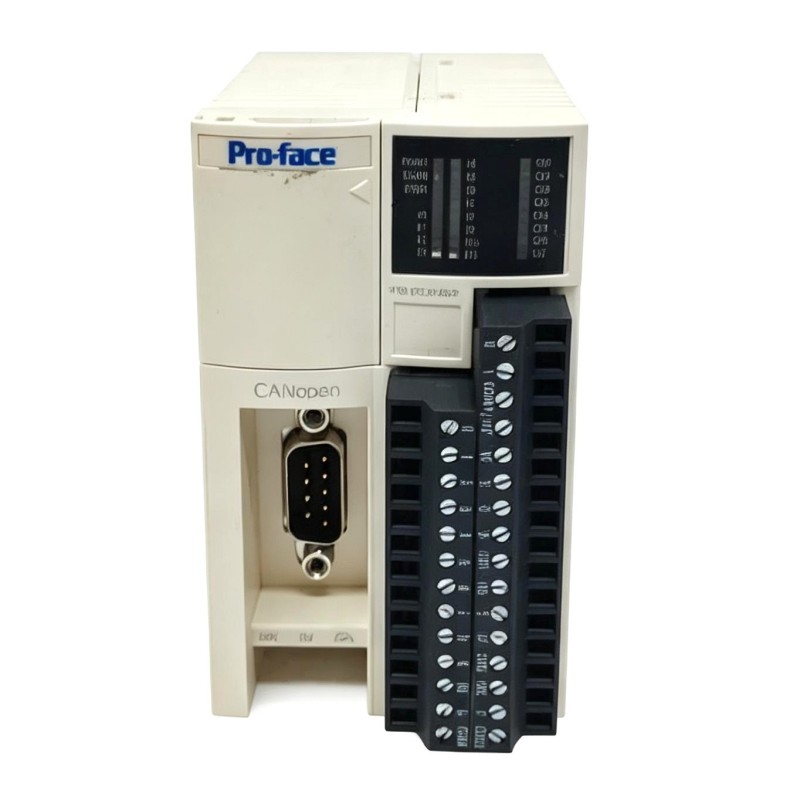
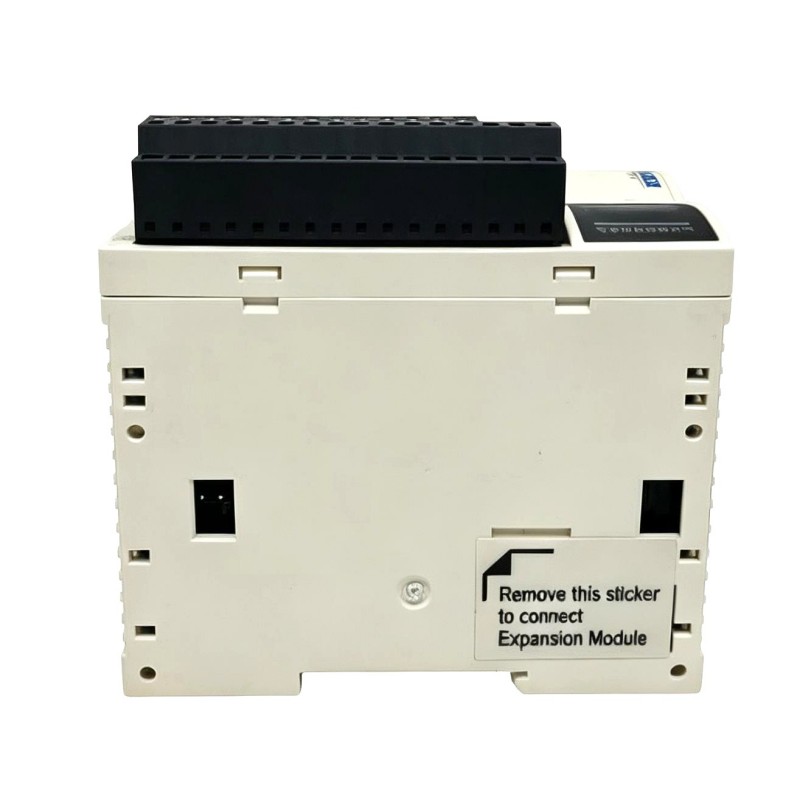
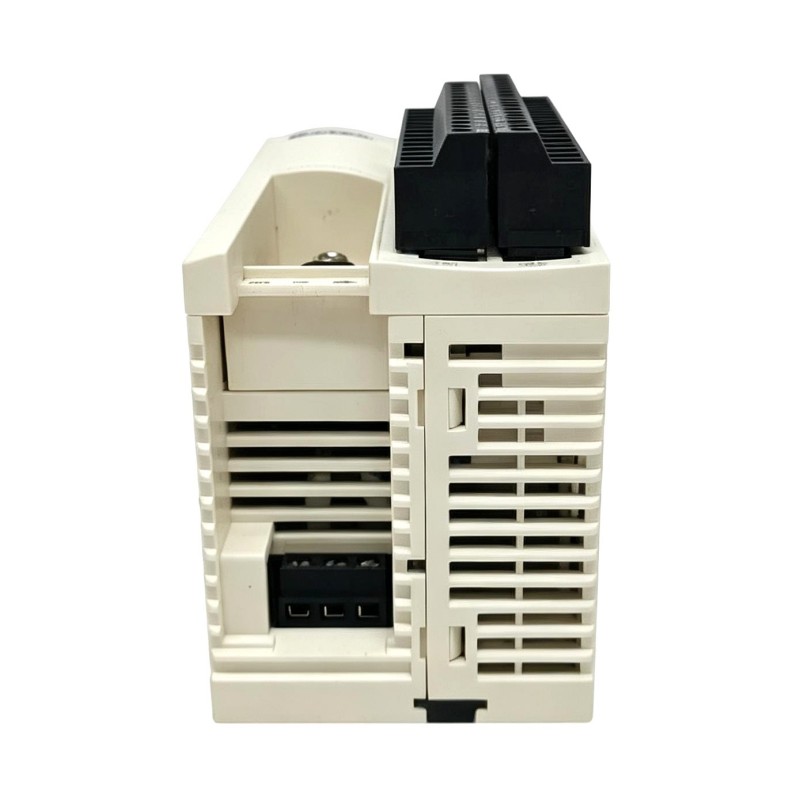
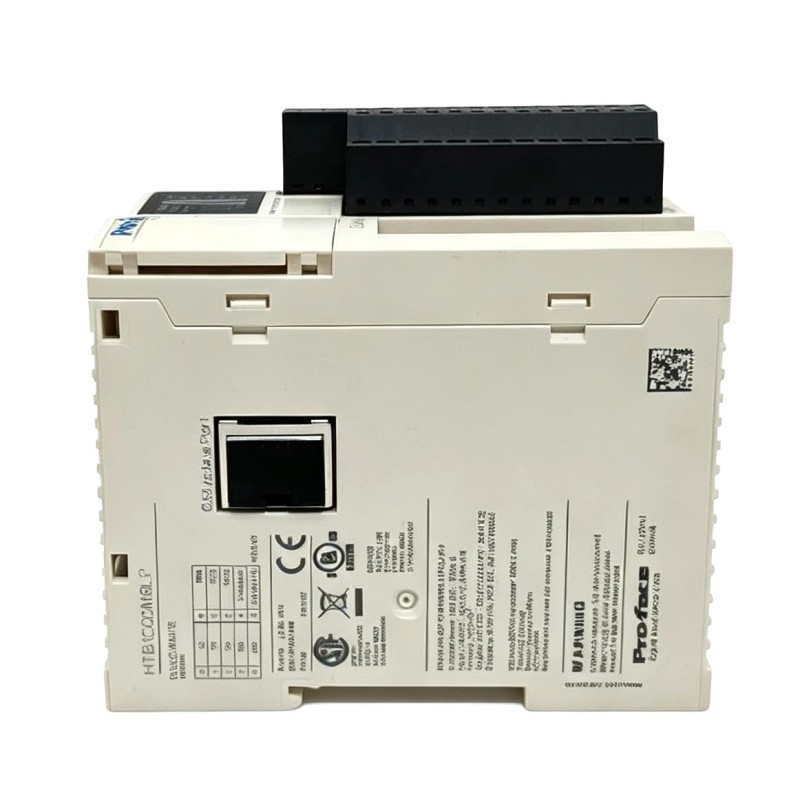
- Schneider
- HTB1C0DM9LP
- CANopen Slave Unit
- France
- 75 × 105 × 130 mm
- 0.29 kg
- Xiamen, China
- New & In Stock
- T/T, PayPal, Western Union
- 1 Year
- 1-3 Working Days
- DHL, UPS, TNT, FedEx and EMS.
- 24-Hour Service
- COO
- 58
Our advantage

Global Logistics
We have a 10-year logistics and express cooperation agreement, so our products can be shipped to any place in the world.

Brand new and original
Our products are imported in bulk from the place of origin. Because of the cooperative relationship, our products are all original and 100% new.

24-hour service
We provide 7*24 hours service to our customers. We will be there whenever you need us.

Price advantage
All our products are priced very favorably because we have our own warehouse and supply.
| Company Information | |||
| [email protected] | |||
| Mobile | +8615980777398 | ||
| +8615980777398 | |||
| 15980777398 |
Product Overview
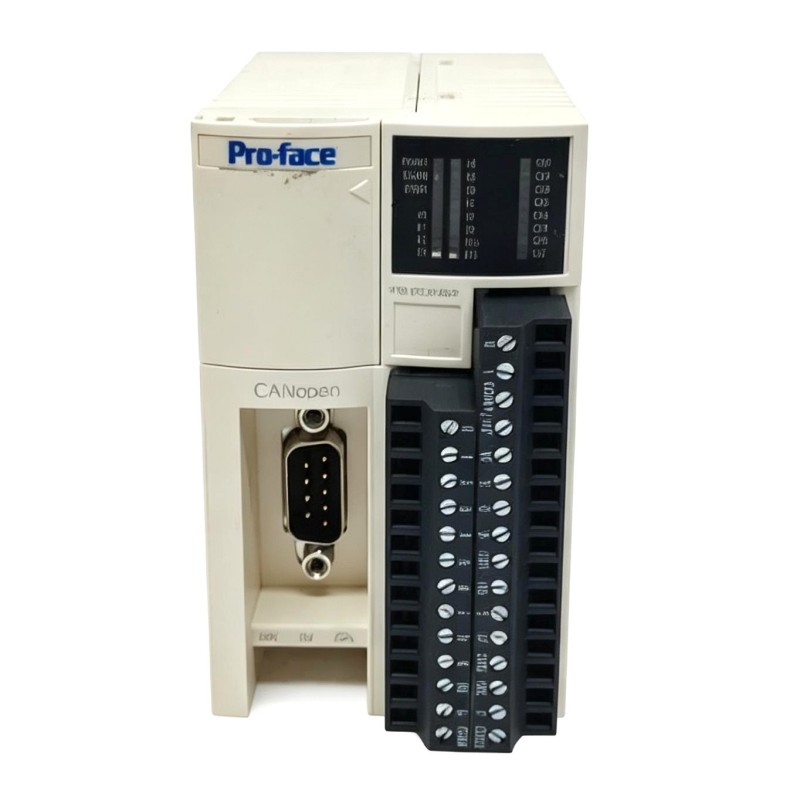
The Schneider HTB1C0DM9LP is a Pro-face HTB CANopen Slave Unit used to connect compatible HTB equipment to a CANopen-based control network. It serves as a communication interface between the connected operator or control hardware and the CANopen network managed by the automation system.
In a distributed machine architecture, CANopen allows control devices, I/O equipment, drives, and other networked components to exchange process and status information over a common fieldbus. The HTB CANopen Slave Unit provides the network-side interface needed for compatible HTB equipment to participate in this communication structure.
The unit is suited to machine control applications where an HTB device needs to exchange commands, status information, or other configured data with a CANopen master. This arrangement can reduce point-to-point wiring and allow control information to be exchanged through the fieldbus network.
During commissioning, the slave unit should be considered together with the CANopen master, network wiring, node configuration, and connected HTB equipment. Communication faults may originate from addressing, cabling, configuration, or network termination rather than from the slave unit itself.
Technical Specifications
| Parameter | Specification |
|---|---|
| Manufacturer | Schneider Electric |
| Model | HTB1C0DM9LP |
| Product Family | Pro-face HTB |
| Product Type | CANopen Slave Unit |
| Primary Function | CANopen network communication |
| System Role | Fieldbus slave interface |
| Application | Machine control and operator systems |
| Dimensions | 75 × 105 × 130 mm |
| Weight | 0.29 kg |
Product Features
- Pro-face HTB CANopen Slave Unit
- Provides CANopen communication for compatible HTB equipment
- Supports integration into distributed machine-control architectures
- Exchanges configured data between HTB equipment and the CANopen master
- Suitable for fieldbus-based machine automation
- Reduces the need for individual point-to-point signal connections
- Useful for networked operator and control-system installations
- Supports maintenance and replacement of compatible HTB CANopen interfaces
Working Principle
The HTB1C0DM9LP operates as a CANopen slave interface. The CANopen master controls network communication while the slave unit exchanges the data assigned to its configured node and connected HTB equipment.
CANopen Master → CANopen Network → HTB1C0DM9LP → HTB Equipment
During normal operation, the master sends network commands or requests, while the slave returns configured status and process information. The actual data exchanged depends on the CANopen configuration and the functions supported by the connected HTB system.
The communication path depends on correct node configuration, network wiring, signal integrity, and compatible CANopen settings. A failure in any of these areas can prevent the master from communicating correctly with the HTB device.
Role in a Pro-face HTB CANopen Control Architecture
The HTB1C0DM9LP occupies the fieldbus communication layer between compatible HTB equipment and the CANopen control network. It does not replace the CANopen master or execute the machine’s primary control logic.
PLC / CANopen Master → CANopen Network → HTB1C0DM9LP → Pro-face HTB Equipment → Operator / Machine Functions
| System Element | Function |
|---|---|
| PLC / CANopen Master | Manages CANopen network communication and control |
| CANopen Network | Transfers commands and status information |
| HTB1C0DM9LP | Provides CANopen slave communication for HTB equipment |
| Pro-face HTB Device | Performs configured operator or control functions |
| Machine Equipment | Executes the physical machine operation |
Industrial Applications
| Application | Typical Use |
|---|---|
| Machine Automation | CANopen connection for distributed control equipment |
| Operator Interface Systems | Network communication with compatible HTB equipment |
| Packaging Machinery | Fieldbus-based exchange of machine operating data |
| Assembly Equipment | Distributed operator and control communication |
| Material Handling | CANopen communication between control-system components |
| Production Machinery | Networked machine status and command exchange |
| OEM Control Panels | Integration of HTB equipment into CANopen architectures |
| Distributed Machine Systems | Fieldbus connection between separated control devices |
Installation and Maintenance
- Verify that the HTB1C0DM9LP is compatible with the intended Pro-face HTB installation.
- Confirm the CANopen master and network architecture before connecting the slave unit.
- Check the CANopen node configuration and assigned network address.
- Inspect the CANopen cable and connectors for damage or poor termination.
- Route communication wiring appropriately and avoid unnecessary mechanical stress.
- Verify the network termination arrangement according to the installed CANopen topology.
- Confirm the unit is securely mounted and all required connections are properly seated.
- Check that the connected HTB equipment is powered and configured correctly.
- Verify communication between the CANopen master and the HTB slave during commissioning.
- Monitor network status if intermittent communication or node dropouts occur.
- Check configuration and wiring before replacing the slave unit when communication faults appear.
- After replacement, verify node communication and the required HTB functions before returning the machine to normal operation.
Compatible System Components
| Component | Function |
|---|---|
| CANopen Master | Controls network communication and manages slave nodes |
| PLC / Machine Controller | Executes machine-control logic |
| CANopen Network Cable | Transfers CANopen communication signals |
| CANopen Termination | Maintains network signal integrity at applicable ends |
| Pro-face HTB Equipment | Provides connected operator or control functions |
| CANopen Nodes | Exchanges distributed machine data |
| Control Panel | Houses the HTB and associated communication equipment |
| Machine I/O | Exchanges field signals with the control system |
Recommended Related Models
| Model / Product Family | Product Type | Typical Application |
|---|---|---|
| Schneider Pro-face HTB | Operator / Control Unit | Distributed machine control |
| Pro-face HTB CANopen Units | CANopen Slave Unit | HTB fieldbus communication |
| Pro-face HTB Communication Units | Communication Interface | Network integration |
| CANopen Master Modules | CANopen Master Interface | Network control and device management |
| Schneider PLC Systems | Programmable Controller | Machine control and sequencing |
| CANopen I/O Devices | Distributed I/O | Field signal acquisition and control |
| CANopen-Compatible Drives | Motor Drive | Distributed motion control |
Key Advantages
- Provides CANopen slave communication for compatible Pro-face HTB equipment
- Supports distributed machine-control architectures
- Allows configured HTB data to be exchanged over a CANopen network
- Reduces reliance on individual point-to-point control connections
- Suitable for networked OEM and machine-control panels
- Simplifies integration of compatible HTB equipment into a CANopen fieldbus system
Technical FAQs
What does the CANopen Slave Unit do in an HTB system?
The HTB1C0DM9LP provides the communication interface that allows compatible HTB equipment to participate as a CANopen slave on the automation network. The CANopen master remains responsible for managing network communication.
Does the HTB1C0DM9LP execute PLC control logic?
No. Its primary role is communication. Machine sequencing and higher-level control logic remain with the PLC or other CANopen master/controller, while the slave unit exchanges configured data with that system.
What can cause an HTB CANopen node to disappear from the network?
Possible causes include incorrect node configuration, communication wiring problems, missing or incorrect termination, power issues, incompatible configuration, or faults in another part of the CANopen network. The complete communication path should be checked before replacing the slave unit.
What should be verified when replacing the HTB1C0DM9LP?
Confirm the replacement model and its compatibility with the existing HTB equipment and CANopen architecture. The node configuration, network connections, termination, and communication status should then be verified before the machine is returned to service.