

ProductPRODUCT
Featured products
Contact Us
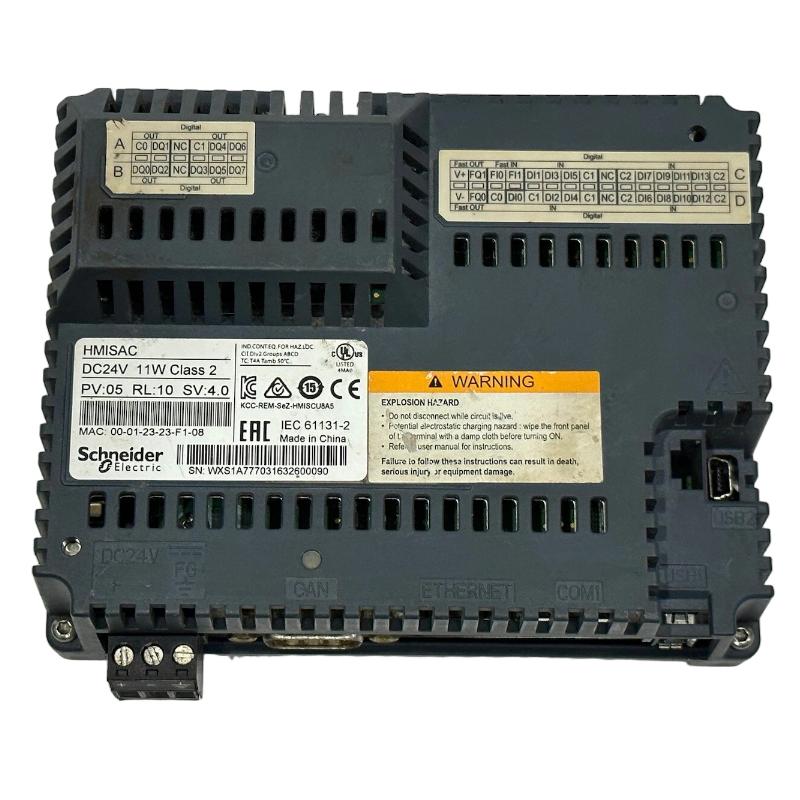
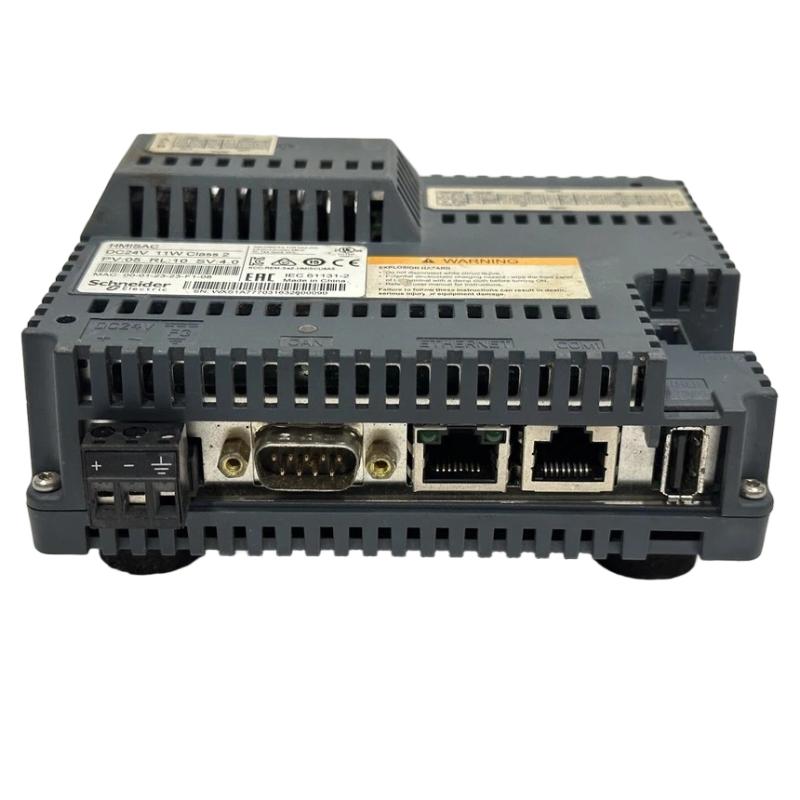
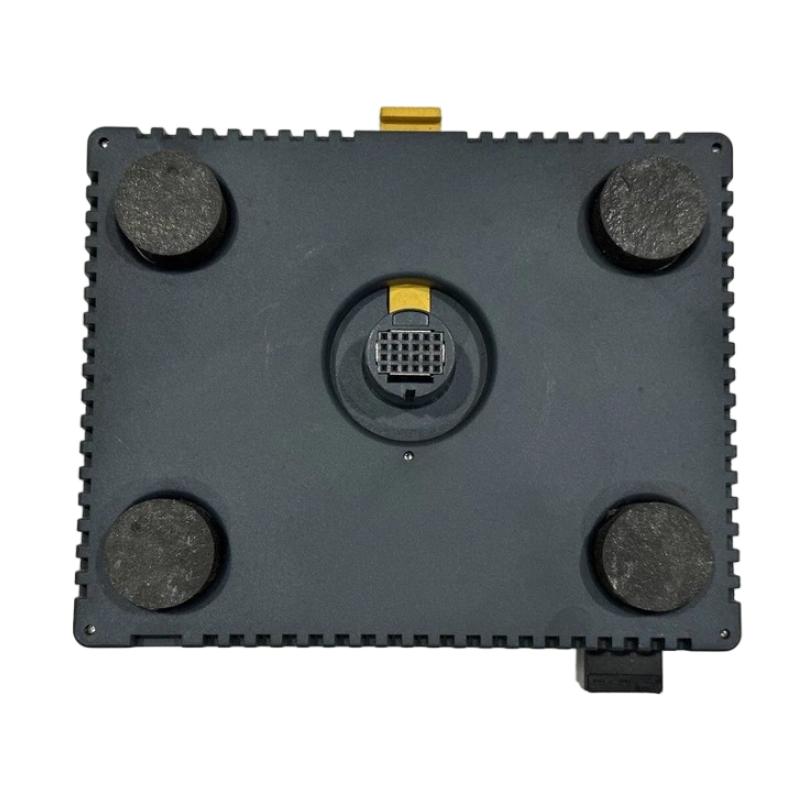
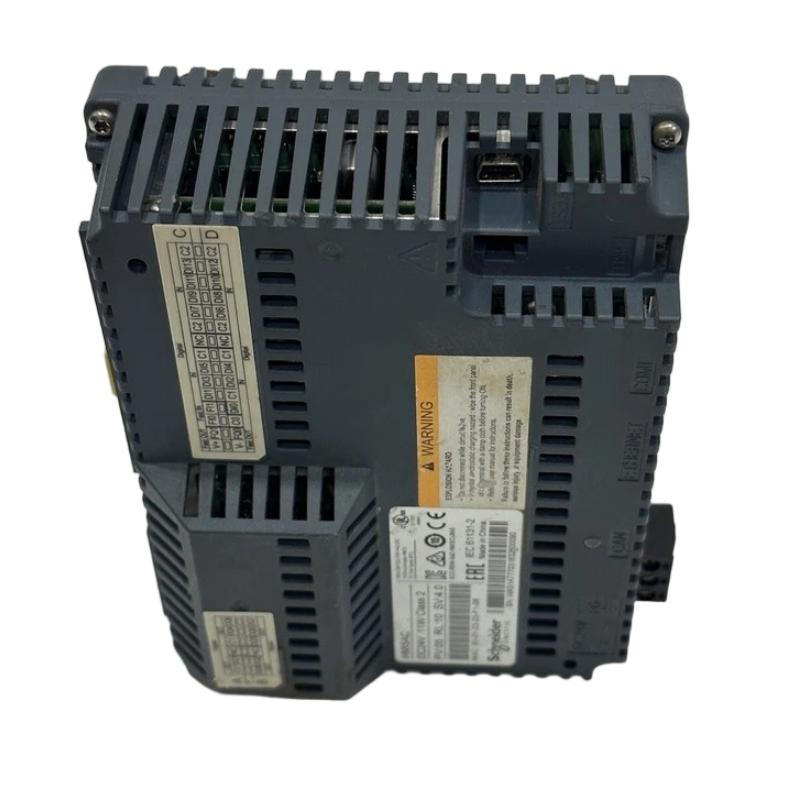
- Schneider
- HMISAC
- Controller Module
- France
- 50.65 × 128 × 102 mm
- 0.359 kg
- Xiamen, China
- New & In Stock
- T/T, PayPal, Western Union
- 1 Year
- 1-3 Working Days
- DHL, UPS, TNT, FedEx and EMS.
- 24-Hour Service
- COO
- 4
Our advantage

Global Logistics
We have a 10-year logistics and express cooperation agreement, so our products can be shipped to any place in the world.

Brand new and original
Our products are imported in bulk from the place of origin. Because of the cooperative relationship, our products are all original and 100% new.

24-hour service
We provide 7*24 hours service to our customers. We will be there whenever you need us.

Price advantage
All our products are priced very favorably because we have our own warehouse and supply.
| Company Information | |||
| [email protected] | |||
| Mobile | +8615980777398 | ||
| +8615980777398 | |||
| 15980777398 |
Product Overview
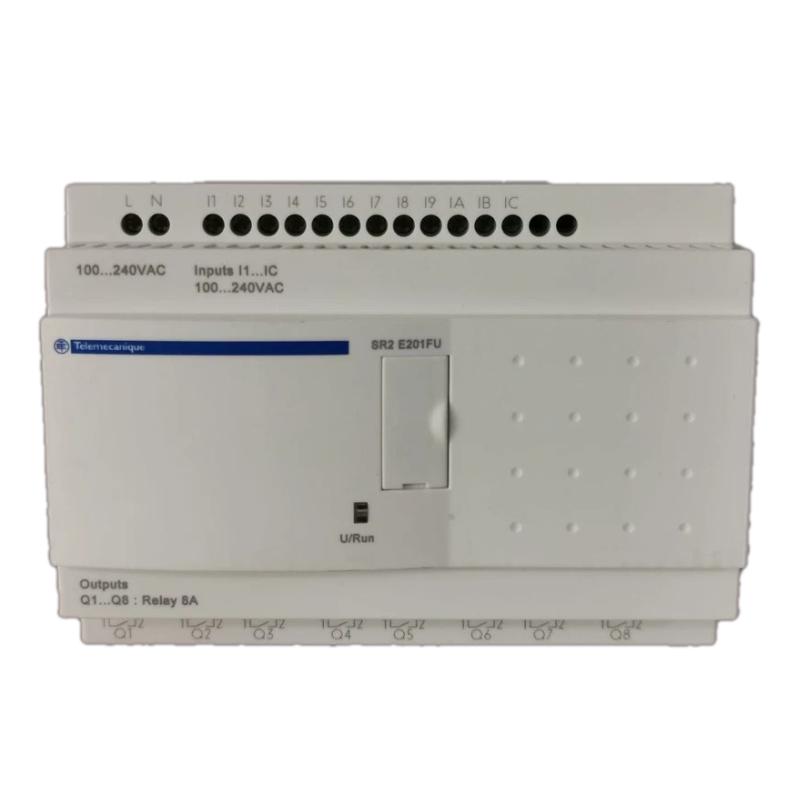
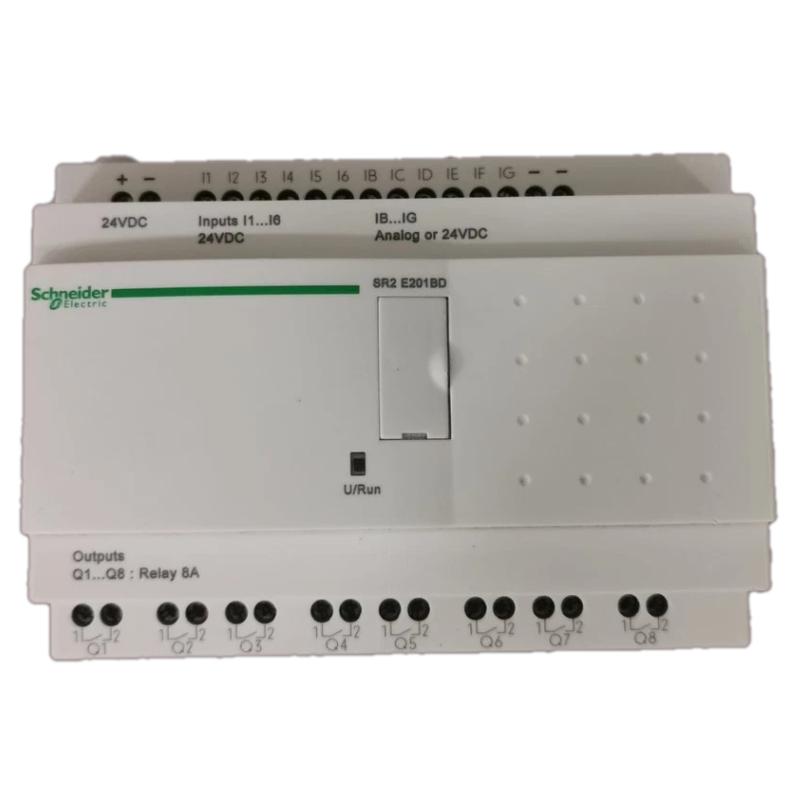
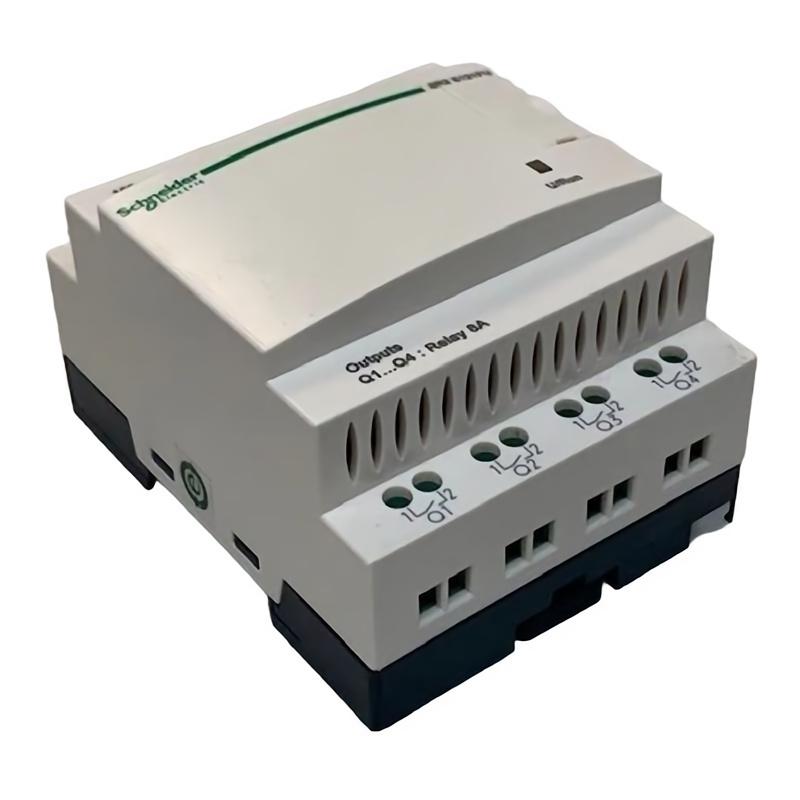
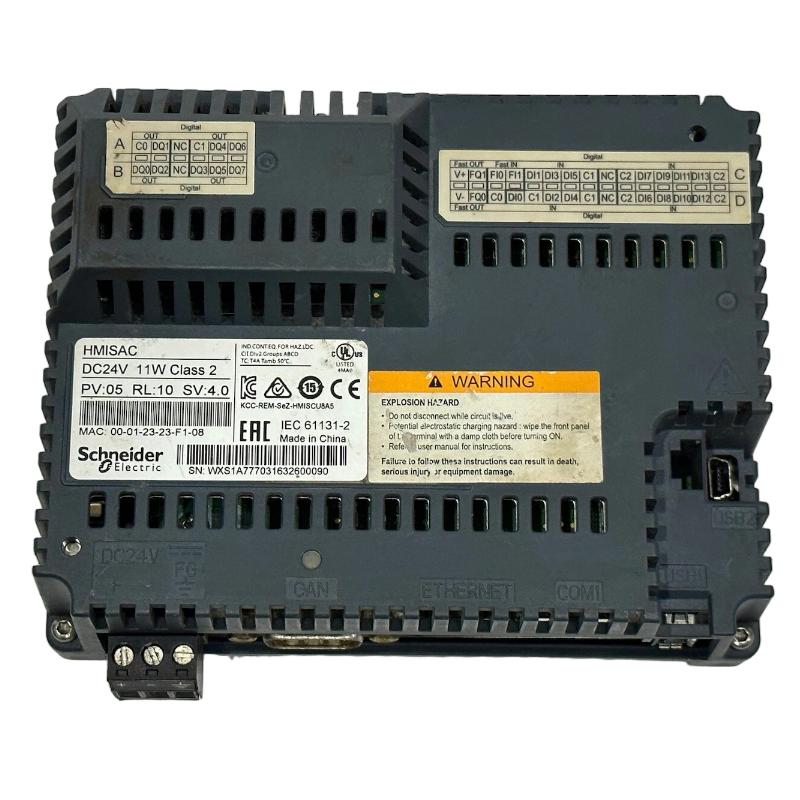
The Schneider Electric HMISAC Controller Module is an industrial automation component identified for controller-related applications. Controller modules play an important role in automation architectures by supporting the execution or coordination of designated control functions, depending on the device’s design and the system in which it is installed.
In an industrial environment, controller-related hardware may operate alongside PLCs, operator interfaces, communication devices, sensors, and other control-system components. These elements work together to exchange information, monitor operating conditions, and support automated equipment operation.
The Schneider HMISAC has listed dimensions of 50.65 × 128 × 102 mm and a weight of approximately 0.359 kg. Its compact form makes physical dimensions, mounting arrangements, electrical connections, and integration requirements important considerations when planning an installation or replacement.
The precise control functions, supported interfaces, electrical ratings, and system compatibility of the HMISAC should be confirmed from the exact product identification and applicable technical documentation. Verifying these details before commissioning helps prevent incorrect connections and compatibility problems.
Technical Specifications
| Parameter | Specification |
|---|---|
| Manufacturer | Schneider Electric |
| Model | HMISAC |
| Product Type | Controller Module |
| Product Category | Industrial Automation Control Hardware |
| Primary Function | Controller-related functions within a compatible system |
| Dimensions | 50.65 × 128 × 102 mm |
| Weight | 0.359 kg |
| Installation | According to the specified mounting arrangement |
| System Integration | Dependent on supported hardware and interfaces |
| Typical Application | Industrial automation and equipment control |
Note: The exact processor architecture, memory capacity, input/output resources, supply voltage, communication protocols, programming environment, and supported host equipment should be verified against the documentation for the specific HMISAC unit.
Function and Working Principle
A controller module generally provides designated control or processing capabilities within an automation system. Its actual responsibilities depend on the module architecture and the equipment with which it is designed to operate.
Control Processing
Depending on the product’s intended role, a controller-related module may process control information, execute configured functions, or coordinate activities within a larger automation platform. The specific capabilities of the HMISAC should not be assumed without confirming its technical specifications.
Data Exchange
Industrial automation components frequently exchange information with other devices. Communication may involve controller backplanes, dedicated interfaces, or industrial networks, depending on the hardware design.
For the HMISAC, the supported connection methods and communication functions must be verified before selecting cables or configuring connected equipment.
Interaction with Other Components
A controller module typically operates as part of a broader system rather than as an isolated device. Associated equipment may include power supplies, operator interfaces, input/output modules, sensors, actuators, and communication components.
The precise role of the HMISAC within this architecture should be established from the host equipment configuration.
System Monitoring
Where supported, controller hardware and its associated application may provide status information, diagnostic indicators, or fault messages. These can assist technicians in determining whether a problem originates in the module, its connections, or another part of the control system.
Role in Industrial Automation
Industrial automation depends on reliable coordination between control hardware, field devices, operator interfaces, and communication infrastructure. A controller module contributes to this architecture according to its designated function.
Potential system-level responsibilities of controller hardware include:
- Processing or coordinating configured control functions
- Exchanging information with compatible system components
- Supporting equipment monitoring
- Participating in automated operating sequences
- Providing access to diagnostic information where available
- Supporting integration within an industrial control cabinet
These are general controller-module functions, not a verified list of HMISAC-specific features. The exact capabilities of the HMISAC must be confirmed before assigning it a particular role in a control architecture.
Industrial Applications
Machine Automation
Controller-related components are commonly used in machine-control installations where coordinated operation and dependable communication between devices are required. The HMISAC should be considered for a specific machine only after its intended function and compatibility are confirmed.
Manufacturing Systems
Manufacturing equipment often relies on distributed control hardware to coordinate operating sequences, exchange process information, and support fault diagnosis.
Industrial Control Cabinets
The HMISAC’s listed dimensions of 50.65 × 128 × 102 mm may be useful when evaluating available cabinet space. Actual installation suitability depends on the mounting method, required clearances, connectors, and environmental specifications.
Equipment Integration and Maintenance
Controller modules may be installed as part of equipment upgrades, maintenance projects, or replacement activities. In these cases, verifying the exact product identity and system configuration is essential.
Installation and System Integration
Correct installation begins with confirming the module’s intended role and the requirements of the host system.
1. Verify the Product Identification
Check the complete model designation and any revision information printed on the module. If the HMISAC is replacing an existing component, compare the product markings and connection arrangements with those of the original unit.
Do not assume that components with similar dimensions or related model numbers are interchangeable.
2. Confirm Mounting Requirements
The listed dimensions are 50.65 × 128 × 102 mm. Before preparing a mounting position, confirm the mechanical drawing, mounting orientation, connector clearance, and ventilation requirements.
The listed dimensions should not automatically be interpreted as panel-cutout dimensions.
3. Verify Electrical Requirements
Check the specified supply voltage, current requirements, grounding, and connection details before energizing the module. Do not infer electrical ratings from its physical size or model number.
Disconnect power and follow the applicable site safety procedures before installing or removing control hardware.
4. Check Connections and Interfaces
Confirm that the module’s connectors match the intended host equipment. Inspect cables, terminals, and mating connectors for damage, contamination, or loose connections.
Use only interfaces and cables supported by the specific hardware configuration.
5. Verify Configuration and Compatibility
Confirm that the HMISAC is supported by the intended control platform and that any required configuration or software is appropriate for the installation. Where the module forms part of an existing system, record the original configuration before making changes.
6. Commission the Installation
After installation, verify that the module is recognized by the host system where applicable. Check available status indicators, diagnostic messages, and communication behavior. Confirm normal system operation before returning the equipment to service.
Troubleshooting the HMISAC Controller Module
When an automation system develops a fault, investigate the module and its surrounding system systematically before deciding that the module needs replacement.
Module Does Not Start or Appear in the System
Possible causes include an incorrect supply, loose connections, incompatible hardware, or a problem with the host equipment.
Recommended checks:
- Verify the required power supply and connection arrangement.
- Inspect connectors and wiring.
- Confirm that the module is installed in the correct location.
- Check available status indicators and diagnostic messages.
- Verify compatibility with the host system.
- Inspect the associated power supply and backplane or mounting assembly where applicable.
Communication Problems
If connected equipment cannot exchange information as expected, inspect the communication path and system configuration.
Check the supported interface, cable condition, connector seating, device settings, and status information from the associated controller. Confirm that the selected communication method is supported by the installed hardware.
Intermittent Operation
Intermittent faults may be caused by loose connections, unstable power, vibration, excessive temperature, electrical interference, or a problem elsewhere in the automation system.
Record the circumstances in which the fault occurs and inspect the installation before replacing the module.
Unexpected System Behavior
Unexpected control behavior may originate in application configuration, connected devices, communication failures, or the controller hardware itself.
Compare the system’s diagnostic information with the observed symptoms. Follow the equipment manufacturer’s troubleshooting procedures and avoid changing control settings without understanding their effect on the process.
Suspected Hardware Failure
If the module remains unresponsive after power, wiring, configuration, and host-system checks have been completed, further hardware evaluation may be required. Any repair or replacement should follow the applicable maintenance procedures.
Maintenance Recommendations
Regular inspection helps reduce preventable downtime and supports dependable operation of industrial control hardware.
- Inspect the module: Check the housing for physical damage, contamination, or signs of overheating.
- Check connectors: Ensure that connections are secure and free from visible damage.
- Maintain cabinet conditions: Keep the installation within the specified environmental limits.
- Inspect wiring: Look for damaged insulation, loose terminals, and excessive cable strain.
- Monitor diagnostics: Investigate recurring warnings and intermittent faults.
- Document configuration: Record the module identity, revision, installation position, and relevant system settings.
- Verify replacements: Confirm the complete model number and system compatibility before installing another unit.
Maintenance should be carried out by qualified personnel using the procedures applicable to the equipment.
Compatible System Components
The HMISAC may be used in an automation installation containing several component categories. The actual compatible devices depend on its verified function and host-system requirements.
| Component Category | Typical Role |
|---|---|
| Industrial Power Supply | Supplies the required electrical power |
| PLC or Control Platform | Executes or coordinates system-control functions |
| Input/Output Modules | Connect supported field signals to the control architecture |
| Operator Interface | Presents system information and configured operator functions |
| Communication Equipment | Enables supported data exchange |
| Sensors | Provide process or equipment measurements |
| Actuators and Drives | Carry out control actions |
| Control Cabinet | Houses and protects automation components |
This table describes common automation-system components and does not establish specific HMISAC compatibility. Confirm all hardware combinations before integration.
Replacement and Procurement Considerations
When purchasing a Schneider Electric HMISAC Controller Module, verify the following details:
- Exact model number: Confirm that the identification label states HMISAC.
- Hardware revision: Check the revision and any additional suffixes.
- Physical dimensions: The supplied dimensions are 50.65 × 128 × 102 mm.
- Weight: The supplied weight is approximately 0.359 kg.
- Electrical requirements: Verify the correct supply and connection specifications.
- Host-system compatibility: Confirm that the module is intended for the target control platform.
- Interface requirements: Check connectors, communication options, and configuration needs.
- Condition: For used or refurbished units, inspect the housing, connectors, and available functional-test records.
Physical similarity alone is not sufficient to establish compatibility. A replacement must meet the electrical, mechanical, functional, and configuration requirements of the installed system.
Technical FAQs
What is the Schneider Electric HMISAC?
The HMISAC is identified in the supplied product information as a controller module. Its exact control functions should be confirmed using the specific product documentation.
What are the dimensions of the HMISAC?
The listed dimensions are 50.65 × 128 × 102 mm.
How much does the HMISAC weigh?
The supplied weight is approximately 0.359 kg.
Can the HMISAC replace another Schneider Electric module?
Not automatically. Confirm the complete model number, revision, electrical specifications, interfaces, and host-system compatibility before selecting a replacement.
What should be checked if the module does not operate?
Begin by checking the specified power supply, connectors, installation position, host-system compatibility, and available diagnostics. Investigate related components before concluding that the module itself has failed.
What information is needed before installation?
At minimum, verify the product identification, electrical requirements, mounting arrangement, supported interfaces, and compatibility with the intended automation system.
Conclusion
The Schneider Electric HMISAC Controller Module is an industrial automation component that should be selected and integrated according to its verified function and the requirements of the host control system. Its listed dimensions of 50.65 × 128 × 102 mm and weight of 0.359 kg provide useful information for equipment planning, handling, and replacement logistics.
For reliable operation, confirm the exact product designation, electrical specifications, connection requirements, and system compatibility before installation. Proper commissioning, routine inspection, and systematic troubleshooting help maintain the reliability of the wider automation system.