

ProductPRODUCT
Featured products



Contact Us
- Schneider
- BMXXTSCPS20
- Detachable Connector
- France
- 52 × 15 × 10 mm
- 0.015 kg
- Xiamen, China
- New & In Stock
- T/T, PayPal, Western Union
- 1 Year
- 1-3 Working Days
- DHL, UPS, TNT, FedEx and EMS.
- 24-Hour Service
- COO
- 34
Our advantage

Global Logistics
We have a 10-year logistics and express cooperation agreement, so our products can be shipped to any place in the world.

Brand new and original
Our products are imported in bulk from the place of origin. Because of the cooperative relationship, our products are all original and 100% new.

24-hour service
We provide 7*24 hours service to our customers. We will be there whenever you need us.

Price advantage
All our products are priced very favorably because we have our own warehouse and supply.
| Company Information | |||
| [email protected] | |||
| Mobile | +8615980777398 | ||
| +8615980777398 | |||
| 15980777398 |
Product Overview
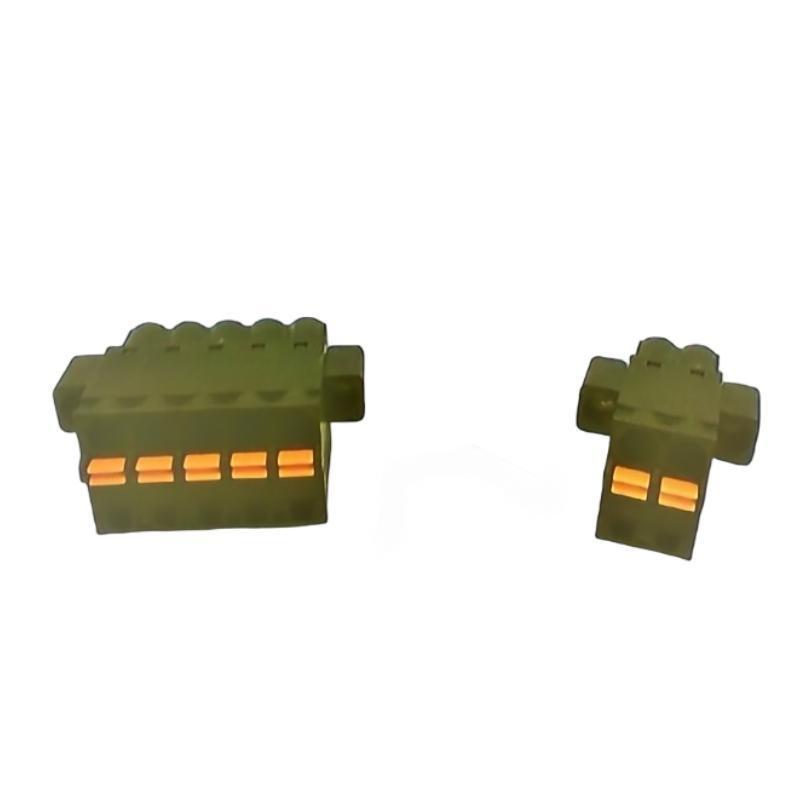
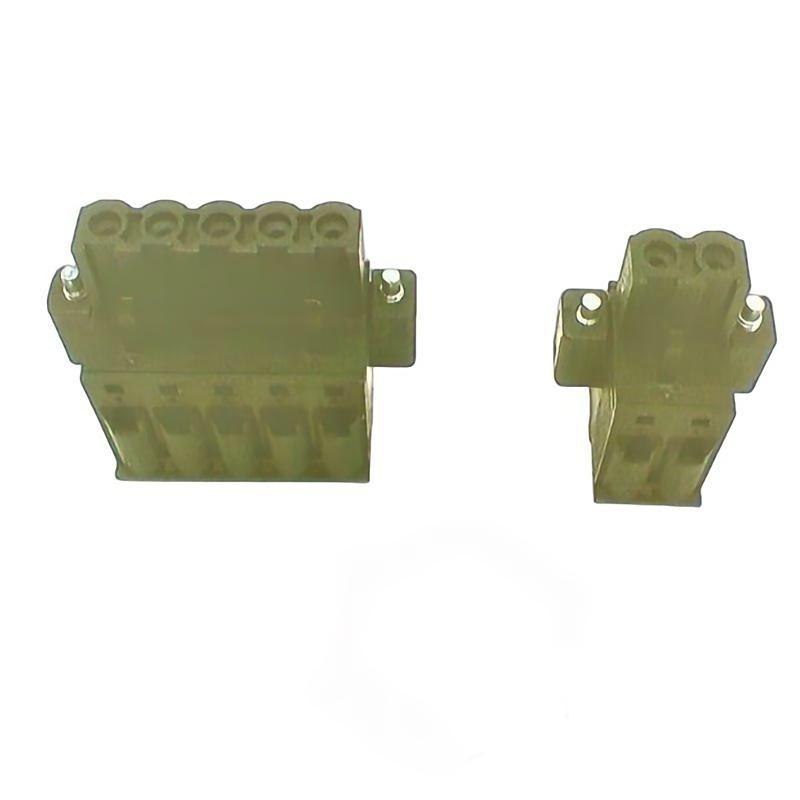
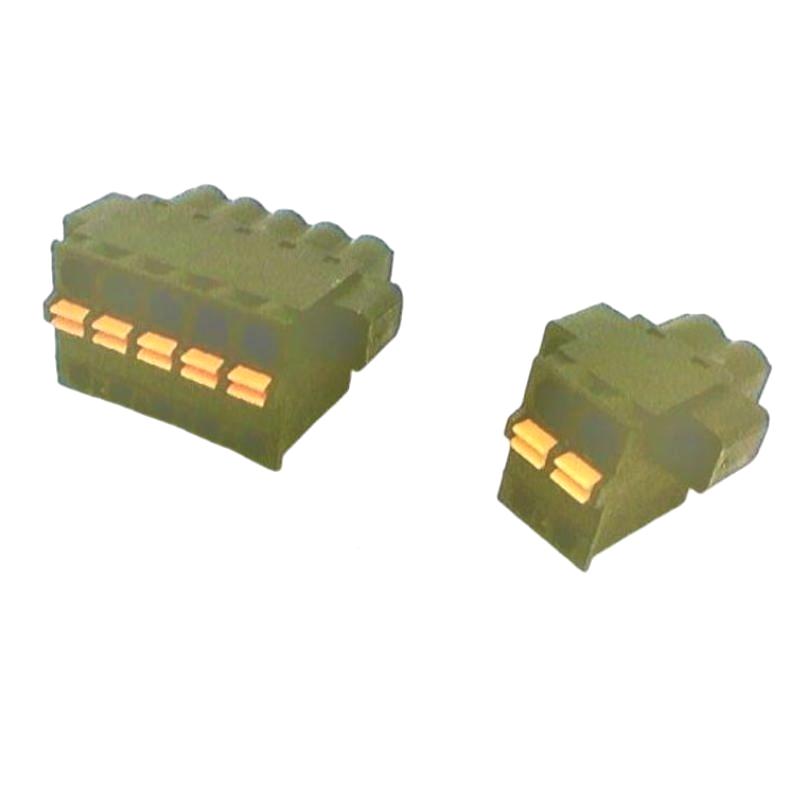
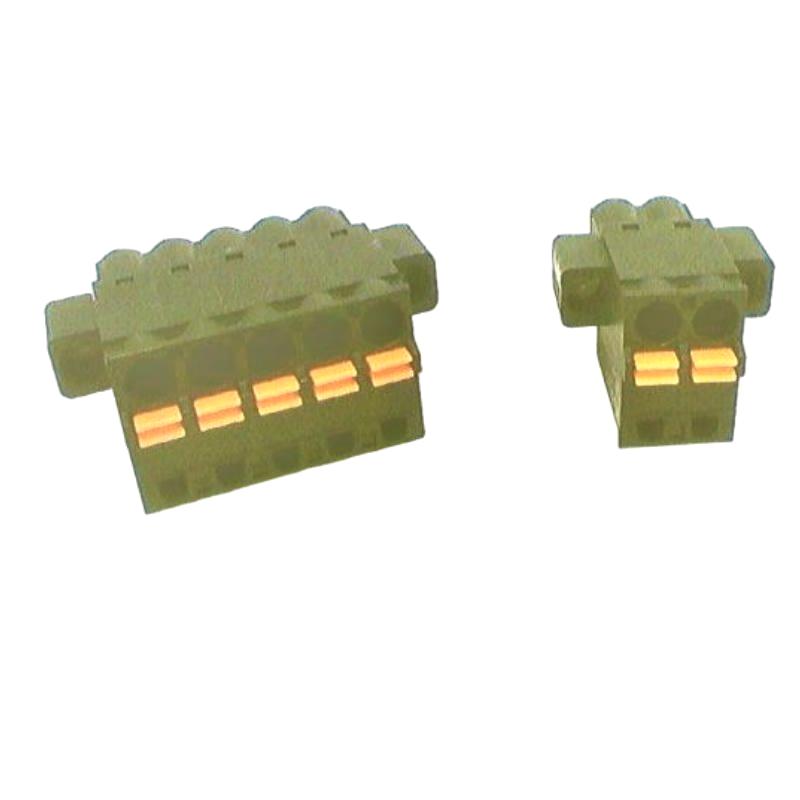
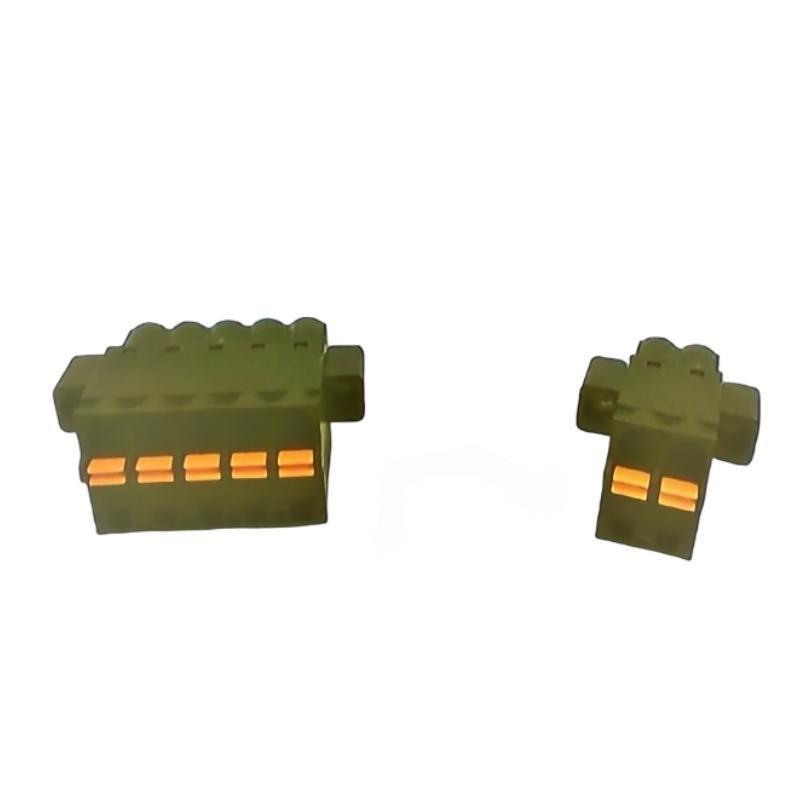
The Schneider BMXXTSCPS20 Detachable Connector is a compact connection accessory designed for use within compatible Schneider Electric industrial automation systems. As a detachable connector, it provides a practical interface for connecting and disconnecting wiring or electrical connections associated with automation equipment while helping simplify installation, maintenance, inspection, and replacement operations.
Connectors are an essential part of modular automation systems. Although they do not normally perform control processing themselves, they establish the electrical interface between field wiring, control modules, terminal arrangements, and other system components. A reliable detachable connection can significantly simplify maintenance because technicians can disconnect an assembly without removing every individual conductor from the complete cabinet wiring arrangement.
The BMXXTSCPS20 has listed dimensions of 52 × 15 × 10 mm and a listed weight of 0.015 kg. Its compact construction allows it to be incorporated into space-constrained industrial control installations where reliable electrical connections and easy serviceability are required.
The connector should be installed only in the intended compatible Schneider Electric equipment and with the appropriate wiring configuration. Exact pin assignments, conductor capacity, electrical ratings, and compatible host equipment should be verified against the applicable system documentation before commissioning.
Technical Specifications
| Parameter | Specification |
|---|---|
| Manufacturer | Schneider Electric |
| Model | BMXXTSCPS20 |
| Product Type | Detachable Connector |
| Primary Function | Removable electrical connection |
| Application | Industrial automation and control systems |
| Dimensions | 52 × 15 × 10 mm |
| Weight | 0.015 kg |
| Installation | Compatible Schneider Electric automation equipment |
| Connection Type | Detachable connection interface |
| System Role | Wiring and equipment connection accessory |
The dimensions and weight above are based on the supplied product information. Specific electrical characteristics such as rated current, voltage, terminal assignment, conductor size, and environmental rating should be confirmed for the exact installation.
What Is the Schneider BMXXTSCPS20?
The Schneider BMXXTSCPS20 is a detachable connector intended to provide a removable electrical connection within a compatible automation architecture.
In industrial control systems, permanent wiring is not always the most convenient solution. Equipment may need to be removed for inspection, replacement, troubleshooting, or cabinet modification. A detachable connector allows an electrical interface to be separated without necessarily disturbing the complete wiring installation.
This can reduce maintenance time and help technicians maintain an organized cabinet.
A simplified connection structure can be represented as:
Control Equipment → BMXXTSCPS20 → Wiring Interface → Field or System Connection
The exact function of the connector depends on the equipment with which it is installed.
Function of a Detachable Connector
A detachable connector performs a relatively simple but important role in industrial automation.
Its main functions can include:
- Establishing an electrical connection
- Providing a removable interface
- Simplifying equipment replacement
- Supporting cabinet maintenance
- Reducing wiring disturbance during service
- Helping organize electrical connections
- Facilitating module installation and removal
In a modular PLC system, connectors are particularly useful because individual modules may need to be replaced while the rest of the control cabinet remains installed.
Instead of individually disconnecting every conductor, an appropriately designed detachable interface can allow the associated connection to be separated as an assembly.
Role in Industrial Automation
Industrial automation systems contain many electrical interfaces between controllers, I/O modules, sensors, actuators, power equipment, and communication devices.
The BMXXTSCPS20 belongs to the connection layer of this architecture.
A typical system can include:
PLC → I/O Module → Connector → Wiring → Field Device
The connector itself does not execute the control program. Instead, it provides the physical electrical interface required for the control system to communicate with connected equipment.
This makes connector reliability important even though the component is passive.
A poor connection can result in symptoms such as:
- Intermittent signals
- Missing inputs
- Unstable outputs
- Communication interruptions
- Unexpected diagnostics
- Complete loss of an electrical circuit
Consequently, connector condition should be considered whenever an automation system develops an intermittent electrical problem.
Compact Mechanical Design
The Schneider BMXXTSCPS20 has listed dimensions of:
52 × 15 × 10 mm
Its listed weight is:
0.015 kg
The compact dimensions are advantageous in applications where cabinet space is limited.
The small physical footprint can help maintain organized equipment layouts while leaving room for:
- PLC modules
- Terminal blocks
- Wiring ducts
- Cable channels
- Power supplies
- Communication equipment
- Field wiring
- Maintenance access
Because the connector is only 10 mm in the listed third dimension, technicians should avoid excessive mechanical force during installation and removal.
Installation Guidelines
Correct installation helps ensure a stable electrical connection and reduces the possibility of intermittent faults.
Verify the Connector
Before installation, confirm:
- Complete model number
- Connector type
- Intended Schneider equipment
- Physical orientation
- Connection location
- Associated wiring
The correct BMXXTSCPS20 identification should be confirmed before installation.
Inspect the Connector
Before connecting, visually inspect the connector for:
- Damaged housing
- Bent contacts
- Contamination
- Cracks
- Mechanical deformation
- Foreign material
A damaged connector should not be forced into position.
Confirm Wiring
The associated conductors should be correctly identified before connection.
Wiring should be checked against the applicable electrical documentation rather than relying only on wire color.
Insert Carefully
The connector should be aligned correctly before insertion. Avoid excessive force because incorrect alignment can damage the connector or its mating interface.
Verify Retention
After installation, verify that the connector is properly seated and mechanically retained.
An apparently connected plug that is not fully seated may create intermittent electrical behavior.
Electrical Connection Considerations
The BMXXTSCPS20 should be considered part of a complete electrical connection system.
Reliable operation depends on:
- Correct connector selection
- Correct wiring
- Proper mating
- Secure retention
- Clean contact surfaces
- Appropriate cable routing
- Suitable electrical loading
The exact electrical capacity of the connector should not be assumed solely from its physical dimensions.
Voltage rating, current rating, conductor size, pin assignment, and environmental specifications should be confirmed according to the applicable Schneider Electric system configuration.
Industrial Applications
PLC Control Cabinets
Detachable connectors are commonly useful in modular PLC cabinets where control modules and wiring need to remain serviceable.
Factory Automation
Manufacturing equipment may require frequent inspection and replacement of control components. A removable connection interface can simplify service operations.
Machine Control Systems
Machine builders often need compact wiring arrangements where components can be removed without completely rewiring the machine.
Process Automation
Process-control cabinets may contain numerous I/O and instrumentation connections. Detachable connection arrangements can support maintenance and equipment replacement.
Remote I/O Installations
Distributed automation systems can contain multiple I/O assemblies. Appropriate detachable connections can make individual equipment sections easier to service.
Industrial Equipment Maintenance
Where maintenance personnel need to replace modules or assemblies quickly, detachable connectors can reduce the amount of wiring that must be disturbed.
Maintenance and Inspection
Although the BMXXTSCPS20 is a compact passive component, regular inspection can help prevent connection-related failures.
Maintenance personnel should periodically check for:
Mechanical Damage
Look for cracked housings, deformation, broken locking features, or other physical damage.
Contact Contamination
Dust, oil, moisture, oxidation, or other contaminants can affect electrical contact quality.
Loose Connections
A connector that is not fully seated may cause intermittent electrical behavior.
Cable Stress
Excessive pulling, bending, or mechanical tension on connected wiring can transfer stress to the connector.
Repeated Mating Cycles
If a connector is frequently removed and reinstalled, its mechanical and electrical interfaces should be inspected for wear.
Troubleshooting the BMXXTSCPS20 Connection
Because a detachable connector is part of the electrical path, connection problems can sometimes appear as faults in the associated PLC or I/O equipment.
Intermittent Signal
If an input or output works intermittently, inspect:
- Connector seating
- Wiring
- Contact condition
- Cable movement
- Mechanical retention
- Associated module
A connector should be checked before assuming that the electronic control module has failed.
No Signal
If a connected circuit produces no signal, verify:
- Correct wiring
- Connector orientation
- Connector seating
- Associated module power
- Field device condition
- Cable continuity
Signal Changes When Cable Moves
If the signal changes when the cable or connector is moved, inspect the connection for mechanical looseness, damaged contacts, or conductor stress.
This type of symptom can indicate a connection problem rather than a software or PLC-programming problem.
Connector Cannot Be Installed
Do not force the connector into place.
Check:
- Correct model
- Orientation
- Mating interface
- Physical obstruction
- Connector condition
Forcing an incorrectly aligned connector can damage both the connector and the host equipment.
Replacement Procedure
When replacing a BMXXTSCPS20, maintenance personnel should follow a controlled procedure.
Step 1: Identify the Existing Connector
Record the complete model number and installation location.
Step 2: De-Energize Where Required
Follow the applicable electrical safety and lockout procedures before working on the installation.
Step 3: Inspect the Mating Interface
Before installing the replacement, check the mating connector or host equipment for contamination or physical damage.
Step 4: Verify Wiring
Confirm that conductors remain correctly identified and positioned.
Step 5: Install the Replacement
Align the BMXXTSCPS20 correctly and insert it without excessive force.
Step 6: Verify Mechanical Retention
Make sure the connector is fully seated.
Step 7: Test the System
Restore the system according to the applicable commissioning procedure and verify the connected signals.
System Integration
The BMXXTSCPS20 can be viewed as one element within a larger Schneider Electric automation architecture.
Depending on the installation, surrounding equipment may include:
- Modicon PLC controllers
- Schneider Electric I/O modules
- Analog input modules
- Analog output modules
- Digital input modules
- Digital output modules
- Communication modules
- Remote I/O equipment
- Industrial Ethernet components
- Terminal blocks
- Sensors
- Actuators
- Control power supplies
The connector itself should not be considered a replacement for an I/O module or controller. Its purpose is to establish the appropriate physical electrical connection between compatible components.
Cabinet Layout Considerations
Although the BMXXTSCPS20 is very small, its installation should still be considered during cabinet design.
The 52 × 15 × 10 mm dimensions provide a useful reference for:
- Equipment spacing
- Connector access
- Cable routing
- Service clearance
- Replacement planning
- Wiring duct arrangement
The connector should remain accessible enough for maintenance personnel to disconnect and reconnect it when required.
Cable routing should also avoid placing unnecessary mechanical tension on the connector.
Handling and Storage
Because of its small size and 0.015 kg listed weight, the BMXXTSCPS20 is easy to handle, but its electrical contact surfaces should still be protected.
Recommended practices include:
- Store in a clean and dry location
- Protect against moisture
- Avoid impact
- Prevent contamination of contact surfaces
- Keep the connector in protective packaging until installation
- Avoid unnecessary mating and unmating during storage
Small connection components should be clearly labeled in spare-parts inventory to prevent confusion with visually similar connectors.
Replacement Considerations
When sourcing a replacement, verify the complete part number:
Schneider BMXXTSCPS20
Also confirm:
- Product type
- Physical dimensions
- Connector configuration
- Mating equipment
- Wiring arrangement
- Installation location
- Electrical requirements
The listed physical specifications are 52 × 15 × 10 mm and 0.015 kg.
A connector that appears physically similar should not automatically be treated as an equivalent replacement because differences in pin arrangement, mating geometry, or electrical characteristics can prevent correct operation.
Key Advantages
The Schneider BMXXTSCPS20 provides several practical benefits for compatible automation installations:
- Compact detachable connection design
- Small 52 × 15 × 10 mm form factor
- Low listed weight of 0.015 kg
- Simplifies equipment connection and disconnection
- Supports easier maintenance
- Helps reduce unnecessary wiring disturbance
- Suitable for compact industrial control cabinets
- Facilitates component replacement
- Supports organized modular automation wiring
- Provides a practical interface within compatible Schneider Electric systems
Technical FAQs
What is the Schneider BMXXTSCPS20?
The Schneider BMXXTSCPS20 is a Detachable Connector designed for use as a removable electrical connection within compatible Schneider Electric automation equipment.
What are the dimensions of the BMXXTSCPS20?
The listed dimensions are 52 × 15 × 10 mm.
How much does the BMXXTSCPS20 weigh?
The listed weight is 0.015 kg.
What is the purpose of a detachable connector?
A detachable connector provides a removable electrical interface that can simplify installation, maintenance, inspection, and equipment replacement.
Is the BMXXTSCPS20 a PLC module?
No. It is a connection accessory, not a PLC CPU, I/O module, or communication controller.
Why are detachable connectors useful in industrial automation?
They allow technicians to disconnect compatible equipment or wiring interfaces more efficiently, reducing the need to individually disturb every conductor during maintenance.
What can cause an intermittent connection?
Possible causes include incomplete insertion, mechanical looseness, damaged contacts, contaminated connection surfaces, cable stress, or damage to the mating interface.
Should the connector be forced into position?
No. If the BMXXTSCPS20 does not fit correctly, the model, orientation, mating interface, and connector condition should be checked before proceeding.
What should be verified when replacing the BMXXTSCPS20?
The complete model number, physical configuration, mating equipment, wiring arrangement, and applicable electrical requirements should be verified before replacement.
Conclusion
The Schneider BMXXTSCPS20 Detachable Connector is a compact connection accessory designed to provide a practical removable electrical interface within compatible industrial automation equipment. Although it does not perform control processing itself, a reliable connector is essential for maintaining the electrical continuity between automation hardware and associated wiring.
With listed dimensions of 52 × 15 × 10 mm and a weight of 0.015 kg, the BMXXTSCPS20 is well suited to installations where compact connection components and convenient maintenance access are important considerations.
For reliable operation, the connector should be correctly identified, properly aligned, securely seated, and protected from contamination and mechanical stress. During troubleshooting, connection integrity should be checked alongside wiring and the associated automation equipment before assuming that an electronic module has failed.
When replacing the Schneider BMXXTSCPS20, technicians should verify the complete model number, mating interface, wiring configuration, and host-system requirements to ensure that the replacement is appropriate for the intended Schneider Electric automation installation.