

ProductPRODUCT
Featured products



Contact Us
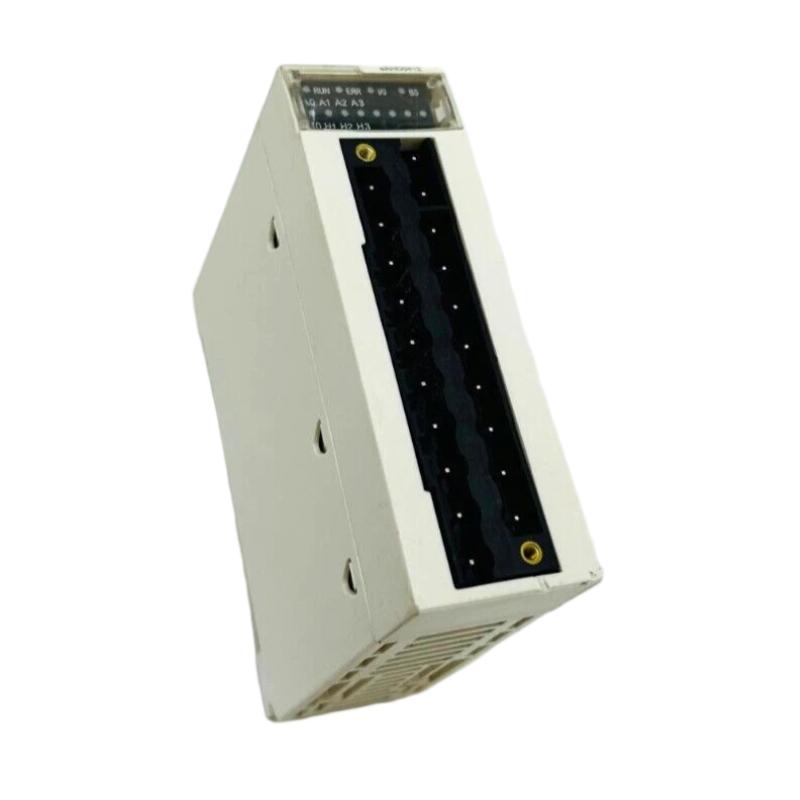
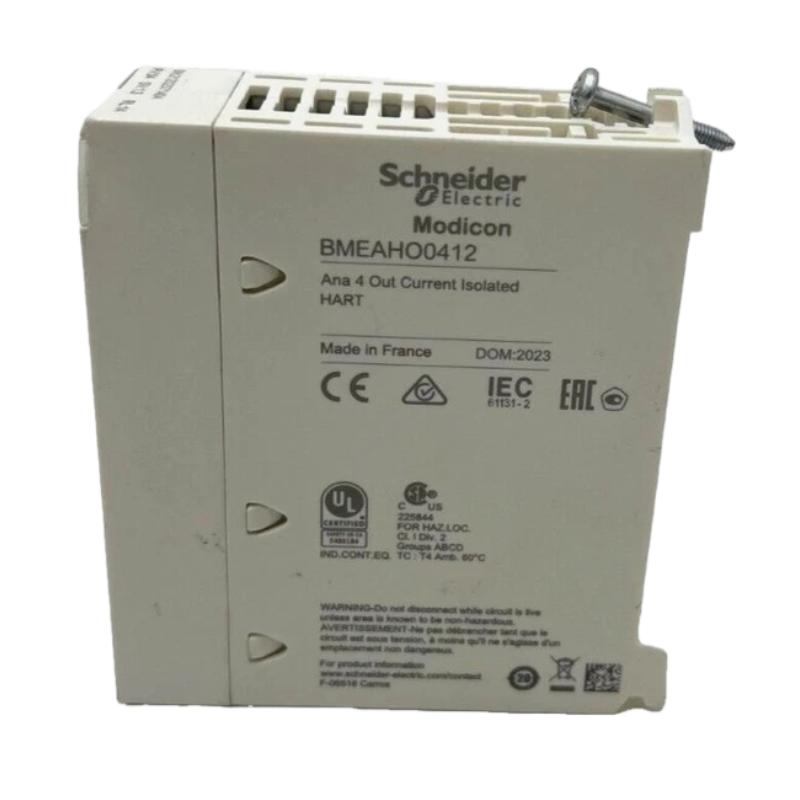
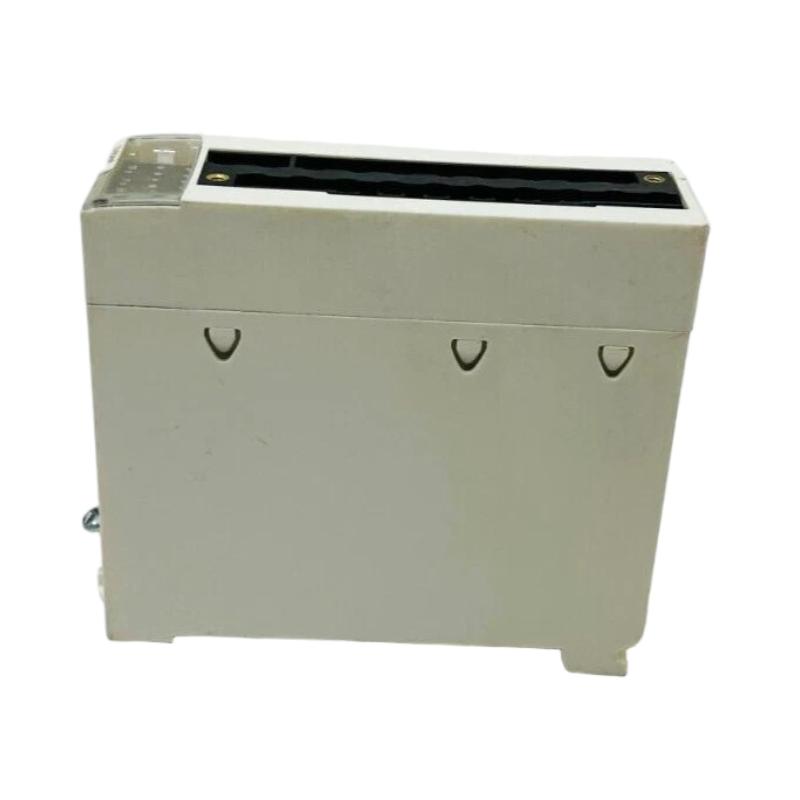
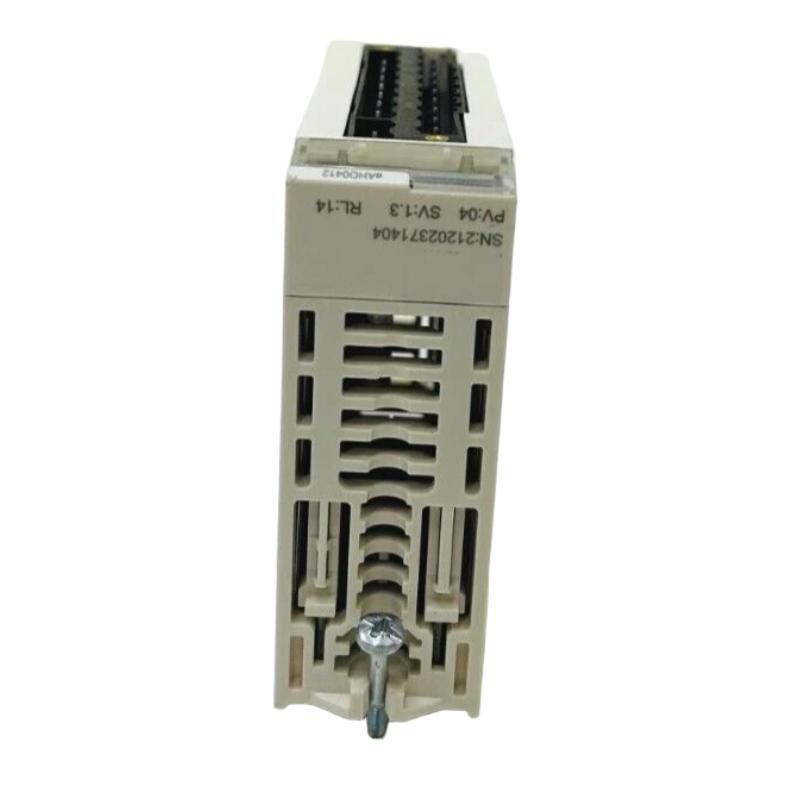
- Schneider
- BMEAHO0412
- Analog Output Module
- France
- 100 × 32 × 86 mm
- 0.223 kg
- Xiamen, China
- New & In Stock
- T/T, PayPal, Western Union
- 1 Year
- 1-3 Working Days
- DHL, UPS, TNT, FedEx and EMS.
- 24-Hour Service
- COO
- 42
Our advantage

Global Logistics
We have a 10-year logistics and express cooperation agreement, so our products can be shipped to any place in the world.

Brand new and original
Our products are imported in bulk from the place of origin. Because of the cooperative relationship, our products are all original and 100% new.

24-hour service
We provide 7*24 hours service to our customers. We will be there whenever you need us.

Price advantage
All our products are priced very favorably because we have our own warehouse and supply.
| Company Information | |||
| [email protected] | |||
| Mobile | +8615980777398 | ||
| +8615980777398 | |||
| 15980777398 |
Product Overview
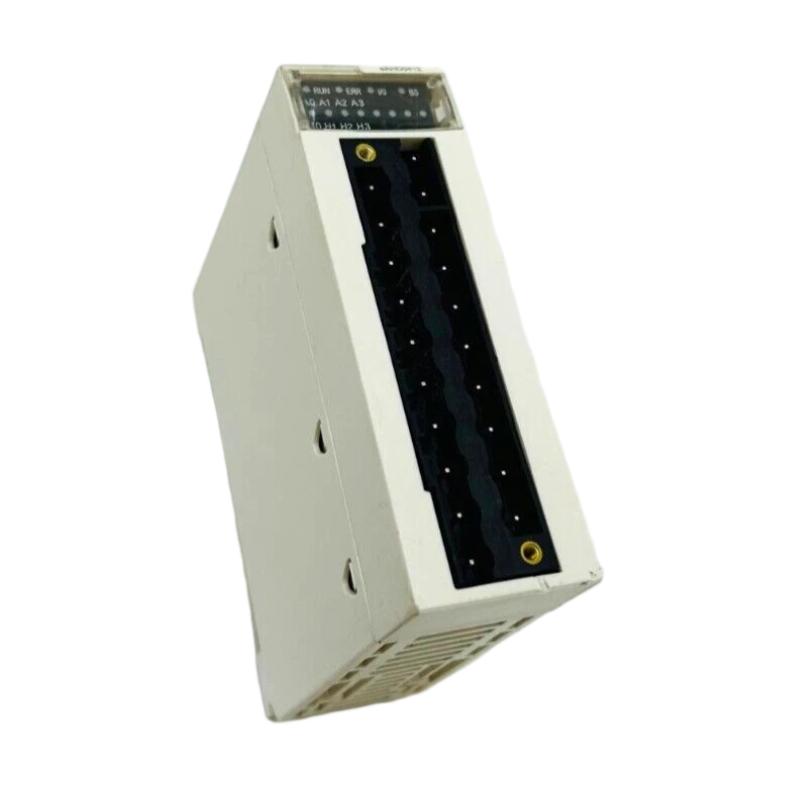
The Schneider BMEAHO0412 Analog Output Module is an industrial automation I/O module designed to provide analog output functionality within a Schneider Electric control system. Analog output modules are used when a PLC or process controller needs to transmit continuously variable electrical signals to field devices such as control valves, actuators, variable-speed equipment, positioners, regulators, and other analog-controlled instruments.
Unlike digital output modules that normally provide discrete ON/OFF signals, an analog output module generates a variable output corresponding to a commanded process value. This makes analog output technology particularly useful in process automation and machine-control applications where equipment must be adjusted gradually rather than simply switched between two states.
The BMEAHO0412 can form part of an industrial automation architecture in which a controller calculates a required process value and the analog output module transfers that command to a field device.
A simplified control path can be represented as:
PLC / Controller → BMEAHO0412 Analog Output Module → Analog Field Device → Process
Typical applications may include flow control, pressure regulation, temperature control, speed references, valve positioning, and other continuous-control functions.
The supplied physical specifications for the BMEAHO0412 are 100 × 32 × 86 mm with a weight of 0.223 kg. These dimensions and weight are useful for cabinet layout, I/O system planning, replacement work, and spare-parts management.
Exact electrical characteristics such as the number of channels, supported output signal ranges, output resolution, load limits, isolation characteristics, accuracy, and wiring assignments should be confirmed against the applicable Schneider Electric technical documentation for the exact module configuration.
Technical Specifications
| Parameter | Specification |
|---|---|
| Manufacturer | Schneider Electric |
| Model | BMEAHO0412 |
| Product Type | Analog Output Module |
| Product Family | Schneider Electric Industrial Automation I/O |
| Primary Function | Analog Signal Output |
| Application | Industrial Process and Machine Control |
| Module Role | Controller-to-Field-Device Interface |
| Dimensions | 100 × 32 × 86 mm |
| Weight | 0.223 kg |
| Installation | Industrial Automation I/O System |
| Typical Applications | Valve Control, Process Regulation, Speed Reference, Actuator Control and Analog Instrumentation |
The physical dimensions and weight above are based on the supplied product information. Exact electrical specifications should be verified for the particular BMEAHO0412 hardware revision and system configuration before installation.
What Is the Schneider BMEAHO0412?
The Schneider BMEAHO0412 is an analog output module used to transfer variable electrical control signals from an industrial controller to connected field equipment.
In a typical automation system, the PLC or process controller determines the required output value. The BMEAHO0412 then provides the corresponding analog output to the connected field device.
For example, a controller may calculate that a process valve should be partially opened. Instead of sending a simple ON/OFF command, the control system can use an analog output to represent the required valve position.
The same general principle can be applied to other continuously adjustable devices.
A typical architecture is:
Control Program → Analog Output Module → Analog Signal → Field Device → Process Response
The BMEAHO0412 therefore serves as an interface between software-based control logic and physical process equipment.
Analog Output Working Principle
Analog output control is based on converting a digital control value generated by the controller into a corresponding electrical signal.
1. Control Value Generation
The PLC or process controller calculates the required output according to the control program.
The command may be based on:
- Process feedback
- Operator settings
- Predefined setpoints
- PID control
- Machine sequence
- Production requirements
- Safety or interlock logic
2. Digital-to-Analog Conversion
The controller’s digital value is processed by the analog output system.
The module converts the control value into the configured analog output signal.
The exact signal range and resolution depend on the specific hardware and configuration.
3. Field Device Response
The analog signal is transferred to a connected field device.
Depending on the application, the receiving device may interpret the signal as a command for:
- Valve position
- Speed
- Flow
- Pressure
- Temperature
- Position
- Actuator movement
4. Process Response
The field device changes the physical process according to the commanded value.
Process sensors can then measure the resulting condition and return feedback to the controller.
This creates a closed-loop process-control architecture.
Role in Industrial Control Systems
The BMEAHO0412 can serve as an important interface between a PLC or process controller and analog field equipment.
A typical process-control architecture may include:
Sensors → Analog Input → PLC / Controller → Analog Output → Actuator → Process
The analog input side measures the process condition, while the analog output side sends commands to the equipment controlling that process.
For example:
- A sensor measures process pressure.
- The input system sends the measurement to the controller.
- The controller compares the measurement with the desired setpoint.
- Control logic calculates a new actuator command.
- The BMEAHO0412 provides the analog output.
- A valve or other actuator responds.
- The process changes.
- The sensor measures the new condition.
This type of feedback loop is fundamental to modern industrial process automation.
Industrial Applications
Process Control
Analog output modules are commonly used to control continuously variable process equipment.
Applications can include flow regulation, pressure control, temperature management, and other process-control functions.
Valve Control
A controller can use an analog output to command a compatible control valve or valve positioner.
The exact signal range and interface must be matched between the output module and the receiving device.
Pump and Motor Systems
Analog signals can be used as speed references for compatible variable-speed equipment.
The controller can adjust the command according to process requirements.
HVAC Systems
Industrial and building automation systems may use analog outputs to control dampers, valves, fan speed references, and other continuously adjustable equipment.
Chemical Processing
Chemical processes often require precise adjustment of flow, pressure, temperature, and chemical dosing.
Analog output control can provide the variable commands required by process equipment.
Water and Wastewater Treatment
Water-treatment systems frequently use continuously adjustable valves, pumps, dosing equipment, and other actuators.
An analog output module can provide the interface between the control system and these devices.
Manufacturing Machinery
Manufacturing equipment can use analog outputs for speed references, actuator positioning, tension control, pressure regulation, and other variable-control functions.
System Integration
The BMEAHO0412 can be integrated into a larger Schneider Electric automation architecture.
A typical system may contain:
| Component | Function |
|---|---|
| PLC / Process Controller | Executes control logic |
| BMEAHO0412 | Provides analog output signals |
| Analog Field Device | Receives the variable command |
| Sensors | Measure process conditions |
| HMI | Operator control and monitoring |
| Industrial Network | System communication |
| Power Supply | Provides required system power |
| Control Cabinet | Houses automation components |
The exact system configuration depends on the controller, I/O platform, field devices, and process requirements.
PLC and Controller Integration
The analog output module is normally configured as part of the controller’s I/O architecture.
During engineering, the programmer defines how the output is used by the control application.
For example, a PLC program may calculate a process-control value and write that value to the corresponding analog output channel.
The software architecture may include:
- Setpoint processing
- Scaling
- PID control
- Output limiting
- Alarm handling
- Manual control
- Automatic control
- Interlocking
- Diagnostic monitoring
Correct software scaling is particularly important.
If the PLC engineering value and the physical output range are not correctly matched, the field device may receive an incorrect command.
Analog Output Scaling
Scaling converts a process engineering value into the digital value expected by the analog output system.
For example, a control program may work with a process value expressed in:
- Percent
- °C
- bar
- psi
- L/min
- m³/h
- rpm
- mm
- Other engineering units
The software then converts that engineering value into the appropriate output representation.
The exact scaling formula depends on the selected signal range and module configuration.
Before commissioning, engineers should verify:
- Engineering range
- Output range
- Minimum output
- Maximum output
- Signal direction
- Software scaling
- Field-device scaling
Incorrect scaling can produce a situation where a normal PLC command results in an unexpected physical output.
Installation Guidelines
Correct installation is essential for reliable analog signal performance.
Verify Module Identification
Confirm the complete model designation:
Schneider BMEAHO0412
Check the module label and hardware identification before installation.
Check the Mounting Arrangement
The supplied module dimensions are:
100 × 32 × 86 mm
The control cabinet and I/O assembly should provide adequate physical space for installation and wiring.
Inspect Connections
Check all I/O and system connections before energizing the equipment.
Loose or incorrect connections can result in signal errors or loss of output.
Separate Signal and Power Wiring
Where appropriate, analog signal wiring should be separated from high-power switching conductors.
This can help reduce electromagnetic interference.
Verify Grounding
The control system should be installed with appropriate grounding and shielding practices according to the applicable electrical requirements.
Commissioning Procedure
A structured commissioning procedure helps reduce the risk of incorrect analog control.
Step 1: Verify Hardware
Confirm the BMEAHO0412 model and inspect the module for physical damage.
Verify:
- Model number
- Installation position
- Wiring
- Connectors
- Associated controller
- Field devices
Step 2: Check Field Device Compatibility
Confirm that the connected actuator or instrument accepts the output signal provided by the configured analog channel.
The exact electrical interface should be verified before applying the signal.
Step 3: Configure the Controller
Configure the module in the appropriate Schneider Electric engineering environment.
Verify the module position and channel configuration.
Step 4: Check Software Scaling
Confirm that PLC engineering values correspond correctly to the physical output range.
Step 5: Perform Manual Testing
Where permitted by the machine procedure, test the output at controlled values.
Observe the field device response.
Step 6: Test Automatic Control
After manual verification, place the system into automatic operation.
Monitor the output command and process response.
Troubleshooting the BMEAHO0412
Analog output faults should be investigated from the controller through the module, wiring, and field device.
No Analog Output
Possible causes include:
- Incorrect module configuration
- Controller fault
- Wiring problem
- Field device connection problem
- Incorrect channel configuration
- Power-related problem
- Software configuration issue
Check controller diagnostics and module status before replacing the hardware.
Output Value Is Incorrect
Incorrect output values may result from:
- Incorrect scaling
- Wrong engineering range
- Software configuration
- Incorrect channel assignment
- Wiring problems
- Field-device configuration
- Module-related problems
Compare the commanded software value with the measured electrical output.
Output Is Unstable
Possible causes include:
- Electrical interference
- Poor wiring
- Grounding problems
- Incorrect software control
- Unstable process feedback
- Field-device problems
- Connection problems
Check both the electrical signal and the process-control loop.
Field Device Does Not Respond
If the controller appears to generate the expected output but the field device does not respond, inspect:
- Field wiring
- Device configuration
- Signal compatibility
- Device power
- Input terminals
- Scaling
- Device status
The problem may be outside the analog output module.
Intermittent Output
Intermittent behavior can be associated with:
- Loose wiring
- Damaged cables
- Connector problems
- Electrical interference
- Cabinet vibration
- Power instability
- Field-device issues
Monitor the signal while inspecting the complete signal path.
Maintenance Recommendations
Regular inspection can help maintain analog output reliability.
Inspect Wiring
Check analog cables for:
- Loose terminals
- Damaged insulation
- Excessive bending
- Moisture exposure
- Connector problems
Monitor Output Trends
Long-term monitoring can reveal changes in output behavior.
Unexpected deviations may indicate wiring, process, configuration, or hardware problems.
Check Cabinet Conditions
Maintain suitable cabinet conditions and protect the module from excessive:
- Dust
- Moisture
- Heat
- Vibration
- Electrical interference
Review Diagnostic Information
Controller and I/O diagnostic information should be reviewed when abnormal output behavior occurs.
Verify Field Devices
A field actuator can create symptoms that appear to be an analog output problem.
Therefore, the field device should also be tested when troubleshooting.
Replacement Considerations
When replacing a Schneider BMEAHO0412 Analog Output Module, verify the complete model number and system configuration.
Important checks include:
- Module model
- Hardware revision
- Controller compatibility
- I/O configuration
- Channel configuration
- Output signal requirements
- Wiring arrangement
- Field-device compatibility
- Software configuration
The supplied physical specifications are:
Dimensions: 100 × 32 × 86 mm
Weight: 0.223 kg
A module with a similar physical appearance should not automatically be considered interchangeable.
The electrical characteristics and controller compatibility must be verified before replacement.
Physical Dimensions and Weight
The supplied physical information for the BMEAHO0412 is:
| Physical Parameter | Value |
|---|---|
| Dimensions | 100 × 32 × 86 mm |
| Weight | 0.223 kg |
These specifications are useful for:
- Control cabinet planning
- I/O rack layout
- Installation preparation
- Spare-parts management
- Replacement planning
- Transportation
- Inventory control
Additional mounting and terminal dimensions should be verified from the applicable technical documentation before cabinet fabrication.
Engineering Best Practices
Verify Signal Compatibility
The BMEAHO0412 output must be compatible with the input requirements of the connected field device.
Maintain Correct Scaling
Engineering values and physical output values must be correctly matched.
Protect Analog Signals
Use appropriate cable routing, shielding, and grounding practices where required.
Avoid Unnecessary Signal Interference
Keep sensitive analog wiring away from high-power switching conductors where practical.
Test Outputs Before Automatic Operation
Controlled manual testing can help identify wiring or scaling errors before the system enters full automatic operation.
Monitor the Complete Control Loop
An analog output problem may originate in the controller, module, wiring, field device, or process.
Compatible Automation Components
Depending on the system architecture, the BMEAHO0412 may operate with:
- Schneider Electric PLC systems
- Schneider process controllers
- Schneider automation racks
- Industrial HMI systems
- Analog sensors
- Control valves
- Valve positioners
- Variable-speed equipment
- Process instruments
- Industrial communication systems
- Control cabinet power supplies
Exact compatibility should be verified according to the selected controller and system configuration.
Recommended Related Schneider Product Categories
| Product Category | Typical Function |
|---|---|
| Schneider Analog Input Modules | Process measurement |
| Schneider Analog Output Modules | Variable field-device control |
| Schneider Digital I/O Modules | Discrete signal control |
| Schneider PLC CPUs | Control logic execution |
| Schneider Process Controllers | Process regulation |
| Schneider HMI Systems | Operator interface |
| Schneider Communication Modules | Industrial networking |
| Schneider Safety Modules | Machine and process safety |
These categories represent related automation components and should not automatically be treated as direct replacements for the BMEAHO0412.
Key Advantages
Analog Process Control
The BMEAHO0412 provides an interface for transmitting variable control signals to compatible field devices.
Industrial Automation Integration
The module can form part of a PLC- and process-control-based automation architecture.
Suitable for Continuous Control
Analog outputs are useful when field equipment must be adjusted continuously rather than through simple ON/OFF commands.
Compact Physical Design
The supplied dimensions of 100 × 32 × 86 mm make physical layout and cabinet planning straightforward.
Lightweight Construction
With a supplied weight of 0.223 kg, the module is relatively lightweight for installation and replacement handling.
Broad Application Potential
Analog output technology can be applied to valves, actuators, speed references, process regulators, and other variable-control applications.
Technical FAQs
What is the Schneider BMEAHO0412?
The Schneider BMEAHO0412 is an industrial Analog Output Module designed to provide variable electrical control signals within a Schneider automation system.
What is the function of an analog output module?
An analog output module converts controller commands into variable electrical signals that can be used to control compatible field devices such as valves, actuators, and speed-control equipment.
What are the dimensions of the BMEAHO0412?
The supplied dimensions are 100 × 32 × 86 mm.
How much does the BMEAHO0412 weigh?
The supplied weight is 0.223 kg.
Where can an analog output module be used?
Analog output modules can be used in process control, water treatment, HVAC, chemical processing, manufacturing, packaging, motor-speed reference systems, and other applications requiring variable control signals.
What can cause an incorrect analog output?
Potential causes include incorrect software scaling, wrong channel configuration, wiring problems, field-device configuration, electrical interference, or module-related faults.
Why is scaling important?
Scaling ensures that the engineering value generated by the PLC corresponds correctly to the physical analog output expected by the connected field device.
What should be checked before replacing the BMEAHO0412?
The complete model number, controller compatibility, I/O configuration, output requirements, wiring, field-device compatibility, and software configuration should be verified.
Can a similar Schneider analog module replace the BMEAHO0412?
Not automatically. Analog modules can have different electrical characteristics, channel configurations, signal ranges, and system compatibility requirements.
Conclusion
The Schneider BMEAHO0412 Analog Output Module is an industrial automation interface designed to transfer variable control commands from a controller to compatible analog field equipment. By providing an analog output interface, it can support continuous process regulation and machine-control functions involving valves, actuators, speed references, and other variable-control devices.
The supplied physical specifications are 100 × 32 × 86 mm with a weight of 0.223 kg, making these parameters useful for control cabinet planning, installation, replacement, and spare-parts management.
Reliable operation depends on correct controller configuration, appropriate signal scaling, compatible field-device connections, proper wiring, suitable grounding and shielding practices, and systematic commissioning.
Before installation or replacement, engineers should verify the complete BMEAHO0412 model designation and confirm the required electrical characteristics, channel configuration, output range, wiring, and controller compatibility for the intended automation system.