

ProductPRODUCT
Featured products



Contact Us
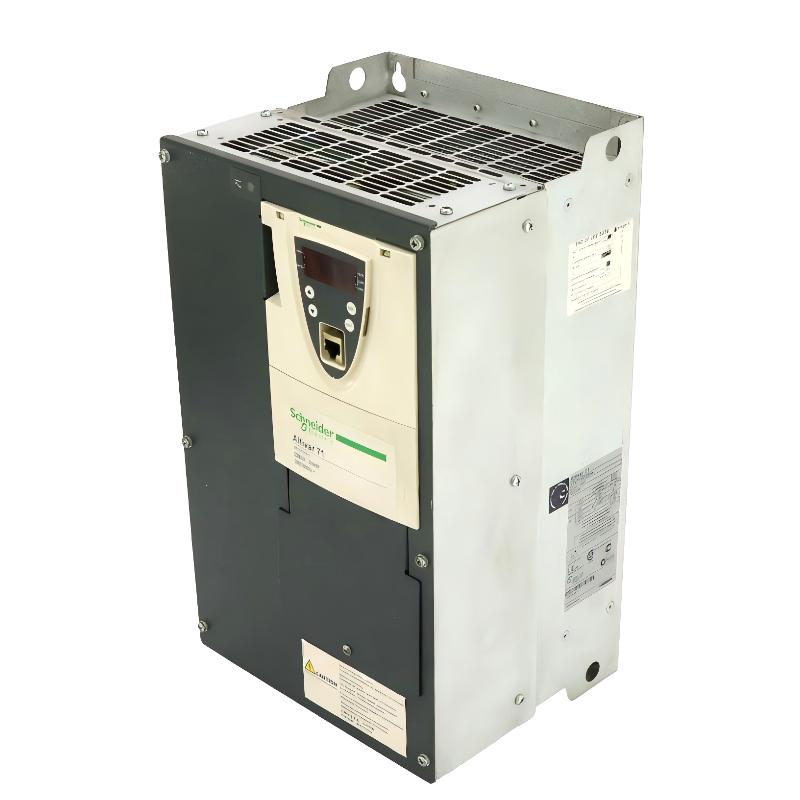
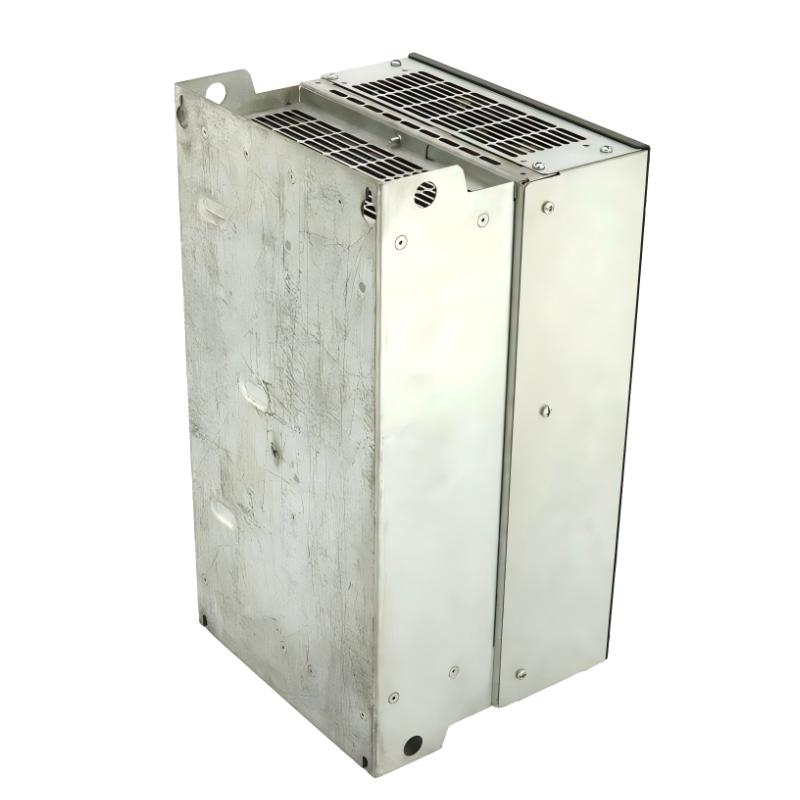
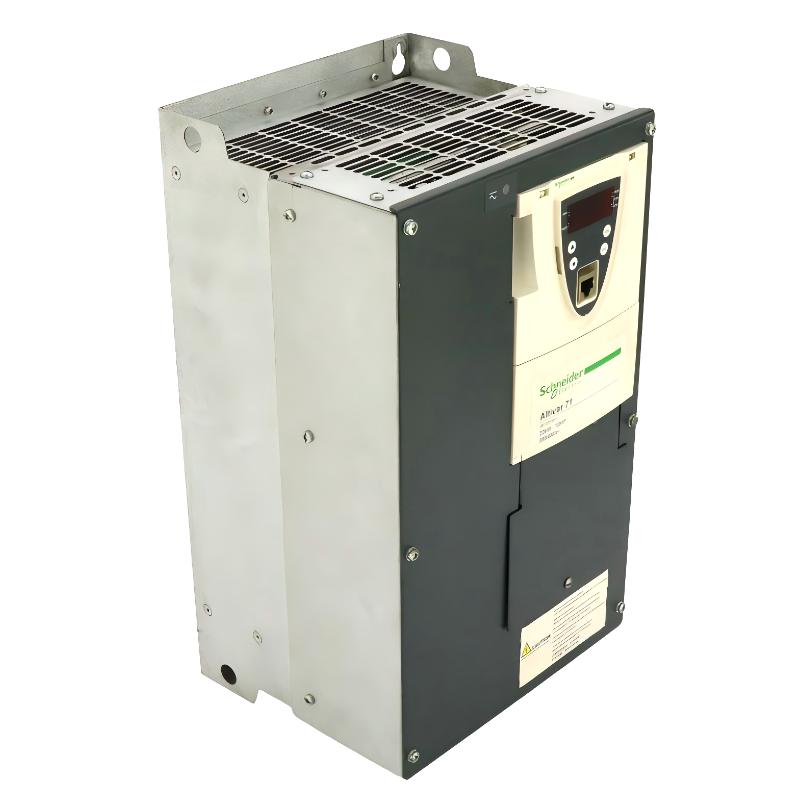
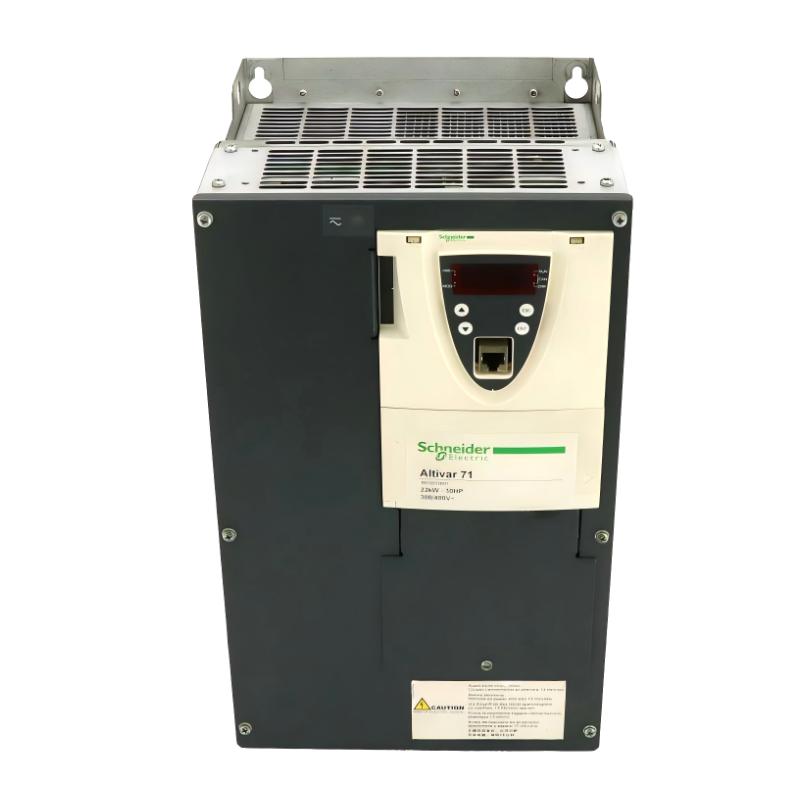
- Schneider
- ATV71HD22N4
- Variable Speed Drive
- France
- 420 × 230 × 236 mm
- 21 kg
- Xiamen, China
- New & In Stock
- T/T, PayPal, Western Union
- 1 Year
- 1-3 Working Days
- DHL, UPS, TNT, FedEx and EMS.
- 24-Hour Service
- COO
- 56
Our advantage

Global Logistics
We have a 10-year logistics and express cooperation agreement, so our products can be shipped to any place in the world.

Brand new and original
Our products are imported in bulk from the place of origin. Because of the cooperative relationship, our products are all original and 100% new.

24-hour service
We provide 7*24 hours service to our customers. We will be there whenever you need us.

Price advantage
All our products are priced very favorably because we have our own warehouse and supply.
| Company Information | |||
| [email protected] | |||
| Mobile | +8615980777398 | ||
| +8615980777398 | |||
| 15980777398 |
Product Overview
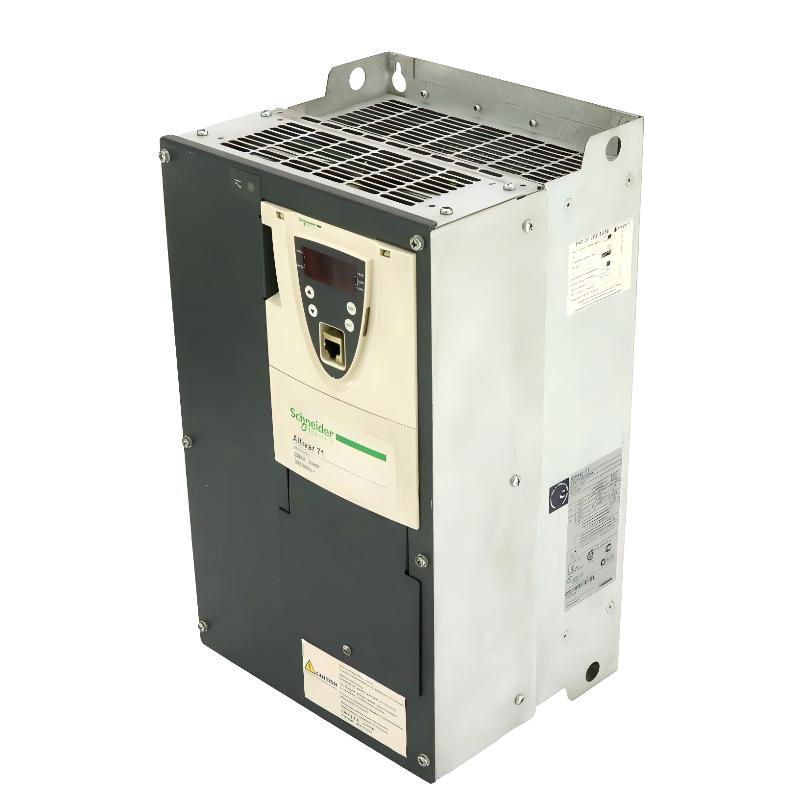
The Schneider Electric ATV71HD22N4 Variable Speed Drive is an industrial AC motor control device from the Altivar 71 family, designed for applications that require adjustable motor speed, controlled acceleration and deceleration, and integration with industrial automation systems. It provides a controlled electrical interface between the incoming power supply and a three-phase AC motor, allowing motor operation to be adapted to the mechanical and process requirements of the connected equipment.
In industrial environments, motors are often required to operate at different speeds depending on production conditions. A variable speed drive makes this possible by controlling the electrical frequency and voltage delivered to the motor. Instead of relying on fixed-speed operation, the machine can use a defined speed reference to regulate motor performance. This approach is applicable to conveyors, pumps, fans, compressors, material-handling systems, production equipment, and many other industrial machines.
The ATV71HD22N4 is particularly relevant to installations where reliable motor control must be combined with flexible automation integration. The drive can operate as part of a larger system containing PLCs, HMIs, sensors, protective devices, communication interfaces, and other industrial components.
The supplied physical specifications for this model are 420 × 230 × 236 mm, with a weight of 21 kg. These values are important when planning cabinet space, mounting arrangements, transportation, replacement, and maintenance access.
Technical Specifications
| Parameter | Specification |
|---|---|
| Manufacturer | Schneider Electric |
| Model | ATV71HD22N4 |
| Product Family | Altivar 71 |
| Product Type | Variable Speed Drive |
| Drive Category | Industrial AC Motor Drive |
| Motor Type | Three-Phase AC Motor |
| Primary Function | Variable-Speed Motor Control |
| Control Principle | Variable-Frequency Motor Control |
| Installation | Electrical Cabinet / Industrial Panel |
| Cooling | Forced-Air Cooling |
| Automation Integration | PLC, HMI and Industrial Control Systems |
| Communication | Application-dependent communication interface |
| Dimensions | 420 × 230 × 236 mm |
| Weight | 21 kg |
| Typical Applications | Conveyors, pumps, fans, compressors, process machinery and material handling |
Exact electrical ratings, motor-current values, overload characteristics, terminal assignments, communication options, and parameter functions should be verified against the applicable ATV71HD22N4 hardware revision and installation documentation.
What Is the Schneider ATV71HD22N4?
The Schneider ATV71HD22N4 is a high-power Altivar 71 Variable Speed Drive used to regulate the operating characteristics of three-phase AC motors.
The drive is positioned between the electrical supply and motor:
Industrial AC Supply → ATV71HD22N4 → Controlled Motor Output → AC Motor → Mechanical Load
The ATV71HD22N4 receives electrical power and uses electronic switching and control circuitry to produce a controlled output for the motor.
By changing the output frequency and voltage according to the configured motor-control strategy, the drive can regulate motor speed and provide controlled starting and stopping.
This makes the drive an important component in industrial automation systems where motor speed needs to respond to machine commands or process conditions.
Variable Speed Control Principle
Frequency-Based Speed Regulation
The operating speed of an AC motor is strongly associated with its electrical supply frequency. A variable speed drive takes advantage of this relationship by generating a controlled output frequency.
The speed-control process can therefore be simplified as:
Speed Reference → Drive Control → Output Frequency → Motor Speed
A PLC, operator interface, analog signal, communication network, or another compatible control source can provide the speed reference depending on the system architecture.
The drive then adjusts motor operation according to the programmed configuration.
Controlled Acceleration
Large industrial machines may experience significant mechanical forces when a motor starts suddenly.
The ATV71HD22N4 can provide a controlled acceleration profile, allowing the motor to increase speed gradually.
This can help reduce stress on:
- Shafts
- Couplings
- Gearboxes
- Belts
- Bearings
- Conveyors
- Pumps
- Fans
The actual acceleration settings should be selected according to the motor, load inertia, machine requirements, and operating sequence.
Controlled Deceleration
The same principle can be applied during stopping.
Instead of abruptly removing motor operation, the drive can reduce the output frequency according to a configured deceleration profile.
This can provide smoother machine stopping and improve coordination with other equipment.
Applications involving high inertia or frequent stopping may require an appropriate braking strategy.
Motor Control in Industrial Automation
The ATV71HD22N4 can be integrated into an industrial automation architecture in which motor operation is coordinated by a controller.
A typical structure is:
Sensors → PLC → ATV71HD22N4 → Motor → Machine
The PLC receives information from sensors and determines the required machine operating condition. It then sends appropriate commands or speed references to the drive.
The drive controls the motor accordingly.
Depending on the system configuration, the control strategy may involve:
- Start and stop commands
- Forward and reverse operation
- Speed references
- Acceleration and deceleration settings
- Operating mode selection
- Fault reset
- Drive status monitoring
This architecture allows the motor to become an integrated part of the overall machine sequence.
Role in Process Optimization
Variable speed control can improve the flexibility of industrial processes by matching motor operation more closely with actual demand.
For example, a pumping application may not require maximum motor speed at all times. A conveyor may need to change speed between different production stages. A fan may need to respond to changing airflow requirements.
A variable speed architecture can therefore be represented as:
Process Demand → Controller → Speed Reference → ATV71HD22N4 → Motor
The result is a motor-control system capable of responding dynamically to process requirements.
Depending on the application and operating conditions, variable-speed operation can also reduce unnecessary mechanical loading and improve overall equipment utilization.
Industrial Applications
Conveyor Systems
Conveyors often require adjustable speed to coordinate material movement across a production line.
The ATV71HD22N4 can be used as part of the motor-control architecture for suitable conveyor applications.
Typical applications include:
- Assembly lines
- Packaging systems
- Material transfer
- Sorting systems
- Warehouse equipment
- Production conveyors
Controlled acceleration and deceleration can help reduce mechanical shock during starting and stopping.
Pumping Systems
Variable-speed drives are commonly used in pumping systems where process demand changes over time.
A pump motor can be controlled according to pressure, flow, level, or another process variable when appropriate feedback and control logic are provided.
Potential applications include:
- Industrial water systems
- Process circulation
- Fluid transfer
- Utility systems
- Cooling systems
Industrial Fans
Fan speed can be adjusted according to ventilation and process requirements.
This makes variable speed control suitable for industrial ventilation, extraction, cooling, and air-handling applications.
Compressors
Certain compressor systems can use variable motor speed to respond to changing demand.
The exact drive configuration should be matched to the compressor type, load characteristics, and control strategy.
Material Handling Equipment
Material-handling machines may require controlled motor acceleration, adjustable speed, and controlled stopping.
Examples include:
- Hoisting equipment
- Conveyors
- Transfer systems
- Industrial handling machinery
The drive and motor-control strategy should be engineered according to the mechanical characteristics of the equipment.
Manufacturing Machinery
The ATV71HD22N4 can be incorporated into industrial production equipment requiring variable-speed AC motor control.
Applications may include:
- Packaging machinery
- Processing equipment
- Textile machinery
- Manufacturing lines
- Material-processing equipment
- Industrial machinery
System Architecture
The ATV71HD22N4 generally works as part of a complete electrical and automation system.
| Component | Typical Function |
|---|---|
| AC Power Supply | Provides electrical energy |
| Circuit Protection | Protects the power circuit |
| ATV71HD22N4 | Controls AC motor operation |
| AC Motor | Produces mechanical motion |
| PLC | Executes machine-control logic |
| HMI | Provides operator interface |
| Sensors | Provide process information |
| Communication Network | Transfers control and status data |
| Mechanical Load | Performs the required process |
Each component must be correctly selected and coordinated.
The drive itself should not be considered a replacement for the PLC or machine-control system.
Installation Guidelines
Cabinet Space
The supplied dimensions of the ATV71HD22N4 are:
420 × 230 × 236 mm
These dimensions should be considered when designing or modifying the electrical cabinet.
Adequate space should be provided for:
- Drive mounting
- Power cable routing
- Control wiring
- Ventilation
- Maintenance access
- Cooling airflow
The supplied weight is:
21 kg
The mounting structure should therefore be designed to safely support the drive and account for vibration or other mechanical conditions.
Environmental Conditions
The drive should be installed in an environment suitable for industrial electronic equipment.
Avoid exposure to excessive:
- Dust
- Moisture
- Condensation
- Heat
- Vibration
- Corrosive chemicals
If the installation environment is demanding, the cabinet should provide appropriate environmental protection.
Thermal Management
Variable speed drives generate heat during operation, particularly when operating under significant load.
The cabinet design should therefore consider the thermal contribution of the ATV71HD22N4 together with other equipment.
Potential heat sources include:
- Other variable speed drives
- Power supplies
- Contactors
- Transformers
- Braking components
- Control equipment
Adequate ventilation and heat dissipation are important for maintaining reliable operation.
Blocked ventilation paths, excessive cabinet temperature, or inadequate airflow can contribute to drive overheating.
Power Wiring
Power connections should be performed according to the applicable Schneider Electric installation requirements.
Before energizing the system, technicians should verify:
- Incoming supply connections
- Motor output connections
- Protective grounding
- Cable sizing
- Terminal tightness
- Protective devices
- Motor compatibility
- Insulation condition
The motor and drive should be treated as a complete electrical system.
Incorrect wiring can result in faults, abnormal motor behavior, or equipment damage.
EMC and Cable Routing
Variable speed drives use high-frequency switching devices as part of their normal operation.
Electrical installation practices should therefore take electromagnetic compatibility into consideration.
Depending on the installation, recommended practices may include:
- Appropriate motor cable selection
- Proper grounding
- Suitable shielding
- Separation of power and control wiring
- Separation of communication and high-power cables
- Appropriate EMC accessories where required
Good cable management can reduce the risk of interference affecting analog signals, communication networks, or other control equipment.
PLC, HMI and Communication Integration
The ATV71HD22N4 can be incorporated into PLC-based automation systems.
A typical control sequence is:
PLC → Command / Speed Reference → ATV71HD22N4 → Motor
The PLC can determine the required speed according to machine conditions.
An HMI can provide operators with access to selected drive parameters and operating information.
Depending on the system configuration, monitoring may include:
- Drive running status
- Speed reference
- Operating frequency
- Alarm information
- Fault status
- Motor operating information
- Maintenance data
The exact communication and monitoring functions depend on the installed configuration.
Commissioning Procedure
Step 1: Verify Product Identification
Confirm that the installed drive is:
Schneider Electric ATV71HD22N4
Check the complete product reference and applicable hardware information.
Step 2: Verify Motor Data
Motor parameters should be obtained from the motor nameplate or approved technical documentation.
Relevant motor information may include:
- Rated voltage
- Rated current
- Rated frequency
- Rated speed
- Motor power
- Connection configuration
Step 3: Check Electrical Connections
Before startup, inspect the supply, motor, grounding, and control connections.
Ensure that all required connections are secure.
Step 4: Configure Drive Parameters
Set the appropriate application parameters, including:
- Motor data
- Speed reference
- Acceleration time
- Deceleration time
- Operating mode
- Speed limits
- Direction
- Control commands
Step 5: Perform Initial Motor Test
Start the motor under controlled conditions.
Check:
- Rotation direction
- Acceleration
- Motor current
- Mechanical noise
- Vibration
- Drive status
Step 6: Test at Operating Conditions
After the initial test is satisfactory, gradually operate the machine under representative load conditions.
Confirm that the drive, motor, PLC, HMI, and machine respond correctly.
Troubleshooting the ATV71HD22N4
Drive Does Not Start
If the drive does not start, inspect:
- Incoming power
- Protective devices
- Drive status
- Start command
- Control wiring
- External interlocks
- Configuration parameters
The problem may originate from the control system rather than the drive’s power section.
Motor Does Not Rotate
If the drive is powered but the motor remains stationary, check:
- Start command
- Speed reference
- Motor wiring
- Active faults
- External interlocks
- Motor configuration
- PLC output
Incorrect Motor Speed
If the motor runs but does not reach the expected speed, investigate:
- Speed reference
- Signal scaling
- PLC programming
- Analog input
- Communication settings
- Drive parameters
The entire speed-reference chain should be checked.
Overcurrent Fault
Possible causes include:
- Excessive load
- Mechanical blockage
- Short circuit
- Incorrect motor parameters
- Rapid acceleration
- Motor wiring problems
The mechanical load should be inspected before assuming an electronic drive failure.
Overheating
If the ATV71HD22N4 operates at excessive temperature, inspect:
- Cabinet airflow
- Cooling fan
- Ambient temperature
- Ventilation openings
- Load conditions
- Dust accumulation
- Cabinet thermal design
Repeated overheating indicates that the underlying condition should be corrected rather than simply resetting the drive.
Preventive Maintenance
Cooling Inspection
Inspect ventilation paths periodically.
Make sure that cooling air can circulate freely around the drive.
Electrical Connection Inspection
Check accessible electrical connections for looseness, overheating, or visible damage.
Maintenance should always be performed using appropriate electrical safety procedures.
Motor Inspection
Motor problems can create drive faults.
Inspect the motor and mechanical system for:
- Abnormal vibration
- Bearing wear
- Overheating
- Mechanical obstruction
- Excessive load
- Abnormal noise
Fault History
Repeated drive faults should be recorded and analyzed.
A pattern of recurring faults may reveal problems with the machine, motor, power supply, cooling, or application configuration.
Replacement and Spare-Part Planning
When replacing the ATV71HD22N4, the complete product reference should be verified.
Important information includes:
- Full model number
- Hardware revision
- Motor characteristics
- Electrical supply
- Control method
- Communication configuration
- Installed accessories
- Cabinet arrangement
- Existing parameter configuration
The supplied physical dimensions are:
420 × 230 × 236 mm
The supplied weight is:
21 kg
Physical dimensions alone do not determine electrical compatibility. A replacement should be selected according to the complete motor-control application.
Engineering Best Practices
Match the Drive to the Motor
The drive must be compatible with the motor’s electrical characteristics and intended operating conditions.
Evaluate the Load
The mechanical load determines important aspects of acceleration, deceleration, torque, and braking requirements.
Define the Required Speed Range
The intended minimum and maximum operating speeds should be established during system design.
Consider Braking
High-inertia machines and applications requiring rapid stopping may require an appropriate braking solution.
Design the Cabinet Correctly
The drive’s dimensions, weight, heat generation, cable routing, and service requirements should all be considered.
Document Drive Settings
Important parameters should be recorded after commissioning. Maintaining an accurate parameter record can simplify future maintenance and replacement.
Recommended Related Altivar 71 Models
| Model | Product Type | General Application |
|---|---|---|
| ATV71HD15N4 | Variable Speed Drive | Industrial motor control |
| ATV71HD15N4Z | Variable Speed Drive | Industrial variable-speed applications |
| ATV71HD18N4 | Variable Speed Drive | Higher-power industrial motor control |
| ATV71HD22N4 | Variable Speed Drive | High-power industrial machinery |
| ATV71HC11N4 | Variable Speed Drive | High-power industrial applications |
| ATV71HC13N4 | Variable Speed Drive | Heavy industrial motor control |
| ATV71HC16N4 | Variable Speed Drive | Large industrial equipment |
| ATV71HC25N4 | Variable Speed Drive | High-power industrial machinery |
These models belong to the broader Altivar 71 family. They should not be treated as automatic substitutes for one another without verifying electrical ratings, motor requirements, mechanical dimensions, accessories, control configuration, and application requirements.
Key Advantages
Adjustable Motor Speed
The ATV71HD22N4 provides variable-speed control for industrial AC motors, allowing machine speed to be adjusted according to process requirements.
Controlled Starting and Stopping
Controlled acceleration and deceleration can help reduce mechanical stress and improve machine operation.
Industrial Automation Integration
The drive can operate within PLC, HMI, sensor, and communication-based control architectures.
Broad Application Range
The Altivar 71 platform can be used in suitable conveyor, pump, fan, compressor, material-handling, and manufacturing applications.
Compact Installation Reference
The supplied dimensions of 420 × 230 × 236 mm allow engineers to plan cabinet installation and replacement requirements accurately.
Industrial-Grade Motor Control
The ATV71 platform is designed for demanding industrial applications where flexible motor control is required.
Improved Process Coordination
Variable speed operation allows motors to respond more closely to production and process requirements.
Technical FAQs
What is the Schneider ATV71HD22N4?
The Schneider ATV71HD22N4 is an Altivar 71 Variable Speed Drive designed to control three-phase AC motors in industrial automation and machinery applications.
What does the ATV71HD22N4 do?
The drive controls the electrical frequency and voltage supplied to an AC motor, allowing the motor’s speed and acceleration characteristics to be managed according to the application.
What are the dimensions of the ATV71HD22N4?
The supplied dimensions are 420 × 230 × 236 mm.
How much does the ATV71HD22N4 weigh?
The supplied weight is 21 kg.
Can the ATV71HD22N4 work with a PLC?
Yes. The drive can be incorporated into a PLC-based automation architecture. The exact control and communication method depends on the installed system configuration.
Where is the ATV71HD22N4 used?
Potential applications include conveyors, pumps, fans, compressors, material-handling equipment, production machinery, and industrial process systems requiring variable-speed AC motor control.
Why use the ATV71HD22N4 for industrial motor control?
Variable-speed control allows motor operation to be adapted to actual machine requirements. Controlled acceleration and deceleration can also help reduce mechanical stress.
What should be checked before replacing this drive?
The complete model number, motor characteristics, electrical supply, control architecture, communication configuration, installed accessories, cabinet requirements, and application parameters should all be checked.
What causes an ATV71HD22N4 to overheat?
Potential causes include insufficient ventilation, excessive cabinet temperature, blocked airflow, cooling problems, high continuous loading, or unsuitable cabinet thermal design.
Conclusion
The Schneider Electric ATV71HD22N4 Variable Speed Drive is an industrial AC motor-control solution from the Altivar 71 family, designed for applications requiring adjustable speed, controlled acceleration, controlled deceleration, and integration with industrial automation systems.
With supplied dimensions of 420 × 230 × 236 mm and a weight of 21 kg, the ATV71HD22N4 requires appropriate consideration during cabinet design, mounting, transportation, maintenance, and replacement planning.
The drive can form an important part of conveyor, pumping, ventilation, compressor, material-handling, manufacturing, and process-control systems. By placing controlled motor operation between the electrical supply and the machine, it allows motor speed to become part of the overall automation strategy.
Reliable operation depends on correct motor matching, electrical wiring, grounding, thermal management, cable routing, parameter configuration, commissioning, and preventive maintenance. When replacing an ATV71HD22N4, engineers and technicians should verify the complete product reference and application requirements rather than relying only on physical similarity.
For industrial automation systems requiring flexible and controlled AC motor operation, the ATV71HD22N4 provides a practical platform for integrating motor-speed management into a broader machine and process-control architecture.