

ProductPRODUCT
Featured products
Contact Us
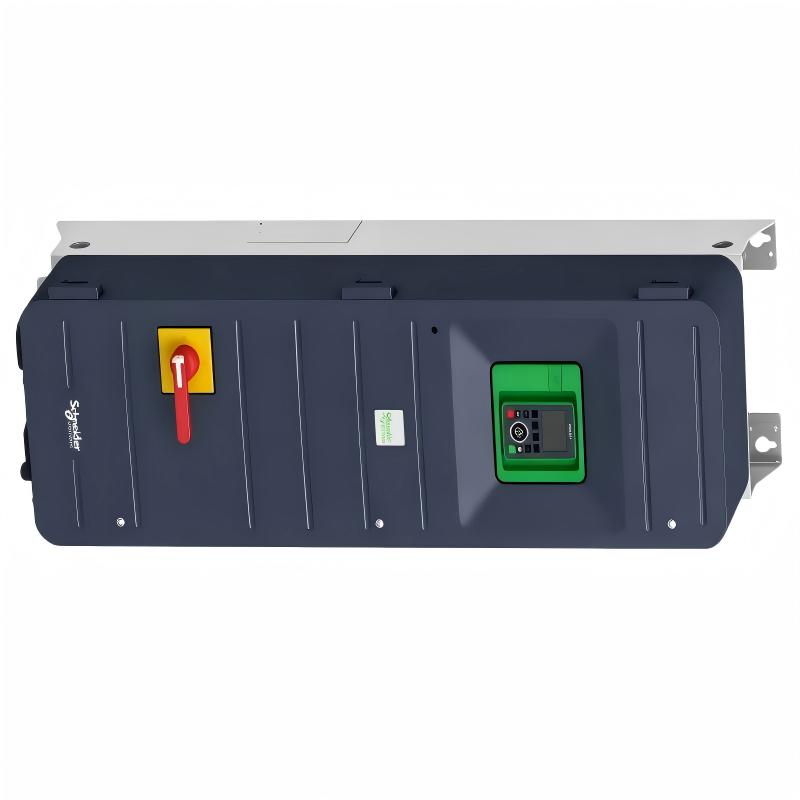
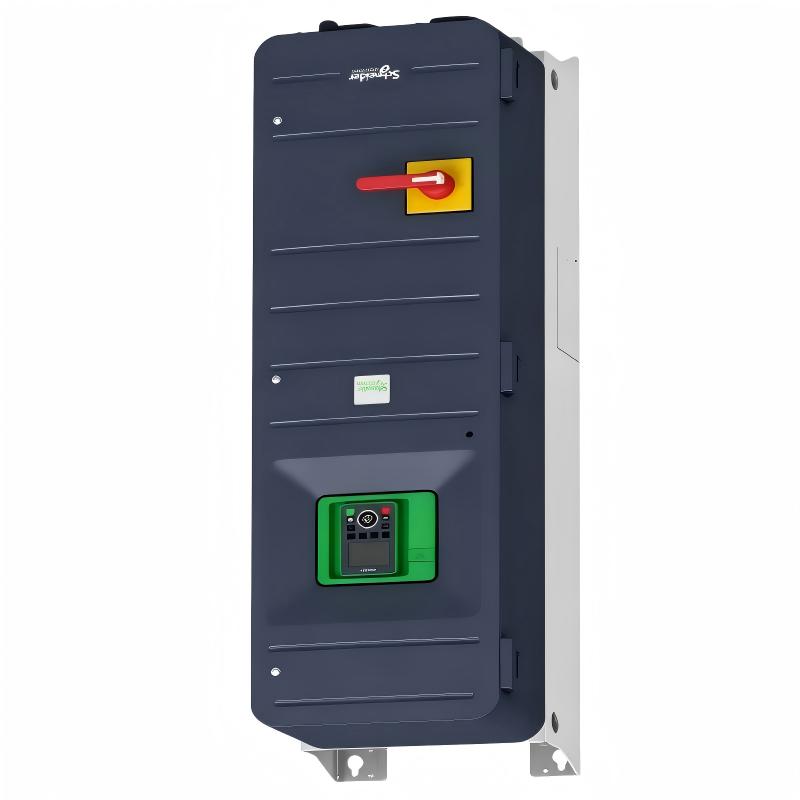
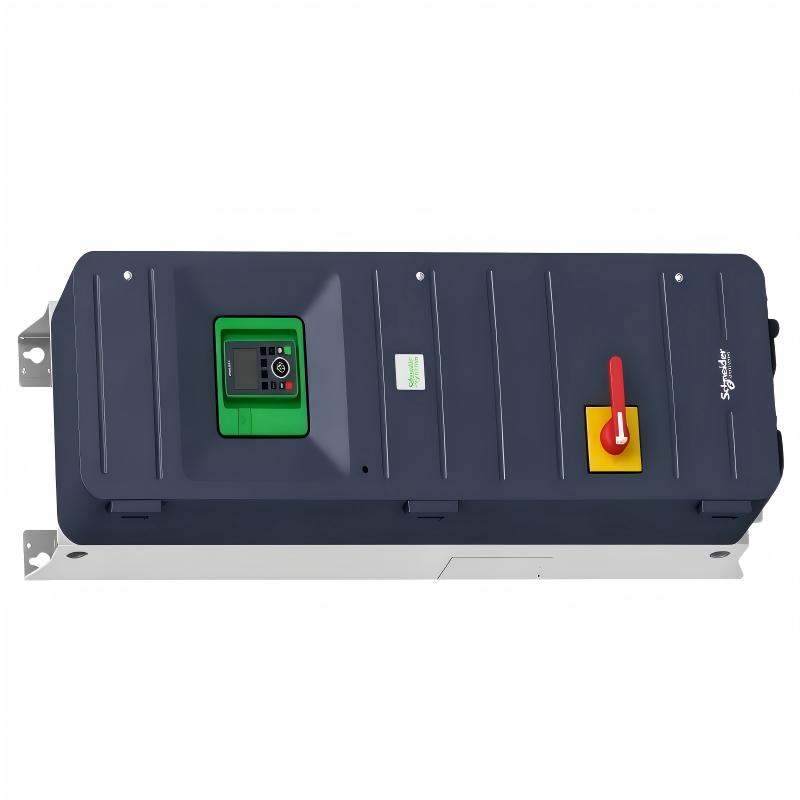
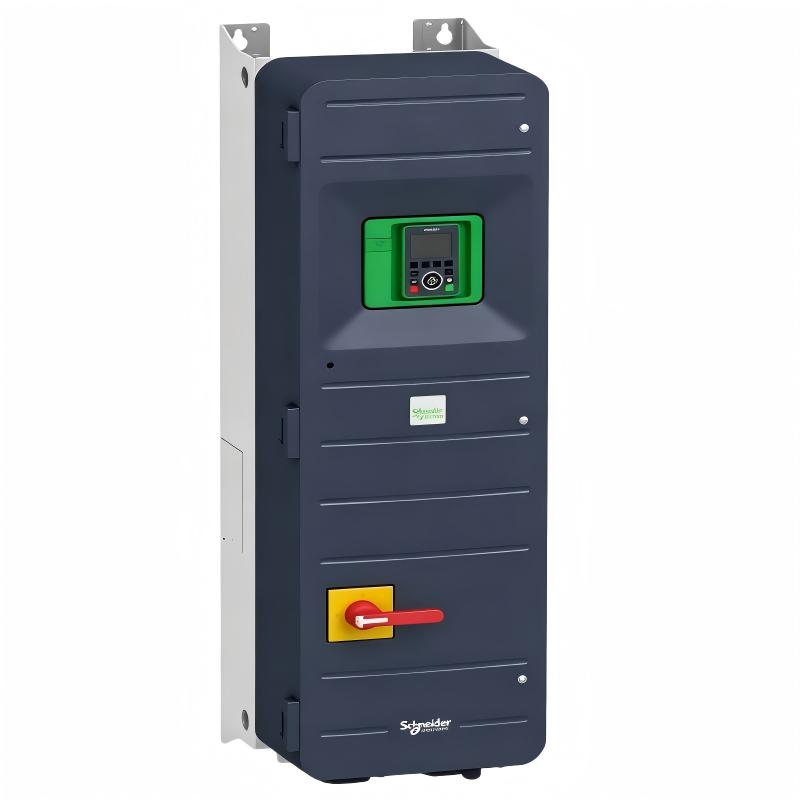
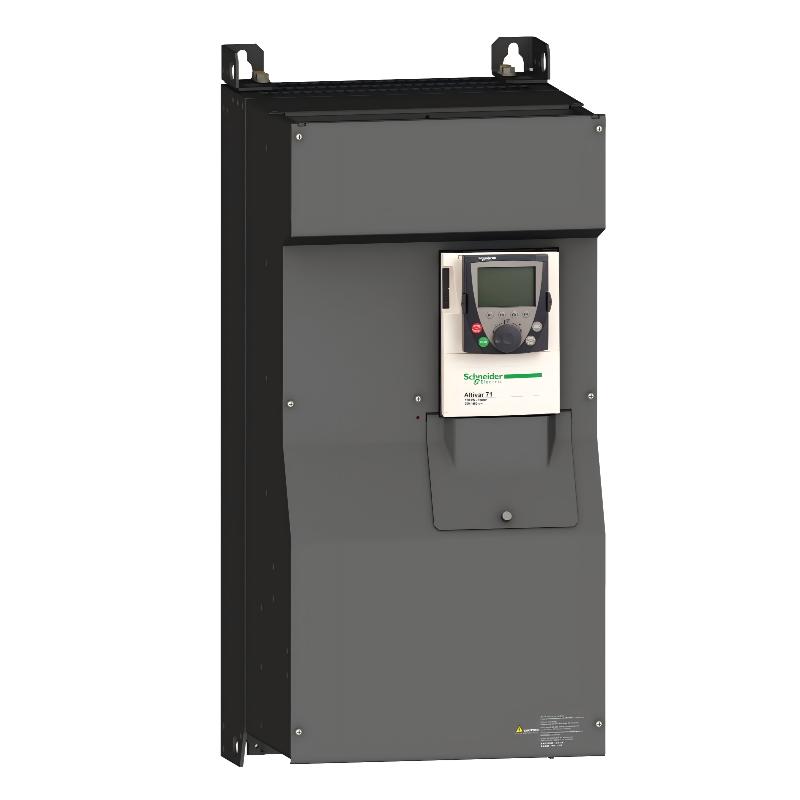
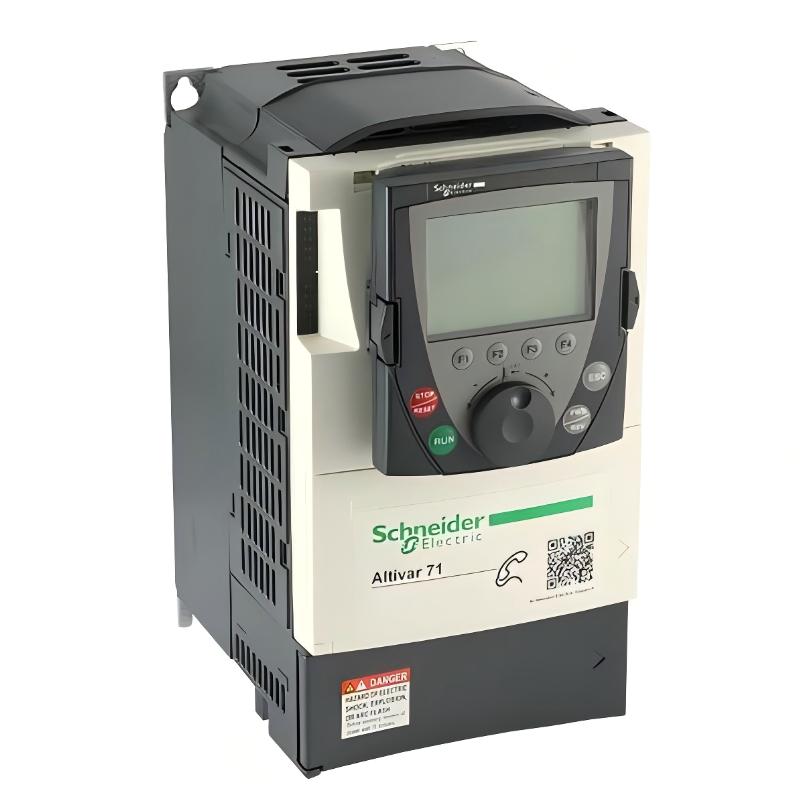
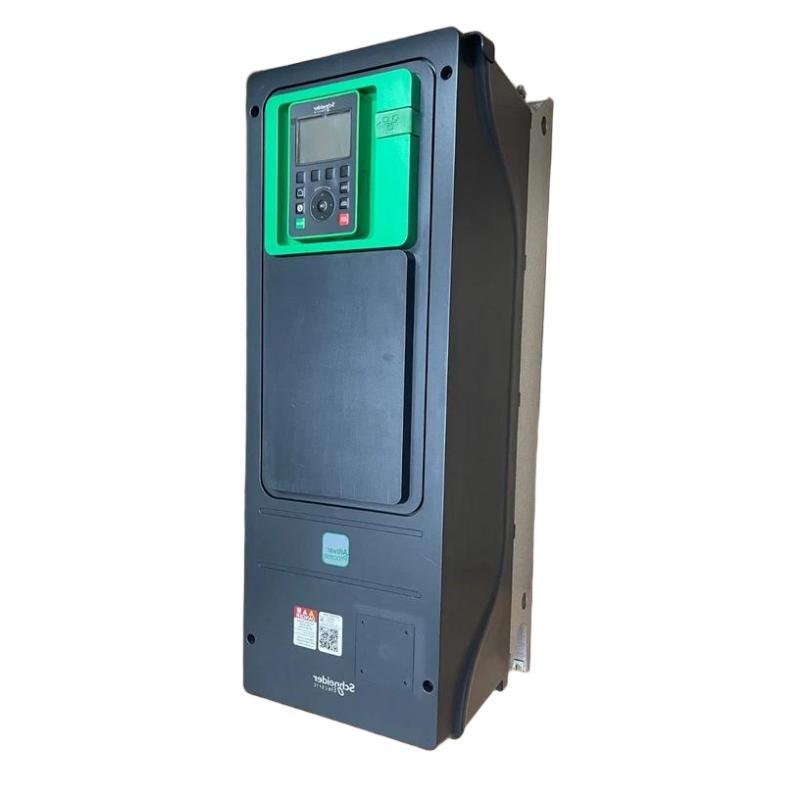
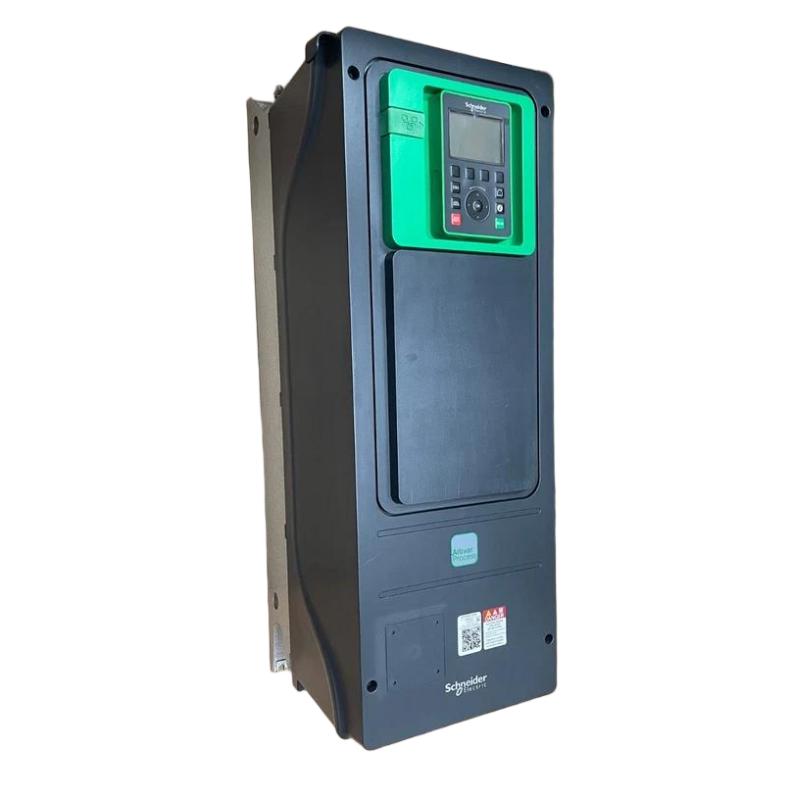
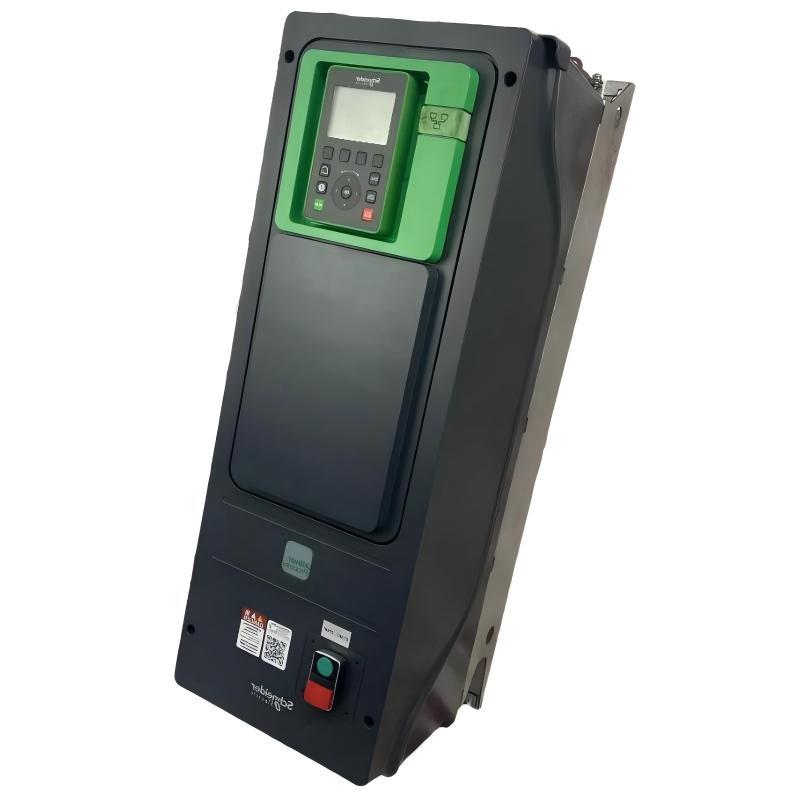
- Schneider
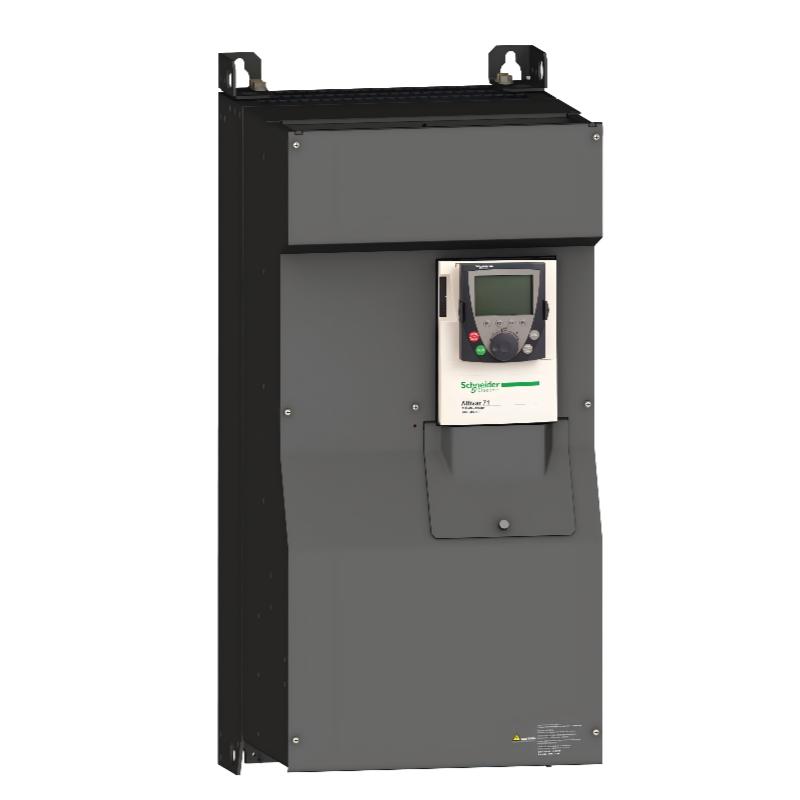
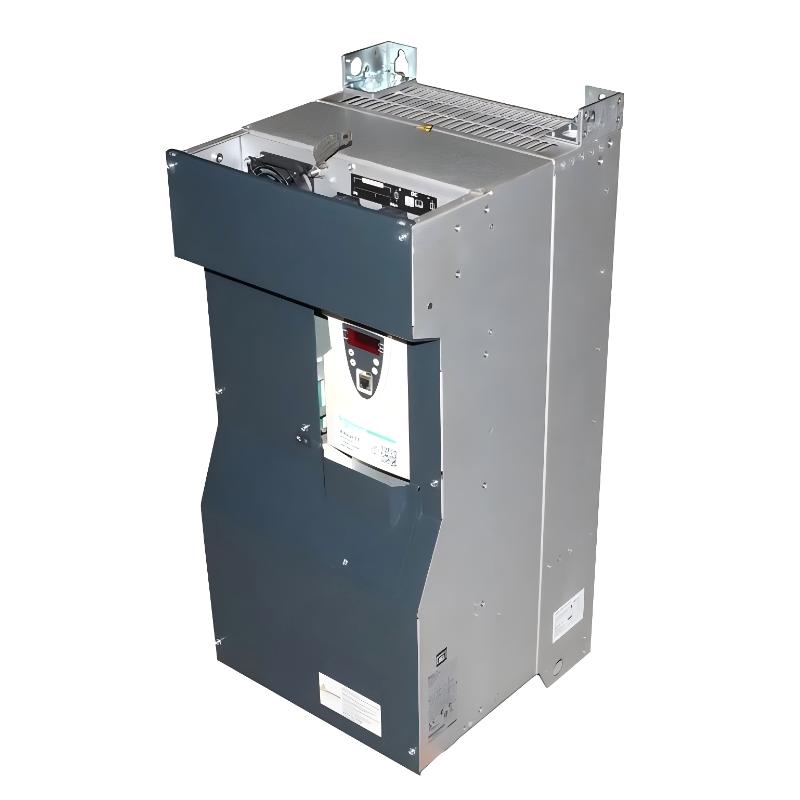
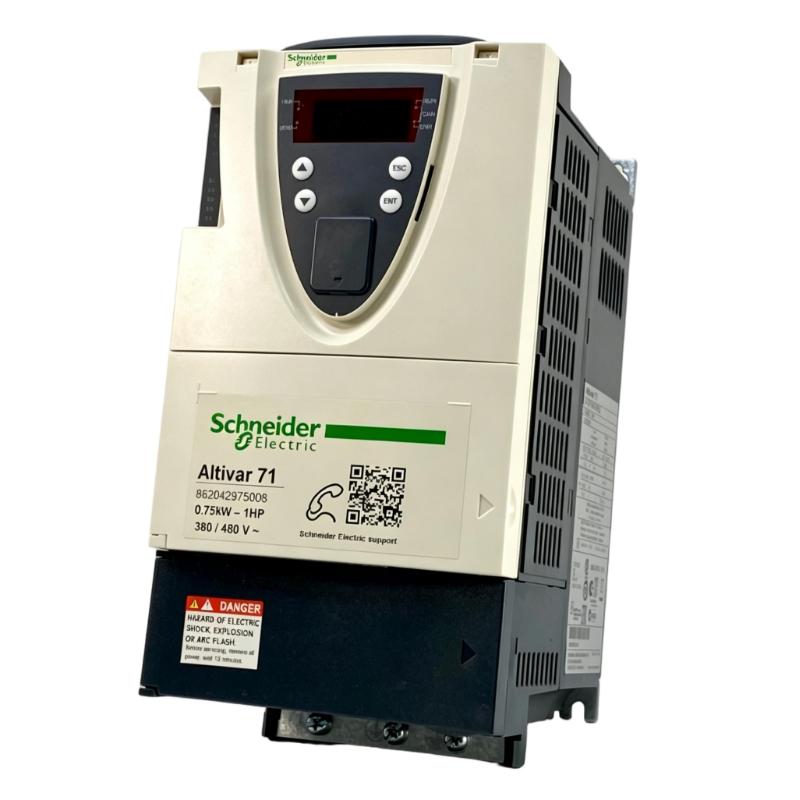
- ATV650D75N4E
- Variable Speed Drive
- France
- 345 x 1250 x 436 mm
- 89.3 kg
- Xiamen, China
- New & In Stock
- T/T, PayPal, Western Union
- 1 Year
- 1-3 Working Days
- DHL, UPS, TNT, FedEx and EMS.
- 24-Hour Service
- COO
- 3
Our advantage

Global Logistics
We have a 10-year logistics and express cooperation agreement, so our products can be shipped to any place in the world.

Brand new and original
Our products are imported in bulk from the place of origin. Because of the cooperative relationship, our products are all original and 100% new.

24-hour service
We provide 7*24 hours service to our customers. We will be there whenever you need us.

Price advantage
All our products are priced very favorably because we have our own warehouse and supply.
| Company Information | |||
| [email protected] | |||
| Mobile | +8615980777398 | ||
| +8615980777398 | |||
| 15980777398 |
Product Overview
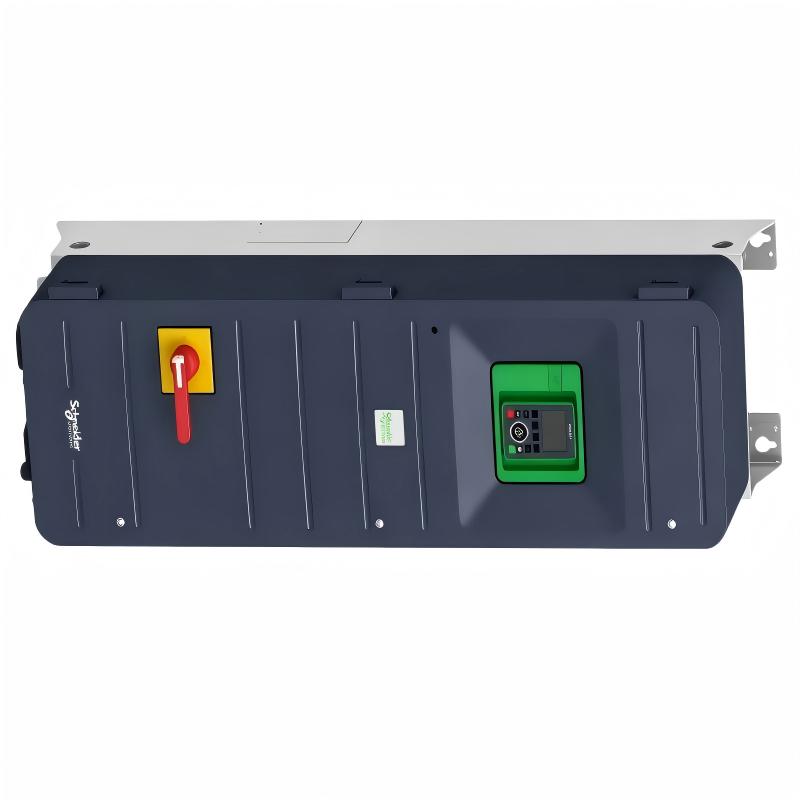
The Schneider Electric ATV650D75N4E Variable Speed Drive is an industrial motor-control solution within the Altivar Process ATV650 family. It is designed for demanding process applications where reliable variable-speed control, efficient motor operation, process optimization, and integration with industrial automation systems are essential.
The ATV650D75N4E is intended for high-power three-phase AC motor applications such as pumps, fans, ventilation equipment, compressors, water and wastewater systems, and other process-driven machinery. By adjusting motor speed according to actual process requirements, the drive can help improve operating efficiency, reduce unnecessary mechanical stress, and provide more precise control of motor-driven equipment.
For equipment planning and replacement purposes, the Schneider ATV650D75N4E has listed dimensions of 345 × 1250 × 436 mm and a weight of 89.3 kg. These dimensions and weight are particularly important when designing electrical cabinets, selecting mounting structures, arranging transportation, and planning maintenance access.
Technical Specifications
| Parameter | Specification |
|---|---|
| Manufacturer | Schneider Electric |
| Model | ATV650D75N4E |
| Product Family | Altivar Process ATV650 |
| Product Type | Variable Speed Drive / Variable Frequency Drive |
| Application | Industrial Process Motor Control |
| Motor Type | Three-Phase AC Motor |
| Drive Class | High-Power Industrial Variable Speed Drive |
| Motor Power Class | 75 kW |
| Supply Type | Three-Phase AC |
| Primary Function | Motor Speed and Process Control |
| Control Function | Variable-Speed AC Motor Control |
| Typical Loads | Pumps, Fans, Compressors, Process Equipment |
| Cooling | Forced-Air Cooling Architecture |
| Installation | Industrial Cabinet / Electrical Installation |
| Dimensions | 345 × 1250 × 436 mm |
| Weight | 89.3 kg |
Specification verification note: Exact electrical values such as rated input voltage, output current, overload capability, terminal configuration, communication interfaces, braking characteristics, environmental limits, and accessory compatibility should be confirmed from the actual ATV650D75N4E nameplate and applicable Schneider Electric technical documentation before engineering or replacement work.
What Is the Schneider ATV650D75N4E?
The ATV650D75N4E is a high-power variable speed drive used to regulate the operation of three-phase AC motors.
A traditional motor starter generally provides switching and basic motor-starting functions. A variable speed drive performs a much broader role by controlling the electrical output supplied to the motor. This enables the motor to start smoothly, accelerate in a controlled manner, operate at adjustable speed, and decelerate according to application requirements.
A simplified industrial arrangement can be represented as:
Three-Phase Power Supply → ATV650D75N4E → AC Motor → Driven Equipment → Process
The drive can receive commands and speed references from local controls or an automation system. Depending on the system configuration, a PLC, DCS, HMI, or SCADA platform can coordinate the drive with sensors and other process equipment.
The result is a more flexible motor-control architecture suitable for continuously changing industrial processes.
ATV650D75N4E Working Principle
The fundamental purpose of a variable speed drive is to convert fixed electrical input into a controlled electrical output suitable for motor-speed regulation.
The general power-conversion process can be represented as:
AC Input → Rectifier → DC Bus → Inverter → Controlled AC Output → Motor
The inverter section uses power semiconductor switching to produce an AC output whose electrical characteristics are controlled by the drive.
By regulating output frequency and voltage according to the selected motor-control strategy, the drive can adjust motor speed and torque.
This allows the ATV650D75N4E to provide functions such as:
- Controlled acceleration
- Controlled deceleration
- Adjustable motor speed
- Torque management
- Process-speed regulation
- Motor protection functions
- Operating-condition monitoring
- Fault and diagnostic management
The exact control behavior depends on the motor, programmed parameters, load characteristics, and overall system design.
Role in Industrial Automation
The ATV650D75N4E can serve as the motor-control layer of a larger industrial automation system.
A typical architecture may be organized as:
SCADA / HMI
↓
PLC / DCS
↓
Industrial Communication or Control Signals
↓
ATV650D75N4E
↓
Three-Phase AC Motor
↓
Pump / Fan / Compressor / Process Machine
This architecture allows the drive to respond to commands from the plant control system while returning operating and diagnostic information.
For example, a process controller may adjust motor speed according to flow or pressure feedback. The ATV650D75N4E receives the speed reference and regulates the motor accordingly.
The drive therefore acts as the interface between high-level process-control logic and physical motor operation.
Process Optimization and Energy Management
Variable-speed control is particularly valuable when process demand changes continuously.
A motor operating at full speed regardless of process requirements can consume more energy than necessary. In suitable applications, reducing motor speed can substantially reduce the power required by the driven equipment.
This is especially relevant to variable-torque loads such as centrifugal pumps and fans.
The ATV650D75N4E can help industrial systems:
- Match motor speed to process demand
- Reduce unnecessary full-speed operation
- Improve process stability
- Reduce mechanical stress
- Improve equipment operating flexibility
- Support energy-management strategies
- Reduce operating costs where appropriate
Actual energy savings depend on the load profile, motor efficiency, operating hours, control strategy, and process requirements.
Industrial Applications
Pump Systems
The ATV650D75N4E can be used in large industrial pumping applications where flow and pressure requirements vary.
Potential applications include:
- Industrial water circulation
- Process-water pumping
- Cooling-water systems
- Wastewater systems
- Utility pumping
- Water-treatment equipment
Variable-speed control allows the pump motor to respond to changing process demand rather than operating continuously at a fixed speed.
Industrial Fans
Large ventilation and air-handling systems often require different airflow levels depending on operating conditions.
A variable speed drive can regulate fan speed and coordinate fan operation with process requirements.
HVAC Equipment
The ATV650D75N4E can be incorporated into suitable large-scale HVAC and ventilation systems where adjustable motor operation is required.
The drive can work together with sensors and building or industrial control systems to provide controlled fan operation.
Compressors
Large compressors can require carefully controlled motor starting and operating conditions.
Where the compressor and application are designed for variable-speed operation, the ATV650D75N4E can provide controlled motor operation and integration with the compressor control system.
Water and Wastewater Treatment
Water and wastewater facilities contain many large motor-driven machines.
Examples include:
- Pumps
- Blowers
- Fans
- Mixing equipment
- Circulation equipment
The ATV650D75N4E can be integrated into these systems where adjustable motor speed contributes to process control.
Manufacturing
Industrial manufacturing facilities can use high-power variable speed drives for appropriate motor-driven equipment requiring controlled speed and process coordination.
PLC and DCS Integration
The ATV650D75N4E can be integrated into automation systems where the motor drive is controlled by a PLC or DCS.
A typical control structure includes:
Process Sensors → PLC / DCS → ATV650D75N4E → Motor → Process
Sensors provide information about process conditions such as pressure, flow, level, or other variables.
The controller processes this information and generates an appropriate command or speed reference.
The drive then converts the command into controlled motor operation.
This arrangement provides several benefits:
- Centralized control
- Automated speed adjustment
- Process feedback
- Drive-status monitoring
- Alarm handling
- Fault detection
- Coordinated equipment operation
The actual communication method should be selected and verified according to the installed hardware and project requirements.
HMI and SCADA Integration
An HMI can provide operators with a convenient interface for monitoring and controlling the ATV650D75N4E.
Typical operator information may include:
- Drive running status
- Speed reference
- Operating frequency
- Current-related information
- Warning status
- Fault status
- Process information
- Maintenance information
SCADA systems can provide a higher-level view of multiple drives and process machines.
For example, a water-treatment plant may use SCADA to monitor several pumping stations while the ATV650D75N4E provides local motor control.
This layered architecture improves operational visibility and makes troubleshooting easier.
Installation Guidelines
Correct installation is essential for reliable operation of the ATV650D75N4E.
Verify the Model
Before installation, confirm:
- Complete model number
- Nameplate information
- Hardware revision
- Motor rating
- Supply requirements
- Cabinet arrangement
- Accessories
- Communication configuration
The replacement or new installation should specifically match the intended ATV650D75N4E configuration.
Cabinet Space
The listed physical dimensions are:
345 × 1250 × 436 mm
The electrical cabinet must provide adequate room for the drive, power connections, control wiring, cooling airflow, and maintenance access.
The cabinet should not be designed using only the drive’s external dimensions. Installation clearances and service requirements must also be considered.
Mounting Structure
At approximately 89.3 kg, the ATV650D75N4E is a heavy industrial electronic assembly.
The mounting structure must be capable of supporting the drive securely.
Suitable handling equipment should be considered during installation and replacement to reduce the risk of injury or equipment damage.
Thermal Management
Large variable speed drives generate heat during operation.
The electrical cabinet should therefore provide an appropriate thermal-management strategy.
Important considerations include:
- Cabinet ventilation
- Cooling airflow
- Ambient temperature
- Internal heat sources
- Cooling-fan operation
- Dust accumulation
- Filter condition
- Clearance around heat-generating components
A poorly ventilated cabinet can cause excessive internal temperature and shorten the service life of electronic components.
Periodic inspection of the cooling system is therefore recommended.
Power and Motor Connections
The general power architecture is:
Three-Phase Supply → ATV650D75N4E → Three-Phase Motor
Power wiring should be designed according to the actual drive rating, motor characteristics, installation method, applicable electrical regulations, and protection requirements.
Before energizing the system, technicians should verify:
- Incoming power connections
- Motor output connections
- Grounding
- Control wiring
- Protective devices
- Cable terminations
- Motor nameplate information
The motor should never be connected or configured based only on assumptions about a similar drive model.
EMC and Cable Management
Variable speed drives use high-speed switching electronics and can introduce electromagnetic interference into an industrial installation.
Good installation practices include:
- Separate power and signal wiring
- Keep motor cables away from sensitive communication wiring
- Use appropriate shielding where required
- Maintain proper grounding
- Minimize unnecessary cable loops
- Follow the recommended EMC installation arrangement
- Inspect cable terminations carefully
This is especially important in systems containing analog sensors, PLCs, communication equipment, and other sensitive instrumentation.
Commissioning Procedure
A structured commissioning procedure can reduce startup problems and simplify troubleshooting.
1. Mechanical Inspection
Confirm that the drive is correctly mounted and securely supported.
2. Electrical Inspection
Check power wiring, motor connections, grounding, control wiring, and communication connections.
3. Motor Parameter Configuration
Enter the motor data according to the actual motor nameplate.
4. Control Configuration
Select the required command source and motor-control strategy.
5. Speed Reference
Configure the required speed-reference source and operating limits.
6. Interlock Verification
Check external safety circuits, process interlocks, and control-system permissives before starting the motor.
7. Initial Motor Test
Perform a controlled test run and verify:
- Correct motor rotation
- Smooth acceleration
- Stable operation
- Abnormal noise
- Excessive vibration
- Process response
8. Automation Integration
After local operation has been confirmed, connect the drive to the PLC, DCS, HMI, or SCADA system and verify command and feedback signals.
Troubleshooting the ATV650D75N4E
A drive fault should be investigated as part of the complete motor-control system.
Drive Will Not Start
Possible causes include:
- Missing start command
- Incorrect command-source configuration
- Active fault
- External interlock
- Safety condition
- Incorrect parameter configuration
- Communication failure
Check the drive status and control logic before replacing hardware.
Motor Does Not Reach the Required Speed
Potential causes include:
- Incorrect speed reference
- Incorrect configuration
- Excessive mechanical load
- Process restriction
- Motor-related problems
- Control-system limitations
The motor, driven machine, drive parameters, and process should all be considered.
Repeated Faults
Repeated faults can be associated with:
- Supply conditions
- Motor cable problems
- Motor insulation problems
- Excessive mechanical loading
- Temperature
- Incorrect parameters
- Electrical interference
The diagnostic information should be recorded before repeatedly resetting the drive.
Overtemperature Condition
If the drive operates at an unusually high temperature, inspect:
- Cabinet ventilation
- Cooling airflow
- Cooling fans
- Dust accumulation
- Ambient temperature
- Cabinet layout
- Heat generated by neighboring equipment
Repeated overtemperature events should be corrected at the system level.
Preventive Maintenance
A regular maintenance program can help improve the reliability of the ATV650D75N4E.
Visual Inspection
Inspect the drive and surrounding cabinet for:
- Dust
- Moisture
- Loose wiring
- Signs of overheating
- Discoloration
- Physical damage
Cooling System
Inspect cooling components and airflow paths regularly.
Dust and contamination can restrict airflow and increase operating temperature.
Electrical Connections
Check accessible electrical connections for signs of loosening or abnormal heating.
Motor and Mechanical Equipment
The drive should not be maintained in isolation. The motor and driven equipment should also be inspected.
Abnormal vibration, mechanical friction, bearing problems, or excessive load can result in drive faults even when the drive itself is operating correctly.
Diagnostic Records
Maintain records of drive warnings, faults, operating conditions, and maintenance actions.
Trend information can help identify recurring problems.
Physical Dimensions and Weight
The Schneider ATV650D75N4E has the following listed physical specifications:
Dimensions: 345 × 1250 × 436 mm
Weight: 89.3 kg
These specifications are useful for:
- Electrical cabinet design
- Mounting calculations
- Transportation
- Warehouse planning
- Spare-parts management
- Installation preparation
- Replacement planning
- Maintenance access
The 89.3 kg weight should be considered carefully when planning installation and removal procedures.
Replacement and Spare-Part Planning
When purchasing or replacing an ATV650D75N4E, technicians should verify the complete product identification rather than relying on appearance or physical size.
Important information includes:
- Full model number
- Nameplate data
- Hardware revision
- Motor rating
- Application type
- Communication configuration
- Installed accessories
- Cabinet arrangement
- Existing parameter settings
Before removing an operating drive, record the relevant configuration information whenever possible.
This can make the replacement and commissioning process significantly more efficient.
A similar ATV650 model should not automatically be considered an equivalent replacement simply because its enclosure or motor-power class appears similar.
Compatible System Components
The ATV650D75N4E can form part of a broader industrial automation architecture.
| Component | Typical Function |
|---|---|
| PLC | Executes process and motor-control logic |
| DCS | Distributed process control |
| HMI | Operator monitoring and control |
| SCADA | Supervisory monitoring |
| Pressure Sensor | Provides process feedback |
| Flow Sensor | Measures process flow |
| Level Sensor | Provides tank or process-level information |
| AC Motor | Converts electrical energy into mechanical energy |
| Pump | Moves process fluids |
| Fan | Provides controlled airflow |
| Compressor | Provides compressed gas |
| Circuit Protection | Protects electrical installation |
| EMC Equipment | Helps manage electromagnetic interference |
| Industrial Network | Transfers control and diagnostic data |
The exact components required depend on the process and control architecture.
Recommended Related Schneider Electric Models
| Model | Product Type | Typical Application |
|---|---|---|
| ATV650D45N4 | Altivar Process Variable Speed Drive | Industrial pumps and fans |
| ATV650D45N4E | Altivar Process Variable Speed Drive | Process motor control |
| ATV650D55N4 | Altivar Process Variable Speed Drive | Medium/high-power process equipment |
| ATV650D55N4E | Altivar Process Variable Speed Drive | Process applications |
| ATV650D75N4 | Altivar Process Variable Speed Drive | High-power motor control |
| ATV650D75N4E | Altivar Process Variable Speed Drive | High-power process applications |
These models are related within the ATV650 family, but they should not be treated as automatically interchangeable. Motor rating, electrical characteristics, enclosure requirements, accessories, and application configuration must be checked before substitution.
Engineering Best Practices
Match the Drive to the Motor
The motor’s actual nameplate information should be used when configuring the drive.
Do not rely on nominal motor power alone.
Understand the Load
The mechanical characteristics of a pump, fan, compressor, conveyor, and other machine can differ significantly.
Drive parameters should be selected according to the actual load.
Maintain Appropriate Cabinet Conditions
Temperature, dust, moisture, and airflow have a direct influence on the reliability of power electronics.
Separate Control and Power Wiring
Good cable management can reduce electromagnetic interference and improve communication reliability.
Maintain Configuration Records
For critical industrial equipment, maintaining a backup of drive parameters and system configuration can reduce downtime following a replacement.
Plan for Safe Maintenance
Because the ATV650D75N4E weighs approximately 89.3 kg, replacement and maintenance procedures should include appropriate lifting, support, isolation, and electrical safety measures.
Key Advantages
The Schneider ATV650D75N4E offers a practical platform for high-power industrial variable-speed motor control.
Key advantages include:
- High-power AC motor control
- Designed for industrial process applications
- Adjustable motor speed
- Controlled acceleration and deceleration
- Potential energy savings in suitable applications
- Improved process flexibility
- Integration with PLC and DCS architectures
- HMI and SCADA integration capability
- Industrial diagnostic functions
- Suitable for pumps, fans, compressors, and process equipment
- Large-drive installation architecture
- 345 × 1250 × 436 mm listed dimensions
- 89.3 kg listed weight
Technical FAQs
What is the Schneider ATV650D75N4E?
The Schneider ATV650D75N4E is an Altivar Process ATV650 Variable Speed Drive designed for high-power three-phase AC motor applications in industrial process environments.
What is the main function of the ATV650D75N4E?
Its primary function is to regulate motor speed and operating conditions according to process requirements, control commands, and configured motor parameters.
What motor power class is associated with the ATV650D75N4E?
The model belongs to the 75 kW motor-power class. Exact electrical ratings should be verified against the drive nameplate and application documentation.
What are the dimensions of the ATV650D75N4E?
The listed dimensions are 345 × 1250 × 436 mm.
How much does the ATV650D75N4E weigh?
The listed weight is approximately 89.3 kg.
Can the ATV650D75N4E be integrated with a PLC?
Yes. The drive can be incorporated into PLC-based automation systems using suitable control and communication arrangements.
Is the ATV650D75N4E suitable for pumps?
Yes. Pumping systems are common applications for industrial variable speed drives, particularly where flow or pressure requirements vary.
Can the drive be used with SCADA?
Yes. When the appropriate communication architecture is provided, drive operating information and diagnostic data can be incorporated into a SCADA system.
What should be checked before installing the drive?
The complete model number, electrical supply requirements, motor nameplate information, cabinet dimensions, mounting structure, cooling requirements, wiring, communication configuration, and applicable accessories should be verified.
Is ATV650D75N4E interchangeable with ATV650D75N4?
They should not be assumed to be directly interchangeable. Although the two models belong t