

ProductPRODUCT
Featured products
Contact Us
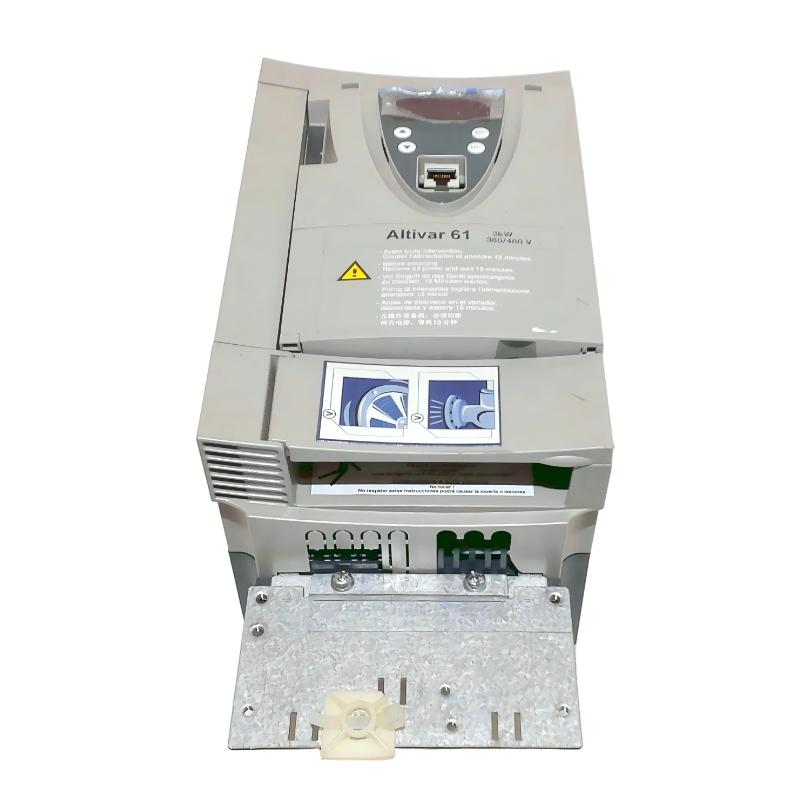
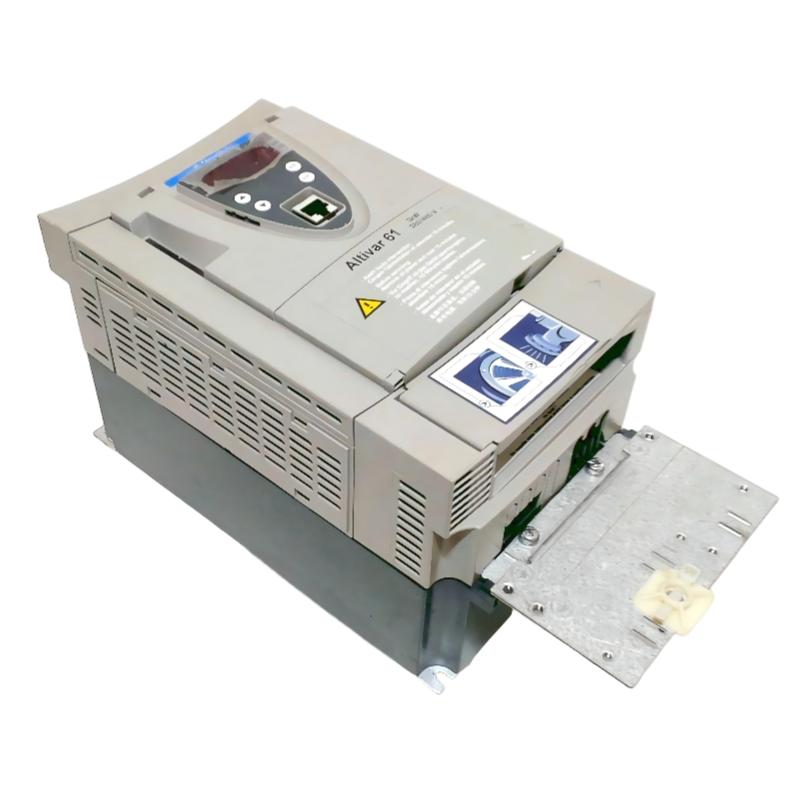
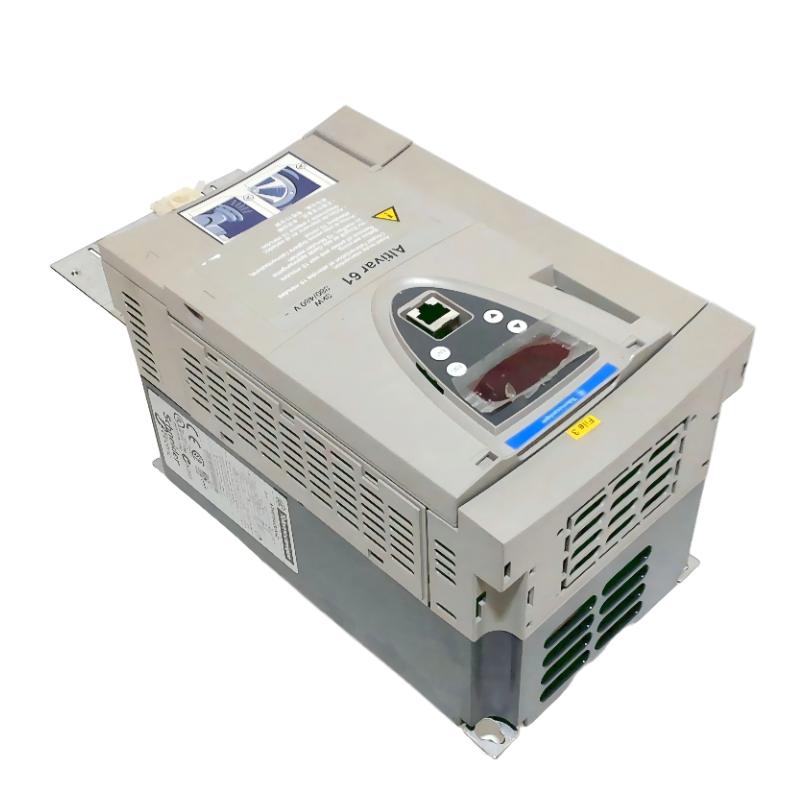
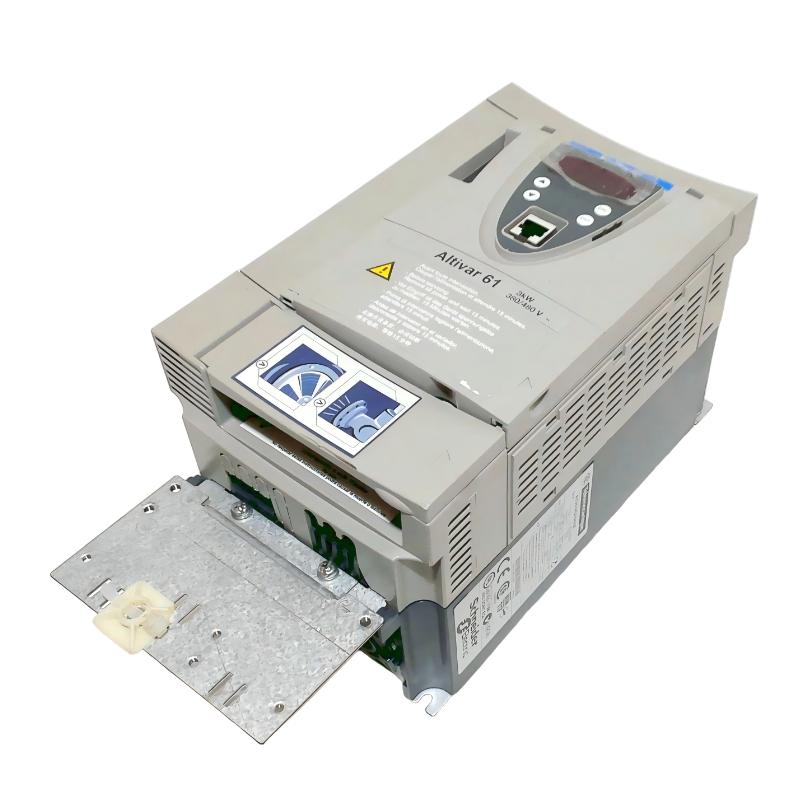
- Schneider
- ATV61HU30N4
- Variable Speed Drive
- France
- 260 × 155 × 187 mm
- 4 kg
- Xiamen, China
- New & In Stock
- T/T, PayPal, Western Union
- 1 Year
- 1-3 Working Days
- DHL, UPS, TNT, FedEx and EMS.
- 24-Hour Service
- COO
- 34
Our advantage

Global Logistics
We have a 10-year logistics and express cooperation agreement, so our products can be shipped to any place in the world.

Brand new and original
Our products are imported in bulk from the place of origin. Because of the cooperative relationship, our products are all original and 100% new.

24-hour service
We provide 7*24 hours service to our customers. We will be there whenever you need us.

Price advantage
All our products are priced very favorably because we have our own warehouse and supply.
| Company Information | |||
| [email protected] | |||
| Mobile | +8615980777398 | ||
| +8615980777398 | |||
| 15980777398 |
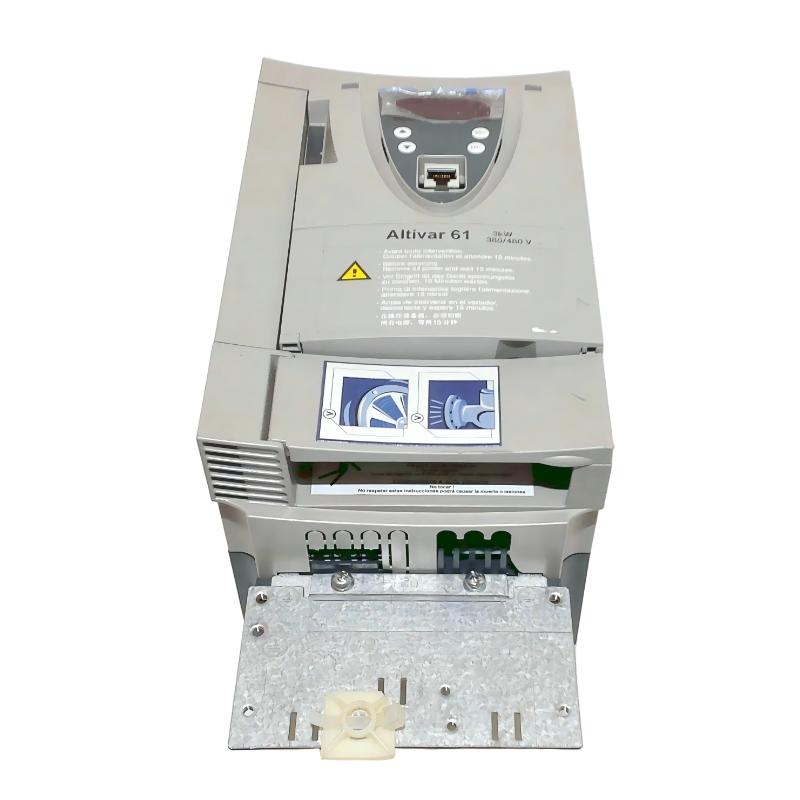
Product Overview
The Schneider ATV61HU30N4 Altivar 61 Variable Speed Drive is an industrial AC drive used for adjustable-speed control of motor-driven equipment in automation and process applications.
The Altivar 61 series is widely applied in systems where motor operation needs to adapt to changing process conditions. Instead of operating motors at a constant speed, the drive regulates motor frequency and output characteristics, allowing connected equipment to achieve smoother operation and improved process control.
The ATV61HU30N4 is typically integrated into motor control systems for pumps, fans, ventilation equipment, and other variable torque applications. It acts as the control interface between the electrical supply, automation system, and AC motor, receiving commands from the controller and managing motor performance.
For maintenance and engineering teams, proper drive configuration is important for stable operation. Troubleshooting usually involves checking motor parameters, control signals, communication settings, electrical connections, and the condition of the connected mechanical equipment.
Technical Specifications
| Parameter | Specification |
|---|---|
| Manufacturer | Schneider Electric |
| Model | ATV61HU30N4 |
| Product Family | Altivar 61 |
| Product Type | Variable Speed Drive |
| Main Function | AC Motor Speed Regulation |
| System Role | Motor Frequency Conversion and Control |
| Application | Industrial Automation / Variable Torque Systems |
| Dimensions | 260 × 155 × 187 mm |
| Weight | 4 kg |
Product Features
The Schneider ATV61HU30N4 Altivar 61 Variable Speed Drive provides flexible motor control for industrial equipment requiring adjustable operating speeds.
Key characteristics include:
- Schneider Altivar 61 series AC drive
- Model ATV61HU30N4
- Supports variable-speed motor operation
- Suitable for variable torque applications
- Used in pump, fan, and process equipment control
- Integrates with industrial automation systems
- Supports controlled motor acceleration and deceleration
- Designed for industrial installation environments
The drive should be configured according to the motor characteristics and the operating requirements of the connected equipment.
Working Principle
The ATV61HU30N4 controls AC motor operation by converting fixed electrical input into adjustable-frequency output power.
A typical control sequence is:
Electrical Supply → Altivar 61 Drive → AC Motor → Mechanical Equipment
The automation controller provides operating commands, such as start, stop, and speed references. The drive processes these signals and adjusts the output frequency and voltage supplied to the motor.
In practical applications:
- Pump speed can be adjusted according to flow requirements.
- Fan operation can be matched to ventilation demand.
- Process machinery can maintain more stable operating conditions.
The drive continuously manages motor operation while monitoring internal conditions to support reliable performance.
Role in an Industrial Motor Control System
The Schneider ATV61HU30N4 serves as a motor control and power conversion unit within an automation architecture.
A typical system structure is:
PLC / Controller → Altivar 61 Drive → AC Motor → Mechanical Load
The controller determines the required operating condition, while the drive converts electrical power into a suitable output for the motor.
In industrial environments, this allows equipment to operate with adjustable speed, smoother startup characteristics, and better coordination with automated processes.
Industrial Applications
The Schneider ATV61HU30N4 Altivar 61 Variable Speed Drive is commonly used in industrial systems requiring flexible motor control.
| Application | Typical Use |
|---|---|
| Pump Systems | Adjusting motor speed for flow control |
| HVAC Equipment | Controlling ventilation and air handling motors |
| Water Treatment Systems | Managing process pumps |
| Industrial Fans | Regulating airflow equipment |
| Process Machinery | Supporting continuous operation |
| Building Automation Systems | Controlling variable-speed equipment |
| Manufacturing Equipment | Managing motor-driven mechanisms |
The actual application depends on the equipment design and control requirements.
Installation and Maintenance
Correct installation and regular inspection help maintain reliable operation of the ATV61HU30N4.
Recommended maintenance procedures include:
- Verify drive model before installation
- Check power supply connections
- Confirm motor wiring
- Review motor parameter settings
- Inspect ventilation conditions
- Check communication interfaces
- Monitor fault records
- Inspect terminals and cables
- Test equipment operation after maintenance
During replacement projects, engineers should compare existing drive parameters and system requirements before commissioning.
Related Components
The ATV61HU30N4 is commonly used together with other automation and motor control components.
| Component | Function |
|---|---|
| AC Motors | Provide mechanical output |
| PLC Controllers | Generate operating commands |
| Human Machine Interfaces | Provide operator control |
| Communication Modules | Connect drive with control networks |
| Circuit Protection Devices | Protect electrical circuits |
| Motor Control Cabinets | Provide installation environment |
These components work together to create a complete industrial motor control system.
Recommended Related Models
| Model / Product Family | Product Type | Typical Application |
|---|---|---|
| Schneider ATV61HU30N4 | Altivar 61 Variable Speed Drive | Industrial motor control |
| Schneider ATV61HU22N4 | Altivar 61 Variable Speed Drive | Pump and fan applications |
| Schneider Altivar 61 Series | Variable Speed Drive Platform | Variable torque systems |
| Schneider Altivar 71 Series | High Performance Drive | Advanced motor control |
| Schneider Altivar Process Series | Process Drive Platform | Industrial process applications |
Model selection should consider motor specifications, load characteristics, installation environment, and automation system compatibility.
Key Advantages
- Schneider Altivar 61 series variable speed drive.
- Provides adjustable AC motor control.
- Suitable for variable torque applications.
- Supports industrial automation integration.
- Helps improve motor operating flexibility.
- Used in pumps, fans, and process systems.
Technical FAQs
What makes the ATV61HU30N4 suitable for variable torque applications?
The drive can adjust motor speed according to process demand, making it suitable for equipment where output requirements change over time, such as pumps and fans.
What information should be prepared before configuring this drive?
Engineers should have motor nameplate data, application requirements, control method, and communication settings before parameter configuration.
How can improper ventilation affect the operation of the ATV61HU30N4?
Insufficient cooling may increase internal temperature and affect drive performance, so installation space and airflow should be maintained.
What should be checked when the motor does not respond correctly to speed commands?
The troubleshooting process should include checking control signals, drive parameters, communication status, motor wiring, and mechanical load conditions.