

ProductPRODUCT
Featured products
Contact Us
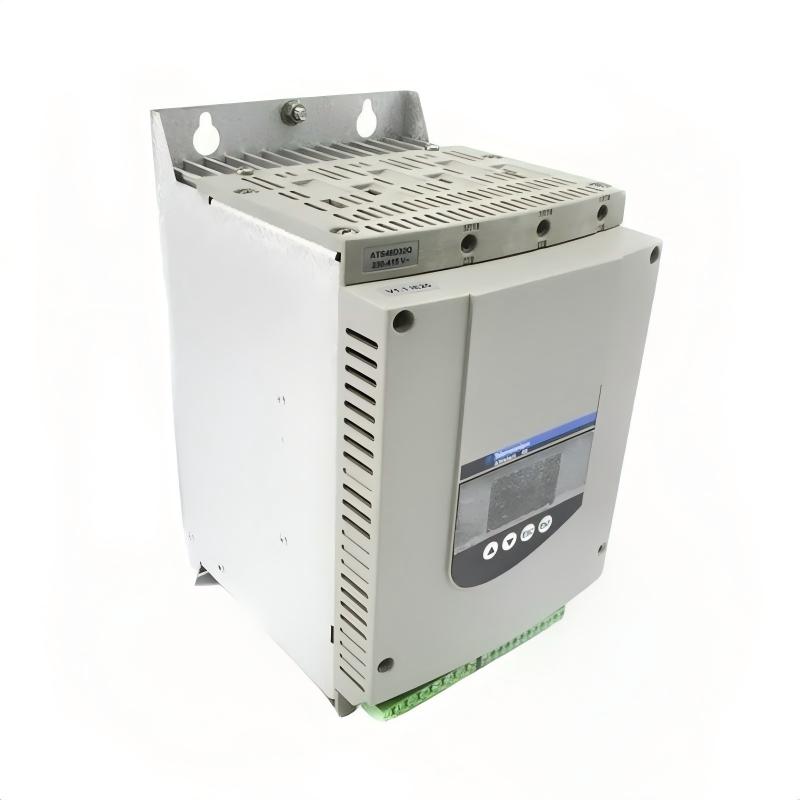
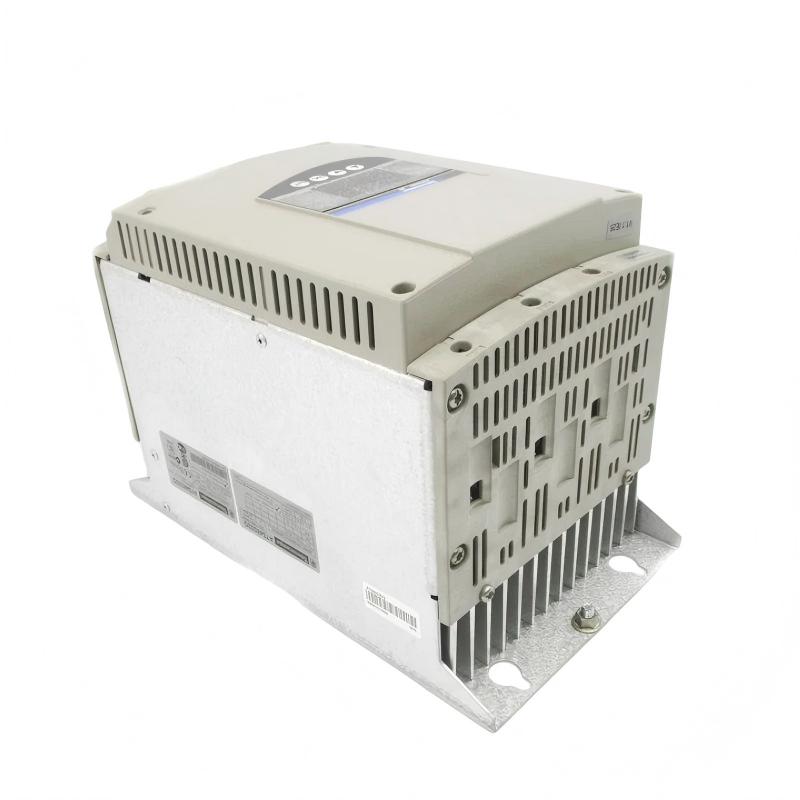
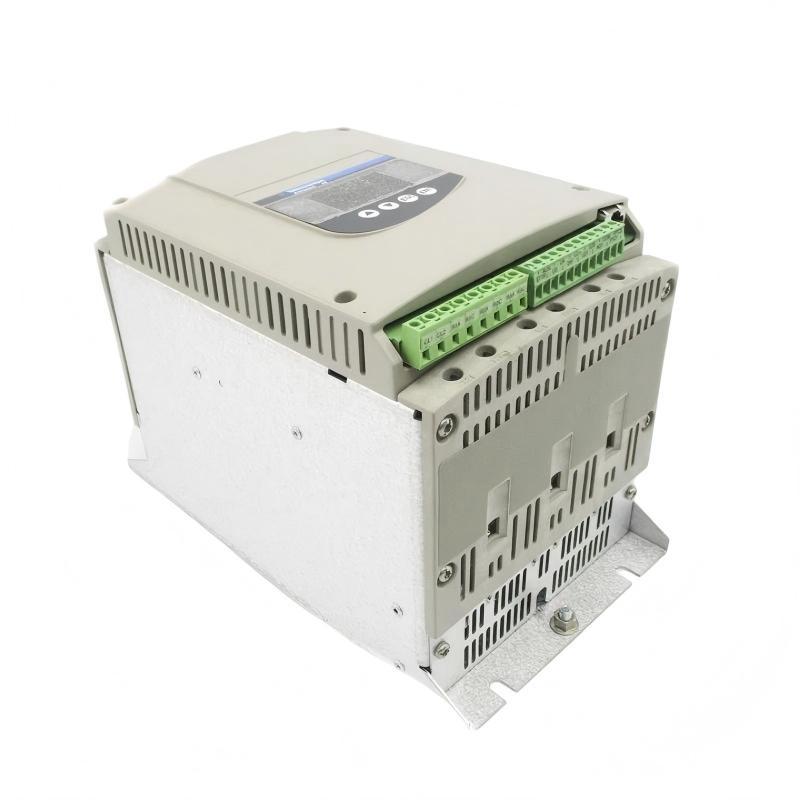
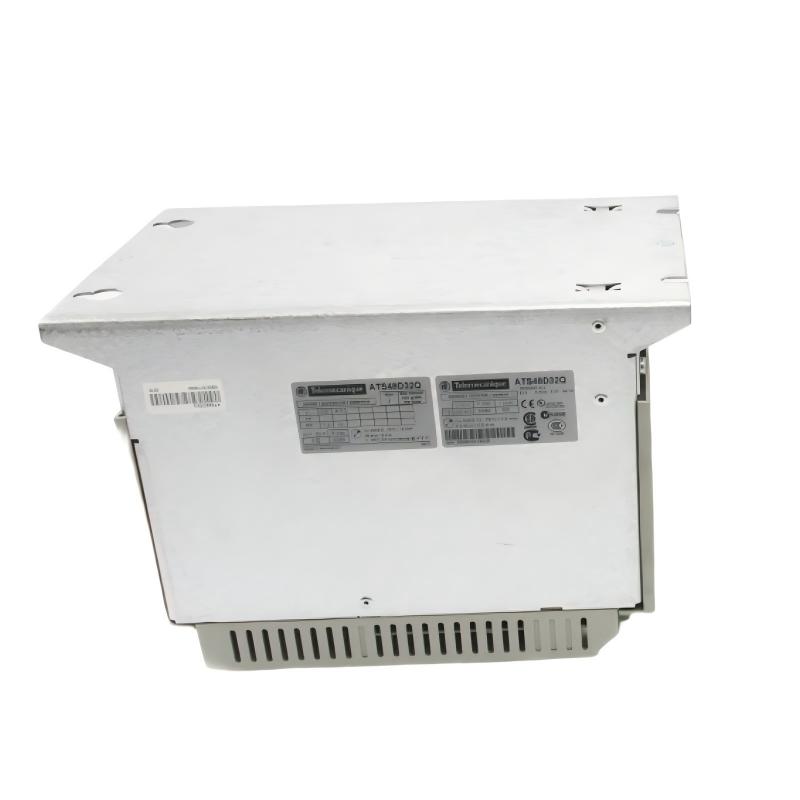
- Schneider
- ATS48D32Q
- Soft Starter
- France
- 275 × 160 × 190 mm
- 4.9 kg
- Xiamen, China
- New & In Stock
- T/T, PayPal, Western Union
- 1 Year
- 1-3 Working Days
- DHL, UPS, TNT, FedEx and EMS.
- 24-Hour Service
- COO
- 57
Our advantage

Global Logistics
We have a 10-year logistics and express cooperation agreement, so our products can be shipped to any place in the world.

Brand new and original
Our products are imported in bulk from the place of origin. Because of the cooperative relationship, our products are all original and 100% new.

24-hour service
We provide 7*24 hours service to our customers. We will be there whenever you need us.

Price advantage
All our products are priced very favorably because we have our own warehouse and supply.
| Company Information | |||
| [email protected] | |||
| Mobile | +8615980777398 | ||
| +8615980777398 | |||
| 15980777398 |
Product Overview
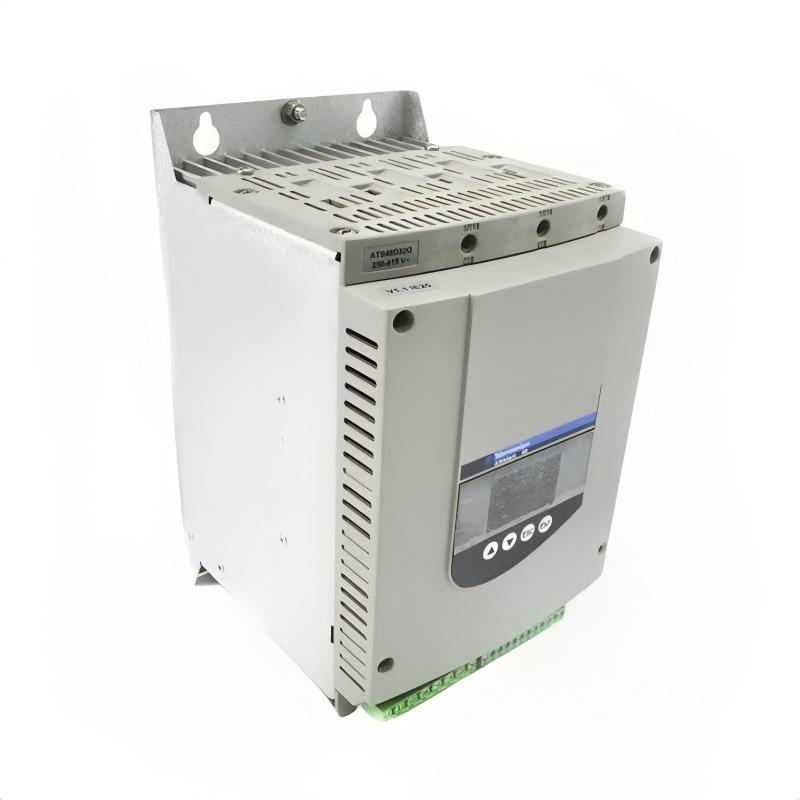
The Schneider ATS48D32Q Soft Starter is an industrial motor-starting device designed to reduce the electrical and mechanical stresses associated with direct-on-line motor starting. As part of the ATS48 family, it is intended for applications where controlled motor acceleration and deceleration are important for equipment protection, process stability, and reduced starting impact.
A conventional motor starter can apply full voltage to an induction motor almost immediately. This can result in high starting current and a sudden increase in mechanical torque. A soft starter instead controls the voltage applied to the motor during the starting process, allowing the motor to accelerate progressively.
The supplied physical specifications for the Schneider ATS48D32Q are 275 × 160 × 190 mm, with a listed weight of 4.9 kg.
Typical applications include pumps, fans, compressors, conveyors, material-handling equipment, and other industrial machinery driven by three-phase motors.
Product Identification
| Parameter | Specification |
|---|---|
| Manufacturer | Schneider Electric |
| Model | ATS48D32Q |
| Product Type | Soft Starter |
| Product Family | ATS48 |
| Main Function | Controlled Motor Starting and Stopping |
| Application | Three-Phase Motor Control |
| Dimensions | 275 × 160 × 190 mm |
| Weight | 4.9 kg |
| Installation | Electrical Control Cabinet |
| Typical Applications | Pumps, Fans, Conveyors, Compressors |
| Control Role | Motor Starting / Stopping |
| Maintenance | Electrical, Thermal, Wiring, and Diagnostic Inspection |
Technical Specifications
| Technical Item | Specification |
|---|---|
| Brand | Schneider Electric |
| Model Number | ATS48D32Q |
| Product Type | Soft Starter |
| Series | ATS48 |
| Primary Function | Motor Starting and Stopping |
| Motor Application | Industrial AC Motors |
| Dimensions | 275 × 160 × 190 mm |
| Weight | 4.9 kg |
| Installation Type | Control Cabinet / Panel |
| Application Area | Industrial Motor Control |
| Main Maintenance Areas | Power Connections, Cooling, Motor Wiring, Configuration |
| Control Architecture | Motor Starter / Soft-Start System |
The dimensions and weight above are based on the product information supplied for this model. Motor rating, current characteristics, protection settings, and application-specific electrical parameters should be verified against the appropriate equipment documentation before commissioning.
What Is the Schneider ATS48D32Q?
The Schneider ATS48D32Q is a soft starter used to control the starting and stopping behavior of an AC motor.
Its basic operating concept is:
AC Supply
↓
ATS48D32Q Soft Starter
↓
Motor
↓
Mechanical Load
During startup, the soft starter progressively controls the voltage applied to the motor. This reduces the abrupt electrical and mechanical effects normally associated with direct starting.
A properly configured soft starter can help reduce:
- Starting current
- Mechanical shock
- Coupling stress
- Belt stress
- Pressure surges
- Water hammer in pumping systems
The exact improvement depends on motor characteristics, load type, starting configuration, and application settings.
How a Soft Starter Works
An AC induction motor can draw significantly more current during startup than during normal operation.
With direct starting:
Full Voltage → High Starting Current → Rapid Torque Increase
With soft starting:
Controlled Voltage → Progressive Acceleration → Reduced Starting Impact
The ATS48D32Q controls the motor’s electrical starting conditions so that acceleration can occur more gradually.
During stopping, controlled deceleration can also be used where appropriate.
Main Functions
Controlled Motor Starting
The soft starter gradually increases the motor’s applied voltage during acceleration.
Reduced Mechanical Shock
Progressive acceleration can reduce sudden torque transmission to:
- Shafts
- Couplings
- Gearboxes
- Belts
- Pumps
- Conveyors
Reduced Starting Stress
Controlled acceleration can reduce the severity of electrical and mechanical stress during startup.
Controlled Stopping
Where the application requires it, controlled stopping can provide a smoother reduction in motor speed.
Motor Protection and Monitoring
The complete system can incorporate monitoring and protective functions appropriate to the motor and application.
Typical Industrial Applications
Pump Systems
Soft starting is particularly useful in pumping applications.
A gradual motor acceleration can help reduce:
- Pressure shock
- Water hammer
- Mechanical stress
- Sudden flow changes
Applications include:
- Water pumps
- Process pumps
- Cooling-water systems
- Industrial circulation systems
Conveyor Systems
Conveyors can experience significant mechanical shock when a motor starts abruptly.
Controlled acceleration can reduce stress on:
- Conveyor belts
- Gearboxes
- Couplings
- Drive shafts
- Material on the conveyor
Fans and Blowers
Large fans can have considerable rotational inertia.
A controlled startup can provide a smoother transition from stationary to operating speed and reduce mechanical stress on the drive system.
Compressors
Industrial compressors can benefit from controlled starting where the motor and compressor configuration are suitable for soft-start operation.
Material-Handling Equipment
Applications may include:
- Industrial conveyors
- Bulk-material systems
- Processing machinery
- Production lines
- Automated material-handling equipment
Motor Control Architecture
A typical installation can be represented as:
Three-Phase Supply
↓
Circuit Protection
↓
ATS48D32Q
↓
Three-Phase Motor
↓
Mechanical Load
The control side may also include:
PLC / Control System
↓
Start / Stop Command
↓
ATS48D32Q
↓
Motor
The exact control architecture depends on the machine design and electrical system.
Installation Guide
1. Verify the Motor Application
Before installation, confirm:
- Motor type
- Motor voltage
- Motor current
- Motor power
- Load characteristics
- Starting frequency
- Stopping requirements
- Ambient conditions
- Required protection
The soft starter must be correctly matched to the motor and application.
2. Inspect the ATS48D32Q
Confirm the product marking:
Schneider ATS48D32Q
Inspect the unit for:
- Cracked housing
- Damaged terminals
- Bent connectors
- Signs of overheating
- Physical impact
- Corrosion
- Contamination
The supplied dimensions are:
275 × 160 × 190 mm
The supplied weight is:
4.9 kg
3. Confirm Cabinet Space
Provide sufficient cabinet space around the soft starter for:
- Cooling airflow
- Cable routing
- Maintenance
- Inspection
- Heat dissipation
Do not install heat-generating equipment in a way that blocks ventilation around the starter.
4. Back Up Existing Settings
If replacing an existing starter:
- Record the existing configuration.
- Record motor nameplate information.
- Document control wiring.
- Record fault conditions.
- Save applicable PLC parameters.
This makes commissioning easier and reduces configuration errors.
5. Isolate Electrical Power
Before connecting the ATS48D32Q:
- Disconnect the incoming supply.
- Isolate control power where applicable.
- Apply lockout/tagout procedures.
- Verify absence of hazardous voltage.
- Confirm the motor cannot start unexpectedly.
Motor-control equipment can contain hazardous voltages even after the machine has stopped.
6. Mount the Soft Starter
Install the ATS48D32Q securely inside the electrical cabinet.
Ensure:
- Correct orientation
- Adequate ventilation
- Secure mounting
- Accessible terminals
- Appropriate cable clearance
Avoid mounting the device directly adjacent to another major heat source unless the cabinet thermal design allows it.
7. Connect Incoming Power
Connect the incoming three-phase supply according to the approved electrical design.
Before energizing, verify:
- Phase identification
- Terminal tightness
- Cable sizing
- Protection devices
- Grounding
- Insulation condition
Do not energize the system until all power connections have been checked.
8. Connect the Motor
Connect the motor according to the approved motor-control schematic.
Verify:
- Motor terminals
- Phase sequence
- Cable condition
- Ground conductor
- Motor connection configuration
- Mechanical rotation requirements
If motor rotation is critical, perform a controlled rotation check during commissioning.
9. Connect Control Wiring
Depending on the system design, control wiring may include:
- Start command
- Stop command
- Fault indication
- Ready indication
- PLC interface
- External control signals
Clearly identify all control conductors before commissioning.
10. Configure Motor Parameters
Enter the appropriate motor and application parameters.
Typical considerations include:
- Motor current
- Start characteristics
- Acceleration
- Deceleration
- Protection settings
- Starting mode
- Stopping mode
The actual parameter values should be determined from the motor nameplate and application requirements.
11. Perform a No-Load or Controlled Test
Where practical, test the motor under controlled conditions before placing it into normal production.
Observe:
- Starting behavior
- Motor current
- Acceleration
- Direction
- Noise
- Vibration
- Soft-starter status
12. Perform Full-Load Commissioning
After successful initial testing:
- Apply the normal mechanical load.
- Start the motor.
- Monitor current.
- Observe acceleration.
- Check motor temperature.
- Check starter temperature.
- Verify the process response.
- Record relevant operating values.
Commissioning Checklist
| Item | Verification |
|---|---|
| ATS48D32Q Identified | Confirmed |
| Motor Data Verified | Confirmed |
| Motor Current Checked | Confirmed |
| Cabinet Space Checked | Confirmed |
| Cooling Requirements Checked | Confirmed |
| Power Isolated | Confirmed |
| Incoming Wiring Verified | Confirmed |
| Motor Wiring Verified | Confirmed |
| Grounding Verified | Confirmed |
| Control Wiring Verified | Confirmed |
| Parameters Configured | Confirmed |
| Initial Start Tested | Confirmed |
| Motor Rotation Verified | Confirmed |
| Full-Load Test Completed | Confirmed |
| Diagnostics Checked | Confirmed |
Troubleshooting Guide
Motor Does Not Start
If the motor does not start, check:
- Incoming power
- Control power
- Start command
- Stop circuit
- Motor wiring
- Protection devices
- Starter status
- Fault indication
- Motor condition
Determine first whether the starter is receiving the start command.
Soft Starter Shows a Fault
When a fault occurs:
- Record the fault indication.
- Stop repeated restart attempts.
- Check motor condition.
- Check supply voltage.
- Inspect wiring.
- Review configured motor parameters.
- Check starter temperature.
- Investigate the actual cause before resetting.
Repeated resets without identifying the cause can increase equipment stress.
Motor Starts but Trips Immediately
Possible causes include:
- Incorrect motor-current setting
- Excessive mechanical load
- Motor fault
- Phase problem
- Supply problem
- Incorrect starting configuration
- Protection threshold being reached
Measure the motor current during startup and compare it with expected operating behavior.
Motor Accelerates Too Slowly
Possible causes include:
- Acceleration settings
- Excessive mechanical load
- Incorrect motor configuration
- Insufficient starting torque
- Mechanical restriction
Check the motor’s actual current and acceleration profile.
Motor Accelerates Too Quickly
If acceleration is more aggressive than expected, review:
- Start settings
- Application configuration
- Motor/load characteristics
- Control commands
The desired acceleration should match the mechanical requirements of the machine.
Motor Does Not Reach Full Speed
Possible causes include:
- Excessive load
- Incorrect motor connection
- Supply problem
- Motor fault
- Mechanical obstruction
- Incorrect configuration
Check motor current and mechanical load simultaneously.
Starter Overheats
Possible causes include:
- Excessive starting frequency
- High ambient temperature
- Poor cabinet ventilation
- Blocked airflow
- Excessive motor current
- Undersized application
- Loose electrical connections
Check both the electrical load and cabinet thermal conditions.
Motor Overheats
Motor overheating can result from:
- Excessive load
- Frequent starts
- Long acceleration period
- Poor motor cooling
- Incorrect motor configuration
- Supply imbalance
- Mechanical problems
Check the motor’s operating current and duty cycle.
Excessive Starting Current
If starting current remains higher than expected, investigate:
- Motor parameters
- Starting configuration
- Load inertia
- Motor condition
- Supply condition
- Application sizing
A soft starter reduces starting stress, but it does not eliminate the motor’s fundamental requirement for starting torque.
Motor Vibrates During Starting
Possible causes include:
- Mechanical imbalance
- Coupling problems
- Incorrect motor connection
- Excessive load
- Starting parameters
- Motor condition
Mechanical inspection should be performed together with electrical diagnostics.
Motor Stops Unexpectedly
Check:
- Stop command
- Protection status
- Fault history
- Supply voltage
- Motor current
- Thermal condition
- PLC logic
- External interlocks
An unexpected stop may originate from the control system rather than the soft starter itself.
Soft Starter Resets
If the unit repeatedly resets, investigate:
- Control power stability
- Incoming supply
- Electrical connections
- Overtemperature
- External control circuit
- System grounding
Document when the reset occurs, particularly whether it happens during startup or normal running.
Preventive Maintenance
Monthly Inspection
Check:
- Starter status
- Motor current
- Cabinet temperature
- Visible contamination
- Cable condition
- Abnormal noise
Quarterly Inspection
Inspect:
- Power terminals
- Control wiring
- Grounding
- Ventilation
- Cooling paths
- Motor connections
Annual Maintenance
Perform:
- Detailed electrical inspection
- Thermal inspection
- Motor current verification
- Configuration backup
- Terminal inspection
- Cabinet cleaning
- Motor and mechanical-system inspection
Maintenance frequency should be increased in environments with high dust, humidity, vibration, or elevated temperature.
Thermal Management
Soft starters generate heat during operation, particularly during motor acceleration.
Cabinet design should account for:
- Ambient temperature
- Starting frequency
- Motor load
- Heat generated by neighboring equipment
- Ventilation
- Cooling equipment
Blocked airflow can cause thermal problems even when the motor itself is operating normally.
Motor Starting Optimization
A successful soft-starter installation should not simply focus on getting the motor to run.
The objective is to achieve a suitable balance between:
Starting Current
Starting Torque
Acceleration Time
Mechanical Stress
Motor Temperature
Process Requirements
For example, a pump may require controlled acceleration to minimize pressure shock, while a conveyor may require sufficient torque to overcome load inertia without excessive belt stress.
Replacement Considerations
Before replacing an ATS48D32Q, verify:
| Check Item | Purpose |
|---|---|
| Model Number | Confirms correct replacement |
| Motor Current | Confirms application suitability |
| Motor Voltage | Confirms electrical compatibility |
| Load Type | Confirms starting requirements |
| Control Wiring | Prevents connection errors |
| Protection | Maintains system safety |
| Cabinet Cooling | Prevents thermal problems |
| Configuration | Preserves application behavior |
Compatible System Components
The ATS48D32Q normally operates as part of a larger motor-control system.
| Component | Function |
|---|---|
| Three-Phase Power Supply | Motor Power |
| Circuit Protection | Electrical Protection |
| ATS48D32Q | Controlled Motor Starting |
| AC Motor | Mechanical Power |
| Motor Cable | Power Transmission |
| PLC | Control Logic |
| Control Relays | Interface / Interlocking |
| Emergency Stop Circuit | Safety Function |
| HMI | Operator Interface |
| Mechanical Load | Driven Equipment |
The exact combination depends on the machine’s electrical and safety architecture.
Key Advantages
Reduced Mechanical Shock
Progressive motor acceleration can reduce sudden torque transmission to mechanical equipment.
Controlled Starting
The motor can be brought up to operating speed more progressively than with conventional direct starting.
Suitable for High-Inertia Loads
Applications with significant rotating inertia can benefit from controlled acceleration when correctly configured.
Reduced Process Disturbance
Pump applications can benefit from smoother starting and stopping behavior.
Compact Industrial Construction
The supplied physical dimensions are 275 × 160 × 190 mm, with a listed weight of 4.9 kg.
Frequently Asked Questions
What is the Schneider ATS48D32Q?
The Schneider ATS48D32Q is an ATS48 series soft starter designed for controlled starting and stopping of industrial AC motors.
What are its dimensions?
The supplied dimensions are:
275 × 160 × 190 mm
What is the weight?
The listed weight is:
4.9 kg
What is the purpose of a soft starter?
A soft starter controls the motor’s starting process to reduce abrupt electrical and mechanical stress compared with direct starting.
Where can the ATS48D32Q be used?
Typical applications include:
- Pumps
- Fans
- Conveyors
- Compressors
- Material-handling equipment
- Industrial machinery
Why does the motor fail to start?
Check the incoming supply, start command, stop circuit, motor wiring, protection devices, starter status, and motor condition.
Why does the soft starter overheat?
Common causes include excessive starts, high ambient temperature, inadequate ventilation, excessive current, blocked airflow, or an unsuitable application.
Why does the motor trip during acceleration?
Possible causes include excessive load, incorrect motor settings, supply problems, motor faults, or protection settings being reached.
Does a soft starter eliminate starting current?
No. A soft starter manages and reduces the starting impact, but an AC motor still requires current and torque to accelerate its mechanical load.
Can the ATS48D32Q be replaced while powered?
Unless the specific installation explicitly supports energized replacement, power should be isolated before removing or installing the soft starter.
Installation Checklist
| Item | Status |
|---|---|
| Correct ATS48D32Q Identified | ✓ |
| Motor Data Confirmed | ✓ |
| Application Load Confirmed | ✓ |
| Cabinet Space Verified | ✓ |
| Cooling Requirements Verified | ✓ |
| Power Isolated | ✓ |
| Incoming Power Wiring Checked | ✓ |
| Motor Wiring Checked | ✓ |
| Grounding Checked | ✓ |
| Control Wiring Checked | ✓ |
| Parameters Configured | ✓ |
| Initial Start Tested | ✓ |
| Motor Rotation Verified | ✓ |
| Full-Load Operation Tested | ✓ |
| Fault Status Checked | ✓ |
Conclusion
The Schneider ATS48D32Q Soft Starter is designed to provide controlled starting and stopping for industrial AC motor applications. By managing the motor’s acceleration behavior, it can help reduce mechanical shock, starting stress, and process disturbances compared with abrupt direct starting.
The supplied physical specifications are 275 × 160 × 190 mm, with a listed weight of 4.9 kg. Correct installation requires careful attention to motor compatibility, power wiring, control circuits, cabinet ventilation, grounding, configuration, and commissioning procedures.
For troubleshooting, the motor, load, power supply, control circuit, soft starter, and mechanical system should be evaluated together. Problems such as failure to start, overheating, excessive current, slow acceleration, or unexpected trips can originate from several parts of the complete motor-control system.
With appropriate sizing, configuration, installation, and preventive maintenance, the ATS48D32Q family can provide controlled motor starting for demanding industrial applications while helping improve mechanical and process performance.