

ProductPRODUCT
Featured products
Contact Us
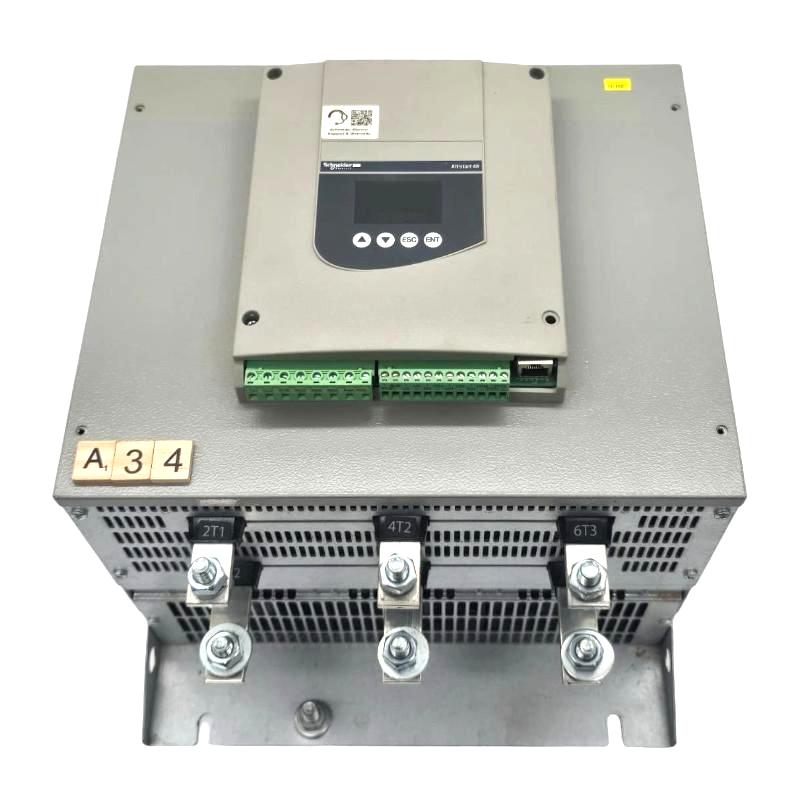
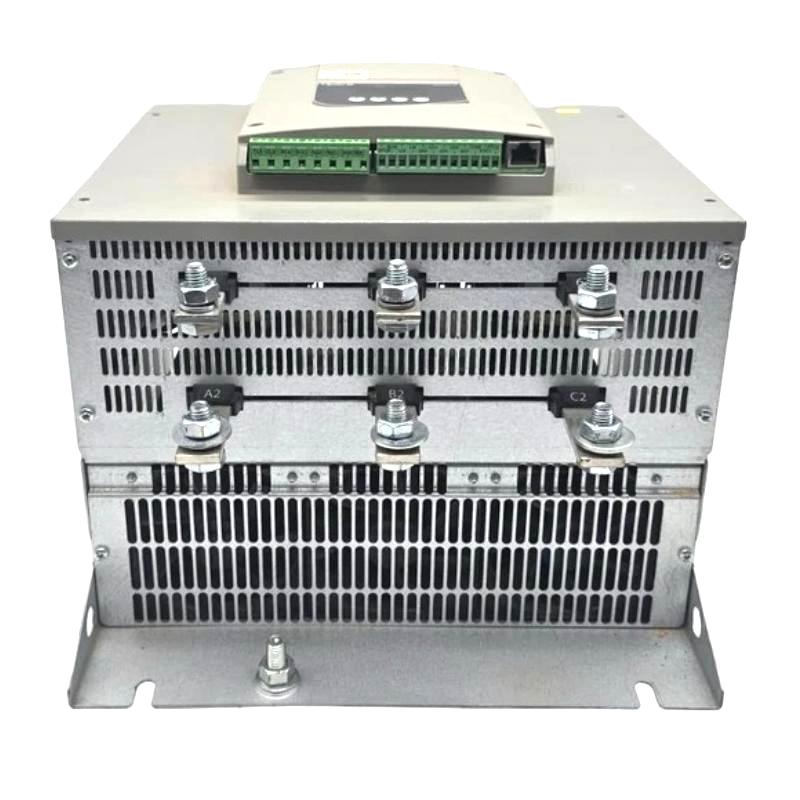
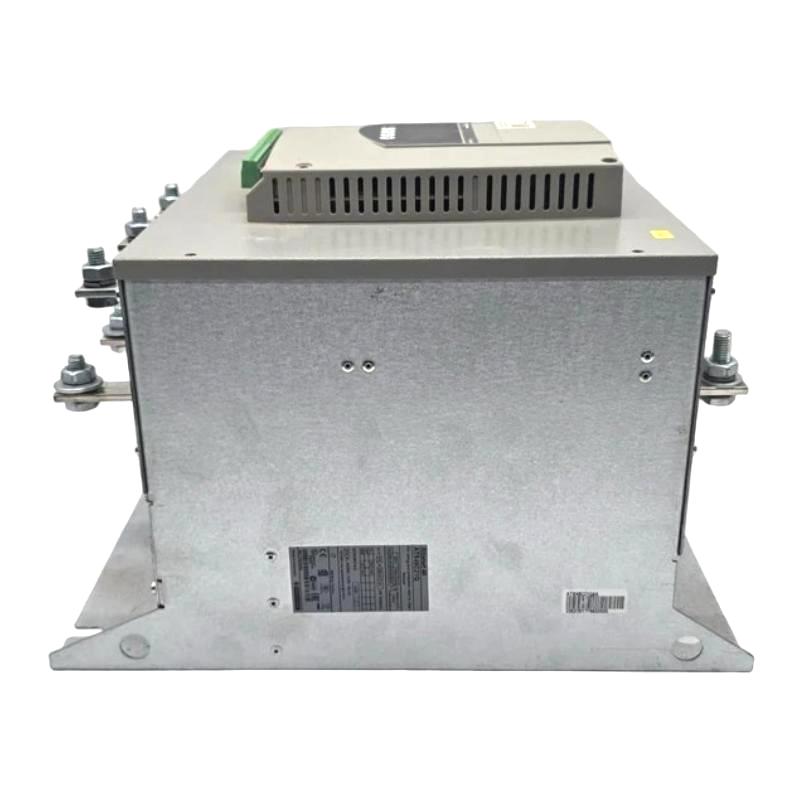
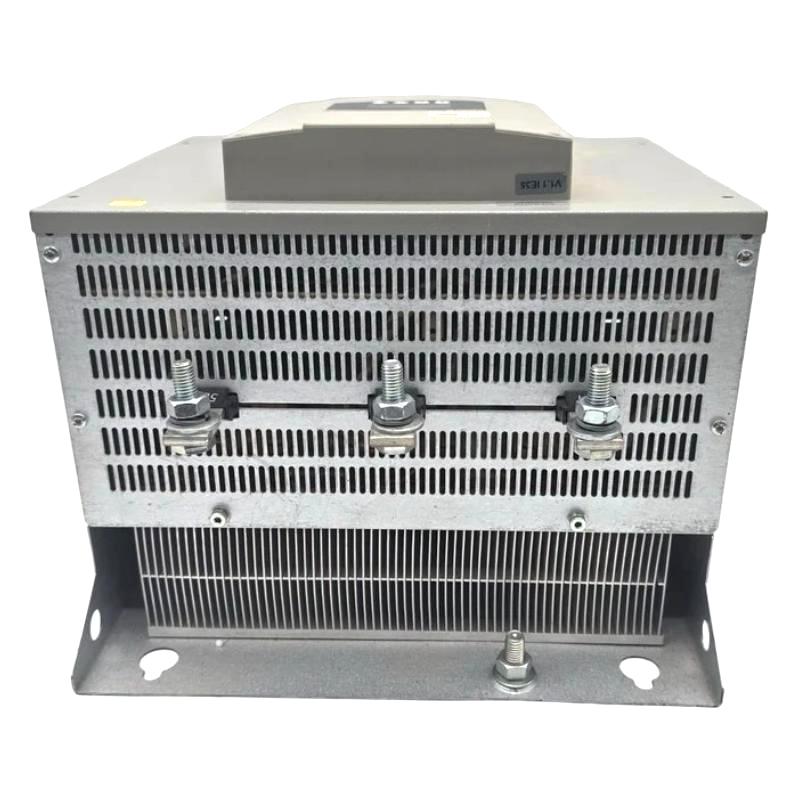
- Schneider
- ATS48C21Q
- Soft Starter
- France
- 380 x 320 x 265 mm
- 18.2 kg
- Xiamen, China
- New & In Stock
- T/T, PayPal, Western Union
- 1 Year
- 1-3 Working Days
- DHL, UPS, TNT, FedEx and EMS.
- 24-Hour Service
- COO
- 96
Our advantage

Global Logistics
We have a 10-year logistics and express cooperation agreement, so our products can be shipped to any place in the world.

Brand new and original
Our products are imported in bulk from the place of origin. Because of the cooperative relationship, our products are all original and 100% new.

24-hour service
We provide 7*24 hours service to our customers. We will be there whenever you need us.

Price advantage
All our products are priced very favorably because we have our own warehouse and supply.
| Company Information | |||
| [email protected] | |||
| Mobile | +8615980777398 | ||
| +8615980777398 | |||
| 15980777398 |
Product Overview
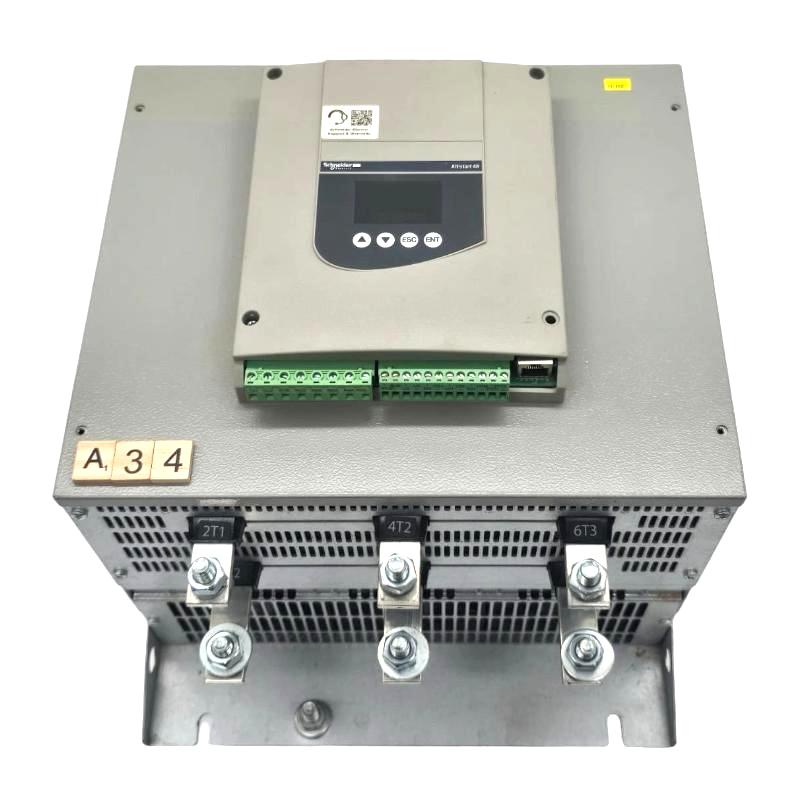
The Schneider ATS48C21Q Soft Starter is an industrial motor-control device from the Altistart 48 family, designed for controlled starting and stopping of three-phase asynchronous motors. It is intended for industrial applications where direct-on-line starting may create excessive electrical demand, mechanical shock, or undesirable process disturbances.
By progressively controlling the motor during acceleration, the ATS48C21Q can provide smoother motor startup and help reduce stress on mechanical transmission components. Depending on the application and configuration, controlled stopping can also be used to provide a more gradual shutdown.
The ATS48C21Q can be incorporated into industrial automation architectures together with PLCs, HMIs, DCS systems, motor protection equipment, and industrial communication networks.
For the product specified here, the physical dimensions are 380 × 320 × 265 mm, and the weight is 18.2 kg.
Product Identification
| Parameter | Specification |
|---|---|
| Manufacturer | Schneider Electric |
| Product Family | Altistart 48 |
| Model | ATS48C21Q |
| Product Type | Soft Starter |
| Motor Type | Three-Phase Asynchronous Motor |
| Primary Function | Controlled Motor Starting and Stopping |
| Communication | Modbus |
| Communication Interface | RS-485 |
| Installation | Vertical |
| Dimensions | 380 × 320 × 265 mm |
| Weight | 18.2 kg |
| Cooling | Forced Air |
| Typical Applications | Pumps, Fans, Compressors, Conveyors, Mixers |
| Automation Integration | PLC / HMI / DCS |
Technical Specifications
| Technical Item | ATS48C21Q |
|---|---|
| Manufacturer | Schneider Electric |
| Series | Altistart 48 |
| Model | ATS48C21Q |
| Product Category | Industrial Soft Starter |
| Motor Application | Three-Phase Asynchronous Motors |
| Main Function | Controlled Acceleration and Deceleration |
| Communication | Modbus |
| Physical Interface | RS-485 |
| Mounting Orientation | Vertical |
| Height | 380 mm |
| Width | 320 mm |
| Depth | 265 mm |
| Weight | 18.2 kg |
| Cooling Method | Forced Air |
| Typical Loads | Pumps, Fans, Compressors, Conveyors, Mixers |
| System Integration | PLC / HMI / DCS |
The final application should be evaluated according to the actual motor current, supply characteristics, starting duty, mechanical load, environmental conditions, and required operating cycle.
How the ATS48C21Q Works
A typical motor-control arrangement is:
Three-Phase AC Supply
↓
Protection and Disconnect
↓
ATS48C21Q Soft Starter
↓
Three-Phase Motor
↓
Mechanical Load
During a conventional direct-on-line start, the motor is connected directly to the supply. This can produce a substantial starting current and an abrupt torque increase.
The ATS48C21Q provides a controlled starting sequence that allows the motor to accelerate progressively.
The general operating sequence is:
Start Command → Controlled Acceleration → Normal Running → Stop Command → Controlled Stop
The actual starting and stopping parameters should be selected according to the motor and mechanical system.
Main Functions
Controlled Motor Acceleration
The ATS48C21Q controls the motor starting process to provide a smoother transition from standstill to operating speed.
This can be particularly useful for equipment with:
- High mechanical inertia
- Belt drives
- Gearboxes
- Pump assemblies
- Long conveyors
- Large fans
- Compressors
Controlled Motor Stopping
Where the application requires it, the soft starter can provide a controlled stopping sequence.
This can be useful in selected pump, conveyor, fan, and process applications where an abrupt stop is undesirable.
Motor Protection
The ATS48 platform incorporates monitoring and protection functions intended to detect abnormal operating conditions.
Possible monitored conditions include:
- Excessive current
- Motor thermal loading
- Starter temperature
- Phase-related abnormalities
- Abnormal starting conditions
Correct protection configuration is important because unsuitable settings can result in either unnecessary trips or insufficient protection.
Industrial Applications
Pump Systems
The ATS48C21Q can be considered for industrial pumping systems where controlled starting is beneficial.
Potential applications include:
- Water circulation
- Process pumping
- Cooling systems
- Transfer systems
- Water treatment
- Industrial fluid handling
Controlled starting can help reduce sudden changes in the mechanical and fluid system.
Industrial Fans and Blowers
Large fan motors can have significant rotating inertia.
Possible applications include:
- Factory ventilation
- Exhaust systems
- Cooling equipment
- Dust extraction
- Air-handling systems
- Process ventilation
Compressor Systems
Compressor motors can require substantial starting torque and current.
Before commissioning a compressor application, evaluate:
- Motor rated current
- Compressor load
- Starting duration
- Starting frequency
- Ambient conditions
- Mechanical resistance
- Duty cycle
Conveyor Systems
Conveyors can experience significant mechanical stress when motors start abruptly.
Controlled acceleration may help reduce stress on:
- Conveyor belts
- Couplings
- Gearboxes
- Shafts
- Drive assemblies
It can also provide smoother movement of transported material.
Mixers and Agitators
Mixers can present a demanding starting load, particularly when the process material is dense or viscous.
The soft starter can provide a more gradual acceleration sequence when correctly matched to the motor and load.
Installation Guide
1. Verify the Product
Confirm that the equipment being installed is:
Schneider ATS48C21Q
Inspect the unit before mounting.
Check for:
- Physical damage
- Cracked housings
- Damaged terminals
- Loose components
- Bent mounting points
- Moisture
- Dust
- Discoloration
- Signs of overheating
Do not commission equipment with visible damage until it has been evaluated.
2. Verify Motor Data
Before configuration, obtain the motor nameplate information.
Record:
- Rated voltage
- Rated current
- Rated frequency
- Rated power
- Connection type
- Rated speed
- Duty
- Starting characteristics
The soft starter must be selected and configured according to the actual motor and application.
3. Control Cabinet Planning
The specified dimensions are:
380 × 320 × 265 mm
The cabinet should provide additional space around the ATS48C21Q.
Allow room for:
- Power cables
- Control wiring
- Communication cables
- Protective devices
- Cable bending
- Ventilation
- Inspection
- Maintenance
Avoid placing other high-heat devices directly beside the soft starter.
4. Mounting
The ATS48C21Q has a specified weight of 18.2 kg.
The mounting structure must therefore be strong enough to support the device under normal operating conditions.
Check:
- Panel rigidity
- Mounting hardware
- Vertical alignment
- Mechanical stability
- Vibration
- Cable support
Install the unit in the recommended vertical orientation.
5. Environmental Conditions
The control cabinet should protect the soft starter against unsuitable environmental conditions.
Avoid direct exposure to:
- Water
- Condensation
- Conductive dust
- Excessive dust
- Oil mist
- Corrosive gases
- Excessive vibration
- Excessive heat
Adequate cabinet ventilation should be provided.
6. Electrical Isolation
Before any wiring work:
- Disconnect incoming power.
- Apply lockout/tagout procedures.
- Verify absence of hazardous voltage.
- Isolate the motor.
- Check for stored energy.
- Confirm the work area is safe.
- Wear appropriate electrical PPE.
Never connect or disconnect power wiring while the equipment is energized.
7. Power Wiring
Connect the incoming three-phase supply and motor circuit according to the approved electrical design.
Verify:
- Correct phase connections
- Cable sizing
- Protective devices
- Grounding
- Terminal connections
- Insulation
- Cable routing
All power connections should be inspected before energization.
8. Control Wiring
Depending on the application, the control circuit may include:
- Start
- Stop
- Reset
- Run indication
- Fault indication
- External interlocks
- PLC commands
- Emergency-stop logic
Keep control wiring properly organized and separated from high-current power conductors as required by the installation design.
9. Communication Wiring
The ATS48C21Q can be incorporated into an automation network using its communication capability.
A representative architecture is:
PLC
↓
RS-485 / Modbus
↓
ATS48C21Q
↓
Motor
Before commissioning, check:
- Communication wiring
- Device address
- Communication settings
- PLC configuration
- Network topology
- Control permissions
10. Configure the Soft Starter
Enter the actual motor parameters.
Configuration areas may include:
- Motor rated current
- Acceleration time
- Deceleration time
- Current limitation
- Protection settings
- Stop mode
- Command source
Do not copy parameters from another motor without verifying compatibility.
11. Inspect the Mechanical Load
Before the first start, inspect the connected machine.
Check:
- Motor shaft
- Coupling
- Bearings
- Gearbox
- Belts
- Pump
- Fan
- Conveyor
- Mechanical guards
Confirm that the load can move normally and that there is no unexpected obstruction.
Commissioning Procedure
Pre-Commissioning Checklist
Before applying power:
- Verify the ATS48C21Q model.
- Confirm motor nameplate data.
- Check power wiring.
- Check control wiring.
- Verify grounding.
- Check protective devices.
- Verify cabinet ventilation.
- Check soft-starter configuration.
- Test interlocks.
- Verify emergency-stop functions.
Initial Energization
After the inspection is complete:
- Energize the control system.
- Observe the ATS48C21Q status.
- Check for fault indications.
- Verify control inputs.
- Check communication status.
- Confirm the intended operating mode.
If possible, perform the initial test under controlled mechanical conditions.
First Motor Start
Start the motor while monitoring the complete system.
Observe:
- Motor current
- Acceleration time
- Motor sound
- Vibration
- Starter status
- Motor rotation
- Mechanical movement
- Process response
Stop the test if abnormal current, vibration, noise, or mechanical behavior is detected.
Troubleshooting Guide
Problem 1 – ATS48C21Q Does Not Power Up
Possible Causes
- No incoming supply
- Open protective device
- Incorrect wiring
- Control circuit failure
- Internal equipment problem
Diagnostic Procedure
Check:
- Incoming voltage
- Circuit protection
- Power connections
- Control circuit
- Starter status
Problem 2 – Motor Does Not Start
Possible Causes
- Missing start command
- Incorrect control wiring
- Active interlock
- Incorrect command source
- Incorrect parameters
- Motor problem
- Mechanical obstruction
Troubleshooting
Trace the start signal from the PLC or control device through the complete control circuit.
Then verify the motor circuit and mechanical load.
Problem 3 – Motor Accelerates Too Slowly
Possible Causes
- Acceleration time too long
- Current limitation too restrictive
- Incorrect motor data
- Excessive load
- Mechanical resistance
Corrective Action
Verify the motor parameters and starting settings.
Then inspect the connected machine.
Problem 4 – Excessive Current During Startup
Possible Causes
- Acceleration time too short
- Current limitation incorrectly configured
- Heavy mechanical load
- Incorrect motor parameters
- Motor problem
Compare the configured values with the actual motor nameplate.
Problem 5 – Soft Starter Trips During Acceleration
Possible Causes
- Motor overload
- Phase problem
- Incorrect wiring
- Incorrect configuration
- Excessive mechanical load
- Mechanical obstruction
Do not continuously reset the starter without determining the root cause.
Problem 6 – ATS48C21Q Overheats
Possible Causes
- Poor cabinet ventilation
- Restricted airflow
- High ambient temperature
- Excessive starting frequency
- Motor overload
- Dust contamination
- Cooling-system problem
Corrective Action
Inspect the complete cabinet thermal environment.
Check ventilation paths and surrounding heat-producing equipment.
Problem 7 – Motor Vibrates
Possible Causes
- Shaft misalignment
- Coupling wear
- Bearing problems
- Mechanical imbalance
- Incorrect acceleration settings
- Mechanical resonance
Inspect both the electrical system and mechanical equipment.
Problem 8 – Motor Stops Abruptly
Possible Causes
- Incorrect stop configuration
- External stop command
- Incorrect deceleration settings
- PLC logic problem
- High-inertia load
Review the complete stop sequence.
Problem 9 – Motor Does Not Stop
Possible Causes
- Stop command missing
- Control wiring problem
- PLC logic problem
- External interlock
- Incorrect configuration
Trace the stop command from the controller to the ATS48C21Q.
Problem 10 – Modbus Communication Failure
Possible Causes
- Incorrect device address
- Incorrect communication parameters
- RS-485 wiring problem
- PLC configuration error
- Network topology problem
- Communication interface problem
Diagnostic Sequence
First inspect the physical network.
Then verify:
- Device address
- Communication speed
- Serial settings
- PLC configuration
- Network connections
Problem 11 – Repeated Overload Faults
Possible Causes
- Excessive mechanical load
- Bearing deterioration
- Mechanical obstruction
- Incorrect motor parameters
- Excessive starting frequency
- Incorrect protection settings
- Process overload
A repeated overload should be treated as a system-level problem rather than simply a reset condition.
Fault Diagnosis Flow
A systematic diagnostic process can follow this sequence:
Incoming Power
↓
Circuit Protection
↓
ATS48C21Q Status
↓
Start / Stop Signals
↓
Communication
↓
Power Circuit
↓
Motor
↓
Mechanical Load
↓
Parameters
↓
Controlled Restart
This approach helps separate electrical, control, communication, configuration, motor, and mechanical problems.
Preventive Maintenance
Electrical Inspection
Regularly inspect:
- Power terminals
- Control terminals
- Ground connections
- Cable insulation
- Signs of overheating
- Loose connections
Cooling Inspection
Check:
- Airflow
- Cooling paths
- Cabinet ventilation
- Filters
- Dust accumulation
- Ambient temperature
Mechanical Inspection
Inspect:
- Mounting hardware
- Cable supports
- Motor alignment
- Couplings
- Bearings
- Gearboxes
- Vibration
Operating Monitoring
Record:
- Motor current
- Starting duration
- Operating temperature
- Fault history
- Starting frequency
- Motor vibration
- Abnormal noise
Changes in these values can help identify developing problems before they cause unplanned downtime.
Preventive Maintenance Table
| Maintenance Area | Recommended Action |
|---|---|
| Power Terminals | Check tightness and signs of heating |
| Control Terminals | Inspect connection integrity |
| Grounding | Verify continuity |
| RS-485 Network | Inspect communication wiring |
| Cooling Path | Clean and inspect |
| Cabinet Ventilation | Maintain unobstructed airflow |
| Filters | Clean or replace as required |
| Motor Current | Monitor operating values |
| Fault History | Review periodically |
| Mounting Hardware | Check mechanical stability |
| Cables | Inspect insulation and routing |
| Cabinet Interior | Remove dust and contamination |
| Motor / Load | Inspect vibration and alignment |
Common Installation Mistakes
Incorrect Motor Parameters
Incorrect motor information can cause poor acceleration and unnecessary protection trips.
Insufficient Cabinet Space
The 380 × 320 × 265 mm dimensions should be considered together with the required wiring and cooling space.
Insufficient Mounting Strength
At 18.2 kg, the ATS48C21Q requires a mechanically stable mounting structure.
Poor Ventilation
Insufficient airflow can increase thermal stress on the starter.
Loose Power Connections
Loose connections can result in overheating, voltage drop, intermittent operation, or component damage.
Incorrect Control Wiring
A missing start command or active interlock can prevent the motor from running.
Communication Configuration Errors
Incorrect addressing or serial settings can prevent communication with the PLC.
Ignoring Mechanical Problems
A blocked pump, overloaded conveyor, damaged bearing, or tight gearbox can produce symptoms that resemble an electrical fault.
PLC and Automation Integration
The ATS48C21Q can be incorporated into a larger industrial automation system.
A typical architecture is:
PLC / DCS
↓
Control Commands
↓
ATS48C21Q
↓
Three-Phase Motor
↓
Industrial Machine
↓
Process
The communication interface can support data exchange between the soft starter and the automation controller.
Possible functions include:
- Remote start
- Remote stop
- Fault monitoring
- Status monitoring
- Alarm handling
- Process interlocking
- Diagnostic monitoring
Supporting Components
A complete ATS48C21Q installation may include:
- Circuit breakers
- Disconnect switches
- Fuses
- Contactors
- Motor protection devices
- PLC controllers
- HMIs
- Control relays
- RS-485 communication components
- Emergency-stop circuits
- Motor sensors
- Process sensors
All components should be selected according to the actual electrical design and motor application.
Related Altistart 48 Models
| Model | Application Position |
|---|---|
| ATS48C11Q | Industrial motor-control applications |
| ATS48C14Q | Larger industrial motor applications |
| ATS48C17Q | Higher-power industrial applications |
| ATS48C21Q | Higher-current motor-control applications |
| ATS48C25Q | Larger industrial motor applications |
| ATS48C32Q | High-power motor-control applications |
Model selection should always be based on actual motor current, voltage, starting duty, mechanical load, environmental conditions, and operating requirements.
Key Advantages
- Altistart 48 industrial soft-starter platform
- Controlled motor acceleration
- Controlled motor stopping
- Designed for three-phase asynchronous motors
- Motor monitoring and protection
- Starter protection functions
- Modbus communication capability
- RS-485 communication
- PLC and DCS integration
- Suitable for pump applications
- Suitable for fans and blowers
- Suitable for compressors
- Suitable for conveyors
- Suitable for mixers
- Forced-air cooling
- Vertical installation
- Dimensions: 380 × 320 × 265 mm
- Weight: 18.2 kg
Technical FAQs
What is the Schneider ATS48C21Q?
The Schneider ATS48C21Q is an Altistart 48 industrial soft starter designed to provide controlled starting and stopping of three-phase asynchronous motors.
What are the dimensions of the ATS48C21Q?
The specified dimensions are 380 × 320 × 265 mm.
How much does the ATS48C21Q weigh?
The specified weight is 18.2 kg.
What is the main purpose of the ATS48C21Q?
It provides controlled motor acceleration and stopping while supporting monitoring and protection functions for industrial motor applications.
Where can the ATS48C21Q be used?
Typical applications include pumps, fans, compressors, conveyors, blowers, mixers, and other motor-driven industrial equipment.
Can the ATS48C21Q be integrated with a PLC?
Yes. The ATS48 platform supports Modbus communication through an RS-485-based network, allowing the soft starter to be incorporated into suitable PLC and industrial automation systems.
Why will the motor not start?
Possible causes include a missing start signal, incorrect control wiring, active interlocks, incorrect parameters, motor problems, or mechanical obstruction.
Why does the ATS48C21Q overheat?
Possible causes include inadequate ventilation, restricted airflow, high ambient temperature, excessive starting frequency, motor overload, or contamination.
Why does the soft starter trip during acceleration?
Possible causes include excessive load, incorrect motor parameters, phase-related problems, wiring faults, unsuitable starting settings, or mechanical resistance.
What should be checked before commissioning?
Check the motor nameplate, electrical wiring, grounding, protective devices, control circuit, communication settings, soft-starter parameters, cabinet ventilation, and mechanical load.
How should repeated faults be diagnosed?
Begin with the incoming power and protection system, then check the ATS48C21Q status, control signals, communication, motor circuit, motor condition, configuration, and mechanical load. This systematic process can prevent unnecessary replacement of a functioning soft starter.
Conclusion
The Schneider ATS48C21Q Soft Starter is an industrial motor-control solution designed for controlled starting and stopping of three-phase asynchronous motors. It can be useful in applications where direct-on-line starting may produce excessive electrical or mechanical stress.
The specified ATS48C21Q measures 380 × 320 × 265 mm and weighs 18.2 kg. These dimensions should be incorporated into cabinet design, mounting arrangements, cable routing, ventilation planning, and maintenance access.
For reliable operation, the motor and soft starter must be correctly matched, the motor parameters must be configured accurately, and the electrical and mechanical installation must be properly inspected before commissioning.
When troubleshooting, technicians should avoid assuming that every fault originates inside the soft starter. A systematic investigation of the power supply, protection circuit, control signals, communication network, motor, parameters, and mechanical load provides a more effective approach to fault diagnosis.
With correct installation, commissioning, preventive maintenance, and systematic troubleshooting, the ATS48C21Q can be effectively integrated into industrial motor-control and automation systems.