

ProductPRODUCT
Featured products
Contact Us
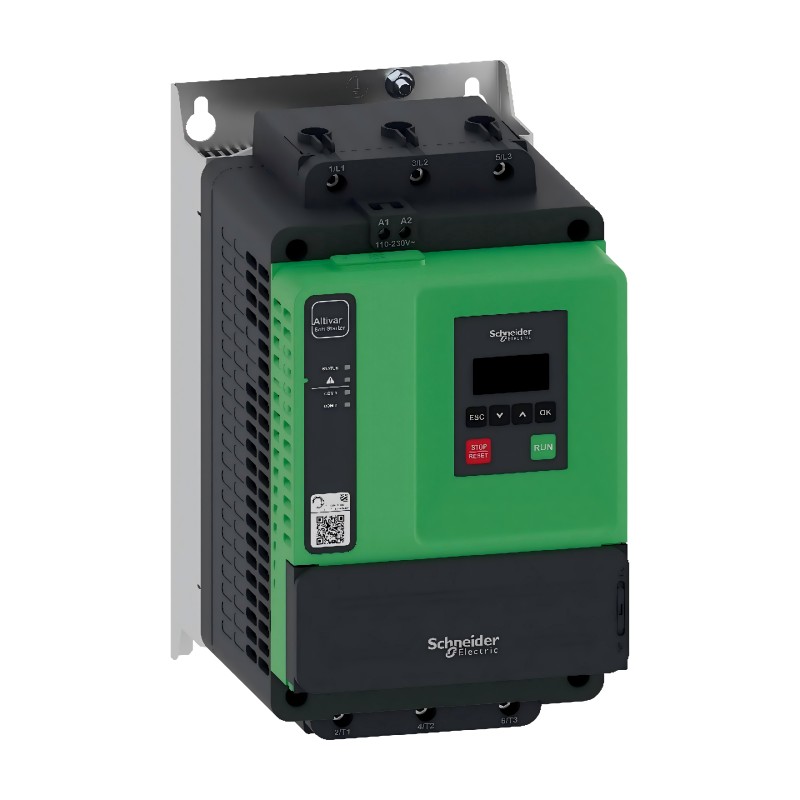
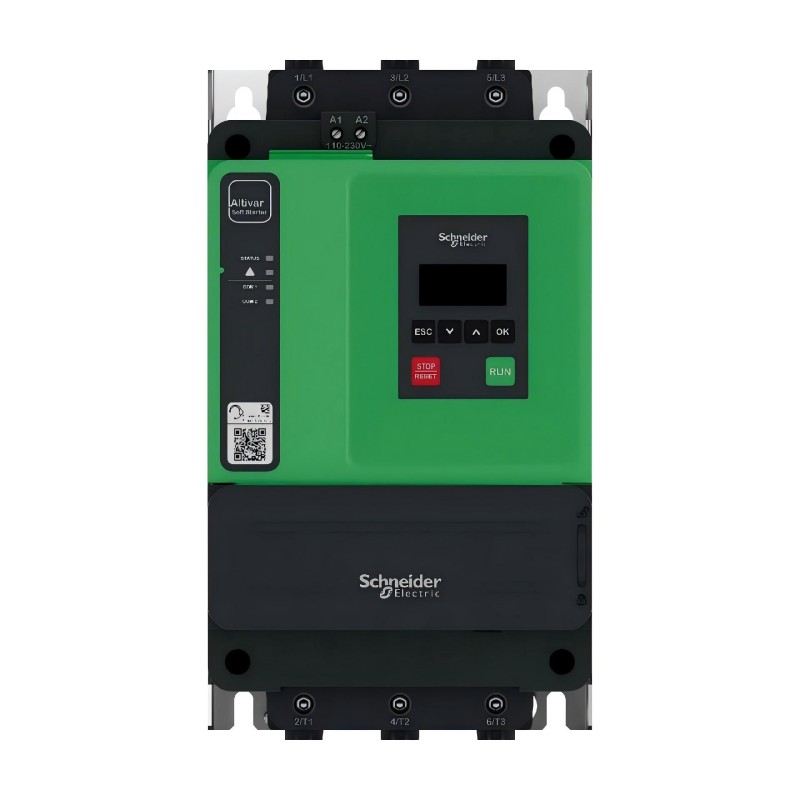
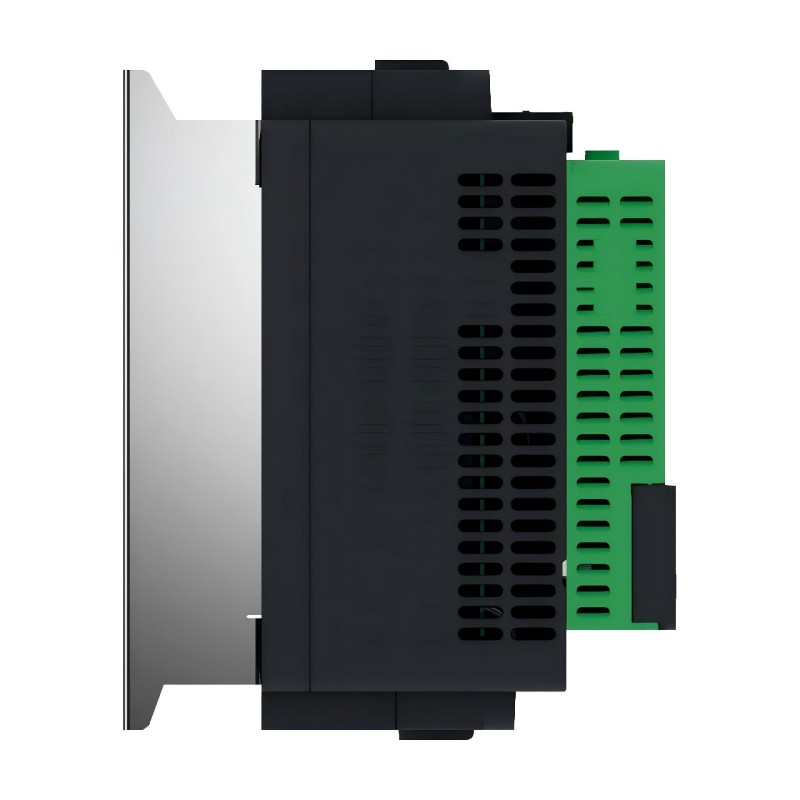
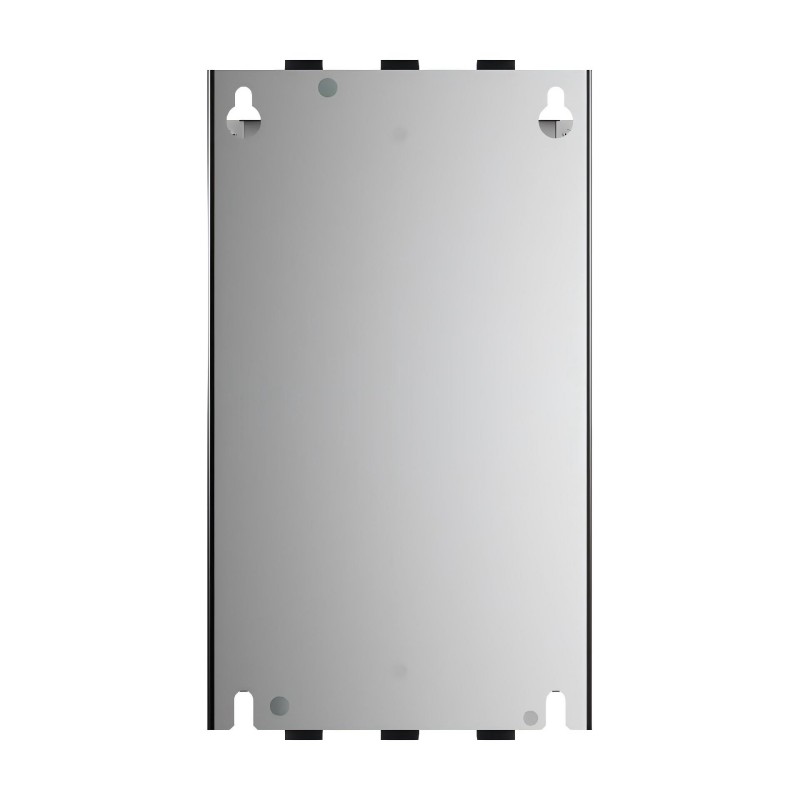
- Schneider
- ATS430D75S6
- Soft Starter
- France
- 283 x 160 x 230.2 mm
- 6.6 kg
- Xiamen, China
- New & In Stock
- T/T, PayPal, Western Union
- 1 Year
- 1-3 Working Days
- DHL, UPS, TNT, FedEx and EMS.
- 24-Hour Service
- COO
- 6
Our advantage

Global Logistics
We have a 10-year logistics and express cooperation agreement, so our products can be shipped to any place in the world.

Brand new and original
Our products are imported in bulk from the place of origin. Because of the cooperative relationship, our products are all original and 100% new.

24-hour service
We provide 7*24 hours service to our customers. We will be there whenever you need us.

Price advantage
All our products are priced very favorably because we have our own warehouse and supply.
| Company Information | |||
| [email protected] | |||
| Mobile | +8615980777398 | ||
| +8615980777398 | |||
| 15980777398 |
Product Overview
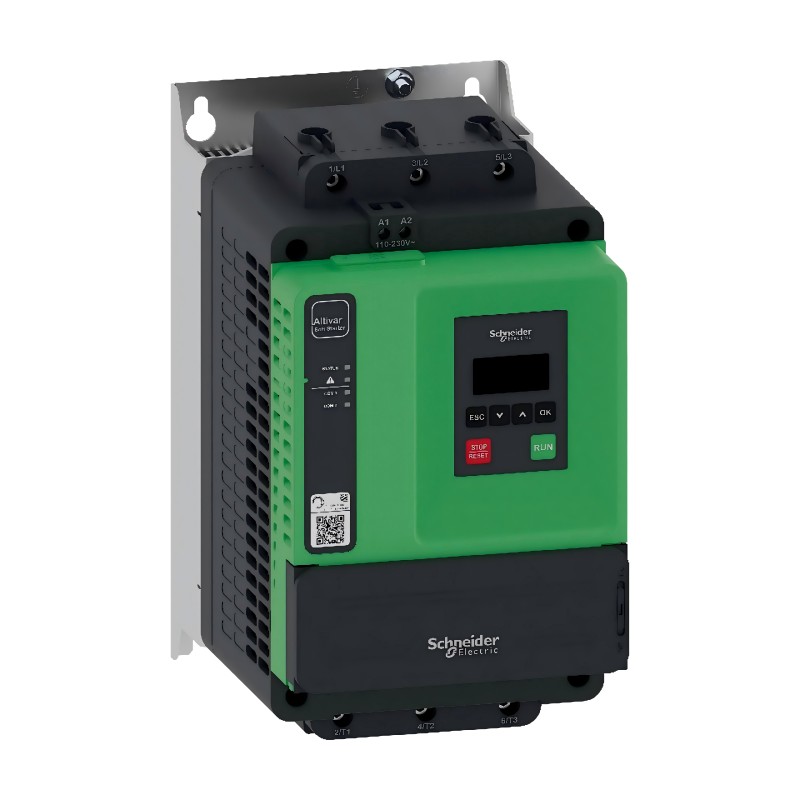
The Schneider ATS430D75S6 Soft Starter is an industrial motor-control device designed to provide controlled acceleration and deceleration of compatible AC motors. Instead of applying full motor voltage immediately, a soft starter manages the starting process to provide a more gradual increase in motor operating conditions.
This approach can help reduce mechanical shock, control starting behavior, and reduce the electrical impact associated with direct-on-line motor starting. It is particularly useful in industrial applications where motors drive pumps, fans, conveyors, compressors, blowers, and other equipment requiring controlled acceleration.
The supplied product information identifies the Schneider ATS430D75S6 as a Soft Starter, with dimensions of 283 × 160 × 230.2 mm and a weight of 6.6 kg.
The ATS430D75S6 should be installed as part of a properly engineered motor-control system. Before commissioning, verify the motor, supply system, protection equipment, mechanical load, control architecture, cabinet environment, and applicable operating parameters.
Product Information
- Manufacturer: Schneider
- Model: ATS430D75S6
- Product Type: Soft Starter
- Dimensions: 283 × 160 × 230.2 mm
- Weight: 6.6 kg
- Application: Industrial Motor Control
- Primary Function: Controlled Motor Starting and Stopping
Technical Specifications
| Parameter | Specification |
|---|---|
| Manufacturer | Schneider |
| Model Number | ATS430D75S6 |
| Product Type | Soft Starter |
| Dimensions | 283 × 160 × 230.2 mm |
| Weight | 6.6 kg |
| Application | Industrial Motor Control |
| Main Function | Controlled Motor Starting / Stopping |
| Installation | Industrial Control Cabinet |
| Maintenance | Inspection / Commissioning / Troubleshooting |
The dimensions and weight above are based on the product information supplied.
The exact electrical ratings, motor compatibility, protection requirements, and application settings should be verified against the complete system design before operation.
Function and Working Principle
The ATS430D75S6 controls the electrical conditions applied to an AC motor during starting and stopping.
A simplified motor-control arrangement is:
Incoming AC Supply
↓
Circuit Protection
↓
ATS430D75S6 Soft Starter
↓
Three-Phase Motor
↓
Mechanical Load
During motor startup, the soft starter provides a controlled acceleration process rather than an abrupt application of full operating conditions.
A typical sequence is:
Start Command
↓
Controlled Starting Ramp
↓
Motor Acceleration
↓
Normal Operation
When stopping is required, the configured stopping process can provide controlled motor deceleration according to the application.
The actual operating behavior depends on the motor characteristics, mechanical load, supply conditions, control configuration, and selected parameters.
Why Use ATS430D75S6?
A large motor can create significant electrical and mechanical stress during direct starting. A soft starter can help manage this starting process.
Potential benefits include:
- Controlled motor acceleration
- Reduced mechanical shock
- Smoother motor startup
- Reduced stress on couplings and gearboxes
- Controlled stopping
- Improved starting behavior
- Reduced impact on connected mechanical equipment
- Integration with automated motor-control systems
A soft starter does not eliminate motor starting current. It manages the starting process according to the configured operating strategy.
Role in Industrial Control Systems
The ATS430D75S6 can be integrated between the incoming power system and a motor.
A typical arrangement is:
Incoming Power
↓
Protection
↓
ATS430D75S6
↓
Motor
↓
Driven Equipment
In an automated system, a PLC can provide the required control commands:
PLC
↓
Start / Stop / Interlock Signals
↓
ATS430D75S6
↓
Motor
This allows motor operation to be incorporated into a larger machine-control or process-control sequence.
Industrial Applications
Pumping Systems
Controlled starting can help reduce sudden mechanical and hydraulic stress during pump startup.
Industrial Fans
The ATS430D75S6 can provide controlled acceleration for large fan-driven systems.
Conveyors
A controlled acceleration profile can reduce sudden torque transmission through belts, couplings, gears, and other mechanical components.
Compressors
Soft starting can help manage the mechanical demands associated with compressor motor startup.
Blowers
Industrial blower applications can benefit from controlled motor acceleration.
Material Handling
Conveyors, lifting equipment, and other motor-driven systems may use soft starters where controlled acceleration is required.
Process Machinery
The ATS430D75S6 can be integrated into compatible industrial process equipment and automated machinery.
Installation Guide
1. Verify the Product Model
Before installation, confirm:
Schneider ATS430D75S6
Soft Starter
Always verify the complete model number rather than relying only on physical appearance.
2. Verify Motor Compatibility
Before connecting the soft starter, identify the motor’s electrical and mechanical characteristics.
Check:
- Motor voltage
- Motor current
- Motor power
- Motor frequency
- Motor connection
- Motor duty
- Starting torque
- Full-load current
- Mechanical load
The soft starter must be correctly matched to the motor and intended application.
3. Evaluate the Mechanical Load
The starting behavior required by the motor depends strongly on the driven equipment.
Typical loads include:
- Pumps
- Fans
- Conveyors
- Compressors
- Blowers
- Mixers
- Process equipment
High-inertia loads generally require more careful acceleration planning than lightly loaded machinery.
4. Inspect the ATS430D75S6
Before installation, inspect the unit for:
- Cracked housing
- Damaged terminals
- Bent connections
- Corrosion
- Contamination
- Mechanical damage
- Loose hardware
Do not install equipment with obvious physical damage.
5. Verify Cabinet Space
The supplied dimensions are:
283 × 160 × 230.2 mm
Additional space should be provided for:
- Power cables
- Control wiring
- Cable bend radius
- Ventilation
- Heat dissipation
- Adjacent components
- Maintenance access
The product dimensions alone should not be used as the complete enclosure-clearance requirement.
6. Mount the Soft Starter
Install the ATS430D75S6 securely in the designated control cabinet.
Verify:
- Correct orientation
- Secure mounting
- Adequate ventilation
- Accessible terminals
- Appropriate clearance
- Separation from excessive heat sources
Because motor-control equipment generates heat, cabinet thermal management should be considered during system design.
7. Connect Incoming Power
Connect the incoming supply according to the approved electrical design.
Verify:
- Phase identification
- Correct conductors
- Appropriate protection
- Terminal security
- Grounding
- Cable routing
Do not energize the system until the complete power circuit has been inspected.
8. Connect the Motor
Connect the motor according to the approved motor-control design.
Check:
- Motor terminals
- Phase connections
- Motor cable condition
- Grounding
- Motor configuration
- Protection devices
9. Connect Control Wiring
Depending on the control architecture, connect the appropriate:
- Start signal
- Stop signal
- Fault signal
- Status signal
- Interlock
- PLC interface
- Emergency-stop circuit
Control wiring should be properly routed and protected against unnecessary electrical interference.
10. Configure Motor Parameters
Before starting the motor, verify the applicable configuration.
Parameters may include:
- Motor current
- Starting voltage
- Acceleration time
- Deceleration time
- Current limitation
- Protection settings
- Control mode
- Application-specific parameters
Incorrect settings can result in starting faults, poor acceleration, excessive current, or nuisance protection trips.
Commissioning Procedure
Step 1 — Visual Inspection
Inspect the soft starter, cabinet, wiring, and motor connections.
Step 2 — Verify Power Wiring
Check incoming supply, protective devices, and terminals.
Step 3 — Verify Motor Wiring
Confirm motor connections and grounding.
Step 4 — Verify Control Wiring
Check start, stop, interlock, fault, and status circuits.
Step 5 — Verify Motor Data
Confirm that the configured motor information matches the actual motor.
Step 6 — Energize the System
Apply power according to the approved commissioning procedure.
Step 7 — Check Status
Confirm that the ATS430D75S6 does not indicate an unexpected fault.
Step 8 — Test Start
Issue a controlled start command.
Step 9 — Observe Acceleration
Monitor the motor during acceleration.
Step 10 — Verify Rotation
Confirm correct motor rotation.
Step 11 — Test Stop
Verify the configured stopping behavior.
Step 12 — Test Under Load
Operate the motor under normal operating conditions.
Step 13 — Monitor Operation
Observe motor current, temperature, fault status, acceleration, and mechanical behavior.
Troubleshooting Guide
Problem 1: Motor Does Not Start
Possible causes include:
- No incoming power
- Start command missing
- Incorrect control wiring
- Active fault
- External interlock
- Incorrect motor parameters
- Protection device open
- Motor wiring problem
- Mechanical obstruction
Recommended Checks
- Verify incoming power.
- Check ATS430D75S6 status.
- Confirm the start command.
- Inspect control wiring.
- Review active faults.
- Check motor wiring.
- Verify protection devices.
- Confirm motor configuration.
- Check the mechanical load.
Problem 2: Motor Starts but Does Not Reach Normal Speed
Possible causes include:
- Excessive mechanical load
- Insufficient starting torque
- Current limitation
- Incorrect acceleration settings
- Motor fault
- Supply problem
- Mechanical obstruction
Check the motor current and acceleration profile.
If the motor remains at low speed, investigate both the soft-starter settings and the mechanical load.
Problem 3: ATS430D75S6 Trips During Starting
Possible causes include:
- Excessive starting current
- Motor overload
- Incorrect motor parameters
- High-inertia load
- Motor fault
- Supply voltage problem
- Unsuitable starting profile
A practical diagnostic sequence is:
Motor Data → Starting Parameters → Current → Load → Supply → Motor
Problem 4: Excessive Starting Current
Possible causes include:
- Starting voltage too high
- Current limitation unsuitable
- High starting torque
- Excessive mechanical load
- Incorrect motor configuration
- Motor characteristics
Do not adjust current-related parameters without considering the actual motor and load.
Problem 5: Motor Accelerates Too Slowly
Possible causes include:
- Acceleration ramp too long
- Current limitation too restrictive
- Insufficient starting torque
- Excessive load
- Incorrect motor data
Review the acceleration profile and mechanical load together.
Problem 6: Motor Accelerates Too Quickly
Possible causes include:
- Acceleration time too short
- Starting voltage too high
- Incorrect configuration
A longer acceleration period may help reduce mechanical shock where appropriate.
Problem 7: Motor Stops Unexpectedly
Possible causes include:
- Overload
- Thermal protection
- Supply interruption
- Stop command
- External fault
- Motor fault
- Soft-starter protection
Review the fault information and determine whether the stop originated from the controller, protection circuit, soft starter, motor, or mechanical load.
Problem 8: ATS430D75S6 Overheats
Possible causes include:
- Excessive motor current
- Frequent motor starts
- High ambient temperature
- Poor cabinet ventilation
- Insufficient heat dissipation
- Loose electrical connections
- Application outside the intended operating conditions
Check the complete thermal environment before continuing operation.
Problem 9: Motor Hums but Does Not Accelerate
Possible causes include:
- Insufficient starting conditions
- Current limitation
- Excessive load torque
- Motor wiring problem
- Motor fault
- Supply problem
Check both electrical and mechanical conditions.
Problem 10: PLC Start Command Is Present but Motor Does Not Run
Trace the control path:
PLC Output
↓
Control Wiring
↓
ATS430D75S6
↓
Interlock / Start Logic
↓
Motor
Verify that the command reaches the correct input and that no fault or interlock is preventing operation.
Problem 11: Motor Direction Is Incorrect
Possible causes include:
- Incorrect phase sequence
- Incorrect motor wiring
- Incorrect connection
Before changing connections:
- Stop the motor.
- Isolate electrical power.
- Verify safe conditions.
- Correct the wiring according to the approved electrical procedure.
- Perform a controlled test.
Problem 12: Fault Appears After Motor Replacement
When a motor is replaced, verify:
- Motor voltage
- Motor current
- Motor connection
- Motor parameters
- Starting requirements
- Mechanical load
- Protection settings
The replacement motor may have different electrical or mechanical characteristics.
Fault Diagnosis Strategy
A structured diagnostic sequence is:
Incoming Power
↓
Protection
↓
Control Command
↓
ATS430D75S6 Status
↓
Motor Wiring
↓
Motor
↓
Mechanical Load
This sequence helps distinguish electrical, control, soft-starter, motor, and mechanical faults.
Motor Starting Diagnostic Checklist
When the motor does not start correctly, check:
- Is incoming power available?
- Is the ATS430D75S6 powered?
- Is an active fault present?
- Is the start command available?
- Are all interlocks satisfied?
- Is the motor correctly wired?
- Is motor data correctly configured?
- Is the mechanical load free?
- Is current limitation restricting acceleration?
- Is the acceleration profile appropriate?
Soft Starter Replacement Procedure
Phase 1 — Preparation
- Confirm Schneider ATS430D75S6.
- Verify the replacement unit.
- Record existing settings.
- Record motor information.
- Document power wiring.
- Document control wiring.
- Place the system in a safe state.
Phase 2 — Removal
- Stop the motor.
- Isolate electrical power.
- Verify safe conditions.
- Disconnect incoming power.
- Disconnect motor wiring.
- Disconnect control wiring.
- Remove the existing soft starter.
Phase 3 — Installation
- Inspect the replacement ATS430D75S6.
- Verify the model number.
- Mount the unit securely.
- Reconnect incoming power.
- Reconnect motor wiring.
- Reconnect control wiring.
- Verify grounding.
Phase 4 — Configuration
- Enter the appropriate motor information.
- Verify starting parameters.
- Verify stopping parameters.
- Verify protection settings.
- Confirm control configuration.
Phase 5 — Commissioning
- Restore power.
- Check device status.
- Test the start command.
- Observe acceleration.
- Verify motor direction.
- Test stopping.
- Test under load.
- Monitor temperature and operating conditions.
Preventive Maintenance
| Maintenance Item | Recommended Action |
|---|---|
| ATS430D75S6 | Inspect physical condition |
| Power Terminals | Check for loose connections |
| Motor Terminals | Inspect connection condition |
| Control Wiring | Check for loose conductors |
| Cabinet | Keep clean and dry |
| Ventilation | Maintain adequate airflow |
| Cooling Path | Check for obstruction |
| Motor | Monitor operating condition |
| Mechanical Load | Check for abnormal resistance |
| Fault History | Record recurring faults |
| Parameters | Maintain configuration backup |
| Mounting | Check mechanical security |
Environmental Considerations
Temperature
High ambient temperatures can increase thermal stress and may affect the operating conditions of the soft starter.
Ventilation
Maintain unobstructed cabinet airflow and sufficient heat dissipation.
Dust
Excessive dust can restrict cooling and contaminate electrical components.
Moisture
Protect the soft starter against condensation and water ingress.
Vibration
Continuous vibration can loosen terminals and mounting hardware.
Electrical Noise
Keep control wiring appropriately separated from high-power circuits where required.
Common Installation Mistakes
Incorrect Motor Matching
The ATS430D75S6 must be correctly matched to the motor and application.
Incorrect Motor Parameters
Incorrect settings can result in starting faults or poor motor acceleration.
Insufficient Cabinet Ventilation
Poor thermal management can cause overheating.
Loose Power Connections
Loose terminals can create heat, voltage drop, and intermittent operation.
Incorrect Control Wiring
PLC and external control signals must be correctly wired and configured.
Excessive Starting Frequency
Frequent motor starts can increase thermal stress.
Ignoring the Mechanical Load
A soft starter cannot compensate for a mechanically blocked or severely overloaded machine.
Changing Settings Without Documentation
Record the original configuration before making major parameter changes.
Key Advantages
- Provides controlled motor starting
- Supports smoother acceleration
- Helps reduce mechanical starting shock
- Can reduce the electrical impact associated with direct motor starting
- Supports controlled stopping
- Suitable for industrial motor-control applications
- Can be integrated into PLC-based automation systems
- Suitable for pumps, fans, conveyors, compressors, blowers, and other motor-driven equipment
- Dimensions of 283 × 160 × 230.2 mm
- Weight of 6.6 kg
Technical FAQs
What is the Schneider ATS430D75S6?
The Schneider ATS430D75S6 is an industrial Soft Starter designed to provide controlled motor starting and stopping.
What is the primary function of ATS430D75S6?
Its primary function is to control the motor-starting and stopping process to provide smoother acceleration and deceleration.
What are the dimensions of ATS430D75S6?
The supplied dimensions are 283 × 160 × 230.2 mm.
What is the weight of ATS430D75S6?
The supplied weight is 6.6 kg.
Why does the motor not start?
Check incoming power, control commands, active faults, interlocks, motor wiring, protection devices, motor configuration, and mechanical load.
Why does ATS430D75S6 trip during startup?
Possible causes include excessive starting current, high mechanical load, unsuitable acceleration settings, incorrect motor parameters, supply problems, or motor faults.
Why does the motor accelerate slowly?
Check the acceleration ramp, current limitation, motor parameters, available starting torque, and mechanical load.
Why does ATS430D75S6 overheat?
Possible causes include high current, frequent starts, high ambient temperature, insufficient ventilation, excessive cabinet heat, or loose electrical connections.
Can ATS430D75S6 be controlled by a PLC?
A compatible control architecture can integrate PLC start/stop and monitoring signals with the soft starter.
Why is the motor rotating in the wrong direction?
Check the motor phase sequence and motor wiring according to the approved electrical procedure.
What should be checked before replacing ATS430D75S6?
Check power, protection, control commands, fault status, motor wiring, motor parameters, motor condition, and mechanical load.
How should ATS430D75S6 be commissioned?
Verify mechanical installation, power wiring, motor wiring, control signals, protection, motor parameters, starting settings, and stopping settings, followed by controlled operational testing.
Can a soft starter completely eliminate motor starting current?
No. A soft starter manages the starting process and can reduce its impact, but the motor still requires starting current determined by the motor, load, supply, and configuration.
Conclusion
The Schneider ATS430D75S6 Soft Starter is an industrial motor-control device designed to provide controlled motor acceleration and stopping. Based on the supplied product information, the unit measures 283 × 160 × 230.2 mm and weighs 6.6 kg.
Correct installation requires appropriate motor matching, suitable protection, secure power and control wiring, adequate cabinet ventilation, and accurate parameter configuration.
During commissioning, technicians should verify the complete electrical and mechanical installation before applying a start command. Motor current, acceleration, rotation direction, temperature, fault status, and mechanical load should be monitored during testing.
For troubleshooting, a structured sequence beginning with incoming power and protection, followed by control signals, ATS430D75S6 status, motor wiring, motor condition, and mechanical load can help identify the actual source of a fault.
Proper installation, preventive maintenance, configuration management, thermal control, and systematic fault diagnosis can improve the reliability and service life of the ATS430D75S6 in industrial motor-control applications.