

ProductPRODUCT
Featured products
Contact Us
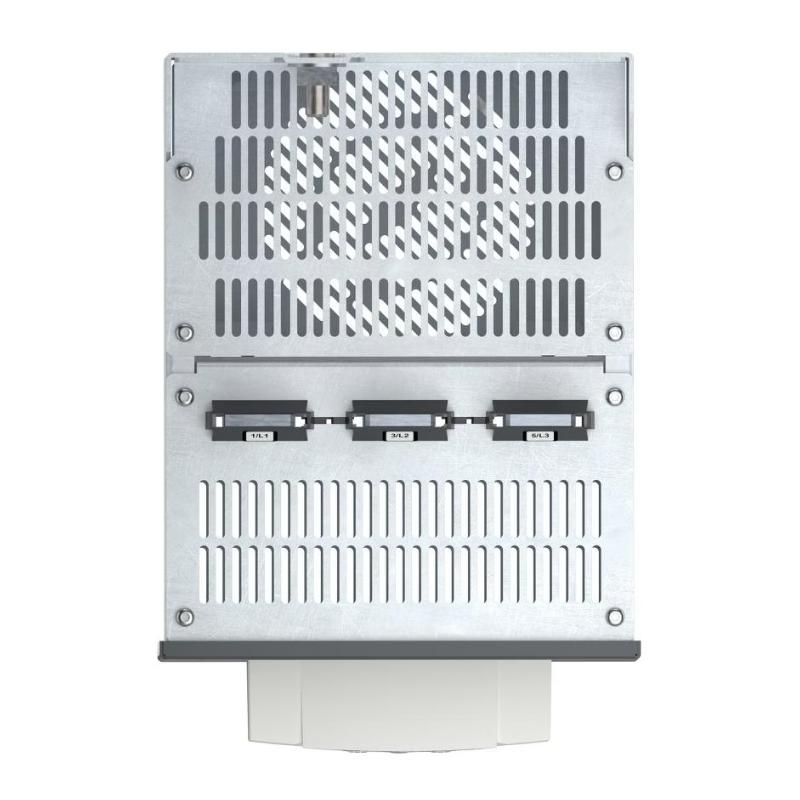
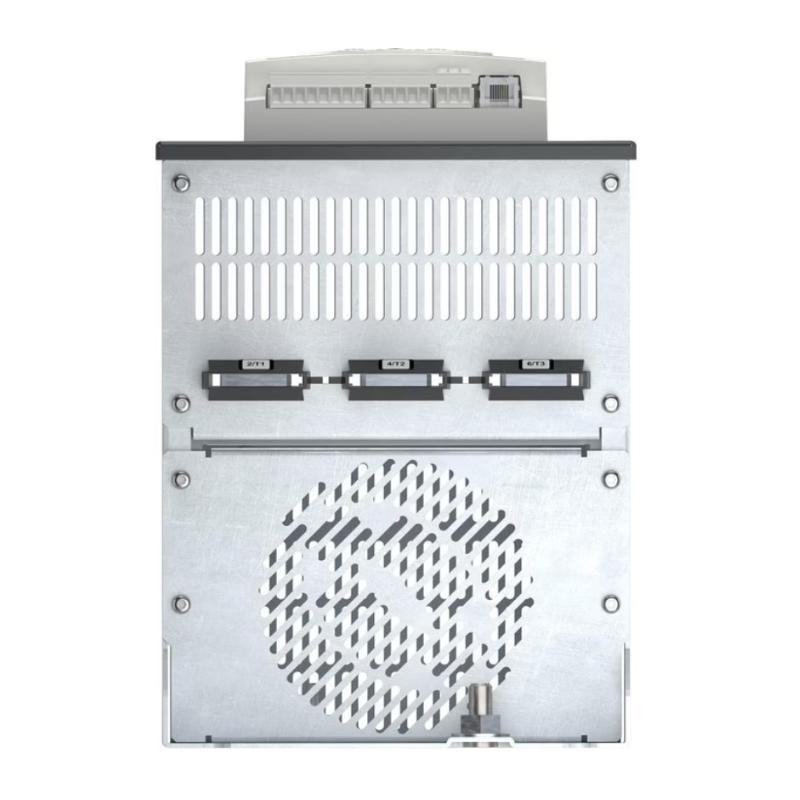
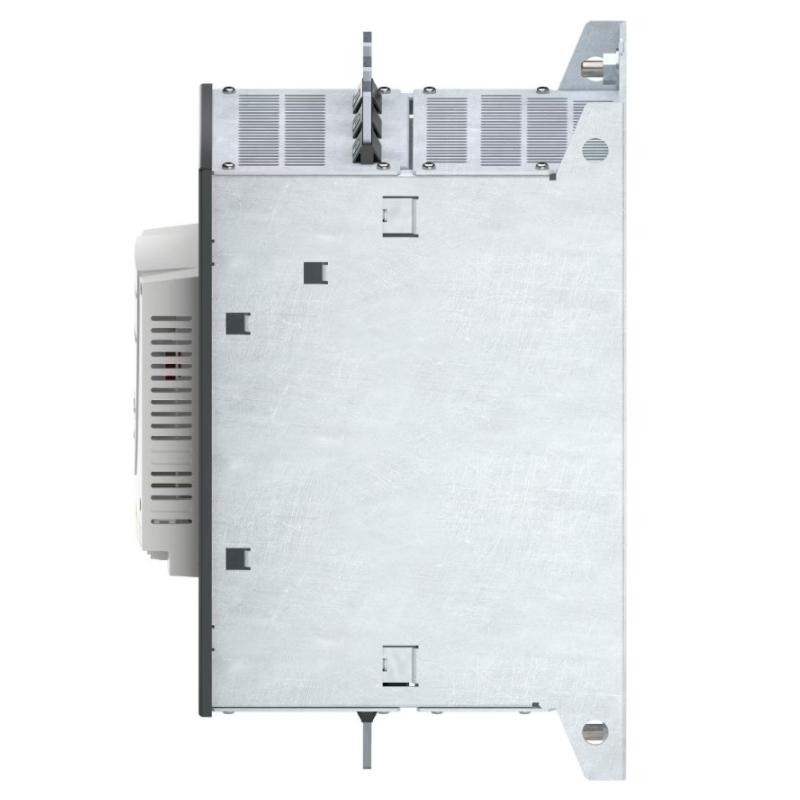
- Schneider
- ATS22C21S6U
- Soft Starterc
- France
- 425 x 206 x 299 mm
- 33 kg
- Xiamen, China
- New & In Stock
- T/T, PayPal, Western Union
- 1 Year
- 1-3 Working Days
- DHL, UPS, TNT, FedEx and EMS.
- 24-Hour Service
- COO
- 71
Our advantage

Global Logistics
We have a 10-year logistics and express cooperation agreement, so our products can be shipped to any place in the world.

Brand new and original
Our products are imported in bulk from the place of origin. Because of the cooperative relationship, our products are all original and 100% new.

24-hour service
We provide 7*24 hours service to our customers. We will be there whenever you need us.

Price advantage
All our products are priced very favorably because we have our own warehouse and supply.
| Company Information | |||
| [email protected] | |||
| Mobile | +8615980777398 | ||
| +8615980777398 | |||
| 15980777398 |
Product Overview
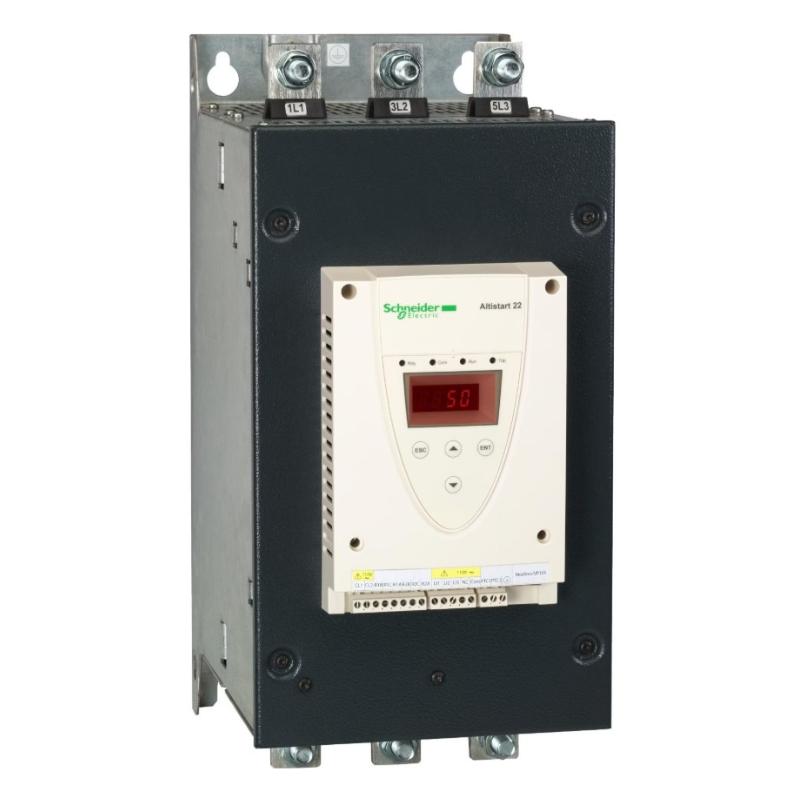
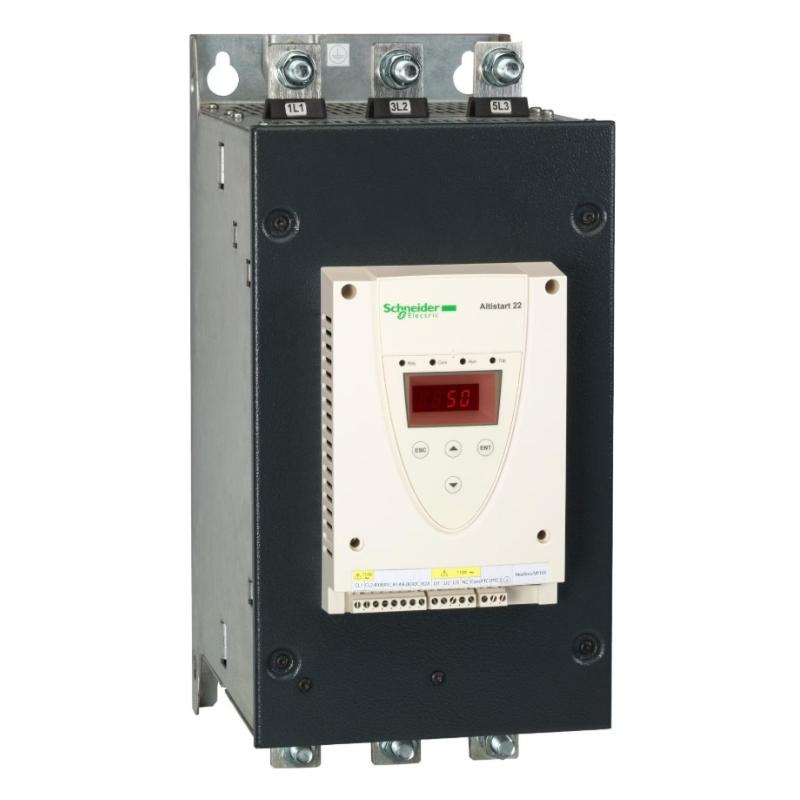
The Schneider ATS22C21S6U is an industrial Altistart 22 soft starter designed for controlled starting and stopping of three-phase asynchronous motors. It is intended for applications where conventional direct-on-line motor starting may produce excessive starting current, mechanical shock, or unnecessary stress on connected equipment.
Large industrial motors can place considerable demands on an electrical installation during startup. When full line voltage is applied directly to a motor, the resulting inrush current can be several times higher than the normal operating current. At the same time, the motor can generate a sudden increase in torque, transferring mechanical stress to shafts, couplings, belts, gearboxes, pumps, fans, and other driven equipment.
The ATS22C21S6U provides a controlled starting method that allows the motor to accelerate progressively. This makes it useful for industrial equipment where a smoother transition from stopped to running conditions is preferred.
The ATS22C21S6U belongs to the Schneider Altistart 22 family and is designed for three-phase asynchronous motors. One of its most important characteristics is its 110 V AC control circuit, which distinguishes the S6U version from other ATS22 variants using different control voltages.
The starter has an IcL rating of 210 A for standard connection in the motor supply line. Depending on the motor supply voltage and application conditions, it can be used with motors ranging from medium to large industrial power ratings.
The supplied physical dimensions of the Schneider ATS22C21S6U are approximately 425 × 206 × 299 mm, with a supplied product weight of approximately 33 kg. These dimensions should be considered when planning cabinet space, mounting support, ventilation, cable routing, and maintenance access.
Technical Specifications
| Parameter | Details |
|---|---|
| Manufacturer | Schneider Electric |
| Model | ATS22C21S6U |
| Product Family | Altistart 22 |
| Product Type | Soft Starter |
| Motor Type | Three-Phase Asynchronous Motor |
| Number of Phases | 3 Phase |
| Rated Supply Voltage | 208…600 V AC |
| Supply Voltage Limits | 177…660 V |
| Control Circuit Voltage | 110 V AC |
| Control Frequency | 50/60 Hz |
| Starter Current Rating | 210 A |
| Factory Current Setting | 180 A |
| Starting Method | Torque-Controlled Start |
| Starting Current Limitation | Approximately 3.5 × In |
| Utilization Category | AC-53A |
| Internal Bypass | Yes |
| Communication Protocol | Modbus |
| Communication Interface | RS485 Multidrop |
| Communication Connector | RJ45 |
| Logic Inputs | 3 |
| Relay Outputs | 2 |
| PTC Probe Input | Yes |
| Cooling Method | Forced Convection |
| Protection Rating | IP00 |
| Installation Position | Vertical ±10° |
| Dimensions | 425 × 206 × 299 mm |
| Weight | 33 kg |
| Typical Application | Pumps, Fans, Compressors and Material Handling |
What Is the Schneider ATS22C21S6U?
The Schneider ATS22C21S6U is an industrial motor soft starter used to control the starting and stopping process of compatible three-phase asynchronous motors.
Its primary function is to provide a smoother motor acceleration process than conventional direct-on-line starting. Instead of immediately applying the full electrical operating condition to a stationary motor, the soft starter manages the starting sequence so that the motor can accelerate progressively.
This is particularly useful for larger motors and mechanically sensitive equipment. A sudden application of full motor torque can create stress throughout a mechanical transmission system. Belts, couplings, gearboxes, shafts, pumps, fans, and conveyor systems can all be affected by abrupt starting.
On the electrical side, direct motor starting can also produce a substantial current surge. In installations with multiple large motors, this may contribute to voltage disturbances or place additional demands on the power distribution system.
The ATS22C21S6U addresses these issues through controlled motor starting. It is therefore a practical solution when an application requires smoother acceleration but does not require continuous variable-speed operation.
Function and Working Principle
The basic motor-control arrangement can be represented as:
Three-Phase Power Supply → Protection → ATS22C21S6U → Motor → Mechanical Load
When a start command is received, the ATS22C21S6U begins its configured starting sequence. The soft starter controls the electrical conditions applied to the motor during acceleration.
The Altistart 22 uses torque-controlled starting and limits starting current to approximately 3.5 times the configured motor current. This allows the starting behavior to be adjusted according to the motor and mechanical load.
As the motor accelerates, the soft starter progressively moves the motor toward its normal operating condition. The internal bypass function can then provide a normal running path after startup, reducing the continuous power-processing requirements of the soft-start stage.
Controlled stopping is also available for appropriate applications. Instead of immediately disconnecting the motor from operation, the stopping sequence can be configured to provide a more gradual transition.
The ATS22C21S6U also provides Modbus communication through an RS485 interface. This makes it possible to integrate the soft starter into an industrial automation system for status monitoring, control, diagnostics, and configuration.
Motor Power Application
The ATS22C21S6U is a 210 A class soft starter, and its motor power capability depends on the supply voltage. Typical published motor power references include the following:
| Supply Voltage | Typical Motor Power |
|---|---|
| 208 V | 60 hp |
| 230 V | 75 hp |
| 460 V | 150 hp |
| 575 V | 200 hp |
These ratings should be considered application references rather than the only basis for product selection. Motor full-load current, starting duty, load inertia, operating environment, ambient temperature, starting frequency, and installation conditions should also be evaluated.
Role in Industrial Control Systems
The ATS22C21S6U can serve as the motor-starting element within a PLC-based industrial automation system. A PLC can determine when the motor should operate, while the soft starter manages the actual acceleration and stopping characteristics.
A typical motor-control architecture can include:
- PLC controller
- HMI operator panel
- ATS22C21S6U soft starter
- Three-phase asynchronous motor
- Incoming circuit breaker
- Motor protection equipment
- Isolation or switching contactor
- Emergency stop circuit
- Process sensors
- Modbus RS485 network
- Control power supply
For example, in a pump station, process sensors can provide pressure or flow information to the PLC. The PLC can then issue a start command to the ATS22C21S6U. The soft starter controls the motor acceleration while the PLC supervises the process.
This separation between machine logic and motor-starting control allows the automation system to maintain a clear control architecture.
Industrial Applications
Pump Systems
Pumps are among the most common applications for soft starters. A controlled motor start can help reduce sudden torque and mechanical stress. In appropriate hydraulic systems, controlled stopping can also help reduce abrupt changes in flow and pressure.
Industrial Fans
Large fans and blowers often have significant rotational inertia. Starting the motor directly can create a substantial current demand and mechanical load. The ATS22C21S6U can provide controlled acceleration for appropriately rated fan applications.
Conveyor Systems
Heavy conveyors may contain long belts, rollers, gearboxes, and large loads. Abrupt starting can place significant stress on the mechanical transmission system. A soft starter can provide a smoother acceleration profile.
Compressors
Industrial compressors may use large motors and require substantial starting power. The ATS22C21S6U can be used when controlled starting is needed and continuous speed control is not the main requirement.
Material Handling Equipment
Material handling systems frequently use large motors connected to belts, rollers, gearboxes, and other mechanical components. Soft starting can help reduce sudden torque transfer through these components.
Mixers and Agitators
Mixers can have high starting resistance, especially when processing dense or viscous materials. A controlled starting sequence can help provide a more gradual application of motor torque.
HVAC and Air-Handling Equipment
Large air-handling units, ventilation systems, and industrial blowers can use soft starters when controlled motor acceleration is required without the need for continuous variable-frequency speed control.
Installation and System Integration
Correct installation of the ATS22C21S6U requires attention to motor characteristics, incoming power, control voltage, protection, cabinet design, cooling, and control wiring.
Verify Motor Nameplate Data
Before installation, verify the motor voltage, full-load current, frequency, power rating, connection configuration, and operating duty. Motor current should be one of the primary factors used when determining whether the soft starter is suitable.
Verify Incoming Supply
The ATS22C21S6U is designed for a three-phase supply of approximately 208…600 V AC. The actual supply voltage should be verified before the unit is energized.
Check the Control Voltage
The S6U version uses a 110 V AC control circuit. This is one of the most important differences between the S6U model and other ATS22 versions. The control supply must be checked carefully during installation.
Provide Suitable Electrical Protection
Appropriate upstream protection and isolation equipment should be selected for the complete installation. Short-circuit protection, motor protection, switching equipment, and grounding should all be considered during system design.
Cabinet Mounting
The ATS22C21S6U has supplied dimensions of approximately 425 × 206 × 299 mm and a supplied weight of approximately 33 kg.
The cabinet or mounting frame must therefore provide adequate mechanical support. Sufficient space should be maintained around the unit for wiring, ventilation, inspection, and maintenance.
Thermal Management
The ATS22C21S6U uses forced-convection cooling. Cabinet airflow must be sufficient to prevent excessive heat accumulation. Other heat-generating components should also be considered when calculating the cabinet’s thermal load.
Control Wiring
The three logic inputs and relay outputs can be incorporated into the machine control system. Start, stop, ready, running, alarm, and trip functions should be configured according to the application requirements.
Communication Integration
The built-in Modbus RS485 interface can be connected to an appropriate automation network. Communication parameters such as baud rate, device address, and network wiring should be configured consistently with the PLC or supervisory system.
Commissioning
During commissioning, verify the incoming power, control voltage, motor connections, motor rotation, starting behavior, stopping behavior, fault indications, and communication status.
The motor should first be tested under controlled conditions before the machine is returned to full production.
Compatible System Components
| Component | Function |
|---|---|
| ATS22C21S6U | Controlled Motor Starting and Stopping |
| Three-Phase Asynchronous Motor | Mechanical Power Generation |
| Circuit Breaker | Short-Circuit Protection and Isolation |
| Motor Protection Equipment | Motor and Electrical Protection |
| Contactor | Switching and Isolation |
| PLC | Automatic Control Logic |
| HMI | Operator Monitoring and Control |
| Modbus RS485 Network | Communication and Status Monitoring |
| Process Sensors | Process Feedback and Interlocking |
| Emergency Stop Circuit | Safety Shutdown |
| 110 V Control Supply | Control Circuit Power |
Recommended Alternative Models
When selecting an alternative to the ATS22C21S6U, the complete model number should be compared rather than selecting another device based only on current rating or physical size.
The control voltage is particularly important. The ATS22C21S6U uses 110 V AC control, while the corresponding S6 version uses a different control-voltage configuration. This means that two models with similar motor ratings may not be electrically interchangeable.
| Model | Product Type | Key Feature | Application |
|---|---|---|---|
| ATS22C21S6U | Soft Starter | 210 A, 110 V Control | Large Industrial Motors |
| ATS22C17S6U | Soft Starter | Lower Current Rating, 110 V Control | Medium-to-Large Motors |
| ATS22C25S6U | Soft Starter | Higher Current Capacity | Heavy Industrial Loads |
| ATS22C32S6U | Soft Starter | Higher Motor Capacity | Large Process Equipment |
| ATS22C21S6 | Soft Starter | Similar Current Rating with Different Control Voltage | 230 V Control Systems |
| ATS22 Series | Soft Starter Family | Multiple Current and Control Options | Industrial Motor Control |
Key Advantages
- Designed for three-phase asynchronous motor starting
- Part of the Schneider Altistart 22 soft starter family
- 210 A starter rating
- 110 V AC control circuit
- Supports 208…600 V AC motor supply applications
- Torque-controlled motor starting
- Starting current limitation of approximately 3.5 × In
- Internal bypass function
- Modbus communication through RS485
- Three logic inputs and two relay outputs
- PTC probe input for motor monitoring
- Suitable for pumps, fans, conveyors, compressors, and material-handling equipment
- Forced-convection cooling
- Suitable for integration into PLC-based control systems
- Supplied dimensions of approximately 425 × 206 × 299 mm
- Supplied weight of approximately 33 kg
Technical FAQs
What is the Schneider ATS22C21S6U?
The Schneider ATS22C21S6U is an Altistart 22 industrial soft starter designed to provide controlled starting and stopping for three-phase asynchronous motors.
What is the main function of the ATS22C21S6U?
Its main function is to control the motor starting and stopping process, helping reduce sudden electrical and mechanical stresses compared with direct-on-line starting.
What is the control voltage of the ATS22C21S6U?
The ATS22C21S6U uses a 110 V AC control circuit at 50/60 Hz.
What is the current rating of the ATS22C21S6U?
The ATS22C21S6U has an IcL starter rating of 210 A for standard connection in the motor supply line.
What motor voltage does the ATS22C21S6U support?
The model is designed for three-phase motor supply applications from approximately 208 V to 600 V AC.
What motor horsepower can the ATS22C21S6U support?
Typical published motor ratings include approximately 60 hp at 208 V, 75 hp at 230 V, 150 hp at 460 V, and 200 hp at 575 V. Actual selection should be based primarily on motor current and application duty.
Does the ATS22C21S6U have an internal bypass?
Yes. The ATS22C21S6U includes an internal bypass function that allows the starter to transition to normal motor operation after the starting sequence.
Does the ATS22C21S6U support Modbus?
Yes. The model provides Modbus communication through an RS485 multidrop interface and uses an RJ45 communication connector.
Can the ATS22C21S6U be connected to a PLC?
Yes. The soft starter can be integrated into a PLC-based automation system through its control inputs, relay outputs, and Modbus communication interface.
What is the difference between ATS22C21S6U and ATS22C21S6?
The key difference is the control circuit voltage. The ATS22C21S6U uses 110 V AC control, while the S6 version uses a different control-voltage configuration. The complete model number should therefore be checked before replacement.
Is the ATS22C21S6U a variable frequency drive?
No. It is a soft starter. It is designed primarily for controlled motor starting and stopping rather than continuous variable-frequency speed control.
Where is the ATS22C21S6U commonly used?
Typical applications include pumps, fans, compressors, conveyors, material-handling systems, mixers, HVAC equipment, and other industrial machinery driven by three-phase asynchronous motors.
What are the dimensions of the ATS22C21S6U?
The supplied dimensions are approximately 425 × 206 × 299 mm.
How much does the ATS22C21S6U weigh?
The supplied product weight is approximately 33 kg.
What should be checked before replacing an ATS22C21S6U?
Motor rated current, motor voltage, control voltage, starting duty, load characteristics, protection requirements, cabinet dimensions, cooling conditions, control wiring, and communication requirements should all be checked before selecting a replacement.
Conclusion
The Schneider ATS22C21S6U Soft Starter is a high-capacity Altistart 22 motor-control device designed for controlled starting and stopping of three-phase asynchronous motors. With a 210 A starter rating, 110 V AC control circuit, 208…600 V AC motor supply range, internal bypass, and Modbus RS485 communication, it is suitable for a wide range of industrial motor applications.
The ATS22C21S6U is particularly useful where smoother motor acceleration is required but continuous variable-speed operation is unnecessary. Pumps, fans, compressors, conveyors, mixers, material-handling equipment, and other industrial machinery can benefit from controlled motor starting when the soft starter is correctly selected and configured.
The supplied dimensions of approximately 425 × 206 × 299 mm and weight of approximately 33 kg should be considered during cabinet design and equipment installation. Adequate mounting support, ventilation, cable space, and maintenance clearance are important for reliable operation.
For system integrators, electrical engineers, OEM machine builders, and maintenance professionals, the 110 V control voltage of the ATS22C21S6U is a particularly important selection detail. It should not be confused with similarly rated ATS22 models using different control-voltage configurations.
When correctly matched to the motor, electrical supply, mechanical load, and control architecture, the Schneider ATS22C21S6U provides a practical solution for controlled industrial motor starting. Its combination of soft-start functionality, internal bypass, motor protection features, and Modbus communication makes it suitable for integration into modern industrial automation and motor-control systems.