

ProductPRODUCT
Featured products
Contact Us
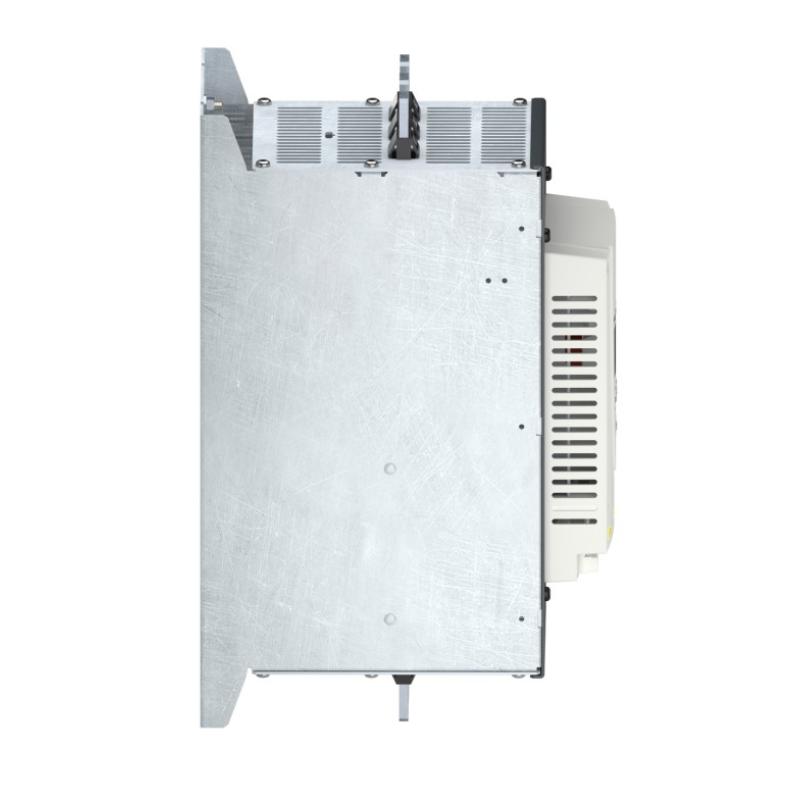
- Schneider
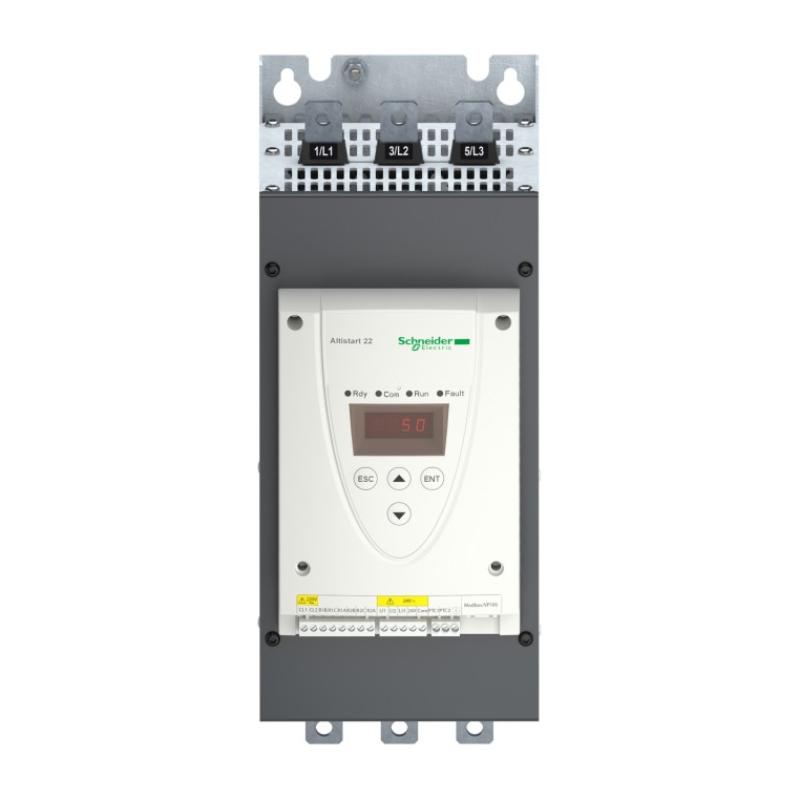
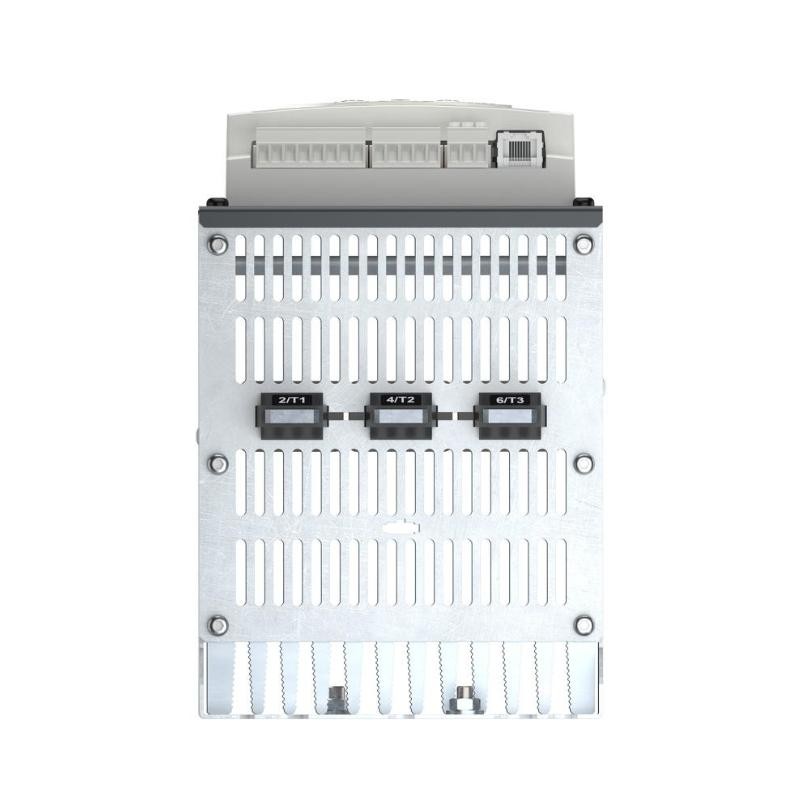
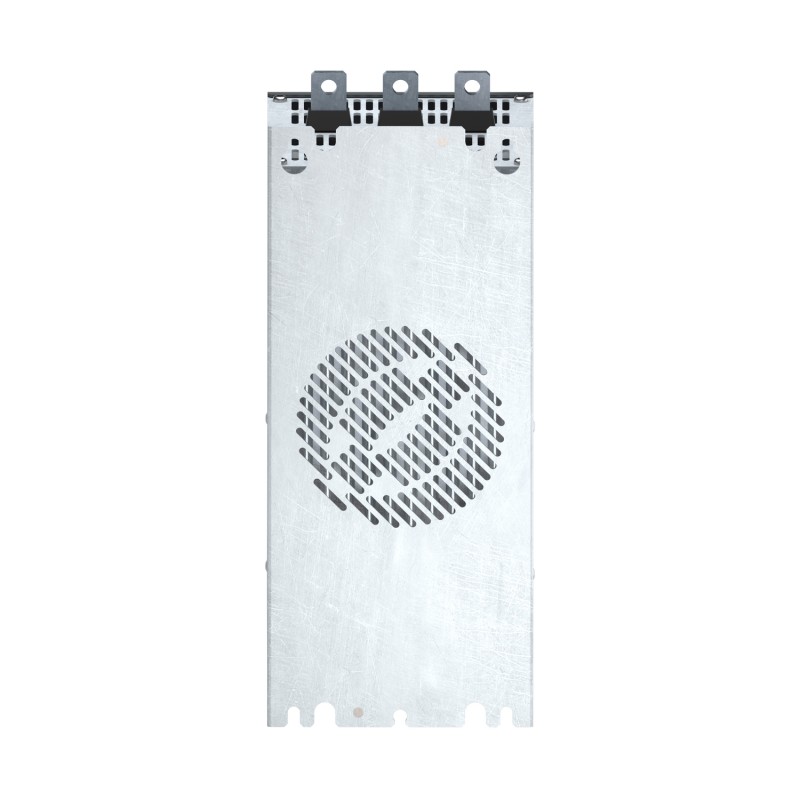
- ATS22C11Q
- Soft Starter For Asynchronous Motor
- France
- 356 × 150 × 229.5 mm
- 18 kg
- Xiamen, China
- New & In Stock
- T/T, PayPal, Western Union
- 1 Year
- 1-3 Working Days
- DHL, UPS, TNT, FedEx and EMS.
- 24-Hour Service
- COO
- 58
Our advantage

Global Logistics
We have a 10-year logistics and express cooperation agreement, so our products can be shipped to any place in the world.

Brand new and original
Our products are imported in bulk from the place of origin. Because of the cooperative relationship, our products are all original and 100% new.

24-hour service
We provide 7*24 hours service to our customers. We will be there whenever you need us.

Price advantage
All our products are priced very favorably because we have our own warehouse and supply.
| Company Information | |||
| [email protected] | |||
| Mobile | +8615980777398 | ||
| +8615980777398 | |||
| 15980777398 |
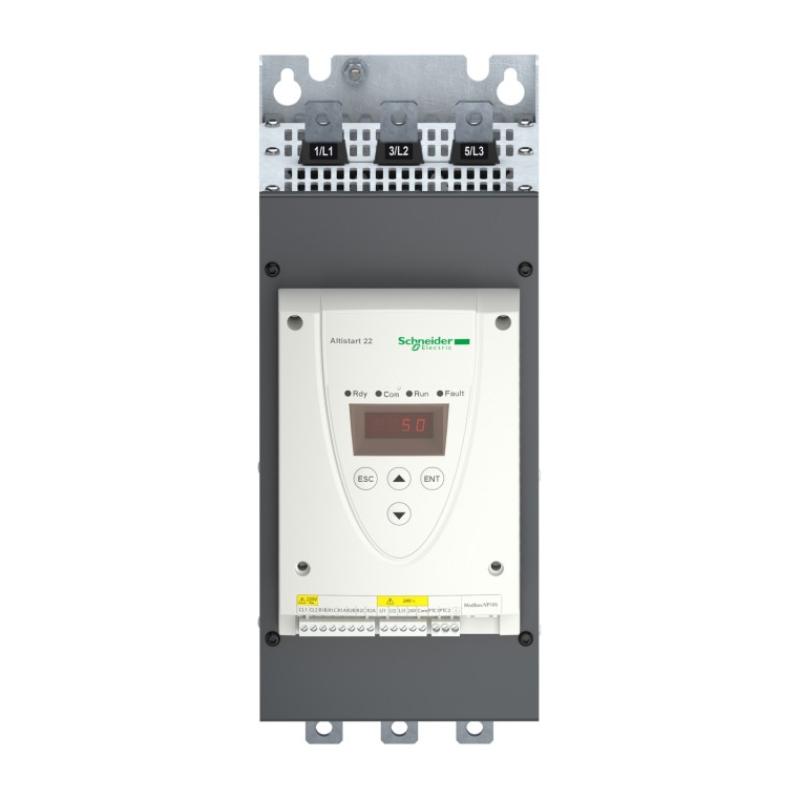
Product Overview
The Schneider ATS22C11Q Soft Starter is a motor starting and stopping device for three-phase asynchronous motors. It belongs to the Altistart 22 family and is intended for industrial equipment where a conventional direct-on-line start can produce excessive current, abrupt torque, or unnecessary mechanical stress.
In a typical installation, the ATS22C11Q sits between the motor protection equipment and the asynchronous motor. When the motor receives a start command, the soft starter manages the acceleration process rather than applying the full starting condition abruptly. This approach is useful on equipment where the driven load has substantial inertia or where a sudden start can disturb the mechanical system.
Typical examples include pumps, fans, compressors, conveyors, and material-handling equipment. On a conveyor, for instance, a sudden motor start can transfer a sharp torque pulse through the gearbox, coupling, and belt. A controlled acceleration sequence gives the mechanical system time to build up speed.
The ATS22C11Q is intended for fixed-speed motor applications. It should not be treated as a substitute for a variable frequency drive when the process requires continuous adjustment of motor speed during normal operation.
Technical Specifications
| Parameter | Details |
|---|---|
| Manufacturer | Schneider Electric |
| Model | ATS22C11Q |
| Product Family | Altistart 22 |
| Product Type | Soft Starter |
| Main Function | Motor Starting and Stopping Control |
| Motor Type | Three-Phase Asynchronous Motor |
| Rated Operational Current | 11 A |
| Supply Voltage | 230–440 V AC |
| Supply Frequency | 50–60 Hz |
| Control Voltage | 230 V AC |
| Number of Phases | 3 Phase |
| Connection Type | In-Line or Inside-the-Delta |
| Utilization Category | AC-53A |
| Typical Application | Industrial Motor Starting and Stopping |
| Dimensions | 356 × 150 × 229.5 mm |
| Weight | 18 kg |
Product Features
The ATS22C11Q combines soft-start control with functions intended for industrial asynchronous motor applications.
Key characteristics include:
- 11 A rated operational current
- 230–440 V AC motor supply range
- 50–60 Hz operating frequency
- 230 V AC control voltage
- Three-phase asynchronous motor operation
- In-line or inside-the-delta connection options
- AC-53A utilization category
- Controlled motor acceleration
- Controlled motor deceleration
- Suitable for fixed-speed motor systems
- Applicable to pumps, fans, compressors, and conveyors
- Suitable for industrial motor-control cabinets
- Dimensions of 356 × 150 × 229.5 mm
- Stated weight of 18 kg
The ATS22C11Q is intended for applications where the motor’s starting behavior needs to be managed. The actual motor current, load characteristics, starting frequency, and duty cycle should be checked before selecting the starter.
Working Principle
The ATS22C11Q is installed as part of the motor power circuit:
Three-Phase Supply → Motor Protection → ATS22C11Q → Asynchronous Motor → Mechanical Load
During startup, the soft starter controls the electrical conditions applied to the motor so that acceleration takes place progressively. The motor does not receive the same abrupt starting transition associated with a conventional direct-on-line starter.
This is particularly useful when the driven equipment has a large rotating mass. A fan, for example, may require significant torque to accelerate its rotating assembly. A conveyor can have additional inertia from the belt, rollers, gearbox, and transported material.
The ATS22C11Q also supports controlled stopping. For equipment where an immediate stop can create hydraulic, mechanical, or process disturbances, a managed deceleration sequence can be preferable to simply disconnecting the motor.
Once the motor reaches normal operating speed, the system remains a fixed-speed motor installation. Continuous speed control is outside the primary role of a soft starter.
Industrial Applications
The ATS22C11Q can be applied to a variety of industrial machines using three-phase asynchronous motors.
| Application | Typical Use |
|---|---|
| Pumps | Controlled motor starting and stopping |
| Fans | Managing acceleration of rotating assemblies |
| Compressors | Reducing abrupt motor starting conditions |
| Conveyors | Smoother acceleration of belts and mechanical drives |
| Material Handling | Controlled startup of fixed-speed equipment |
| Process Machinery | Managing motor acceleration and stopping |
| Industrial Equipment | Asynchronous motor control |
| Utility Machinery | Fixed-speed motor applications |
The appropriate application depends on the motor current and starting duty. A motor driving a lightly loaded pump presents a different starting condition from one driving a loaded conveyor or high-inertia fan.
Compatible System Components
The ATS22C11Q normally operates as part of a complete motor-control system.
| Component | Function |
|---|---|
| Motor Circuit Breaker | Protects the motor power circuit |
| Three-Phase Asynchronous Motor | Produces mechanical movement |
| Contactor | Provides switching or isolation where required |
| PLC or Controller | Generates automated start/stop commands |
| Motor Power Cable | Connects the starter to the motor |
| Control Wiring | Transfers commands and control signals |
| Control Cabinet | Provides physical protection and houses control equipment |
| Mechanical Coupling | Transfers motor torque to the machine |
| Pump, Fan, Conveyor, or Compressor | Represents the driven mechanical load |
| Ventilation System | Helps dissipate heat from the control cabinet |
The soft starter should be matched with the upstream protection and the motor. When troubleshooting an existing installation, motor wiring, protection equipment, control signals, and mechanical load should be examined together.
Installation and Maintenance
The ATS22C11Q should be installed in a suitable electrical enclosure with adequate ventilation and sufficient space for power wiring, control connections, and maintenance access.
The installation should begin with verification of the motor nameplate data. The motor current and supply voltage need to be compatible with the selected starter, while the connection method and starting duty should match the machine application.
Recommended checks include:
- Confirm the complete ATS22C11Q part number.
- Verify the motor nameplate current.
- Check the three-phase supply voltage.
- Confirm the control voltage.
- Verify the selected in-line or inside-the-delta connection.
- Check upstream motor protection.
- Inspect motor power terminals.
- Check control wiring and start/stop commands.
- Inspect terminals for looseness or overheating.
- Confirm adequate cabinet ventilation.
- Review the motor starting frequency.
- Consider the mechanical inertia of the driven equipment.
- Check the starter’s diagnostic information after commissioning.
- Perform a controlled startup and stopping test.
If the motor fails to start, accelerates poorly, or trips during operation, the investigation should include the complete system. An overloaded motor, incorrect connection, unsuitable protection setting, inadequate supply, or excessive mechanical resistance can produce symptoms similar to a soft-starter fault.
Recommended Related Models
For the ATS22C11Q, the most useful alternatives are other Altistart soft starters with different current ratings or newer Schneider soft-starter families intended for more demanding applications.
| Model / Component | Type | Primary Function | Application |
|---|---|---|---|
| Schneider ATS22C11Q | Soft Starter | Controlled starting and stopping | 11 A asynchronous motor applications |
| Schneider Altistart 22 Series | Soft Starter Family | Motor acceleration and deceleration control | Pumps, fans, conveyors, compressors |
| Schneider ATS130 Series | Soft Starter Family | Controlled motor starting and stopping | Simple industrial machines |
| Schneider Altivar ATS480 | Soft Starter | Advanced motor starting control | More demanding industrial applications |
| Schneider TeSys Motor Protection Devices | Motor Protection | Motor feeder protection | Soft starter and motor systems |
The Altistart 22 family is the closest product-family reference when maintaining an existing ATS22-based installation. The ATS130 family can be considered for simpler newer installations, while the ATS480 is more relevant when the application requires a broader set of motor-control and commissioning functions.
For replacement work, the motor’s rated current, supply voltage, starting duty, connection method, control architecture, and available cabinet space should all be checked before choosing another model.
Key Advantages
- 11 A rated operational current
- 230–440 V AC supply range
- 230 V AC control voltage
- Three-phase asynchronous motor operation
- In-line or inside-the-delta connection
- AC-53A utilization category
- Controlled acceleration
- Controlled deceleration
- Suitable for fixed-speed industrial machinery
- Suitable for pumps, fans, conveyors, and compressors
- Dimensions of 356 × 150 × 229.5 mm
- Stated weight of 18 kg
Technical FAQs
What is the difference between an in-line and inside-the-delta connection for the ATS22C11Q?
An in-line connection places the soft starter directly in the three-phase motor supply path. An inside-the-delta arrangement connects the starter differently within a compatible motor winding configuration and can affect the current handled by the starter. The motor connection and starter configuration must be matched correctly before commissioning.
Is the ATS22C11Q intended only for motor acceleration?
No. The ATS22C11Q can also be used to manage motor deceleration. This can be useful on machines where simply removing power produces an undesirable abrupt stop or where the mechanical process benefits from a more controlled stopping sequence.
Why should the motor’s starting duty be checked instead of only its rated current?
Rated current indicates the normal electrical load, but it does not fully describe the demands placed on the starter during acceleration. High inertia, frequent starts, long acceleration periods, and heavy mechanical loads can significantly affect the starting duty.
When would an ATS22C11Q be replaced by a variable frequency drive instead?
A soft starter is appropriate when the motor normally operates at a fixed speed and the main requirement is controlled starting or stopping. If the machine needs adjustable running speed, speed ramps throughout the production process, or continuous frequency-based motor control, a VFD is generally the more appropriate type of equipment.