
NewsNEWCENTER
Featured products
Contact Us
Mitsubishi Electric Factory Automation Solutions Drive Smart Manufacturing with PLC, Motion Control and Industrial IoT Technologies
2026-07-13The global manufacturing industry is rapidly moving toward a new generation of intelligent production as companies continue investing in automation systems, industrial networking, and digital manufacturing technologies.
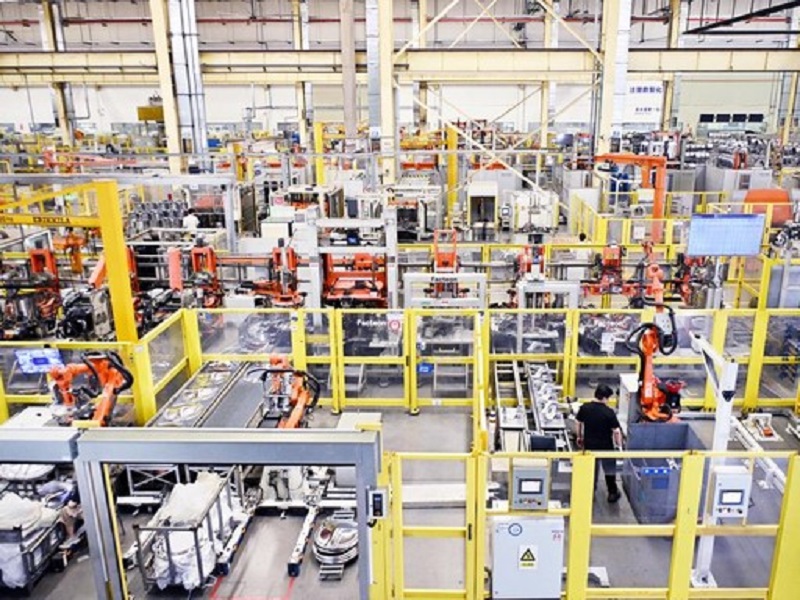
Manufacturers worldwide are facing increasing demands for higher efficiency, improved quality, flexible production, and lower operating costs. These challenges are encouraging companies to upgrade traditional automation systems and adopt more advanced factory automation solutions.
Mitsubishi Electric, one of the world’s leading providers of factory automation technologies, continues to support industrial transformation through PLC systems, motion control solutions, industrial communication technologies, and digital manufacturing platforms.
The development of intelligent factory automation is changing how production facilities operate. Traditional automation systems focused mainly on controlling machines and production processes. Modern automation solutions now combine control technology with data collection, real-time monitoring, industrial IoT, and intelligent analysis.
For industries including automotive manufacturing, electronics production, packaging, semiconductor equipment, food processing, and industrial machinery, advanced factory automation has become a key factor in improving competitiveness.
Factory Automation Becomes the Foundation of Smart Manufacturing
Manufacturing companies have relied on automation technology for decades to improve productivity and maintain stable production.
Traditional factory automation systems typically include:
- Programmable logic controllers
- Human-machine interfaces
- Servo systems
- Industrial robots
- Sensors
- Variable frequency drives
- Industrial communication networks
These technologies provide reliable control for production equipment.
However, modern manufacturing environments require more advanced capabilities.
Companies increasingly need systems that can provide:
- Real-time production information
- Faster response to market changes
- Improved equipment monitoring
- Higher production flexibility
- Better energy management
This shift is driving the development of smart factory automation.
Modern automation systems are becoming connected platforms where machines, controllers, software, and production data work together.
Mitsubishi Electric PLC Technology Supports Reliable Industrial Control
PLC systems remain one of the most important technologies in factory automation.
Mitsubishi Electric PLC solutions are widely used in many industrial applications because of their reliability, performance, and flexibility.
PLC systems provide essential functions including:
- Machine sequence control
- Production line management
- Data communication
- Equipment monitoring
- Safety-related operations
In modern factories, PLC systems are becoming more intelligent.
Beyond traditional control functions, advanced PLC systems support:
- High-speed processing
- Network communication
- Remote diagnostics
- Data collection
- Integration with industrial software
This allows manufacturers to create more efficient production environments.
For example, a PLC-controlled production line can monitor:
- Machine operating conditions
- Production speed
- Equipment status
- Manufacturing quality information
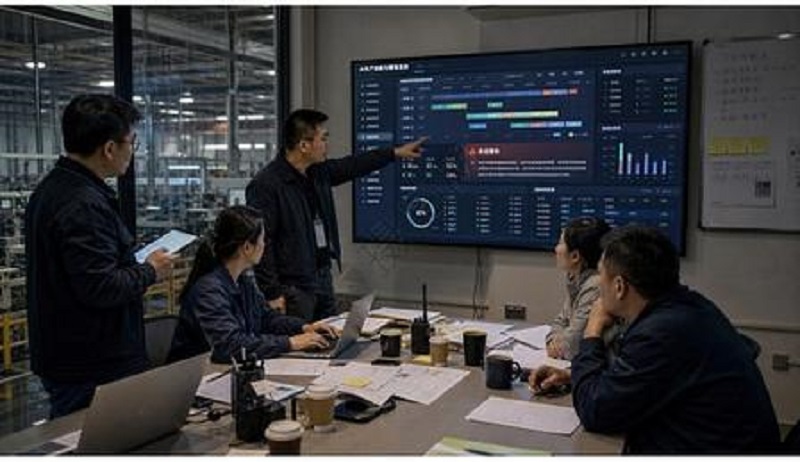
Engineers can use this information to improve production performance and reduce downtime.
Motion Control Technology Improves Manufacturing Precision
Motion control is a critical technology in modern industrial automation.
Many manufacturing applications require extremely accurate movement and positioning.
Examples include:
- Semiconductor equipment
- Electronic assembly systems
- Packaging machines
- Robotics applications
- Precision manufacturing equipment
Advanced motion control systems help manufacturers achieve:
- Higher positioning accuracy
- Faster production cycles
- Better product quality
- Improved machine performance
Servo motors, motion controllers, and PLC systems work together to create precise automated operations.
A typical modern manufacturing system may include:
- PLC controlling overall production logic
- Motion controllers managing movement
- Servo systems providing accurate positioning
- Sensors providing feedback information
This integrated approach allows manufacturers to achieve high levels of automation performance.
Industrial IoT Connects Factory Equipment and Production Data
Industrial Internet of Things technology has become an important part of smart manufacturing.
Industrial IoT connects production equipment with digital systems, allowing manufacturers to collect and analyze operational information.
Modern factories generate data from:
- PLC controllers
- Sensors
- Robots
- Machines
- Production systems
- Energy monitoring equipment
Industrial IoT helps companies transform this data into valuable information.
Manufacturers can use connected data to:
- Monitor equipment performance
- Identify production problems
- Improve maintenance planning
- Optimize manufacturing processes
The combination of automation and industrial IoT creates a more transparent production environment.
Predictive Maintenance Improves Equipment Reliability
Equipment downtime is one of the biggest challenges facing manufacturing companies.
Unexpected failures can result in:
- Production losses
- Increased maintenance costs
- Delivery delays
- Reduced efficiency
Smart automation technologies support predictive maintenance strategies.
By analyzing equipment data, companies can identify early signs of potential failures.
Important information may include:
- Motor performance
- Temperature changes
- Operating cycles
- Vibration conditions
- Energy consumption patterns
Predictive maintenance allows companies to schedule maintenance before serious problems occur.
This improves:
- Equipment availability
- Production stability
- Maintenance efficiency
For manufacturers operating large production facilities, predictive maintenance provides significant operational advantages.
Digital Manufacturing Improves Production Efficiency
Digital transformation is changing the way factories are designed and operated.
Modern manufacturing systems combine:
- Automation hardware
- Industrial software
- Data analysis
- Simulation technology
- Connected production equipment
Digital manufacturing allows companies to understand their production processes more clearly.
Manufacturers can analyze:
- Production efficiency
- Machine utilization
- Quality performance
- Resource consumption
This information supports better decision-making.
For example:
A production manager can identify bottlenecks.
An engineer can optimize machine settings.
A maintenance team can plan service activities.
This creates a continuous improvement cycle.
Integration Between PLC Systems and Industrial Networks
Connected factories depend on reliable industrial communication.
Modern automation systems require communication between:
- PLC controllers
- Remote I/O devices
- Servo systems
- Robots
- Sensors
- Manufacturing software
Industrial networks provide:
- Faster data exchange
- Better system coordination
- Improved diagnostics
- Remote monitoring capabilities
For automation engineers, industrial communication skills are becoming increasingly important.
Future factory automation projects require knowledge of:
- PLC programming
- Network configuration
- Motion control
- System integration
Smart Manufacturing Supports Flexible Production
Customer requirements are changing faster than ever.
Manufacturers need production systems that can adapt quickly to:
- New product designs
- Smaller production batches
- Customized orders
- Market changes
Traditional production systems may require significant modification when product requirements change.
Smart automation provides greater flexibility.
Connected manufacturing systems allow companies to:
- Change production parameters faster
- Monitor processes in real time
- Improve production scheduling
- Reduce adjustment time
This flexibility is especially important in industries such as electronics and automotive manufacturing.
Challenges in Factory Automation Modernization
Although advanced automation technologies provide many benefits, companies must also consider several challenges.
Existing Equipment Integration
Many factories operate machines from different generations.
Integrating older equipment with modern automation systems requires careful engineering.
Cybersecurity Protection
Connected factories require stronger cybersecurity strategies.
Manufacturers must protect industrial networks while maintaining reliable operation.
Skilled Engineering Requirements
Modern automation projects require professionals with knowledge of:
- PLC systems
- Motion control
- Industrial communication
- Digital manufacturing
- Data analysis
The role of automation engineers continues to expand.
Future Outlook: Mitsubishi Electric Automation Supports the Next Generation Factory
The future of manufacturing will depend on intelligent, connected, and flexible automation systems.
Factory automation will continue evolving through the integration of:
- Advanced PLC technology
- Motion control systems
- Industrial IoT
- Data analytics
- Intelligent manufacturing solutions
Mitsubishi Electric factory automation technologies represent the broader development direction of modern manufacturing, where machines, controllers, and digital platforms work together to improve production performance.
As global manufacturers continue upgrading their facilities, intelligent automation will remain a critical technology for achieving higher efficiency and competitiveness.
Conclusion
Smart manufacturing is transforming the global industrial landscape.
The combination of Mitsubishi Electric PLC systems, motion control technology, and industrial IoT solutions provides manufacturers with powerful tools for improving productivity, reliability, and flexibility.
Modern factories require automation systems that not only control equipment but also collect information, analyze performance, and support continuous improvement.
As industries continue moving toward digital transformation, advanced factory automation solutions will play an essential role in building efficient and intelligent manufacturing environments.