

ProductPRODUCT
Featured products
Contact Us
- Ingersoll Rand
- 47704432001 23708423
- Air-Oil Separator
- USA
- 340 x 65 x 200 mm
- 0.9 kg
- Xiamen, China
- New & In Stock
- T/T, PayPal, Western Union
- 1 Year
- 1-3 Working Days
- DHL, UPS, TNT, FedEx and EMS.
- 24-Hour Service
- COO
- 69
Our advantage

Global Logistics
We have a 10-year logistics and express cooperation agreement, so our products can be shipped to any place in the world.

Brand new and original
Our products are imported in bulk from the place of origin. Because of the cooperative relationship, our products are all original and 100% new.

24-hour service
We provide 7*24 hours service to our customers. We will be there whenever you need us.

Price advantage
All our products are priced very favorably because we have our own warehouse and supply.
| Company Information | |||
| [email protected] | |||
| Mobile | +8615980777398 | ||
| +8615980777398 | |||
| 15980777398 |
Product Overview
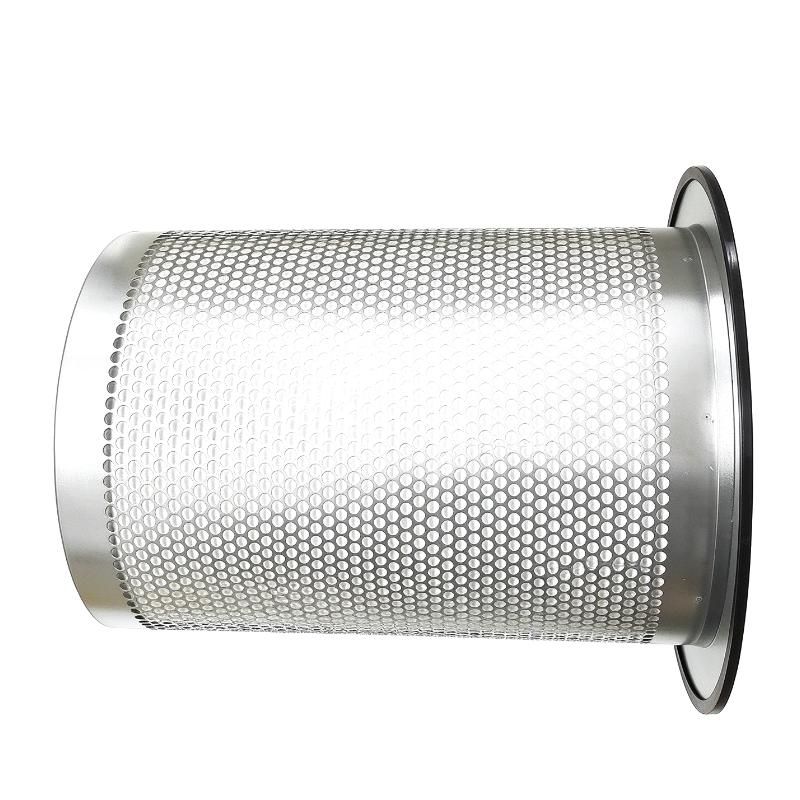
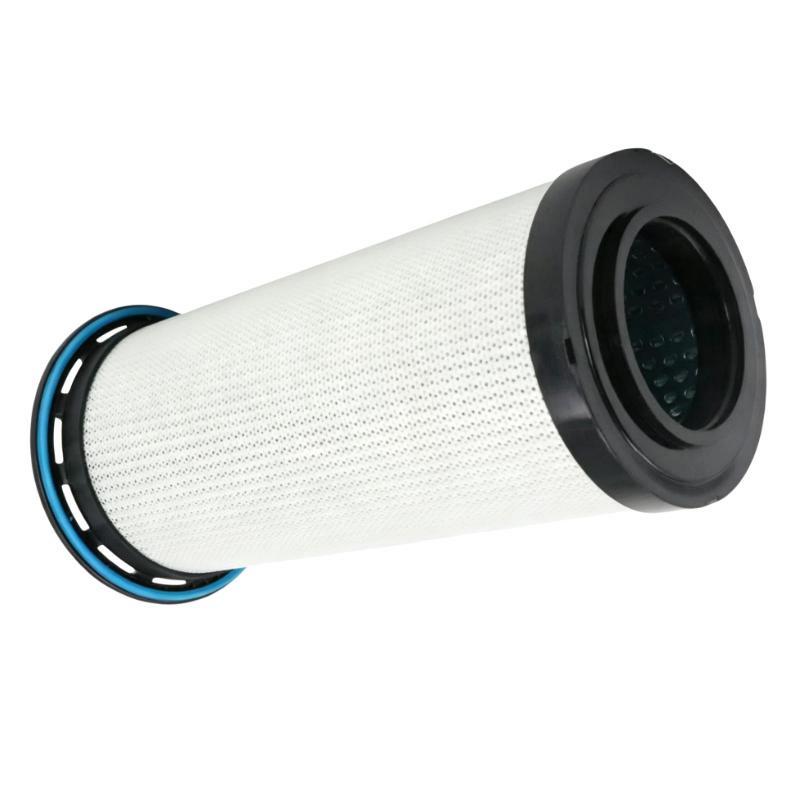
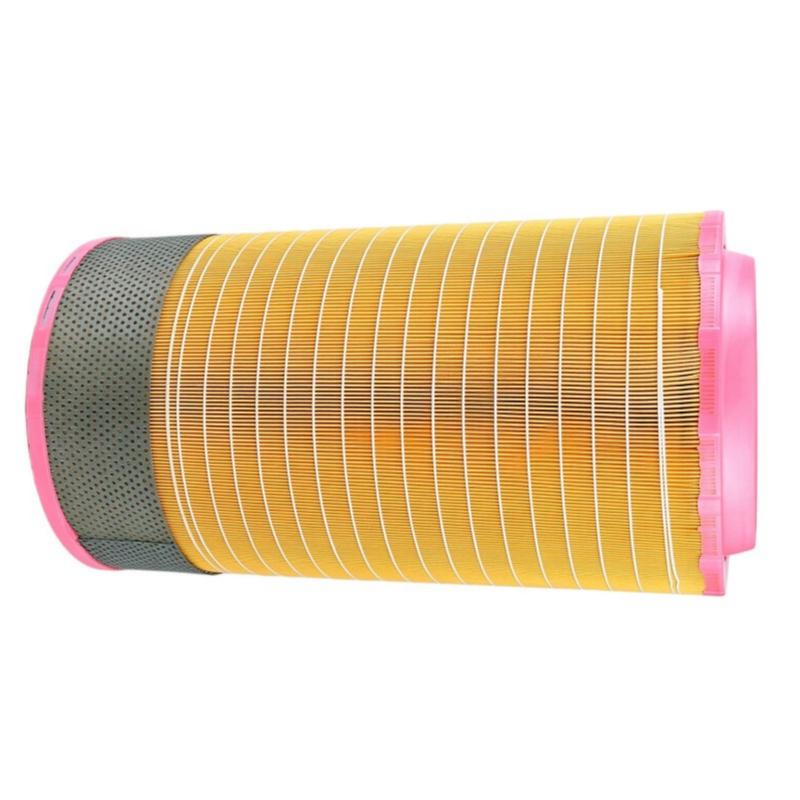
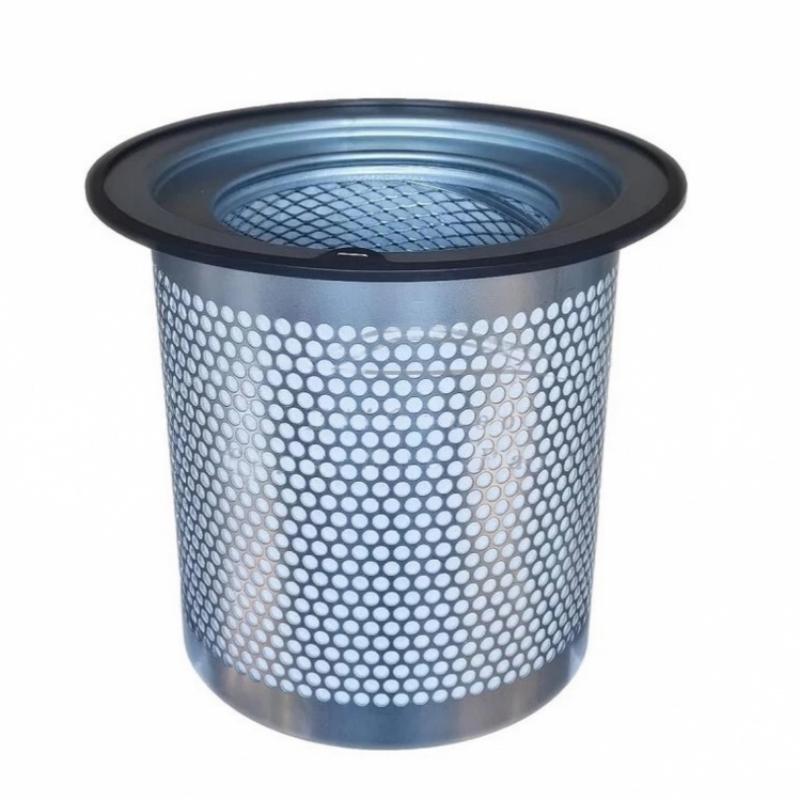
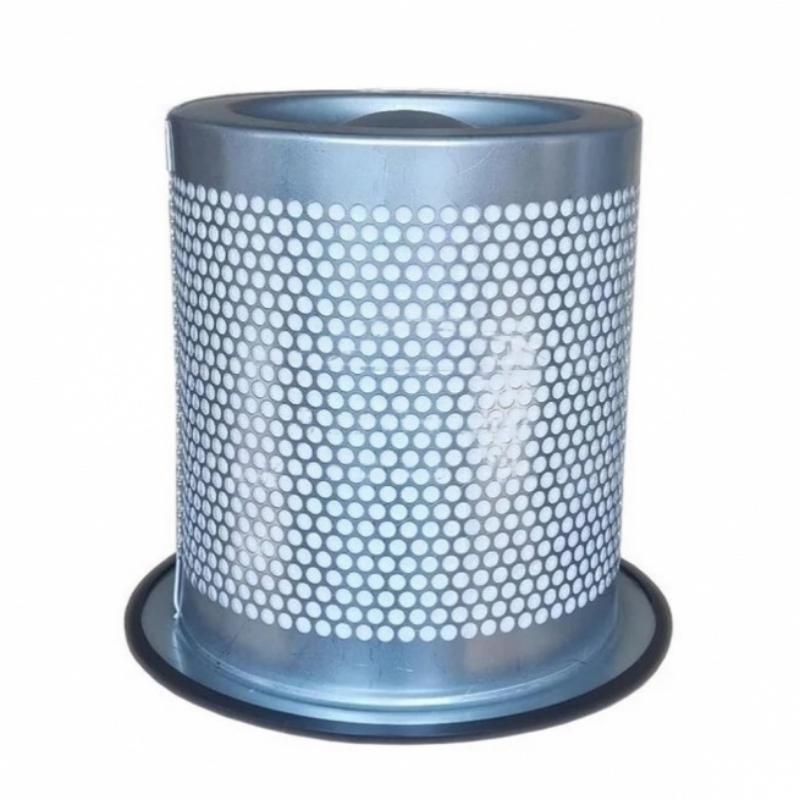
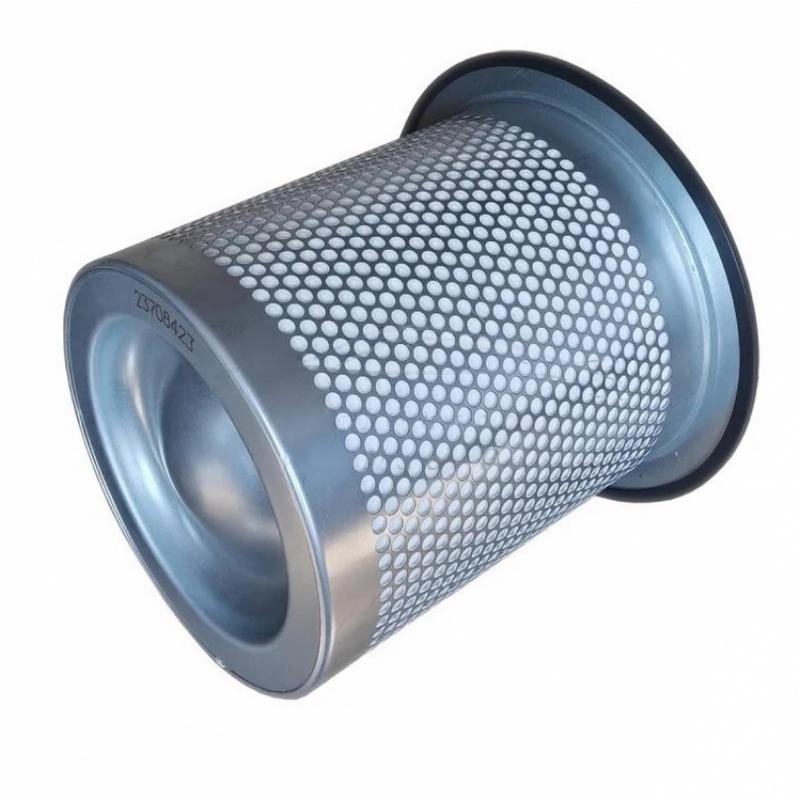
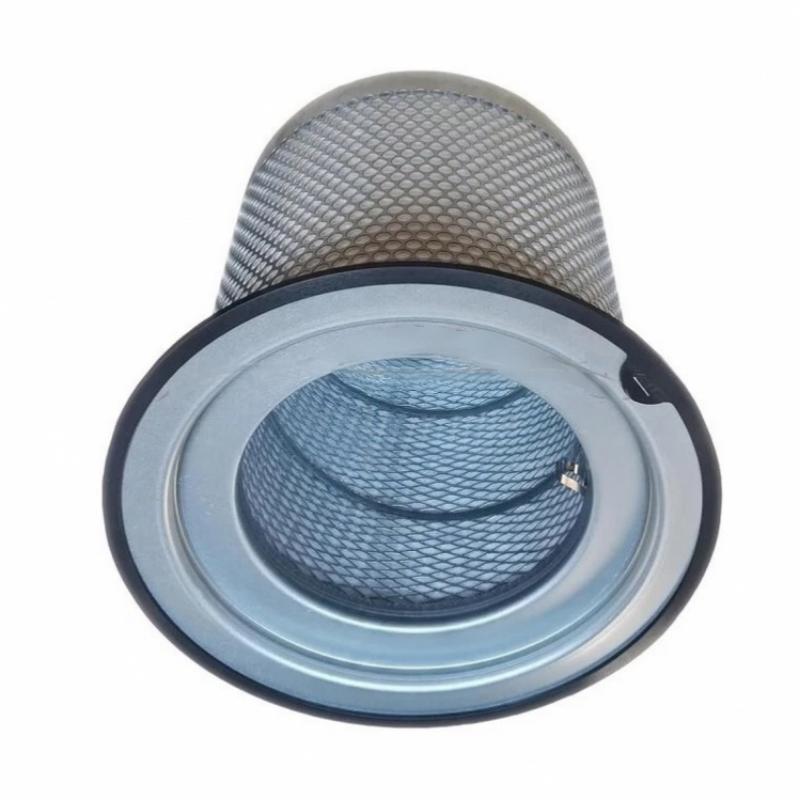
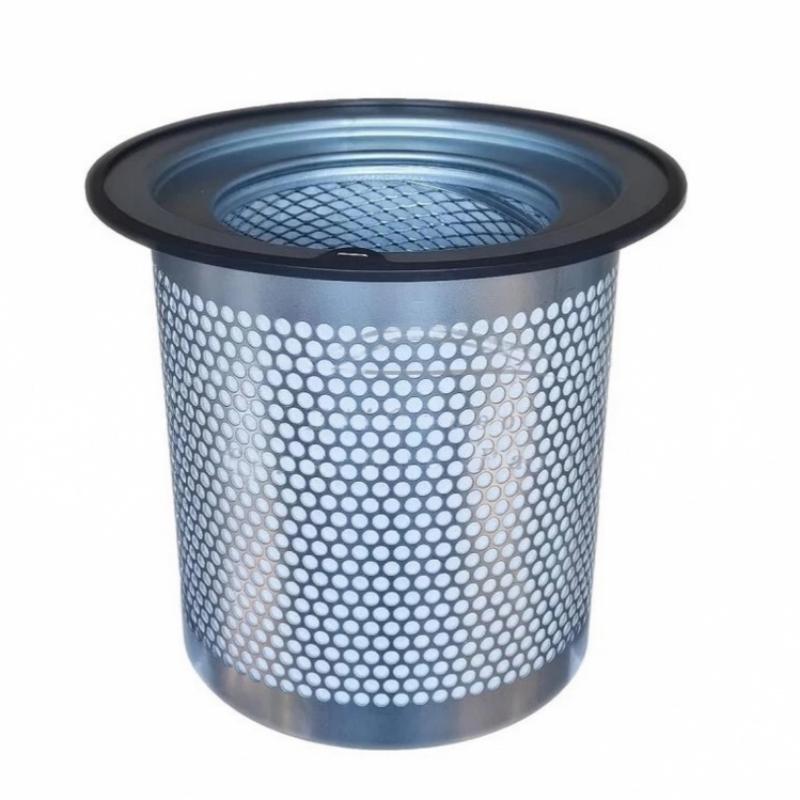
The Ingersoll Rand 23708423 Air-Oil Separator is a critical separation component used in oil-injected rotary screw air compressor systems. Its primary purpose is to separate compressor lubricant from the compressed air stream after the compression process, allowing the recovered oil to return to the lubrication circuit while cleaner compressed air continues toward the discharge system.
Air-oil separation is essential for maintaining compressed-air quality and protecting downstream equipment. During normal compressor operation, the air leaving the air end contains a quantity of fine oil mist. The separator removes these oil droplets through a combination of filtration and separation processes, helping maintain low oil carryover while supporting efficient lubricant recovery.
The 23708423 Air-Oil Separator is associated with Ingersoll Rand service kit 47704432001 and has supplied dimensions of 340 × 65 × 200 mm with a weight of approximately 0.9 kg.
For industrial compressor operators, maintaining the separator in good condition is important because separator restriction, damage, incorrect installation, or excessive oil carryover can affect compressor efficiency, operating temperature, lubricant consumption, and compressed-air quality.
Product Identification
| Parameter | Specification |
|---|---|
| Manufacturer | Ingersoll Rand |
| Part Number | 23708423 |
| Associated Service Kit | 47704432001 |
| Product Type | Air-Oil Separator |
| Primary Function | Separation of Lubricant from Compressed Air |
| Application | Oil-Injected Rotary Screw Compressor |
| Installation Position | Air-Oil Separation System |
| Dimensions | 340 × 65 × 200 mm |
| Weight | 0.9 kg |
| Maintenance Type | Scheduled Inspection and Replacement |
| Main Purpose | Reduce Oil Carryover |
Technical Specifications
| Technical Item | Specification |
|---|---|
| Product Category | Compressor Air-Oil Separator |
| Manufacturer | Ingersoll Rand |
| Model / Part Number | 23708423 |
| Service Kit | 47704432001 |
| Dimensions | 340 × 65 × 200 mm |
| Weight | 0.9 kg |
| Application | Industrial Air Compressor |
| Separation Medium | Compressed Air and Lubricant |
| Installation | Compressor Separation Assembly |
| Function | Oil Mist Separation |
| Maintenance | Periodic Replacement |
| Operating Role | Lubricant Recovery and Air Cleaning |
Function and Working Principle
The air-oil separator is positioned downstream of the compressor air end and forms an important part of the compressor’s internal oil-management system.
A simplified process is:
Ambient Air
↓
Air Filter
↓
Compressor Air End
↓
Compressed Air + Oil Mist
↓
Air-Oil Separator
↓
Cleaner Compressed Air
↓
Discharge System
At the same time:
Separated Oil
↓
Oil Recovery System
↓
Lubrication Circuit
↓
Compressor Air End
The separator captures fine oil droplets carried by compressed air. The separated lubricant is recovered and returned to the compressor oil circuit, while the compressed air continues toward the air receiver or downstream treatment equipment.
Why the Air-Oil Separator Is Important
A properly functioning separator helps:
- Reduce oil carryover
- Recover compressor lubricant
- Protect downstream equipment
- Maintain compressed-air quality
- Reduce lubricant consumption
- Support compressor efficiency
- Maintain stable compressor operation
- Reduce contamination of air piping
- Extend service intervals for downstream components
A deteriorated separator can have a direct effect on overall compressor performance.
Typical Industrial Applications
The Ingersoll Rand 23708423 Air-Oil Separator is intended for compressor applications where reliable oil separation is required.
Typical industries include:
- Manufacturing
- Automotive production
- Metalworking
- Chemical processing
- Pharmaceutical manufacturing
- Food and beverage production
- Textile manufacturing
- Electronics production
- Mining
- Cement production
- Power generation
- General industrial compressed-air systems
Installation Guide
1. Verify the Part Number
Before beginning maintenance, verify:
23708423
Also confirm the associated service kit:
47704432001
Never install a separator solely because its physical dimensions appear similar.
2. Shut Down the Compressor
Before removing the existing separator:
- Stop the compressor.
- Disconnect electrical power.
- Isolate the compressed-air system.
- Release internal pressure.
- Allow the compressor to cool.
- Apply appropriate lockout/tagout procedures.
Compressed air and hot lubricant can create serious hazards during maintenance.
3. Allow Adequate Cooling Time
The separator assembly can remain hot after compressor shutdown.
Wait until the relevant components have cooled sufficiently before opening the system.
4. Inspect the Replacement Separator
Before installation, check:
- Filter body
- Sealing surfaces
- Gaskets
- Connection points
- Structural condition
- Shipping damage
Do not install a damaged separator.
5. Remove the Existing Separator
Follow the compressor’s service procedure to access the air-oil separator.
Carefully disconnect associated components and avoid damaging:
- Oil return lines
- Sealing surfaces
- Fasteners
- Pipes
- Fittings
6. Inspect the Separator Housing
Before installing the replacement, inspect the housing for:
- Oil deposits
- Dirt
- Metal particles
- Damaged sealing surfaces
- Foreign material
- Corrosion
Clean the housing as required by the applicable maintenance procedure.
7. Install the New Separator
Position the 23708423 Air-Oil Separator correctly.
Verify:
- Correct orientation
- Proper seating
- Correct gasket position
- Secure connections
- No deformation
Improper seating can allow compressed air to bypass the separator.
8. Reconnect Oil Recovery Components
Inspect and reconnect the oil return system.
Verify that:
- Oil return lines are unobstructed.
- Connections are secure.
- Fittings are correctly installed.
- No leakage is present.
An obstructed oil return path can cause excessive oil carryover.
9. Secure the Assembly
Tighten fasteners according to the compressor maintenance procedure.
Avoid excessive tightening because it can damage sealing surfaces or housings.
10. Restart the Compressor
After reassembly:
- Restore power.
- Start the compressor.
- Allow it to reach normal operating conditions.
- Check for leaks.
- Monitor pressure.
- Check oil carryover.
- Observe operating temperature.
- Verify normal compressor performance.
Commissioning Inspection
After installing the new separator, verify:
Mechanical Condition
- Housing secure
- Connections tight
- No visible damage
Lubrication System
- Correct oil level
- Oil return functioning
- No abnormal oil leakage
Air System
- Normal discharge pressure
- Stable airflow
- No unusual pressure drop
Separator Performance
- Low oil carryover
- Stable separator differential pressure
- No abnormal noise
Troubleshooting Guide
Problem 1 — Excessive Oil Carryover
One of the most important symptoms of an air-oil separation problem is excessive lubricant in the compressed-air system.
Possible causes include:
- Saturated separator
- Damaged separator element
- Incorrect installation
- Failed sealing components
- Blocked oil return line
- Excessive compressor oil level
Recommended inspection:
Oil Level
↓
Separator Condition
↓
Oil Return Line
↓
Sealing System
↓
Operating Conditions
Problem 2 — High Separator Differential Pressure
Possible causes:
- Contaminated separator
- Separator element restriction
- Incorrect replacement component
- Excessive lubricant contamination
High differential pressure can increase compressor energy consumption.
Problem 3 — Compressor Power Consumption Increases
Possible causes:
- Restricted separator
- Excessive differential pressure
- Internal airflow restriction
- Poor oil circulation
Inspect separator pressure drop together with other compressor operating parameters.
Problem 4 — Oil Appears in Downstream Air Lines
Possible causes:
- Excessive oil carryover
- Separator deterioration
- Oil return restriction
- Incorrect oil level
- Damaged sealing system
Inspect the separator and oil recovery circuit before replacing other downstream components.
Problem 5 — Separator Becomes Contaminated Quickly
Possible causes:
- Poor lubricant condition
- Incorrect oil
- Excessive operating temperature
- Contaminated compressor system
- Improper maintenance interval
Check lubricant quality and compressor operating conditions.
Problem 6 — Oil Level Drops Rapidly
Possible causes:
- Excessive oil carryover
- External oil leak
- Oil return malfunction
- Incorrect separator operation
Inspect both the separator and complete lubrication system.
Problem 7 — Abnormal Compressor Temperature
Possible causes:
- Restricted separator
- Poor oil circulation
- Low oil level
- Cooling-system problems
The separator should be checked as part of the overall airflow and lubrication diagnosis.
Problem 8 — Separator Leakage
Inspect:
- Gaskets
- Sealing surfaces
- Fasteners
- Connections
- Housing
A separator leak can reduce system efficiency and create an unsafe working environment.
Problem 9 — Unusual Noise
Possible causes:
- Loose separator assembly
- Damaged components
- Incorrect installation
- Air leakage
Stop the compressor if abnormal mechanical noise is severe and inspect the assembly.
Diagnostic Procedure
A systematic diagnostic process is recommended:
Compressor Air End
↓
Oil Injection System
↓
Compressed Air + Oil Mist
↓
23708423 Air-Oil Separator
↓
Oil Recovery Circuit
↓
Compressed-Air Outlet
↓
Downstream Equipment
This approach helps determine whether excessive oil carryover originates from the separator itself or from another part of the compressor system.
Preventive Maintenance
The air-oil separator should be included in the compressor’s regular maintenance program.
Routine Inspection
Inspect:
- Separator condition
- Oil carryover
- Differential pressure
- Oil level
- Oil return system
- Sealing surfaces
Lubricant Inspection
Monitor:
- Oil cleanliness
- Oil level
- Oil condition
- Operating temperature
- Lubricant consumption
Incorrect lubricant conditions can shorten separator life.
Air System Inspection
Check:
- Discharge pressure
- Airflow
- Oil carryover
- Downstream contamination
- Pressure differential
Recommended Maintenance Checklist
| Inspection Item | Recommended Action |
|---|---|
| Air-Oil Separator | Inspect condition |
| Separator Differential Pressure | Monitor |
| Oil Carryover | Check periodically |
| Oil Return Line | Verify unrestricted flow |
| Oil Level | Maintain correct level |
| Gaskets | Inspect for leakage |
| Separator Housing | Clean and inspect |
| Compressor Temperature | Monitor |
| Lubricant Condition | Check regularly |
| Downstream Air Lines | Inspect for oil contamination |
Separator Replacement Procedure
- Shut down the compressor.
- Isolate electrical power.
- Relieve compressed-air pressure.
- Allow the system to cool.
- Access the separator assembly.
- Disconnect associated oil and air connections.
- Remove the existing separator.
- Inspect and clean the housing.
- Install the new 23708423 Air-Oil Separator.
- Replace sealing components as required.
- Reconnect the oil recovery system.
- Secure all connections.
- Restore power.
- Start the compressor.
- Check for leaks.
- Monitor separator pressure differential.
- Check oil carryover.
- Verify normal compressor operation.
Common Installation Errors
Avoid the following mistakes:
Incorrect Separator
Installing a visually similar but incompatible separator can cause poor filtration and excessive pressure drop.
Damaged Gasket
A damaged gasket can create an air or oil leak.
Incorrect Seating
An improperly seated separator may allow compressed air to bypass the filtration media.
Blocked Oil Return
A restricted oil return line can cause lubricant accumulation and increased oil carryover.
Incorrect Oil Level
Excessive oil can increase the amount of lubricant carried into the compressed-air stream.
Failure to Inspect Housing
Contaminated or damaged housing surfaces can compromise the new separator.
Key Advantages
The 23708423 Air-Oil Separator provides several important benefits when properly maintained:
- Efficient separation of oil mist
- Reduced oil carryover
- Improved compressed-air cleanliness
- Lubricant recovery
- Protection of downstream equipment
- Support for stable compressor operation
- Reduced lubricant consumption
- Improved compressor efficiency
- Reliable industrial operation
- Straightforward replacement during scheduled service
Frequently Asked Questions
What is the Ingersoll Rand 23708423?
The 23708423 is an air-oil separator used in oil-injected rotary screw compressor systems to separate lubricant from compressed air.
What service kit is associated with this component?
The component is associated with Ingersoll Rand service kit 47704432001.
What are the dimensions?
The specified dimensions are 340 × 65 × 200 mm.
What is the weight?
The specified weight is approximately 0.9 kg.
What does an air-oil separator do?
It removes fine oil mist from compressed air and allows separated lubricant to return to the compressor lubrication system.
What happens when the separator becomes restricted?
A restricted separator can increase differential pressure, increase compressor energy consumption, and negatively affect overall operating efficiency.
What causes excessive oil carryover?
Possible causes include separator deterioration, incorrect oil level, blocked oil return lines, damaged seals, improper installation, or abnormal compressor operating conditions.
How can excessive oil carryover be diagnosed?
Check the separator condition, oil level, oil return circuit, sealing system, operating pressure, and downstream compressed-air contamination.
Should the separator be cleaned or replaced?
For scheduled compressor maintenance, replacement is generally preferred when the separator has reached its service limit or shows excessive restriction, damage, or poor separation performance.
What should be checked after replacement?
Verify correct installation, sealing, oil return flow, separator differential pressure, oil carryover, operating temperature, and overall compressor performance.
Conclusion
The Ingersoll Rand 23708423 Air-Oil Separator is an important component in an oil-injected rotary screw compressor’s separation and lubrication system. With specified dimensions of 340 × 65 × 200 mm and a weight of approximately 0.9 kg, it is designed to separate oil mist from compressed air while allowing recovered lubricant to return to the compressor oil circuit.
Maintaining the separator in good condition is essential for controlling oil carryover, protecting downstream equipment, maintaining compressor efficiency, and reducing lubricant consumption. Correct installation, proper sealing, an unrestricted oil return path, and regular monitoring of separator performance are key factors in reliable operation.
For industrial compressor systems, a structured maintenance strategy that includes separator inspection, lubricant monitoring, differential-pressure checks, and timely replacement can significantly reduce unexpected downtime and help maintain consistent compressed-air production over the long term.