

ProductPRODUCT
Featured products

Contact Us
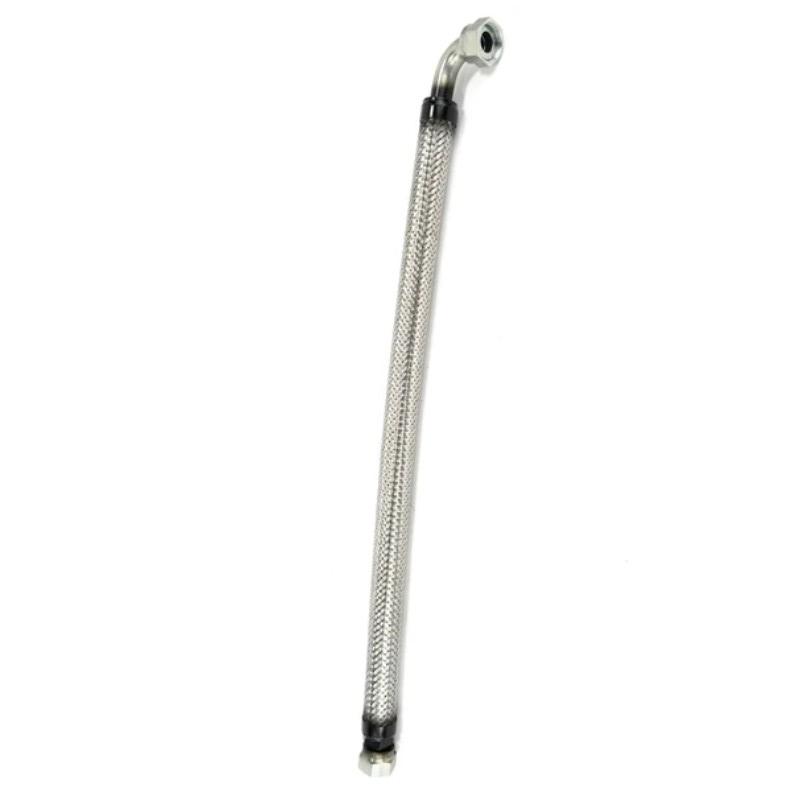
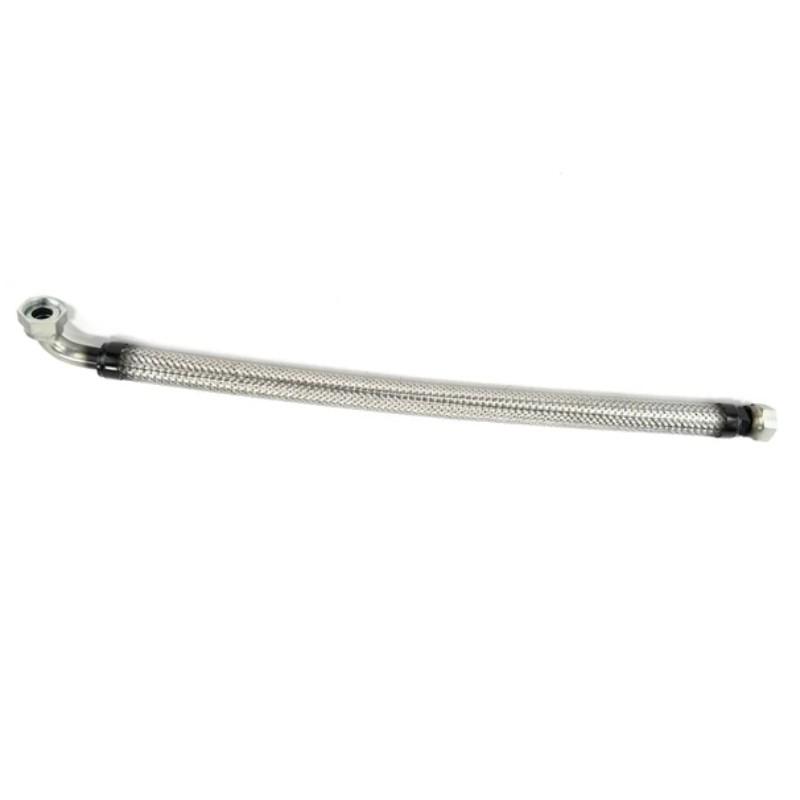
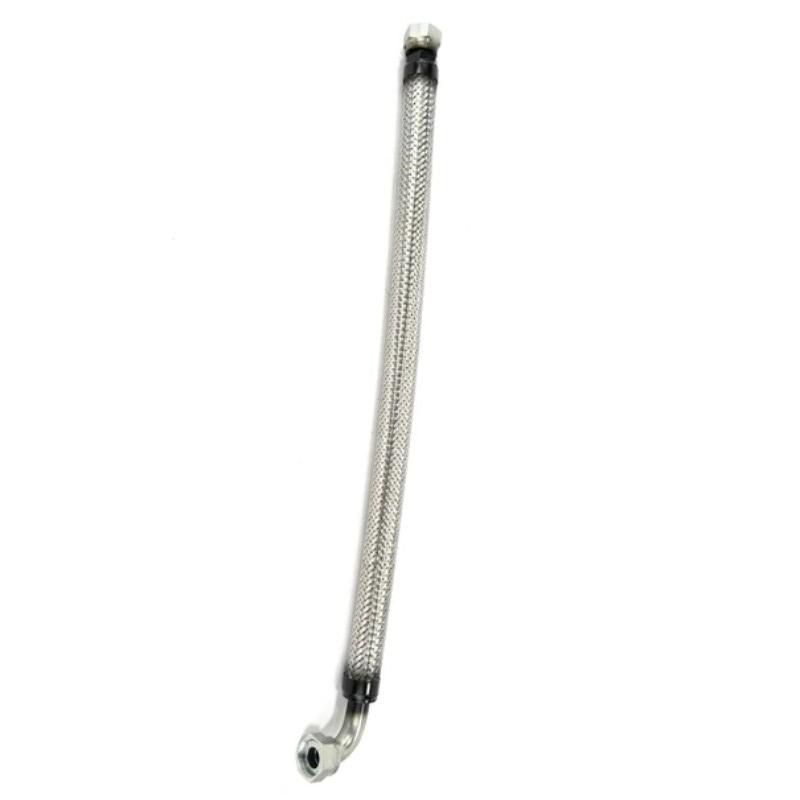
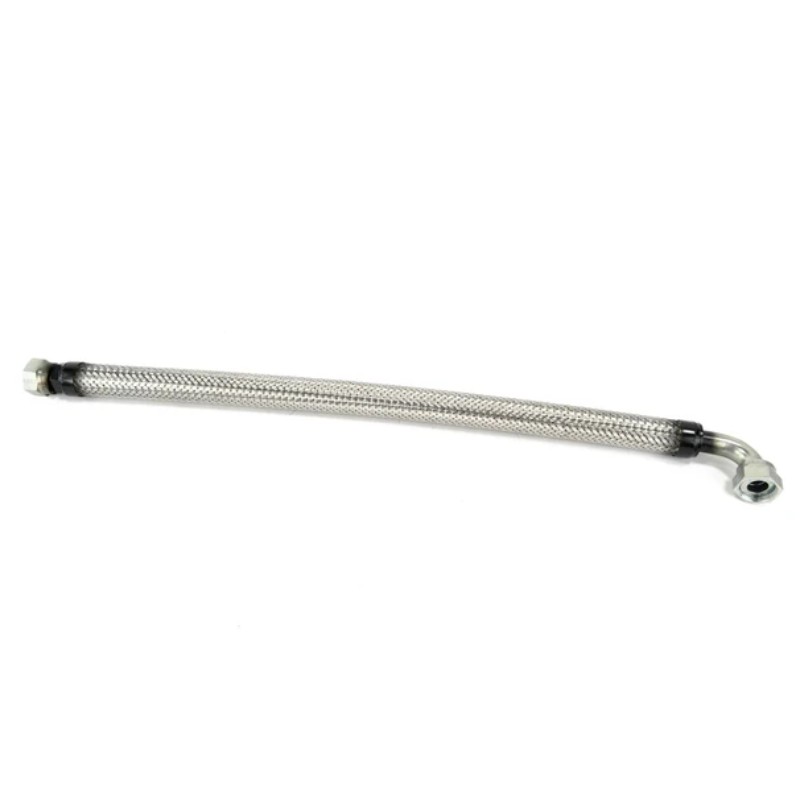
- Ingersoll Rand
- 47588566001 85574960
- Hydraulic Hose
- USA
- 32 in
- 3 kg
- Xiamen, China
- New & In Stock
- T/T, PayPal, Western Union
- 1 Year
- 1-3 Working Days
- DHL, UPS, TNT, FedEx and EMS.
- 24-Hour Service
- COO
- 52
Our advantage

Global Logistics
We have a 10-year logistics and express cooperation agreement, so our products can be shipped to any place in the world.

Brand new and original
Our products are imported in bulk from the place of origin. Because of the cooperative relationship, our products are all original and 100% new.

24-hour service
We provide 7*24 hours service to our customers. We will be there whenever you need us.

Price advantage
All our products are priced very favorably because we have our own warehouse and supply.
| Company Information | |||
| [email protected] | |||
| Mobile | +8615980777398 | ||
| +8615980777398 | |||
| 15980777398 |
Product Overview
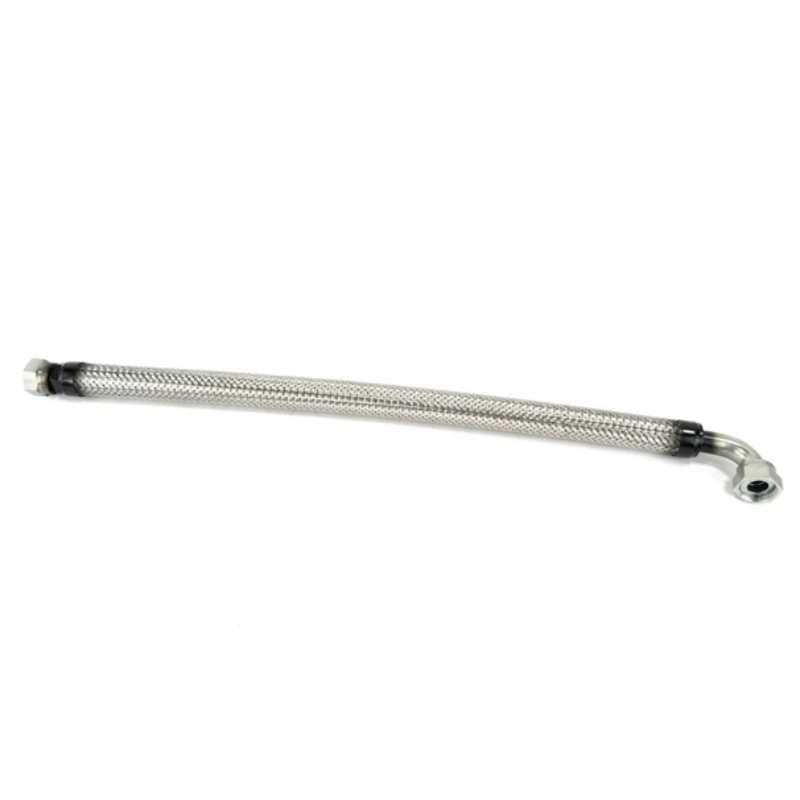
The Ingersoll Rand 47588566001 85574960 Hydraulic Hose is a replacement hydraulic hose used in compatible Ingersoll Rand equipment. It serves as a flexible fluid connection within a hydraulic circuit, transferring hydraulic fluid between connected components while accommodating the movement and vibration present in operating machinery.
In compressor and industrial equipment, hydraulic hoses can be routed between hydraulic valves, actuators, pumps, and other control components. Their condition is important to maintaining fluid containment and stable hydraulic operation, particularly in equipment subjected to continuous operating cycles.
The 85574960 hose is applicable to maintenance and replacement work where the original hose has deteriorated or requires renewal. Before installation, technicians should verify the part number and connection arrangement against the equipment service documentation and inspect the associated fittings for damage or contamination.
Technical Specifications
| Parameter | Specification |
|---|---|
| Manufacturer | Ingersoll Rand |
| Part Number | 47588566001 / 85574960 |
| Product Type | Hydraulic Hose |
| Primary Function | Hydraulic fluid transmission |
| System Role | Hydraulic circuit connection |
| Application | Industrial compressor and hydraulic equipment |
| Installation | Connected between compatible hydraulic components |
| Hose Length | 32 in |
| Shipping Weight | 3 kg |
Product Features
- Replacement hydraulic hose for compatible Ingersoll Rand equipment.
- Transfers hydraulic fluid between connected system components.
- Flexible connection for hydraulic circuit routing.
- Suitable for compressor service and equipment maintenance.
- Supports replacement of aged or damaged hose assemblies.
- Part-number identification helps with maintenance planning and component matching.
- Intended for integration into the applicable hydraulic circuit.
Working Principle
The 47588566001 85574960 Hydraulic Hose acts as a contained passage for hydraulic fluid within the machine. Fluid supplied by the hydraulic power unit travels through the hose toward the connected valve, actuator, or other hydraulic component.
Hydraulic Pump → 85574960 Hydraulic Hose → Control Valve → Hydraulic Actuator
The hose itself does not control pressure or regulate flow. Those functions are handled by the hydraulic pump, valves, regulators, and other active components. The hose maintains the fluid path between these devices while allowing practical routing through the equipment.
Secure connections and correct routing are necessary to prevent leakage and mechanical damage during operation.
Role in a Hydraulic Control Architecture
The hydraulic hose forms part of the physical connection network linking hydraulic power and control components.
Hydraulic Power Unit → 85574960 Hydraulic Hose → Hydraulic Control Component → Actuator → Mechanical Load
| System Element | Function |
|---|---|
| Hydraulic Pump | Supplies pressurized hydraulic fluid |
| Hydraulic Reservoir | Stores hydraulic fluid |
| 47588566001 / 85574960 | Transfers hydraulic fluid through the circuit |
| Control Valve | Directs hydraulic flow |
| Pressure Control Component | Maintains or limits hydraulic pressure |
| Hydraulic Actuator | Converts hydraulic pressure into mechanical movement |
| Mechanical Load | Receives the resulting mechanical force |
The hose should be considered part of the complete hydraulic circuit when diagnosing pressure loss, leakage, or abnormal actuator behavior.
Industrial Applications
| Application | Typical Use |
|---|---|
| Industrial Compressors | Hydraulic circuit connections |
| Compressor Control Systems | Hydraulic fluid transmission |
| Hydraulic Actuation | Fluid delivery to actuators |
| Industrial Machinery | Flexible hydraulic connections |
| Equipment Overhaul | Replacement of hydraulic hoses |
| Preventive Maintenance | Renewal of aging hose assemblies |
| Hydraulic Service Operations | Repair of fluid connections |
| Machinery Repair | Restoration of hydraulic circuits |
Installation and Maintenance
- Confirm the 47588566001 / 85574960 part number before installation.
- Verify compatibility with the intended hydraulic circuit.
- Fully release hydraulic system pressure before disconnecting the existing hose.
- Clean the surrounding fittings before opening the hydraulic connection.
- Inspect mating fittings for wear, contamination, or mechanical damage.
- Route the replacement hose away from sharp edges and abrasive surfaces.
- Avoid twisting the hose during installation.
- Prevent excessive bending or mechanical tension at the connection points.
- Keep the hose away from sources of excessive heat where applicable.
- Secure the hose to prevent uncontrolled movement and vibration.
- Restore hydraulic pressure gradually after installation.
- Inspect the complete connection for leakage during commissioning.
During routine maintenance, inspect the hose body as well as the fittings and surrounding routing. Leakage or visible deterioration should be investigated before the equipment continues normal operation.
Related Components
| Component | Function |
|---|---|
| Hydraulic Pump | Generates hydraulic fluid flow |
| Hydraulic Valve | Controls fluid direction and operation |
| Hydraulic Actuator | Converts hydraulic energy into mechanical movement |
| Hydraulic Fitting | Connects the hose to system components |
| Hydraulic Reservoir | Stores hydraulic fluid |
| Hydraulic Filter | Removes contaminants from hydraulic fluid |
| Pressure Regulator | Controls hydraulic pressure |
| Hydraulic Tubing | Provides rigid fluid connections where required |
Recommended Related Models
| Model / Product Family | Product Type | Typical Application |
|---|---|---|
| Ingersoll Rand 85574960 | Hydraulic Hose | Hydraulic circuit replacement |
| Ingersoll Rand 85574952 | Hydraulic Hose | Hydraulic connection maintenance |
| Ingersoll Rand Hydraulic Hose Assemblies | Hose Assembly | Pressurized fluid transfer |
| Ingersoll Rand Hydraulic Fittings | Hydraulic Fitting | Hose connection |
| Ingersoll Rand Hydraulic Valve Components | Control Valve | Hydraulic flow control |
| Ingersoll Rand Compressor Service Kits | Service Kit | Compressor maintenance |
Key Advantages
- Replacement hydraulic hose for compatible Ingersoll Rand equipment.
- Supports continuous hydraulic fluid transfer within the applicable circuit.
- Provides a flexible connection between hydraulic components.
- Suitable for compressor maintenance and repair.
- Useful for planned hose replacement during equipment overhaul.
- Part-number identification simplifies component matching.
- Can be integrated into existing compatible hydraulic assemblies.
Technical FAQs
How does hose routing affect hydraulic system performance?
Improper routing can introduce excessive bending, twisting, abrasion, or mechanical stress. These conditions can shorten hose service life and may eventually lead to leakage or connection problems.
Can the 85574960 hose be evaluated separately from its fittings?
The hose and fittings should be inspected as a complete connection. Damaged threads, sealing surfaces, or connection hardware can cause leakage even when the hose body appears to be in good condition.
What maintenance conditions commonly accelerate hydraulic hose deterioration?
Repeated vibration, abrasion, excessive heat, chemical exposure, pressure cycling, and poor routing can accelerate deterioration. The surrounding installation environment should therefore be considered during periodic inspection.
What is a useful diagnostic approach when hydraulic pressure drops after hose replacement?
First verify the hose connections and associated fittings, then inspect for external leakage and confirm that the hydraulic circuit is correctly assembled. If no external leak is present, the pump, valves, pressure-control components, and other parts of the circuit should also be checked.