

ProductPRODUCT
Featured products
Contact Us
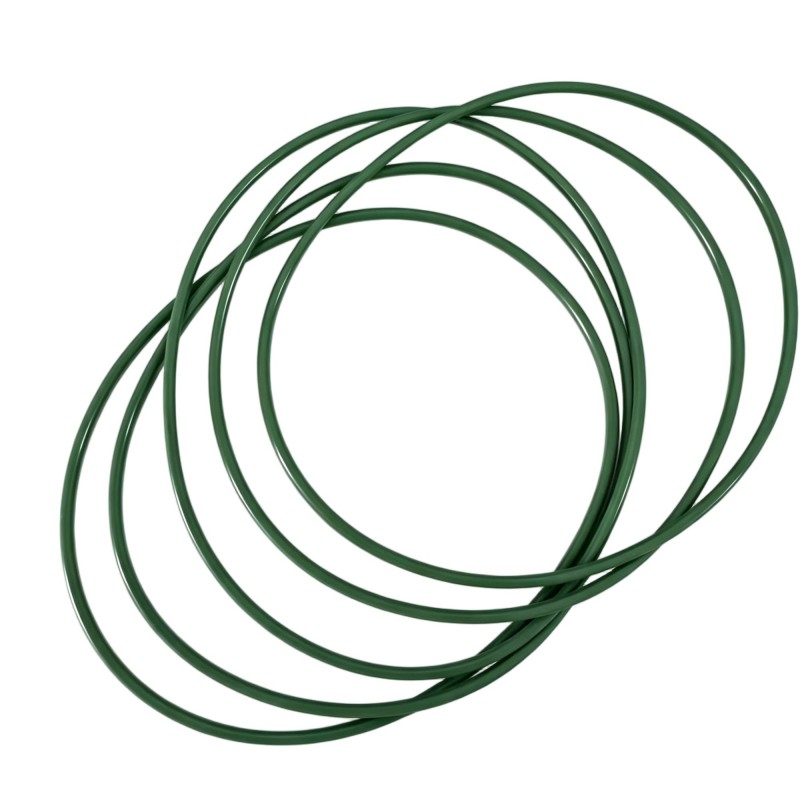
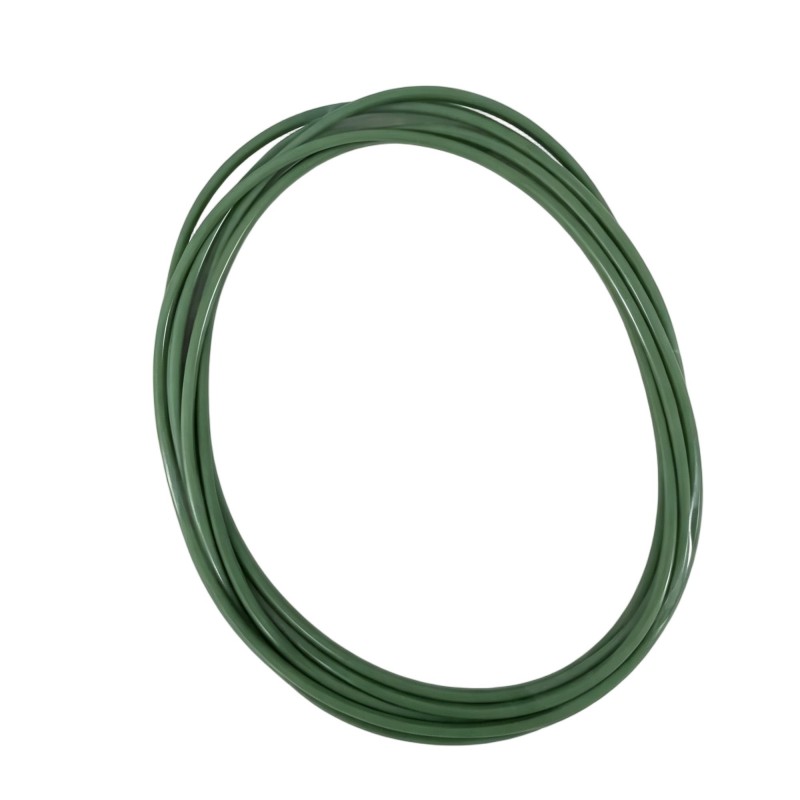
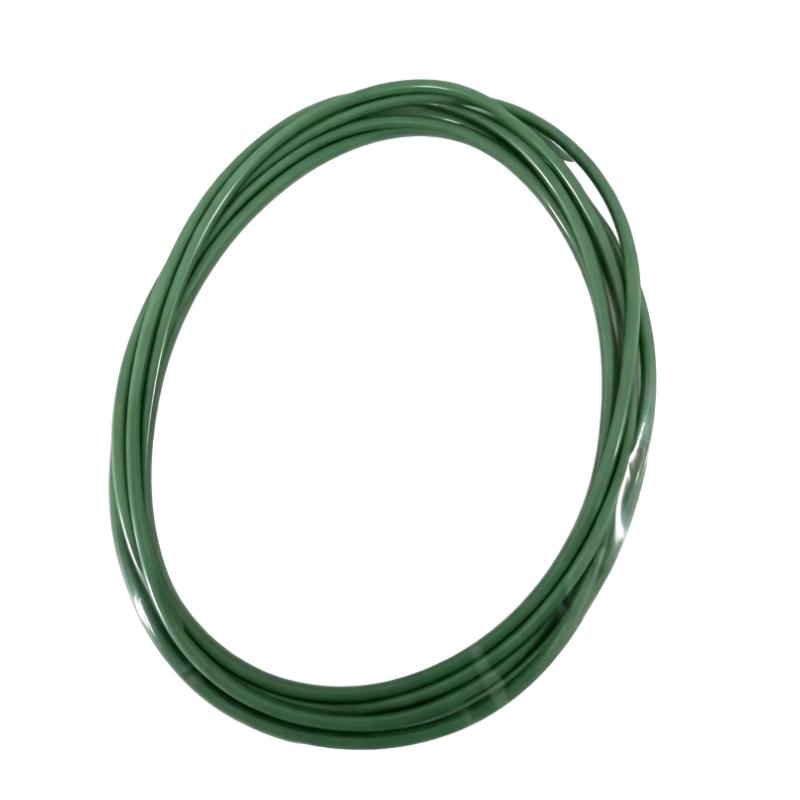
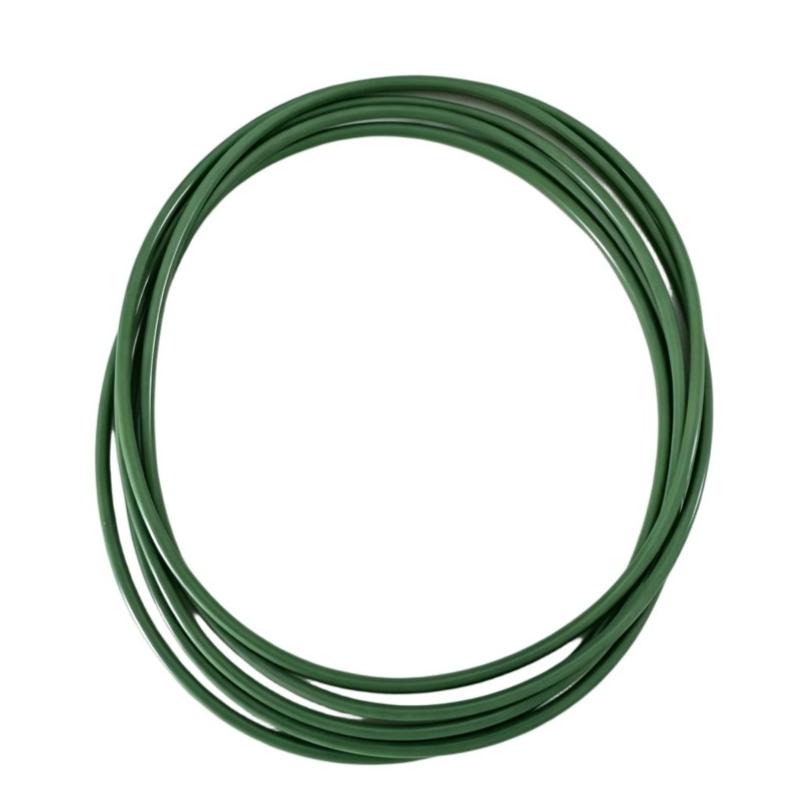
- Ingersoll Rand
- 47588565001 95023107
- O-Ring
- USA
- 107.95 mm
- 3 kg
- Xiamen, China
- New & In Stock
- T/T, PayPal, Western Union
- 1 Year
- 1-3 Working Days
- DHL, UPS, TNT, FedEx and EMS.
- 24-Hour Service
- COO
- 59
Our advantage

Global Logistics
We have a 10-year logistics and express cooperation agreement, so our products can be shipped to any place in the world.

Brand new and original
Our products are imported in bulk from the place of origin. Because of the cooperative relationship, our products are all original and 100% new.

24-hour service
We provide 7*24 hours service to our customers. We will be there whenever you need us.

Price advantage
All our products are priced very favorably because we have our own warehouse and supply.
| Company Information | |||
| [email protected] | |||
| Mobile | +8615980777398 | ||
| +8615980777398 | |||
| 15980777398 |
Product Overview
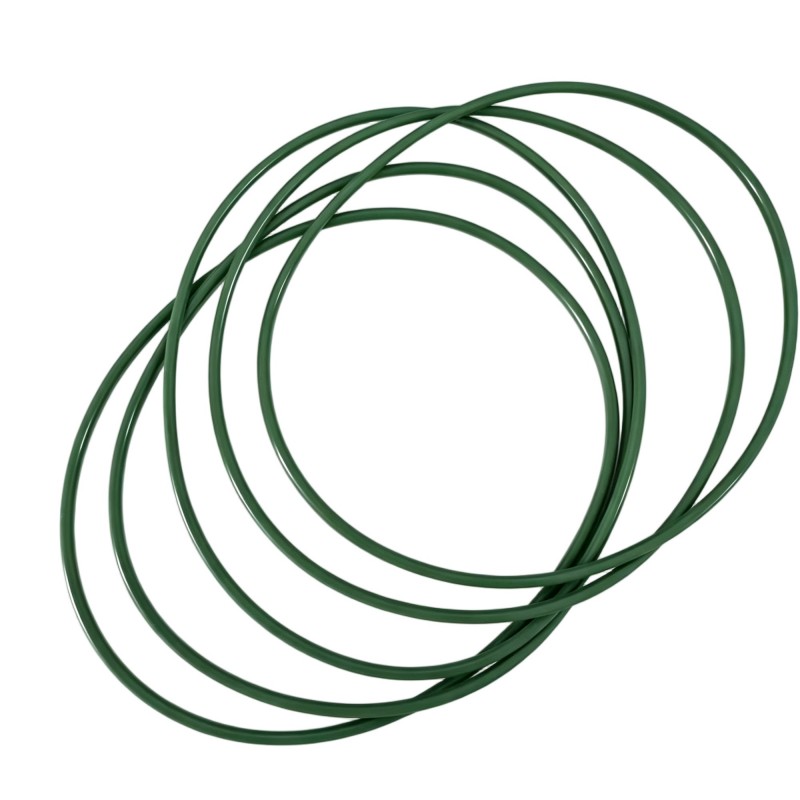
The Ingersoll Rand 47588565001 95023107 O-Ring is a replacement sealing component used in compatible Ingersoll Rand compressor and industrial equipment assemblies. It is installed between mating mechanical surfaces to close a defined leakage path and maintain the required separation between internal and external areas.
O-rings are commonly encountered during compressor service work around housings, covers, fittings, valve assemblies, and other components where compact sealing is required. Because these interfaces may experience pressure variation, temperature cycling, vibration, and repeated maintenance, the condition of the sealing element can affect the overall mechanical integrity of the assembly.
The 95023107 O-Ring should be selected according to the applicable equipment assembly and mating groove rather than by appearance alone. During replacement, technicians should compare the inside diameter, inspect the groove and contact surfaces, and make sure the replacement seal is correctly seated before the equipment is returned to operation.
Technical Specifications
| Parameter | Specification |
|---|---|
| Manufacturer | Ingersoll Rand |
| Part Number | 47588565001 / 95023107 |
| Product Type | O-Ring |
| Primary Function | Mechanical sealing |
| System Role | Sealing component |
| Application | Industrial compressor and equipment assemblies |
| Installation | Installed in a compatible sealing groove |
| Inside Diameter | 107.95 mm |
| Shipping Weight | 3 kg |
Product Features
- Replacement O-ring for compatible Ingersoll Rand equipment.
- Used to seal mating mechanical surfaces.
- Suitable for compressor maintenance and overhaul work.
- 107.95 mm inside diameter for the specified application.
- Compact sealing element for mechanical assemblies.
- Can be replaced during planned equipment servicing.
- Part number supports identification of the required replacement component.
Working Principle
The 47588565001 95023107 O-Ring seals through controlled deformation inside a mating groove. When the connected components are assembled, the O-ring is compressed between the groove and opposing sealing surface.
Mating Surface → O-Ring → Sealing Groove → Mating Component
The compressed elastomer fills small surface irregularities and forms a continuous barrier around the interface. During operation, the pressure within the assembly can further force the O-ring against the sealing surfaces, helping maintain the closed leakage path.
Correct groove geometry, surface condition, installation position, and compatible sealing material are important factors in achieving the intended sealing performance.
Role in a Compressor Sealing Architecture
The O-ring is part of the mechanical sealing layer within the compressor assembly. It works with the housing, cover, groove, fasteners, and other sealing components to maintain the integrity of the enclosed section.
Compressor Assembly → Housing / Cover → 95023107 O-Ring → Mating Surface → Internal Chamber
| System Element | Function |
|---|---|
| Compressor Assembly | Contains the operating mechanical system |
| Housing / Cover | Forms the mechanical enclosure |
| Sealing Groove | Locates the O-ring |
| 47588565001 / 95023107 | Closes the mating-surface leakage path |
| Mating Surface | Compresses the sealing element |
| Fasteners | Maintain assembly compression |
| Internal Chamber | Contains the applicable operating medium |
A sealing fault should therefore be evaluated across the complete interface rather than by replacing the O-ring without inspecting the surrounding components.
Industrial Applications
| Application | Typical Use |
|---|---|
| Industrial Compressors | Sealing of compatible mechanical assemblies |
| Air Compressor Systems | Replacement of deteriorated sealing elements |
| Compressor Overhaul | Renewal of seals during disassembly |
| Housing Assemblies | Sealing between mating covers and housings |
| Valve Assemblies | Sealing selected mechanical interfaces |
| Preventive Maintenance | Scheduled seal inspection and replacement |
| Equipment Repair | Correction of leakage at compatible interfaces |
| Compressor Service | Replacement of original sealing components |
Installation and Maintenance
- Verify the equipment compatibility of 47588565001 / 95023107 before installation.
- Confirm the specified 107.95 mm inside diameter against the mating assembly.
- Remove the old O-ring without damaging the surrounding groove.
- Clean the groove and adjacent sealing surfaces thoroughly.
- Check the groove for scratches, burrs, corrosion, or deformation.
- Inspect the mating surface for defects that could create a leakage path.
- Make sure the replacement O-ring is free from cuts, cracks, and surface damage.
- Position the O-ring evenly throughout the groove.
- Avoid twisting or pinching the seal during assembly.
- Use an approved installation lubricant only when required by the equipment procedure.
- Tighten the mating assembly according to the applicable maintenance procedure.
- Check the completed assembly for leakage during commissioning.
If a new O-ring continues to leak, inspect the groove, mating surfaces, assembly alignment, and compression conditions before installing another replacement seal.
Related Components
| Component | Function |
|---|---|
| Sealing Groove | Positions the O-ring during assembly |
| Housing / Cover | Provides the mating mechanical interface |
| Gasket | Seals selected larger or planar interfaces |
| Shaft Seal | Controls leakage around rotating shafts |
| Mechanical Seal | Provides sealing for applicable rotating assemblies |
| Fasteners | Maintain the required assembly compression |
| Compressor Housing | Contains the sealed equipment section |
| Compressor Service Kit | Supports scheduled maintenance |
Recommended Related Models
| Model / Product Family | Product Type | Typical Application |
|---|---|---|
| Ingersoll Rand 95023107 | O-Ring | Mechanical sealing |
| Ingersoll Rand 47588565001 | Service Part | Compressor maintenance |
| Ingersoll Rand O-Ring Components | Sealing Component | Replacement of worn seals |
| Ingersoll Rand Gasket Components | Gasket | Housing and flange sealing |
| Ingersoll Rand Shaft Seal Components | Shaft Seal | Rotating shaft sealing |
| Ingersoll Rand Compressor Service Kits | Service Kit | Preventive maintenance and overhaul |
Key Advantages
- Compatible replacement sealing component for applicable Ingersoll Rand equipment.
- 107.95 mm inside diameter supports precise part identification.
- Suitable for compressor service and overhaul operations.
- Helps restore the sealing interface after seal deterioration.
- Can be inspected together with the associated groove and mating surfaces.
- Practical replacement component for scheduled maintenance.
Technical FAQs
How can a technician determine whether the existing O-ring has taken a compression set?
A visibly flattened cross-section, loss of elasticity, permanent deformation, or reduced ability to remain seated in the groove can indicate compression set. The mating groove and sealing surface should be inspected at the same time.
Why can a correctly sized O-ring still leak after assembly?
Correct diameter alone does not guarantee sealing performance. Groove damage, surface contamination, incorrect seating, twisting during installation, insufficient compression, or defects on the mating surface can all create a leakage path.
Does the 107.95 mm inside diameter determine the complete O-ring selection?
No. The inside diameter is an important identification parameter, but the complete sealing application also depends on the groove arrangement, mating geometry, required cross-section, material compatibility, and equipment-specific requirements.
What should be checked if leakage appears only after the compressor reaches operating temperature?
Thermal expansion can change the relationship between mating components and the sealing interface. If leakage appears after temperature increases, inspect the O-ring condition, groove, mating surfaces, assembly compression, and surrounding components rather than assuming the seal itself is the only cause.