

ProductPRODUCT
Featured products
Contact Us
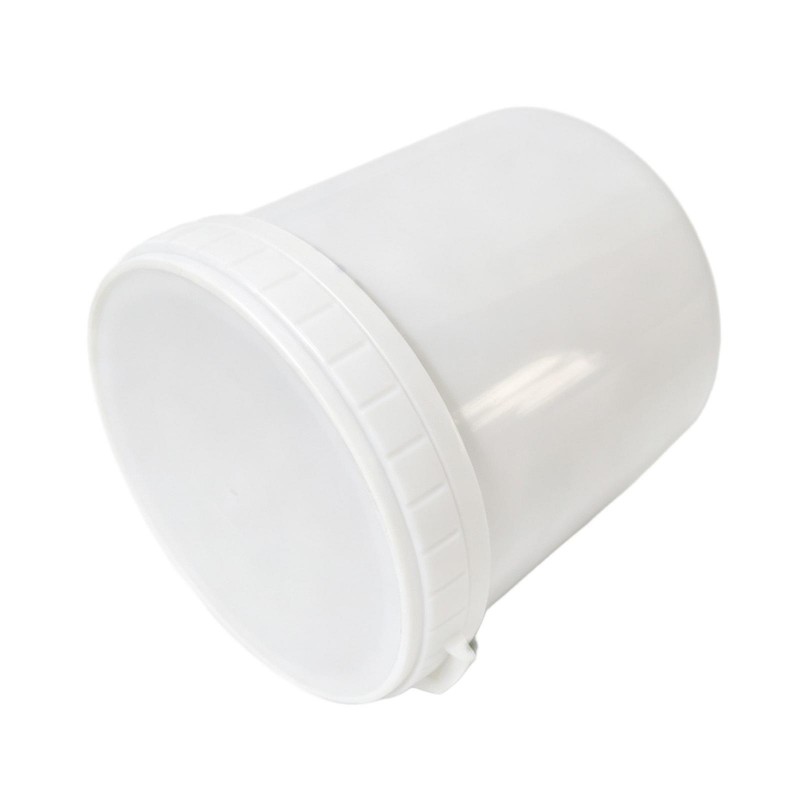
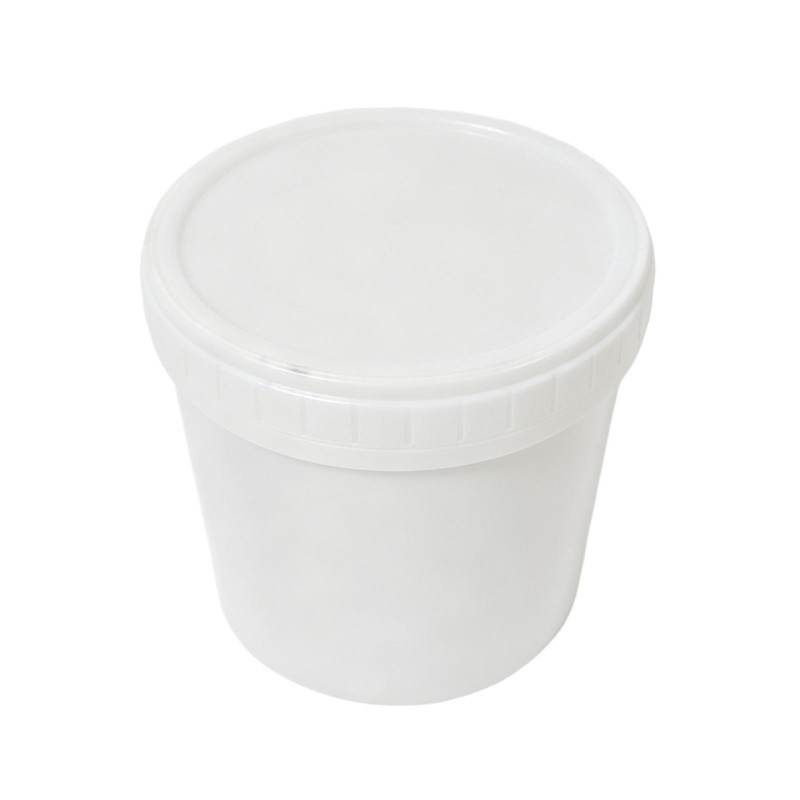
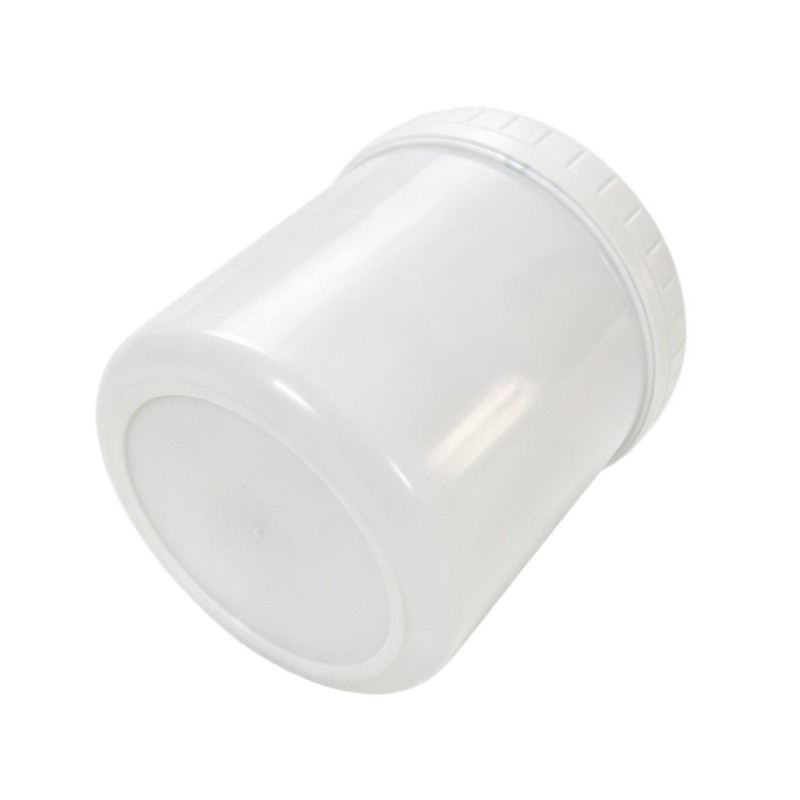
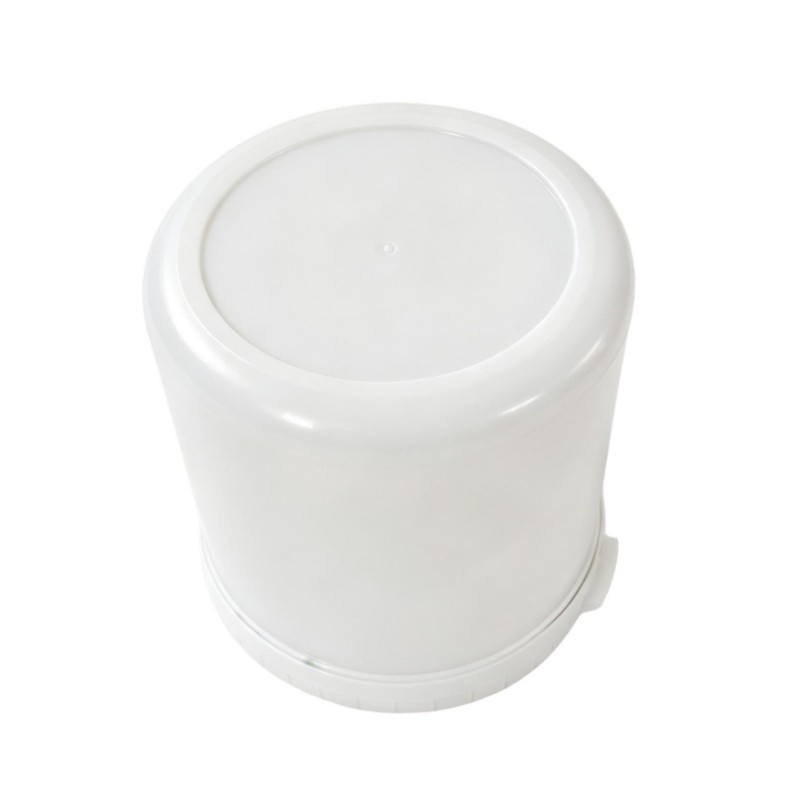
- Ingersoll Rand
- 47572166001 39218193
- High Temperature Grease
- USA
- 95 × 95 × 80 mm
- 0.40 kg
- Xiamen, China
- New & In Stock
- T/T, PayPal, Western Union
- 1 Year
- 1-3 Working Days
- DHL, UPS, TNT, FedEx and EMS.
- 24-Hour Service
- COO
- 13
Our advantage

Global Logistics
We have a 10-year logistics and express cooperation agreement, so our products can be shipped to any place in the world.

Brand new and original
Our products are imported in bulk from the place of origin. Because of the cooperative relationship, our products are all original and 100% new.

24-hour service
We provide 7*24 hours service to our customers. We will be there whenever you need us.

Price advantage
All our products are priced very favorably because we have our own warehouse and supply.
| Company Information | |||
| [email protected] | |||
| Mobile | +8615980777398 | ||
| +8615980777398 | |||
| 15980777398 |
Product Overview
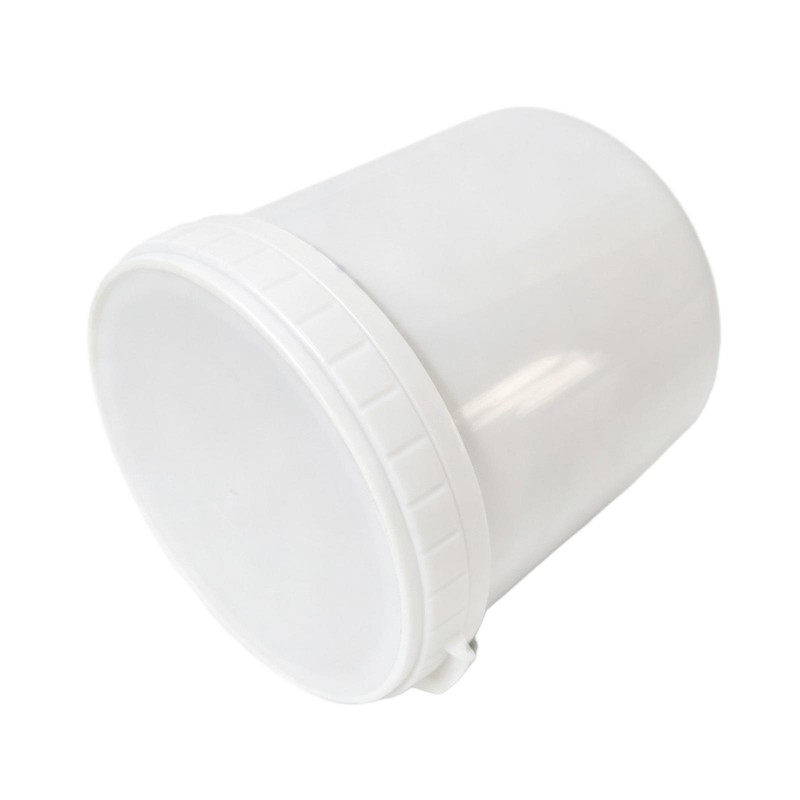
The Ingersoll Rand 47572166001 39218193 High Temperature Grease is a specialized maintenance lubricant associated with Ingersoll Rand industrial equipment. Unlike compressor oil, which circulates through the lubrication and cooling system of an oil-injected screw compressor, grease remains in the lubricated assembly and forms a protective film between contacting surfaces. Its suitability depends on the component being serviced, the operating temperature, and the lubrication requirements specified for that assembly.
In industrial equipment, grease is commonly used where components require localized lubrication rather than a continuous supply of circulating oil. Depending on the approved application, this can include bearings, mechanical interfaces, and other components exposed to friction and elevated operating temperatures. The lubricant helps limit direct metal-to-metal contact, reduce wear, and maintain smooth movement during repeated operating cycles.
Temperature is a particularly important consideration in compressor maintenance. Motors, bearings, and other rotating assemblies can generate heat during continuous operation. A lubricant that cannot tolerate the component’s actual operating conditions may soften excessively, oxidize, lose its consistency, or fail to maintain an adequate lubricating film. Selecting a suitable high-temperature grease therefore requires attention to the equipment manufacturer’s lubrication specification rather than temperature resistance alone.
The 39218193 part number identifies the grease for product selection and maintenance records. Before applying it, maintenance personnel should establish the intended lubrication point and confirm that the grease is compatible with the component, existing lubricant, seals, and operating conditions. Different greases are not automatically interchangeable, even when both are marketed for high-temperature service.
For facilities operating Ingersoll Rand compressed air equipment, correct lubricant selection is part of routine mechanical maintenance. Applying the specified grease in the appropriate quantity helps avoid over-lubrication, unnecessary heat generation, and premature component wear. The exact application, grease grade, and temperature limits should be established from the relevant equipment maintenance specification because these details cannot be determined from the part number alone.
Technical Specifications
| Parameter | Specification |
|---|---|
| Manufacturer | Ingersoll Rand |
| Model Reference | 47572166001 |
| Part Number | 39218193 |
| Product Type | High Temperature Grease |
| Product Category | Industrial Equipment Lubricant |
| Lubricant Form | Grease |
| Primary Function | Lubrication of approved mechanical components |
| Intended Purpose | Friction and wear control in compatible applications |
| Application Context | Ingersoll Rand equipment maintenance |
| Temperature Suitability | Intended for high-temperature lubrication applications; exact operating limits require confirmation |
| Lubrication Method | Localized grease application |
| Compatibility Requirement | Must match the equipment’s specified lubricant requirements |
| Dimensions | 95 × 95 × 80 mm |
| Weight | 0.40 kg |
Product Features
- High-temperature lubrication: Intended for lubrication applications where ordinary grease may not meet the required operating conditions.
- Friction control: Helps maintain a lubricating film between contacting mechanical surfaces when used in an approved application.
- Wear reduction: Limits direct surface contact and helps reduce mechanical wear during repeated movement or rotation.
- Localized lubricant retention: Grease remains around the lubricated area rather than circulating through the equipment like compressor oil.
- Maintenance-specific identification: The 39218193 part number supports lubricant identification and maintenance inventory control.
- Mechanical component protection: Helps reduce friction-related deterioration when the lubricant is correctly matched to the component.
- Service application flexibility: Can be used only at lubrication points for which this grease is specified.
- Temperature-related maintenance support: Helps address lubrication requirements in components exposed to elevated operating temperatures.
- Controlled application: Allows technicians to apply lubricant directly to the designated service point in the prescribed quantity.
- Equipment compatibility: Requires confirmation of the specified grease grade, material compatibility, and operating requirements before use.
Working Principle
High-temperature grease lubricates through a combination of base oil, thickener, and any formulation-specific additives. The base oil forms the lubricating film between contacting surfaces, while the thickener helps hold the oil within the grease structure and maintain the consistency needed for the intended application. The exact formulation of 39218193 should not be assumed without its technical data.
When a lubricated component starts moving, mechanical action distributes the grease across the contact area. The base oil contributes to reducing friction between the surfaces, while the grease structure helps retain lubricant around the application point. During operation, the lubricant must withstand the component’s temperature, load, movement, and surrounding environment.
Elevated temperature can accelerate lubricant oxidation and affect consistency. If a grease is unsuitable for the application, it may harden, soften excessively, separate, or lose its ability to maintain the required lubricating film. The resulting friction and wear can affect bearing operation, mechanical movement, and maintenance intervals.
The purpose of a high-temperature grease is therefore not simply to withstand heat. It must also maintain suitable lubrication characteristics under the actual conditions of the component. Temperature limits, consistency grade, base oil characteristics, and compatibility with seals and previously applied grease are all relevant selection factors.
During maintenance, the old grease should not automatically be mixed with the replacement product. Different thickener systems and formulations may be incompatible. Where a change of grease is required, the applicable service procedure should specify whether the old lubricant must be removed and how the new product should be applied.
Role in Ingersoll Rand Equipment Maintenance
The 39218193 High Temperature Grease is a maintenance lubricant rather than an electrical control component or a circulating compressor fluid. Its role depends on the specific assembly for which the grease is prescribed. Correct application supports the lubrication requirements of that component without changing the operating function of the compressor’s control or air treatment systems.
Equipment Identification → Lubrication Point Verification → Grease Compatibility Check → Controlled Application → Operating Condition Inspection
| Maintenance Element | Function |
|---|---|
| 39218193 High Temperature Grease | Supplies lubricant at approved grease application points |
| Lubricated Mechanical Component | Uses the lubricant to reduce friction and wear |
| Bearing Assembly, Where Specified | Supports rotating movement and requires a suitable lubrication regime |
| Seal Arrangement | Must be compatible with the selected lubricant |
| Existing Lubricant | Must be assessed before adding or changing grease |
| Maintenance Instructions | Define the correct application point, quantity, and service interval |
| Operating Temperature Monitoring | Helps identify conditions that may affect lubricant performance |
| Maintenance Records | Track lubricant use, service history, and recurring mechanical problems |
The grease should not be treated as a substitute for compressor lubricating oil or applied indiscriminately to every component in an Ingersoll Rand machine. The intended lubrication point and the equipment-specific lubricant requirement determine whether this product is appropriate.
Industrial Applications
| Application | Typical Use |
|---|---|
| Compressor Equipment Maintenance | Lubricating approved mechanical components in compatible Ingersoll Rand equipment |
| Electric Motor Maintenance | Supporting lubrication of components where the equipment specification calls for this grease |
| Rotating Machinery | Reducing friction at approved grease-lubricated interfaces |
| Industrial Production Lines | Supporting scheduled lubrication of compatible mechanical assemblies |
| Manufacturing Facilities | Maintaining lubrication practices for equipment exposed to elevated operating temperatures |
| Mechanical Service Workshops | Applying the specified grease during component servicing and reassembly |
| Plant Utility Equipment | Supporting maintenance of compatible equipment used in industrial utility systems |
| Continuous-Duty Installations | Maintaining lubrication at approved points subject to sustained operating conditions |
| Preventive Maintenance Programs | Replenishing or replacing grease according to the component’s service requirements |
| Equipment Overhaul | Applying the specified lubricant during approved mechanical assembly and maintenance procedures |
The application examples above describe general industrial lubrication contexts, not confirmation that every listed component or machine uses part number 39218193. The specific equipment documentation should determine the approved use.
Installation and Maintenance
- Verify the lubricant reference: Confirm that part number 39218193 is specified for the component being serviced before opening the container or applying grease.
- Identify the lubrication point: Locate the exact grease application point using the equipment maintenance instructions rather than assuming that all bearings or moving parts require the same lubricant.
- Review operating conditions: Check the component’s operating temperature, movement, load, and service environment against the lubricant requirements.
- Isolate the equipment: Stop the machine and follow the applicable isolation procedure before carrying out maintenance on moving or rotating components.
- Inspect the component: Check for unusual wear, discoloration, contamination, damaged seals, or other signs that may indicate a lubrication-related problem.
- Assess existing grease: Determine whether the existing lubricant is compatible with 39218193. Avoid mixing products when compatibility has not been established.
- Clean the application point: Remove dirt and contaminants from the grease fitting or designated application area to prevent foreign material from entering the lubricated assembly.
- Apply the specified quantity: Follow the equipment manufacturer’s lubrication instructions. Excessive grease can increase churning resistance and temperature in certain bearing arrangements.
- Check sealing surfaces: Inspect seals and surrounding interfaces for damage that could allow grease to escape or contaminants to enter.
- Observe the component after servicing: Where the maintenance procedure permits, check for abnormal noise, temperature rise, leakage, or unusual mechanical resistance after returning the equipment to service.
- Follow the required service interval: Use the specified maintenance schedule and adjust only where the equipment instructions permit consideration of actual operating conditions.
- Record lubricant usage: Document the part number, serviced component, date, and any observed condition to maintain a traceable lubrication history.
If a component continues to run hot or shows excessive wear after lubrication, investigate alignment, loading, bearing condition, contamination, and lubricant compatibility. Adding more grease without identifying the cause may worsen the problem.
Related Components
| Component | Function |
|---|---|
| Ingersoll Rand 39218193 | High-temperature grease for approved equipment lubrication applications |
| Electric Motor Bearing | Supports shaft rotation where a grease-lubricated arrangement is specified |
| Bearing Housing | Holds and supports the applicable bearing assembly |
| Shaft Assembly | Transfers rotational motion within the mechanical system |
| Mechanical Seals | Limit leakage at designated interfaces and require lubricant compatibility |
| Grease Fitting | Provides access for controlled lubricant application where fitted |
| Compressor Lubricating Oil | Supplies circulating lubrication and cooling in applicable compressor systems |
| Compressor Oil Filter | Removes contaminants from circulating compressor oil |
| Maintenance Service Kit | May contain service items required during a scheduled equipment overhaul |
| Equipment Lubrication Chart | Identifies approved lubricant types and application points |
Recommended Related Models
| Model / Product Reference | Product Type | Typical Application |
|---|---|---|
| Ingersoll Rand 39218193 | High Temperature Grease | Lubrication of specified Ingersoll Rand equipment components |
| Ingersoll Rand 47572166001 | Spare Part Reference | Product identification reference supplied with the item |
| Ingersoll Rand Rotary Screw Compressors | Industrial Air Compressors | Equipment maintenance where the specific lubrication requirement is confirmed |
| Ingersoll Rand Electric Motor Assemblies | Motor Assembly | Bearing lubrication only where the service specification calls for this grease |
| Ingersoll Rand Compressor Service Components | Maintenance Components | Routine inspection and servicing of compatible compressor equipment |
Key Advantages
- Supports lubrication of approved components exposed to elevated operating temperatures.
- Helps reduce friction and wear when correctly matched to the application.
- Allows localized lubrication without using the compressor’s circulating oil system.
- Supports planned maintenance and lubricant inventory identification.
- Helps maintain mechanical component condition when applied in the specified quantity.
- Provides a defined part number for maintenance documentation and replacement identification.
Technical FAQs
Can 39218193 High Temperature Grease be used on every bearing in an Ingersoll Rand compressor?
No. Bearing design, operating speed, load, temperature, sealing arrangement, and lubricant requirements vary between assemblies. Confirm that 39218193 is specified for the particular bearing before application.
What should be checked before replacing an existing grease with 39218193?
Check the existing grease type, thickener compatibility, base oil characteristics, operating temperature range, and component requirements. If compatibility cannot be established, follow the equipment’s lubricant-change procedure rather than mixing the products.
Can excessive grease cause a mechanical component to overheat?
Yes. In some bearing arrangements, excessive grease increases churning resistance and operating temperature. Apply the quantity specified for the component and investigate any abnormal temperature rise rather than adding more lubricant automatically.
How can maintenance personnel determine whether the grease remains suitable for service?
Inspect the component for abnormal noise, temperature rise, leakage, contamination, and signs of lubricant deterioration. Follow the prescribed relubrication interval and investigate recurring problems, since these symptoms may also indicate bearing damage, misalignment, or excessive loading.