

ProductPRODUCT
Featured products
Contact Us
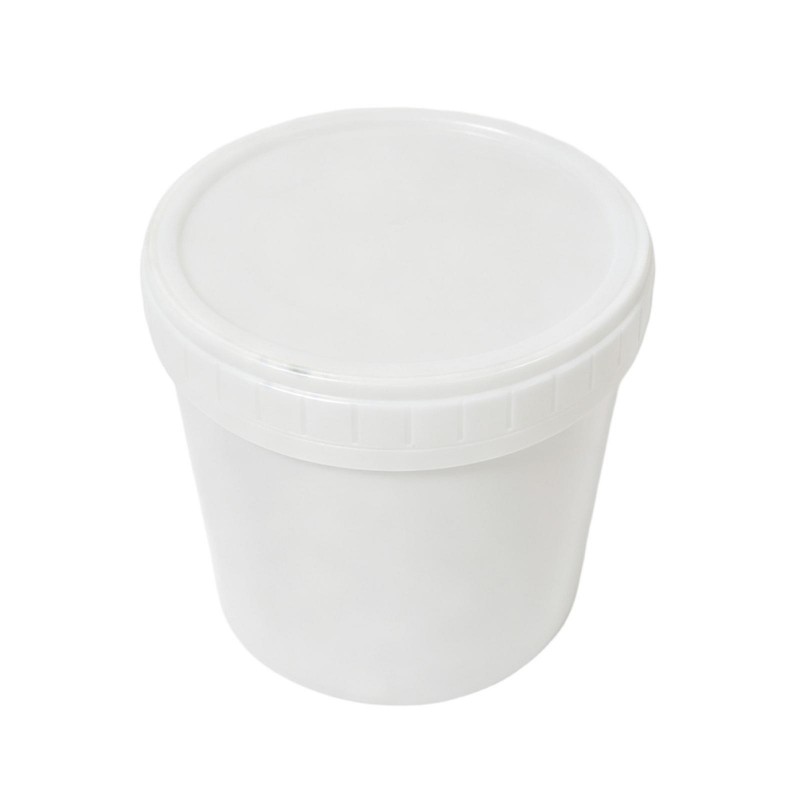
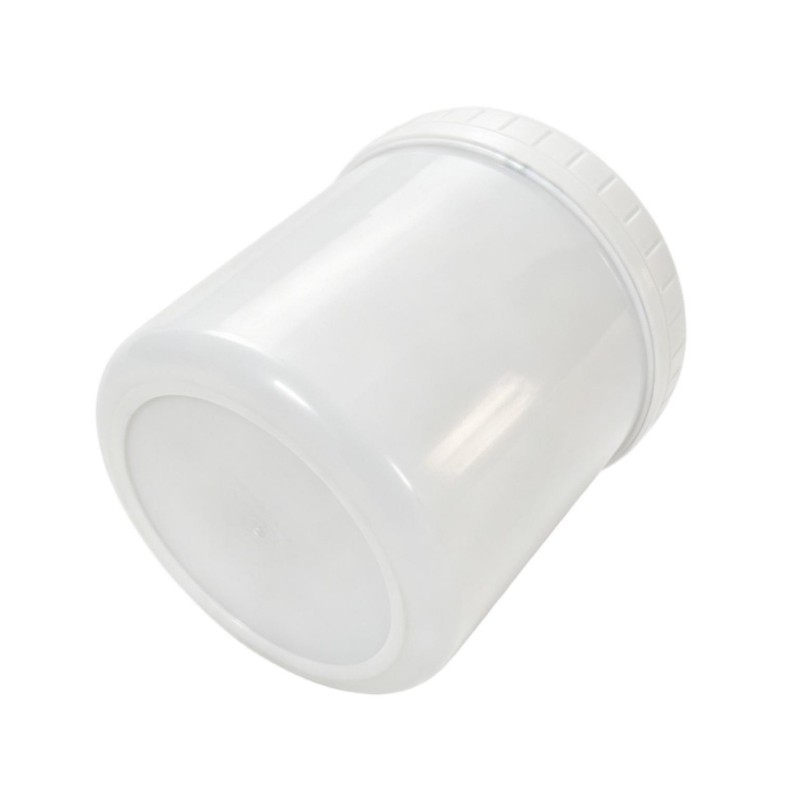
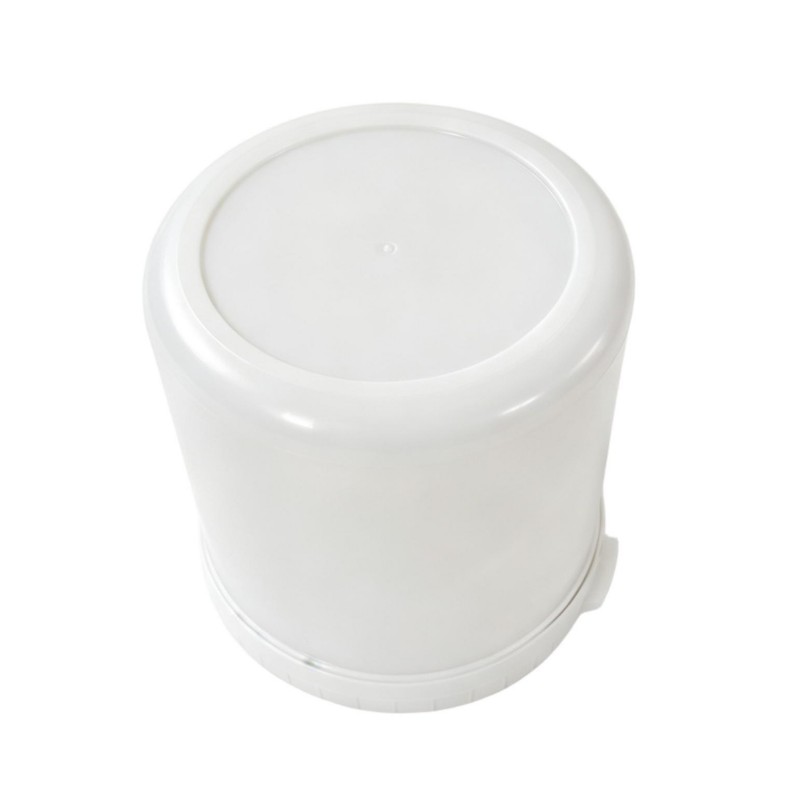
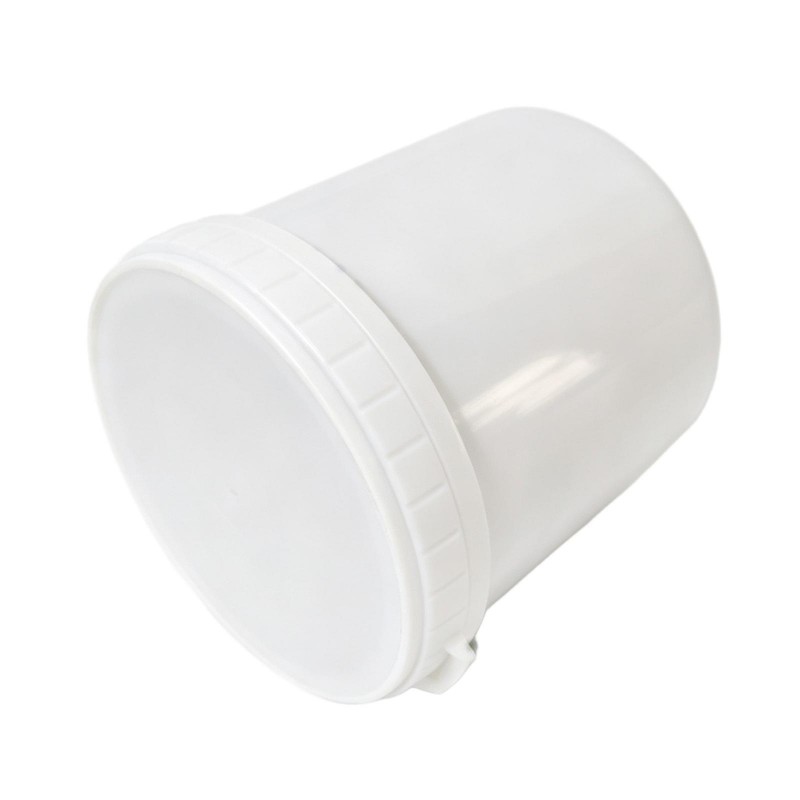
- Ingersoll Rand
- 47555212001 39218193
- High Temperature Grease
- USA
- 95 × 95 × 80 mm
- 0.40 kg
- Xiamen, China
- New & In Stock
- T/T, PayPal, Western Union
- 1 Year
- 1-3 Working Days
- DHL, UPS, TNT, FedEx and EMS.
- 24-Hour Service
- COO
- 6
Our advantage

Global Logistics
We have a 10-year logistics and express cooperation agreement, so our products can be shipped to any place in the world.

Brand new and original
Our products are imported in bulk from the place of origin. Because of the cooperative relationship, our products are all original and 100% new.

24-hour service
We provide 7*24 hours service to our customers. We will be there whenever you need us.

Price advantage
All our products are priced very favorably because we have our own warehouse and supply.
| Company Information | |||
| [email protected] | |||
| Mobile | +8615980777398 | ||
| +8615980777398 | |||
| 15980777398 |
Product Overview
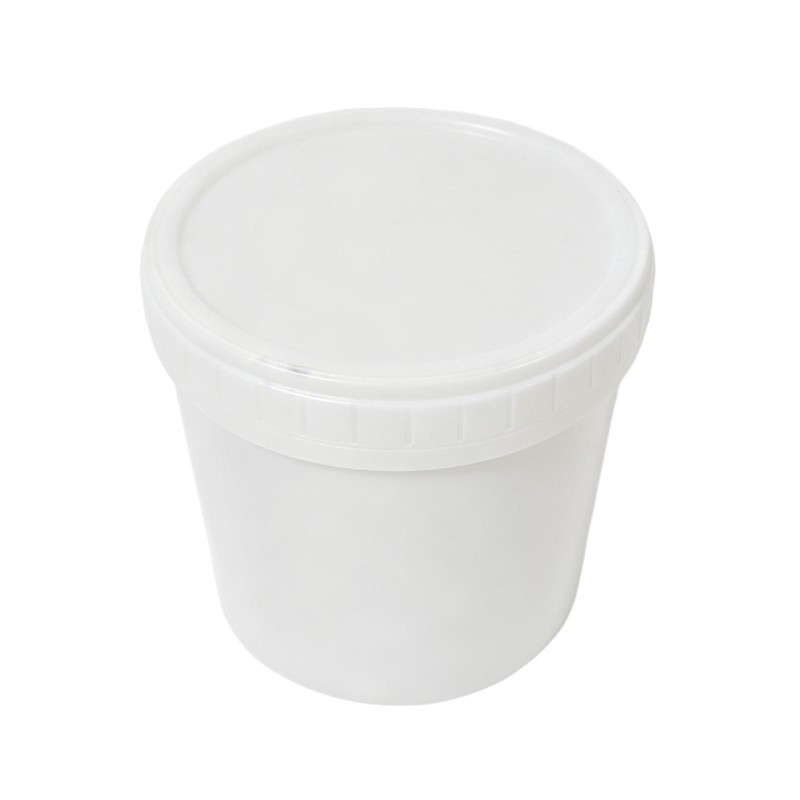
The Ingersoll Rand 39218193 High Temperature Grease is a genuine industrial lubrication product designed for maintenance applications associated with Ingersoll Rand equipment. Proper lubrication is an essential part of industrial compressor maintenance because it helps reduce friction, limit wear, and support the reliable operation of mechanical components exposed to demanding working conditions.
Industrial compressors operate with rotating assemblies, bearings, gears, and other mechanical components that may experience elevated temperatures and continuous operating loads. Selecting a lubricant appropriate for the application helps maintain a stable lubricating film between moving surfaces and reduces direct metal-to-metal contact.
Part number 39218193 is identified as high-temperature grease in Ingersoll Rand spare-parts listings. Some commercial product catalogs associate this part number with Mobilith SHC 220. However, lubricant formulation, packaging, and approved applications should be confirmed against the product label and the maintenance documentation for the specific compressor model.
Unlike compressor oil, which is commonly circulated through a compressor’s lubrication system, grease is generally applied to designated lubrication points such as specified bearings or mechanical assemblies. Grease must not be added indiscriminately to an oil reservoir or substituted for compressor oil unless the equipment manufacturer explicitly specifies that application.
The 39218193 grease is intended for maintenance and lubrication work where the correct grease specification is required. Its suitability depends on the component being lubricated, operating temperature, mechanical load, lubrication interval, and compatibility with the existing lubricant.
For industrial buyers, maintenance contractors, and spare-parts distributors, accurate part-number identification is important when sourcing this product. Using the correct lubricant helps maintain equipment reliability and supports consistent maintenance procedures.
Technical Specifications
| Parameter | Specification |
|---|---|
| Brand | Ingersoll Rand |
| Manufacturer | Ingersoll Rand |
| Part Number | 39218193 |
| Product Name | High Temperature Grease |
| Product Type | Industrial Lubricant / Grease |
| Application Category | Industrial equipment maintenance |
| Typical Purpose | Lubrication of manufacturer-approved components |
| Product Form | Grease |
| Dimensions Provided | 95 × 95 × 80 mm |
| Weight Provided | 0.40 kg |
| Packaging Details | Confirm with the supplied product |
| Lubricant Grade | Verify against the product label |
| Compatibility | Determined by the equipment model and lubrication specification |
| Storage Requirements | Follow the product label and applicable safety data sheet |
Note: The dimensions and weight are supplied listing parameters. Confirm the actual package size, net lubricant weight, and shipping weight before publishing logistics information. Do not assume that the part number alone establishes the grease grade, package capacity, or suitability for every Ingersoll Rand compressor.
Function and Working Principle
High-temperature grease performs several important functions in mechanical systems. Its main purpose is to provide lubrication at designated contact surfaces where an appropriate grease can remain in place and reduce friction during operation.
1. Friction Reduction
Moving mechanical components can experience friction as surfaces slide or roll against each other. Without suitable lubrication, friction may increase component temperatures and accelerate wear.
Grease forms a lubricating film between compatible surfaces. When the correct product is used at the specified lubrication point, this film helps reduce direct contact and supports smoother mechanical operation.
The effectiveness of lubrication depends on the component design, grease properties, operating speed, temperature, and applied load.
2. Wear Protection
Bearings and other mechanical components can experience gradual wear during repeated operation. Appropriate grease helps separate contacting surfaces and can reduce wear caused by friction.
For compressor maintenance, the lubricant must be selected according to the component manufacturer’s requirements. Using a grease with unsuitable consistency or additives may lead to inadequate lubrication or interfere with the component’s normal operation.
3. Performance Under Elevated Temperatures
High-temperature greases are formulated for lubrication conditions in which ordinary lubricants may not provide the required performance.
The actual temperature capability depends on the grease formulation and the component’s operating conditions. The term “high temperature” should not be treated as permission to use the grease at any temperature. The approved operating range and relubrication interval must be verified from the product documentation.
4. Lubricant Retention
Grease contains a thickener that helps hold the lubricating base fluid in a semisolid structure. This can make grease suitable for certain components where a lubricant needs to remain near the contact surfaces rather than circulate through an oil system.
The required consistency depends on the bearing or component design. Excessive grease application can increase churning, heat generation, and leakage, so maintenance personnel should follow the specified quantity.
5. Support for Equipment Reliability
Correct lubrication helps reduce avoidable wear and can contribute to longer component service life. It also supports planned maintenance by allowing technicians to replenish grease according to defined intervals and operating conditions.
Grease alone cannot compensate for damaged bearings, misalignment, excessive loads, contamination, or inadequate cooling. It should be used as part of a complete maintenance program.
Role in Industrial Compressor Systems
Ingersoll Rand equipment is used in a variety of industrial compressed-air applications. Depending on the compressor design and the approved lubrication points, a specified grease may support maintenance of associated mechanical components.
Bearing and Mechanical Component Lubrication
Certain industrial assemblies use grease-lubricated bearings or other designated components. Where the maintenance documentation specifies part number 39218193, the lubricant can be used according to the prescribed quantity and interval.
Technicians should identify the correct lubrication point before application. Not all compressor bearings are grease-lubricated, and some components use oil lubrication or sealed-for-life bearing arrangements.
Compressor Maintenance Programs
Preventive maintenance typically includes inspections, lubricant checks, filter replacement, cleaning, and component condition assessments. The correct grease may be one of the consumables required for specified maintenance procedures.
Using the correct part number helps reduce the risk of lubricant substitution errors and simplifies spare-parts management.
Maintenance Inventory Management
Industrial facilities often maintain lubricants and consumables for multiple machines. Identifying grease by its complete part number helps purchasing teams distinguish it from compressor oil, general-purpose grease, and other maintenance products.
For equipment fleets, records should include the lubricant part number, the applicable machine model, the lubrication point, and the required maintenance interval.
Industrial Applications
The Ingersoll Rand 39218193 high-temperature grease is relevant to approved lubrication tasks associated with industrial equipment. The exact application should be determined from the relevant equipment documentation.
1. Industrial Air Compressor Maintenance
Compressed-air systems may contain mechanical components that require scheduled lubrication. Where the manufacturer specifies this grease, it can form part of the maintenance materials used to support the prescribed lubrication procedure.
The compressor model and component requirements should be verified before use. Do not apply the grease to the main compressor oil circuit unless the manufacturer explicitly permits it.
2. Designated Bearings
Some bearings require grease to reduce friction and wear. A suitable high-temperature grease can help maintain lubrication under the operating conditions for which it was selected.
Before application, confirm the bearing type, grease compatibility, quantity, and relubrication interval. Overgreasing can be as problematic as insufficient lubrication.
3. Industrial Rotating Equipment
Rotating equipment may include shafts, bearings, couplings, and auxiliary assemblies that operate under continuous mechanical loads. Some of these components may require grease lubrication.
The 39218193 product should only be used where its specification matches the component manufacturer’s requirements. It should not be considered a universal lubricant for all rotating machinery.
4. Preventive Maintenance Operations
Maintenance teams may use specified greases during scheduled service, inspection, or component replacement. Correct lubricant selection helps maintain consistency between service intervals and equipment requirements.
For repeat maintenance, record the lubricant part number and quantity used so that future work can be completed using the same approved material.
5. Industrial Spare-Parts Supply
Equipment service companies, distributors, and industrial maintenance departments may stock the grease alongside other approved consumables. Maintaining clear part-number records helps simplify purchasing and reduces the risk of selecting an incorrect product.
Installation and Maintenance Guidelines
Although grease does not require electrical installation, correct handling and application are essential for equipment reliability and workplace safety.
1. Verify the Product Before Use
Check the label for the full part number, product name, packaging information, batch identification, and any specified storage or handling instructions.
Confirm that the grease is the product required by the compressor or component maintenance manual. If the container label does not clearly establish the lubricant grade, obtain confirmation before applying it.
2. Identify the Correct Lubrication Point
Consult the maintenance manual for the specific machine model and serial number. Locate the designated grease fitting or component and confirm the required quantity.
Never assume that every bearing, shaft, or compressor assembly uses the same grease. Certain components may require different lubricants or may be permanently lubricated.
3. Prevent Contamination
Grease can be contaminated by dust, water, metal particles, and residues from other lubricants. Contamination may reduce lubrication effectiveness and contribute to component damage.
Keep the container closed when not in use. Clean the grease fitting and surrounding area before application, and use clean dispensing tools dedicated to the correct lubricant.
Avoid mixing different grease products unless their compatibility has been confirmed. Incompatible greases can experience changes in consistency or performance.
4. Apply the Correct Quantity
Follow the manufacturer’s specified grease quantity and relubrication interval. Do not assume that adding more grease provides better protection.
Overfilling a bearing housing can increase frictional heating and cause grease leakage. Insufficient lubrication may allow excessive wear or premature component failure.
5. Observe Equipment Safety Procedures
Before maintenance, stop the equipment and follow the required isolation and lockout procedures. Depressurize compressed-air systems where required and verify that the machine is safe to service.
Use suitable personal protective equipment and follow the product safety data sheet. Avoid skin or eye contact, and clean spills promptly to prevent slip hazards.
6. Store the Grease Correctly
Store the product in its original, properly closed container under the conditions specified by the manufacturer. Protect it from contamination, excessive heat, moisture, and direct environmental exposure.
Check the label for shelf-life information and inspect the product before use. Do not use grease that has been contaminated or shows signs of deterioration.
Compatible System Components and Maintenance Materials
The 39218193 grease is a consumable rather than an electronic control module. Its compatibility is determined by the lubrication requirements of the mechanical component and the equipment manufacturer.
| Component or Material | Role | Compatibility Considerations |
|---|---|---|
| Ingersoll Rand compressor | Main equipment being maintained | Confirm the exact model and approved lubricant specification |
| Grease-lubricated bearing | Mechanical component requiring lubrication | Verify grease grade, quantity, and relubrication interval |
| Grease fitting | Provides access to a designated lubrication point | Confirm that the fitting is intended for grease application |
| Grease gun or dispenser | Applies the lubricant | Use clean equipment suitable for the product package |
| Compressor oil | Lubricates designated oil-circuit components | Do not substitute grease for compressor oil |
| Air filter | Removes contaminants from incoming air | Maintain according to the compressor service schedule |
| Oil filter | Removes contaminants from circulating oil | Use the correct filter for the equipment model |
| Air-oil separator | Separates oil from compressed air in applicable compressors | Replace according to the approved maintenance procedure |
| Maintenance manual | Defines lubrication and service requirements | Use the manual matching the machine model and serial number |
| Safety data sheet | Provides handling and safety information | Follow the instructions for the exact grease product |
These items are examples of materials and components that may be involved in a compressor maintenance program. They are not necessarily supplied with part number 39218193.
Alternative Products and Replacement Considerations
Selecting an alternative grease requires more than matching the words “high temperature grease.” Lubricants can differ in base oil, thickener chemistry, consistency, additives, temperature range, and compatibility with seals and other materials.
| Replacement Option | Considerations |
|---|---|
| Genuine Ingersoll Rand 39218193 | Preferred when explicitly specified by the equipment maintenance documentation |
| Manufacturer-approved equivalent grease | Use only when the equipment manufacturer or authorized technical documentation confirms compatibility |
| Mobilith SHC 220 | Some commercial catalogs associate this product with part number 39218193; verify the current formulation, package, and application before substitution |
| Other industrial high-temperature grease | Requires confirmation of grease consistency, base oil, thickener compatibility, temperature range, and load characteristics |
| General-purpose bearing grease | Should not be substituted solely because it is suitable for bearings; verify the full specification first |
Before choosing an alternative, compare the following:
- Base oil type and viscosity.
- Thickener chemistry and grease consistency.
- Permitted operating temperature range.
- Load-carrying and wear-protection requirements.
- Water resistance and oxidation stability, where relevant.
- Compatibility with seals and existing lubricant.
- Approved application and maintenance interval.
- Packaging size and dispensing requirements.
If the original grease specification cannot be confirmed, contact the equipment supplier or consult the maintenance documentation before substitution.
Key Advantages
Application-Specific Lubrication
The product is identified as an Ingersoll Rand high-temperature grease, making its complete part number useful for maintenance planning and spare-parts identification.
Friction and Wear Management
When used at an approved lubrication point, suitable grease helps reduce friction and wear between moving mechanical surfaces.
Support for Preventive Maintenance
A correctly specified grease can be incorporated into scheduled maintenance procedures to help maintain the condition of designated components.
Industrial Maintenance Compatibility
The product can be managed as part of a compressor maintenance inventory, alongside other approved filters, lubricants, and service materials.
Traceable Part-Number Identification
Using the full 39218193 part number helps purchasing and maintenance teams reduce confusion between different grease grades and packages.
Better Lubrication Control
Recording the lubricant used, quantity applied, and service date supports repeatable maintenance and troubleshooting.
Technical FAQs
1. What is Ingersoll Rand 39218193?
It is a high-temperature grease listed as an Ingersoll Rand spare part for industrial equipment maintenance.
2. What is the primary purpose of this grease?
Its purpose is to lubricate designated mechanical components where the specified grease is approved, helping reduce friction and wear.
3. Is 39218193 suitable for every Ingersoll Rand compressor?
No. Compatibility depends on the compressor model and the lubrication requirements of the component being serviced. Consult the correct maintenance manual before use.
4. Is this product the same as Mobilith SHC 220?
Some commercial catalogs associate Ingersoll Rand part number 39218193 with Mobilith SHC 220. Confirm the actual container label and current product documentation before treating the products as interchangeable.
5. Can this grease replace compressor oil?
No, not unless the equipment manufacturer explicitly specifies that use. Grease and compressor oil have different physical properties and are used in different lubrication arrangements.
6. Can it be mixed with another grease?
Do not mix it with another grease unless compatibility has been confirmed. Differences in thickener chemistry and formulation can affect consistency and lubrication performance.
7. How often should the grease be applied?
The interval depends on the specific component, operating temperature, load, and equipment design. Follow the maintenance manual for the machine being serviced.
8. What are the listed dimensions and weight?
The supplied product listing specifies dimensions of 95 × 95 × 80 mm and a weight of 0.40 kg. Confirm whether these refer to the product container, net grease, or shipping package.
9. How should the product be stored?
Keep it in its original closed container and follow the label’s temperature, storage, shelf-life, and handling requirements. Prevent contamination from dust, moisture, and other lubricants.
10. What should buyers check before ordering?
Verify the full part number, product name, container label, package size, condition, and compatibility with the intended equipment. For critical maintenance work, request confirmation of the product grade and authenticity.
Procurement and Maintenance Recommendations
When purchasing Ingersoll Rand 39218193 high-temperature grease, use the complete part number to identify the product and confirm the intended application before ordering. Similar grease products may differ significantly in their formulation and suitability for particular mechanical components.
For industrial maintenance departments, it is useful to maintain a lubrication register that records each machine, lubrication point, approved grease, quantity, and service interval. This reduces uncertainty during routine maintenance and helps prevent incompatible lubricant substitutions.
When receiving the product, inspect the packaging for damage, contamination, missing labels, or signs of improper storage. Confirm the listed dimensions and weight against the actual package when calculating freight or warehouse requirements.
During maintenance, use clean tools, follow the prescribed application quantity, and record the service date. If abnormal bearing temperature, noise, vibration, or grease leakage is observed, investigate the underlying mechanical condition instead of relying on additional grease alone.
For older compressor installations, the equipment model and serial number can be important when confirming maintenance requirements. Use documentation that matches the specific machine configuration, especially when the original parts catalog or lubricant specification has been revised.
Conclusion
The Ingersoll Rand 39218193 High Temperature Grease is an industrial lubrication product identified for use in approved equipment maintenance applications. Correct lubricant selection and application help manage friction and wear, support preventive maintenance, and contribute to reliable operation of designated mechanical components.
For procurement and maintenance purposes, verify the part number, product label, lubricant specification, package details, and compatibility with the exact equipment model. Following the manufacturer’s lubrication instructions is essential for obtaining the intended performance and avoiding damage caused by incorrect lubricant selection or application.