

ProductPRODUCT
Featured products



Contact Us
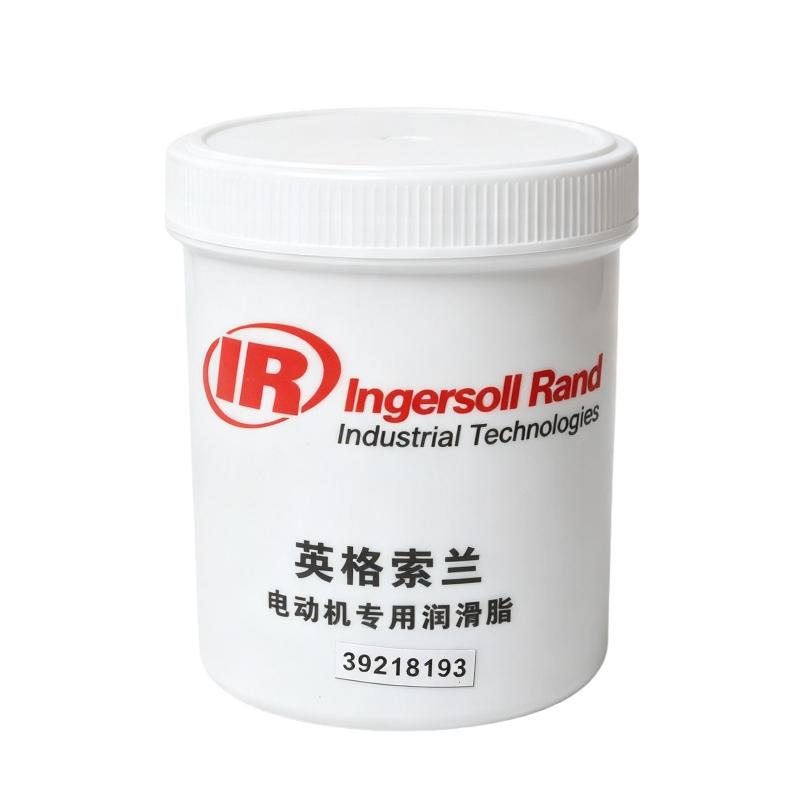
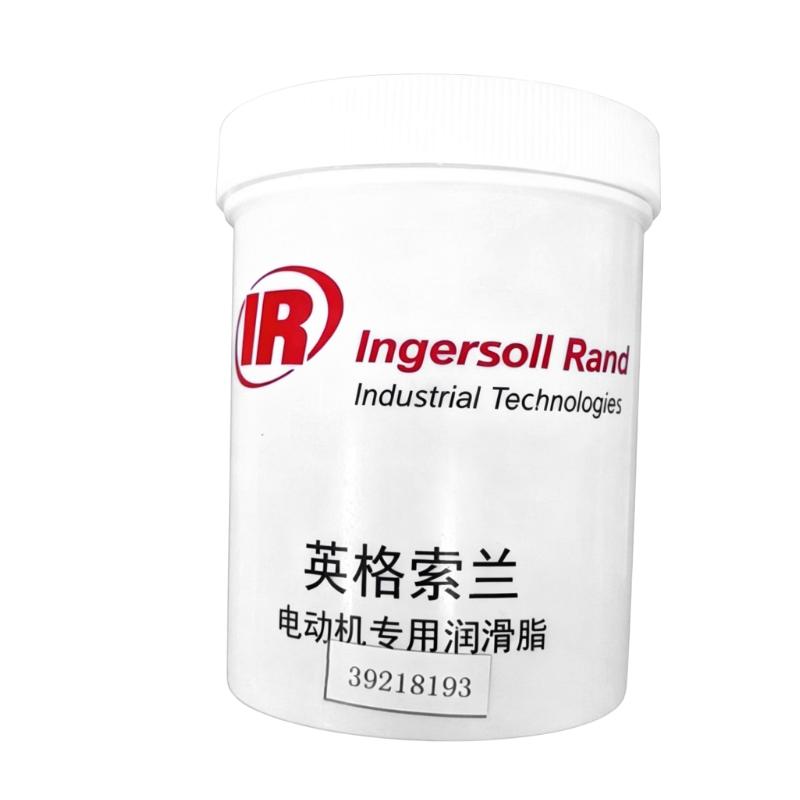
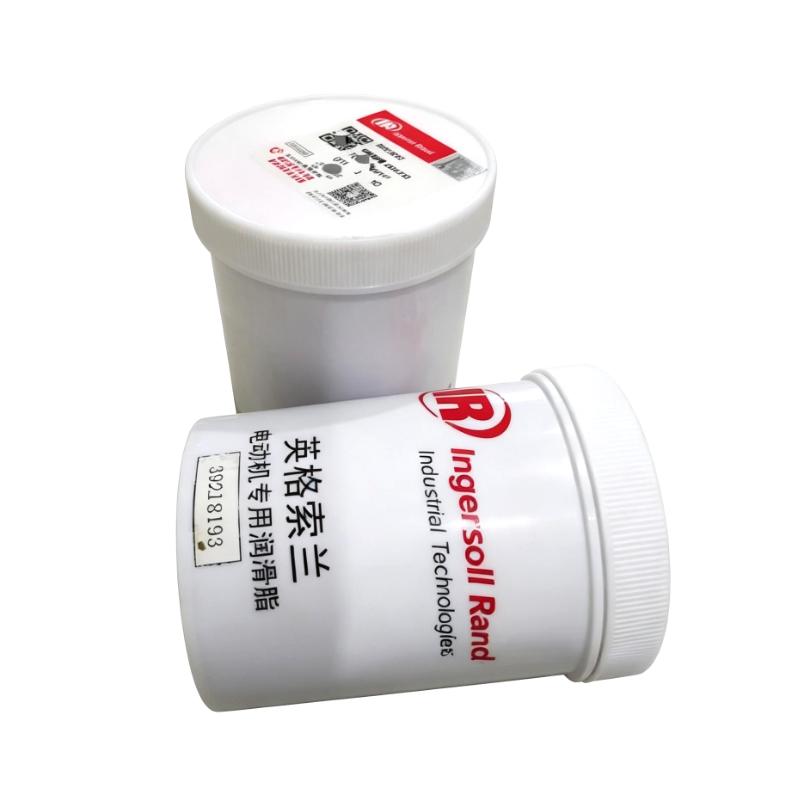
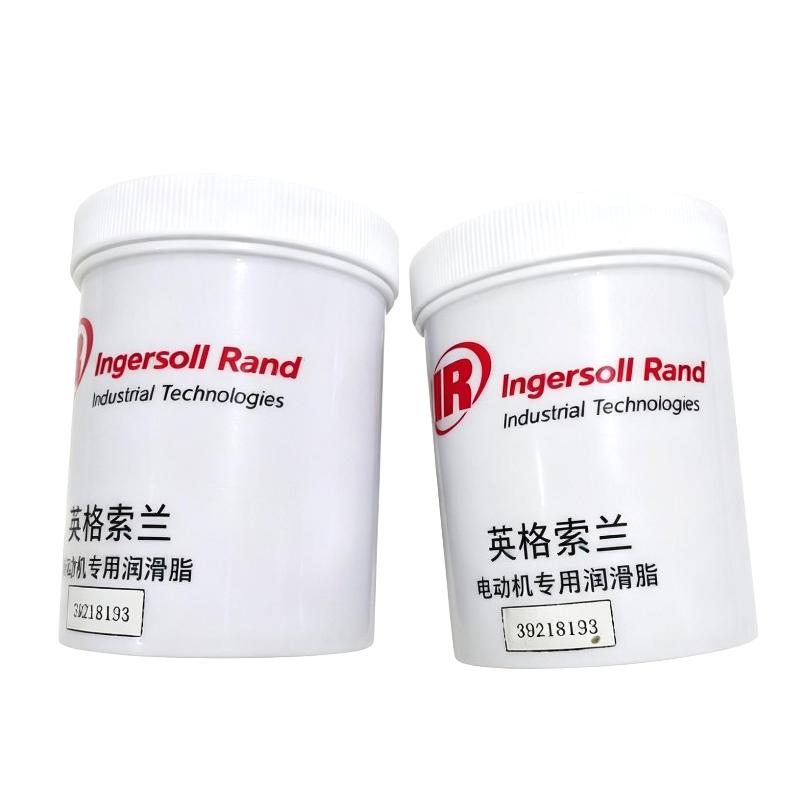
- Ingersoll Rand
- 47545141001 39218193
- High Temperature Grease
- USA
- 95 × 95 × 80 mm
- 0.40 kg
- Xiamen, China
- New & In Stock
- T/T, PayPal, Western Union
- 1 Year
- 1-3 Working Days
- DHL, UPS, TNT, FedEx and EMS.
- 24-Hour Service
- COO
- 20
Our advantage

Global Logistics
We have a 10-year logistics and express cooperation agreement, so our products can be shipped to any place in the world.

Brand new and original
Our products are imported in bulk from the place of origin. Because of the cooperative relationship, our products are all original and 100% new.

24-hour service
We provide 7*24 hours service to our customers. We will be there whenever you need us.

Price advantage
All our products are priced very favorably because we have our own warehouse and supply.
| Company Information | |||
| [email protected] | |||
| Mobile | +8615980777398 | ||
| +8615980777398 | |||
| 15980777398 |
Product Overview
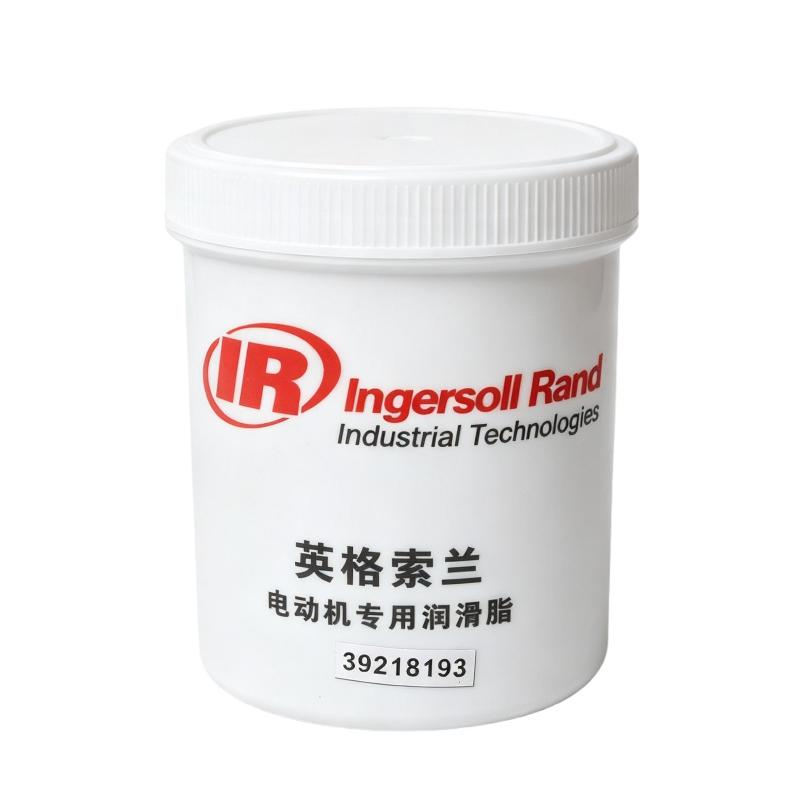
The Ingersoll Rand 47545141001 39218193 High Temperature Grease is an industrial maintenance lubricant identified by the part numbers 47545141001 and 39218193. High-temperature grease is used in specified lubrication points where ordinary lubricants may not maintain suitable performance under elevated operating temperatures. For compressor maintenance, the correct grease helps maintain lubrication at designated contact surfaces and supports the service requirements of the associated equipment.
During an overhaul or scheduled service, maintenance technicians may need to replenish lubricant in components exposed to friction, heat, and continuous operation. Using the specified grease matters because lubricant compatibility, temperature limits, consistency, and application method can affect component wear and service life. The product should be matched to the equipment’s lubrication requirements rather than selected solely because it is labeled for high-temperature use.
The two part numbers are useful when identifying the required maintenance material, updating spare-parts records, or preparing a service kit. Before application, technicians should confirm the intended lubrication point, required quantity, and compatibility with existing grease and component materials.
Technical Specifications
| Parameter | Specification |
|---|---|
| Manufacturer | Ingersoll Rand |
| Part Number | 47545141001 |
| Alternate Part Number | 39218193 |
| Product Type | High Temperature Grease |
| Product Category | Industrial Lubricant |
| Primary Function | Lubrication of specified equipment components |
| Lubrication Purpose | Reduce friction and support wear control at designated lubrication points |
| Intended Environment | Applications involving elevated operating temperatures, subject to product specifications |
| Equipment Application | Compatible Ingersoll Rand equipment requiring this grease |
| Application Method | According to the equipment’s lubrication procedure |
| Maintenance Use | Scheduled servicing and approved lubrication work |
| Compatibility Requirement | Must match the equipment’s lubricant and material requirements |
| Storage Consideration | Follow the product’s specified storage and handling conditions |
| Dimensions | 95 × 95 × 80 mm |
| Weight | 0.40 kg |
Product Features
- High-temperature lubrication: Intended for lubrication applications where elevated temperatures are a relevant operating consideration.
- Equipment-specific part identification: The 47545141001 and 39218193 references help distinguish the required lubricant during service planning and inventory management.
- Support for friction and wear control: Appropriate lubrication helps reduce direct contact and wear at designated moving or contacting surfaces.
- Scheduled maintenance use: Can be incorporated into service procedures where this grease is specified for the equipment.
- Lubrication compatibility considerations: Selection can account for operating temperature, component materials, existing lubricant, and the intended lubrication point.
- Maintenance inventory management: Clear part identification helps technicians prepare the correct consumables before beginning service work.
- Application-specific use: The grease should be applied only to components and locations for which its specifications are suitable.
Working Principle
Grease forms a lubricating layer between contacting surfaces. Its base oil helps reduce friction, while the thickener holds the lubricant in place and supports its retention at the application point. Under suitable operating conditions, this lubricating layer helps limit metal-to-metal contact and associated wear.
In industrial equipment, elevated temperature can change lubricant behavior. The selected grease must retain appropriate lubricating properties within the intended operating range and remain compatible with the component materials and the equipment’s lubrication method. The term “high temperature” alone does not establish a specific maximum operating temperature or confirm suitability for every hot-running component.
During servicing, technicians apply the specified quantity to the designated lubrication point and follow the relevant maintenance procedure. Too little grease may leave a contact surface inadequately lubricated, while excessive application can cause unwanted buildup, leakage, or other problems depending on the component design.
The grease does not cool equipment or correct mechanical misalignment. Its function is lubrication. Abnormal temperature, noise, or wear should therefore be investigated alongside lubricant condition, application quantity, component loading, and the mechanical condition of the assembly.
Role in an Industrial Equipment Maintenance System
| Maintenance Element | Function | Relationship to High Temperature Grease |
|---|---|---|
| Lubrication Point | Identifies the component location requiring lubricant. | Determines where the grease should be applied. |
| Moving or Contacting Surfaces | Experience friction during equipment operation. | Receive a lubricating layer that helps control friction and wear. |
| Equipment Maintenance Procedure | Defines servicing tasks and lubrication requirements. | Specifies the appropriate lubricant, application point, and quantity. |
| Temperature Monitoring | Helps identify abnormal operating conditions. | Provides context for checking whether the lubrication conditions remain within the intended range. |
| Component Inspection | Evaluates wear, contamination, leakage, or damage. | Helps determine whether lubrication issues may be contributing to a mechanical problem. |
| Maintenance Inventory | Tracks consumables and replacement materials. | Uses the part numbers to identify the required grease for planned service. |
The grease is a maintenance consumable, not a control-system component. It does not perform sensing, switching, pressure regulation, or controller logic. Its contribution is to the mechanical maintenance of equipment components for which this lubricant is specified.
Industrial Applications
| Application | Typical Use |
|---|---|
| Compressor Maintenance | Lubricating specified components during scheduled service where this grease is required. |
| Industrial Equipment Overhaul | Replenishing lubricant at approved lubrication points during disassembly and reassembly. |
| High-Temperature Machinery | Supporting lubrication where component operating temperatures require a suitable high-temperature grease. |
| Preventive Maintenance | Replacing or replenishing lubricant according to the equipment’s maintenance schedule. |
| Mechanical Component Servicing | Applying grease to designated contact surfaces where the lubricant specification is compatible. |
| Industrial Service Workshops | Maintaining the correct lubricant inventory for equipment-specific repair and servicing tasks. |
| Replacement-Part Preparation | Including the specified grease in a planned maintenance job when required by the procedure. |
Installation and Maintenance
- Verify the part identification: Confirm the references 47545141001 and 39218193 against the required maintenance material before use.
- Check the lubrication specification: Make sure the grease matches the intended equipment and lubrication point.
- Identify the application location: Use the equipment maintenance procedure to determine exactly where the grease is required.
- Review temperature requirements: Confirm that the lubricant is suitable for the component’s expected operating temperature.
- Inspect the component before application: Check for abnormal wear, contamination, corrosion, or damage that may require attention before lubrication.
- Clean the application area: Prevent dirt, metal particles, and other contaminants from entering the lubrication point.
- Check lubricant compatibility: Avoid mixing this grease with existing lubricant unless compatibility has been established for the application.
- Apply the specified quantity: Follow the equipment’s lubrication instructions rather than applying grease by visual judgment alone.
- Use clean application tools: Keep dispensing equipment and containers free from contamination.
- Avoid excessive application: Do not overfill bearings, housings, or other lubrication points where excess grease can cause operating problems.
- Inspect after servicing: Check for incorrect application, leakage, displaced seals, or other visible issues before returning the equipment to service.
- Record the maintenance work: Document the lubricant identification, serviced component, application date, and any observed mechanical issues.
Related Components
| Component | Function | Relationship to High Temperature Grease |
|---|---|---|
| Bearings | Support rotating or moving shafts and manage mechanical loads. | May require a specified grease where the bearing design and lubricant requirements are compatible. |
| Rotating Shafts | Transfer rotational motion within machinery. | Adjacent bearing or contact components may have lubrication requirements defined by the equipment design. |
| Mechanical Seals | Limit leakage between stationary and moving components. | Grease compatibility with seal materials must be established before application. |
| Lubrication Fittings | Provide access for grease application. | Direct grease to designated lubrication points where fitted. |
| Grease Gun or Dispenser | Delivers a controlled quantity of lubricant. | Helps apply grease according to the required servicing procedure. |
| Compressor Service Kit | Groups parts and consumables for a specified maintenance task. | May include lubricant when required by the applicable service procedure. |
| Temperature Monitoring Device | Measures component or equipment temperature. | Helps maintenance personnel assess operating conditions relevant to lubricant suitability. |
| Maintenance Inspection Records | Document service actions and observed equipment condition. | Help track lubricant changes, recurring issues, and planned service intervals. |
Recommended Related Models
| Model or Product Family | Product Type | Application Relationship |
|---|---|---|
| Ingersoll Rand 47545141001 | High Temperature Grease | Primary part reference for identifying the specified lubricant. |
| Ingersoll Rand 39218193 | High Temperature Grease Part Number | Alternate identifier associated with the specified grease. |
| Ingersoll Rand Compressor Lubricants | Equipment Lubricants | Relevant when reviewing lubricant requirements for compatible compressor equipment. |
| Ingersoll Rand Compressor Service Kits | Maintenance Kits | May be appropriate when the applicable kit includes the lubricant required for the service task. |
| Ingersoll Rand Lubrication Components | Lubrication Accessories | Related maintenance items used to apply or manage lubricant where required by the equipment design. |
Key Advantages
- Targeted lubrication: Supports friction and wear control at designated lubrication points.
- High-temperature application focus: Relevant to equipment locations where elevated operating temperatures affect lubricant selection.
- Clear part identification: The two identifiers support maintenance planning and consumable inventory control.
- Service procedure integration: Can be included in scheduled lubrication and overhaul work where specified.
- Controlled application: Following the correct quantity and method helps avoid under-lubrication and excessive grease buildup.
Technical FAQs
1. What is the Ingersoll Rand 47545141001 39218193 High Temperature Grease used for?
It is an industrial lubricant intended for specified equipment applications requiring high-temperature grease. The actual lubrication points and operating limits depend on the associated equipment’s requirements.
2. Can this grease be used on every hot-running compressor component?
No. A high-temperature designation does not guarantee compatibility with every bearing, seal, gear, or other mechanical component. The lubricant must match the component’s specification, operating conditions, and material requirements.
3. Is it safe to mix this grease with another industrial grease?
Compatibility should not be assumed. Different greases may use different base oils and thickeners, and mixing incompatible products can affect lubrication performance. Follow the equipment’s lubricant-change procedure when changing products.
4. What problems can result from applying too much grease?
Excessive grease can cause leakage, unwanted buildup, increased churning in some bearing arrangements, or other operating issues depending on the component design. Apply the quantity specified for the particular lubrication point and investigate abnormal temperature or noise rather than adding more grease automatically.