
NewsNEWCENTER
Featured products


Contact Us
Honeywell Experion Automation Platform Advances Industrial AI and DCS Modernization for Next Generation Process Control
2026-07-09The global process industry is entering a new stage of digital transformation as companies seek more intelligent, reliable, and efficient automation systems. Industries such as oil and gas, chemicals, refining, power generation, and manufacturing are increasingly upgrading traditional control systems to improve operational performance, safety, and sustainability.
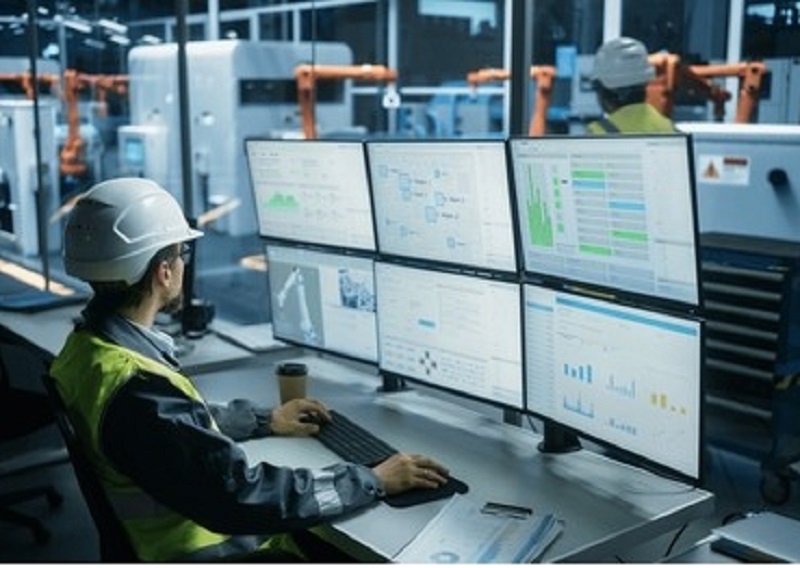
Honeywell, one of the world’s leading industrial automation technology providers, continues to develop its Experion automation platform by combining distributed control system capabilities with advanced software, data analytics, and industrial artificial intelligence technologies.
The development of intelligent DCS solutions represents a major change in how industrial plants operate. Traditional distributed control systems were mainly designed for monitoring and controlling production processes. Modern DCS platforms are becoming more intelligent by integrating operational data, advanced analytics, predictive maintenance, and digital optimization tools.
For process industries, this transformation provides opportunities to improve plant reliability, reduce downtime, and increase production efficiency.
The evolution of Honeywell Experion reflects a broader industry trend: automation systems are moving from simple control platforms toward intelligent operational management systems.
The Importance of DCS Modernization in Process Industries
Distributed Control Systems have been the foundation of large-scale industrial operations for decades.
DCS platforms are widely used in industries where continuous and stable operation is essential, including:
- Oil and gas production
- Petrochemical processing
- Chemical manufacturing
- Power plants
- Pharmaceutical production
- Water and wastewater treatment
A traditional DCS system provides essential functions such as:
- Process monitoring
- Control loop management
- Alarm handling
- Operator interface
- Equipment supervision
These functions remain critical, but modern industrial requirements have expanded.
Today’s manufacturers need automation systems that can provide:
- Real-time operational visibility
- Predictive equipment analysis
- Improved energy efficiency
- Faster decision-making
- Better integration with enterprise systems
As a result, many companies are investing in DCS modernization projects to upgrade existing facilities.
Modernization does not always mean replacing an entire control system. Many plants choose phased upgrades that improve system capability while maintaining stable production.
Honeywell Experion Platform Supports Advanced Industrial Operations
Honeywell Experion is designed as a comprehensive automation platform for process industries.
The system combines traditional DCS functions with modern digital capabilities to support complex industrial operations.
Key areas supported by modern automation platforms include:
- Process control
- Operator visualization
- Asset monitoring
- Industrial data management
- Engineering configuration
- Production optimization
For large industrial facilities, reliable automation is essential because even small operational problems can result in significant production losses.
A modern DCS platform helps operators understand plant conditions more clearly by providing improved information about:
- Equipment performance
- Process conditions
- Production efficiency
- Potential operational risks
This allows plant teams to make faster and more accurate decisions.
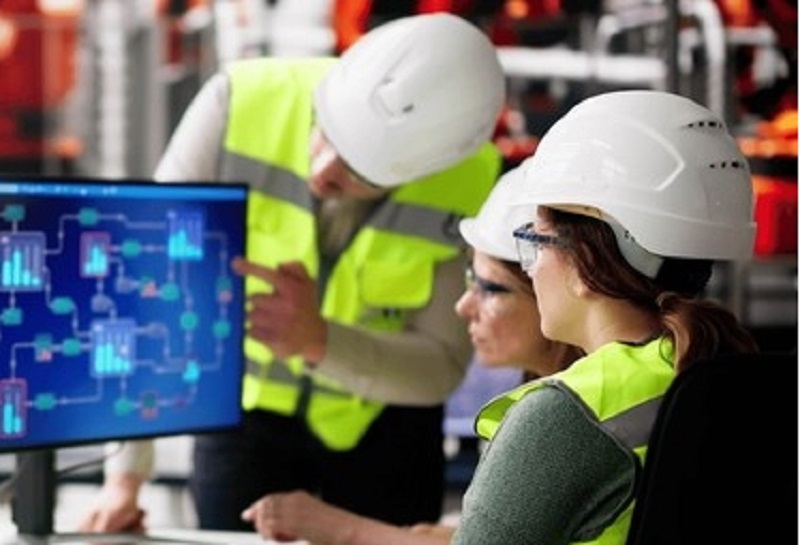
Industrial AI Brings New Capabilities to DCS Systems
Artificial intelligence is becoming an important technology in industrial automation.
Traditional control systems operate according to programmed logic and predefined parameters.
Industrial AI adds another layer of intelligence by analyzing large amounts of operational information and identifying patterns that may not be visible through traditional monitoring methods.
In process industries, AI technologies can support:
- Predictive maintenance
- Process optimization
- Equipment performance analysis
- Energy efficiency improvement
- Production quality management
For example, an AI-supported automation system can analyze historical operating data and identify conditions that may indicate future equipment problems.
Instead of waiting for equipment failure, maintenance teams can take preventive actions earlier.
This approach helps companies reduce unexpected shutdowns and improve asset reliability.
Improving Plant Efficiency Through Data-Driven Automation
Modern industrial facilities generate enormous amounts of operational data every day.
Data comes from many sources:
- Sensors
- Control valves
- Motors
- Pumps
- Compressors
- PLC systems
- DCS controllers
- Safety systems
Previously, much of this information was mainly used for monitoring.
Today, industrial companies are using data analytics and intelligent software to create additional value.
Data-driven automation can help companies:
- Identify production bottlenecks
- Optimize operating conditions
- Reduce energy consumption
- Improve maintenance planning
- Increase equipment availability
This represents a significant shift in industrial operations.
Automation systems are no longer only responsible for controlling processes. They are becoming platforms that support continuous improvement.
Honeywell Experion and the Future of Process Automation Engineering
The development of intelligent DCS technology is also changing the role of automation engineers.
Traditional DCS engineers mainly focused on:
- Control configuration
- Instrumentation
- Alarm settings
- Process logic
Future automation professionals will increasingly work with:
- Industrial data platforms
- Digital engineering tools
- Artificial intelligence applications
- Cybersecurity systems
- Advanced analytics
This means process automation engineering is becoming a multidisciplinary field.
Engineers will need knowledge of both traditional control technology and modern digital solutions.
For system integrators and automation service providers, this creates new opportunities to support customers with:
- DCS upgrades
- Control system migration
- Industrial software implementation
- Automation optimization
- Lifecycle maintenance
The Role of Industrial Cybersecurity in Modern DCS Systems
As industrial automation systems become more connected, cybersecurity has become a major concern.
Modern plants increasingly connect control systems with:
- Industrial networks
- Remote monitoring platforms
- Enterprise systems
- Cloud-based applications
While connectivity improves efficiency, it also creates new security requirements.
Industrial companies must ensure that automation systems maintain:
- Reliable operation
- Data protection
- Network security
- System availability
Future DCS development will continue focusing on balancing digital connectivity with industrial security.
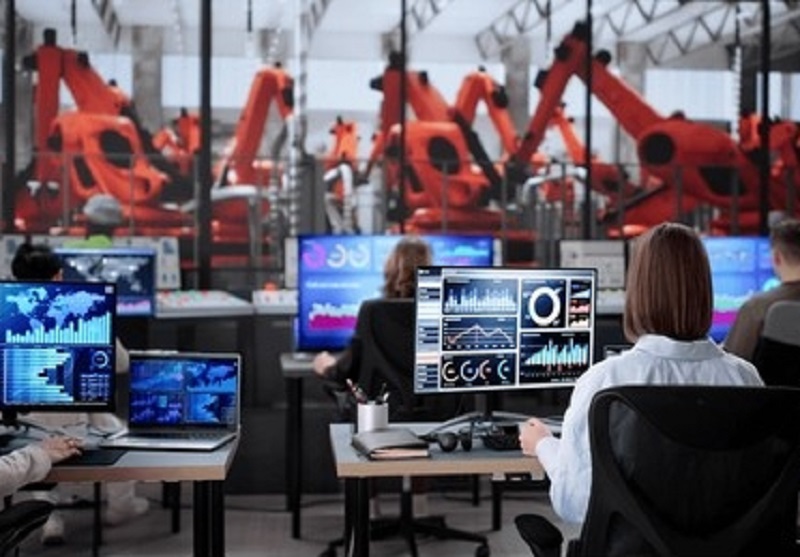
DCS Modernization Helps Extend Industrial Asset Lifecycle
Many industrial plants operate automation systems that have been installed for many years.
These systems may still perform important control functions but may face challenges such as:
- Limited communication capability
- Aging hardware
- Difficult maintenance
- Lack of modern analytics
DCS modernization provides a practical solution.
Companies can improve existing facilities through:
- Controller upgrades
- Software improvements
- Network modernization
- Operator interface updates
- Advanced monitoring functions
This approach helps extend equipment lifecycle while improving operational capability.
For industrial automation suppliers, modernization projects create demand for:
- DCS replacement modules
- Control processors
- Communication equipment
- Industrial spare parts
- Engineering services
Impact on Global Industries
The adoption of intelligent DCS solutions is influencing many industrial sectors.
Oil and Gas Industry
Companies are using advanced automation technologies to improve production safety and operational efficiency.
Chemical Industry
Intelligent control systems help optimize complex processes and improve product consistency.
Power Generation
Digital automation supports better equipment monitoring and energy management.
Manufacturing Industry
Process automation technologies help manufacturers improve productivity and reduce operating costs.
Across these industries, intelligent automation is becoming a key factor in maintaining competitiveness.
Future Outlook: Intelligent DCS Systems Will Drive Industrial Transformation
The future of process automation will be defined by the combination of reliable control technology and intelligent digital solutions.
DCS systems will continue evolving from traditional control platforms into comprehensive operational intelligence systems.
Future industrial plants will increasingly depend on:
- Advanced automation software
- Artificial intelligence
- Real-time data analysis
- Digital optimization
- Connected industrial ecosystems
Honeywell Experion represents the direction of modern process automation development, where control systems, industrial data, and intelligent technologies work together to create safer and more efficient operations.
For companies operating industrial facilities, investing in DCS modernization is becoming an important strategy for improving long-term performance.
Conclusion
The transformation of industrial automation is accelerating as process industries adopt smarter and more connected control systems.
Honeywell Experion and modern DCS technologies demonstrate how automation is moving beyond traditional process control toward intelligent operational management.
By combining DCS reliability with industrial AI, data analytics, and digital transformation technologies, manufacturers can achieve higher efficiency, improved safety, and better production performance.
As global industries continue upgrading their automation infrastructure, intelligent DCS platforms will remain a critical foundation for the future of industrial operations.