





Introduction
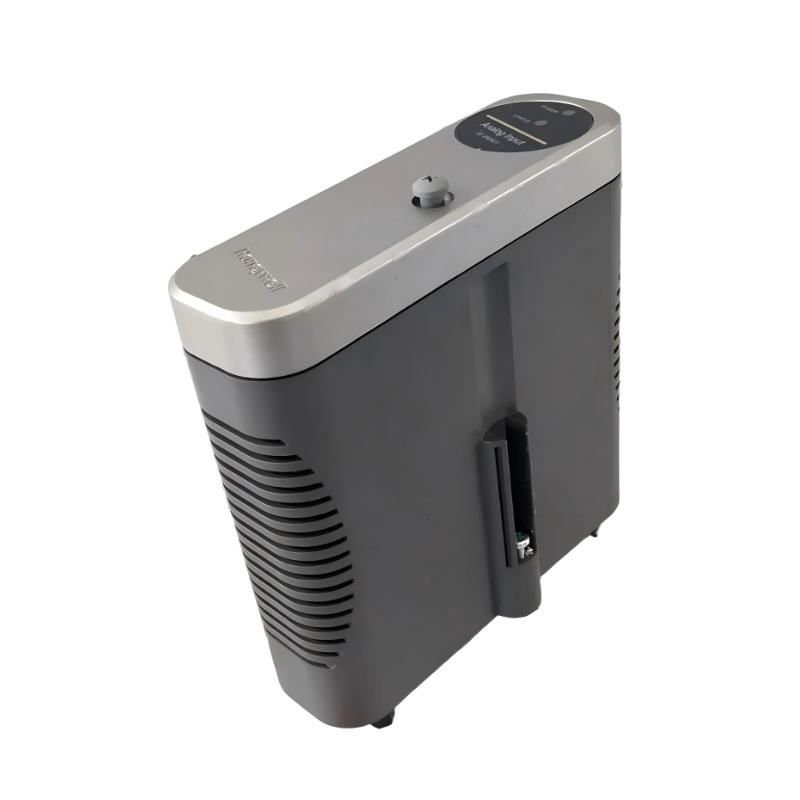
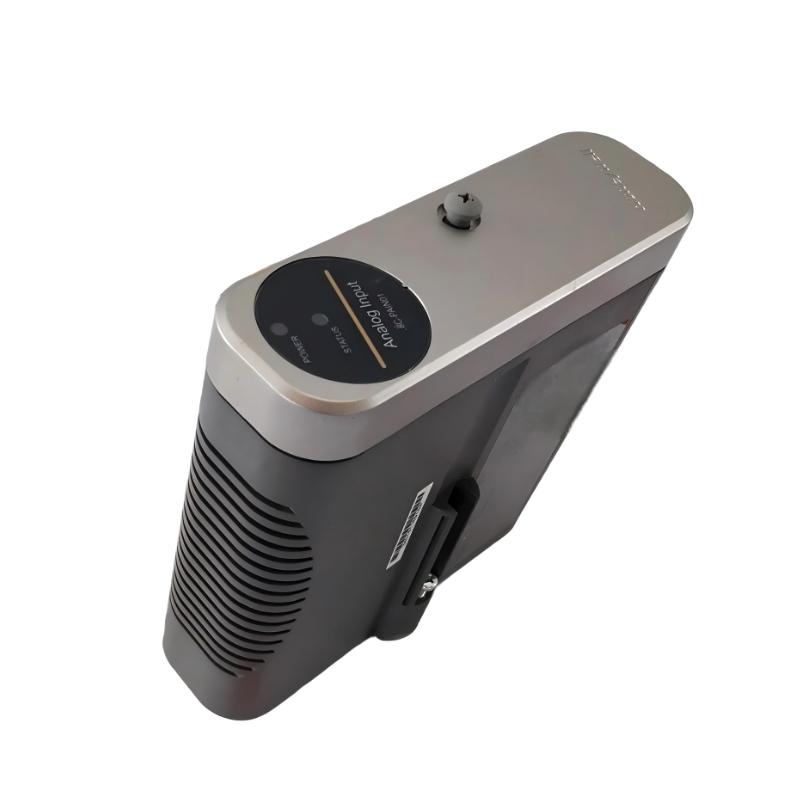
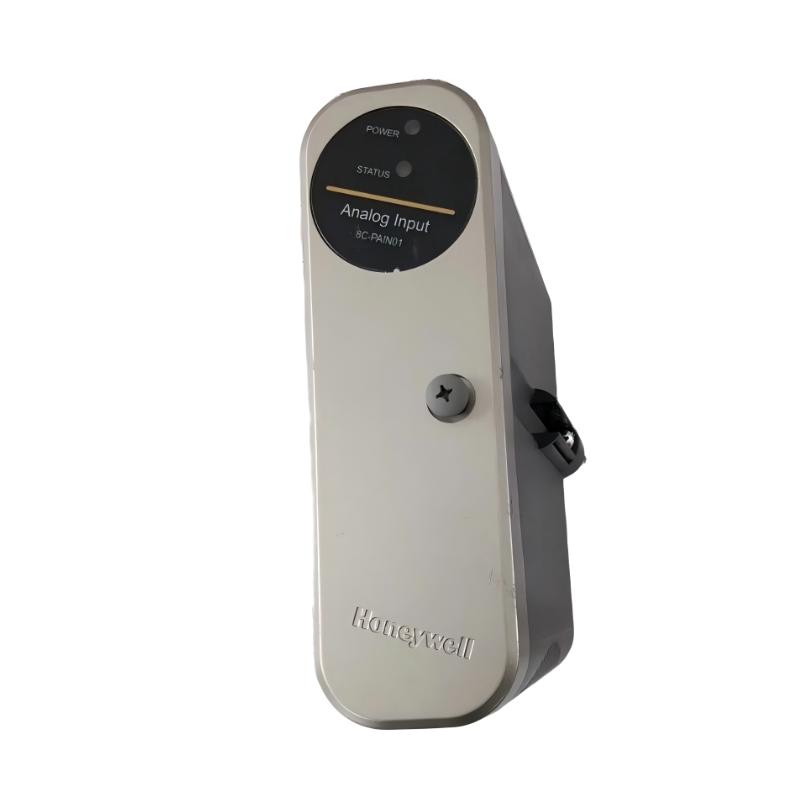
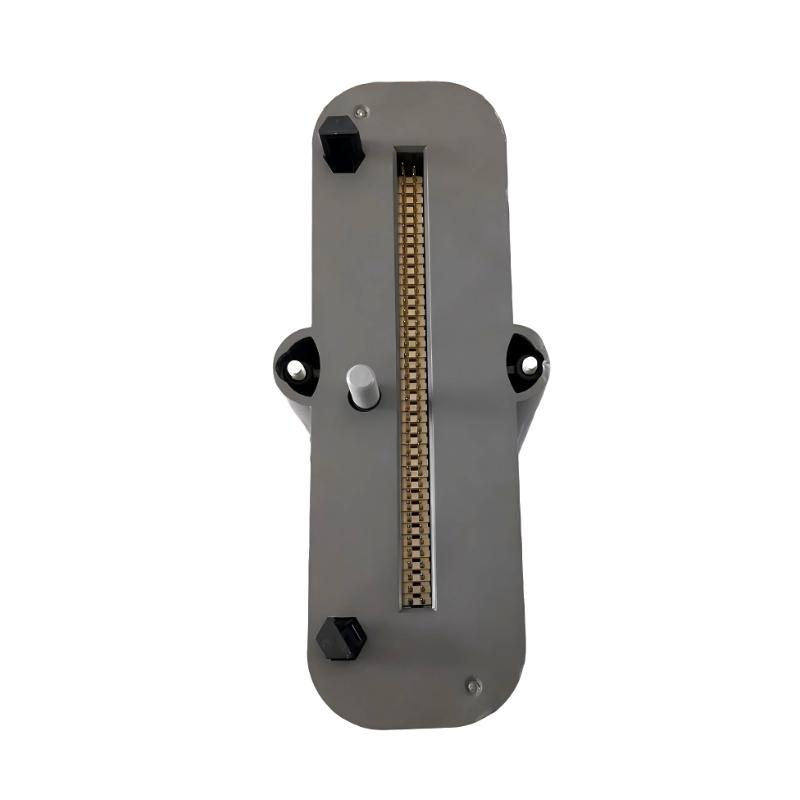
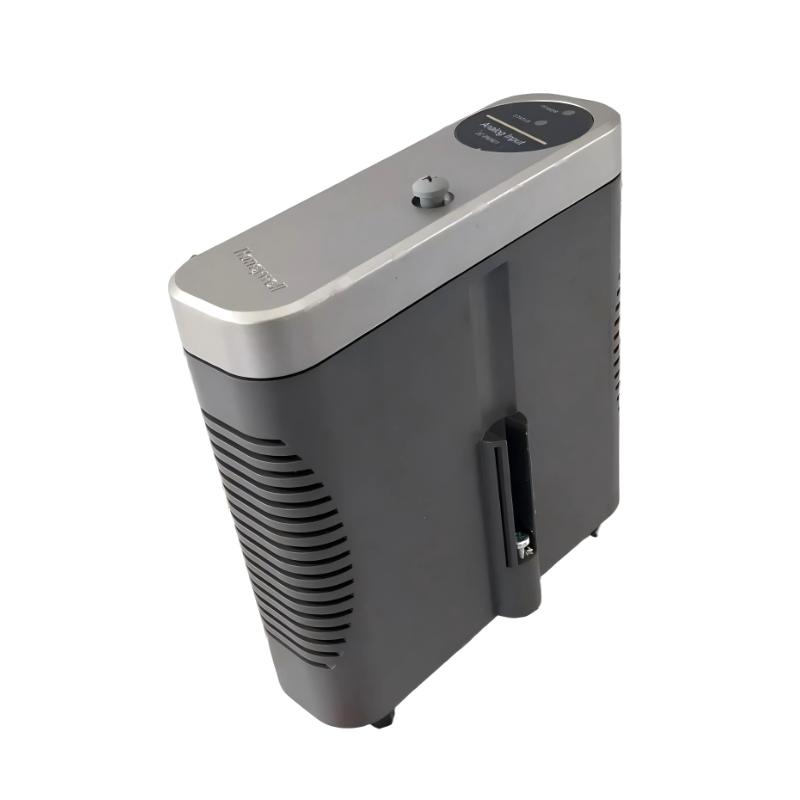
The Honeywell International Inc. 8C‑PA2H51 Analog Input Module is an industrial automation input module designed to receive and digitize analog signals from field transmitters and sensors (such as 4–20 mA loops) and deliver accurate data to a control system. Modules in the Honeywell Series‑8 (C300) I/O family are commonly used in distributed control and PLC systems for process monitoring and control.
The module supports analog inputs such as current or voltage loops, enabling real‑time monitoring of process variables — for example, flow, pressure, temperature, and level — as part of a larger automation system.
It has dimensions of 203 × 51 × 135 mm (H x W x D) and a weight of 0.5 kg.
Technical Specifications
| Parameter | Specification |
|---|---|
| Product Model | 8C‑PA2H51 |
| Product Type | Analog Input Module |
| Manufacturer | Honeywell |
| Dimensions | 203 × 51 × 135 mm (H x W x D) |
| Weight | 0.5 kg |
| Input Signal | Analog inputs (e.g., 4–20 mA loops) |
| Communication | Interface to Honeywell Series‑8 I/O backplane |
| Application | Industrial process monitoring and automation |
Modules like this convert real‑world analog sensor signals into digital values that the process controller uses for monitoring and control decisions.
Applications
The 8C‑PA2H51 Analog Input Module is commonly used in:
-
Distributed Control Systems (DCS)
-
PLC‑based automation systems
-
Industrial process monitoring and control
-
Power generation and utilities
-
Oil & gas and petrochemical processes
It provides a reliable interface for analog field signals to be incorporated into automated control logic.
Advantages
-
Converts analog sensor signals (such as 4–20 mA) into digital data
-
Designed for compatibility with Honeywell Series‑8 I/O architectures
-
Stable and accurate performance in industrial environments
-
Compact and lightweight design for easy installation
Technical FAQs
Q1: What is the primary function of the 8C‑PA2H51 module?
It receives analog signals from field transmitters and converts them into digital values for processing by a control system.
Q2: What types of signals does it handle?
Typically current‑loop analog signals (e.g., 4–20 mA).
Q3: Where is this module typically installed?
It is mounted in a Honeywell controller rack or I/O chassis as part of a distributed control or PLC system.
Q4: Which industries use this module?
Industries such as power generation, oil & gas, chemical processing, manufacturing, and utilities.
Q5: Why are analog input modules important?
They provide the essential interface between analog field sensors and the digital control logic of industrial systems, enabling accurate data acquisition and control.