

ProductPRODUCT
Featured products
Contact Us
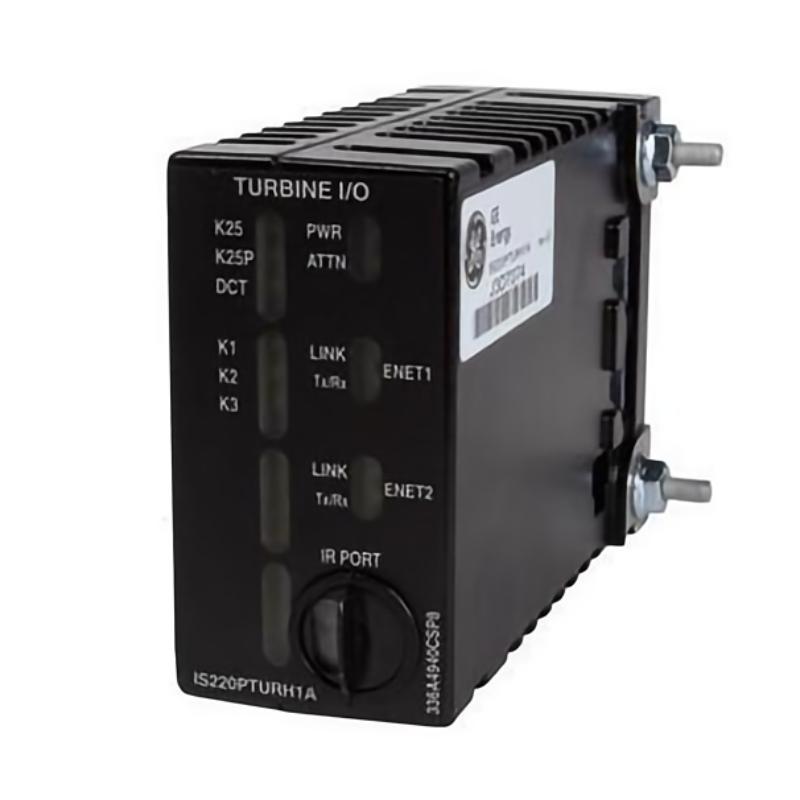
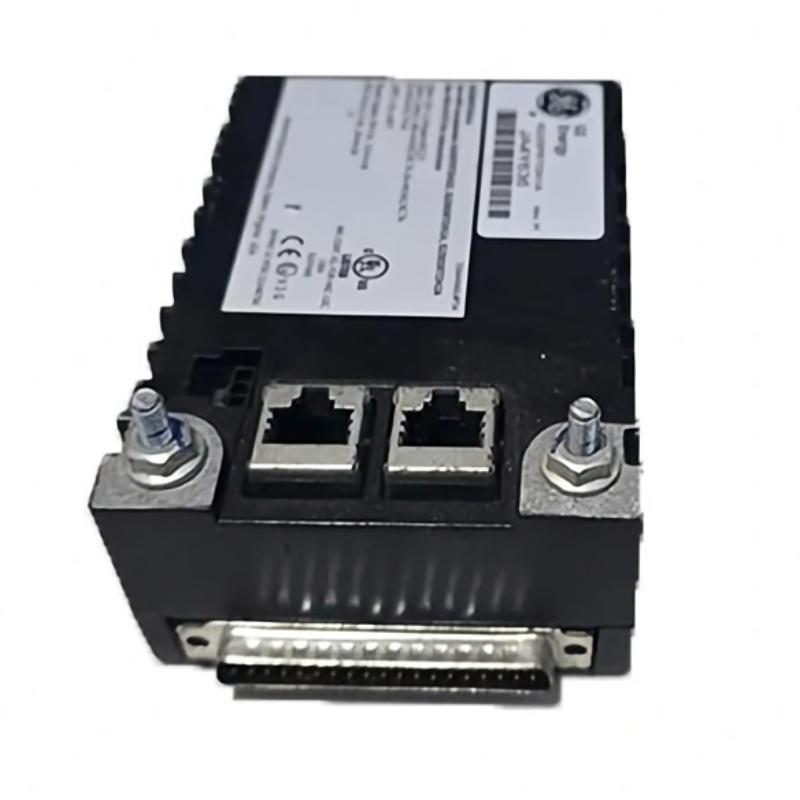
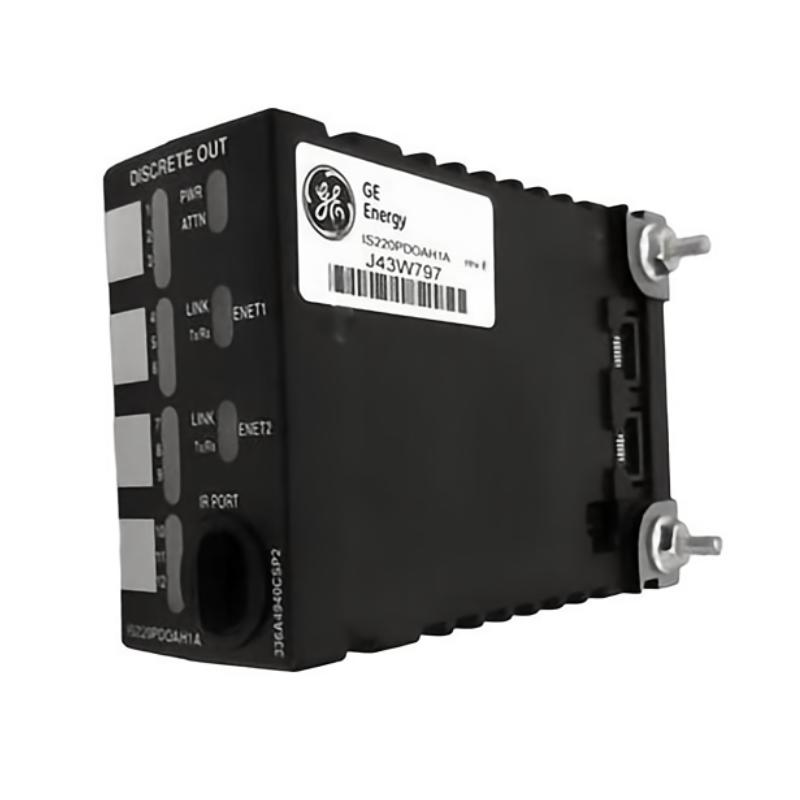
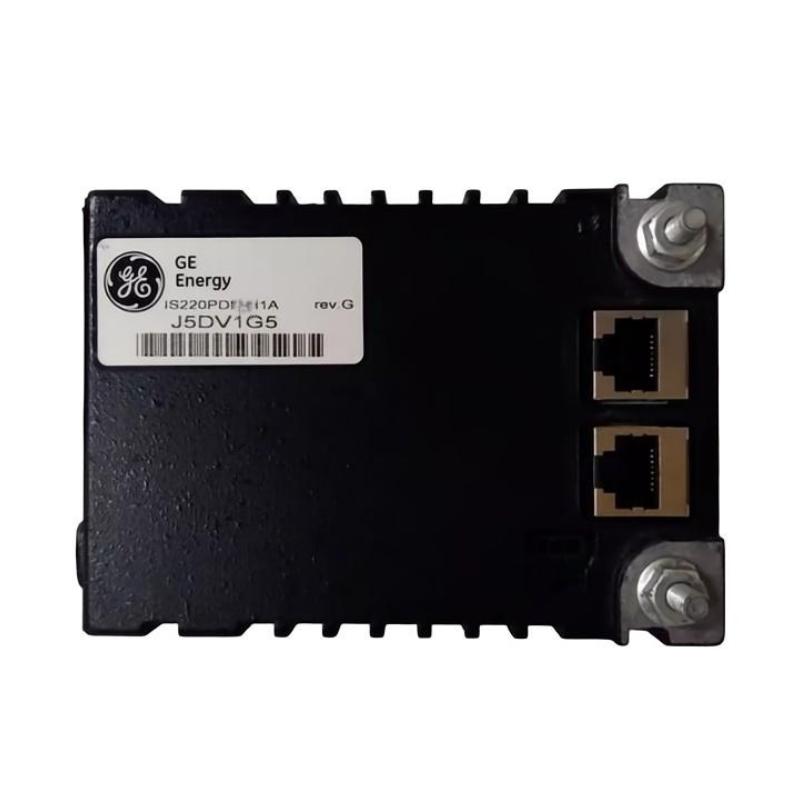
- GE
- IS220PD0AH1A
- Communication Input/Output Module
- USA
- 280 x 115 x 45 mm
- 0.6 kg
- Xiamen, China
- New & In Stock
- T/T, PayPal, Western Union
- 1 Year
- 1-3 Working Days
- DHL, UPS, TNT, FedEx and EMS.
- 24-Hour Service
- COO
- 3
Our advantage

Global Logistics
We have a 10-year logistics and express cooperation agreement, so our products can be shipped to any place in the world.

Brand new and original
Our products are imported in bulk from the place of origin. Because of the cooperative relationship, our products are all original and 100% new.

24-hour service
We provide 7*24 hours service to our customers. We will be there whenever you need us.

Price advantage
All our products are priced very favorably because we have our own warehouse and supply.
| Company Information | |||
| [email protected] | |||
| Mobile | +8615980777398 | ||
| +8615980777398 | |||
| 15980777398 |
Product Overview
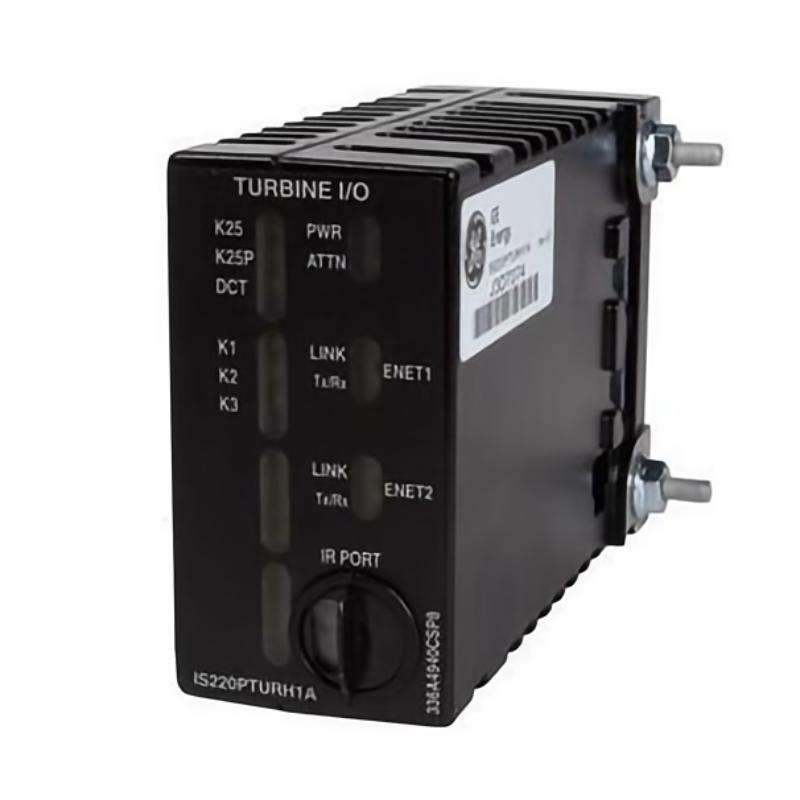
The GE IS220PD0AH1A Communication Input/Output Module is an industrial automation interface component designed to support communication and I/O functions within compatible GE control architectures. As part of the IS220 family of industrial control hardware, the module provides an important connection between field-level information and the higher-level control system.
In an industrial automation environment, communication and input/output interfaces are essential for transferring information between sensors, actuators, terminal assemblies, controllers, and supervisory systems. A dedicated communication I/O module can help organize these signals and provide a structured interface between field devices and the control platform.
The GE IS220PD0AH1A has listed dimensions of 280 × 115 × 45 mm and a weight of approximately 0.6 kg. Its relatively compact form allows it to be incorporated into industrial control cabinets and equipment assemblies where space, wiring organization, and reliable signal communication are important considerations.
The module can be considered part of a larger automation chain:
Field Devices → Terminal / Interface Wiring → IS220PD0AH1A → Control Architecture → Operator / Supervisory System
The exact electrical interfaces, communication protocols, signal assignments, and supported I/O characteristics should be confirmed against the applicable hardware revision and host-system configuration before installation.
Technical Specifications
| Parameter | Specification |
|---|---|
| Manufacturer | General Electric (GE) |
| Model | IS220PD0AH1A |
| Product Type | Communication Input/Output Module |
| Product Family | GE IS220 Series |
| Primary Function | Communication and I/O interface |
| Application | Industrial Automation and Control |
| Interface Role | Field-device and control-system communication |
| Dimensions | 280 × 115 × 45 mm |
| Weight | 0.6 kg |
| Installation | Industrial control equipment / compatible GE system |
| Typical Application | Process control, industrial monitoring, automation systems |
| System Integration | Compatible GE control architecture, subject to system configuration |
Specific channel counts, communication protocols, electrical ratings, terminal assignments, isolation characteristics, and signal ranges should be verified from the exact system documentation and module revision rather than assumed from the general product designation.
What Is the GE IS220PD0AH1A?
The GE IS220PD0AH1A is a communication input/output module intended to participate in the transfer of industrial process information within a compatible control system.
Industrial controllers typically operate as part of a larger architecture rather than as isolated devices. Field instruments generate measurements, switches provide status information, and actuators receive commands from the control system. Communication and I/O modules provide the interface required to move this information between the field and the control platform.
The IS220PD0AH1A therefore has an important architectural role. It can form part of the interface layer between field-level equipment and the processing or control functions of the automation system.
Depending on the host architecture, the module may be associated with:
- Field signal acquisition
- Control-system communication
- I/O data transfer
- Equipment status monitoring
- Command transmission
- Process instrumentation
- Controller-to-field communication
- Diagnostic information exchange
The exact functionality available in a particular installation depends on the system in which the module is installed.
Communication and I/O Architecture
Modern industrial control systems contain several layers of communication and signal processing.
A typical architecture can be represented as:
Field Instrument → I/O Interface → Communication Layer → Controller → HMI / SCADA
The IS220PD0AH1A can occupy an interface position within this type of architecture.
Field devices may include sensors, transmitters, switches, relays, valves, motors, and other process equipment. Their information must be transferred to a controller in a reliable and organized manner.
Likewise, commands generated by the controller must reach the appropriate field equipment.
A communication I/O module supports this two-way exchange by participating in the system’s signal and data architecture.
This architecture offers several important benefits:
- Centralized process monitoring
- Structured field-device communication
- Faster access to operating information
- Improved equipment diagnostics
- Easier integration of multiple field devices
- Better organization of industrial control wiring
Function of a Communication Input/Output Module
Input Data Acquisition
Input information represents data entering the control architecture from the field.
Depending on the actual system configuration, input information can originate from instrumentation, switches, sensors, monitoring devices, or other equipment.
Typical industrial input information may include:
- Equipment running status
- Fault indications
- Process measurements
- Limit-switch states
- Device feedback
- Alarm conditions
- Equipment interlock status
The communication I/O layer helps transfer this information toward the controller for processing.
Output Data Transmission
Output information travels in the opposite direction.
A controller may generate commands based on programmed control logic. These commands can then be transferred toward field equipment through the applicable I/O architecture.
Examples include:
- Equipment start commands
- Stop commands
- Valve control
- Relay commands
- Enable signals
- Alarm outputs
- Process-control commands
The exact output functionality must be confirmed for the specific installation.
Communication Processing
In addition to conventional signal transfer, industrial I/O architectures often require structured data communication between interface devices and controllers.
Communication may include process values, device status, diagnostics, configuration information, and other control data.
The IS220PD0AH1A can therefore contribute to the communication path connecting field-level information with the broader control system.
Role in Industrial Control Systems
The GE IS220PD0AH1A can be used as part of an industrial control architecture in which reliable information exchange is essential.
A modern control system typically includes:
- Field instrumentation
- Terminal or interface assemblies
- I/O and communication modules
- Control processors
- Engineering systems
- Operator interfaces
- Supervisory monitoring systems
The communication I/O module helps connect the physical process to the digital control environment.
For example, a process sensor may detect a change in operating conditions. That information can enter the I/O architecture, be transferred to the controller, and then be evaluated by programmed control logic.
The controller may subsequently generate a response. The response can be transferred through the output architecture to a field device.
This creates a continuous control loop:
Measurement → Input → Communication → Control Logic → Output → Process Response
Reliable operation of every interface in this chain is important for stable industrial automation.
Industrial Applications
The IS220PD0AH1A may be incorporated into industrial automation systems where communication between field equipment and control electronics is required.
Process Automation
Process plants use numerous sensors, switches, valves, and actuators. Communication I/O hardware provides the interface required to connect these field devices with control systems.
Power and Energy Systems
Industrial power-generation and energy systems contain extensive monitoring and control equipment. Reliable I/O communication supports equipment status monitoring and control functions.
Turbine Control
Turbine control architectures require continuous exchange of operational information between instrumentation, controllers, protection systems, and field equipment. Communication and I/O modules can form part of this interface structure.
Manufacturing Automation
Production equipment depends on coordinated communication between controllers, sensors, drives, actuators, and operator interfaces.
Utility Systems
Water, wastewater, compressed-air, and other utility systems rely on process instrumentation and equipment status information. I/O communication allows these signals to be integrated into centralized automation systems.
Equipment Monitoring
Industrial machinery often requires continuous monitoring of operating conditions, alarms, and equipment status. A communication I/O architecture allows these signals to become available to the control system.
Physical Characteristics and Cabinet Planning
The listed dimensions of the GE IS220PD0AH1A are 280 × 115 × 45 mm, with a listed weight of 0.6 kg.
These dimensions should be considered when planning the installation location.
Cabinet designers should account for:
- Module body dimensions
- Connector access
- Cable routing
- Wiring clearance
- Ventilation
- Maintenance access
- Adjacent equipment
- Service and replacement space
The 0.6 kg listed weight should also be considered when evaluating mounting arrangements and mechanical support.
Physical compatibility should always be checked before replacing or installing a module.
Installation Guidelines
Correct installation is essential for maintaining communication reliability and preventing unnecessary faults.
1. Verify the Model
Before installation, confirm that the module identification matches the intended system configuration.
Check:
- IS220PD0AH1A model designation
- Board or module revision
- Existing installation position
- Connector configuration
- Associated I/O hardware
- Host control system
The complete part number should be verified rather than relying only on physical appearance.
2. Inspect the Module
Before installation, inspect the module for:
- Physical damage
- Cracked housing
- Bent connectors
- Contamination
- Signs of overheating
- Loose components
- Corrosion
A damaged module should not be installed into an operating control system.
3. Check the Installation Environment
The control cabinet should provide an appropriate environment for electronic equipment.
Avoid conditions involving:
- Excessive dust
- Condensation
- Water exposure
- Excessive vibration
- Excessive heat
- Conductive contamination
The applicable system installation requirements should be followed.
4. Connect the Wiring Carefully
Field wiring and communication connections should be checked before energizing the system.
Incorrect wiring can produce:
- Missing signals
- Communication faults
- Incorrect process values
- Intermittent operation
- Unexpected equipment behavior
Terminal assignments should always be verified from the applicable system documentation.
Communication Wiring and Signal Integrity
Reliable communication depends on more than the module itself.
Cable routing, grounding, shielding, connector condition, and electrical noise can all influence system performance.
Communication and I/O cables should be routed in an organized manner and separated appropriately from high-energy conductors where required by the system design.
Potential sources of interference include:
- Variable frequency drives
- Large motors
- Contactors
- Switching power supplies
- High-current conductors
- Electromagnetic equipment
Good cabinet wiring practices can reduce the possibility of communication instability.
Commissioning Procedure
After installation, commissioning should be performed systematically.
Step 1: Confirm Mechanical Installation
Verify that the module is securely mounted and that sufficient clearance exists around the installation area.
Step 2: Verify Connections
Check all applicable connectors, field wiring, communication connections, and associated interface equipment.
Step 3: Check System Power
Confirm that the associated control system receives the required power according to its documented architecture.
Step 4: Check Module Status
Use the applicable system diagnostics to determine whether the module is recognized correctly.
Step 5: Verify Input Data
Check whether expected field information reaches the controller.
For example, technicians can verify whether equipment status or process measurements change correctly when the corresponding field condition changes.
Step 6: Verify Output Functions
Where applicable, test output commands under controlled commissioning conditions.
Step 7: Confirm Communication
Verify that the module exchanges data correctly with the associated control architecture.
Step 8: Record Baseline Conditions
After successful commissioning, record normal operating conditions and diagnostic information. This information can be useful for future troubleshooting.
Troubleshooting the GE IS220PD0AH1A
Communication or I/O problems should be diagnosed systematically rather than immediately replacing the module.
No Communication
If the control system cannot communicate with the module, inspect:
- Module installation
- Power availability
- Connectors
- Communication wiring
- Network/interface configuration
- Associated control hardware
- System diagnostics
A communication failure does not necessarily indicate a failed module.
Missing Input Signals
If expected input information is unavailable, inspect the complete signal path:
Field Device → Wiring → Terminal Interface → I/O Module → Communication Path → Controller
Possible causes include:
- Disconnected field wiring
- Sensor problems
- Connector problems
- Incorrect configuration
- Communication interruption
- Interface hardware problems
Incorrect Output Response
If an output command does not produce the expected field response, check:
- Controller logic
- Output configuration
- Wiring
- Field device
- Interposing equipment
- Power supply
- Module status
The problem may exist downstream of the I/O module.
Intermittent Communication
Intermittent communication can be particularly difficult to diagnose.
Possible causes include:
- Loose connectors
- Damaged cables
- Electrical interference
- Poor grounding
- Temperature-related behavior
- Mechanical vibration
- Network configuration problems
Trend monitoring and diagnostic logs can help identify the source.
Preventive Maintenance
Regular maintenance helps reduce unexpected downtime.
Inspect Connectors
Connectors should be inspected for looseness, contamination, corrosion, and mechanical damage.
Check Wiring
Field and communication cables should be examined for:
- Cuts
- Abrasion
- Loose connections
- Excessive bending
- Moisture damage
- Poor routing
Monitor Diagnostic Information
System diagnostics should be reviewed periodically. Repeated communication warnings or intermittent I/O errors may indicate a developing problem.
Maintain Cabinet Conditions
The control cabinet should remain clean and appropriately ventilated.
Excessive dust and heat can shorten the service life of electronic equipment.
Replacement Considerations
When replacing a GE IS220PD0AH1A, the complete identification should be checked before removing the existing module.
Important information includes:
- Full model number
- Revision
- Installation location
- Connector arrangement
- Associated terminal equipment
- Control-system configuration
- Existing wiring
- Application-specific configuration
A physically similar IS220-series module should not automatically be treated as an equivalent replacement.
The correct replacement must match the electrical and communication requirements of the host system.
System Integration
The IS220PD0AH1A should be considered as one element within a complete automation architecture.
A typical system may contain:
| System Component | Typical Role |
|---|---|
| Field Sensors | Measure process conditions |
| Switches | Provide equipment status |
| Terminal Assemblies | Organize field wiring |
| IS220PD0AH1A | Communication and I/O interface |
| Control Processor | Executes control logic |
| Engineering Station | System configuration and diagnostics |
| HMI | Operator monitoring and control |
| SCADA System | Supervisory process monitoring |
| Actuators | Perform physical process actions |
The exact combination depends on the host control system and application.
Signal Diagnostics and Fault Isolation
One of the most useful approaches to troubleshooting industrial I/O is to divide the system into functional sections.
For example:
Field Section → Wiring Section → Interface Section → Communication Section → Controller Section
If the controller does not receive a particular process signal, technicians can test each section individually.
This approach avoids unnecessary replacement of expensive electronic hardware.
For communication problems, diagnostic information can help determine whether the issue originates from:
- The module
- The communication connection
- The controller
- Field wiring
- Configuration
- Another associated interface
Systematic fault isolation is especially valuable in large industrial installations.
Cabinet Design and Mechanical Planning
The 280 × 115 × 45 mm physical size of the IS220PD0AH1A should be included in cabinet layout calculations.
Designers should provide enough room for:
- Module installation
- Cable connection
- Connector removal
- Inspection
- Maintenance
- Heat dissipation
- Adjacent equipment
The listed 0.6 kg weight should also be considered when evaluating mounting hardware and mechanical support.
Good cabinet planning reduces the possibility of cable strain and makes future maintenance easier.
Engineering Best Practices
Several practices can improve the reliability of communication I/O installations.
Use Correct Identification
Always record the complete model number and revision during maintenance.
Maintain Wiring Documentation
Keep accurate records of field connections, terminal assignments, and communication paths.
Separate Power and Signal Wiring
Where appropriate, separate sensitive communication and signal wiring from high-power conductors.
Monitor Diagnostic Trends
Repeated faults may indicate a developing system problem even when the module continues operating.
Keep Spare Hardware Properly Stored
Electronic modules should be stored in suitable environmental conditions and protected from contamination and electrostatic damage.
Verify Configuration After Replacement
A replacement module may require system-specific configuration or verification before normal operation.
Key Advantages
The GE IS220PD0AH1A offers several practical benefits when integrated into a compatible industrial control architecture:
- Dedicated communication and I/O interface functionality
- Integration with industrial control systems
- Structured transfer of field information
- Support for equipment monitoring
- Support for control-system data exchange
- Compact 280 × 115 × 45 mm physical design
- Listed weight of 0.6 kg
- Suitable for industrial control cabinet installation
- Useful for centralized process monitoring
- Supports systematic field-to-controller signal architecture
Technical FAQs
What is the GE IS220PD0AH1A?
The GE IS220PD0AH1A is a Communication Input/Output Module designed for integration into compatible GE industrial control architectures.
What is the main function of the IS220PD0AH1A?
Its general role is to support communication and I/O information exchange between field-level equipment and the associated control system.
What are the dimensions of the GE IS220PD0AH1A?
The listed dimensions are 280 × 115 × 45 mm.
How much does the IS220PD0AH1A weigh?
The listed weight is approximately 0.6 kg.
Where is the IS220PD0AH1A used?
It can be used in compatible industrial automation and control systems where communication and I/O information must be transferred between field equipment and control electronics.
Can the IS220PD0AH1A be used as a standalone PLC?
It should not be treated as a standalone PLC controller. It is an interface component intended to operate as part of a larger control architecture.
What can cause communication problems?
Potential causes include wiring faults, connector problems, configuration errors, power issues, electrical interference, associated equipment faults, or module-level problems.
What should be checked before replacing the module?
Technicians should verify the complete model number, revision, installation location, connectors, wiring, associated hardware, system configuration, and diagnostic information before replacing the module.
Are the exact I/O specifications the same for every installation?
Not necessarily. Exact signal assignments, electrical characteristics, communication interfaces, and supported functions should be confirmed against the applicable hardware revision and host-system documentation.
How can the module be maintained?
Maintenance should include connector inspection, wiring checks, cabinet environmental inspection, diagnostic monitoring, and verification of system communication and I/O performance.
Conclusion
The GE IS220PD0AH1A Communication Input/Output Module is an industrial interface component designed to participate in communication and I/O functions within a compatible GE control architecture. By connecting field-level information with the control system, it can contribute to process monitoring, equipment status acquisition, command transmission, and broader industrial automation functions.
With listed dimensions of 280 × 115 × 45 mm and a weight of 0.6 kg, the module provides a compact form factor suitable for integration into industrial control cabinets and equipment assemblies.
Reliable operation depends on more than the module itself. Field wiring, connectors, communication infrastructure, controller configuration, grounding, electrical noise, and the condition of associated equipment all influence overall system performance.
For installation or replacement work, the complete GE IS220PD0AH1A identification should be verified carefully. Because exact communication interfaces, I/O assignments, electrical characteristics, and configuration requirements can depend on the specific system and hardware revision, these parameters should be confirmed before commissioning.
When correctly integrated and maintained, the GE IS220PD0AH1A can serve as an important interface between field equipment and industrial control electronics, supporting organized signal exchange and reliable automation-system operation.