

ProductPRODUCT
Featured products
Contact Us
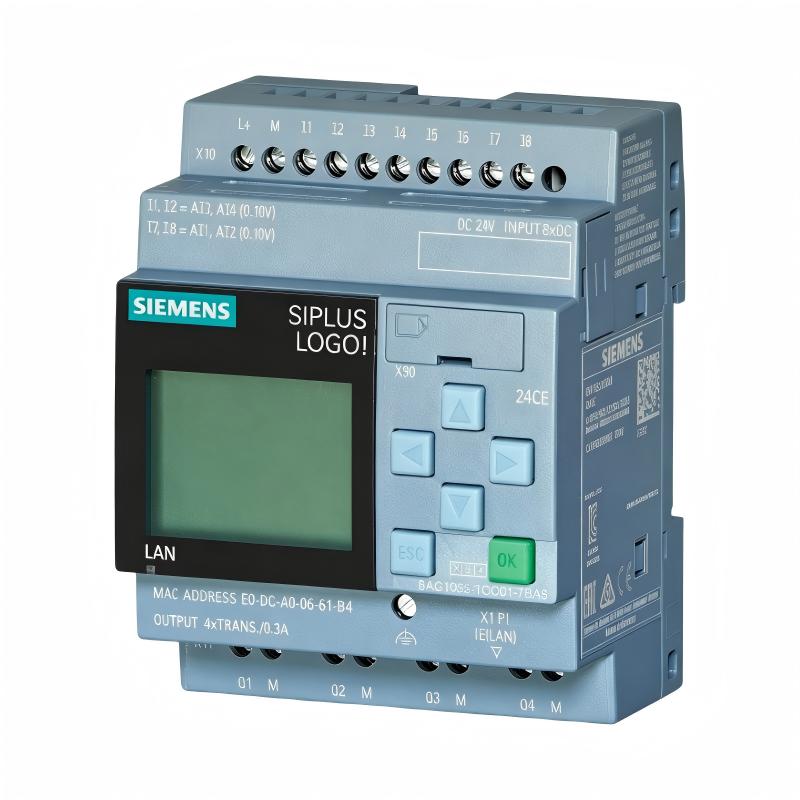
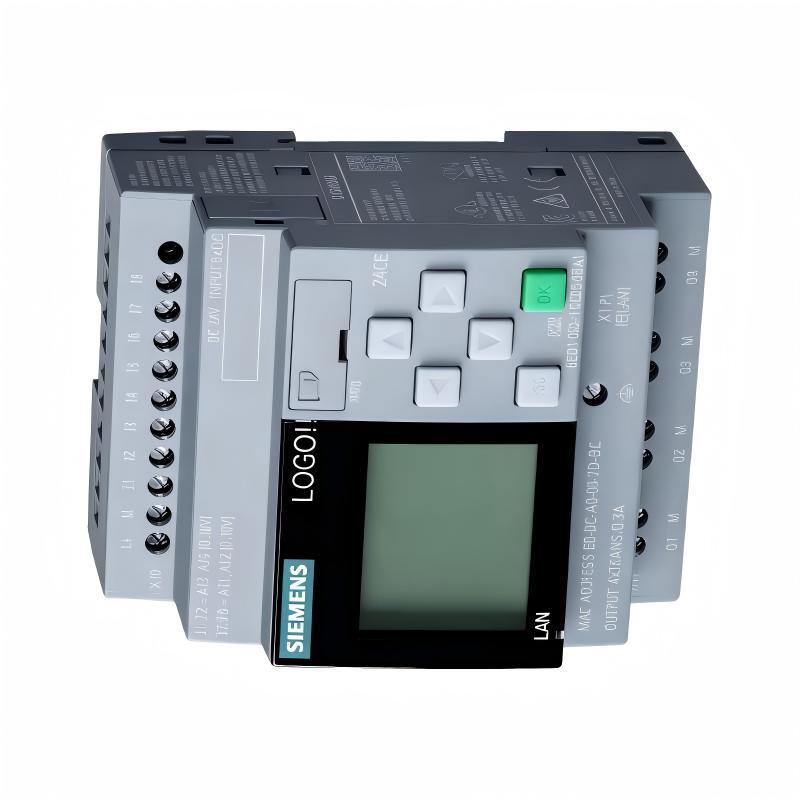
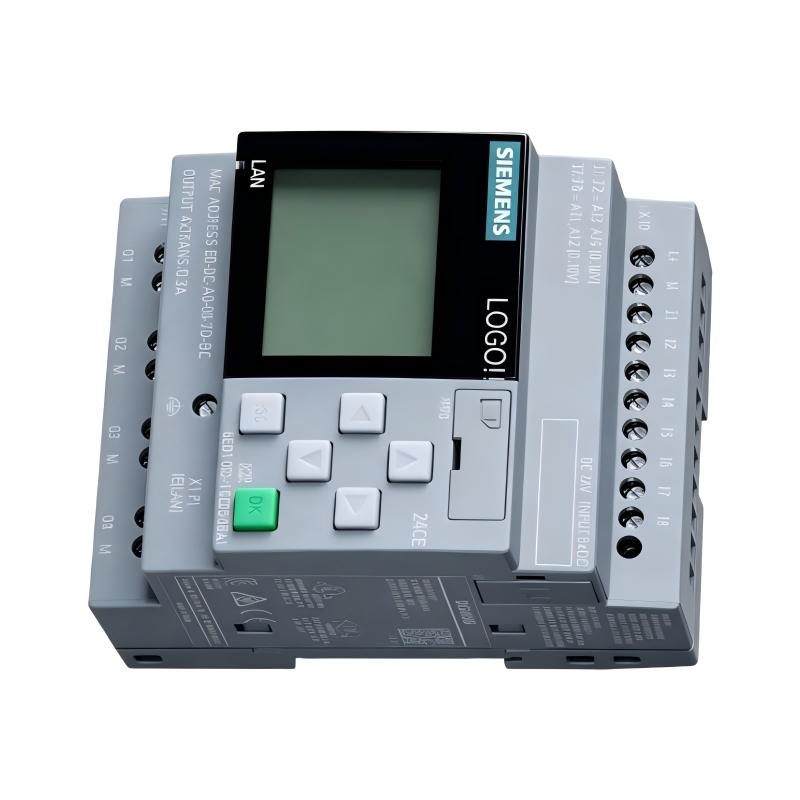
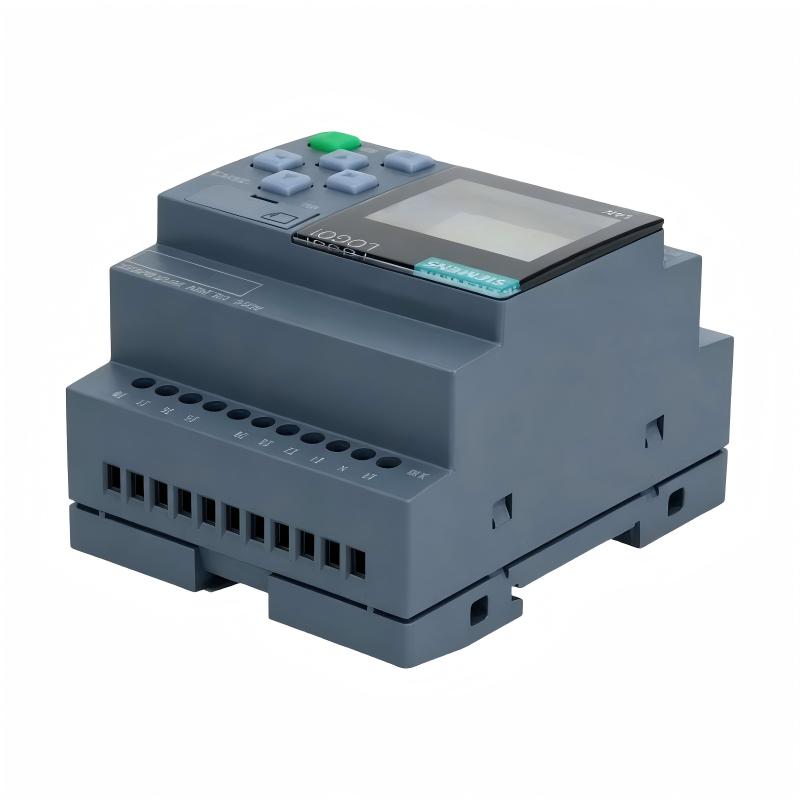
- Siemens
- 6AG1052-1CC08-7BA0
- Logic Module
- Germany
- 71.5 x 90 x 60 mm
- 0.229 kg
- Xiamen, China
- New & In Stock
- T/T, PayPal, Western Union
- 1 Year
- 1-3 Working Days
- DHL, UPS, TNT, FedEx and EMS.
- 24-Hour Service
- COO
- 2
Our advantage

Global Logistics
We have a 10-year logistics and express cooperation agreement, so our products can be shipped to any place in the world.

Brand new and original
Our products are imported in bulk from the place of origin. Because of the cooperative relationship, our products are all original and 100% new.

24-hour service
We provide 7*24 hours service to our customers. We will be there whenever you need us.

Price advantage
All our products are priced very favorably because we have our own warehouse and supply.
| Company Information | |||
| [email protected] | |||
| Mobile | +8615980777398 | ||
| +8615980777398 | |||
| 15980777398 |
Product Overview
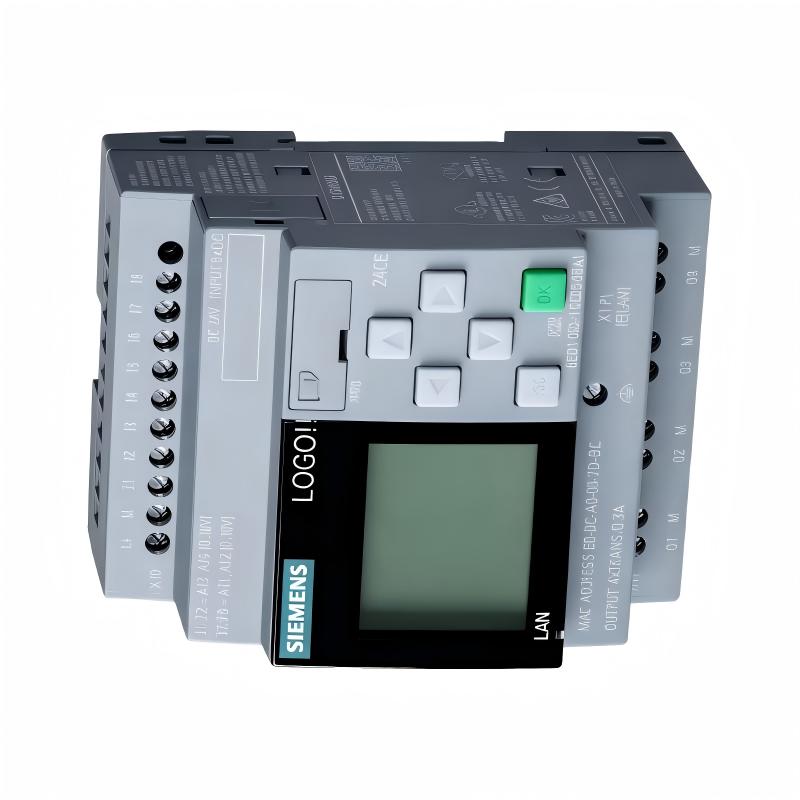
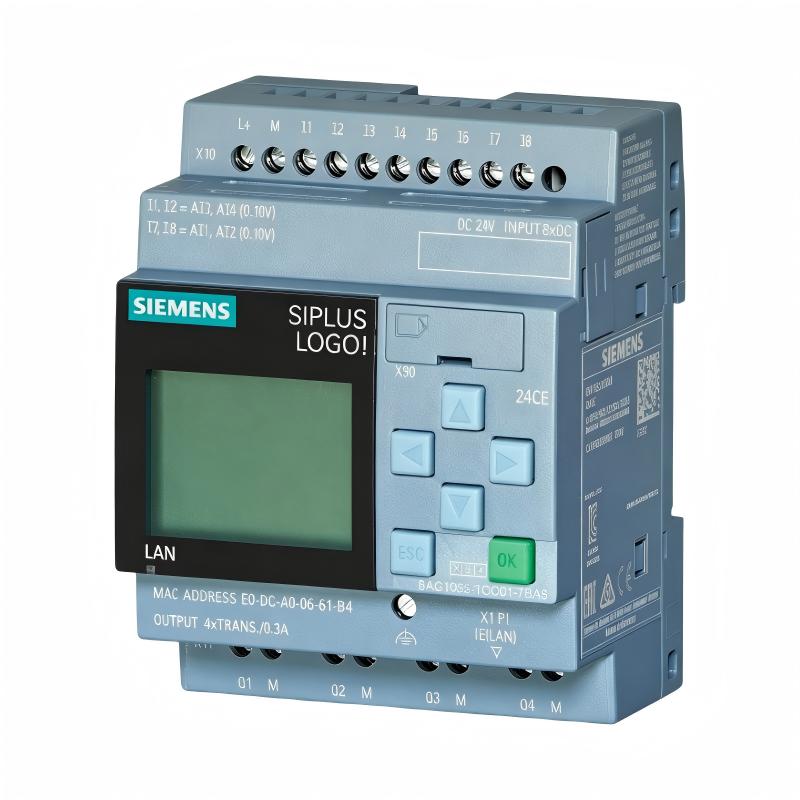
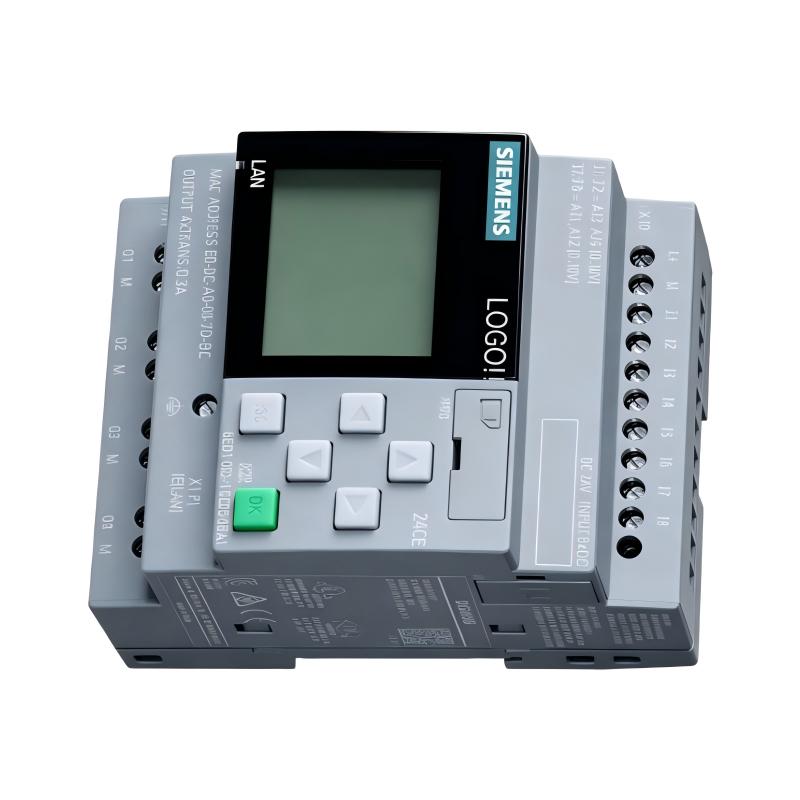
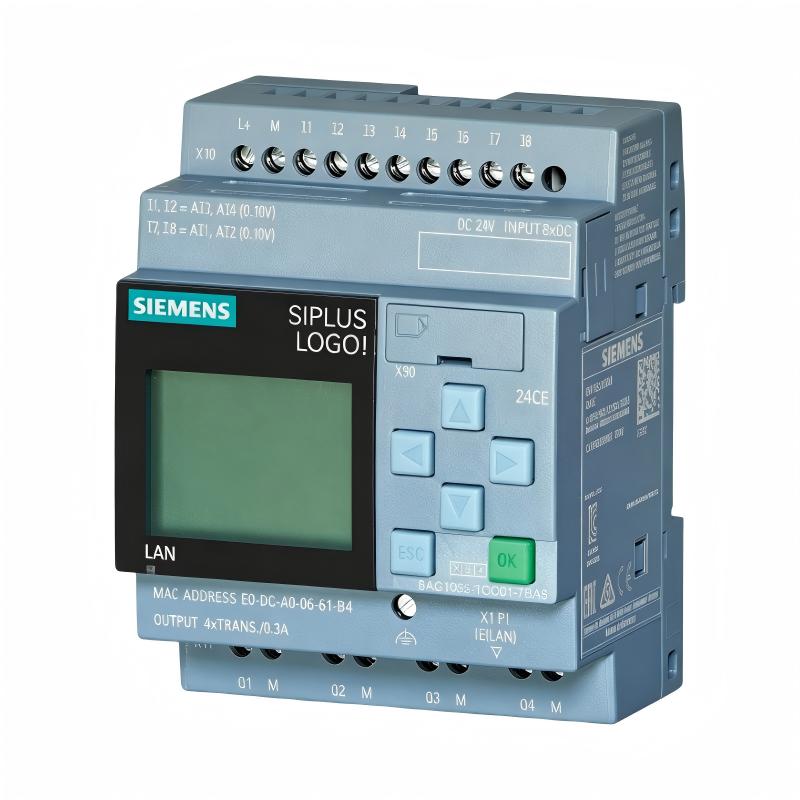
The Siemens 6AG1052-1CC08-7BA0 Logic Module is a compact industrial automation component designed for logic-based control applications in electrical and automation systems. As a Siemens logic module, it can be used to implement control sequences, switching logic, timing-related operations, and other automated functions without requiring a large conventional PLC architecture for every application.
With listed dimensions of 71.5 × 90 × 60 mm and a weight of 0.229 kg, the 6AG1052-1CC08-7BA0 provides a compact form factor for control cabinets, machine control panels, distributed automation assemblies, and other space-constrained installations.
Logic modules are commonly used in applications where straightforward control functions need to be executed locally. Depending on the system configuration and the exact hardware version, a logic module may support combinations of digital control, timing, counting, sequencing, monitoring, and communication-related functions.
The Siemens 6AG1052-1CC08-7BA0 can therefore form part of a broader automation architecture in which simple control tasks are separated from larger PLC or process-control systems.
Technical Specifications
| Parameter | Specification |
|---|---|
| Manufacturer | Siemens |
| Model | 6AG1052-1CC08-7BA0 |
| Product Type | Logic Module |
| Product Family | Siemens Industrial Automation |
| Primary Function | Logic-based control and automation |
| Dimensions | 71.5 × 90 × 60 mm |
| Weight | 0.229 kg |
| Installation | Industrial control cabinet / automation equipment |
| Application | Machine control, equipment automation, sequencing and monitoring |
| Control Method | Programmable logic-based operation |
| System Integration | Compatible Siemens automation architecture, subject to configuration |
| Mounting Consideration | Compact industrial installation |
The exact number of inputs and outputs, electrical signal ranges, supply requirements, communication interfaces, memory characteristics, programming functions, environmental ratings, and terminal assignments should be verified against the specific 6AG1052-1CC08-7BA0 hardware documentation and system configuration before installation.
Understanding the Siemens 6AG1052-1CC08-7BA0
A logic module is positioned between basic electrical control components and larger programmable automation systems. Instead of using multiple individual relays and timers to create a control sequence, programmable logic can be implemented inside a dedicated electronic module.
The Siemens 6AG1052-1CC08-7BA0 can be considered a compact control element for applications where logical decision-making is required.
A typical control concept can be represented as:
Input Signals → Logic Processing → Control Decisions → Output Signals → Controlled Equipment
For example, input conditions may represent switches, sensors, machine states, or operating conditions. The logic program evaluates those conditions and determines the required output response.
This approach can simplify control architecture and make modifications easier than changing a large collection of hardwired relay circuits.
Logic Control Function
The main purpose of a logic module is to execute predefined control logic.
Depending on the application and configuration, logic-based control can involve functions such as:
- Sequential control
- Start and stop logic
- Interlocking
- Equipment enable signals
- Alarm conditions
- Timing functions
- Counting operations
- Switching logic
- Machine-state control
- Basic process monitoring
A logic module can be especially useful when the control task is clearly defined and does not require the complete functionality of a large PLC system.
The actual functions available on the 6AG1052-1CC08-7BA0 should always be confirmed against the applicable hardware and programming documentation.
Role in Industrial Automation
Industrial automation systems frequently contain multiple control layers.
A large production line may use a central PLC or distributed controller for overall process coordination while smaller logic devices handle localized functions.
The 6AG1052-1CC08-7BA0 can be incorporated into this type of architecture where compact programmable control is beneficial.
A simplified architecture is:
Sensors → Logic Module → Actuators
or:
Field Devices → Local Logic Control → PLC / Supervisory System → Operator Interface
This type of architecture can reduce unnecessary wiring and allow certain control decisions to be handled closer to the equipment.
Applications of the Siemens Logic Module
The compact design of the 6AG1052-1CC08-7BA0 makes a logic module suitable for a range of industrial control concepts.
Machine Control
Logic modules can be used for simple machine sequences involving start, stop, enable, reset, and interlock conditions.
A machine may require several conditions to be satisfied before an actuator is permitted to operate. Logic processing can coordinate these conditions.
Conveyor Systems
Conveyor applications often require straightforward sequencing logic.
Typical control requirements include:
- Motor start and stop
- Sensor-based switching
- Conveyor interlocking
- Jam detection logic
- Emergency stop-related control logic
- Sequence coordination
The logic module can form part of the control layer for these functions where the application is appropriately matched to the hardware.
Pump Control
Pump systems frequently use logical conditions to control operation.
For example, a control sequence may depend on:
- Level conditions
- Start commands
- Stop commands
- Equipment availability
- Interlock status
- Alarm conditions
The exact implementation depends on the complete control system.
HVAC and Building Equipment
Compact programmable control devices can also be used in building equipment and utility systems where local control sequences are required.
Potential functions include equipment enable logic, operating-state selection, and alarm handling.
Material Handling
Material-handling equipment often requires coordinated switching and sequencing.
A logic module can contribute to local control functions where multiple conditions must be evaluated before equipment is activated.
Programming and Control Logic
The primary advantage of a programmable logic device is the ability to implement control behavior through software or configuration rather than relying entirely on physical wiring.
A typical sequence might operate as follows:
- An operator initiates a start command.
- The logic module checks required permissive conditions.
- Safety and interlock conditions are evaluated by the appropriate control architecture.
- The programmed logic determines whether operation is permitted.
- An output command is generated.
- The controlled equipment changes state.
- Feedback signals are monitored where available.
- The sequence continues according to programmed conditions.
This approach provides a structured method for implementing repetitive control operations.
For safety-critical functions, the logic module should not automatically be assumed to replace dedicated safety equipment. The complete safety architecture must be engineered according to the application and applicable requirements.
Installation and Cabinet Integration
Correct mechanical and electrical installation is important for reliable operation.
The listed dimensions of the 6AG1052-1CC08-7BA0 are:
71.5 × 90 × 60 mm
These dimensions should be considered when planning cabinet space, wiring channels, neighboring devices, ventilation, and service access.
Before installation, technicians should verify:
- Product identification
- Hardware revision
- Mounting arrangement
- Power requirements
- Input and output wiring
- Communication connections, if applicable
- Environmental conditions
- Required cabinet clearances
- Grounding requirements
The installation should follow the applicable Siemens equipment instructions for the exact device configuration.
Wiring Considerations
Reliable wiring is essential for logic-control applications because incorrect signal connections can cause unexpected machine behavior.
During installation, the following areas should be checked carefully:
Input Wiring
Input devices may include switches, sensors, pushbuttons, or other control elements. The exact electrical characteristics must be confirmed before connecting field devices.
Output Wiring
Outputs may be connected to contactors, relays, indicators, solenoids, or other control equipment depending on the application.
The electrical load characteristics must be compatible with the actual output specification of the installed hardware.
Power Supply
The correct supply arrangement must be confirmed before energizing the module. Incorrect voltage or polarity can damage electronic equipment.
Grounding
Appropriate grounding and electrical installation practices help reduce interference and improve system reliability.
Communication and System Integration
Modern automation systems frequently connect local control devices with PLCs, HMIs, supervisory systems, and other automation equipment.
Depending on the exact hardware configuration, a logic module may participate in a broader control architecture through available interfaces or through discrete signal connections.
A typical system could include:
| System Component | Function |
|---|---|
| Sensors | Detect machine or process conditions |
| Logic Module | Executes programmed control logic |
| PLC | Coordinates larger automation processes |
| HMI | Provides operator interaction |
| Contactors / Relays | Switch electrical equipment |
| Actuators | Perform physical operations |
| SCADA System | Supervisory monitoring |
| Industrial Network | Transfers control and diagnostic data |
The exact communication capabilities of the 6AG1052-1CC08-7BA0 should be confirmed before designing a network architecture around the module.
Commissioning Procedure
After mechanical installation and wiring, the logic module should be commissioned systematically.
Step 1: Verify Product Identification
Confirm that the installed device is the correct Siemens 6AG1052-1CC08-7BA0 model.
Step 2: Inspect the Installation
Check mounting, wiring, connectors, cabinet condition, grounding, and surrounding equipment.
Step 3: Verify Power
Confirm that the supply arrangement matches the requirements of the installed hardware.
Step 4: Check Input Signals
Test the connected switches and sensors individually where practical.
Step 5: Verify Logic
Confirm that the programmed control sequence responds correctly to each required input condition.
Step 6: Test Outputs
Verify that output signals operate the intended equipment correctly.
Step 7: Test Interlocks
Interlock conditions should be checked before normal automatic operation begins.
Step 8: Perform Functional Testing
Run the complete sequence under controlled conditions and confirm that the machine or process responds as expected.
Troubleshooting the 6AG1052-1CC08-7BA0
When a logic-control system does not operate correctly, troubleshooting should begin with the complete signal path rather than immediately replacing the logic module.
The basic diagnostic sequence is:
Power → Inputs → Program / Logic → Outputs → Field Equipment
Module Does Not Operate
Possible causes include:
- Incorrect power supply
- Loose wiring
- Incorrect installation
- Faulty connections
- Configuration problems
- Hardware failure
Check the module’s power and installation conditions first.
Input Signal Not Detected
If an input condition does not appear to reach the logic system, inspect:
- Sensor wiring
- Switch condition
- Terminal connections
- Field-device power
- Signal compatibility
- Input configuration
A field-device problem can produce symptoms that resemble a logic-module failure.
Output Does Not Activate
If the program appears to be operating but an output does not respond, check:
- Output configuration
- Logic conditions
- Interlocks
- Wiring
- Connected load
- Relay or contactor condition
- Output-side power
The downstream equipment should be checked before concluding that the module itself is defective.
Unexpected Sequence
Unexpected machine behavior may result from:
- Incorrect logic configuration
- Incorrect input state
- Wiring errors
- Missing interlocks
- Incorrect parameter settings
- Unexpected feedback conditions
A step-by-step examination of the programmed sequence can help isolate the problem.
Preventive Maintenance
Although electronic logic modules generally require less mechanical maintenance than traditional relay assemblies, regular inspection remains important.
Recommended practices include:
- Inspect wiring periodically.
- Check connectors for looseness.
- Keep the control cabinet clean.
- Protect the device from excessive moisture and contamination.
- Monitor abnormal temperature conditions.
- Check for signs of corrosion or physical damage.
- Maintain backup copies of applicable control programs or configuration data.
- Record hardware identification during maintenance activities.
Preventive maintenance is particularly important in industrial systems where an unexpected control failure can interrupt production.
Replacement Considerations
When replacing a Siemens 6AG1052-1CC08-7BA0, technicians should verify the complete product designation rather than selecting a device based only on physical appearance.
Important identification information includes:
- Complete order number
- Hardware revision
- Existing configuration
- Wiring arrangement
- Application requirements
- Connected field devices
- Program or configuration data
- System compatibility
The replacement device should be checked against the original installation before commissioning.
The listed physical characteristics are:
Dimensions: 71.5 × 90 × 60 mm
Weight: 0.229 kg
These values are useful for cabinet planning, spare-parts management, shipping, and maintenance logistics.
Cabinet Design and Mechanical Planning
The compact dimensions of the 6AG1052-1CC08-7BA0 provide flexibility when arranging control equipment.
With a listed size of 71.5 × 90 × 60 mm, engineers should consider:
- Device orientation
- Adjacent components
- Cable routing
- Terminal access
- Maintenance clearance
- Heat dissipation
- Cabinet ventilation
- Separation from high-noise equipment
The physical size of the device should not be the only consideration. Wiring accessibility and future maintenance should also be included in cabinet design.
Control System Reliability
A logic module contributes to system reliability when its surrounding architecture is properly designed.
Reliable operation depends on more than the controller itself. Field sensors, wiring, power supplies, output devices, communication networks, cabinet conditions, and programmed logic all influence system performance.
For this reason, troubleshooting should consider the entire control chain.
A useful diagnostic model is:
Field Condition → Input Signal → Logic Processing → Output Signal → Controlled Device → Process Response
Any interruption within this chain can produce an apparent control-system fault.
Key Advantages
The Siemens 6AG1052-1CC08-7BA0 Logic Module provides several practical advantages for compact automation applications:
- Compact industrial design
- Listed dimensions of 71.5 × 90 × 60 mm
- Low listed weight of 0.229 kg
- Programmable logic-based control
- Suitable for localized automation tasks
- Supports structured control sequences
- Can reduce dependence on extensive hardwired relay logic
- Suitable for machine and equipment automation concepts
- Can be integrated into broader Siemens automation architectures
- Useful for control, monitoring, sequencing, and interlocking applications when correctly configured
Technical FAQs
What is the Siemens 6AG1052-1CC08-7BA0?
The Siemens 6AG1052-1CC08-7BA0 is a compact Logic Module intended for programmable logic-based control applications in industrial automation systems.
What are the dimensions of the 6AG1052-1CC08-7BA0?
The listed dimensions are 71.5 × 90 × 60 mm.
How much does the Siemens 6AG1052-1CC08-7BA0 weigh?
The listed weight is 0.229 kg.
What is a logic module used for?
A logic module can be used to implement control sequences, switching logic, timing operations, interlocks, monitoring functions, and other localized automation tasks.
Can the 6AG1052-1CC08-7BA0 be used in machine automation?
Yes, a logic module can be incorporated into machine-control applications where the required control architecture and device capabilities are compatible.
Can a logic module replace a PLC?
A logic module may handle certain smaller control tasks, but it should not automatically be considered a replacement for a PLC. The appropriate controller depends on application complexity, I/O requirements, communication needs, programming requirements, and system architecture.
What should be checked before replacing the module?
The complete Siemens order number, hardware version, configuration, wiring, application requirements, and compatibility with the existing automation system should be verified.
What can cause a logic-control failure?
Possible causes include power problems, wiring errors, incorrect input signals, configuration problems, program logic issues, output-side faults, or failure of associated field equipment.
Are the exact electrical specifications listed here?
Only the product identification, product type, dimensions, and weight supplied for this article are treated as confirmed specifications. Exact electrical ratings, I/O characteristics, communication functions, and other configuration-dependent parameters should be verified for the specific 6AG1052-1CC08-7BA0 version.
Conclusion
The Siemens 6AG1052-1CC08-7BA0 Logic Module is a compact programmable control component intended for logic-based automation applications. With listed dimensions of 71.5 × 90 × 60 mm and a weight of 0.229 kg, it can be considered for applications where localized control functionality must be installed within a compact industrial cabinet or automation assembly.
A logic module can simplify control sequences by replacing portions of conventional hardwired logic with programmable control. Depending on the complete system architecture, applications may include machine sequencing, equipment interlocking, switching logic, monitoring, and localized automation.
For installation, commissioning, troubleshooting, or replacement, the complete 6AG1052-1CC08-7BA0 identification should be verified together with the applicable hardware configuration and system requirements. Proper wiring, power verification, configuration management, field-device inspection, and systematic diagnostics are essential for dependable long-term operation.