

ProductPRODUCT
Featured products
Contact Us
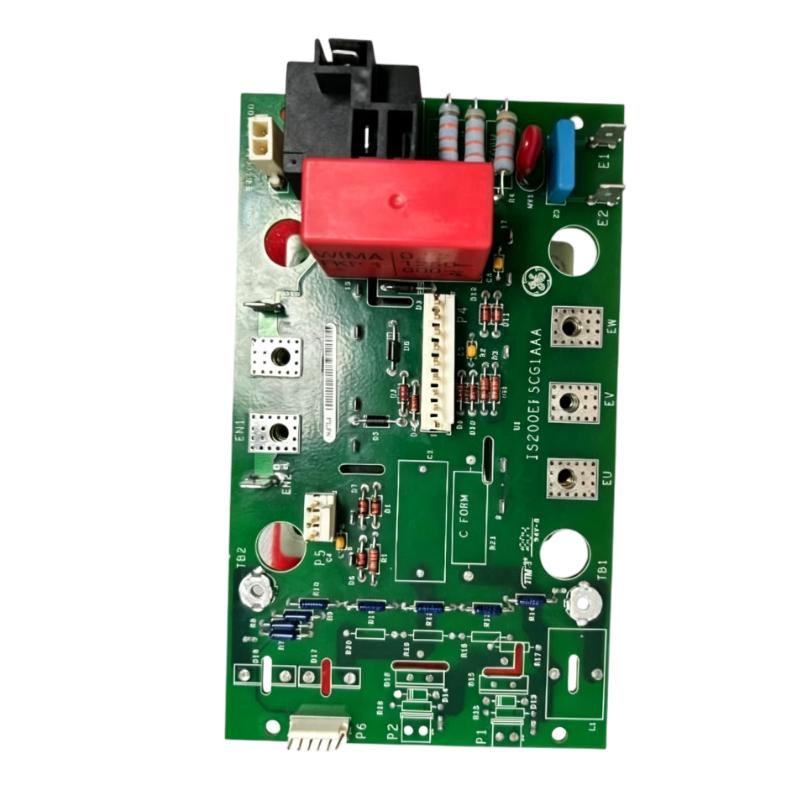
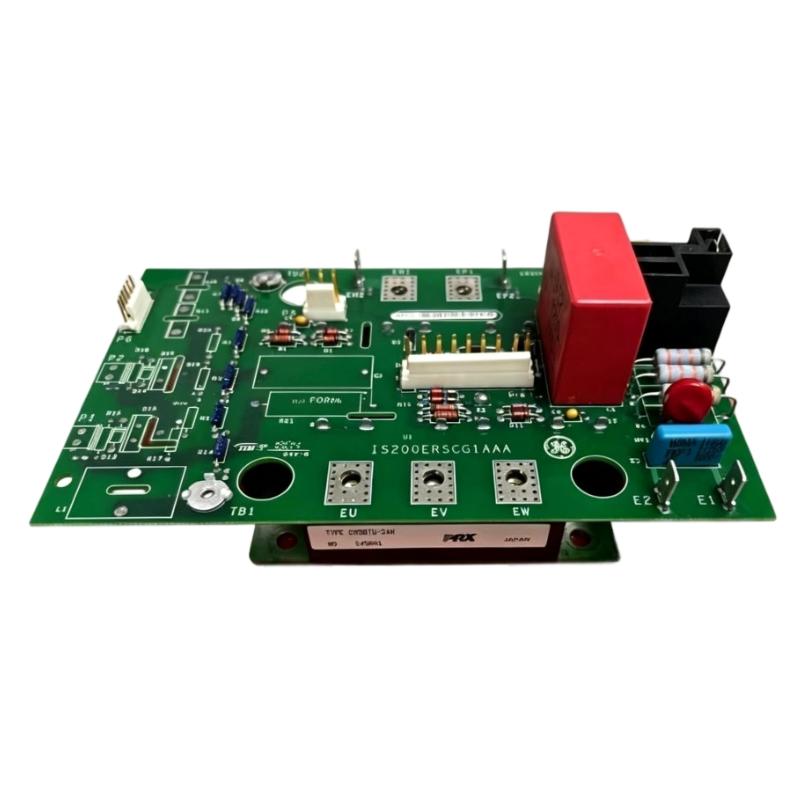
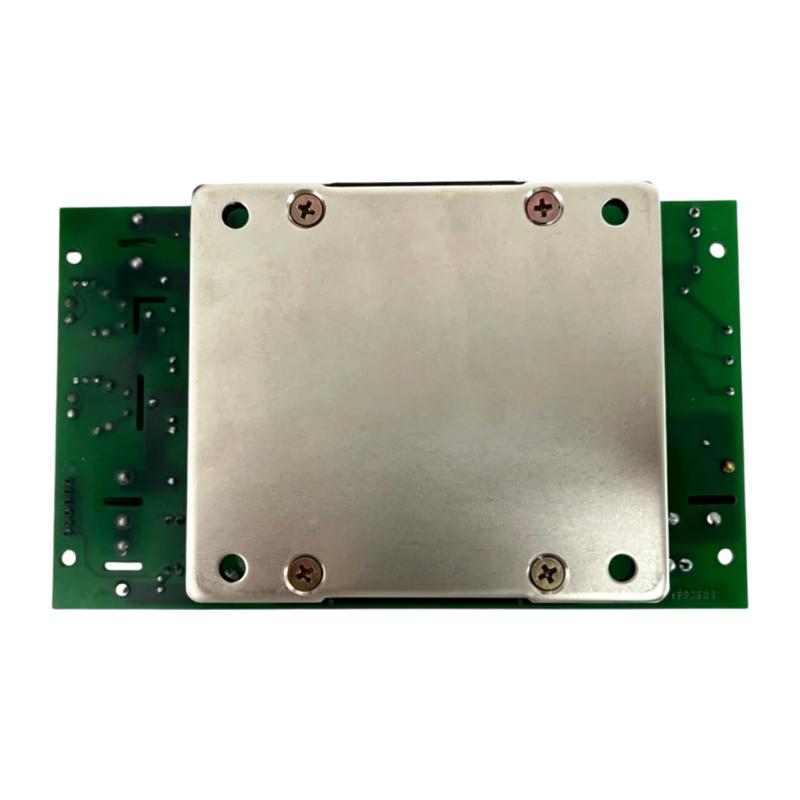
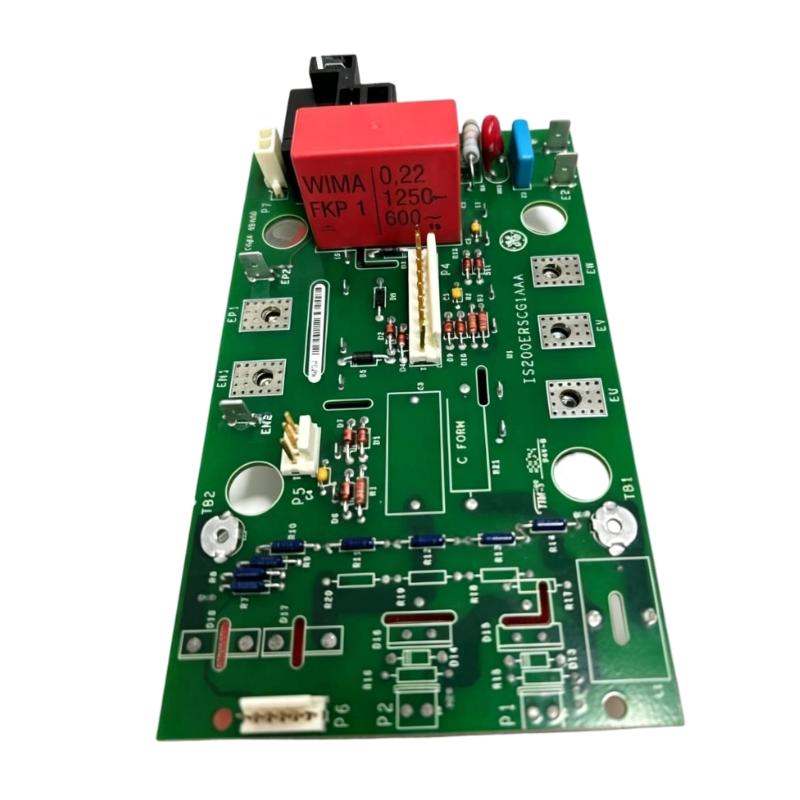
- GE
- IS200ERSCG1A
- Exciter Regulator Static Converter
- USA
- 170 × 50 × 100 mm
- 0.5 kg
- Xiamen, China
- New & In Stock
- T/T, PayPal, Western Union
- 1 Year
- 1-3 Working Days
- DHL, UPS, TNT, FedEx and EMS.
- 24-Hour Service
- COO
- 18
Our advantage

Global Logistics
We have a 10-year logistics and express cooperation agreement, so our products can be shipped to any place in the world.

Brand new and original
Our products are imported in bulk from the place of origin. Because of the cooperative relationship, our products are all original and 100% new.

24-hour service
We provide 7*24 hours service to our customers. We will be there whenever you need us.

Price advantage
All our products are priced very favorably because we have our own warehouse and supply.
| Company Information | |||
| [email protected] | |||
| Mobile | +8615980777398 | ||
| +8615980777398 | |||
| 15980777398 |
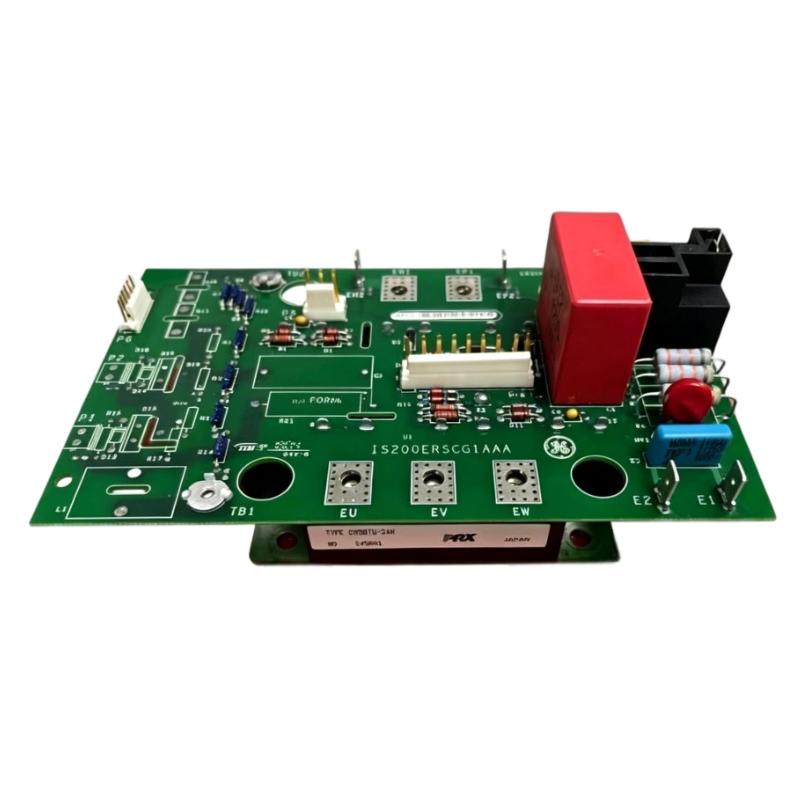
Product Overview
The GE IS200ERSCG1A is an EX2100 Series exciter regulator static converter used within the excitation control architecture of GE generator systems. Its job is closely tied to the conversion and regulation of electrical power associated with the excitation circuit, where controlled DC power is required to establish and maintain the generator field.
In a typical EX2100 installation, the static converter works as part of a larger chain that includes the excitation power source, regulator/control electronics, generator field circuit, sensing inputs, and protection functions. The regulator determines the required excitation level from generator operating conditions, while the converter section handles the corresponding power conversion.
This makes the IS200ERSCG1A a board-level component rather than a complete excitation controller. When replacing one in an operating system, technicians normally need to consider the surrounding EX2100 hardware, board revision, wiring, connectors, and system configuration rather than treating the converter as an isolated component.
Technical Specifications
| Parameter | Specification |
|---|---|
| Model | IS200ERSCG1A |
| Series | EX2100 Series |
| Product Type | Exciter Regulator Static Converter |
| Dimensions | 170 × 50 × 100 mm |
| Weight | 0.5 kg |
| System Application | Generator excitation control |
Product Features
- Part of the GE EX2100 excitation control system.
- Handles power conversion associated with the generator excitation circuit.
- Works with the EX2100 regulator and associated excitation hardware.
- Suitable for board-level replacement in compatible GE excitation installations.
- Compact construction for integration within the excitation control cabinet.
- Supports the controlled electrical path between the excitation power section and generator field circuit.
Working Principle
The IS200ERSCG1A operates on the power-conversion side of the EX2100 excitation system. The excitation regulator determines how much field excitation is required from generator operating feedback, and the static converter participates in converting the available electrical input into the controlled excitation power required by the field circuit.
During operation, generator voltage and other operating feedback are processed by the excitation control system. The regulator adjusts its control demand as generator conditions change. The static converter then responds to the regulator’s control scheme while handling the associated power conversion.
From a maintenance perspective, the converter should be considered together with the complete excitation power path. A field-related fault does not automatically indicate a failed IS200ERSCG1A. Input power, regulator commands, associated boards, field wiring, connectors, and protection circuits can produce similar symptoms and should be checked before replacing the board.
Role in the EX2100 Excitation Control Architecture
| System Element | Function |
|---|---|
| Generator Voltage Sensing | Supplies operating feedback used by the excitation regulator. |
| EX2100 Regulator | Determines the required excitation level based on generator conditions and control settings. |
| IS200ERSCG1A Static Converter | Performs the power-conversion function associated with the controlled excitation path. |
| Excitation Power Section | Supplies the electrical energy required for field excitation. |
| Generator Field Circuit | Receives controlled excitation power and establishes the generator magnetic field. |
| Protection and Monitoring | Detects abnormal excitation conditions and initiates appropriate system responses. |
| Control Interface | Connects excitation regulation functions with the wider generator control architecture. |
Industrial Applications
| Application | Typical Use |
|---|---|
| Power Generation | Excitation control for synchronous generators in utility and industrial generating facilities. |
| Gas Turbine Generator Systems | Part of the excitation arrangement used with generator sets driven by gas turbines. |
| Steam Turbine Generator Systems | Supports excitation power conversion within generator control cabinets. |
| Industrial Power Plants | Used in generator excitation systems where controlled field power is required. |
| Generator Retrofit and Maintenance | Replacement of compatible EX2100 board-level hardware during planned maintenance. |
Installation and Maintenance
- Verify the exact board identification before installation. Confirm IS200ERSCG1A and the applicable EX2100 hardware configuration.
- Check the system revision before replacing the board. Hardware revisions and system configurations should be matched with the existing excitation equipment.
- Follow electrical isolation procedures before removing the converter from the excitation cabinet. Stored electrical energy and excitation circuits require appropriate lockout and discharge procedures.
- Inspect connectors and terminals for looseness, oxidation, contamination, or physical damage before installing the replacement board.
- Record existing wiring and board positions before removal. This helps prevent connection errors during reinstallation.
- Inspect the surrounding excitation circuitry rather than assuming a converter fault from a field or excitation alarm alone.
- Check associated regulator signals when the converter does not respond as expected. A missing control command can appear similar to a converter failure.
- Inspect the excitation power path for abnormal conditions, damaged components, or interrupted connections.
- Keep the board and cabinet clean and dry. Dust accumulation, moisture, and contamination can affect electrical connections and board operation.
- Check cabinet cooling and airflow during routine maintenance. Excessive temperature can shorten the service life of electronic excitation components.
- Perform functional checks after replacement using the site’s approved commissioning and excitation test procedures.
- Monitor the generator after maintenance for abnormal excitation response, field-related alarms, voltage regulation issues, or recurring converter faults.
Compatible System Components
| Component | Function |
|---|---|
| GE EX2100 Excitation Controller | Provides excitation regulation and system-level control functions. |
| EX2100 Regulator Boards | Process generator feedback and generate excitation control commands. |
| Excitation Power Components | Supply and condition electrical power used by the field circuit. |
| Generator Field Circuit | Receives controlled excitation power from the excitation system. |
| Generator Voltage Sensing Circuit | Provides feedback required for excitation regulation. |
| Excitation Protection Hardware | Monitors abnormal operating conditions and protects the excitation system. |
Recommended Related Models
| Model / Product Family | Product Type | Typical Application |
|---|---|---|
| GE EX2100 Series | Excitation Control System | Generator excitation and voltage regulation |
| GE IS200 Excitation Boards | Board-Level Excitation Components | EX2100 system control and power functions |
| GE EX2100 Regulator Components | Regulator Hardware | Excitation feedback and regulation |
| GE Excitation Power Components | Power Conversion Hardware | Generator field power control |
| GE Mark VI / Mark VIe Generator Control Components | Generator Control Hardware | Turbine-generator control and monitoring |
Key Advantages
- Directly associated with the EX2100 excitation power-conversion path.
- Board-level construction simplifies replacement within compatible cabinets.
- Supports controlled generator field excitation.
- Integrates with the wider EX2100 regulator and protection architecture.
- Suitable for maintenance and replacement applications where the original hardware configuration is retained.
Technical FAQs
What is the function of the GE IS200ERSCG1A?
The IS200ERSCG1A is an EX2100 Series Exciter Regulator Static Converter used in the excitation system’s power-conversion path. It works with the regulator and excitation power circuitry to support controlled generator field excitation.
Is the IS200ERSCG1A a complete EX2100 excitation controller?
No. It is a board-level static converter component within the EX2100 excitation architecture. The complete excitation system includes regulation, sensing, power conversion, protection, and generator field circuitry.
What should be checked before replacing an IS200ERSCG1A?
Verify the exact board part number and revision, inspect the connectors and surrounding excitation circuitry, and confirm that the system configuration is compatible with the replacement. The excitation power path and regulator control signals should also be checked if the original board is associated with a field or excitation fault.
What can cause an excitation fault even when the IS200ERSCG1A has been replaced?
Possible causes include problems in the excitation power supply, regulator command path, sensing circuits, field wiring, connectors, protection circuitry, or other EX2100 boards. A converter replacement should therefore be followed by system-level functional checks rather than assuming the fault is resolved solely by changing the board.