

ProductPRODUCT
Featured products
Contact Us
- GE
- DS215TCQAG1BZZ01A DS200TCQAG1BDC
- Analog I/O Board
- USA
- 262 × 185 × 39 mm
- 0.8 kg
- Xiamen, China
- New & In Stock
- T/T, PayPal, Western Union
- 1 Year
- 1-3 Working Days
- DHL, UPS, TNT, FedEx and EMS.
- 24-Hour Service
- COO
- 48
Our advantage

Global Logistics
We have a 10-year logistics and express cooperation agreement, so our products can be shipped to any place in the world.

Brand new and original
Our products are imported in bulk from the place of origin. Because of the cooperative relationship, our products are all original and 100% new.

24-hour service
We provide 7*24 hours service to our customers. We will be there whenever you need us.

Price advantage
All our products are priced very favorably because we have our own warehouse and supply.
| Company Information | |||
| [email protected] | |||
| Mobile | +8615980777398 | ||
| +8615980777398 | |||
| 15980777398 |
Product Overview
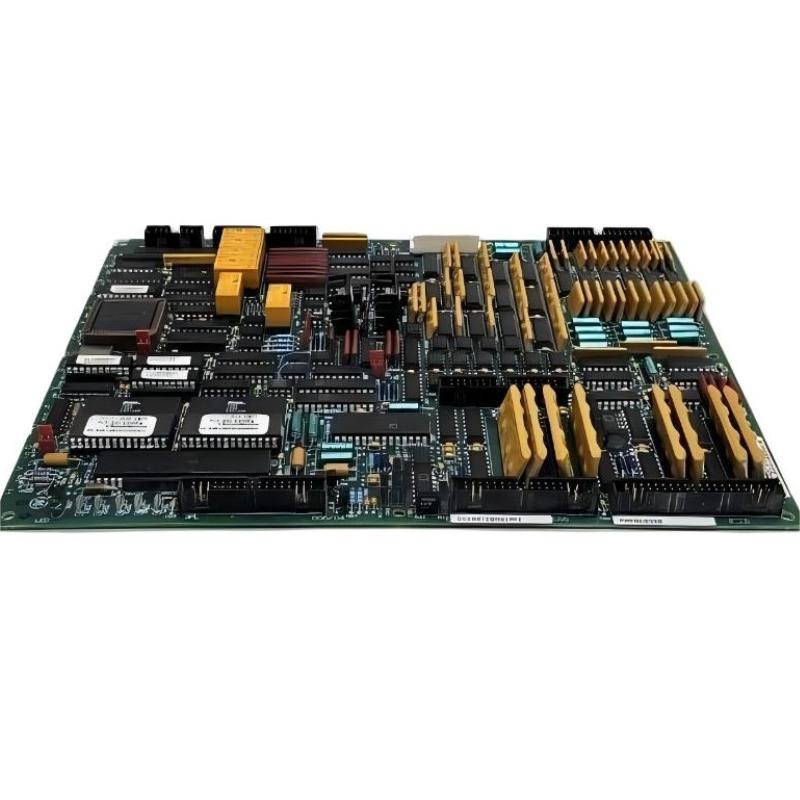
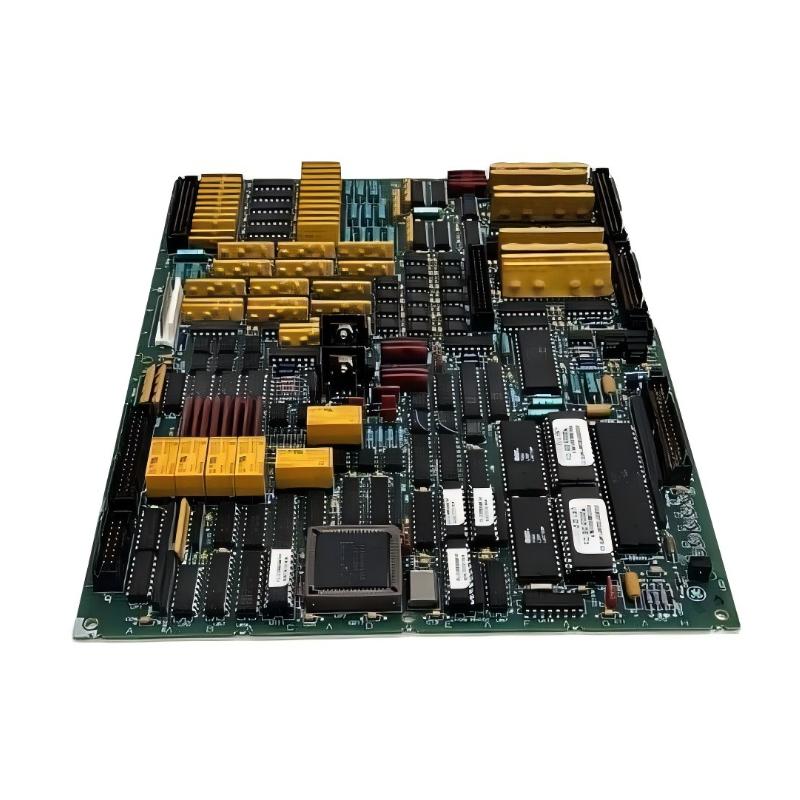
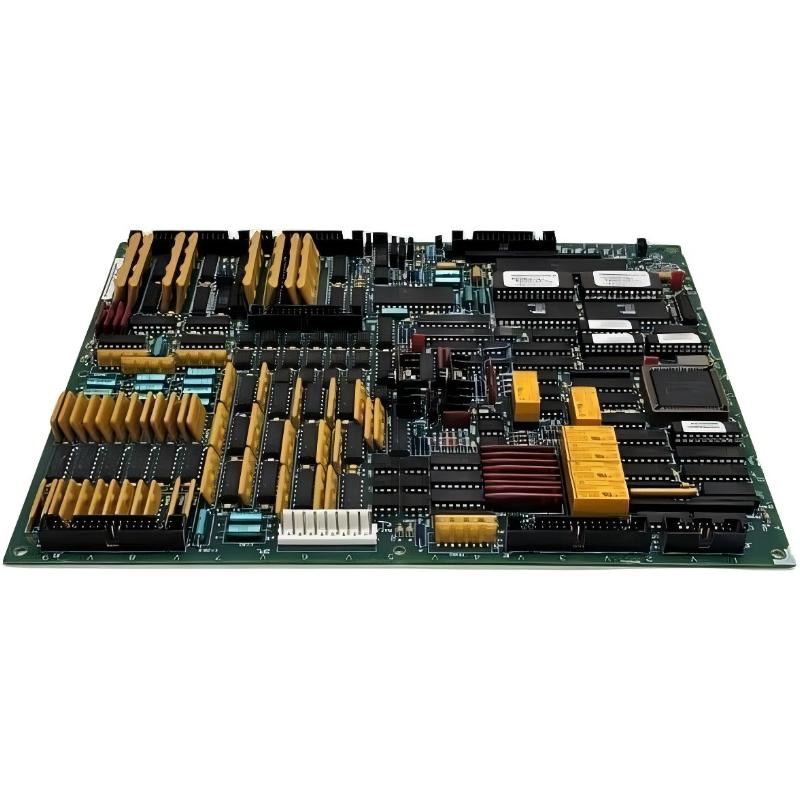
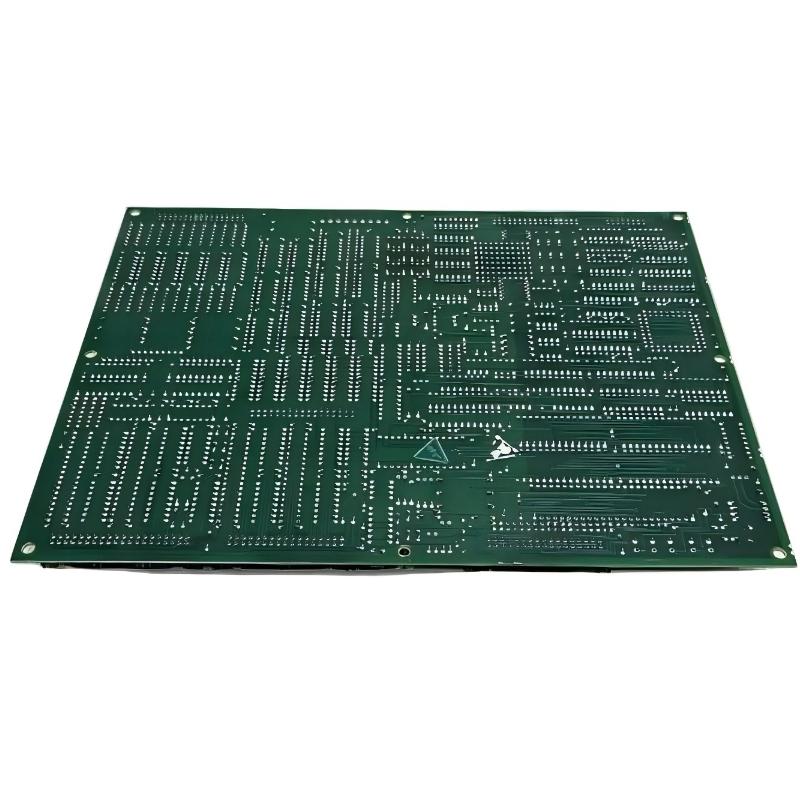
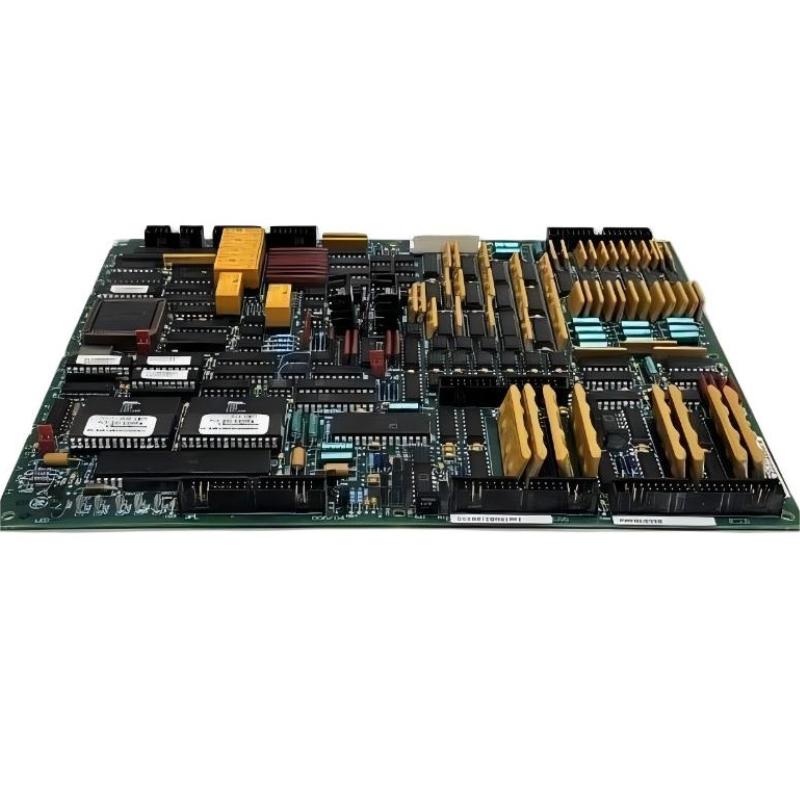
The GE DS215TCQAG1BZZ01A with the associated DS200TCQAG1BDC is an Analog I/O Board designed for compatible GE Mark V Speedtronic turbine control systems. It provides an interface between field-level analog signals and the turbine control architecture, allowing the control system to monitor process variables and exchange analog information with connected field devices.
Analog input and output functions are essential in industrial turbine automation because many important operating parameters are represented as continuously varying electrical signals. Unlike a simple ON/OFF digital signal, an analog signal can represent changing values such as pressure, temperature, speed-related measurements, valve position, fuel demand, or other process conditions.
The DS215TCQAG1BZZ01A DS200TCQAG1BDC therefore serves an important interface role within a compatible Mark V control system. It allows field instrumentation and control devices to communicate with the turbine controller through appropriate analog signal paths.
The TCQA family is associated with analog I/O functionality in GE turbine control architectures. Depending on the system configuration, the board can participate in signal conditioning, analog input processing, analog output generation, and communication of process information to the wider control system.
The specified dimensions of this product are 262 × 185 × 39 mm, with a specified weight of 0.8 kg.
Because Mark V systems were configured for individual turbine applications, the exact signal allocation and electrical interface should always be verified against the installed system configuration before replacement or commissioning.
Technical Specifications
| Parameter | Details |
|---|---|
| Manufacturer | GE General Electric |
| Model | DS215TCQAG1BZZ01A |
| Associated Board | DS200TCQAG1BDC |
| Product Type | Analog I/O Board |
| Functional Family | TCQA |
| System Family | GE Mark V Speedtronic |
| Primary Function | Analog signal input and output interface |
| Signal Type | Analog field signals |
| Application | Turbine control and process monitoring |
| Control Architecture | Mark V turbine control system |
| Installation | Control cabinet / Mark V control rack |
| Signal Interface | Field instrumentation and control devices |
| Dimensions | 262 × 185 × 39 mm |
| Weight | 0.8 kg |
| Service Application | Maintenance, replacement and system restoration |
| Industrial Environment | Industrial turbine control applications |
Function and Working Principle
The primary function of the DS200TCQAG1BDC is to provide analog input and output capabilities within the compatible GE Mark V turbine control system.
Industrial turbine systems rely on a large number of continuously variable process measurements. Sensors and transmitters convert physical conditions into electrical signals, which are then transferred to the control system for monitoring and control.
A simplified analog signal path can be represented as:
Field Sensor → Signal Wiring → Analog I/O Interface → Control Processing → Control Decision
For an analog output, the direction is reversed:
Control Processing → Analog Output Interface → Field Device → Process Response
The TCQA board provides the interface between these signal paths and the Mark V control architecture.
Depending on the specific turbine configuration, analog signals can represent measurements or control commands associated with:
- Temperature
- Pressure
- Flow
- Valve position
- Fuel demand
- Control reference values
- Process feedback
- Speed-related measurements
- Actuator commands
- Other continuously variable turbine parameters
The board’s analog interface allows the control system to work with real-world process variables rather than only discrete status signals.
Analog Input Function
Analog inputs allow the Mark V control system to receive continuously varying measurements from field instrumentation.
For example, a pressure transmitter may provide a variable electrical signal corresponding to process pressure. The analog input circuitry receives this signal and makes the corresponding information available to the control system.
The general process is:
- A field sensor measures a physical parameter.
- The sensor or transmitter generates an electrical signal.
- The signal travels through field wiring.
- The signal enters the analog interface.
- The analog circuitry conditions and processes the signal.
- The control system interprets the measured value.
- The value is used for monitoring, control, alarming, or protection-related logic where configured.
Signal quality is important because an inaccurate analog measurement can influence control decisions.
Potential sources of analog signal problems include damaged transmitters, incorrect wiring, poor grounding, electrical interference, loose terminals, signal-loop problems, and defective input circuitry.
Analog Output Function
Analog outputs provide continuously variable control signals from the turbine control system to external devices.
A simplified output path is:
Control Algorithm → Analog Output → Field Wiring → Actuator or Control Device
Depending on the system configuration, analog outputs may be used for control references or commands associated with turbine equipment.
Examples can include:
- Valve control references
- Fuel control commands
- Actuator positioning
- Speed-control references
- Load-control signals
- Other variable control outputs
The actual output assignments depend on the turbine’s engineering configuration.
Role in Industrial Control Systems
The GE DS215TCQAG1BZZ01A DS200TCQAG1BDC occupies an interface position between field instrumentation and the Mark V turbine control system.
Modern turbine automation requires continuous communication between the physical process and the control system. Sensors measure operating conditions, controllers evaluate those measurements, and actuators adjust the process.
The analog I/O system provides one of the key communication paths in this control loop.
A typical control loop can be represented as:
Process → Sensor → Analog Input → Controller → Analog Output → Actuator → Process
This closed-loop structure allows the turbine controller to continuously adjust operating conditions.
For example, if a process variable deviates from its desired operating point, the controller can evaluate the measured value and generate a corresponding output command.
The analog I/O board therefore contributes to the continuous control process that distinguishes industrial automation systems from simple discrete control systems.
Industrial Applications
The DS215TCQAG1BZZ01A and DS200TCQAG1BDC are associated with GE Mark V turbine control applications.
Typical application environments can include:
- Gas turbine power plants
- Steam turbine control systems
- Combined-cycle power generation
- Industrial turbine installations
- Cogeneration facilities
- Process-industry turbine systems
- Compressor drive applications
- Legacy GE Speedtronic control systems
Within these environments, analog I/O hardware supports the continuous measurement and control of turbine operating parameters.
The board can be particularly important in legacy Mark V installations where the original control architecture remains in service and replacement or maintenance components are required.
Typical Analog Signals
The exact signal assignment depends on the turbine configuration, but analog I/O systems can be used for a wide range of process variables.
| Signal Category | Typical Example | Purpose |
|---|---|---|
| Pressure | Process pressure | Monitoring and control |
| Temperature | Process or equipment temperature | Thermal monitoring |
| Flow | Fuel or process flow | Process regulation |
| Position | Valve position | Actuator feedback |
| Control Reference | Variable command signal | Equipment control |
| Speed-Related Signal | Speed measurement or reference | Turbine control |
| Load Signal | Generator or process load | Load control |
| Process Feedback | Continuous process variable | Closed-loop control |
The table represents common categories rather than a fixed channel assignment for every DS200TCQAG1BDC installation.
Signal Conditioning and Accuracy
Analog signals are more sensitive to electrical noise and wiring conditions than simple discrete signals. Proper signal conditioning and installation are therefore important.
Potential signal-quality issues can result from:
- Electromagnetic interference
- Incorrect cable routing
- Poor shielding
- Ground-loop conditions
- Loose terminals
- Damaged cables
- Incorrect transmitter configuration
- Power supply problems
- Field-device degradation
When an analog measurement appears unstable, the technician should determine whether the problem originates in the field instrument, wiring, termination hardware, or TCQA board.
Replacing the board without verifying the signal source can result in unnecessary maintenance and extended troubleshooting time.
Compatible System Components
The TCQA analog I/O board normally operates as part of a larger Mark V system.
| Component | Type | Typical Function |
|---|---|---|
| DS200TCQAG1BDC | Analog I/O Board | Analog field signal interface |
| DS215TCQAG1BZZ01A | Configured Assembly | Provides configured TCQA system hardware |
| Mark V Control Processor | Control Processor | Executes turbine control logic |
| Terminal Boards | Signal Interface | Connect field wiring to control hardware |
| Transmitters | Field Instrumentation | Measure process variables |
| Temperature Sensors | Field Sensors | Provide thermal measurements |
| Pressure Sensors | Field Sensors | Provide pressure feedback |
| Position Transmitters | Feedback Devices | Provide actuator position information |
| Control Valves | Final Control Elements | Regulate process conditions |
| Operator Interface | HMI | Displays measurements and alarms |
The exact hardware combination varies according to the turbine engineering configuration.
Installation and System Integration
Correct installation is important for reliable analog signal acquisition and control output.
Before replacing the DS200TCQAG1BDC, maintenance personnel should document the existing configuration as completely as possible.
A general installation procedure includes:
- Place the turbine and control system in the approved maintenance state.
- Follow site lockout and electrical isolation procedures.
- Verify that relevant power sources have been isolated.
- Identify the installed board.
- Record the DS215TCEAG1BZZ01A identification.
- Record the DS200TCQAG1BDC board identification.
- Document board location and mounting position.
- Record connector locations.
- Record field wiring positions.
- Document jumper or configuration settings where applicable.
- Inspect the replacement board for damage.
- Check connectors and mounting hardware.
- Install the replacement board correctly.
- Reconnect all cables in their original positions.
- Verify connector engagement.
- Check grounding and shielding.
- Restore power using the approved procedure.
- Check board status and system diagnostics.
- Verify analog input values.
- Verify analog output operation using approved testing procedures.
Field wiring should not be modified simply because a replacement board appears similar to another TCQA board. The actual system wiring and configuration must be preserved unless an approved engineering change has been made.
Analog Wiring Considerations
Analog signal wiring requires careful attention to noise control.
Signal cables should be routed appropriately relative to high-voltage power cables, motor cables, switching devices, and other major sources of electromagnetic interference.
Important installation considerations include:
- Correct signal polarity
- Correct terminal assignment
- Appropriate cable shielding
- Proper grounding
- Separation from high-power conductors
- Secure terminal connections
- Correct transmitter power arrangement
- Correct signal-loop configuration
An analog signal that is electrically correct at the transmitter can still become unstable if the cable installation or termination is poor.
Maintenance and Troubleshooting
Troubleshooting the DS215TCQAG1BZZ01A DS200TCQAG1BDC should follow the signal path from the field device toward the control processor.
| Observed Condition | Possible Area to Check |
|---|---|
| Analog input reads zero | Field device, wiring, power supply, terminal connection or input channel |
| Analog value is unstable | Noise, shielding, grounding, transmitter or input circuitry |
| Analog value is incorrect | Sensor calibration, scaling, wiring or input configuration |
| Analog output does not respond | Control logic, output channel, wiring or field actuator |
| Output signal is unstable | Output circuitry, wiring, grounding or load device |
| Multiple channels fail | Power supply, common wiring, board connection or board-level fault |
| Board diagnostic alarm | Power, processor, configuration or hardware condition |
| Intermittent analog signal | Connector, terminal, cable, interference or board condition |
A useful troubleshooting strategy is to divide the system into sections:
Field Device → Field Wiring → Terminal Board → TCQA Board → Mark V Control Processor → HMI
By checking each section systematically, technicians can determine where the signal becomes abnormal.
Diagnosing an Analog Input Problem
If an analog input value is incorrect, the first step should be to determine whether the field device is producing the correct signal.
For example, if a transmitter is expected to generate a variable current or voltage signal, the signal can be checked at the appropriate test point using approved measurement equipment.
If the field signal is correct but the control system displays an incorrect value, the investigation should move toward the wiring, termination, TCQA input channel, scaling, or control-system configuration.
If the field signal itself is incorrect, replacing the TCQA board is unlikely to solve the problem.
This field-to-controller diagnostic approach reduces unnecessary board replacement.
Diagnosing an Analog Output Problem
When an analog output fails to control the connected device, troubleshooting should begin with the control command and then follow the signal toward the field device.
The technician can verify:
- Whether the control logic is generating the expected command
- Whether the output channel is enabled
- Whether the output wiring is intact
- Whether the signal reaches the field device
- Whether the actuator responds correctly
- Whether the output load is within the intended electrical arrangement
An output failure does not necessarily indicate a defective board. The final actuator or the wiring between the board and actuator may be responsible.
Common Causes of Analog I/O Problems
Typical causes of problems associated with analog I/O systems include:
- Damaged field transmitters
- Incorrect wiring
- Loose terminals
- Connector problems
- Grounding faults
- Electrical interference
- Incorrect scaling
- Incorrect signal configuration
- Power supply problems
- Board-level component degradation
- Field actuator problems
- Incorrect maintenance configuration
These problems can produce similar symptoms, so measurements should be used to identify the actual fault location.
Replacement Considerations
When replacing the DS200TCQAG1BDC, the complete identification should be verified rather than selecting a board based only on its physical appearance.
Important information includes:
- DS215TCQAG1BZZ01A
- DS200TCQAG1BDC
- TCQA functional family
- Hardware revision
- Connector arrangement
- Field wiring configuration
- Jumper settings
- Memory configuration where applicable
- System location
- Associated terminal boards
Two boards belonging to the same general family may have different revisions or configurations. Physical dimensions alone should therefore not be used as the only compatibility criterion.
For legacy turbine systems, exact part-number matching is especially important because the original engineering configuration may have been customized for a particular turbine.
Recommended Alternative Models
The following models are related GE Mark V control and I/O hardware that may be useful when planning maintenance or evaluating system architecture. They should not automatically be considered direct substitutes for the DS200TCQAG1BDC.
| Model | Type | Key Feature | Application |
|---|---|---|---|
| DS215TCQAG1BZZ01A | Configured Analog I/O Assembly | TCQA configured hardware | GE Mark V turbine control |
| DS200TCQAG1BDC | Analog I/O Board | Analog field signal interface | Mark V control systems |
| DS200TCQAG1B | TCQA Board Family | Analog control interface | Legacy turbine automation |
| DS200TCQAG1BCB | Analog I/O Board | Related TCQA configuration | GE Speedtronic systems |
| DS200TCDAG1BDB | Digital I/O Board | Digital field signal processing | Mark V digital I/O |
| DS215TCDAG1BZZ01A | Digital I/O Assembly | Configured digital I/O interface | GE Mark V systems |
| DS200TCEAG1BNE | Emergency Overspeed Board | Protection signal processing | Mark V turbine protection |
Replacement recommendation: The first choice for replacement should normally be an exact match for the complete DS215TCQAG1BZZ01A DS200TCQAG1BDC identification. Other TCQA variants should only be considered after confirming the installed turbine configuration and required analog I/O functions.
Key Advantages
- Provides analog I/O functionality for GE Mark V turbine control
- Interfaces field instrumentation with the control architecture
- Supports continuous process-variable monitoring
- Supports analog control signal output
- Suitable for turbine automation applications
- Supports closed-loop control functions
- Can interface with multiple categories of field instrumentation
- Designed for integration within legacy GE Speedtronic systems
- Useful for maintenance and replacement of Mark V control hardware
- Supports reliable analog signal communication when correctly installed
Technical FAQs
What is the GE DS215TCQAG1BZZ01A?
The GE DS215TCQAG1BZZ01A is a configured Mark V assembly associated with the TCQA analog I/O function. The associated board identification is DS200TCQAG1BDC.
What is the DS200TCQAG1BDC?
The DS200TCQAG1BDC is an analog I/O board used in compatible GE Mark V turbine control systems to interface analog field signals with the turbine control architecture.
What is the main function of this board?
Its main function is to provide analog input and output capability for compatible turbine control applications, allowing the control system to receive continuously variable process information and generate analog control signals.
What are the dimensions of the DS215TCQAG1BZZ01A?
The specified dimensions are 262 × 185 × 39 mm.
What is the weight of the board?
The specified weight is 0.8 kg.
Where is the DS200TCQAG1BDC used?
It is associated with GE Mark V Speedtronic turbine control systems used in power generation and industrial turbine applications.
What types of signals can an analog I/O board handle?
Depending on the system configuration, analog I/O channels can be associated with measurements and control signals for pressure, temperature, flow, position, load, speed-related variables, fuel control, and other continuously varying process parameters.
Can the board be used as a digital I/O board?
No. The TCQA board is associated with analog I/O functions. Digital I/O functions are normally handled by other Mark V board families such as TCDA-related hardware.
What components work with the DS200TCQAG1BDC?
Typical associated components include Mark V processors, terminal boards, transmitters, pressure sensors, temperature sensors, position feedback devices, control valves, actuators, power supplies, and operator interfaces.
What causes unstable analog readings?
Possible causes include electrical interference, poor shielding, grounding problems, damaged field wiring, loose terminals, transmitter problems, power instability, or defective analog input circuitry.
Should the board be replaced when an analog signal is incorrect?
Not immediately. The field transmitter, wiring, terminal connection, signal quality, configuration, and input channel should be checked first. A board replacement should be based on evidence that the board itself is defective.
Can another TCQA board be used as a replacement?
Only after compatibility has been confirmed. TCQA boards can have different hardware revisions and configurations, so the complete part number and system requirements should be verified before substitution.
How should an analog I/O fault be diagnosed?
The recommended approach is to follow the signal from the field device through the wiring and terminal interface to the TCQA board and then to the Mark V control processor. This helps isolate the actual source of the fault.
Conclusion
The GE DS215TCQAG1BZZ01A DS200TCQAG1BDC Analog I/O Board is an important interface component for compatible GE Mark V Speedtronic turbine control systems. Its primary role is to connect continuously variable field signals with the turbine control architecture, supporting both process monitoring and analog control functions.
Analog I/O is essential to turbine automation because many important process variables cannot be represented simply as ON/OFF conditions. Temperature, pressure, flow, position, load, and other process values require continuous measurement and control. The TCQA board provides an interface that allows these variables to participate in the turbine’s closed-loop control architecture.
The specified dimensions of the product are 262 × 185 × 39 mm, and the specified weight is 0.8 kg. The complete identification DS215TCQAG1BZZ01A DS200TCQAG1BDC should be retained when sourcing replacement hardware.
For maintenance engineers, system integrators, and turbine-control specialists, correct part-number identification is particularly important. Hardware revision, connector arrangement, wiring, configuration, terminal interfaces, and associated Mark V components should all be checked before installation.
When correctly matched with the surrounding turbine automation system, the GE DS215TCQAG1BZZ01A DS200TCQAG1BDC provides a practical analog interface between field instrumentation and the Mark V control architecture, supporting reliable process measurement, continuous control, and long-term maintenance of legacy GE turbine-control installations.