

ProductPRODUCT
Featured products
Contact Us
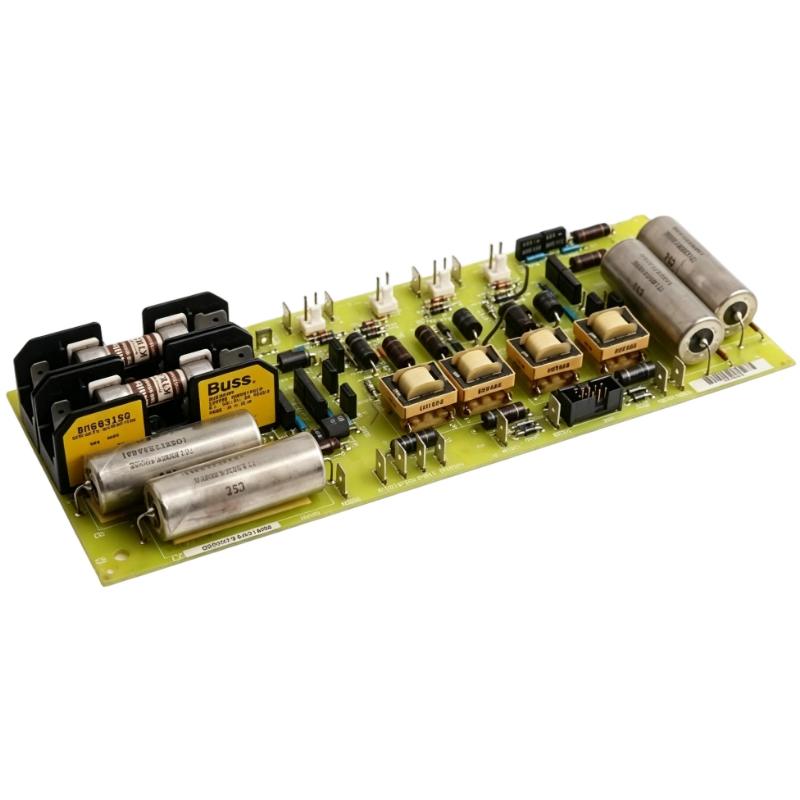
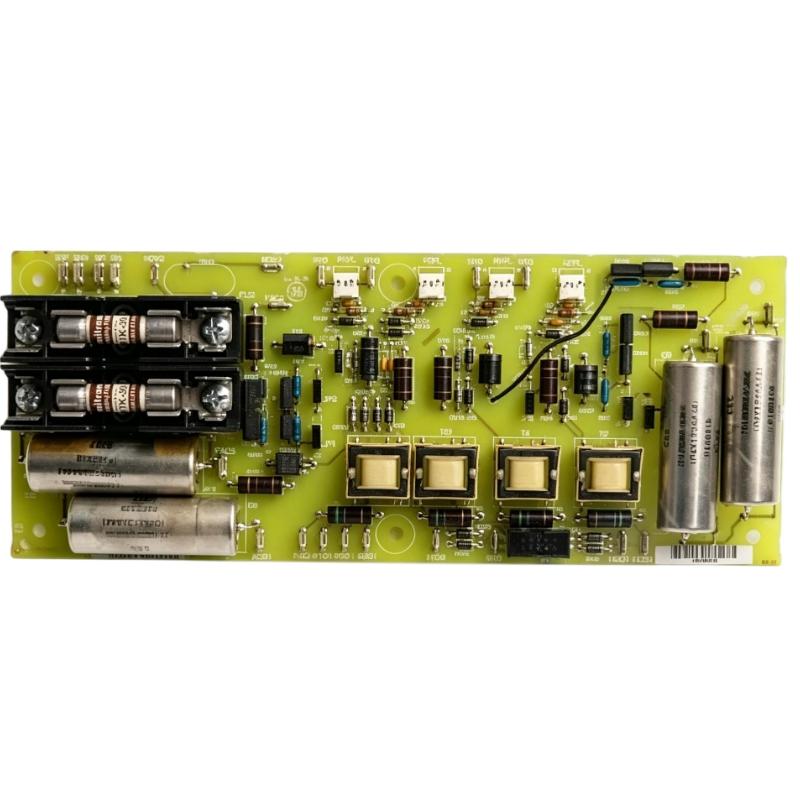
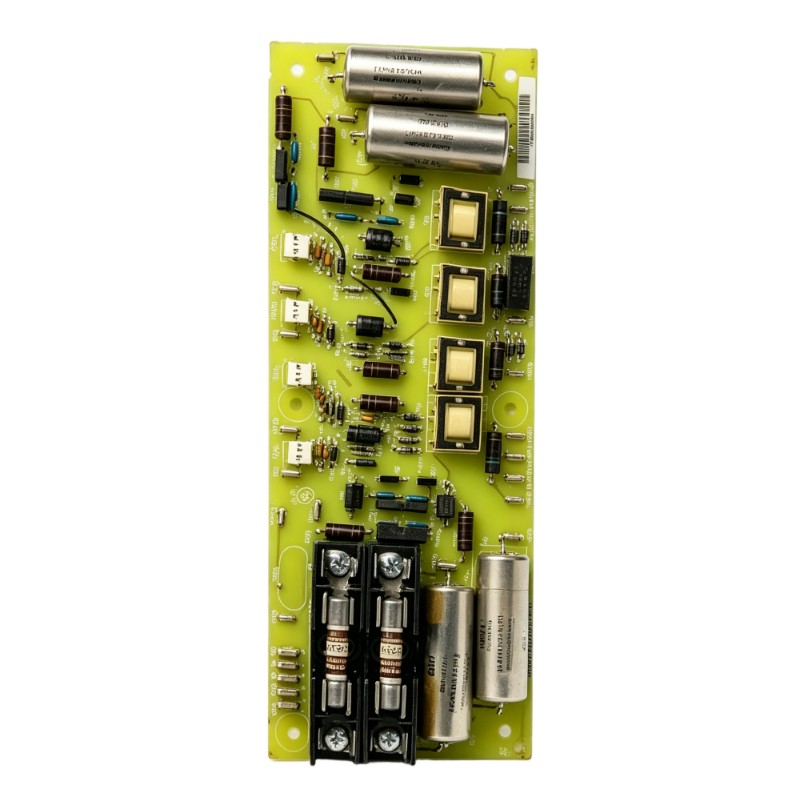
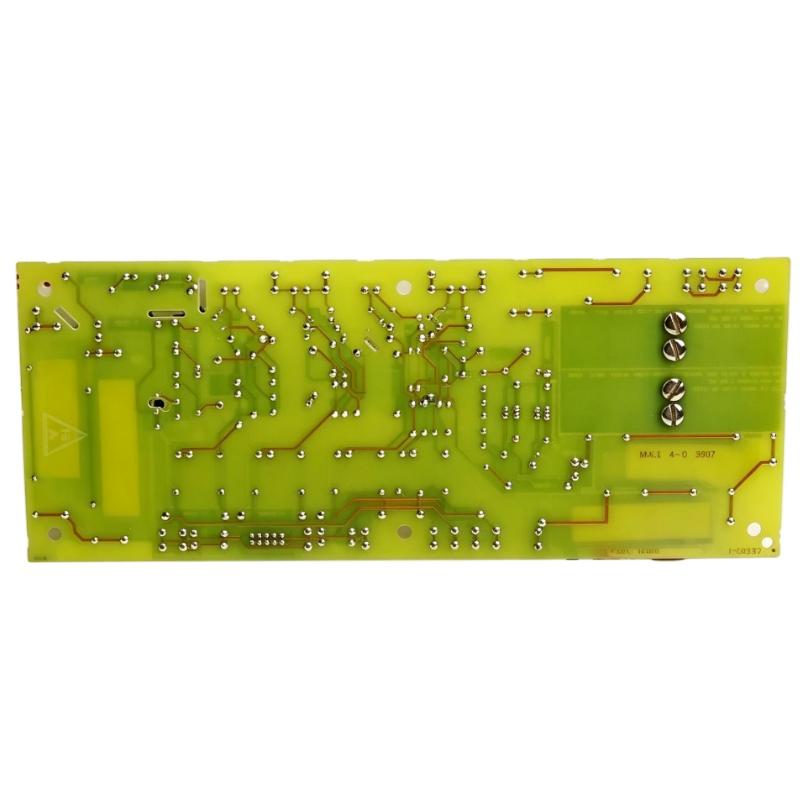
- GE
- DS200FSAAG1ABA
- Field Power Amplifier Board
- USA
- 180 × 120 × 60 mm
- 0.481 kg
- Xiamen, China
- New & In Stock
- T/T, PayPal, Western Union
- 1 Year
- 1-3 Working Days
- DHL, UPS, TNT, FedEx and EMS.
- 24-Hour Service
- COO
- 58
Our advantage

Global Logistics
We have a 10-year logistics and express cooperation agreement, so our products can be shipped to any place in the world.

Brand new and original
Our products are imported in bulk from the place of origin. Because of the cooperative relationship, our products are all original and 100% new.

24-hour service
We provide 7*24 hours service to our customers. We will be there whenever you need us.

Price advantage
All our products are priced very favorably because we have our own warehouse and supply.
| Company Information | |||
| [email protected] | |||
| Mobile | +8615980777398 | ||
| +8615980777398 | |||
| 15980777398 |
Overview
The GE DS200FSAAG1ABA is a Field Power Amplifier Board designed for GE Mark V control and drive systems.
This board is used to amplify and control field-related power signals, providing stable signal processing and supporting reliable operation of excitation and drive control circuits. It plays an important role in regulating field power functions and maintaining proper communication between control components and power circuits.
Technical Specifications
| Parameter | Details |
|---|---|
| Brand | GE |
| Model | DS200FSAAG1ABA |
| Product Type | Field Power Amplifier Board |
| Series | Mark V Control System |
| Dimensions | 180 × 120 × 60 mm |
| Weight | 0.481 kg |
| Main Function | Field Power Signal Amplification and Control |
| Board Type | Control Circuit Board |
| Application | Turbine Control and Drive Systems |
| Installation Type | Control Cabinet Mounting |
Applications
Gas Turbine Control Systems
The GE DS200FSAAG1ABA supports field power control functions in GE gas turbine systems by providing reliable amplification and signal handling.
Excitation System Applications
The board is used in excitation-related circuits to help regulate field signals and maintain stable generator control operation.
Industrial Drive Systems
It provides field power signal processing for compatible industrial drive applications requiring accurate control performance.
Generator Control Systems
The board assists generator control architectures by supporting field circuit operation and feedback management.
GE Mark V Maintenance Applications
The DS200FSAAG1ABA is commonly used as a replacement component for maintaining compatible GE Mark V control installations.
How It Works
The GE DS200FSAAG1ABA functions as an interface between field power circuits and the main control system.
The board receives control signals from the system and processes them through its amplifier circuits to provide appropriate output signals for field-related components. This helps maintain stable power regulation and improves the accuracy of drive and excitation control.
The typical working process is:
Control Signal Input → DS200FSAAG1ABA Amplification Processing → Field Power Output → System Control Response
By managing field power signals, the board helps ensure reliable operation of connected electrical systems.
Key Advantages
| Feature | Benefit |
|---|---|
| Field Signal Amplification | Improves stability of field power control signals. |
| Mark V Compatibility | Designed for GE turbine control system applications. |
| Compact Board Design | Allows integration into existing control cabinets. |
| Reliable Signal Processing | Supports accurate system operation. |
| Industrial Application Design | Suitable for continuous-duty control environments. |
| Easy Replacement Solution | Helps reduce downtime during maintenance. |
Related Components
| Component | Function |
|---|---|
| DS200FSAAG1ABA Board | Provides field power amplification and signal control. |
| GE Mark V Main Control Board | Executes turbine control logic and processing. |
| Excitation Control Module | Manages generator field excitation functions. |
| Drive Control Board | Handles motor and power control operations. |
| Signal Interface Board | Transfers control and feedback signals. |
| Control Cabinet Assembly | Provides installation and system integration. |
Installation
The GE DS200FSAAG1ABA should be installed inside the appropriate GE Mark V control cabinet or drive system according to the equipment configuration.
Before installation, check:
- Correct board model
- Connector condition
- Mounting position
- Power compatibility
- System configuration
The board should be handled carefully during replacement to avoid electrostatic damage. After installation, system testing should be performed to verify signal transmission, field power operation, and communication with other control modules.
Troubleshooting
| Problem | Possible Cause | Recommended Check |
|---|---|---|
| No Field Output Signal | Power supply issue or board fault | Check board power input and connections. |
| Unstable Field Control | Signal connection problem | Inspect wiring and interface connections. |
| System Alarm | Communication or control fault | Verify board status and system parameters. |
| Incorrect Output Response | Configuration issue | Check control settings and board compatibility. |
| Board Failure | Component aging or electrical damage | Inspect board condition and replace if necessary. |
Recommended Models
| Model | Product Type | Application |
|---|---|---|
| DS200FSAAG1ABA | Field Power Amplifier Board | GE Mark V field control applications |
| DS200DCFBG1BLC | DC Power Feedback Board | DC power feedback monitoring |
| DS200FCRRG1A | Relay Output Board | Control signal switching |
| DS200SDCCG1A | Drive Control Board | Drive interface and control |
| DS200EXIBG1A | Exciter Interface Board | Excitation system applications |
| DS200TCRAG1A | Contact Input Board | Digital signal monitoring |
Related Products
| Product / Series | Product Type | Main Use |
|---|---|---|
| GE Mark V Series | Turbine Control System | Gas and steam turbine control |
| GE DS200 Series | Control Boards | Industrial automation and drive control |
| GE Excitation Boards | Excitation Control Modules | Generator field control |
| GE Drive Control Boards | Drive Interface Modules | Motor and power regulation |
| GE Signal Interface Boards | Communication Modules | Signal processing and transfer |
| Control Cabinet Components | Hardware Components | System maintenance and replacement |
Technical FAQs
1. What is the main function of the GE DS200FSAAG1ABA?
It is a field power amplifier board used to process and amplify field-related control signals in GE Mark V systems.
2. Which systems use the DS200FSAAG1ABA?
It is mainly used in GE Mark V turbine control systems and compatible industrial drive applications.
3. What role does this board play in the control system?
It supports field power regulation by amplifying signals and providing stable communication between control and power circuits.
4. What should be checked before replacing this board?
Verify the board model, system compatibility, connectors, mounting position, and control configuration.
5. What are common causes of DS200FSAAG1ABA failures?
Common causes include power problems, connection faults, electrical stress, component aging, and incorrect installation.