

ProductPRODUCT
Featured products
Contact Us
- Epro
- PR9268/606-000
- Electric Speed Sensor
- Germany
- 78 × 58 mm
- 0.93 kg
- Xiamen, China
- New & In Stock
- T/T, PayPal, Western Union
- 1 Year
- 1-3 Working Days
- DHL, UPS, TNT, FedEx and EMS.
- 24-Hour Service
- COO
- 7
Our advantage

Global Logistics
We have a 10-year logistics and express cooperation agreement, so our products can be shipped to any place in the world.

Brand new and original
Our products are imported in bulk from the place of origin. Because of the cooperative relationship, our products are all original and 100% new.

24-hour service
We provide 7*24 hours service to our customers. We will be there whenever you need us.

Price advantage
All our products are priced very favorably because we have our own warehouse and supply.
| Company Information | |||
| [email protected] | |||
| Mobile | +8615980777398 | ||
| +8615980777398 | |||
| 15980777398 |
Product Overview
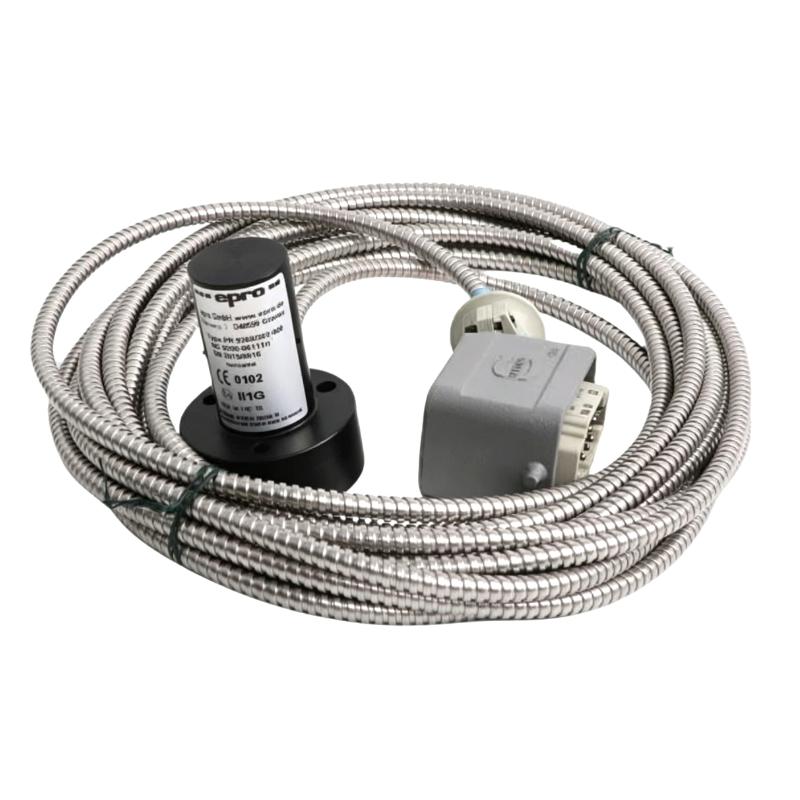
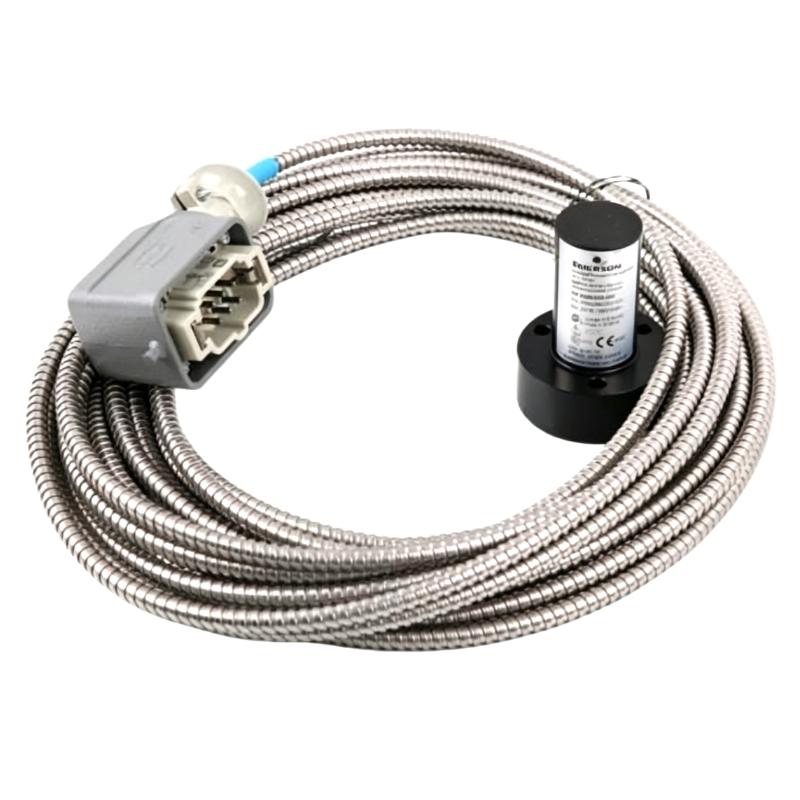
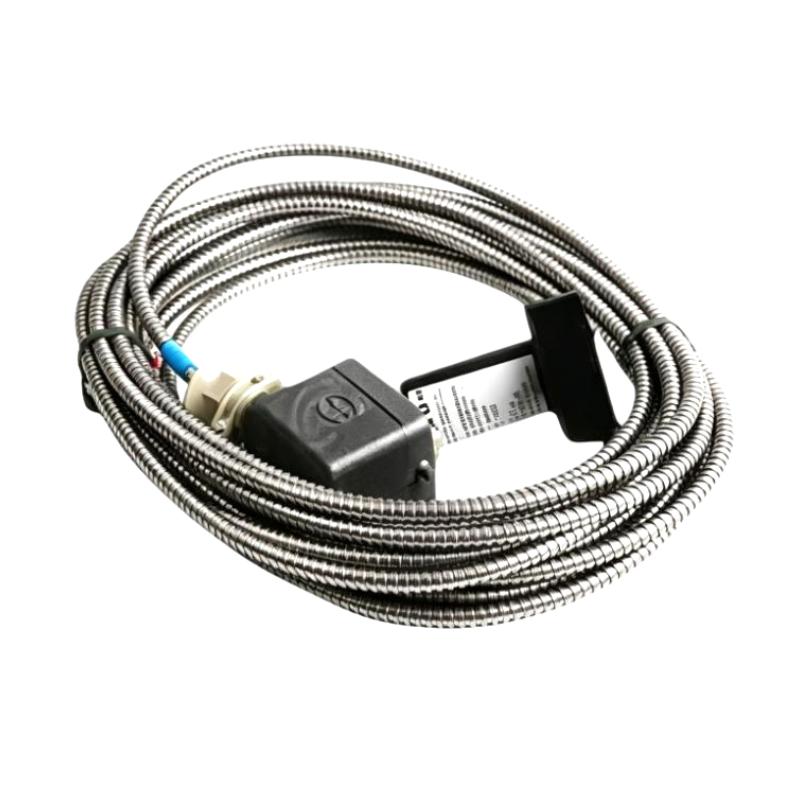
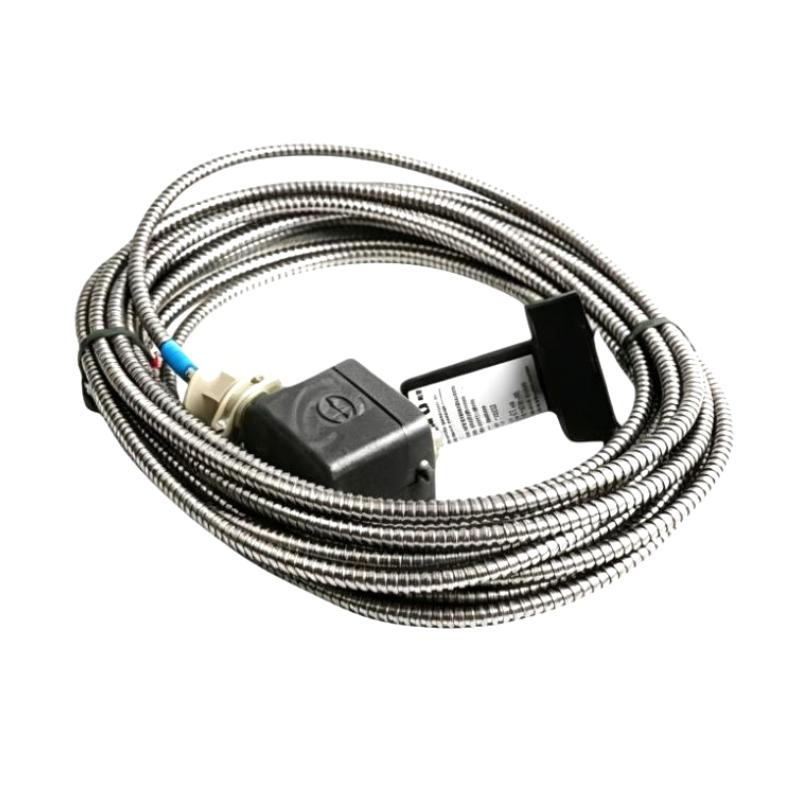
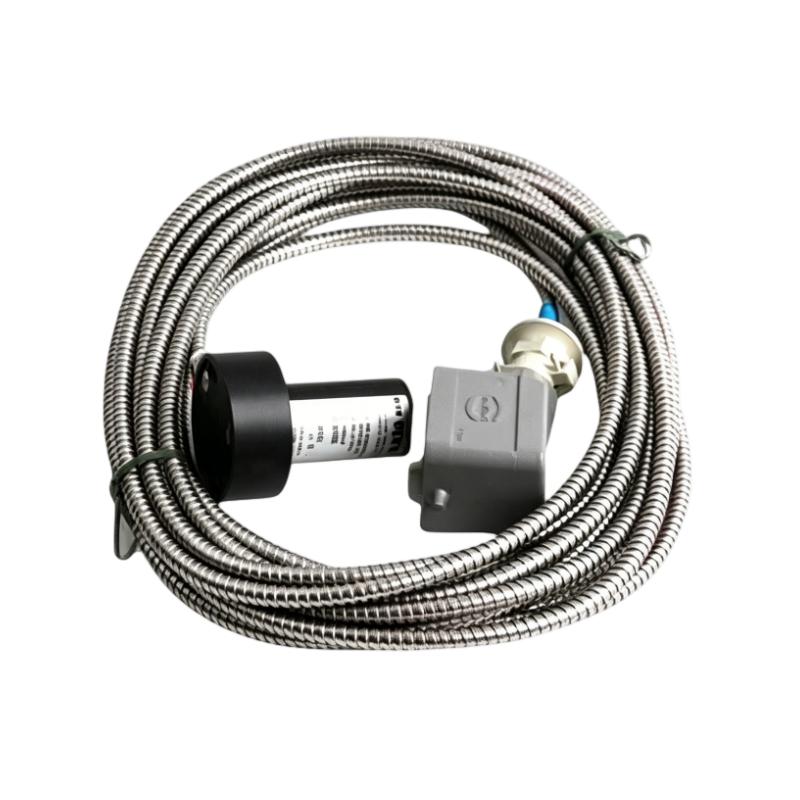
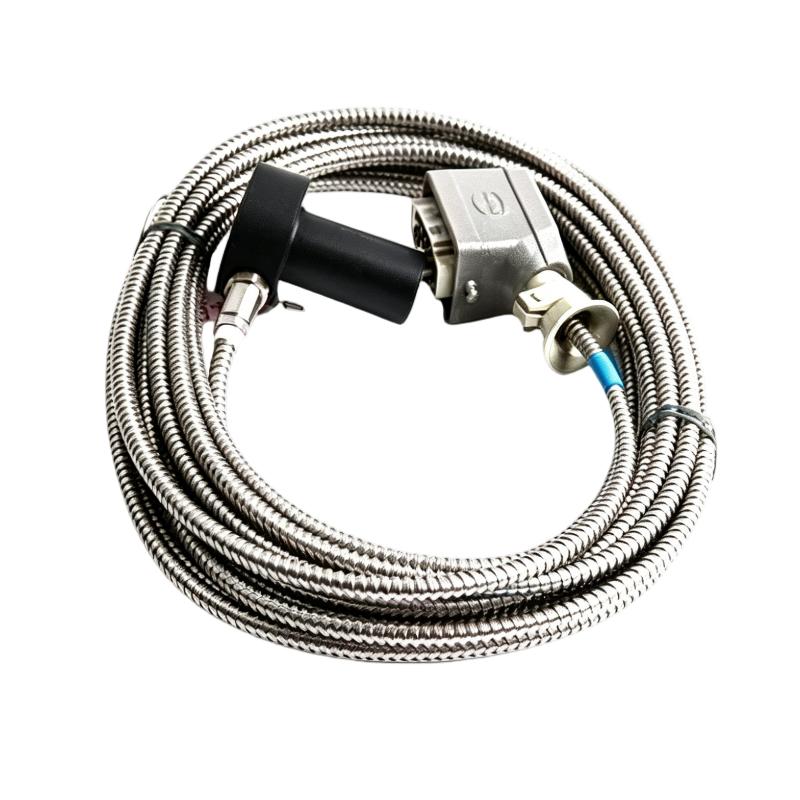
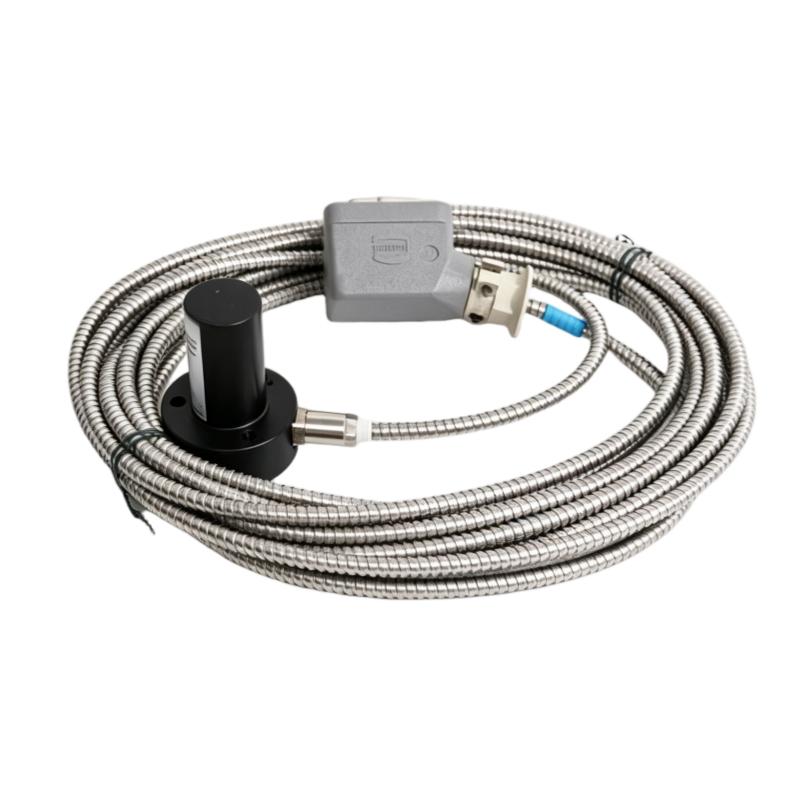
The Epro PR9268/606-000 Electrodynamic Velocity Sensor is designed for vibration monitoring in industrial rotating machinery. It belongs to the PR9268 sensor family, developed for measuring absolute vibration velocity on machine casings and supporting condition monitoring programs for critical equipment.
Although this product is sometimes listed as an electric speed sensor, its documented measurement function is vibration velocity measurement rather than direct shaft rotational-speed measurement. It detects mechanical vibration at the mounting point and generates an electrical signal that can be processed by a compatible monitoring or protection system.
The PR9268 series is used in applications involving steam turbines, gas turbines, hydro turbines, compressors, pumps, and fans. These machines often operate continuously and may be exposed to changing loads, elevated temperatures, and mechanical vibration. Reliable vibration measurements help maintenance personnel evaluate machine condition and identify abnormal operating behavior.
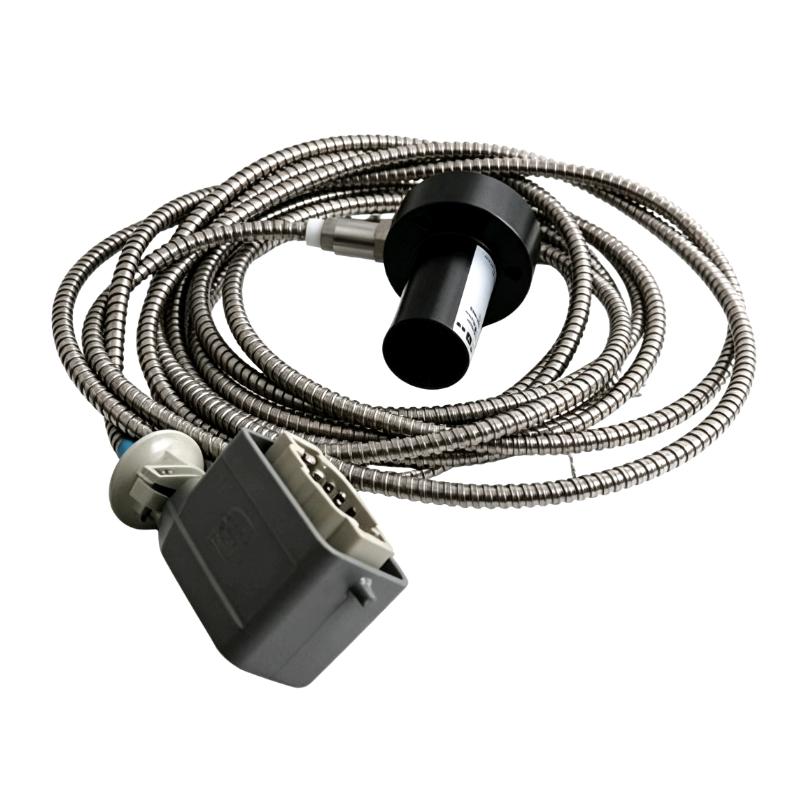
The PR9268/606-000 is a vertical high-temperature configuration. Its model designation identifies an 8-meter non-armored cable and a Harting plug connection. This configuration is intended for installations where the sensor must be positioned on a machine casing while its signal is routed to a separate monitoring instrument.
The high-temperature version is specified for operation between -20°C and +200°C and has an IP65 protection rating. It is self-powered, meaning that it generates its measurement signal through its electrodynamic sensing mechanism rather than requiring a separate sensor power supply.
For maintenance engineers and industrial equipment buyers, the complete model number is important. Different PR9268 variants can have different installation orientations, temperature limits, cable lengths, connector arrangements, and electrical characteristics.
Technical Specifications
| Parameter | Specification |
|---|---|
| Brand | Epro |
| Product Series | PR9268 |
| Model Number | PR9268/606-000 |
| Product Type | Electrodynamic Velocity Sensor |
| Common Listing Name | Electric Speed Sensor |
| Measurement Purpose | Absolute vibration velocity measurement |
| Sensor Orientation | Vertical |
| Temperature Version | High Temperature (HT) |
| Cable Length | 8 m |
| Cable Type | Non-armored |
| Connector | Harting plug |
| Power Requirement | Self-powered |
| Sensitivity | Variant-dependent; PR9268/60x-000 specification provides output values by connector pin and load |
| Frequency Range | 10–1000 Hz |
| Natural Frequency | 8 Hz ± 1.5 Hz at 20°C |
| Amplitude Linearity | Less than 2% |
| Maximum Continuous Acceleration | 10 g peak-to-peak |
| Maximum Intermittent Acceleration | 20 g peak-to-peak |
| Operating Temperature | -20 to +200°C |
| Protection Rating | IP65 |
| Sensor Material | Stainless steel |
| Cable Material | PTFE |
| Cable Armor | Not included in this cable configuration |
| Dimensions Provided | 78 × 58 mm |
| Weight Provided | 0.93 kg |
Important: The supplied dimensions and weight are retained as listing information. The manufacturer’s PR9268/60x-000 specification gives a weight of approximately 1.05 kg and a dimensional drawing for the high-temperature version. Confirm the exact physical configuration before using listing dimensions or weight for engineering and shipping purposes.
Function and Working Principle
The PR9268/606-000 uses an electrodynamic measurement principle to detect mechanical vibration velocity. Its sensing mechanism responds to movement of the machine surface and converts that mechanical motion into an electrical signal.
This signal can then be transmitted to a compatible monitoring instrument, where it is evaluated to determine vibration levels and changes in machine behavior.
1. Electrodynamic Measurement Principle
An electrodynamic velocity sensor uses relative movement within its sensing assembly to generate an electrical output. When the machine casing vibrates, the sensor’s internal moving system responds to this movement.
The resulting electrical signal is related to the velocity of the vibration. This makes the sensor suitable for measuring casing vibration in machinery where overall mechanical condition must be monitored.
Unlike a proximity probe that measures shaft displacement relative to a fixed reference, an electrodynamic velocity sensor measures vibration at the point where it is mounted.
2. Absolute Vibration Measurement
The PR9268 series is intended for absolute vibration measurement. The sensor is mounted directly on a suitable machine surface, allowing it to detect the movement of the casing.
This measurement is useful for equipment such as pumps, compressors, and turbines, where casing vibration can provide information about mechanical operating conditions.
Changes in vibration amplitude or frequency may indicate developing mechanical problems. However, vibration readings should be interpreted together with operating speed, load, machine design, and historical measurement data.
3. Electrical Signal Generation
The sensor generates an electrical output through its electrodynamic sensing mechanism. The output sensitivity depends on the specific PR9268 variant and the electrical loading and connector pin used.
For the PR9268/60x-000 configuration, the manufacturer’s specification lists different sensitivity values for different connector pins and load conditions. The monitoring system must therefore be wired and configured according to the correct sensor documentation.
Using an incorrect input configuration can lead to inaccurate measurements or an unsuitable signal level.
4. High-Temperature Operation
The PR9268/606-000 belongs to the high-temperature PR9268 family. Its specified operating temperature range extends from -20°C to +200°C.
This capability makes it relevant to installations where the sensor mounting location is exposed to elevated temperatures. Engineers must still verify the temperature limits of the cable, connector, cable routing, and monitoring equipment.
The temperature rating of the sensor should not automatically be applied to every component in the complete measurement circuit.
5. Vibration Signal Monitoring
The sensor provides a vibration-velocity signal that can be evaluated by compatible monitoring equipment. Depending on the system architecture, the measured information may be used for:
- Continuous vibration monitoring.
- Machine condition assessment.
- Alarm and trip logic.
- Maintenance trend analysis.
- Investigation of abnormal vibration events.
The sensor is one part of the monitoring chain. Reliable results also depend on mounting quality, signal conditioning, cable integrity, and correct monitoring-system configuration.
Role in Industrial Machinery Monitoring Systems
The PR9268/606-000 is typically installed as a field measurement device within a larger machinery monitoring system. It supplies vibration information to monitoring equipment that evaluates the condition of critical rotating assets.
Turbine Monitoring
Steam, gas, and hydro turbines operate under demanding mechanical and thermal conditions. Casing vibration monitoring can help operators identify changes in machine behavior and investigate abnormal vibration levels.
The sensor’s high-temperature configuration is relevant to selected installation points where elevated temperatures must be considered.
Compressor Monitoring
Industrial compressors are commonly used in oil and gas facilities, chemical plants, and manufacturing processes. Changes in vibration can be associated with mechanical imbalance, misalignment, looseness, or other developing conditions.
The PR9268 sensor can provide casing vibration information for a compatible monitoring system.
Pump Monitoring
Pumps may experience vibration changes caused by hydraulic conditions, bearing problems, mechanical looseness, or alignment issues.
A properly installed velocity sensor can provide useful vibration data for maintenance and equipment-condition evaluation.
PLC and DCS Integration
The sensor does not function as a standalone PLC or DCS controller. It provides a measurement signal that must be connected to a suitable monitoring or signal-conditioning input.
Depending on the system architecture, vibration information can be made available to a PLC, DCS, or machinery protection system through compatible signal-processing equipment.
Engineers should verify signal compatibility, input impedance, connector wiring, and required monitoring functions before integration.
Industrial Applications
The Epro PR9268/606-000 is intended for industrial machinery where casing vibration monitoring is required, particularly in installations with elevated operating temperatures.
1. Steam Turbines
Steam turbines operate at high rotational speeds and are important assets in power generation and industrial steam systems.
Casing vibration measurements can help maintenance teams evaluate machine behavior and identify changes that may require investigation. The high-temperature sensor configuration can be considered for suitable turbine monitoring locations.
2. Gas Turbines
Gas turbines are used in power generation and industrial mechanical-drive applications. Their operating environment involves high temperatures, significant mechanical loads, and continuous operation.
The PR9268/606-000 can be used as part of an appropriate vibration monitoring arrangement when its installation position and measurement characteristics match the system requirements.
3. Hydro Turbines
Hydro turbines operate in power generation facilities and may experience vibration changes related to hydraulic conditions, rotating components, and mechanical support structures.
Casing vibration monitoring provides additional information for equipment condition assessment and maintenance planning.
4. Industrial Compressors
Compressors are essential in process industries, gas transportation, and manufacturing facilities. Continuous operation makes vibration monitoring important for identifying unusual mechanical behavior.
The sensor can provide vibration-velocity measurements for compatible compressor monitoring equipment.
5. Industrial Pumps
Large pumps and process pumps may operate under varying flow, pressure, and load conditions. Casing vibration measurements can help identify changes in mechanical condition.
The sensor should be installed at a suitable measurement location selected according to the pump manufacturer’s recommendations and the monitoring-system design.
6. Fans and Blowers
Industrial fans and blowers are used in ventilation, combustion-air supply, cooling, and material-handling processes.
Vibration monitoring can help maintenance personnel detect developing mechanical problems and plan maintenance before equipment condition deteriorates further.
Installation and System Integration
Correct installation is essential for obtaining reliable vibration measurements. The mounting surface, sensor orientation, cable routing, and monitoring-system configuration all influence measurement quality.
1. Select the Correct Mounting Position
Choose a mounting point that provides a representative measurement of the machine casing vibration. The location should be mechanically stable and suitable for the sensor’s mounting arrangement.
Avoid mounting the sensor on loose covers, thin sheet metal, or surfaces that do not accurately represent the machine’s vibration behavior.
The mounting location should also allow sufficient space for the sensor body, cable exit, and connector.
2. Observe the Vertical Sensor Orientation
The PR9268/606-000 is a vertical high-temperature sensor configuration. Its orientation should be maintained according to the manufacturer’s installation guidance.
The mounting direction is important because the sensor’s measurement response is affected by its orientation relative to the vibration direction and gravity.
Before installation, confirm that the selected mounting location and orientation match the machine monitoring design.
3. Check the Cable and Connector
This model is specified with an 8-meter non-armored cable and a Harting plug.
During installation, ensure that the cable is routed away from excessive mechanical stress, sharp edges, hot surfaces beyond its permitted rating, and sources of electrical interference.
The Harting connector should be clean, properly seated, and protected against accidental disconnection. Confirm connector pin assignments before making electrical connections.
4. Verify Signal Input Compatibility
The PR9268/606-000 produces an electrodynamic output. The receiving monitoring equipment must support the sensor’s electrical characteristics.
The manufacturer’s sensitivity data for the PR9268/60x-000 varies according to the selected connector pin and load condition. Engineers should use the appropriate pin and input configuration rather than assuming that all connections have identical sensitivity.
5. Configure the Monitoring System
Set up the monitoring channel according to the sensor’s measurement range, sensitivity, orientation, and installation location.
The system should use suitable engineering units and alarm thresholds based on the machinery manufacturer’s guidance, applicable vibration standards, and established operating history.
Avoid applying generic alarm thresholds without considering the machine type and operating conditions.
6. Inspect the Installation
After installation, inspect the mounting arrangement, cable routing, connector condition, and signal stability.
Compare the initial vibration readings with expected operating conditions. Record baseline measurements so that future readings can be evaluated against a known reference.
Compatible System Components
The PR9268/606-000 normally operates as part of a complete vibration monitoring arrangement. The following components may be used depending on the system design.
| Component | Function | Compatibility Considerations |
|---|---|---|
| Vibration monitoring module | Receives and evaluates sensor signals | Must support the sensor’s electrodynamic output and sensitivity |
| Signal conditioning equipment | Processes the sensor signal for monitoring | Verify input impedance, signal range, and pin configuration |
| Machinery protection system | Provides monitoring, alarm, and protection functions | Confirm channel type and configured measurement units |
| PLC | Coordinates equipment operation and process logic | May receive processed vibration information through compatible interfaces |
| DCS | Displays and manages plant operating information | Requires suitable signal integration from monitoring equipment |
| Harting connector interface | Connects the sensor cable to the monitoring circuit | Confirm connector type and pin assignment |
| Sensor mounting hardware | Secures the sensor to the machine casing | Must provide a stable mechanical connection |
| Shielded signal cabling | Carries measurement signals | Follow the specified cable and grounding requirements |
These components are examples of equipment used in vibration monitoring systems. They are not necessarily included with the sensor.
Alternative Models and Replacement Considerations
The PR9268 family includes multiple configurations. Replacement selection should be based on the exact measurement orientation, temperature class, cable length, cable construction, connector, and electrical characteristics.
| Related Model or Configuration | Main Difference |
|---|---|
| PR9268/60x-000 | Vertical high-temperature configuration |
| PR9268/70x-000 | Horizontal high-temperature configuration |
| PR9268/20x-x00 | Vertical standard-temperature configuration |
| PR9268/30x-x00 | Horizontal standard-temperature configuration |
| PR9268/01x-x00 | Omnidirectional configuration |
When selecting a replacement for PR9268/606-000, check the following:
- Vertical sensor orientation.
- High-temperature operating requirement.
- 8-meter cable length.
- Non-armored cable construction.
- Harting plug connection.
- Sensor sensitivity and electrical loading.
- Operating temperature at the mounting point.
- Protection rating.
- Mechanical mounting dimensions.
- Compatibility with the existing monitoring channel.
A sensor from the same PR9268 family is not automatically a direct replacement. A change from vertical to horizontal orientation or from high-temperature to standard-temperature construction may affect installation suitability.
Key Advantages
Electrodynamic Measurement
The sensor uses an electrodynamic principle to measure vibration velocity, providing information about machine casing movement.
High-Temperature Configuration
The PR9268/606-000 is designed for operating temperatures up to +200°C under the manufacturer’s specified conditions.
Vertical Mounting Design
Its vertical configuration supports installations designed around the corresponding measurement orientation.
8-Meter Cable
The specified cable length allows the sensor to be positioned at a suitable machine measurement point while connecting to monitoring equipment located farther away.
Harting Plug Connection
The connector configuration provides a defined interface for integration with the associated measurement circuit.
Stainless Steel Construction
The high-temperature PR9268/60x-000 family uses stainless steel sensor construction, supporting industrial installation requirements.
IP65 Protection
The specified protection class provides protection against dust ingress and water jets under the conditions defined by the IP rating.
Self-Powered Operation
The electrodynamic sensing principle generates the measurement signal without requiring a separate power supply for the sensor itself.
Technical FAQs
1. What is the Epro PR9268/606-000?
The PR9268/606-000 is an electrodynamic velocity sensor designed for absolute vibration measurement on industrial machinery. It is part of the PR9268 family used for monitoring turbines, compressors, pumps, and fans.
2. Is the PR9268/606-000 a rotational speed sensor?
Its documented function is vibration velocity measurement, not direct shaft RPM measurement. It detects casing vibration and supplies an electrical signal to compatible monitoring equipment.
3. What does the /60 designation mean?
The /60 designation identifies a vertical high-temperature configuration within the PR9268 series.
4. What does the final 6 in /606-000 indicate?
According to the manufacturer’s ordering information, cable code 6 identifies an 8-meter non-armored cable configuration.
5. What type of connector does this model use?
The final connector code 0 identifies a Harting plug connection.
6. What is the operating temperature range?
The PR9268/60x-000 high-temperature family is specified for operation from -20°C to +200°C. The complete installation must also respect the temperature limits of the cable, connector, and associated equipment.
7. Does the sensor require an external power supply?
No separate sensor power supply is required for the electrodynamic measurement principle. The sensor is specified as self-powered.
8. What is the protection rating?
The PR9268/60x-000 configuration has an IP65 protection rating. The connector and installation must still be correctly fitted to maintain the intended protection.
9. Which machines can use this sensor?
Typical applications include steam turbines, gas turbines, hydro turbines, compressors, pumps, and fans. Final suitability depends on the measurement location and monitoring-system requirements.
10. What should be checked before replacing this sensor?
Verify the complete model number, orientation, high-temperature rating, cable length, cable construction, connector type, electrical sensitivity, mounting arrangement, and monitoring-system compatibility.
Procurement and Maintenance Recommendations
When purchasing the Epro PR9268/606-000, confirm the complete part number rather than relying only on the PR9268 family designation. The /606-000 suffix identifies important configuration details, including sensor orientation, temperature class, cable length, cable construction, and connector type.
For replacement projects, compare the existing sensor’s nameplate and physical configuration with the proposed unit. Confirm that the 8-meter non-armored cable and Harting plug match the installed wiring arrangement.
During maintenance, inspect the sensor mounting surface, connector, and cable for mechanical damage. Check for loose connections, damaged insulation, or cable routing that could introduce unwanted mechanical or electrical interference.
Maintain a record of baseline vibration measurements and compare subsequent readings under similar operating conditions. Significant changes should be investigated in the context of machine speed, load, operating temperature, and maintenance history.
For critical rotating machinery, sensor replacement should be followed by verification of the monitoring channel, signal scaling, alarm settings, and measurement stability.
Conclusion
The Epro PR9268/606-000 is a vertical high-temperature electrodynamic velocity sensor designed for absolute vibration monitoring of critical industrial machinery. Its configuration includes an 8-meter non-armored cable and a Harting plug connection, with a specified operating temperature range of -20°C to +200°C and an IP65 protection rating.
By providing vibration-velocity information to compatible monitoring equipment, the sensor supports machinery condition assessment and maintenance programs for turbines, compressors, pumps, and fans. Accurate model identification and correct installation are essential for maintaining reliable measurements and ensuring compatibility with the existing vibration monitoring system.