

ProductPRODUCT
Featured products
Contact Us
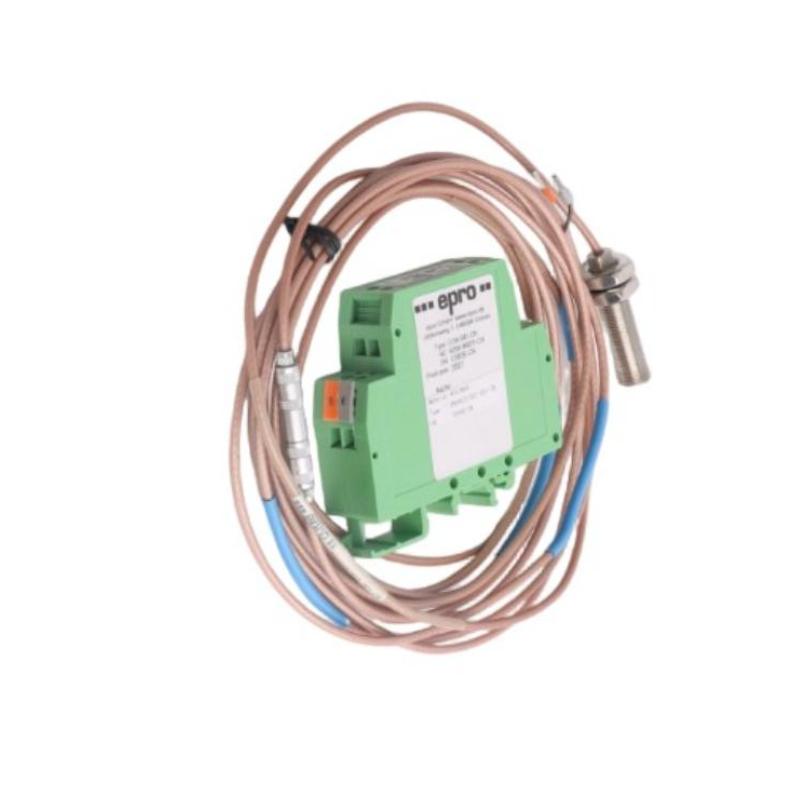
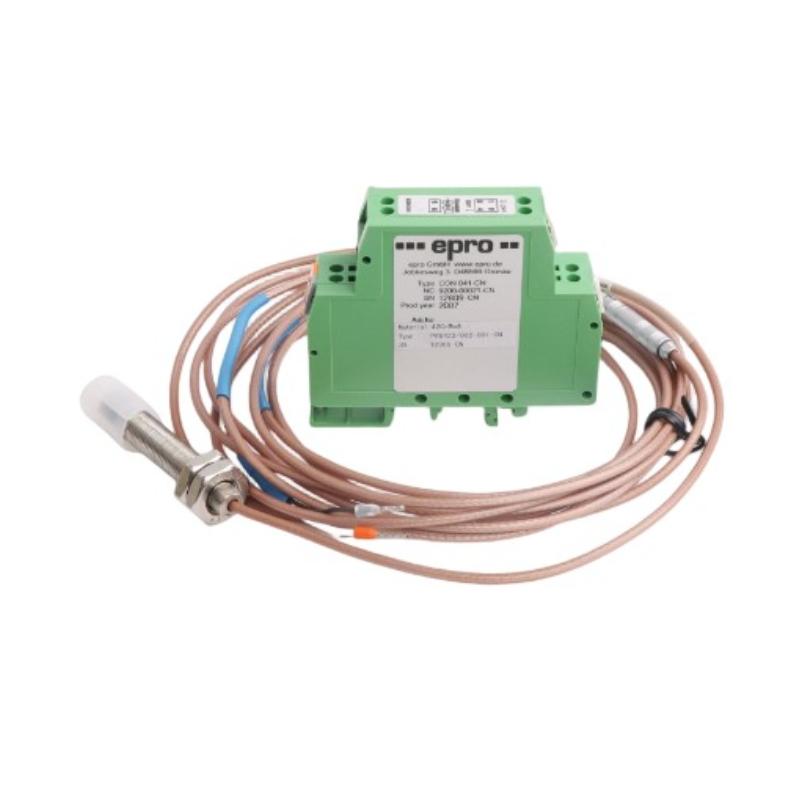
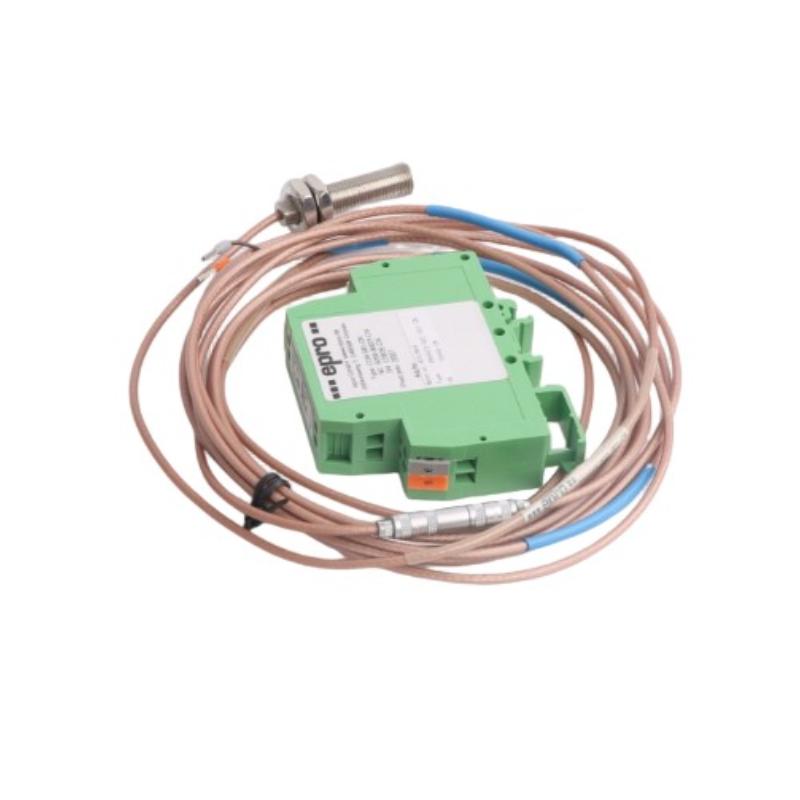
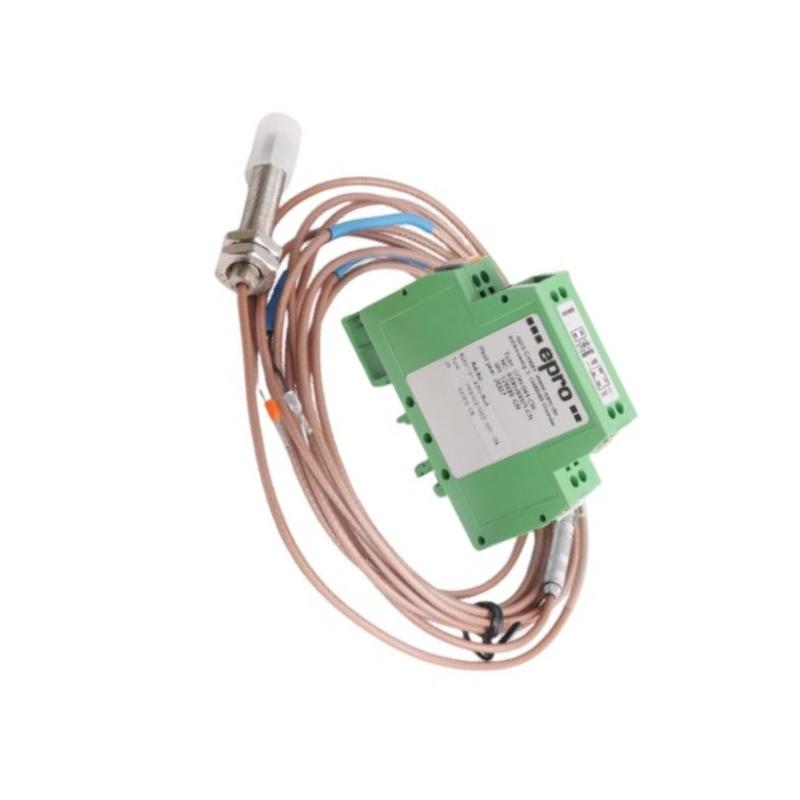
- Epro
- PR9268/617-100+CON041
- Electric Speed Sensor
- Germany
- 78 × 58 mm
- 1.11 kg
- Xiamen, China
- New & In Stock
- T/T, PayPal, Western Union
- 1 Year
- 1-3 Working Days
- DHL, UPS, TNT, FedEx and EMS.
- 24-Hour Service
- COO
- 7
Our advantage

Global Logistics
We have a 10-year logistics and express cooperation agreement, so our products can be shipped to any place in the world.

Brand new and original
Our products are imported in bulk from the place of origin. Because of the cooperative relationship, our products are all original and 100% new.

24-hour service
We provide 7*24 hours service to our customers. We will be there whenever you need us.

Price advantage
All our products are priced very favorably because we have our own warehouse and supply.
| Company Information | |||
| [email protected] | |||
| Mobile | +8615980777398 | ||
| +8615980777398 | |||
| 15980777398 |
Product Overview
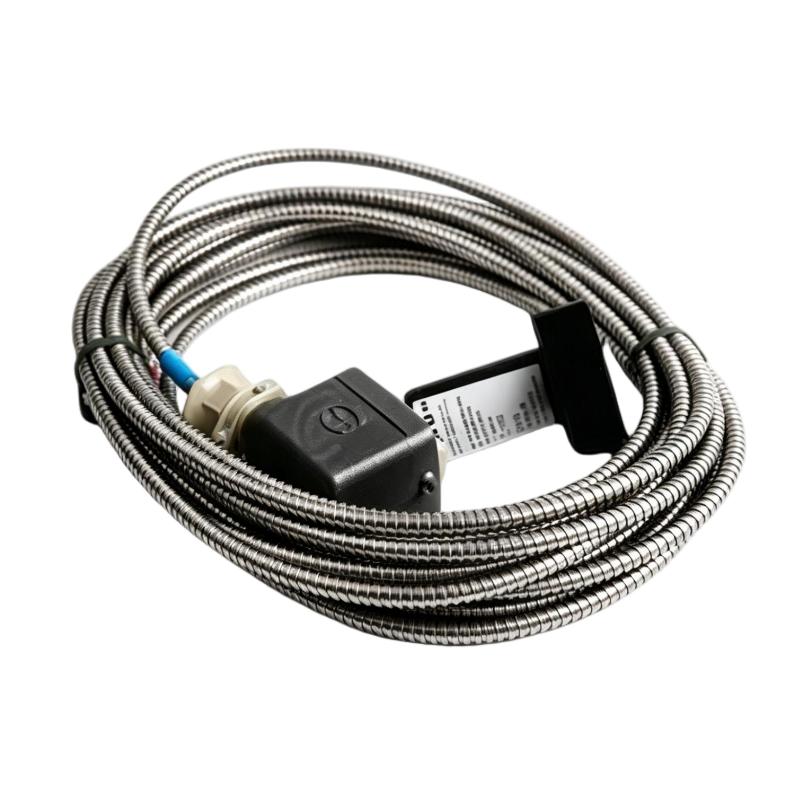
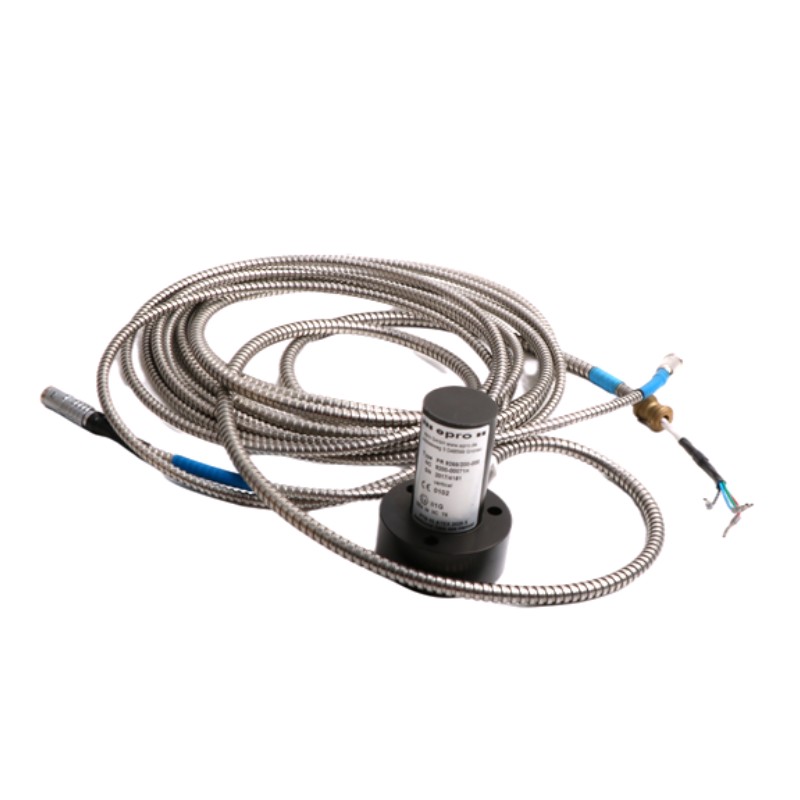
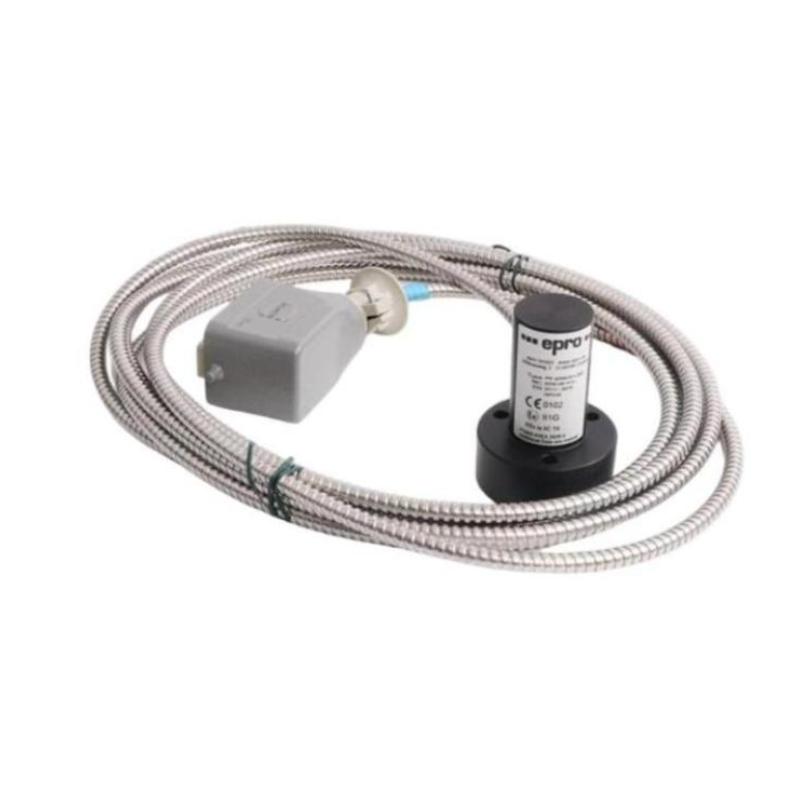
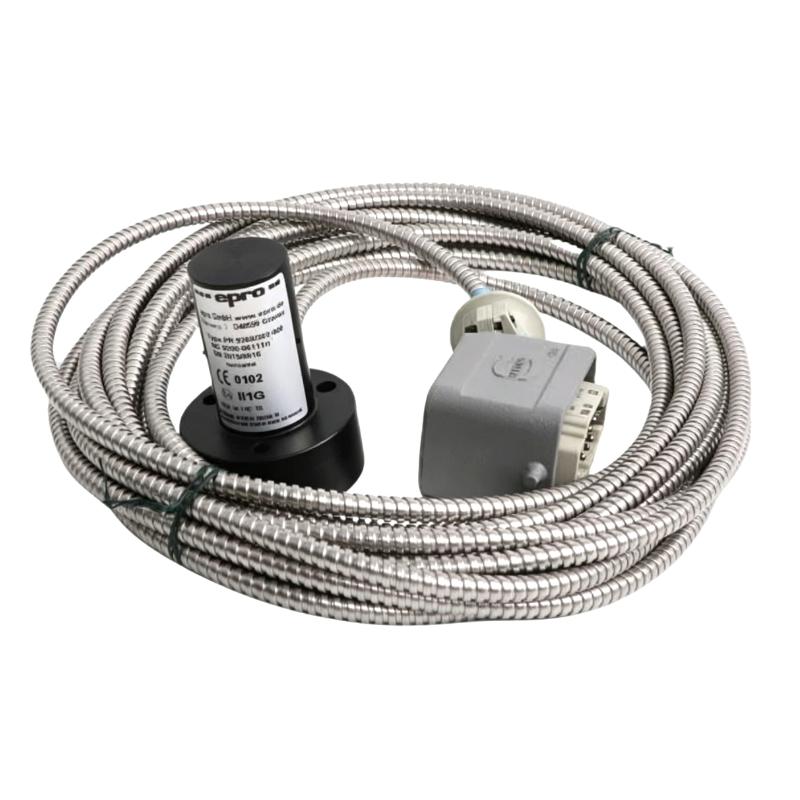
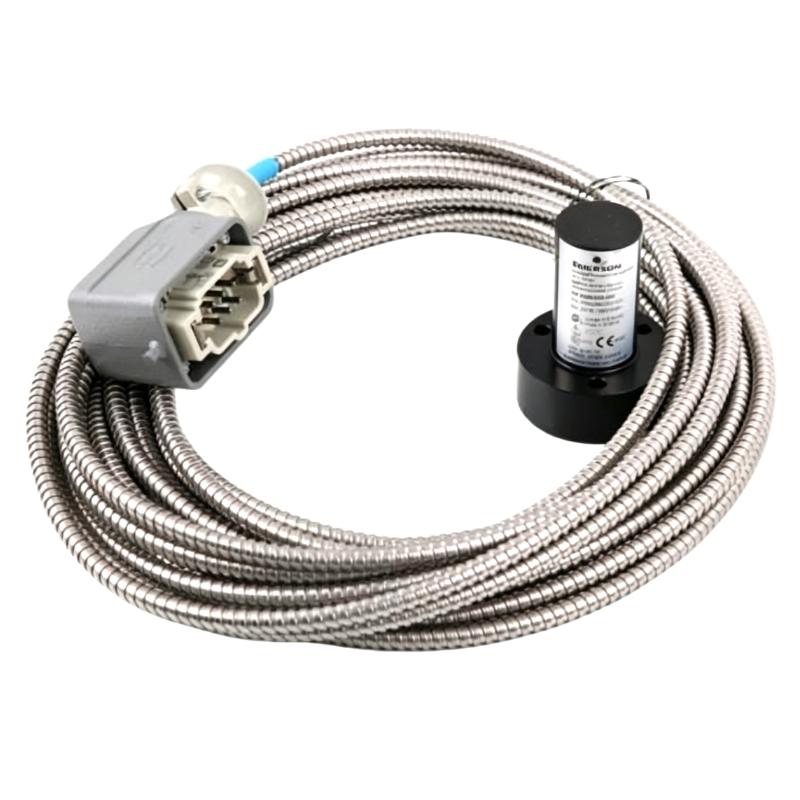
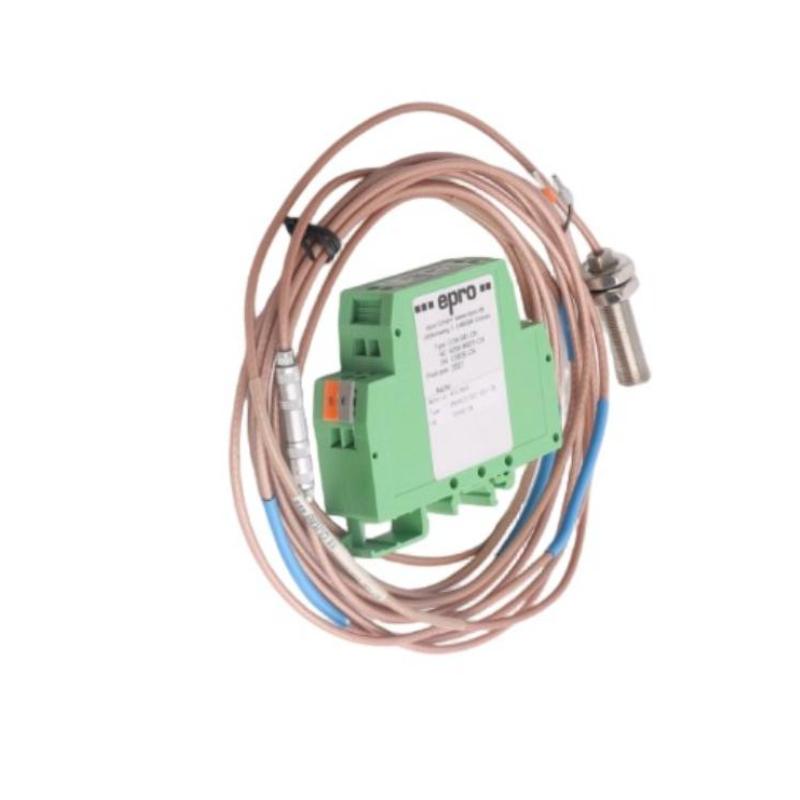
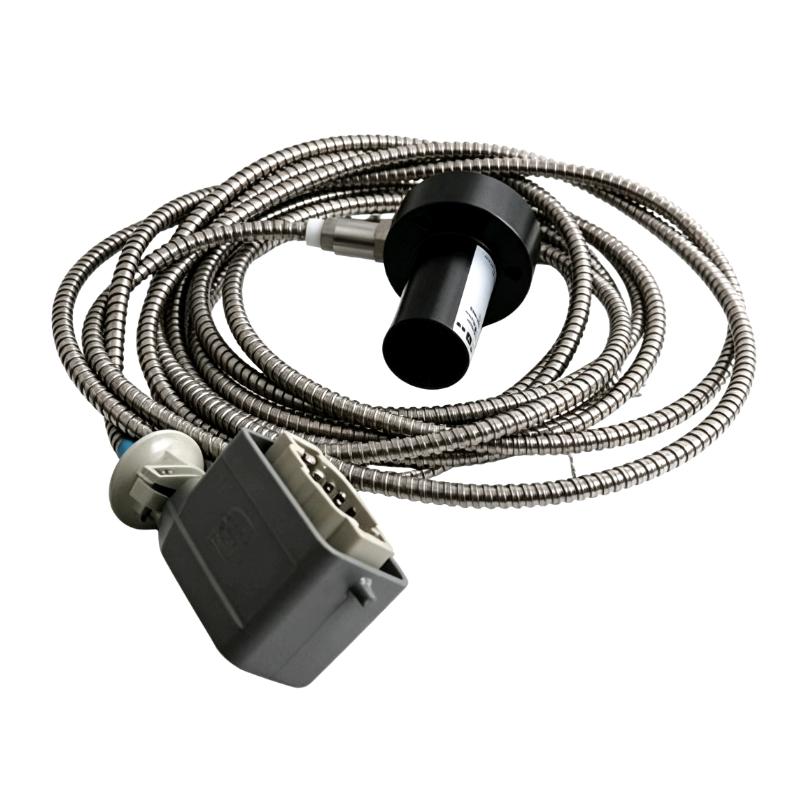
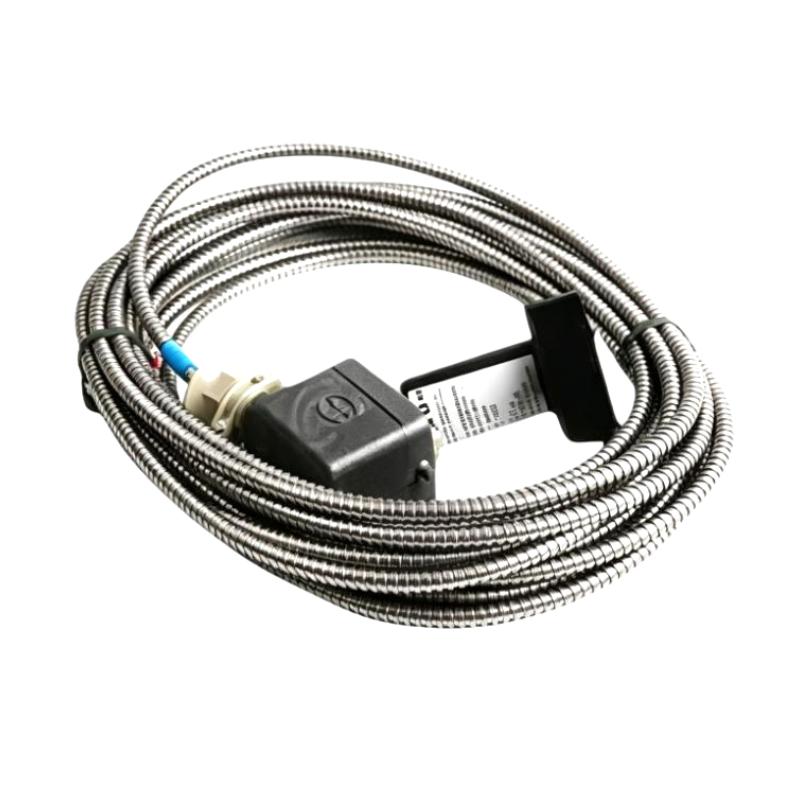
The Epro PR9268/617-100 + CON041 Electric Speed Sensor is an industrial measurement combination designed for monitoring vibration conditions in rotating machinery. It consists of an Epro PR9268/617-100 electrodynamic velocity sensor and a compatible CON041 signal conversion unit. The system is intended for machinery condition monitoring applications where reliable vibration information is important for equipment protection, maintenance planning, and operational assessment.
In industrial plants, rotating machinery operates under different mechanical loads, speeds, and environmental conditions. Changes in vibration behavior can indicate developing mechanical problems such as imbalance, misalignment, looseness, bearing deterioration, or other abnormal operating conditions. Continuous monitoring helps maintenance personnel identify changes before they develop into more serious equipment failures.
The PR9268 series is designed to measure absolute vibration on machine housings. Unlike proximity measurement systems that monitor relative shaft movement, an electrodynamic velocity sensor measures the vibration velocity of the surface on which it is mounted. This measurement is useful for evaluating the overall vibration behavior of machinery.
The PR9268/617-100 is based on an electrodynamic measurement principle. Mechanical vibration causes relative movement within the sensor’s internal mechanical system, generating an electrical signal related to vibration velocity. The resulting signal can be processed by compatible monitoring equipment.
The CON041 is included as the associated signal conversion component in this product combination. It provides the interface required by the intended monitoring arrangement. Correct matching between the sensor, converter, cable, and monitoring input is essential for obtaining reliable measurements.
This combination is suitable for applications involving steam turbines, gas turbines, hydro turbines, compressors, pumps, and fans. It can form part of a wider machinery monitoring system in power generation, petrochemical processing, manufacturing, and other industrial facilities.
Technical Specifications
| Parameter | Specification |
|---|---|
| Brand | Epro |
| Product Series | PR9268 |
| Sensor Model | PR9268/617-100 |
| Associated Converter | CON041 |
| Product Type | Electrodynamic Vibration Velocity Sensor Assembly |
| Measurement Principle | Electrodynamic |
| Primary Measurement | Absolute vibration velocity |
| Sensitivity | 28.5 mV/mm/s (±5%), model-specific published value |
| Frequency Range | 4–1,000 Hz (±3 dB), published model information |
| Measurement Range | ±1,500 μm, published model information |
| Operating Temperature | -20°C to +100°C, published model information |
| Humidity | 0–100%, non-condensing |
| Typical Applications | Turbines, compressors, pumps, and fans |
| Dimensions Provided | 78 × 58 mm |
| Weight Provided | 1.11 kg |
Note: The dimensions and weight are the supplied listing values. The published PR9268 sensor data and the complete sensor-plus-converter assembly may describe different hardware configurations. Confirm the exact scope of supply, connector arrangement, and dimensional drawing before installation.
Function and Working Principle
The PR9268/617-100 + CON041 combination is intended to provide vibration measurement information for rotating machinery. Its operation involves mechanical vibration detection, electrical signal generation, and signal conditioning for the monitoring system.
1. Electrodynamic Vibration Detection
The PR9268/617-100 uses an electrodynamic sensing principle. Its internal mechanical system responds to vibration of the machine surface where the sensor is installed.
The relative movement within the sensor generates an electrical output related to vibration velocity. This makes the sensor suitable for measuring absolute housing vibration on machines such as turbines, compressors, pumps, and fans.
The measurement reflects the vibration of the mounting surface rather than directly measuring the relative displacement between a rotating shaft and a stationary probe.
2. Vibration Velocity Measurement
Vibration velocity is an important parameter in machinery condition monitoring. It provides information about how quickly a machine surface moves during vibration.
By observing vibration velocity over time, maintenance teams can evaluate changes in machine operating condition. Increasing vibration levels may indicate mechanical deterioration, changes in operating load, or developing faults.
The measurement should always be interpreted in relation to the machine type, operating speed, load, mounting position, and applicable vibration assessment criteria.
3. Signal Conversion with CON041
The CON041 is the associated signal conversion component in this product combination. It provides signal conditioning or conversion required by the intended monitoring arrangement.
The exact electrical interface, supply requirements, output characteristics, and compatible monitoring input should be confirmed against the specific CON041 version and system documentation. The converter should not be assumed to have the same electrical characteristics as other Epro signal converters designed for different sensor families.
4. Continuous Condition Monitoring
When installed in a suitable monitoring system, the sensor assembly can provide vibration information for continuous or periodic condition assessment.
Monitoring equipment can use the incoming signal to display vibration trends, generate alarms, or support machinery protection functions, depending on the capabilities of the connected system.
This allows maintenance personnel to compare current readings with historical operating data and identify abnormal changes.
5. Support for Predictive Maintenance
Vibration measurements can help maintenance teams identify developing mechanical problems before they result in unexpected equipment shutdowns.
For example, an increase in vibration may prompt inspection of bearings, couplings, foundations, or rotating components. The sensor does not independently identify every fault, but its measurement can provide useful information for diagnostic analysis.
Role in Industrial Control and Machinery Protection Systems
The PR9268/617-100 + CON041 assembly can be used as a measurement component in an industrial machinery monitoring arrangement. It provides vibration information that can be processed by compatible monitoring equipment.
Turbine Monitoring
Steam, gas, and hydro turbines contain rotating assemblies that operate under demanding mechanical and thermal conditions. Vibration monitoring helps operators assess the condition of turbine casings and related mechanical structures.
The sensor can provide housing vibration information for compatible turbine monitoring installations. The installation location should be selected according to the machine’s monitoring requirements and engineering documentation.
Compressor Protection
Industrial compressors are commonly used in petrochemical plants, refineries, gas-processing facilities, and manufacturing operations. Abnormal vibration can be associated with imbalance, misalignment, bearing problems, or mechanical looseness.
A properly installed vibration sensor can supply useful information to the compressor monitoring system and support condition-based maintenance.
Pump Monitoring
Pumps are widely used in water treatment, chemical processing, power generation, and general manufacturing. Changes in vibration can be associated with bearing wear, cavitation, alignment problems, or changes in operating conditions.
The sensor assembly can be integrated into a suitable pump monitoring arrangement to help track vibration behavior.
Fan and Blower Monitoring
Large industrial fans and blowers operate in ventilation, combustion-air, cooling, and material-handling systems. Vibration monitoring can help identify mechanical changes that may affect equipment reliability.
The sensor should be installed at an appropriate measurement point with a mechanically stable mounting surface.
Integration with Monitoring Equipment
The sensor assembly should be connected to compatible signal-conditioning and monitoring hardware. Engineers must verify the input requirements, signal characteristics, wiring, grounding, and converter configuration.
The sensor assembly itself does not replace the machinery protection system. Alarm thresholds, trip logic, and shutdown actions are determined by the connected monitoring equipment and the plant’s protection design.
Industrial Applications
1. Power Generation
Power plants use turbines, generators, pumps, and fans as essential parts of their operating systems. Vibration monitoring helps maintenance teams assess the mechanical condition of these machines.
The PR9268/617-100 + CON041 can be considered for suitable applications where absolute vibration velocity measurement is required.
2. Petrochemical and Refining Facilities
Refineries and petrochemical plants contain compressors, pumps, and other rotating machinery that may operate continuously. Unexpected equipment failures can affect production and plant availability.
Vibration monitoring provides useful operating information for maintenance planning and machinery condition assessment.
3. Gas Processing
Gas-processing facilities depend on compressors and auxiliary rotating equipment to maintain production processes. Vibration monitoring can help identify changes in mechanical behavior and support planned inspection activities.
4. Industrial Manufacturing
Manufacturing facilities use pumps, fans, blowers, and other rotating machines throughout production operations. A vibration monitoring arrangement can help maintenance teams detect abnormal operating trends and reduce unexpected interruptions.
5. Water and Wastewater Treatment
Pumping stations and treatment facilities operate numerous motors, pumps, and blowers. Monitoring vibration can support preventive maintenance and help identify mechanical deterioration.
6. Heavy Industrial Equipment
Steel production, mining, and other heavy industrial operations use large rotating machinery under demanding operating conditions. Vibration measurement can provide information about equipment condition and support maintenance decisions.
Installation and System Integration
Correct installation is important for obtaining reliable vibration measurements. Mechanical mounting, cable routing, electrical compatibility, and monitoring configuration all influence measurement quality.
1. Confirm the Complete Model
Before installation, verify that the supplied sensor is PR9268/617-100 and that the associated converter is the correct CON041 version.
Check the complete ordering information, connector arrangement, cable configuration, and monitoring-system requirements. Do not assume that all PR9268 sensors or all Epro converters share identical electrical characteristics.
2. Select the Measurement Location
Choose a stable mounting point on the machine housing. The location should provide a representative measurement of the machine’s vibration behavior.
Avoid mounting on loose covers, thin panels, or surfaces that do not provide reliable mechanical contact. The mounting point should follow the machinery monitoring plan and the manufacturer’s installation instructions.
3. Ensure Secure Mechanical Mounting
The sensor must be mounted securely to prevent unwanted movement between the sensor and the machine surface.
Poor mounting can introduce measurement errors or produce vibration readings that do not accurately represent the machine condition.
Follow the specified mounting method, thread requirements, and installation torque where applicable. Confirm that the sensor orientation is suitable for the selected measurement point.
4. Check Electrical Connections
Connect the PR9268/617-100 to the appropriate CON041 interface using the specified cable and connector arrangement.
Verify the converter’s electrical requirements and the monitoring equipment’s input characteristics before energizing the system. Incorrect connections or incompatible signal interfaces can result in inaccurate readings or equipment malfunction.
5. Route and Protect Sensor Cables
Route sensor cables away from high-power conductors, switching equipment, and sources of strong electromagnetic interference where practical.
Protect cables against mechanical damage, excessive bending, high temperatures, oil exposure, and vibration-related abrasion. Ensure that connectors are secured and that cable shielding and grounding follow the installation documentation.
6. Configure the Monitoring System
After installation, confirm that the monitoring equipment recognizes the expected sensor signal and that the measurement channel is configured correctly.
Check signal scaling, engineering units, alarm limits, and operating conditions. The sensitivity value should only be entered when it is confirmed for the exact sensor version and measurement channel.
7. Perform Functional Verification
Before placing the equipment into normal operation, inspect the mounting, cable connections, converter, and monitoring input.
Compare the sensor readings with expected operating conditions or a suitable reference measurement. Document the installation location, channel settings, and baseline vibration values for future maintenance.
Compatible System Components
The PR9268/617-100 + CON041 assembly is used within a broader machinery monitoring arrangement. The following components may be relevant depending on the plant’s monitoring architecture.
| Component | Function | Integration Considerations |
|---|---|---|
| PR9268/617-100 sensor | Measures absolute vibration velocity | Confirm sensor version, orientation, and mounting requirements |
| CON041 converter | Provides the associated signal conversion interface | Verify exact electrical specifications and sensor compatibility |
| Sensor cable | Transfers the sensor signal | Confirm cable type, connector, shielding, and length |
| Vibration monitoring module | Receives and evaluates vibration signals | Check input compatibility and channel configuration |
| Machinery protection system | Monitors equipment condition and manages alarms or trips | Configure according to the plant protection design |
| PLC or DCS | Integrates monitoring information into plant control and supervision | Confirm signal interface and scaling |
| Operator workstation | Displays vibration values, alarms, and trends | Ensure correct engineering units and alarm presentation |
| Grounding and cable accessories | Support electrical integrity and noise control | Follow the applicable installation instructions |
The components listed are examples of equipment that may form part of a complete monitoring installation. They are not necessarily included with the sensor assembly.
Alternative Models and Replacement Considerations
When replacing an existing Epro sensor or upgrading a machinery monitoring channel, compatibility should be evaluated using the complete model number and electrical specifications.
| Alternative or Related Product | Replacement Considerations |
|---|---|
| Epro PR9268 series sensors | Compare sensitivity, frequency response, orientation, and mechanical mounting |
| Epro PR9268/617-100 | Relevant when replacing the same sensor configuration |
| Epro CON041 converter | Verify the exact converter version and compatibility with the sensor |
| Other Epro vibration sensors | Different measurement principles and signal characteristics may require different monitoring inputs |
| Other electrodynamic velocity sensors | Compare sensitivity, frequency range, mounting, and signal-conditioning requirements |
Before selecting a replacement, check:
- Complete sensor model and ordering code.
- Measurement principle and measured parameter.
- Sensitivity and frequency response.
- Measurement range.
- Operating temperature and environmental conditions.
- Sensor orientation and mounting requirements.
- Connector and cable configuration.
- CON041 version and electrical interface.
- Monitoring module input characteristics.
- Alarm scaling and existing protection settings.
A sensor with a similar appearance may not be electrically interchangeable. Replacing a sensor or converter may require channel recalibration, configuration changes, or verification of the monitoring system’s alarm settings.
Key Advantages
Electrodynamic Measurement Principle
The PR9268/617-100 uses an electrodynamic sensing method to measure absolute vibration velocity. This makes it suitable for machinery housing vibration monitoring.
Application in Critical Rotating Machinery
The PR9268 family is intended for applications involving turbines, compressors, pumps, and fans, supporting condition monitoring in demanding industrial environments.
Wide Measurement Frequency Coverage
Published PR9268/617-100 product information identifies a frequency range of 4–1,000 Hz. This range supports monitoring of vibration behavior across a broad portion of the machine’s operating spectrum.
Signal Conversion Arrangement
The associated CON041 provides the signal conversion interface required by the intended system configuration.
Support for Condition-Based Maintenance
Vibration readings can help maintenance teams monitor equipment trends and identify changes that may require inspection.
Integration into Industrial Monitoring Systems
The assembly can form part of a larger machinery monitoring arrangement when its electrical interface is matched to the receiving equipment.
Technical FAQs
1. What is the Epro PR9268/617-100 + CON041?
It is an industrial vibration measurement combination consisting of a PR9268/617-100 electrodynamic velocity sensor and an associated CON041 signal conversion component.
2. What does the PR9268/617-100 measure?
It measures absolute vibration velocity on the machine housing or mounting surface. It is intended for machinery condition monitoring rather than ordinary contact-based rotational speed measurement.
3. What is the function of the CON041?
The CON041 is the associated signal conversion component. Its exact electrical interface and output characteristics should be confirmed against the specific converter version and monitoring-system documentation.
4. What types of machinery can use this sensor?
Typical applications include steam turbines, gas turbines, hydro turbines, compressors, pumps, and fans.
5. What is the published sensitivity?
Published information for the PR9268/617-100 identifies a sensitivity of 28.5 mV/mm/s, with a stated tolerance of ±5%. Confirm this value against the exact sensor documentation before configuring the monitoring channel.
6. What is the frequency range?
Published model information identifies a frequency range of 4 to 1,000 Hz at ±3 dB. Actual measurement performance should be checked against the exact sensor version and installation conditions.
7. Does the sensor require an external power supply?
The PR9268/617-100 uses an electrodynamic measurement principle. The power and electrical requirements of the complete sensor-and-converter arrangement should be verified from the specific CON041 documentation rather than assuming that the entire assembly has the same requirements as the sensor alone.
8. Can the assembly be connected directly to a PLC?
Not necessarily. The signal interface must be compatible with the PLC input. In many installations, vibration signals are first processed by dedicated monitoring equipment before selected values or alarm states are transferred to the PLC or DCS.
9. What should be checked before replacing the sensor?
Confirm the complete model, sensitivity, frequency range, connector, cable, mounting arrangement, converter compatibility, and monitoring-channel configuration. Similar-looking sensors may have different electrical characteristics.
10. What maintenance is recommended?
Inspect the mounting, connectors, cable condition, and signal stability. Review vibration trends and compare current measurements with established baseline values. Investigate persistent abnormal changes according to the plant’s machinery maintenance procedures.
Procurement and Maintenance Recommendations
When purchasing the Epro PR9268/617-100 + CON041 assembly, verify that the supplier is providing the complete combination rather than the sensor or converter separately.
Check the sensor’s full ordering code, the CON041 version, connector type, cable arrangement, and physical condition. For used or surplus equipment, request clear photographs of the identification labels, connectors, and mounting surfaces. Where possible, obtain functional test information for both the sensor and converter.
For replacement projects, compare the original system configuration with the proposed assembly. Confirm sensitivity, frequency response, measurement range, signal interface, and monitoring-channel settings. A replacement that differs in sensitivity or electrical characteristics may require recalibration or configuration changes.
During maintenance, keep the mounting point secure and inspect cables and connectors for mechanical damage. Monitor signal stability and document baseline vibration values under known operating conditions. This information helps maintenance personnel distinguish normal operating changes from potential equipment problems.
For critical turbine and compressor installations, sensor replacement should be coordinated with the machinery monitoring and protection system requirements. Alarm and trip settings should be reviewed by qualified personnel before the equipment is returned to service.
Conclusion
The Epro PR9268/617-100 + CON041 Electric Speed Sensor is an industrial electrodynamic vibration measurement assembly intended for monitoring the absolute vibration velocity of critical rotating machinery. Its application areas include turbines, compressors, pumps, and fans in power generation, petrochemical processing, and manufacturing facilities.
The PR9268/617-100 provides the vibration sensing function, while the associated CON041 serves as the signal conversion component. Correct sensor identification, converter compatibility, mechanical mounting, and monitoring-channel configuration are essential for reliable operation.
For industrial maintenance and spare-parts procurement, checking the complete model combination and electrical specifications helps ensure that the assembly is suitable for the existing machinery monitoring system.