

ProductPRODUCT
Featured products
Contact Us
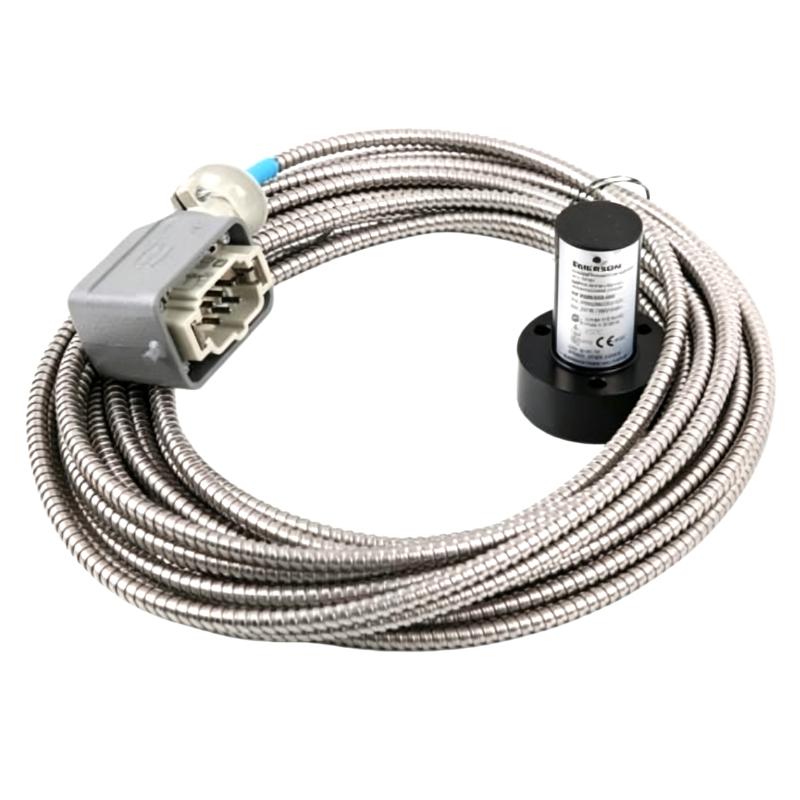
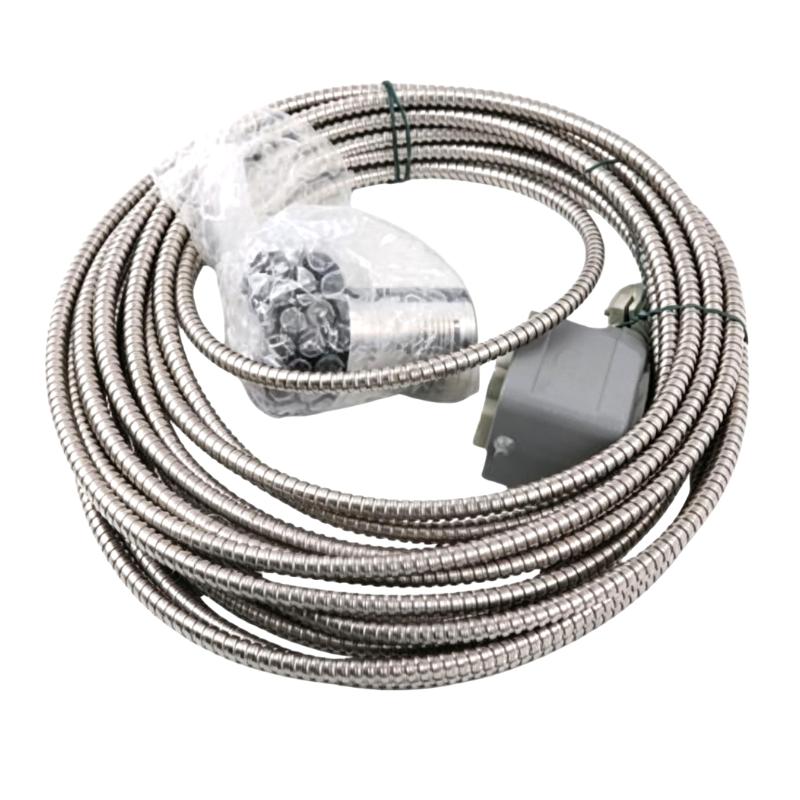
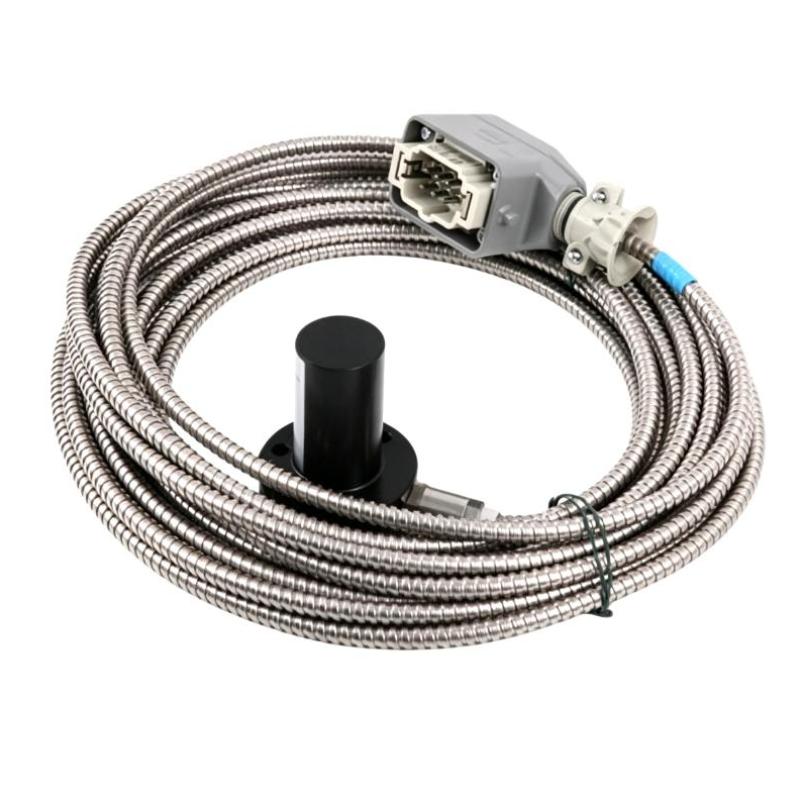
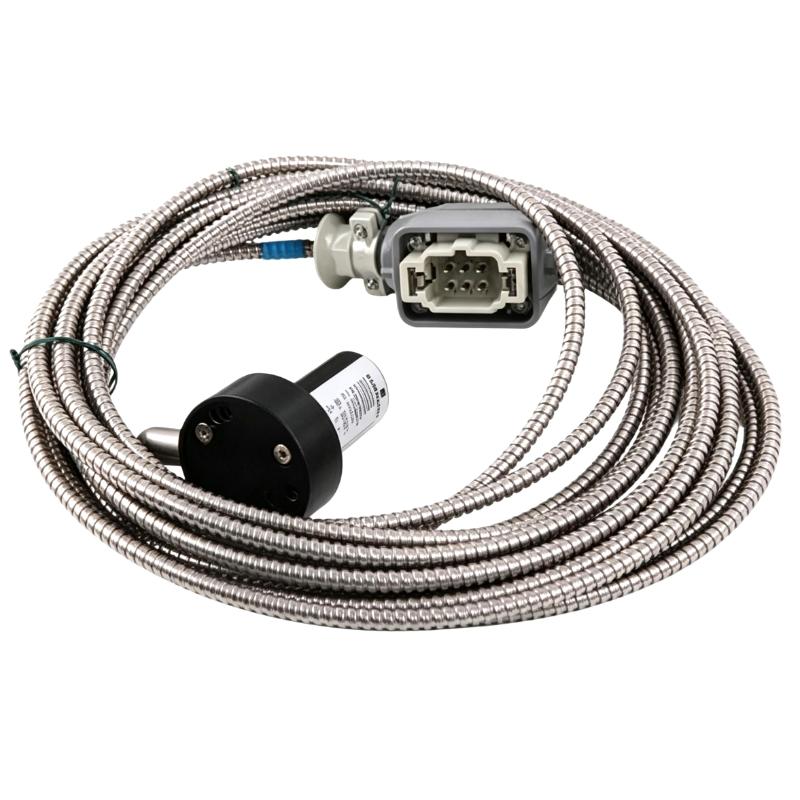
- Epro
- PR9268/700-000
- Electric Speed Sensor
- Germany
- 78 × 58 mm
- 0.93 kg
- Xiamen, China
- New & In Stock
- T/T, PayPal, Western Union
- 1 Year
- 1-3 Working Days
- DHL, UPS, TNT, FedEx and EMS.
- 24-Hour Service
- COO
- 5
Our advantage

Global Logistics
We have a 10-year logistics and express cooperation agreement, so our products can be shipped to any place in the world.

Brand new and original
Our products are imported in bulk from the place of origin. Because of the cooperative relationship, our products are all original and 100% new.

24-hour service
We provide 7*24 hours service to our customers. We will be there whenever you need us.

Price advantage
All our products are priced very favorably because we have our own warehouse and supply.
| Company Information | |||
| [email protected] | |||
| Mobile | +8615980777398 | ||
| +8615980777398 | |||
| 15980777398 |
Product Overview
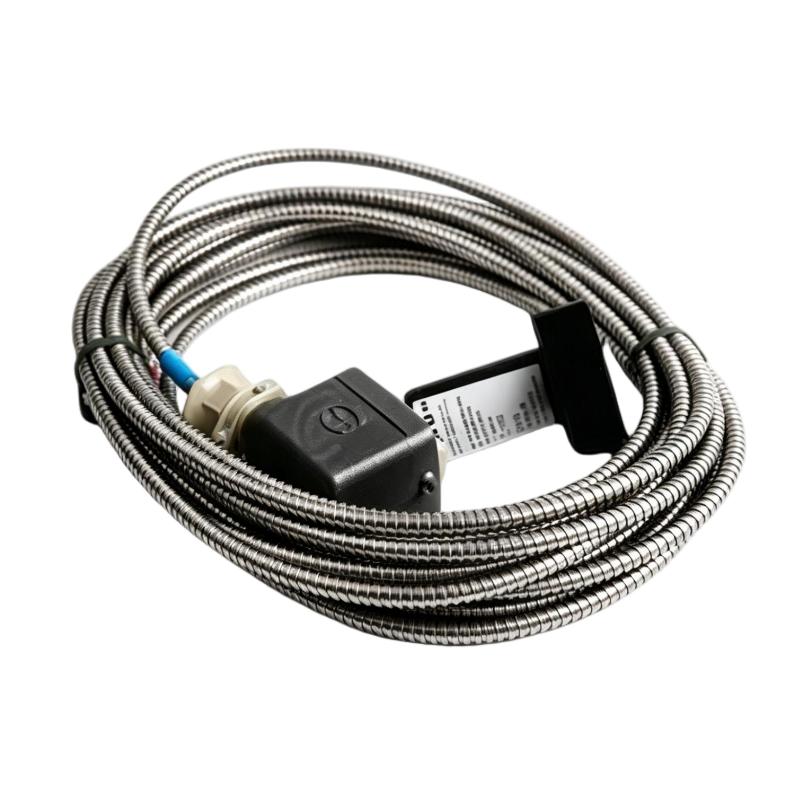
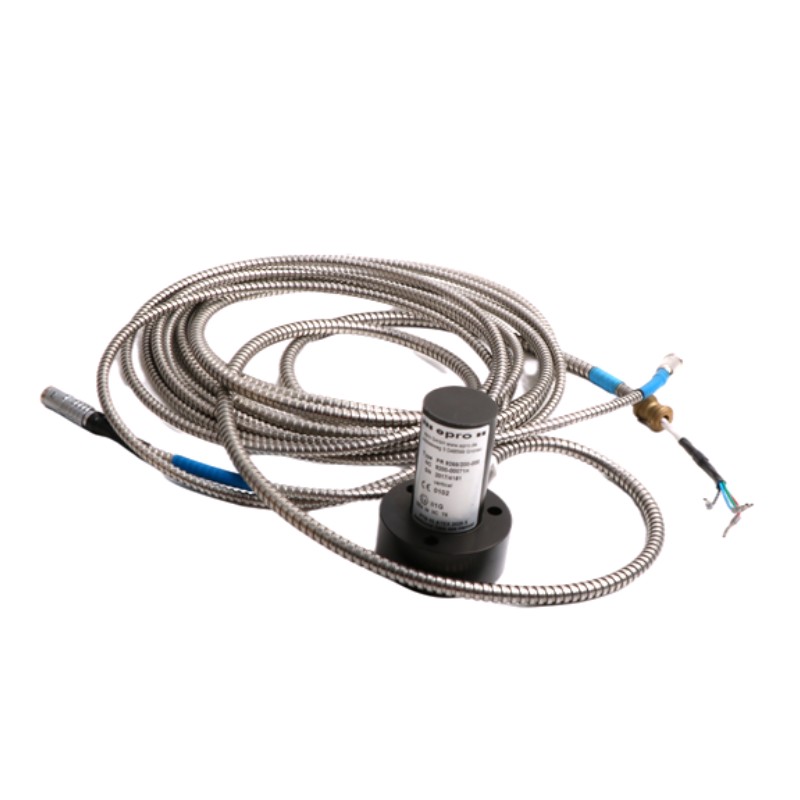
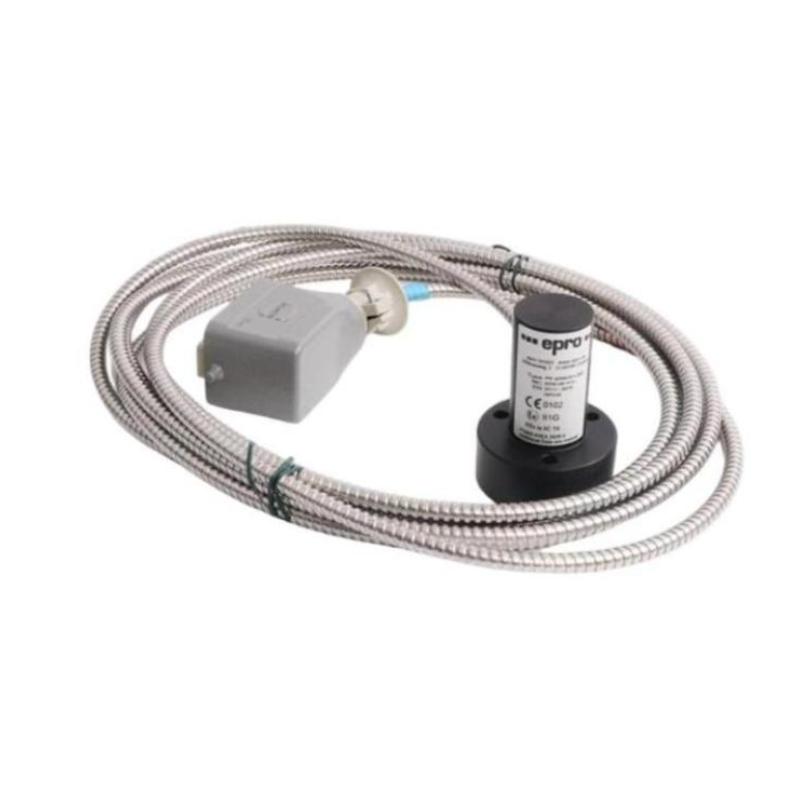
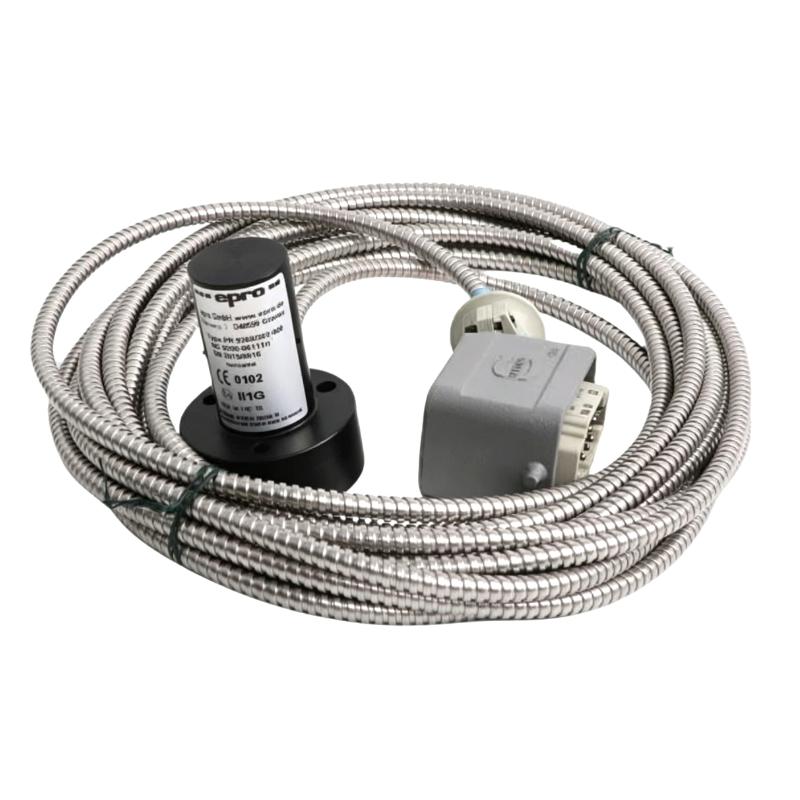
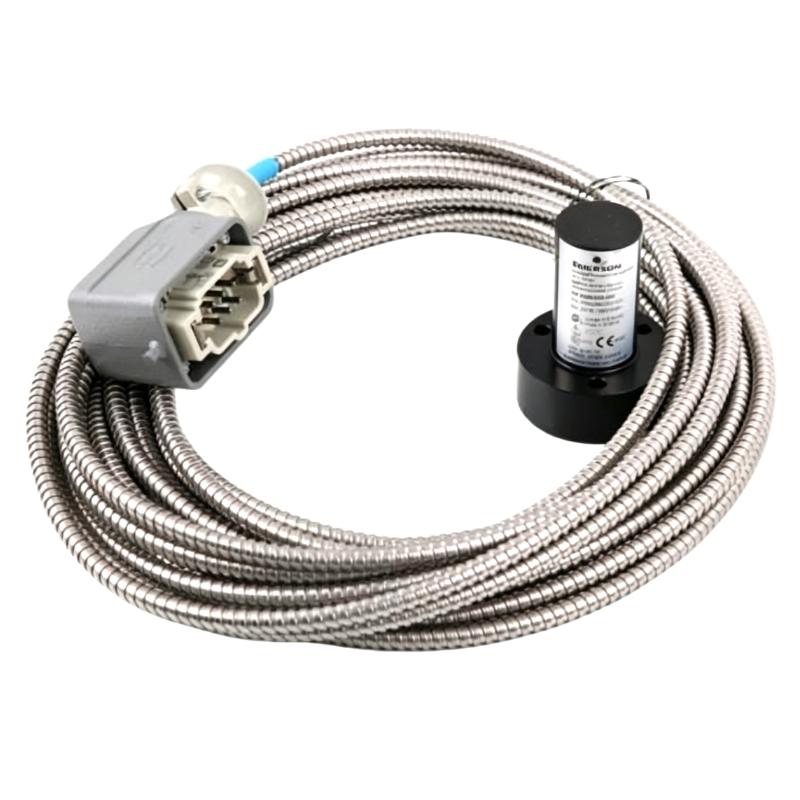
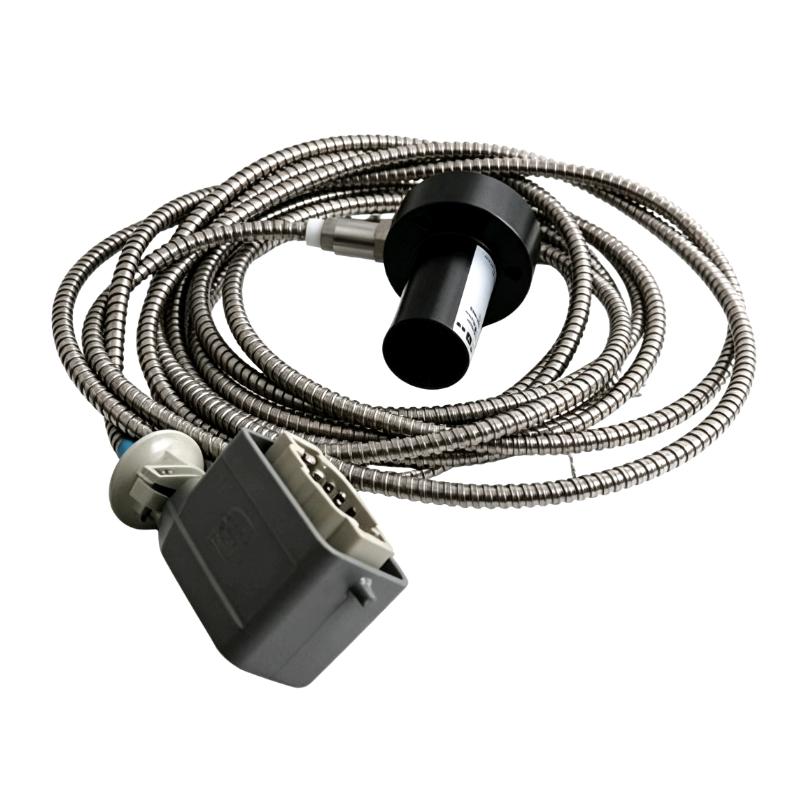
The Epro PR9268/700-000 Electric Speed Sensor is an electrodynamic velocity sensor designed for vibration monitoring in critical industrial rotating machinery. It belongs to the Epro PR9268 sensor family and is used to measure the absolute vibration velocity of machine casings and bearing housings.
In industrial environments, rotating equipment such as steam turbines, gas turbines, compressors, pumps, and fans can develop mechanical problems that gradually affect operating stability. Imbalance, misalignment, bearing deterioration, looseness, and other mechanical conditions may produce abnormal vibration. Continuous vibration monitoring helps maintenance teams identify changes in machine behavior and investigate potential faults before they develop into more serious failures.
The PR9268/700-000 converts mechanical vibration into an electrical signal proportional to vibration velocity. The signal can be connected to a compatible vibration monitoring or protection system for measurement, trending, alarm generation, and equipment-condition assessment.
An important distinction is that the PR9268/700-000 is an electrodynamic vibration velocity sensor rather than a conventional shaft-speed pickup that directly measures rotational speed in RPM. Its primary measurement is machine vibration velocity, making it suitable for condition-monitoring applications involving critical rotating machinery.
The /700-000 configuration is a horizontal high-temperature version. It supports a horizontal installation orientation with an allowable angular range of ±30° under the specified lifting/sinking-current condition. The model is designed for operating temperatures from -20°C to +200°C and has an IP65 protection rating.
For industrial maintenance and replacement projects, the complete model number is important. Different PR9268 versions may have different mounting orientations, temperature limits, cable configurations, electrical characteristics, and environmental protection ratings.
Technical Specifications
| Parameter | Specification |
|---|---|
| Brand | Epro |
| Product Series | PR9268 |
| Model Number | PR9268/700-000 |
| Product Type | Electrodynamic Velocity Sensor |
| Common Listing Name | Electric Speed Sensor |
| Measurement Purpose | Absolute vibration velocity |
| Measurement Principle | Electrodynamic |
| Installation Orientation | Horizontal |
| Orientation Range | ±30° under specified lifting/sinking-current condition |
| Natural Frequency | 8 Hz ± 1.5 Hz at 20°C |
| Sensitivity | 22.0 mV/mm/s ±5% at Pin 3, 100 Ω load |
| Alternative Sensitivity | 16.7 mV/mm/s ±5% at Pin 1, 50 Ω load |
| Alternative Sensitivity | 16.7 mV/mm/s ±5% at Pin 4, 20 Ω load |
| Frequency Range | 10–1000 Hz |
| Transverse Sensitivity | 0.10 at 80 Hz |
| Amplitude Linearity | Less than 2% |
| Maximum Acceleration | 10 g continuous; 20 g intermittent |
| Maximum Transverse Acceleration | 2 g |
| Operating Temperature | -20°C to +200°C |
| Protection Class | IP65 |
| Power Requirement | Self-powered |
| Housing Material | Stainless steel |
| Cable | PTFE, 3 × 0.5 mm² |
| Cable Armor | Stainless steel |
| Dimensions Provided | 78 × 58 mm |
| Weight Provided | 0.93 kg |
| Manufacturer Series Weight Reference | 1.05 kg for PR9268/70x-000 |
| Typical Applications | Turbines, compressors, pumps, fans, and critical rotating machinery |
Note: The 78 × 58 mm dimensions and 0.93 kg weight are the supplied listing values. The manufacturer’s drawing for the PR9268/70x-000 configuration shows a different dimensional presentation, and its series specification lists a weight of 1.05 kg. Confirm the exact physical version, cable configuration, and weighing basis before finalizing product or shipping data.
Function and Working Principle
The PR9268/700-000 uses an electrodynamic measurement principle to convert mechanical vibration into an electrical signal. Unlike a conventional proximity probe that measures shaft displacement relative to a fixed reference, an electrodynamic velocity sensor measures the vibration velocity of the structure to which it is mounted.
1. Electrodynamic Measurement
The sensor contains an internal mechanical sensing assembly. When the machine casing or bearing housing vibrates, relative movement within the sensor generates an electrical output.
The generated signal is related to the velocity of the measured vibration. This allows a monitoring system to evaluate vibration behavior without requiring an external electrical power supply for the sensor itself.
The self-powered design is useful in machinery monitoring installations where the sensor is connected to a compatible vibration monitoring input.
2. Vibration Velocity Measurement
Vibration velocity is an important parameter in rotating-machinery condition monitoring. It describes how quickly a vibrating machine surface moves during oscillation.
By monitoring vibration velocity, engineers can evaluate changes in machine condition and compare measurements with established operating baselines.
The PR9268/700-000 is designed for absolute vibration measurement. Its output can be processed by compatible monitoring equipment to provide information about the mechanical condition of the monitored machine.
3. Horizontal Installation Configuration
The /700-000 model belongs to the horizontal high-temperature configuration of the PR9268 family.
Its specified orientation range is horizontal ±30° under the applicable lifting/sinking-current condition. Installation orientation is important because gravity can influence the internal mechanical sensing assembly.
The sensor should therefore be mounted according to the manufacturer’s orientation requirements. Incorrect positioning may affect measurement behavior and reduce the reliability of vibration data.
4. High-Temperature Operation
The PR9268/700-000 is designed for operating temperatures from -20°C to +200°C.
This temperature capability makes it relevant to machinery installations where conventional lower-temperature vibration sensors may not be suitable. The sensor’s cable, connector, mounting surface, and associated monitoring-system components must also be suitable for the actual operating temperature.
5. Signal Transmission and Monitoring
The sensor generates an electrical signal proportional to vibration velocity. This signal is transmitted through the specified cable and connection arrangement to compatible monitoring equipment.
A vibration monitoring system can process the signal to display vibration values, establish alarm limits, record historical trends, and support machinery-protection strategies.
The complete measurement chain includes the sensor, cable, connection hardware, monitoring input, and configured signal-processing functions.
Role in Industrial Control and Machinery Protection Systems
The Epro PR9268/700-000 can serve as a field measurement component in an industrial machinery condition-monitoring system. Its role is to provide vibration information that helps operators and maintenance engineers assess equipment condition.
Vibration Monitoring System Integration
The sensor can be connected to compatible vibration monitoring equipment designed to accept its electrical characteristics.
The monitoring system processes the sensor signal and converts it into useful vibration information. Depending on the monitoring platform, the measured data may be displayed locally, transmitted to a control room, or stored for trend analysis.
Before integration, engineers should verify the input sensitivity, measurement range, signal conditioning, and connection requirements.
DCS Integration
In power plants and process facilities, vibration monitoring information may be made available to a distributed control system.
The DCS can display selected equipment-condition information alongside process variables such as pressure, temperature, flow, and motor status. This gives operators a broader view of equipment operation.
The PR9268/700-000 does not independently communicate with a DCS network. It requires a compatible monitoring or signal-conditioning interface between the sensor and the control system.
Machinery Protection
Critical rotating equipment often requires continuous monitoring to identify abnormal vibration conditions.
When connected to an appropriately configured protection system, the sensor can contribute vibration information used for alarms and protective actions. The actual alarm and trip functions depend on the monitoring hardware, configured limits, and plant protection philosophy.
The sensor itself does not independently execute machine shutdown logic.
Predictive Maintenance
Historical vibration measurements can help maintenance teams identify changes in machinery behavior.
A gradual increase in vibration may indicate developing mechanical problems. By comparing current measurements with historical baselines, engineers can decide whether further inspection or maintenance is necessary.
The sensor provides measurement data; accurate fault diagnosis requires appropriate monitoring equipment and engineering interpretation.
Industrial Applications
The PR9268/700-000 is intended for vibration monitoring in industrial rotating machinery, particularly equipment operating in demanding or elevated-temperature environments.
1. Steam Turbines
Steam turbines operate at high rotational speeds and are important assets in power generation and industrial process facilities.
Vibration monitoring helps maintenance teams evaluate casing and bearing-housing vibration behavior. The PR9268/700-000 can provide vibration velocity information for compatible turbine monitoring systems.
2. Gas Turbines
Gas turbines are used in power generation, mechanical drive applications, and industrial energy systems.
Continuous monitoring of vibration can help identify abnormal operating conditions and support maintenance planning. Sensor mounting location and temperature exposure must be evaluated according to the turbine’s design.
3. Industrial Compressors
Compressors are widely used in oil and gas processing, chemical production, refrigeration, and manufacturing.
Changes in vibration behavior may be associated with imbalance, misalignment, looseness, or bearing-related problems. The sensor can provide vibration data for compatible compressor monitoring systems.
4. Industrial Pumps
Large process pumps are used to transfer liquids in power plants, water-treatment facilities, refineries, and chemical plants.
Vibration monitoring helps identify changes in pump mechanical condition. The PR9268/700-000 may be used where its temperature range, orientation, and measurement characteristics match the installation requirements.
5. Industrial Fans and Blowers
Fans and blowers are common in ventilation, combustion-air supply, cooling, and process-gas handling systems.
Continuous vibration measurement can help maintenance teams identify mechanical deterioration and plan inspections before a fault causes an unexpected shutdown.
6. Power Generation Facilities
Power generation facilities rely on turbines, pumps, compressors, and auxiliary rotating machinery.
Vibration sensors form part of the wider machinery-monitoring architecture used to observe equipment condition and support operational reliability.
Installation and System Integration
Correct installation is essential for reliable vibration measurement. Mechanical mounting, sensor orientation, cable routing, and monitoring-system configuration all influence measurement quality.
1. Confirm the Sensor Model
Before installation, verify that the sensor is the PR9268/700-000 horizontal high-temperature version.
Do not assume that other PR9268 models are interchangeable. The /20, /30, /60, and /70 configurations have different orientation, temperature, and measurement characteristics.
2. Select the Correct Mounting Location
The mounting location should provide a representative measurement of the machine casing or bearing-housing vibration.
Choose a rigid and mechanically suitable surface. Avoid mounting locations with loose brackets, excessive surface irregularities, or unnecessary structural resonance.
The mounting point should also allow access for inspection and cable routing.
3. Follow the Required Orientation
The PR9268/700-000 is a horizontal high-temperature version with a specified orientation range of ±30° under the applicable lifting/sinking-current condition.
Check the manufacturer’s installation instructions before tightening the sensor into position. Incorrect orientation may influence the internal mechanical measurement system.
4. Secure the Mechanical Installation
The mounting surface should be clean, stable, and suitable for the specified fastening arrangement.
Use the correct mounting hardware and tightening procedure. Loose mounting can introduce additional vibration or distort the measurement signal.
Avoid modifying the sensor housing or mounting interface without manufacturer approval.
5. Protect the Cable and Connector
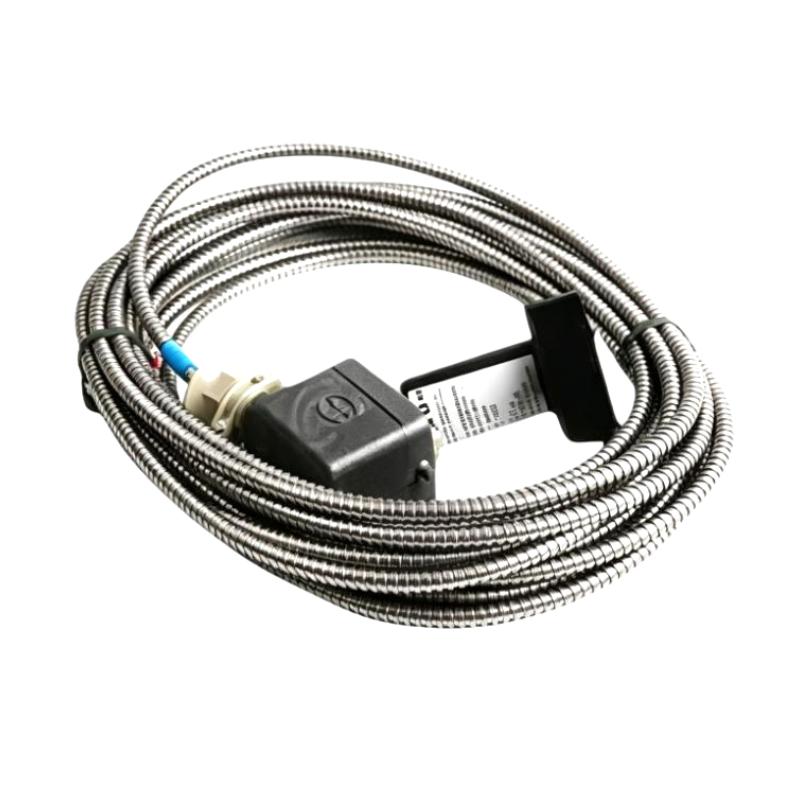
The PR9268 family uses a PTFE cable with stainless-steel armor in the documented configuration.
Route the cable away from sharp edges, excessive mechanical stress, hot surfaces beyond its rating, and sources of electrical interference. Avoid tight bends and unnecessary tension.
Verify the connector arrangement and cable termination before connecting the sensor to monitoring equipment.
6. Configure the Monitoring Input
The monitoring input must be compatible with the sensor’s sensitivity and electrical characteristics.
For the PR9268/70x-000 configuration, the published sensitivity values depend on the specified output pin and load resistance. Engineers should use the correct sensitivity for the actual wiring arrangement rather than applying a generic value.
Incorrect signal configuration can produce inaccurate vibration readings.
7. Verify Measurement Performance
After installation, confirm that the sensor output is stable and that the monitoring system displays plausible vibration values.
Compare the measurement with the equipment’s operating baseline and investigate unexpected differences. Record the mounting location, orientation, cable arrangement, and monitoring parameters for future maintenance.
Compatible System Components
The PR9268/700-000 is normally used as part of a complete vibration monitoring system. The following components may be required depending on the installation architecture.
| Component | Function | Integration Considerations |
|---|---|---|
| Vibration monitoring module | Receives and processes sensor signals | Must support the sensor’s electrical characteristics |
| Signal conditioning equipment | Provides appropriate signal handling | Confirm sensitivity, load, and input configuration |
| DCS | Displays equipment-condition information | Requires a compatible monitoring-system interface |
| PLC | Coordinates machine operation and selected alarms | Sensor signal normally requires suitable input conditioning |
| Machinery protection system | Monitors vibration limits and protective conditions | Alarm and trip logic depend on system configuration |
| Industrial monitoring software | Records and trends vibration data | Verify measurement scaling and data interpretation |
| Sensor cable | Transmits the electrical signal | Check cable length, armor, connector, and temperature suitability |
| Mounting hardware | Secures the sensor to the machine | Must match the sensor’s mechanical interface |
| Grounding and shielding arrangement | Helps reduce electrical interference | Follow the monitoring-system wiring recommendations |
The table describes typical system-level components. They are not necessarily supplied with the sensor.
Alternative Models and Replacement Considerations
The PR9268 family includes several sensor configurations. However, these models should not be treated as interchangeable without checking their orientation, temperature, sensitivity, cable, and protection specifications.
| Related Model | Configuration | Main Difference |
|---|---|---|
| PR9268/20x-x00 | Vertical standard-temperature version | Vertical mounting orientation; operating temperature -20°C to +100°C |
| PR9268/30x-x00 | Horizontal standard-temperature version | Horizontal mounting orientation; operating temperature -20°C to +100°C |
| PR9268/60x-000 | Vertical high-temperature version | Vertical mounting orientation; operating temperature -20°C to +200°C |
| PR9268/70x-000 | Horizontal high-temperature version | Horizontal mounting orientation; operating temperature -20°C to +200°C |
| PR9268/700-000 | Horizontal high-temperature configuration | Specific cable and connector configuration identified by the complete part number |
Before selecting an alternative, verify:
- Horizontal or vertical installation requirement.
- Operating temperature at the mounting location.
- Sensor sensitivity and monitoring input load.
- Natural frequency and measurement frequency range.
- Protection class and environmental exposure.
- Cable length and armored or non-armored construction.
- Connector type and termination arrangement.
- Mounting dimensions and mechanical interface.
- Hazardous-area certification requirements, where applicable.
A standard-temperature PR9268 model should not automatically replace a high-temperature version. Likewise, a vertical sensor may not be suitable for an installation designed for horizontal mounting.
Key Advantages
High-Temperature Capability
The PR9268/700-000 is designed for operating temperatures up to +200°C, making it suitable for selected high-temperature machinery-monitoring locations.
Electrodynamic Measurement
Its electrodynamic operating principle provides a vibration-velocity signal without requiring an external electrical supply for the sensor itself.
Horizontal Installation Design
The horizontal configuration is intended for installations where the required mounting orientation matches the machine layout.
Wide Measurement Frequency Range
The specified 10–1000 Hz frequency range supports vibration measurement across a broad range of machinery operating conditions.
Industrial Environmental Protection
The IP65 protection class provides protection against dust ingress and water jets when the sensor is installed correctly.
Stainless-Steel Construction
The documented high-temperature configuration uses stainless steel for the sensor housing and cable armor, supporting use in demanding industrial environments.
Machinery Condition Monitoring
The sensor provides vibration data that can support machinery monitoring, historical trending, maintenance planning, and protection-system applications.
Technical FAQs
1. What is the Epro PR9268/700-000?
It is an electrodynamic vibration velocity sensor in the Epro PR9268 family. It is designed to measure absolute vibration velocity on industrial machinery casings and bearing housings.
2. Is the PR9268/700-000 a conventional RPM speed sensor?
No. Although it is sometimes listed commercially as an electric speed sensor, its documented measurement function is vibration velocity. It should not be confused with a tachometer pickup designed to directly measure shaft rotational speed in RPM.
3. What is the operating temperature range?
The PR9268/700-000 belongs to the high-temperature PR9268/70x-000 configuration, with a specified operating temperature range of -20°C to +200°C.
4. What is its installation orientation?
It is a horizontal installation version. Its specified orientation range is ±30° under the applicable lifting/sinking-current condition.
5. What is the protection rating?
The PR9268/700-000 has an IP65 protection rating. Correct installation and cable connection are necessary to maintain the intended environmental protection.
6. Does the sensor require an external power supply?
The PR9268 family is specified as self-powered. It generates an electrical signal through its electrodynamic sensing principle.
7. What is the frequency range of the PR9268/700-000?
The high-temperature PR9268/70x-000 configuration has a published frequency range of 10 Hz to 1000 Hz.
8. What is the sensor sensitivity?
The manufacturer specifies 22.0 mV/mm/s ±5% at Pin 3 with a 100 Ω load. Alternative values are specified for other pin and load arrangements. The correct value must be selected according to the actual connection.
9. Can it be connected directly to a PLC or DCS?
Not necessarily. It should be connected to a compatible vibration monitoring or signal-conditioning input. The resulting measurement data can then be made available to a PLC or DCS through the appropriate system interface.
10. What should be checked before replacing an existing PR9268 sensor?
Verify the complete model number, mounting orientation, temperature rating, sensitivity, frequency range, protection class, cable length, connector type, and monitoring-system compatibility. A sensor with a similar appearance may have different electrical or mechanical characteristics.
Procurement and Maintenance Recommendations
When purchasing the Epro PR9268/700-000, verify the complete part number and confirm that the required configuration is horizontal and high-temperature rated.
The cable and connector details are particularly important. The /700-000 suffix identifies a specific arrangement within the PR9268 ordering system. A replacement with a different cable length or termination may require changes to the installation or monitoring-system connection.
For used or surplus equipment, inspect the housing, mounting interface, cable armor, cable jacket, and connector. Check for corrosion, impact damage, loose connections, and signs of overheating. Where the sensor is intended for critical machinery protection, confirm its electrical condition and measurement performance using an appropriate test procedure.
During routine maintenance, inspect the mounting point and cable route. Compare vibration readings with established operating baselines and investigate unusual changes rather than relying on a single measurement.
The product listing weight supplied is 0.93 kg. The manufacturer’s series specification lists 1.05 kg for the PR9268/70x-000 configuration. Confirm the actual unit and packaging weight before preparing shipping documentation.
Conclusion
The Epro PR9268/700-000 is a horizontal high-temperature electrodynamic vibration velocity sensor designed for monitoring critical industrial rotating machinery. Its measurement capabilities, -20°C to +200°C operating temperature range, IP65 protection class, and self-powered operating principle make it suitable for selected turbine, compressor, pump, and fan monitoring applications.
For maintenance and replacement projects, the most important considerations are the exact sensor configuration, installation orientation, temperature exposure, sensitivity, cable arrangement, and compatibility with the vibration monitoring system. Correct model verification helps maintain reliable vibration measurements and supports effective industrial machinery condition monitoring.