

ProductPRODUCT
Featured products
Contact Us
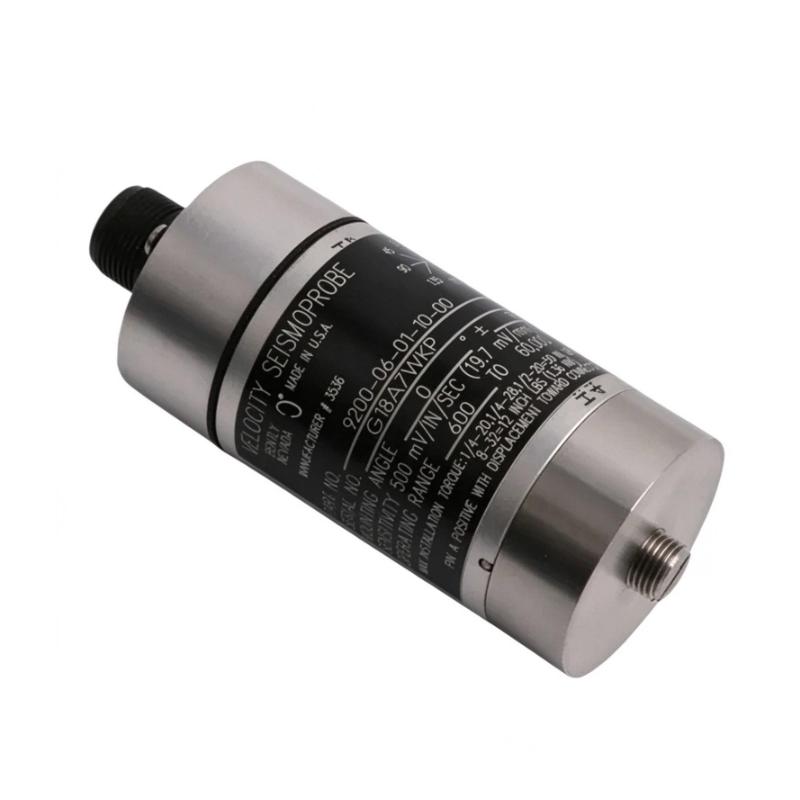
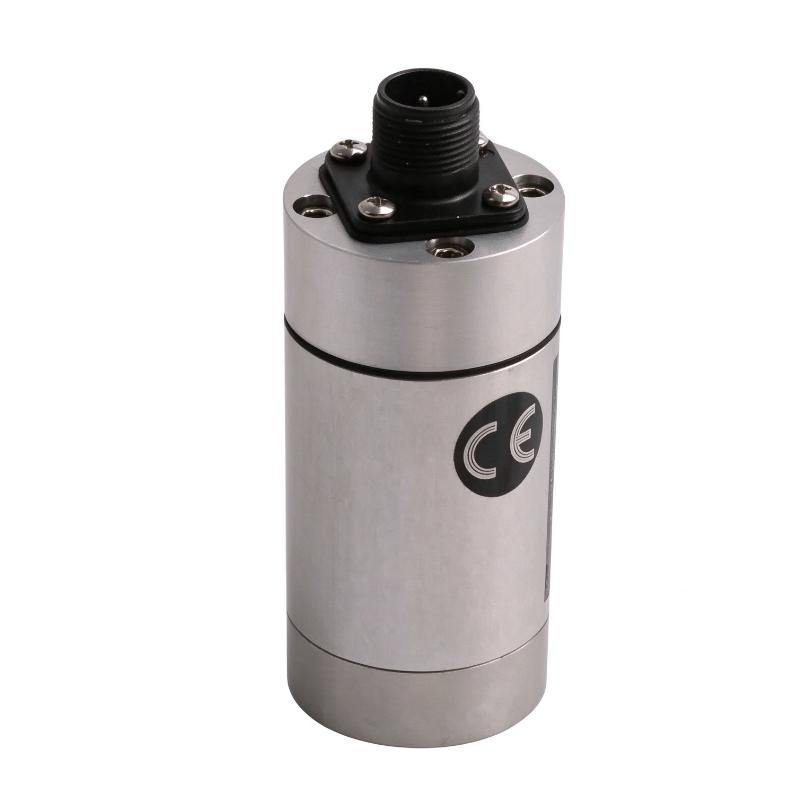
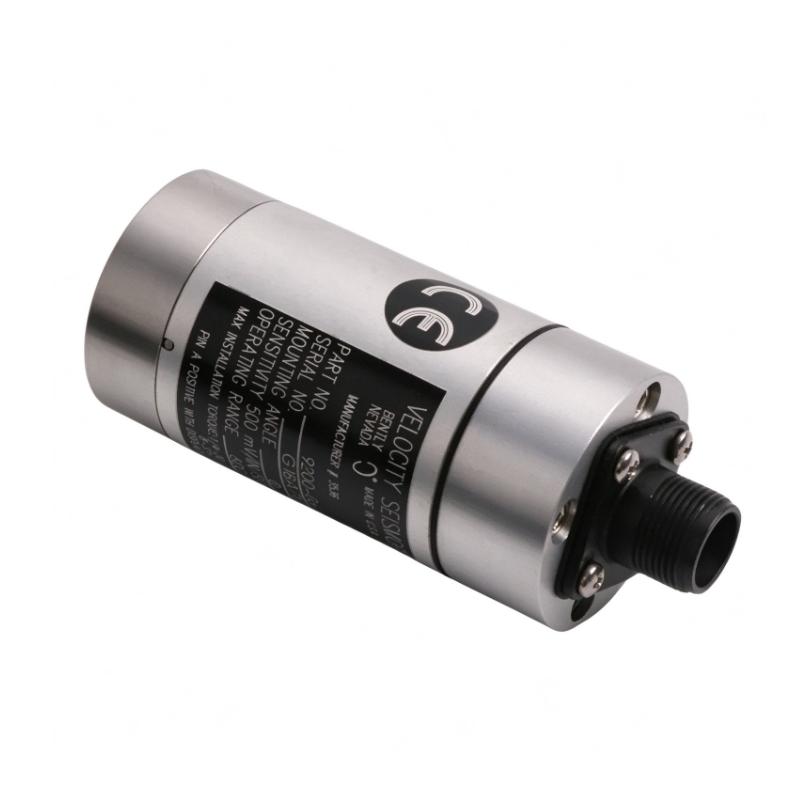
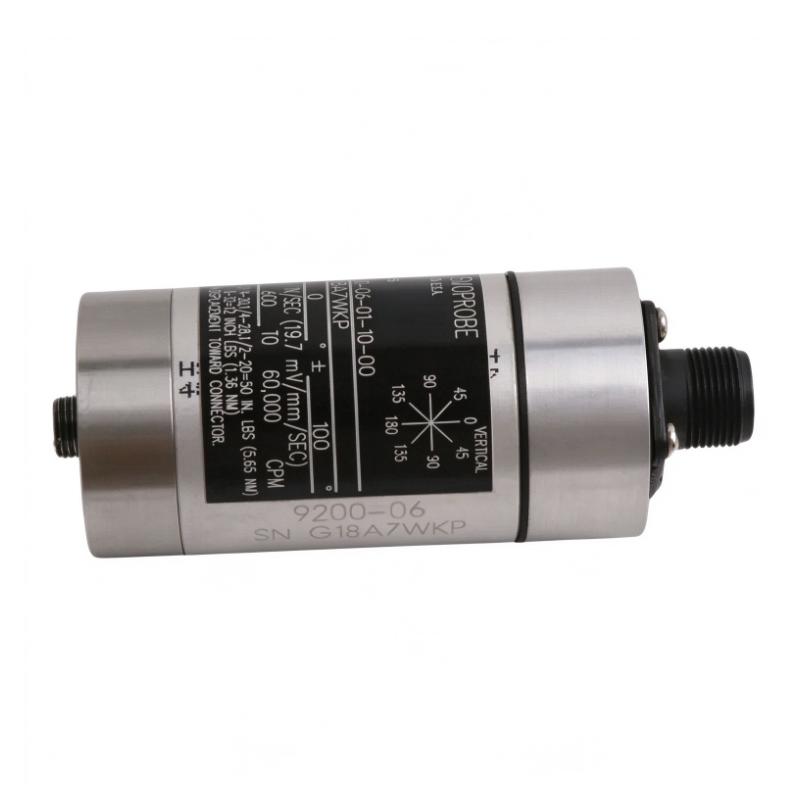
- Bently Nevada
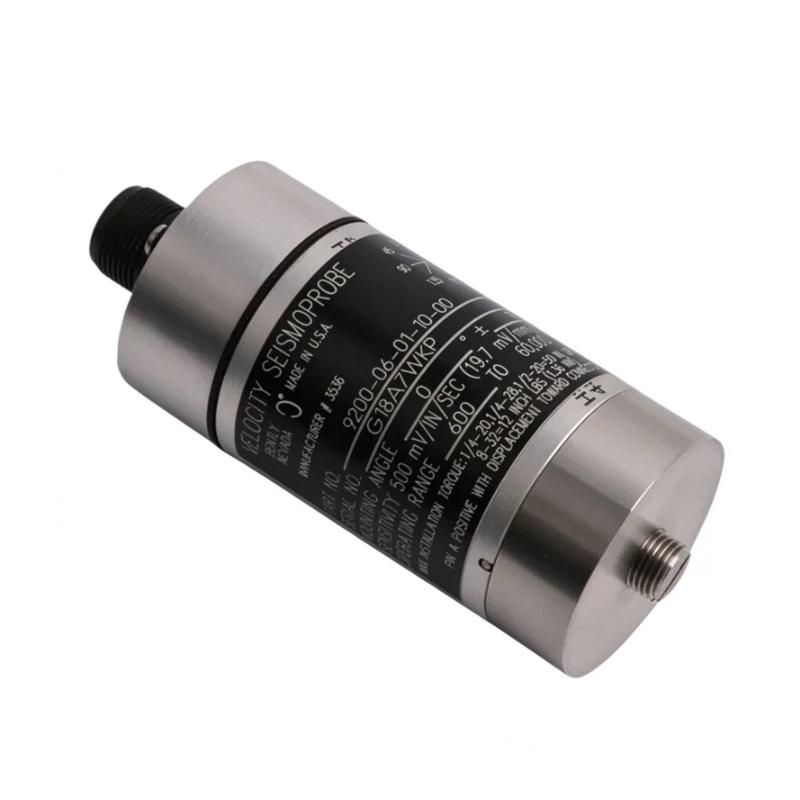
- 9200-03-05-05-01
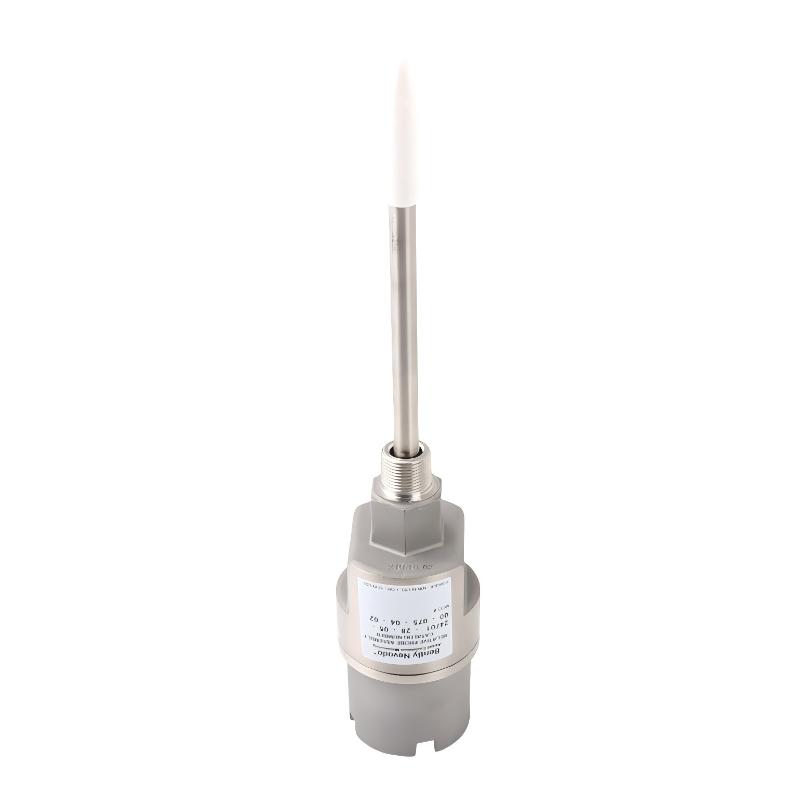
- Dual Linear Velocity Seismic Sensor
- USA
- 41.4 mm
- 0.3 kg
- Xiamen, China
- New & In Stock
- T/T, PayPal, Western Union
- 1 Year
- 1-3 Working Days
- DHL, UPS, TNT, FedEx and EMS.
- 24-Hour Service
- COO
- 2
Our advantage

Global Logistics
We have a 10-year logistics and express cooperation agreement, so our products can be shipped to any place in the world.

Brand new and original
Our products are imported in bulk from the place of origin. Because of the cooperative relationship, our products are all original and 100% new.

24-hour service
We provide 7*24 hours service to our customers. We will be there whenever you need us.

Price advantage
All our products are priced very favorably because we have our own warehouse and supply.
| Company Information | |||
| [email protected] | |||
| Mobile | +8615980777398 | ||
| +8615980777398 | |||
| 15980777398 |
Product Overview
The Bently Nevada 9200-03-05-05-01 Linear Velocity Seismic Sensor is an industrial vibration transducer designed to measure the vibration velocity of machine casings and supporting structures. It belongs to the Bently Nevada 9200 Seismoprobe family, which is used in machinery condition monitoring systems to collect vibration signals for equipment assessment and maintenance.
Unlike a proximity probe that measures relative shaft displacement, a seismic velocity transducer measures the vibration velocity of the machine housing or mounting surface. This measurement is useful for evaluating the overall vibration condition of rotating machinery, including pumps, motors, fans, compressors, and other industrial equipment.
The 9200 series uses a two-wire moving-coil measurement principle. Mechanical movement causes relative motion within the sensor’s electromagnetic assembly, generating an electrical signal proportional to vibration velocity. The resulting signal can be processed by a compatible vibration monitoring instrument or monitoring system.
The 9200 series has a nominal sensitivity of 20 mV/mm/s (500 mV/in/s), with a specified tolerance of ±5% under the manufacturer’s calibration conditions. Its frequency response can extend to 1,000 Hz, with the lower frequency limit determined by the ordered configuration.
The 9200-03-05-05-01 is intended for industrial machinery monitoring applications where reliable casing vibration measurements are required. Its installation and electrical configuration should be checked against the exact model suffix and the connected monitoring equipment.
Technical Specifications
| Parameter | Specification |
|---|---|
| Brand | Bently Nevada |
| Product Series | 9200 Seismoprobe |
| Model | 9200-03-05-05-01 |
| Product Type | Linear Velocity Seismic Sensor |
| Sensor Technology | Two-wire moving-coil velocity transducer |
| Measurement Type | Machine casing vibration velocity |
| Nominal Sensitivity | 20 mV/mm/s (500 mV/in/s) |
| Sensitivity Tolerance | ±5% under specified calibration conditions |
| Calibration Load | 10 kΩ |
| Typical Frequency Response | From configured minimum frequency to 1,000 Hz |
| Common 9200 Low-Frequency Configuration | 4.5 Hz minimum, depending on ordered option |
| Dynamic Operating Range | 2.54 mm peak-to-peak maximum displacement |
| Coil Resistance | 1.25 kΩ ±5% |
| Locked-Coil Inductance | 125 mH typical |
| Amplitude Linearity | ±5% from 0.254 to 127 mm/s at 100 Hz |
| Operating Temperature | -29°C to +121°C |
| Relative Humidity | Up to 95%, non-condensing |
| Sensor Diameter Provided | 41.4 mm |
| Weight Provided | 0.3 kg |
| Typical Application | Rotating machinery vibration monitoring |
Note: The specifications above include published 9200 family characteristics. Confirm the exact ordering options and connector configuration for 9200-03-05-05-01 before installation. The supplied diameter and weight are listing values.
Function and Working Principle
The primary function of the Bently Nevada 9200 sensor is to convert mechanical vibration into an electrical signal that represents vibration velocity. This signal can then be transmitted to compatible monitoring equipment for display, analysis, alarm management, and machinery condition assessment.
1. Moving-Coil Measurement Principle
The 9200 Seismoprobe uses an electromagnetic moving-coil principle. When the machine casing vibrates, the sensor’s internal moving element responds to the mechanical motion.
The relative movement between the coil and magnetic assembly generates an electrical output. Within the specified operating range, the output voltage is proportional to the vibration velocity.
This allows monitoring equipment to receive a measurable electrical signal without requiring the sensor to measure shaft displacement directly.
2. Vibration Velocity Measurement
Vibration velocity is an important parameter in machinery condition monitoring. It provides information about the rate of movement of a vibrating machine structure.
A velocity signal can help identify changes in mechanical condition, including:
- Increased vibration caused by mechanical imbalance.
- Misalignment between connected rotating components.
- Looseness in machine foundations or structural supports.
- Changes in bearing or support conditions.
- Abnormal vibration associated with mechanical wear.
- Changes in machine operating conditions.
The sensor provides measurement data; identifying the underlying fault requires analysis of the signal together with machine operating information and other diagnostic measurements.
3. Electrical Signal Output
The 9200 series has a nominal sensitivity of 20 mV/mm/s, equivalent to 500 mV/in/s.
This means that the electrical output changes in proportion to the measured vibration velocity when the sensor is correctly installed and connected to the specified load.
The manufacturer’s calibration specification uses a 10 kΩ load between terminals A and B. The monitoring equipment must be configured for the correct sensor sensitivity and electrical characteristics.
4. Frequency Response
The sensor is designed to measure vibration across a broad frequency range. The upper frequency limit is typically 1,000 Hz, while the lower operating frequency depends on the selected ordering configuration.
Frequency response is important because industrial machinery can produce vibration at different frequencies depending on rotational speed, mechanical design, and operating conditions.
A sensor with an appropriate frequency response allows the monitoring system to capture the vibration components relevant to the machine being monitored.
5. Signal Polarity
Correct signal polarity is important when connecting vibration sensors to monitoring equipment.
For the 9200 family, the manufacturer’s documentation defines the output polarity according to the direction of movement relative to the sensor connector. Following the documented terminal arrangement helps ensure that the monitoring system interprets the vibration signal correctly.
Role in Industrial Machinery Monitoring Systems
The Bently Nevada 9200 sensor can be used as part of a machinery protection and condition monitoring arrangement. It provides vibration velocity information that can be evaluated by compatible monitoring equipment.
Machine Casing Vibration Monitoring
The sensor is mounted on an appropriate machine casing or structural measurement point. It responds to the vibration of that mounting surface and generates an electrical signal proportional to vibration velocity.
This measurement can help operators assess the overall vibration behavior of the machine.
Integration with Vibration Monitoring Equipment
The sensor’s output can be connected to compatible Bently Nevada monitoring equipment, including appropriately configured 3300 or 3500 system channels.
Compatibility must be confirmed for the exact monitoring module, input circuit, sensor sensitivity, termination, and wiring arrangement. A sensor should not be connected solely because the connector or cable appears mechanically compatible.
Condition Monitoring and Maintenance
Vibration information can be used to establish a baseline for normal machine operation. Changes from that baseline may indicate developing mechanical problems.
Maintenance teams can compare vibration trends with operating speed, load, temperature, and maintenance history to determine whether further inspection is necessary.
Machinery Protection
When incorporated into an appropriately designed monitoring system, vibration measurements can support alarm and shutdown strategies.
The sensor itself does not independently perform machine shutdown or protection logic. Those functions depend on the connected monitoring hardware, configured alarm limits, control logic, and plant safety design.
Industrial Applications
The 9200 Seismoprobe family is suitable for industrial applications where machine casing vibration velocity needs to be measured.
1. Industrial Pumps
Pumps are commonly monitored for vibration changes associated with imbalance, misalignment, mechanical looseness, and bearing-related problems.
A casing-mounted velocity sensor can provide vibration information that helps maintenance personnel assess pump condition and identify changes from normal operation.
2. Electric Motors
Electric motors operate under different mechanical and electrical loads. Changes in vibration may be associated with rotor imbalance, coupling problems, mounting issues, or bearing deterioration.
The 9200 sensor can provide casing vibration velocity information for compatible motor monitoring installations.
3. Industrial Fans and Blowers
Fans and blowers may experience vibration caused by imbalance, blade contamination, structural looseness, or bearing problems.
Monitoring vibration velocity can help maintenance teams identify unusual operating trends and schedule inspections before more serious equipment damage occurs.
4. Compressors
Industrial compressors operate under demanding mechanical conditions. Vibration monitoring can provide useful information about casing behavior and changes in equipment condition.
A suitable sensor installation can contribute to a wider compressor monitoring strategy, although the required sensor type and measurement location depend on the compressor design.
5. Turbine and Rotating Equipment Auxiliaries
Rotating machinery installations may include auxiliary pumps, motors, fans, and other supporting equipment that require vibration monitoring.
The 9200 sensor may be used where casing vibration velocity measurement is appropriate and the monitoring system supports its electrical characteristics.
Installation and System Integration
Correct sensor installation is essential for obtaining meaningful vibration measurements. Mounting quality, orientation, cable routing, and monitoring-system configuration can all affect measurement accuracy.
1. Select the Correct Measurement Location
Choose a measurement point that provides a representative indication of machine casing vibration.
The mounting surface should be rigid, clean, and suitable for the sensor’s mounting arrangement. Avoid locations where local structural resonance or excessive flexibility may distort the measurement.
The sensor should be positioned according to the machine’s vibration monitoring plan and the manufacturer’s installation recommendations.
2. Verify Mounting Configuration
The 9200 family is available with different mounting and connector options. The complete part number determines the ordered configuration.
Before installation, verify the mounting base, stud thread, mounting angle, and connector arrangement for the exact 9200-03-05-05-01 unit.
Do not assume that all 9200 sensors use the same mounting hardware.
3. Check Sensor Orientation
The mounting orientation can affect the sensor’s calibrated response. The 9200 ordering configuration includes mounting-angle options, so the installed orientation should match the relevant manufacturer’s documentation.
For configurations specified at 90° ±2.5°, maintain the required orientation during installation.
4. Connect the Electrical Terminals
Connect the sensor according to the terminal identification and wiring diagram for the exact model.
The published 9200 family calibration uses a 10 kΩ load between terminals A and B. Confirm the input requirements of the monitoring equipment before making the connection.
Check the cable condition, terminal tightness, shielding arrangement, and polarity before commissioning.
5. Verify Monitoring-System Compatibility
Before connecting the sensor to a monitoring module, verify:
- Supported sensor type.
- Nominal sensitivity.
- Input impedance and termination requirements.
- Signal polarity.
- Measurement range.
- Frequency response.
- Cable length and signal transmission characteristics.
- Channel configuration and engineering units.
The 9200 sensor has a nominal sensitivity of 500 mV/in/s. A monitoring channel configured for a different sensor sensitivity may display inaccurate vibration values.
6. Commissioning and Signal Verification
After installation, inspect the mounting and electrical connections. Confirm that the monitoring channel is configured for the correct sensor type and sensitivity.
Compare the measured signal with the expected machine operating condition. If the reading is unstable or unusually high, inspect the mounting surface, cable, terminal connections, grounding arrangement, and monitoring-system configuration.
Record the installation location and baseline measurement to support future condition monitoring.
Compatible System Components
The 9200 sensor is intended to work with suitable vibration monitoring equipment and associated installation components.
| Component | Function | Compatibility Considerations |
|---|---|---|
| Bently Nevada 3300 Monitoring System | Receives and processes machinery vibration signals | Confirm compatible input channel and sensor configuration |
| Bently Nevada 3500 Monitoring System | Provides machinery monitoring and protection functions | Verify the specific module’s input requirements and supported sensor type |
| Vibration Monitoring Module | Processes sensor signals | Configure for the correct velocity sensor sensitivity |
| Field Instrument Cable | Carries the sensor output to monitoring equipment | Check cable type, length, shielding, and termination |
| Terminal Block | Provides electrical connection points | Follow the exact sensor wiring diagram |
| Sensor Mounting Hardware | Secures the sensor to the machine | Match the mounting base and thread configuration |
| Monitoring Software | Displays and trends vibration measurements | Configure engineering units, channel range, and alarm settings |
| Machinery Protection System | Evaluates vibration conditions and generates alarms | Alarm and trip logic must be engineered for the application |
The listed components are examples of equipment that may form part of a complete installation. They are not necessarily supplied with the sensor.
Alternative Models and Replacement Considerations
When replacing a Bently Nevada 9200 sensor, the replacement should be selected according to the complete ordering code and electrical specifications.
| Alternative or Related Model | Description | Replacement Considerations |
|---|---|---|
| Bently Nevada 9200 series | Two-wire moving-coil velocity transducers | Compare mounting, connector, angle, frequency, and approval options |
| Bently Nevada 74712 series | Seismoprobe velocity transducer family | Designed for different environmental temperature requirements; verify configuration |
| Bently Nevada 330500 series | Velomitor velocity sensor family | Uses a different sensing technology and electrical characteristics |
| Bently Nevada 330525 series | Ruggedized velocity sensor family | Check excitation, sensitivity, mounting, and input compatibility |
A replacement should not be selected based only on its physical diameter or general description as a velocity sensor.
Important comparison points include:
- Measurement principle.
- Nominal sensitivity.
- Frequency response.
- Operating temperature.
- Mounting angle and mechanical connection.
- Connector and terminal arrangement.
- Monitoring-system input compatibility.
- Cable requirements.
- Hazardous-area approvals, where applicable.
The 9200 and Velomitor sensor families have different electrical characteristics. Substituting one for another may require changes to monitoring-channel configuration and wiring.
Key Advantages
Reliable Velocity Measurement
The moving-coil measurement principle provides an electrical output proportional to machine casing vibration velocity.
Established Seismoprobe Design
The 9200 series is designed for industrial vibration monitoring and can be integrated into suitable machinery condition monitoring systems.
Defined Sensitivity
Its nominal sensitivity of 20 mV/mm/s provides a documented relationship between vibration velocity and electrical output.
Broad Frequency Coverage
The sensor supports frequency response up to approximately 1,000 Hz, with the minimum frequency determined by the selected configuration.
Two-Wire Sensor Arrangement
The two-wire design provides a straightforward electrical connection for compatible monitoring equipment.
Industrial Environmental Capability
The 9200 family has a specified operating temperature range of -29°C to +121°C and resistance to dust and moisture under the manufacturer’s stated conditions.
Support for Predictive Maintenance
Vibration velocity measurements can help maintenance teams identify changes in machine behavior and plan inspections based on equipment condition.
Technical FAQs
1. What is the Bently Nevada 9200-03-05-05-01?
It is a 9200 series Seismoprobe vibration velocity sensor designed to measure machine casing vibration and provide an electrical signal for compatible monitoring equipment.
2. What measurement does the 9200 sensor provide?
It measures vibration velocity at the sensor mounting location. It is intended for casing or structural vibration measurement rather than direct shaft displacement measurement.
3. What is the nominal sensitivity?
The published 9200 family sensitivity is 20 mV/mm/s, equivalent to 500 mV/in/s, with a tolerance of ±5% under specified calibration conditions.
4. What is its frequency response?
The upper frequency response is typically 1,000 Hz. The minimum operating frequency depends on the ordered configuration. Some 9200 configurations specify a 4.5 Hz minimum.
5. What is the operating temperature range?
The published operating and storage temperature range for the 9200 family is -29°C to +121°C.
6. Is the 9200 sensor suitable for a Bently Nevada 3500 system?
The 9200 family is documented for use with compatible Bently Nevada monitoring equipment, including 3500 systems. The exact monitoring module, input configuration, termination, and sensitivity settings must be checked before installation.
7. Does the sensor require a 10 kΩ calibration load?
The manufacturer’s published calibration specification uses a 10 kΩ load between terminals A and B. Confirm the input and termination requirements of the connected monitoring equipment.
8. Is the 9200 sensor the same as a Velomitor sensor?
No. The 9200 Seismoprobe uses a moving-coil measurement principle, while Velomitor products use a different sensing technology. Their sensitivity and electrical requirements are not interchangeable without checking system compatibility.
9. What should be checked before replacing an existing sensor?
Verify the complete part number, mounting arrangement, connector, mounting angle, sensitivity, frequency response, and monitoring-system input configuration. Mechanical fit alone does not establish electrical compatibility.
10. What is the sensor’s physical weight?
The supplied product listing weight is 0.3 kg, and the supplied sensor diameter is 41.4 mm. Confirm the actual unit dimensions and weight when preparing a procurement or shipping record.
Procurement and Maintenance Recommendations
When purchasing the Bently Nevada 9200-03-05-05-01, verify the complete part number and inspect the sensor label. The 9200 family contains multiple mounting, connector, and operating-frequency configurations, so the final suffix should be checked carefully.
For replacement projects, compare the new sensor with the existing installation. Pay particular attention to the mounting stud, connector arrangement, orientation, sensitivity, and monitoring-system input configuration.
For used or surplus equipment, request clear photographs of the nameplate, connector, mounting base, and housing. Confirm the product’s condition and ask for available inspection or test information.
During routine maintenance, inspect the mounting point, sensor housing, cable, terminals, and cable shielding. Check for loose connections, mechanical damage, corrosion, or changes in the mounting arrangement.
Establishing a baseline vibration measurement after installation can help maintenance teams identify future changes in machine behavior. Record the sensor model, installation location, channel configuration, sensitivity, and relevant operating conditions.
Conclusion
The Bently Nevada 9200-03-05-05-01 Linear Velocity Seismic Sensor is part of the 9200 Seismoprobe family and is designed to measure machine casing vibration velocity in industrial machinery monitoring applications.
With a published family sensitivity of 20 mV/mm/s, frequency response extending to approximately 1,000 Hz, and an operating temperature range of -29°C to +121°C, the 9200 series provides vibration information for compatible monitoring systems.
For procurement, installation, and replacement, verifying the complete ordering code is essential. Correct mounting, sensor orientation, electrical termination, and monitoring-channel configuration help ensure reliable vibration measurements in industrial applications.